

We may earn a commission when you buy through links on this page, at no extra cost to you. Learn more.
This andre spumante review finds that André Spumante is a sweet, approachable California sparkling wine best suited to casual celebrations, brunch, and fruit-based desserts. It offers lively bubbles with recognizable peach, honey, ripe pear, and green apple flavors. Its Charmat-method production and accessible style make it a practical choice for drinkers who prefer sweeter sparkling wines over crisp, bone-dry alternatives.
André Spumante occupies a particular place in the American sparkling wine market: it is uncomplicated, fruit-forward, and designed for easy enjoyment rather than formal wine appreciation. That distinction matters when deciding whether to buy it. Understanding its sweetness, production method, alcohol content, and food-pairing possibilities helps set realistic expectations before opening a bottle.
Who Should Buy André Spumante?
André Spumante is a good choice for people who enjoy sweet sparkling wine with noticeable fruit flavors and lively carbonation. Its approachable character suits informal gatherings, weekend brunches, birthday celebrations, and occasions where an easy-drinking bubbly is more important than complex winemaking or traditional Champagne credentials.
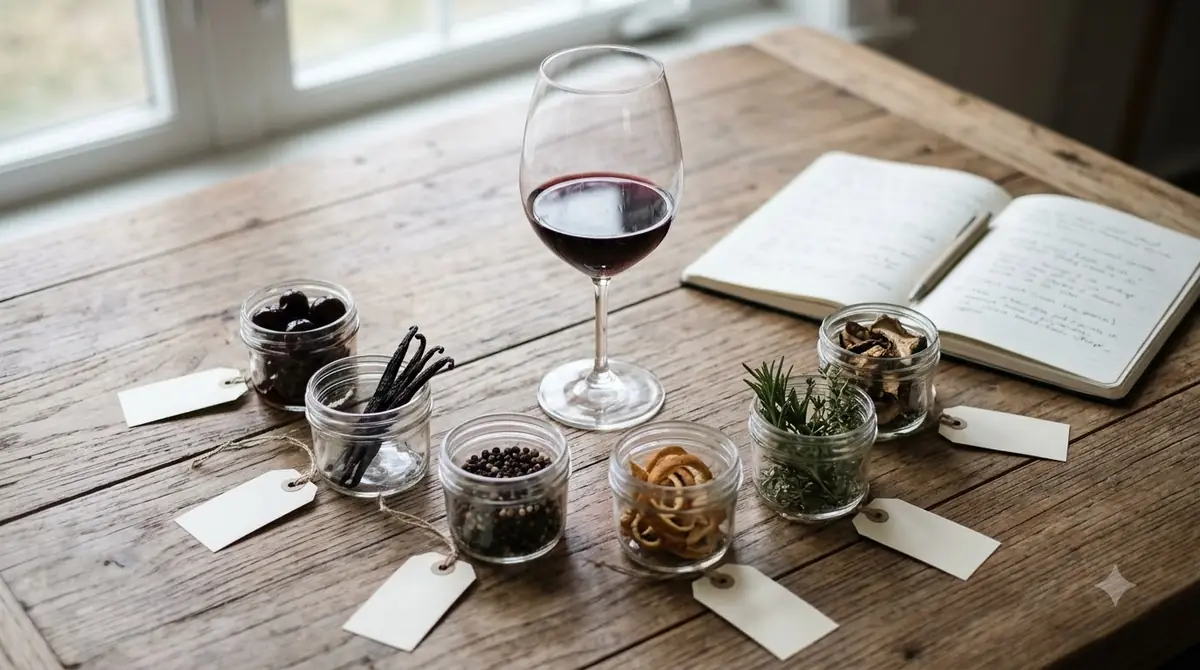
The wine particularly appeals to drinkers who find Brut sparkling wines too dry or sharp. Peach and honey characteristics provide an immediately recognizable flavor profile, while pear and green apple notes contribute some freshness. The result is a sweet-leaning sparkling wine that does not require extensive wine knowledge to appreciate.
It is also useful for hosts planning a casual event. A standard 750 ml bottle provides approximately six smaller servings, making it relatively straightforward to estimate quantities for a gathering. The bottle works alongside sweet breakfast dishes, pastries, fruit plates, and simple appetizers.
Who will appreciate its style?
- Sweet-wine drinkers: People who enjoy peach, honey, and ripe fruit flavors rather than dry citrus-driven sparkling wine.
- Brunch hosts: Those serving pancakes, doughnuts, French toast, pastries, or fresh fruit.
- Casual party planners: Anyone looking for approachable bubbles for birthdays, informal celebrations, and family gatherings.
- New sparkling wine drinkers: People who want a recognizable fruit-forward style without learning complicated Champagne terminology.
- Cocktail enthusiasts: Drinkers interested in combining sweet sparkling wine with fruit juice or fresh fruit for simple celebratory drinks.
However, André Spumante is not the ideal choice for everyone. Drinkers who prefer dry, mineral-driven sparkling wines may find its sweetness distracting. It also lacks the layered yeast, toasted bread, and extended bottle-fermentation character associated with traditional Champagne.
Anyone planning a formal tasting or serving sparkling wine alongside delicate seafood should consider a drier alternative. André Brut, for example, provides a different sweetness profile within the same broader brand family. Exploring the wider Wine Brands category can also help identify alternatives that better match individual preferences.
Key Factors to Compare Before Buying
The most important buying considerations are sweetness, fruit character, alcohol content, bottle size, and production method. These factors explain why André Spumante works well for some occasions but may disappoint drinkers expecting a traditional dry sparkling wine.
Its central characteristic is sweetness. Retail descriptions identify peach and honey as prominent flavors, while Total Wine also highlights ripe pear and green apple. Wine Enthusiast describes the wine as clean and zesty, with peaches-and-cream aromas and an off-dry character. Its André NV Spumante review provides additional tasting context for shoppers comparing California sparkling wines.
| Buying factor | Typical specification or characteristic | Why it matters |
|---|---|---|
| Wine style | Sweet white sparkling wine | Best for drinkers who enjoy noticeable sweetness. |
| Origin | California, USA | It is American sparkling wine, not French Champagne. |
| Bottle size | 750 ml | Standard bottle for small gatherings. |
| Alcohol content | 10.5% ABV in Food Lion’s listing | Useful when comparing sparkling wine strength. |
| Serving estimate | Approximately 6 small pours | Helps estimate bottles needed for a gathering. |
| Serving temperature | 40–50°F | Preserves refreshing bubbles and balances sweetness. |
| Production method | Charmat method | Secondary fermentation takes place in a tank. |
| Flavor profile | Peach, honey, pear, and green apple | Provides a recognizable fruit-forward character. |
The alcohol figure deserves particular attention. Food Lion lists André Spumante at 10.5% ABV, while other retailer descriptions have displayed slightly different figures. Product listings are not always consistent, so the specific bottle’s printed alcohol statement is the most reliable reference when comparing strength.
Bottle size is more consistent. The standard 750 ml format is the familiar size used for many sparkling wines. Although some retailer descriptions estimate six glasses per bottle, the actual number depends on pour size. Six 125 ml servings are different from six traditional 5-ounce wine pours.
Sweetness versus freshness
Sweetness does not necessarily mean a sparkling wine tastes heavy. Carbonation and acidity can make a sweet wine feel more refreshing than a still dessert wine. André Spumante benefits from this contrast, although its fruit-forward character remains noticeable throughout the drinking experience.
For shoppers comparing bottles, it helps to distinguish between a wine that is fruity and one that is genuinely sweet. A wine can smell like peaches without containing substantial residual sugar. In André Spumante’s case, both retailer descriptions and the published Wine Enthusiast review point toward a sweet-leaning profile.
For additional details about its strength, see the André Spumante alcohol content guide. This is particularly useful when comparing the bottle with other sparkling wines or planning a mixed selection for a celebration.
Step-by-Step: How to Choose and Serve André Spumante
Buying and serving André Spumante is straightforward, but a few practical decisions make a noticeable difference. Start by confirming that you want a sweet California sparkling wine, then consider the occasion, bottle quantity, serving temperature, and food menu.
-
Decide whether you prefer sweet sparkling wine.
André Spumante is intended for drinkers who enjoy fruit-forward sweetness. If you usually choose Brut Nature, Extra Brut, or Brut wines, its sweeter profile may be a significant departure from your normal preference.
-
Compare the available André expressions.
Spumante is the sweet-focused option. André Brut generally suits people seeking a drier style, while Extra Dry occupies a somewhat sweeter position than Brut in conventional sparkling wine terminology. Do not assume Extra Dry means sweeter than Spumante.
-
Check the bottle size and alcohol statement.
The familiar bottle is 750 ml. Food Lion lists the Spumante expression at 10.5% ABV, although retailer information can vary. Confirm the alcohol percentage on the actual bottle if the number is important to your purchase decision.
-
Calculate the number of bottles needed.
Use approximately six smaller 125 ml servings per 750 ml bottle as a planning estimate. For a gathering of 12 people receiving one serving each, two bottles provide approximately 12 such pours.
-
Chill the wine properly.
Refrigerate the bottle before serving. A temperature around 40–50°F is appropriate for sparkling wine and helps preserve its refreshing character. Avoid serving it warm, since the sweetness and alcohol can become more prominent.
-
Choose suitable glassware.
A flute emphasizes the bubbles and keeps the presentation traditional. A white wine glass provides more room for peach, honey, and pear aromas. Either is suitable for a casual gathering.
-
Open and pour carefully.
Keep the bottle chilled and direct it away from people when opening. Pour gradually into clean glasses, allowing the foam to settle between pours. Smaller servings help preserve carbonation in the remaining bottle.
These steps are useful whether the wine is being served at brunch or as an uncomplicated celebratory drink. The most important decision is choosing the right sweetness level for the people attending.
Tip: Chill André Spumante thoroughly before serving and keep the remaining bottle refrigerated. Its peach and honey flavors are more refreshing when balanced by cool temperature and lively carbonation.
Types and Styles Explained
André Spumante is a California sparkling wine made using the Charmat method, a production approach in which secondary fermentation takes place in a pressurized tank. This method helps retain fresh fruit character and is commonly associated with accessible sparkling wines.
Food Lion identifies the product as naturally fermented and specifically describes its production as Charmat-method sparkling wine. This is an important distinction because not all sparkling wines acquire their bubbles in the same way.
Understanding the Charmat method
In the Charmat method, a base wine undergoes a second fermentation in a sealed tank. Yeast converts additional sugar into alcohol and carbon dioxide, and the pressurized environment keeps the resulting bubbles in the wine. The sparkling wine is subsequently filtered and bottled under pressure.
This differs from the traditional method used for Champagne and Cava, where the second fermentation happens inside each individual bottle. Traditional-method wines can develop additional aromas associated with yeast contact, including bread, biscuit, and brioche.
The Charmat approach is particularly suitable for wines where fresh fruit and straightforward drinkability are important. André Spumante’s peach, honey, pear, and green apple profile fits that general style.
Spumante and sparkling wine terminology
The word spumante is Italian for sparkling. It describes a category of wine with bubbles rather than guaranteeing a particular grape variety, sweetness level, or country of production.
André Spumante should therefore be understood as an American sparkling wine carrying an Italian-style category name. It is not equivalent to Prosecco, which is associated with Glera grapes and production rules from designated Italian regions.
It is also important to distinguish André Spumante from Champagne. Champagne must come from the Champagne region of France and follow the applicable production requirements. André Spumante is produced in California, so its appropriate classification is California sparkling wine.
How André compares with other sparkling styles
Conventional sparkling wine sweetness terminology can help explain where different bottles fit. The standard progression from driest to sweetest is Brut Nature, Extra Brut, Brut, Extra Dry, Dry, Demi-Sec, and Doux.
André Spumante belongs on the sweeter side of the sparkling wine spectrum. Someone who prefers crisp, dry aperitif wines will probably find André Brut more suitable. Someone who likes ripe fruit, soft sweetness, and easy-drinking bubbles may prefer Spumante.
For readers comparing the broader André range, the André Spumante product overview provides another starting point for understanding its place within the brand’s sparkling wine selection.
Common Mistakes When Buying and Drinking André Spumante
The biggest mistakes involve confusing sparkling wine terminology, expecting Champagne-like complexity, overlooking sweetness, and serving the bottle too warm. Understanding these distinctions prevents disappointment and helps match the wine to the right occasion.
Assuming Spumante means Champagne
Spumante describes sparkling wine, not a specific French appellation. André Spumante is a California product, and its production method and regional identity differ from those of Champagne.
That distinction does not make it an unsuitable celebratory drink. It simply means buyers should compare it with other approachable California sparkling wines rather than expecting the same characteristics as a bottle from Reims, Épernay, or another Champagne-producing area.
Expecting a bone-dry flavor
Sweetness is central to André Spumante’s identity. Its peach and honey character makes it more suitable for people who enjoy sweet or off-dry wines than for those seeking a sharply dry sparkling aperitif.
Another common misunderstanding involves Extra Dry. In sparkling wine terminology, Extra Dry is actually sweeter than Brut. A shopper choosing between André Brut, Extra Dry, and Spumante should consider the actual style rather than interpreting the words according to everyday language.
Serving it too warm
Warm sparkling wine can seem less refreshing, particularly when it already has a noticeable sweet profile. A serving temperature around 40–50°F helps keep the wine lively and makes it more comfortable alongside rich brunch dishes.
There is also a practical reason to chill it before opening: cold wine generally retains dissolved carbon dioxide more effectively than warm wine. This helps preserve the bubbles during pouring.
Pairing it with unsuitable food
Not every dish works equally well with a sweet sparkling wine. Very delicate seafood preparations and intensely savory dishes may be better served with a drier wine, especially if their flavors are easily overwhelmed by sweetness.
Similarly, pairing a sweet wine with an even sweeter dessert can sometimes make both seem excessively sugary. The better approach is to select desserts with fruit acidity, creaminess, or moderate sweetness that provide some contrast.
Expecting traditional-method complexity
Charmat-method production is not intended to create the same bottle-fermented character associated with Champagne. André Spumante emphasizes accessible fruit flavors and freshness rather than extended yeast-derived complexity.
Buyers should evaluate the wine according to its intended style. It is a casual sparkling option, not a substitute for a mature vintage Champagne or a complex traditional-method sparkling wine.
Care, Storage, and Food Pairing Tips
André Spumante is best served well chilled and stored away from excessive heat and light. Its sweet, fruit-forward character makes it especially suitable for brunch dishes, pastries, fresh fruit, and desserts with complementary flavors.
Best food pairings
Sweet sparkling wine can work particularly well with food that has a similar or slightly greater sweetness level. The bubbles provide contrast against rich textures, while the peach and honey characteristics complement fruit-based dishes.
- Pancakes and waffles: Their soft texture and breakfast sweetness work naturally with the wine’s peach and honey character.
- Doughnuts: Sweet pastries provide an easy pairing for informal brunches and celebrations.
- Fresh strawberries and peaches: Their fruit flavors complement the wine without introducing overly complicated seasoning.
- Fruit tarts: Peach, apple, and berry toppings can echo the wine’s orchard-fruit character.
- Cheesecake: Creamy textures provide contrast, particularly when accompanied by fresh fruit.
- Light appetizers: Mild cheeses, crackers, and lightly salted snacks can balance the wine’s sweetness.
Salt can soften the perception of some wine characteristics, making lightly salty snacks useful alongside sweeter sparkling wine. However, intensely spicy dishes are less suitable because alcohol can amplify the perception of chili heat.
Serving temperature and glassware
Serve André Spumante between 40°F and 50°F. This is a practical sparkling wine temperature range that keeps the wine refreshing while allowing some of its fruit aromas to emerge as it warms slightly in the glass.
Flutes are appropriate for a traditional celebration, but white wine glasses are also useful. Their wider bowls allow more room for the peach and honey aromas to develop.
Storing unopened bottles
Keep unopened sparkling wine in a cool, dark place away from direct sunlight, heating equipment, and large temperature fluctuations. Long-term wine storage is generally best near 55°F, with bottles positioned on their sides when using a traditional cork closure.
André Spumante is generally intended for accessible, relatively immediate enjoyment rather than extended bottle aging. There is little reason to purchase it specifically for a long-term cellar collection.
Keeping an opened bottle fresh
Once opened, sparkling wine gradually loses its carbonation. Refrigerate the remaining wine immediately and use a purpose-built sparkling wine stopper to help preserve the bubbles.
A practical general guideline for opened sparkling wine is approximately one to three days in the refrigerator, although freshness depends on the closure, temperature, and amount of wine remaining. The fewer times the bottle is opened and exposed to air, the better its chances of retaining a pleasant texture.
For a gathering, opening bottles as needed is preferable to opening everything at once. This keeps the final servings fresher and reduces unnecessary waste.
Frequently Asked Questions
Is André Spumante made from Muscat grapes?
Retail product descriptions identify André Spumante primarily by its sparkling wine style and flavor characteristics rather than providing a definitive grape blend. A peaches-and-honey flavor profile alone does not establish that Muscat grapes were used. Avoid assuming a particular grape variety without a confirmed producer specification.
Does André Spumante contain sulfites?
Food Lion’s product information specifically identifies sulfites in André Spumante. Sulfites are commonly associated with wine production and preservation. The retailer also directs customers to product packaging for ingredient and product information.
Can André Spumante be used in a Bellini?
Yes, it can be used as a sweet sparkling base in a simple peach cocktail. Because the wine already has peach and honey characteristics, the resulting drink will generally be sweeter than one made with a dry sparkling wine. Use a modest amount of peach puree to avoid overwhelming the bubbles.
Is André Spumante suitable for a sparkling wine punch?
Its sweet fruit profile makes it a practical option for a casual sparkling punch. It can be combined with fresh citrus slices, berries, and chilled fruit juice. Add the sparkling wine shortly before serving so that the carbonation remains noticeable.
Does André Spumante need to be decanted?
No. Decanting is generally unnecessary for a fresh, fruit-forward sparkling wine intended for immediate enjoyment. Opening the bottle and pouring directly into clean glasses preserves the simple serving style and avoids unnecessary loss of carbonation.
André Spumante is a sensible choice for anyone who enjoys sweet, fruity sparkling wine and wants something uncomplicated for brunch, desserts, or casual celebrations. Its peach and honey flavors, California origin, and Charmat-method production define its approachable character. Choose it for easy-drinking sweetness rather than Champagne-style complexity, and serve it thoroughly chilled for the most refreshing experience.
More in Wine Brands
 Underwood Wine Price: Compare Bottles, Cans, and Pack SizesUpdated Nov 21, 2026
 Zenato Wine Price: Compare Styles and Choose the Right BottleUpdated Nov 21, 2026
 Zuccardi Wine Price: Compare Bottles and Find the Right RangeUpdated Nov 21, 2026
 Yellow Tail Moscato Review: Taste, Sweetness and Serving TipsUpdated Nov 21, 2026
 Wolf Blass Yellow Label Review: Choose Your Best StyleUpdated Nov 21, 2026
 Wolffer Estate Rose Review: Choose the Right Bottle for Your TableUpdated Nov 21, 2026