

We may earn a commission when you buy through links on this page, at no extra cost to you. Learn more.
The typical apothic brew price ranges from about $14 to $18 for a 750 ml bottle at US wine retailers, though exact shelf tags vary by state, local taxes, and remaining inventory. Pricing aggregators like Wine-Searcher place the average ex-tax US price near $16 per bottle, while national chains and online merchants have historically listed it between $13.99 and $17.99. Because E. & J. Gallo Winery produces this cold-brew-infused red blend as a limited release rather than a year-round staple, shoppers often pay roughly double the cost of flagship Apothic Red and encounter sharper price swings when local stock runs low.
Shoppers looking for a bottle of coffee-infused red wine frequently notice wide gaps between online price trackers, big-box liquor stores, and neighborhood wine shops. Knowing what drives those numbers, how this bottling differs from standard apothic wine releases, and how to evaluate bottle condition before checking out keeps buyers from overpaying for older inventory.
Who This Guide Is For
This buying guide helps casual wine drinkers, coffee fans, and party hosts decide whether a bottle of Apothic Brew fits their budget and taste preferences before hunting down a bottle. It breaks down realistic US retail price ranges, bottle specifications, and shelf-life checks so shoppers know what to expect at checkout.
Buyers who enjoy smooth, fruit-forward California red blends with mocha and vanilla notes usually find the flavor profile approachable. Those who regularly drink rich apothic red wine bottlings or barrel-aged styles often gravitate toward this release as an after-dinner pour or dessert companion. Because the wine combines dark red grapes with cold brew coffee extract, it appeals most to drinkers who appreciate roasted cocoa, caramel, and toasted oak flavors rather than crisp, bone-dry European reds.
Conversely, strict wine traditionalists looking for single-vineyard terroir expression or crisp mineral acidity will likely prefer spending $15 to $18 on a classic California Zinfandel or Paso Robles Petite Sirah. Budget-focused shoppers who simply want an everyday table red for under $10 will also find better value in the core Apothic lineup. Understanding where this bottle sits in both flavor and cost prevents buyer disappointment when browsing specialty aisles.
Key Factors That Shape the Apothic Brew Price
Several market and production factors explain why the apothic brew price sits above standard supermarket red blends. Limited production runs, specialty cold-brew infusion steps, and state-by-state alcohol taxes all influence the final register total.
First, E. & J. Gallo Winery distributes Apothic Brew as a limited-release offering out of Modesto, California, rather than a continuous high-volume bottling. According to VinePair coverage of the Apothic Brew launch, the winery introduced the blend in April 2018 after US cold brew coffee demand surged 430 percent between 2015 and 2017. Limited runs require separate blending, cold-brew extraction, and bottling schedules, which raise per-case production costs compared to flagship blends.
Second, retailer tier and inventory scarcity create noticeable price spreads across the country. Data tracked by Wine-Searcher shows an average US ex-tax price of roughly $16 per 750 ml bottle, whereas Wine.com historically listed the bottle at $13.99 and BevMo has priced it between $17.97 and $17.99 depending on store location. In contrast, Wine-Searcher retail listings for core Apothic Red Winemaker’s Blend commonly fall between $7.49 and $8.95 ex-tax, illustrating the premium attached to limited-edition releases. Prices vary by state and retailer due to excise taxes, shipping rules, and distributor markups.
| Bottling Name | Release Type | Key Style & Ingredients | ABV | Typical US Retail Price Range (750 ml) |
|---|---|---|---|---|
| Apothic Brew | Limited release | Red blend infused with cold brew coffee (Petite Sirah, Teroldego, Cabernet Sauvignon, Zinfandel) | 13.5% | About $14 to $18 (Wine-Searcher, Wine.com, BevMo) |
| Apothic Espresso | Specialty release | California red blend with espresso coffee notes | 13.5% | About $10 to $14 (Wine-Searcher retail listings) |
| Apothic Red Winemaker’s Blend | Core year-round | Zinfandel, Syrah, Cabernet Sauvignon, and Merlot blend | 13.5% | About $7.50 to $10 (Wine-Searcher, Honest Wine Reviews) |
| Apothic Inferno | Limited / seasonal | Red blend aged 60 days in whiskey barrels | 15.9% | About $13 to $17 (Total Wine & More, national retailers) |
Third, secondary-market and clearance pricing can swing both directions when a limited batch cycles out of stock. While active retail shelves usually hold near the $14 to $18 range, Honest Wine Reviews documented a reader finding closeout bottles marked down to $6.95 at a regional liquor chain once seasonal displays cleared out. Conversely, online specialty shops holding the last few bottles of a past run sometimes list them closer to $18 to $20 before state sales tax and shipping fees.
Step-by-Step Guide to Buying Apothic Brew at a Fair Price
Following a structured buying sequence helps shoppers locate fresh bottles at reasonable retail markups without wasting trips across town. Use these five steps to check availability, compare local listings, and inspect bottles before purchasing.
- Verify current retail inventory online first. Check store-level inventory tools on major chains such as Total Wine & More, BevMo, or the official Gallo product locator before driving to a shop, because limited releases rotate in and out of regional distribution.
- Benchmark the shelf tag against the $14 to $18 range. Compare the store’s pre-tax price against Wine-Searcher’s roughly $16 US average; paying $14 to $16 represents normal retail pricing, while anything above $19 usually reflects small-shop convenience markups or third-party shipping surcharges.
- Check whether the bottle is Apothic Brew or Apothic Espresso. Read the front label carefully so you do not confuse cold-brew-infused Apothic Brew with Apothic Espresso, which Wine-Searcher tracks closer to $10 to $14 per 750 ml bottle.
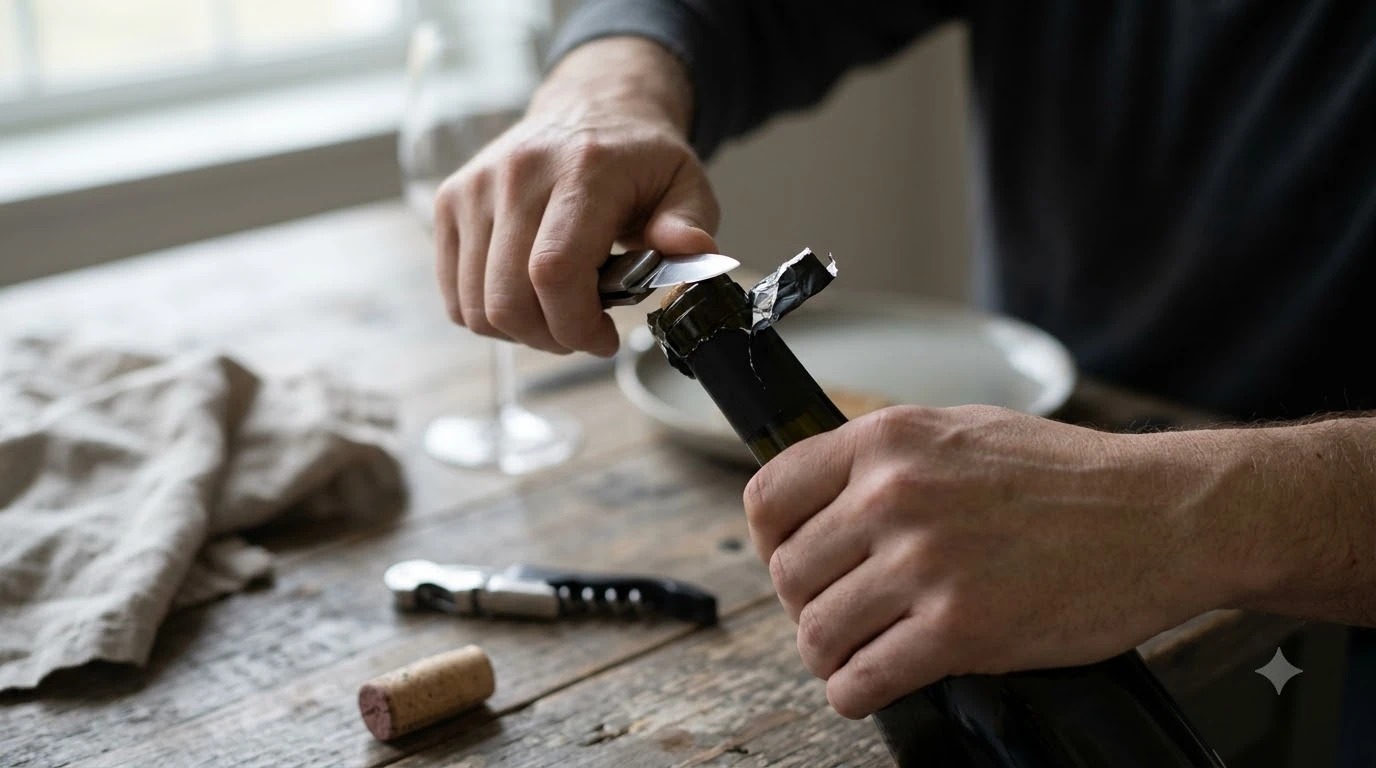
- Inspect the capsule, cork area, and fill level. Because coffee-infused red blends taste best within one to two years of bottling, look for a clean foil capsule without sticky residue and a wine level sitting well into the neck of the bottle.
- Factor in multi-bottle case incentives or local pickup. Many US wine retailers apply standard 10 percent mix-and-match six-bottle or twelve-bottle case pricing on non-sale wines, which brings an $16 bottle closer to $14.40 without hunting for special coupons.
Tip: When browsing online wine marketplaces, always toggle the shipping state selector before comparing checkout totals, since state excise taxes and adult-signature delivery fees can add $12 to $20 to a single-bottle order.
What Is Inside the Bottle: Grapes, Cold Brew, and Flavor Profile
Understanding the winemaking composition behind Apothic Brew clarifies why it tastes different from standard red blends and why critics evaluate it as a specialty beverage rather than a traditional table wine.
According to winemaker notes published by Wine.com’s Apothic Brew product listing, the base wine blends 55% Petite Sirah, 10% Teroldego, 8% Cabernet Sauvignon, and 8% Zinfandel alongside complementary California red grapes. Petite Sirah and Teroldego supply deep purple-plum color, dense blackberry fruit, and firm structural grip, while Zinfandel and Cabernet Sauvignon contribute jammy dark berry sweetness and vanilla-laced oak spice. The finished wine is bottled at 13.5% alcohol by volume in a standard 750 ml glass bottle with no vintage year printed on the label.
To create the signature roasted character, the winemaking team infuses the finished red blend with cold brew coffee rather than aging the wine in charred barrels alone. Both VinePair and Honest Wine Reviews note that the finished drink contains less caffeine than a standard cup of decaffeinated coffee, meaning a 5-ounce glass will not deliver an energy-drink jolt. Instead, cold brewing extracts smooth cocoa, hazelnut, and roasted bean aromatics while avoiding the harsh, papery bitterness associated with hot-brewed coffee.
In the glass, the wine pours a deep, opaque plum shade that looks identical to a traditional full-bodied red blend. Reviewers at Drinkhacker and Honest Wine Reviews highlight an immediate wave of chocolate mocha and coffee-liqueur aroma on the nose, followed on the palate by black cherry fruit, toasted oak, and subtle maple sweetness. Natural grape acidity lifts the mid-palate so the coffee notes stay brisk rather than syrupy, while fine tannins from both grape skins and coffee beans carry a long, dry roasted finish.
How Apothic Brew Compares to Other Coffee and Specialty Wines
Comparing Apothic Brew against sister bottlings and rival flavored wines helps buyers see whether a $14 to $18 outlay makes sense for their palate. Across national wine merchants, Apothic sits alongside several distinct red styles that deliver roasted, sweet, or barrel-aged complexity at different price points.
Within the brand’s own catalog, the closest sibling is Apothic Espresso, which Wine-Searcher lists at roughly $10 to $14 per 750 ml bottle ex-tax across US retailers. While both bottlings sit at 13.5% ABV and target coffee-loving wine drinkers, Apothic Brew leans into smoother, low-acid cold brew extract with pronounced mocha and maple notes, whereas Apothic Espresso highlights darker espresso-roast intensity at a slightly lower average shelf price. Readers exploring broader brand profiles in the Wine Brands directory will also see that E. & J. Gallo positions Apothic Crush and Apothic Dark as year-round fruit-forward or smoky reds around $8 to $11 on Wine-Searcher, reserving higher $14 to $18 price tiers for limited specialty runs.
Shoppers also frequently compare Apothic Brew with whiskey-barrel-aged reds such as Apothic Inferno, which ages for 60 days in charred whiskey barrels and reaches 15.9% ABV. Barrel-aged reds get their vanilla, caramel, and char flavors strictly from toasted oak contact rather than real coffee infusion, and they carry noticeably higher alcohol warmth. Meanwhile, coffee liqueurs like Kahlua or Tia Maria typically sit between 16% and 20% ABV and contain heavy cane sugar syrups, making Apothic Brew a lighter, drier, wine-first option for sipping by the glass.
Common Mistakes When Shopping for and Serving Apothic Brew
Because Apothic Brew blends real coffee aromatics with structured red wine grapes, treating it exactly like an age-worthy Cabernet Sauvignon or an iced coffee drink can dull its best flavors. Avoiding four common purchasing and serving errors keeps every bottle tasting balanced.
To start, buyers sometimes assume the wine will improve after five or ten years in a cellar or pantry. Unlike tannic Napa Cabernet built for decade-long bottle aging, coffee-infused red blends rely on fresh roasted aromatics that fade over time, so bottles are meant to be opened within one to two years of release. Second, serving the wine straight from a warm 72°F kitchen counter exaggerates its alcohol and sweet maple notes; chilling the bottle briefly so it pours between 60°F and 65°F keeps the blackberry fruit crisp and focused.
Third, pouring Apothic Brew over ice cubes dilutes the 13.5% ABV red wine base and flattens the silky Petite Sirah and Teroldego texture. Fourth, pairing the wine with overly sugary frostings or delicate white fish creates flavor clashes; retailer pairing guides from Liquor Barn recommend matching its roasted mocha grip with dark chocolate truffles, tiramisu, sharp aged cheddar, braised short ribs, or smoked brisket where salt, fat, or dark cocoa harmonize with the coffee finish.
Storage, Serving Temperature, and Food Pairing Tips
Proper storage and glassware bring out the layered dark fruit and roasted cocoa character that reviewers praise in fresh bottles of apothic brew. Small adjustments in temperature and decanting time make a noticeable difference in how integrated the coffee and grape notes taste.
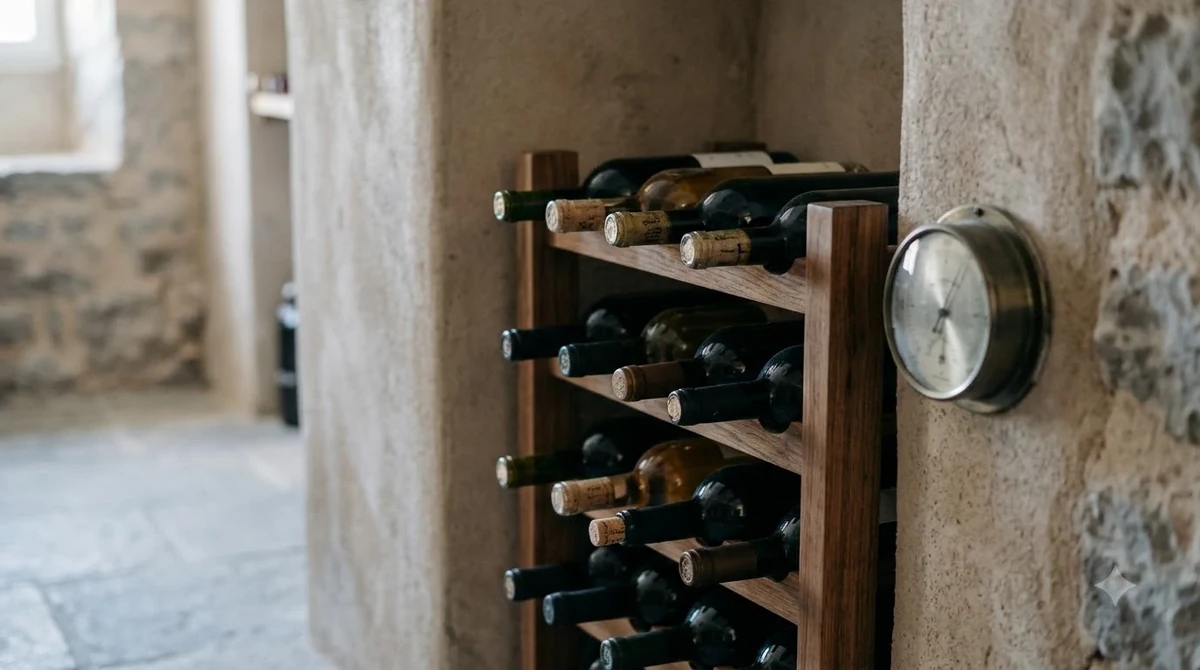
Keep unopened bottles lying horizontally in a cool, dark spot near 55°F—such as a wine fridge or interior closet away from stove heat—so the cork stays moist and oxygen exposure stays minimal. Before dinner or dessert, place the bottle in a standard kitchen refrigerator for about 20 to 25 minutes to bring it down to the ideal 60°F to 65°F full-bodied red serving window. Pour 5-ounce servings into wide-bowled red wine glasses rather than narrow tumblers so the mocha, black cherry, and toasted oak aromas have room to open up.
If a freshly opened bottle smells heavily of roasted coffee on the very first pour, let it breathe in the glass or a decanter for 20 to 30 minutes so the Petite Sirah and Zinfandel fruit aromas catch up to the cold brew notes. Once opened, re-cork the bottle tightly and store it upright in the refrigerator, where still red wines keep their fresh fruit and coffee aromatics for three to five days. At a standard 750 ml volume, each bottle yields roughly five 5-ounce pours, working out to about $2.80 to $3.60 per glass based on typical $14 to $18 US retail pricing cited by Wine-Searcher and Liquor Barn.
Frequently Asked Questions
What did critics score Apothic Brew when it launched?
Drinkhacker reviewed the non-vintage release of Apothic Brew at a listed $15 retail price and awarded it a B rating, equivalent to 8.0 out of 10. Reviewer Christopher Null noted that bright red wine acidity balanced the nutty, chocolate-mocha coffee profile without turning bitter.
Is Apothic Brew gluten-free or vegan-friendly?
Grape wine and pure cold brew coffee extract do not contain wheat, barley, or rye gluten ingredients, though cross-contact policies can vary by bottling facility. Because winemakers sometimes use animal-derived fining agents such as egg whites, gelatin, or casein to clarify red wines, shoppers following a strict vegan diet should contact E. & J. Gallo Winery’s consumer relations team with the specific bottle lot code for verification.
Can Apothic Brew be used in wine cocktails or sangria?
Yes, its 13.5% ABV and built-in mocha and dark berry notes work well as a base for simple dessert cocktails. Mixing 4 ounces of chilled Apothic Brew with 1 ounce of brandy or bourbon and an orange peel twist creates a rich, coffee-accented winter sipper without needing extra coffee liqueur.
How many calories and carbs are in a glass of Apothic Brew?
A standard 5-ounce pour of a 13.5% ABV California red blend with noticeable residual sweetness typically contains around 125 to 140 calories and roughly 5 to 8 grams of carbohydrates. Because standard US wine labels typically omit full nutrition panels, check E. & J. Gallo’s official product nutrition database if you track exact macros.
Why do some stores list Apothic Brew as out of stock?
Apothic marketing director Christine Jagher confirmed at launch that Apothic Brew was created as a limited-release bottling rather than a permanent year-round SKU. Once regional distributor allocations sell through, online catalogs such as Wine.com and Total Wine mark the page sold out until a subsequent seasonal batch ships.
Tracking the apothic brew price across US retailers comes down to benchmarking shelf tags against the typical $14 to $18 range reported by Wine-Searcher and Liquor Barn for a 750 ml bottle and verifying local stock before making a trip. Because this limited-release cold brew red blend delivers distinctive mocha and dark fruit flavors at roughly $3 per glass, checking store inventory tools and serving it slightly chilled ensures strong value from the first pour to the last.
More in Wine Brands
 Underwood Wine Price: Compare Bottles, Cans, and Pack SizesUpdated Nov 21, 2026
 Zenato Wine Price: Compare Styles and Choose the Right BottleUpdated Nov 21, 2026
 Zuccardi Wine Price: Compare Bottles and Find the Right RangeUpdated Nov 21, 2026
 Yellow Tail Moscato Review: Taste, Sweetness and Serving TipsUpdated Nov 21, 2026
 Wolf Blass Yellow Label Review: Choose Your Best StyleUpdated Nov 21, 2026
 Wolffer Estate Rose Review: Choose the Right Bottle for Your TableUpdated Nov 21, 2026