

We may earn a commission when you buy through links on this page, at no extra cost to you. Learn more.
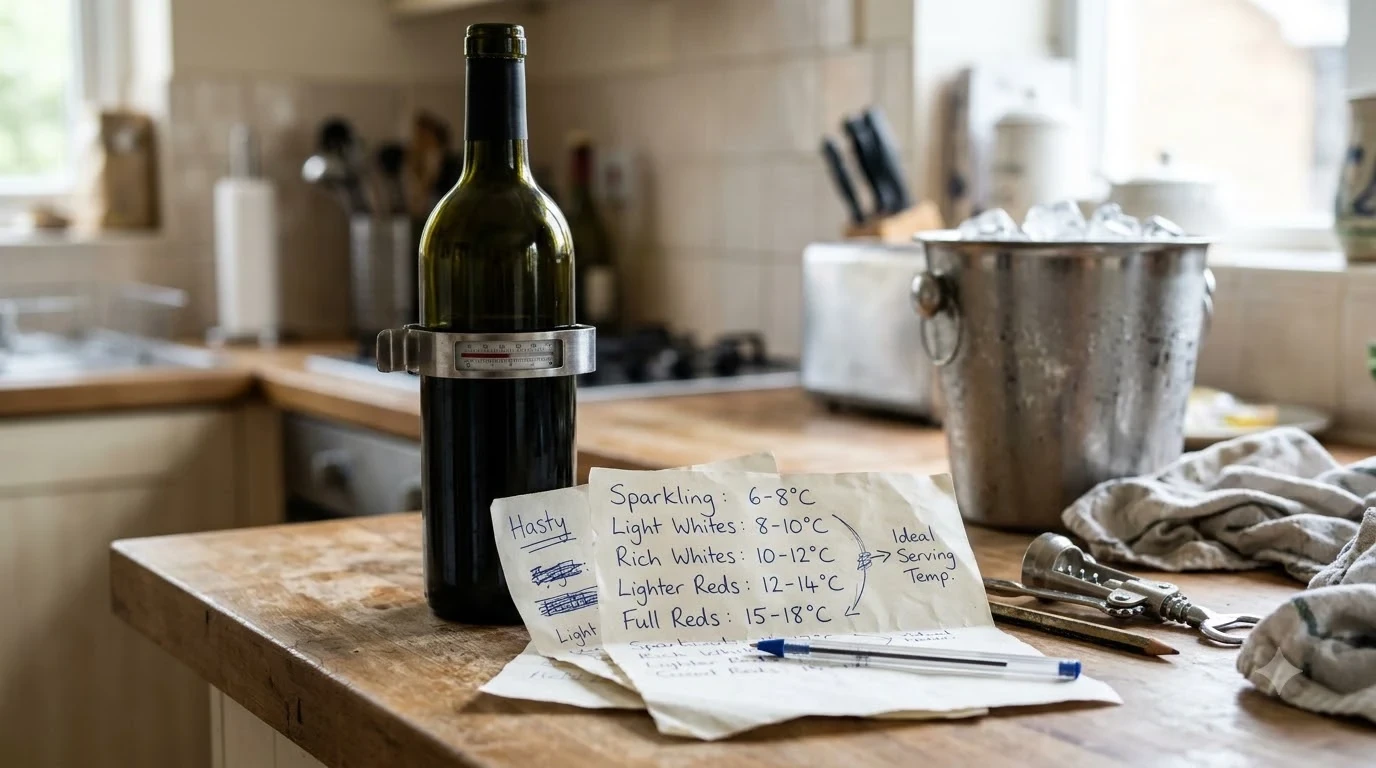
The best wine for hot weather is a crisp, high-acid white, dry rosé, refreshing sparkling wine, or lightly chilled red with moderate body and refreshing fruit. Sauvignon Blanc, Albariño, Provence rosé, Prosecco, and Gamay are particularly good starting points. Choose wines with freshness rather than heavy tannins, and serve them at temperatures that preserve their aromas without making them taste flat. The right bottle depends on the weather, your food, and whether you prefer dry, fruity, or slightly sweet wine.
Hot weather changes what makes a glass of wine enjoyable. A rich, powerful red that feels satisfying during a cool evening can become heavy in the afternoon sun, while a chilled white with lively acidity can feel refreshing alongside seafood, salads, and grilled vegetables. Fortunately, summer drinking does not have to mean choosing white wine exclusively. Rosé, sparkling wine, and several lighter reds offer plenty of variety for outdoor meals and warm evenings. The key is understanding how acidity, alcohol, body, sweetness, and serving temperature work together before choosing your next bottle.
Who This Is For
Warm-weather wine is for drinkers who want refreshing flavors, manageable alcohol warmth, and bottles that work with lighter meals or outdoor entertaining. The best choices generally emphasize freshness and moderate structure rather than powerful tannins, heavy oak, or concentrated richness.
If you spend summer afternoons outdoors, crisp whites and dry rosés are practical choices. Sauvignon Blanc, Pinot Grigio, and Albariño offer bright fruit and acidity that complement warm conditions. Dry rosé provides a little more red-fruit character without the heavier tannic structure found in many red wines. Sparkling wines add another option, particularly for celebrations, brunches, and gatherings where salty snacks and appetizers are on the menu.
People who normally prefer red wine do not need to abandon their favorite color during warmer months. Gamay, lighter Pinot Noir, and Schiava can be served slightly chilled, allowing their red-fruit flavors to remain lively. These wines offer a useful alternative to full-bodied Cabernet Sauvignon or Syrah when temperatures climb. They are particularly suitable for grilled chicken, burgers, roasted vegetables, and dishes that need more structure than a delicate white can provide.
This guide also suits shoppers who want to build a small collection of versatile bottles rather than purchase a different wine for every meal. Three or four styles can cover most summer occasions: a crisp white for seafood, a dry rosé for casual entertaining, a sparkling wine for celebrations, and a light red for grilling. A slightly sweet Riesling or Moscato adds flexibility when spicy food or fruit-based desserts are involved.
There is no requirement to choose the lightest wine available. Someone enjoying grilled steak on a cooler evening may prefer a more structured red, while a drinker serving spicy shrimp tacos might prefer an off-dry white. The goal is to select a wine whose freshness, body, and flavor match the conditions and the food rather than follow a strict seasonal rule.
Key Factors to Compare
Five characteristics make the biggest difference when shopping for summer wine: acidity, alcohol, body, tannin, and sweetness. Comparing these features gives you a more reliable starting point than choosing by grape color or bottle appearance alone.
Acidity is particularly important because it provides the crisp, mouth-watering sensation that makes a wine feel refreshing. Sauvignon Blanc and Riesling are naturally useful starting points for shoppers who enjoy lively acidity. Albariño and Vermentino also provide freshness, often with citrus, orchard-fruit, and subtle mineral impressions. Chardonnay generally has medium acidity, so a lighter, unoaked expression can work in warm weather, although heavily oaked versions may feel richer.
Alcohol deserves attention because wines with higher alcohol can create a stronger warming sensation, especially when served too warm. A moderate-alcohol wine can be easier to enjoy during a long outdoor meal. However, alcohol percentage should not be the only deciding factor. A wine with balanced acidity and fresh fruit can remain enjoyable even when its alcohol level is somewhat higher than another bottle.
Body describes the overall weight and texture of a wine. Light-bodied whites, rosés, and sparkling wines are common warm-weather favorites because they tend to feel less substantial. Tannin also matters. Cabernet Sauvignon has high tannin, while Merlot generally has softer, medium tannin. Pinot Noir usually has low-to-medium tannin, making it a more practical red option for chilling than a powerful Cabernet.
Sweetness should match the occasion. Dry wines are versatile with savory meals, while a little residual sweetness can complement spicy dishes. Sweetness does not automatically make a wine heavy or unsuitable for warm weather. Riesling and Moscato demonstrate how fruit, acidity, and sweetness can combine in a refreshing style.
| Wine style | What to look for | Serving temperature | Good food matches |
|---|---|---|---|
| Sauvignon Blanc | High acidity, citrus, herbal notes | 45–50°F | Seafood, salads, goat cheese |
| Albariño | Fresh acidity, citrus, stone fruit | 45–50°F | Oysters, shrimp, grilled fish |
| Dry rosé | Red fruit, refreshing acidity | 45–50°F | Chicken, charcuterie, vegetables |
| Prosecco | Glera grape, fruity character, bubbles | 40–50°F | Fried food, appetizers, fruit |
| Off-dry Riesling | High acidity, noticeable sweetness | 43–50°F | Spicy food, Asian dishes |
| Gamay | Light body, low tannin, red fruit | 55–60°F | Burgers, grilled chicken, vegetables |
| Pinot Noir | Low-to-medium tannin, bright acidity | 55–60°F | Salmon, mushrooms, roast chicken |
| Oaked Chardonnay | Fuller body, creamy texture | 50–55°F | Grilled chicken, lobster, corn |
The temperature ranges above follow the general serving guidance published by Wine Folly and WSET, with the cooler end particularly useful for outdoor conditions. Wine.com also identifies Sauvignon Blanc, Albariño, dry rosé, Gamay, and sparkling wines as useful summer styles. For additional background on serving temperatures and the effect of chilling on wine aromas, read Wine Folly’s guide to white and red wine serving temperatures.
Tip: If you are unsure which bottle to choose, start with a high-acid Sauvignon Blanc or dry rosé. Both offer versatile food-pairing options, and their refreshing character makes them reliable choices for warm afternoons.
Step-by-Step: How to Choose Summer Wine
A simple shopping process makes it easier to find a bottle that suits your preferences and the conditions in which you plan to serve it. Start with the occasion, then narrow the options by flavor, structure, and serving temperature.
-
Decide what you are serving with the wine.
Food should influence your first decision. For grilled seafood, oysters, and fresh salads, consider Sauvignon Blanc, Albariño, or Vermentino. For burgers and grilled chicken, choose dry rosé or a lighter red such as Gamay. If the menu includes spicy noodles or chili-seasoned shrimp, consider off-dry Riesling because its sweetness can soften the sensation of spice.
-
Choose your preferred wine color and style.
White wine is a dependable choice for people who enjoy citrus, orchard fruit, and refreshing acidity. Rosé offers red-fruit flavors with a lighter structure, while sparkling wine brings bubbles and a celebratory feel. Red wine remains an option if you choose a lighter grape variety and serve it cool.
-
Check acidity and body.
Look for descriptions such as crisp, fresh, lively, light-bodied, and refreshing. These terms can help identify wines that suit warm weather. Be more selective with descriptions such as rich, heavily oaked, powerful, and full-bodied if you prefer an easy-drinking afternoon bottle. These descriptions are not automatic warnings, but they suggest a different drinking experience.
-
Consider alcohol and sweetness.
Compare the alcohol percentage on bottles when you want a lighter-feeling option. For spicy food, avoid assuming that the driest wine is always the best choice. A slightly sweet Riesling can be more comfortable with chili heat than a powerful, high-alcohol red. For salty snacks and seafood, a dry sparkling wine or crisp white usually works well.
-
Choose a suitable serving temperature.
Light whites and rosés generally work best around 45–50°F, sparkling wines around 40–50°F, and light reds around 55–60°F. Fuller whites such as oaked Chardonnay benefit from slightly warmer service around 50–55°F. These ranges preserve more character than serving every bottle directly from a very cold refrigerator.
-
Plan how you will keep the bottle cool.
If you are eating outside, use an insulated wine cooler or an ice bucket containing both ice and water. Keep the bottle out of direct sunlight, and pour smaller servings so the wine spends less time warming in the glass. A bottle that stays cool throughout the meal will generally provide a more consistent experience.
-
Buy complementary styles rather than several similar bottles.
For a gathering of different preferences, combine one crisp white, one dry rosé, and one sparkling wine. Add a chilled Gamay or Pinot Noir if the menu includes grilled meat. This selection provides different flavors without requiring a large collection or complicated food-pairing decisions.
For additional shopping guidance, compare wines by grape, region, sweetness, and alcohol rather than relying entirely on the front label. A Sauvignon Blanc from Marlborough, a Vermentino from Liguria, and an Albariño from Spain can all offer freshness, but their aromatic profiles and textures are not identical. Trying different regions within the same general style is a useful way to discover your preferences.
Types and Styles Explained
The most versatile warm-weather wines fall into six categories: crisp white, dry rosé, sparkling, light red, off-dry white, and lighter-bodied Chardonnay. Each offers a different combination of fruit, acidity, texture, and sweetness, so the best choice depends on the meal and the drinker’s preferences.
Crisp White Wine
Sauvignon Blanc is one of the easiest recommendations for hot weather. Its high acidity and recognizable citrus, green fruit, and herbal flavors make it a natural partner for seafood and fresh vegetables. Bottles from Marlborough in New Zealand often offer pronounced citrus and grassy character, while examples from France’s Loire Valley can show a different balance of mineral, citrus, and green-fruit notes.
Albariño is another strong choice, especially with shellfish. It is associated with Spain’s Rías Baixas region and offers freshness alongside citrus and stone-fruit character. Vermentino is useful for drinkers who prefer a slightly different aromatic profile, with examples from Italy often showing citrus, herbs, and orchard fruit. Pinot Grigio provides another approachable option, especially for uncomplicated meals and casual gatherings.
These wines are especially practical when the food is relatively light. Pair Sauvignon Blanc with goat cheese, grilled vegetables, or green salads. Serve Albariño alongside oysters, shrimp, or grilled white fish. Choose Vermentino for Mediterranean-inspired dishes with olive oil, herbs, and lemon.
Dry Rosé
Dry rosé combines some of the freshness associated with white wine with the fruit character of red grapes. Provence in southern France is particularly well known for pale, dry rosé, although deeper-colored examples from other regions can offer more fruit concentration and body.
Typical flavors include strawberry, raspberry, melon, citrus, and herbs. A pale Provence rosé often suits light meals and seafood, while a deeper rosé can handle grilled chicken, sausage, and richer vegetable dishes. Color alone does not establish sweetness. A pale wine can be completely dry, and a darker wine can also be dry.
Dry rosé is particularly useful for entertaining because it can accompany several different foods without dominating the meal. Serve it with tomato salads, grilled shrimp, charcuterie, roasted peppers, or chicken skewers. For a broader explanation of how dryness influences wine choices, see the guide to dry white wine.
Sparkling Wine
Sparkling wine is an excellent warm-weather choice because it combines refreshing acidity with bubbles. Prosecco, Cava, Champagne, and Crémant offer different expressions of sparkling wine, from approachable fruity styles to more complex examples with toast, nuts, and extended bottle-fermentation character.
Prosecco is made primarily from the Glera grape and commonly uses the tank method for its secondary fermentation. Its fruit-forward profile makes it suitable for brunch, light appetizers, and casual celebrations. Cava from Spain and Champagne from France use bottle fermentation, which can produce finer bubbles and additional complexity. French Crémant offers another traditional-method option outside Champagne.
For a dry sparkling wine, Brut is a useful label term. Remember that sparkling-wine sweetness labels have a specific order: Brut Nature, Extra Brut, Brut, Extra Dry, Dry, Demi-Sec, and Doux, moving from driest to sweetest. Extra Dry is actually sweeter than Brut, so shoppers should not assume the wording means the same thing as ordinary dry table wine.
Light Red Wine
Red wine can work beautifully in summer when you select a variety with lower tannin and serve it at a cooler temperature. Gamay, the grape behind Beaujolais, is a particularly practical choice. It commonly offers juicy red fruit, moderate acidity, and relatively light tannin, making it suitable for a short refrigerator chill before serving.
Pinot Noir is another option, especially lighter expressions from cooler climates. Its acidity and lower-to-medium tannin provide more freshness than Cabernet Sauvignon, while its red cherry, raspberry, and earthy notes pair well with mushrooms, grilled salmon, and roast chicken. Schiava, also known as Vernatsch, offers another light-bodied red style with approachable fruit.
These wines should not be served ice-cold. A temperature around 55–60°F is a useful target, depending on body and personal preference. Wine.com recommends approximately 15–20 minutes in the refrigerator for light reds to reach about 55°F. This short chill can help preserve freshness without suppressing the wine’s aromatic character.
Off-Dry Riesling and Moscato
Not every refreshing summer wine needs to be completely dry. Off-dry Riesling balances a little residual sugar with naturally high acidity, producing a wine that can feel lively rather than syrupy. It is particularly useful with spicy Asian dishes, chili-seasoned seafood, and meals containing ginger or aromatic herbs.
Moscato provides another sweet-leaning option. Made from Muscat grapes, it often shows floral aromas, peach, grape, and gentle sweetness. Some versions are lightly sparkling, making them particularly enjoyable when served well chilled. These wines are also useful for brunch and fruit-based desserts.
Sweetness should be considered alongside the food. A wine should generally be at least as sweet as the dessert served with it, or the wine may taste sour and thin. For spicy dishes, an off-dry white can soften the sensation of chili more effectively than a high-alcohol, tannic red. Drinkers who prefer fruit-forward red styles can also explore sweet red wine for a different approach to summer entertaining.
Fuller-Bodied White Wine
Chardonnay remains a useful summer option for people who enjoy richer white wines. The difference is in the winemaking style. An unoaked Chardonnay generally offers a fresher, leaner profile, while barrel-aged versions can have more texture, vanilla, toast, and creamy character.
Fuller-bodied Chardonnay should be served slightly warmer than lighter whites, generally around 50–55°F. This temperature allows more of its aromas and texture to emerge. Pair it with grilled chicken, lobster, corn, or dishes containing butter and cream. It is particularly suitable for evening meals when a delicate Sauvignon Blanc might feel too light.
Common Mistakes When Buying Summer Wine
Many disappointing summer wine choices come from confusing coldness with refreshment or assuming that a particular color automatically guarantees a suitable drinking experience. Paying attention to structure, sweetness, and serving conditions prevents these problems.
Choosing wine based only on color is a common mistake. White wine is not automatically light, and red wine is not automatically heavy. A richly oaked Chardonnay can feel substantial, while a lightly chilled Gamay can feel surprisingly refreshing. Consider body, acidity, alcohol, and tannin together instead of using color as the only shopping criterion.
Serving every white wine too cold can also reduce enjoyment. A bottle that has spent several hours in a very cold refrigerator may have muted aromas and less expressive fruit. WSET warns that temperatures below 43°F can mask flavors in white, rosé, and sparkling wines. Allow fuller whites to warm slightly before serving, especially if they have oak influence or a richer texture.
Serving red wine at ordinary room temperature is another problem during hot weather. Modern indoor rooms can be considerably warmer than the traditional cellar-like temperature associated with wine service. A light red can become warm and alcoholic in a few minutes outdoors. A short refrigerator chill helps maintain its freshness.
Buying a heavily tannic red for a very hot afternoon may produce a less comfortable pairing. Cabernet Sauvignon has high tannin, and Syrah generally has medium-plus to high tannin. These varieties can still be excellent choices with suitable meals, but they are not the easiest options for a casual, refreshing daytime pour. Consider Pinot Noir or Gamay instead. For shoppers comparing red styles, the guide to dry red wine provides more background on structure and flavor.
Assuming all rosé is sweet can unnecessarily limit your selection. Many classic Provence rosés are dry, with crisp acidity and restrained fruit. Read the wine description and look for terms such as dry, sec, and fresh rather than judging sweetness by the color of the wine.
Ignoring the food pairing can make a suitable bottle seem less enjoyable. High-acid food generally needs a wine with equal or higher acidity, while salt and fat can soften tannin. Oily fish can clash with tannic reds, making crisp whites or rosé more reliable choices. Chili heat is amplified by alcohol and tannin, so a lower-alcohol off-dry Riesling may be a better match for spicy food.
Overlooking the drinking occasion can lead to buying wines that are too serious or structured for the setting. A complex sparkling wine may be unnecessary for a casual picnic, while an inexpensive, simple white may not provide enough character for a special seafood dinner. Match the bottle to the meal, the people attending, and the amount of time the wine will spend outside.
Care and Storage Tips for Hot Weather
Temperature control matters as much as choosing the right grape. Heat can make wine lose its freshness, while sunlight and repeated temperature changes can damage bottles during storage and transport.
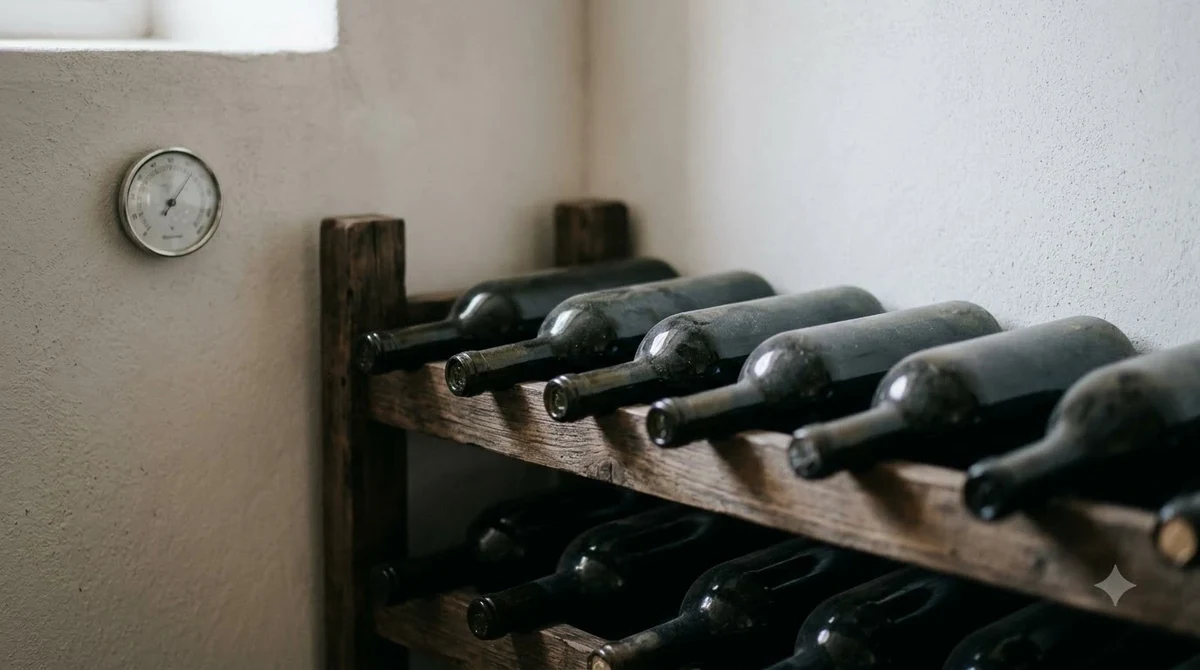
For unopened bottles intended for longer-term storage, a cool, dark, stable environment is preferable. WSET recommends approximately 50–59°F for longer-term storage. Cork-sealed bottles are generally stored horizontally to maintain cork moisture, while screwcap bottles can stand upright. Avoid leaving wine in a kitchen that experiences frequent temperature changes, near a sunny window, or inside a parked car.
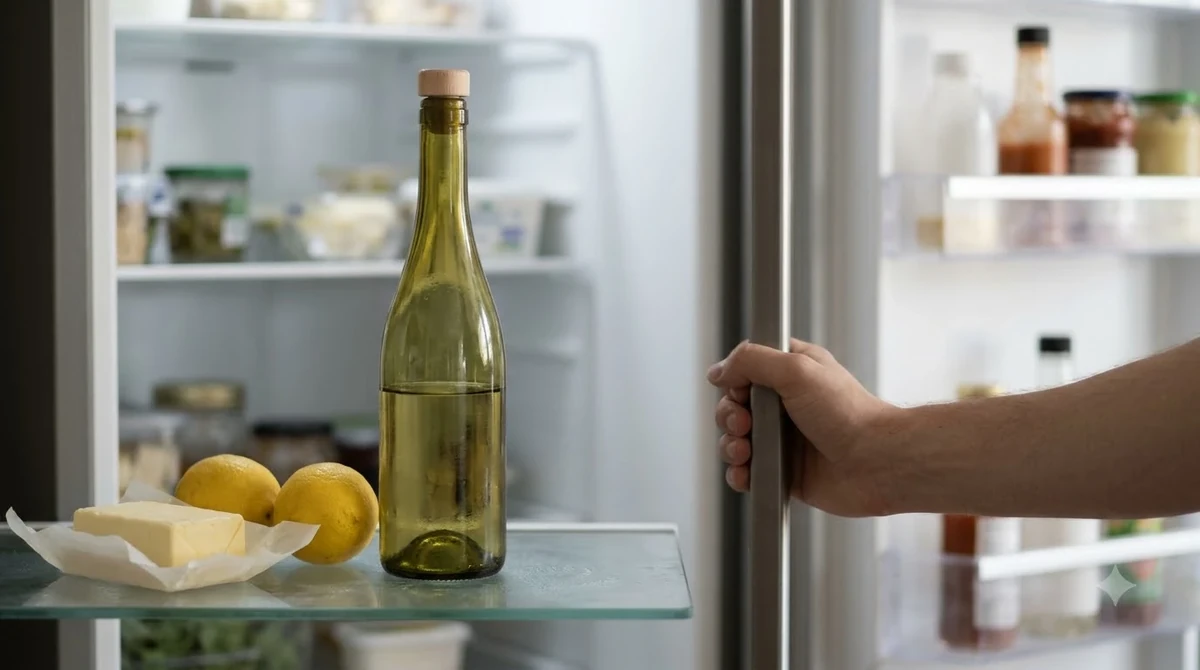
For short-term serving, use the refrigerator rather than leaving bottles on a counter until guests arrive. Light whites and rosés generally need enough chilling to reach 45–50°F, while sparkling wines benefit from approximately 40–50°F. Fuller whites can be served slightly warmer, around 50–55°F. Light reds need only a short chill, usually 15–20 minutes, to approach 55°F.
An ice bucket is particularly useful for outdoor entertaining. WSET recommends filling the bucket approximately three-quarters full with equal amounts of ice and water. The water surrounds the bottle and transfers heat more efficiently than air, helping the wine cool evenly. Keep the bottle shaded between pours, and replenish the ice as necessary during a long gathering.
Smaller pours also help maintain the correct temperature. A standard wine serving is approximately 5 ounces, and a 750 ml bottle provides about five such glasses. Rather than filling glasses to the rim, pour moderate servings and refill as guests finish. This reduces the time that wine spends warming in the glass.
Opened wine should be resealed and refrigerated promptly. Most still wines remain enjoyable for approximately 3–5 days when stored properly, while sparkling wines generally last about 1–3 days with an appropriate sparkling-wine stopper. Fortified wines can last several weeks, and bag-in-box wines can remain fresh for approximately 4–6 weeks after opening. Actual longevity depends on the style, storage conditions, and exposure to oxygen.
During outdoor meals, avoid placing a bottle directly on a hot table or beside a grill. Keep the wine in an insulated cooler, away from direct sunlight, and return it to the ice bucket after pouring. These simple precautions help preserve the freshness you selected when buying the bottle.
Finally, avoid trying to correct an overheated bottle with an extremely aggressive temperature change. Move it to a cooler environment and allow it to settle. For a bottle that has become too cold, let it warm gradually in the glass rather than using direct heat. Gentle temperature adjustments are generally better for preserving the wine’s aromatic balance.
Frequently Asked Questions
Does wine taste different in humid weather?
Humidity can affect how comfortable wine feels to drink, but it does not directly determine a wine’s flavor profile. Temperature, airflow, serving conditions, and the wine’s structure have a more immediate influence on perception. In humid conditions, chilled, refreshing styles can feel especially appealing because they are served cooler than the surrounding air.
Is canned wine suitable for hot-weather outings?
Yes. Canned wine can be practical for picnics and outdoor gatherings because individual portions are easy to transport and chill. A typical single-serving wine can contains approximately 187 ml, although package sizes vary. Look for the same qualities you would seek in a bottle, including freshness, balanced acidity, and a style that suits your food.
Does wine continue fermenting after it is bottled?
Most finished still wines are bottled after fermentation has been completed and stabilized. However, certain naturally sparkling wines may retain fermentation-related activity or develop additional carbonation under specific production methods. This is different from an ordinary bottle of finished still wine continuing to ferment after opening.
Can wine be frozen to cool it quickly?
A freezer can cool wine quickly, but leaving a bottle inside for too long risks freezing the liquid and expanding the contents. Expansion can push out the cork or damage the bottle. A mixture of ice and water in a bucket is a more controlled alternative, particularly when chilling sparkling wine.
Why do some summer wines have screwcap closures?
Screwcap closures provide a practical way to seal wine and reduce the risk of cork-related faults. They are common on many fresh white wines from Australia and New Zealand, although they are also used for reds and wines intended for aging. A screwcap does not automatically indicate lower quality or shorter aging potential.
The best summer wine is the bottle that combines refreshing acidity, suitable body, balanced alcohol, and a serving temperature that preserves its character. Start with Sauvignon Blanc, dry rosé, Prosecco, or Albariño, then add a lightly chilled Gamay or off-dry Riesling when the food calls for something different. With a little attention to temperature and pairing, wine can remain an enjoyable part of outdoor meals and warm-weather gatherings.
More in Wine Buying Guides
 Riesling Gift: Choose a Bottle They’ll LoveUpdated Nov 21, 2026
 Sweet Red Wine Gift: Choose a Bottle They’ll LoveUpdated Nov 21, 2026
 Malbec Gift: How to Choose a Memorable Bottle for Any OccasionUpdated Nov 21, 2026
 Sherry Gift Ideas That Match Every Wine LoverUpdated Nov 21, 2026
 Moscato Gift: How to Choose a Sweet Wine They’ll LoveUpdated Nov 21, 2026
 Merlot Gift: How to Choose a Bottle They’ll AppreciateUpdated Nov 21, 2026