

We may earn a commission when you buy through links on this page, at no extra cost to you. Learn more.
The best wine for beach outings is a crisp, refreshing white, a dry rosé, or a lightly sparkling wine that stays enjoyable when served cold. Provençal rosé, Sauvignon Blanc, Vinho Verde, and Txakolina are especially practical choices because their bright acidity pairs with salty snacks, seafood, sandwiches, and fresh fruit. Choose a screw-cap bottle, can, or other easy-to-carry format, and pack it in an insulated cooler to protect its temperature throughout the day.
A beach wine has a different job from a bottle selected for a formal dinner. It needs to handle warm weather, casual food, outdoor transportation, and changing serving conditions without requiring elaborate preparation. A refreshing wine with moderate alcohol, lively acidity, and an uncomplicated flavor profile generally makes more sense than a powerful red or an expensive bottle that deserves careful service. The right choice also depends on whether the outing involves seafood, a picnic lunch, sunset snacks, or a larger group. Here is how to choose a beach-friendly wine, compare the most useful styles, and keep every pour in good condition.
Who This Is For: Choosing Wine for Different Beach Days
The right beach wine depends on the length of the outing, the food, and the number of people sharing it. For most casual beach trips, dry rosé and crisp white wines are the most versatile starting points, while sparkling wine and chilled light reds offer alternatives for particular occasions.
For a relaxed afternoon with snacks, choose a dry rosé or a light white such as Pinot Grigio. These styles work with crackers, chips, mild cheeses, olives, fruit, and simple sandwiches. Their refreshing acidity helps keep each sip lively, even when the food includes salty or slightly oily ingredients. A bottle with a screw cap is especially convenient if the group plans to pour small glasses throughout the afternoon.
For a seafood-focused picnic, look toward Albariño, Muscadet, Sauvignon Blanc, or Vinho Verde. These whites offer the freshness needed for shrimp, oysters, chilled crab, lemon-seasoned fish, and seafood salads. Their acidity helps balance richer ingredients without overwhelming delicate seafood flavors. A crisp white is often a more natural match than a heavily oaked Chardonnay or a strongly tannic red.
For a celebration or sunset gathering, sparkling wine adds a festive element. Prosecco, Cava, and other sparkling styles can accompany salty snacks, fried chicken, fresh fruit, and light appetizers. Their bubbles provide contrast to fried or fatty foods, although the bottle needs extra attention during transportation because sparkling wine contains pressure.
For red wine drinkers, a lightly chilled Gamay, Beaujolais, or Pinot Noir is a better starting point than a powerful Cabernet Sauvignon. These reds can be refreshing when served cool, particularly with grilled vegetables, sandwiches, and charcuterie. Their lower to moderate tannin levels make them less demanding than heavily structured reds in a casual outdoor setting.
Beach plans also influence how much wine to bring. A 750 ml bottle provides approximately five standard 5 oz pours, making it a useful planning reference for a small gathering. For a solo outing or a couple who prefer smaller servings, individual cans or smaller bottles can reduce leftover wine and simplify packing. Always follow local rules about alcohol, glass containers, and consumption on public beaches before bringing wine.
Anyone who regularly enjoys wine-buying advice can apply the same basic principles here: choose a style suited to the occasion, consider the serving conditions, and prioritize practical packaging alongside the wine itself.
Key Factors to Compare Before Buying Beach Wine
The best beach wine balances freshness, acidity, alcohol level, portability, and serving temperature. Comparing these five factors before purchasing helps narrow the options more effectively than choosing a bottle based on its label or region alone.
| Factor | What to Look For | Why It Matters |
|---|---|---|
| Acidity | Bright, refreshing acidity | Balances salty snacks and rich picnic foods |
| Alcohol | Moderate alcohol, often around 9% to 12% ABV for lighter styles | Helps keep the wine approachable in warm conditions |
| Body | Light to medium body | Feels refreshing alongside casual beach meals |
| Serving temperature | Approximately 40°F to 53°F for sparkling, light whites, and rosé | Maintains freshness and aromatic balance |
| Packaging | Screw cap, can, or suitable boxed format | Makes transportation and serving easier |
| Flavor profile | Citrus, green apple, strawberry, peach, or light red fruit | Pairs with a wide range of picnic foods |
Acidity should be one of the first considerations. High-acid wines such as Sauvignon Blanc and Riesling often feel lively and refreshing, particularly with lemon-seasoned seafood, tomatoes, and salty chips. Acidity also makes a wine more flexible across different foods. A wine that tastes balanced with a plain cracker may become dull alongside a dish with lemon juice or vinaigrette if it lacks sufficient acidity.
Alcohol level deserves attention in warm weather. Wine Enthusiast’s summer pairing recommendations emphasize moderate alcohol alongside bright acidity for beach occasions. Alcohol can become more noticeable as a wine warms, so lighter styles are often more comfortable choices than powerful wines with high alcohol levels. The actual alcohol content varies by producer and bottle, so compare the ABV information rather than assuming every wine made from the same grape has identical strength. The publication’s summer wine and food pairing recommendations also highlight rosé, Vinho Verde, Txakolina, and sparkling wine as flexible picnic choices.
Body and flavor matter just as much as the grape variety. A light-bodied white generally suits seafood and fruit better than an intensely oaked wine. Dry rosé offers a useful middle ground for groups with different food preferences. A wine with clean citrus, peach, or berry flavors can complement several dishes without demanding a carefully planned pairing.
Packaging is another practical buying consideration. Screw-cap bottles are easy to open and close, cans are convenient for individual servings, and boxed wine can make sense for larger gatherings. Glass bottles may be prohibited on some beaches, so packaging regulations should be checked before purchasing. Avoid taking a fragile or valuable bottle if the outing involves long walks across sand, crowded transportation, or limited storage space.
Tip: Prioritize the wine’s acidity and packaging before its label design. A refreshing Sauvignon Blanc in an easy-to-open bottle will usually be more useful at the beach than a complicated wine that needs careful handling and precise serving conditions.
Step-by-Step: How to Choose and Pack Beach Wine
A successful beach wine purchase starts with the menu and ends with temperature control. Following five simple steps makes it easier to select an appropriate bottle and keep it enjoyable from the first pour to the last.
-
Decide what food will be served.
Start with the picnic menu. For shrimp, oysters, and seafood salad, choose Albariño, Muscadet, or Sauvignon Blanc. For fried chicken, sandwiches, and cheese, dry rosé or sparkling wine provides more flexibility. If the food includes burgers or grilled vegetables, a lightly chilled Pinot Noir or Gamay can work well. A simple menu of fruit and salty chips gives you even more freedom to choose a crisp white or rosé.
-
Select the preferred wine style.
Choose dry rosé for versatility, a crisp white for seafood, sparkling wine for celebrations, or a chillable red for guests who prefer red wine. Consider sweetness carefully. Dry wines are generally the easiest partners for savory beach foods, although a slightly off-dry Riesling can be enjoyable with spicy snacks or fruit. If the group has different preferences, bringing one white and one rosé gives guests a choice without making the cooler unnecessarily complicated.
-
Choose practical packaging.
Look for a screw-cap bottle if you want a familiar 750 ml format that can be reopened without a corkscrew. Cans are convenient for individual servings and short outings. A larger boxed format can suit a group, especially when everyone expects to pour several small glasses. For sparkling wine, use a properly chilled, sealed bottle and secure it upright inside the cooler.
-
Chill the wine before leaving home.
Put white wine and rosé in the refrigerator ahead of time rather than relying on ice to cool a warm bottle after arrival. Sparkling wine should be chilled particularly well before transportation. A light red can be placed in the refrigerator for approximately 45 to 60 minutes before serving, depending on its starting temperature. The objective is to arrive with wine already close to its intended serving range.
-
Pack the cooler and plan the serving area.
Place the wine in an insulated cooler with ice packs or ice and water, and keep the cooler shaded. Separate bottles from food containers when necessary to avoid leaks and contamination. Bring reusable cups or other permitted serving vessels, a bottle opener if the closure requires one, napkins, and drinking water. Once the wine is poured, return the bottle to the cooler rather than leaving it in direct sunlight.
Think about the timing of the outing, too. A bottle opened early in the afternoon may experience several hours of temperature changes before the last serving. Smaller formats can reduce the amount of wine exposed to air after opening. For a group that expects to drink only a few glasses, two smaller containers may be more practical than opening a large bottle and leaving the remainder unused.
It is also sensible to separate wine selection from transportation planning. A wine that tastes excellent at home may not be the most suitable choice for a long walk in hot weather. For example, a delicate sparkling wine may be a wonderful match for oysters but requires more careful handling than a screw-cap rosé. Matching the wine to the journey is part of making a good purchase.
Types or Styles Explained: The Best Beach-Friendly Wines
Dry rosé, crisp white wine, sparkling wine, and light red wine are the four most useful categories to consider. Each brings a different balance of acidity, fruit, texture, and food compatibility to a beach picnic.
Dry Rosé: The Most Versatile All-Around Choice
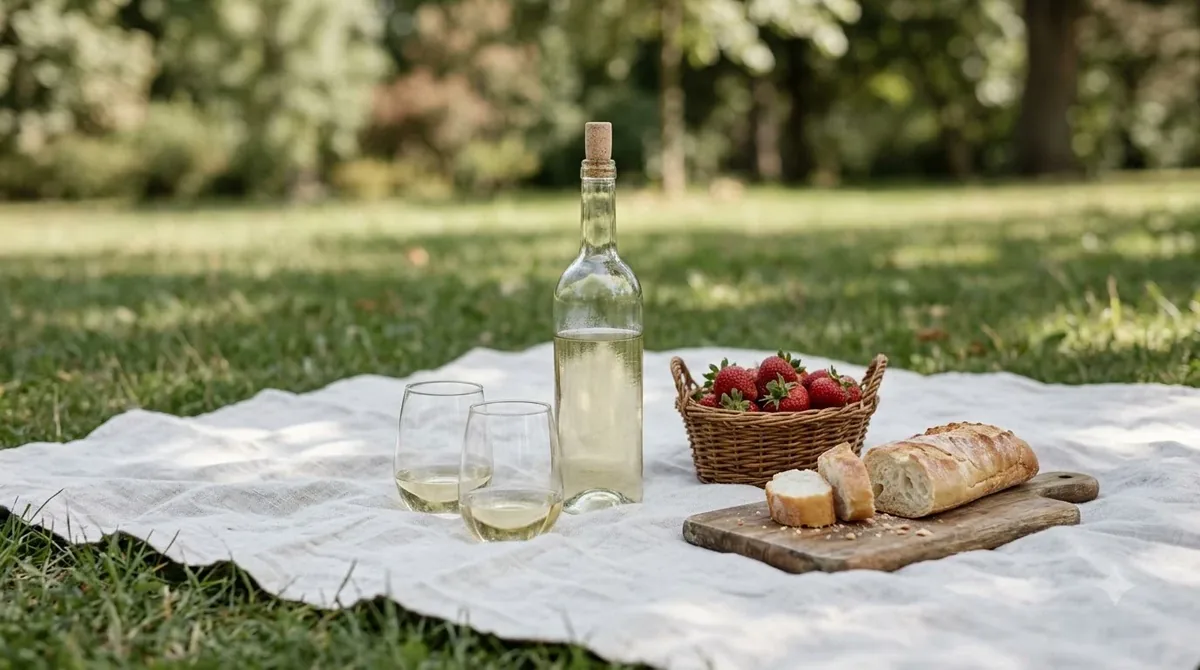
Dry rosé is a strong starting point for people who want one bottle that can accompany several different foods. Many Provençal-style rosés offer light body, fresh acidity, and restrained red-fruit flavors such as strawberry, raspberry, and watermelon. These characteristics make them suitable for Italian sandwiches, grilled shrimp, soft cheeses, olives, fried chicken, and fruit plates.
Rosé also offers a middle ground between white and red wine. Its color comes from contact with red grape skins during production, although the amount of contact and the grapes used vary by wine. A pale pink appearance does not automatically indicate sweetness. Many rosés are completely dry, so the sweetness level should be evaluated separately from the color.
For beach service, aim for approximately 48°F to 53°F. This range helps maintain freshness while allowing the wine’s fruit aromas to remain expressive. If the bottle warms during the afternoon, return it to the cooler before pouring another glass.
Crisp White Wine: Best for Seafood and Salty Snacks
Crisp white wine is especially suitable when the picnic includes shellfish, grilled fish, citrus, or fresh vegetables. Sauvignon Blanc, Albariño, Muscadet, and Vinho Verde are useful options because they generally emphasize freshness rather than heavy oak or rich textures.
Sauvignon Blanc can offer grapefruit, lime, green apple, and herbal characteristics. These flavors work well with shrimp, ceviche-style dishes, goat cheese, and green salads. Albariño is another excellent seafood companion, particularly with grilled shrimp and chilled shellfish. Muscadet provides a leaner alternative that suits oysters and simply prepared fish.
Vinho Verde is a Portuguese wine category that often includes fresh, light-bodied wines. Some examples have a gentle spritz, making them especially refreshing alongside salty snacks and simple sandwiches. Txakolina from Spain’s Basque region is another lively option that can offer bright acidity and subtle effervescence.
For lighter whites, a serving temperature around 45°F to 50°F is a useful target. Full-bodied whites such as Chardonnay generally benefit from a slightly warmer range of 50°F to 55°F. For a beach picnic, unoaked or lightly oaked examples are usually easier to pair with a broad range of foods than heavily oaked styles.
Sparkling Wine: Best for Celebrations and Fried Foods
Sparkling wine brings bubbles, acidity, and a celebratory feel to outdoor gatherings. Prosecco, Cava, and Champagne are familiar choices, although they differ in production methods, grape varieties, and flavor profiles. Prosecco is generally made primarily from Glera grapes using the tank method, while Champagne and Cava undergo their second fermentation in the bottle.
For an easygoing beach occasion, Brut Prosecco is a practical choice because its lively bubbles and refreshing fruit can accompany chips, fried chicken, fruit, and light cheeses. Brut Cava provides another option, often with a more structured profile. A traditional-method sparkling wine may suit guests who prefer more pronounced bread, toast, or yeast-related aromas.
Serve sparkling wine at approximately 40°F to 50°F, with simpler sparkling styles generally benefiting from the colder end of the range. Transport the bottle carefully, keep it cold, and avoid shaking it. Fully sparkling wine contains considerable pressure, so opening it should always be done slowly with the bottle pointed away from people.
Light Red Wine: Best for Red Wine Drinkers
Red wine does not need to be excluded from a beach picnic. The important distinction is choosing a light-bodied style with relatively low tannin rather than a heavily structured red that feels more demanding in warm conditions.
Gamay, Beaujolais, and lighter Pinot Noir are useful options. Gamay often features juicy cherry, raspberry, and fresh berry flavors. Pinot Noir can provide red cherry, cranberry, and subtle earthy notes. Both can accompany charcuterie, grilled vegetables, sandwiches, and mild cheeses.
Serve light reds between 55°F and 60°F. Wine Enthusiast provides a slightly broader serving range of 54°F to 60°F for light- and medium-bodied reds. A brief refrigerator chill before leaving home can help bring the wine into this range. Avoid serving it directly from a very cold cooler if it has become colder than intended.
Sweet and Off-Dry Wines: When They Make Sense
Not every beach wine needs to be completely dry. An off-dry Riesling can be a particularly good match for fruit, mildly spicy foods, and dishes with a touch of sweetness. Its acidity helps prevent the remaining sugar from making the wine feel heavy.
Moscato is another option for people who enjoy softer sweetness and pronounced fruit flavors. It can work with fresh berries, melon, and lightly sweet desserts. However, sweeter wines are less flexible with salty or savory foods than a dry rosé or crisp white.
A useful pairing principle is that wine should be at least as sweet as the dessert served with it. For example, a sweet fruit tart may make a very dry white taste sharp or sour by comparison. If dessert is part of the picnic, choosing a suitably sweet wine can make the final course more enjoyable.
Common Mistakes When Buying Wine for the Beach
Most beach wine problems come from choosing the wrong style for the conditions or failing to protect the bottle during transportation. Avoiding a few predictable mistakes makes a noticeable difference to flavor, convenience, and the overall picnic experience.
Choosing a powerful red for a hot afternoon is one common mistake. Cabernet Sauvignon and other full-bodied reds can have substantial tannin, alcohol, and structure. Their flavors may become less balanced as the bottle warms. A lighter Gamay or Pinot Noir is generally more suitable if red wine is preferred. Salt and fat can soften tannin, but they do not eliminate the practical challenges of serving a powerful red outdoors.
Assuming all rosé is sweet can lead to an unsuitable purchase. Dry rosé is widely available, particularly among wines from Provence and other Mediterranean regions. Look for a dry style rather than relying on its pale or dark pink color. If the bottle is intended for savory snacks and seafood, a dry example is usually the more flexible selection.
Leaving wine in direct sunlight can damage its quality. A beach cooler should remain shaded, and bottles should be returned to it after pouring. Heat exposure can make wine lose freshness and develop unpleasant characteristics. A towel over the cooler may provide additional shade, but it does not replace proper insulation.
Serving white wine too cold is another avoidable problem. Extremely low temperatures can suppress aromatic detail and make the wine seem less expressive. WSET explains that serving white, rosé, and sparkling wines below 43°F can mask their flavors. Chill the bottle thoroughly, but allow it to warm slightly in the glass if the aromas seem muted. Its wine serving and storage advice also explains why ice and water together cool bottles more efficiently than ice alone.
Forgetting about the closure can complicate an otherwise simple outing. A cork-sealed bottle requires a corkscrew, while a screw cap does not. If the beach prohibits glass containers, even a screw-cap glass bottle may not be permitted. Check the rules and choose cans or another approved format when necessary.
Buying a wine that only suits one dish can also create problems when several people share the food. A very rich Chardonnay might be enjoyable with buttery lobster, but it may not suit every guest’s sandwich or fruit plate. Dry rosé and crisp Sauvignon Blanc generally provide more flexibility across different picnic dishes.
Finally, do not assume that every sparkling wine is equally convenient for transport. Bubbles make the wine enjoyable, but pressure requires a secure closure and careful handling. Keep the bottle cold, protect it from movement, and avoid opening it in a crowded area.
Care and Storage Tips for Keeping Beach Wine Fresh
Temperature control is the most important part of maintaining wine quality during a beach outing. Start with properly chilled bottles, use an insulated cooler, and minimize exposure to direct sunlight and repeated temperature changes.
Chill before packing. Refrigerate white wines and rosé before departure. A full-bodied white such as Chardonnay can be served slightly warmer than a light Sauvignon Blanc, while sparkling wine generally benefits from a colder serving temperature. Light reds can be chilled briefly rather than packed at ordinary room temperature.
Use ice and water when appropriate. WSET recommends an ice bucket filled approximately three-quarters full with equal quantities of ice and water. Water improves contact between the bottle and the cooling mixture, allowing heat to transfer more efficiently than air surrounding isolated ice cubes. The same principle helps explain why an insulated cooler with cold packs and well-positioned bottles works better than simply placing a bottle beside a few ice cubes.
Keep the cooler shaded. Avoid leaving it on hot sand in direct sunlight for extended periods. Place it under a beach umbrella or another shaded location and open it only when necessary. Every time the lid is opened, warmer air enters and reduces the effectiveness of the insulation.
Plan for the serving temperature. The following ranges provide useful targets for selecting and transporting different wine styles.
| Wine Style | Recommended Serving Temperature | Beach Food Match |
|---|---|---|
| Sparkling wine | 40°F to 50°F | Fried chicken, chips, fruit |
| Light dry white | 45°F to 50°F | Shrimp, oysters, salads |
| Dry rosé | 48°F to 53°F | Sandwiches, cheese, grilled seafood |
| Full-bodied white | 50°F to 55°F | Lobster, buttery seafood, grilled chicken |
| Light red | 55°F to 60°F | Charcuterie, burgers, grilled vegetables |
| Full-bodied red | 60°F to 65°F | Grilled steak and rich barbecue foods |
These are serving targets rather than temperatures that must be maintained with laboratory precision. Outdoor conditions change quickly, and personal preferences matter. Still, the ranges provide a reliable starting point for deciding which bottles to chill most thoroughly and which wines can tolerate a little warming.
Protect opened bottles. Once a still wine is opened, close it securely and return it to the cooler. Oxygen gradually changes the wine’s aromas and flavors, so avoid leaving an unfinished bottle exposed for the remainder of the afternoon. Sparkling wine also loses its bubbles after opening, making smaller formats useful when only one or two people plan to drink it.
For longer-term storage at home, keep unopened bottles away from direct light and major temperature fluctuations. WSET recommends a controlled storage environment of approximately 50°F to 59°F for wines intended for aging. Cork-sealed bottles are generally stored on their sides, while screw-cap bottles can be stored upright.
After returning from the beach, refrigerate remaining white and rosé wines promptly. Opened still wines generally retain their best quality for approximately three to five days in the refrigerator, although their condition depends on the wine and how well the bottle was sealed. Opened sparkling wine usually retains its quality for approximately one to three days with an appropriate sparkling-wine stopper. A bottle that has been exposed to substantial heat may not retain its original freshness even after it is chilled again.
For more information on choosing different wine styles for home drinking, compare dry white wine and dry red wine selections. Those categories offer useful starting points for understanding how acidity, body, and tannin influence the drinking experience outside the beach setting as well.
Frequently Asked Questions
What is the best wine for a beach picnic with seafood?
Albariño, Muscadet, and Sauvignon Blanc are particularly suitable for seafood because their acidity complements shellfish and lemon-seasoned dishes. Muscadet is traditionally associated with oysters, while Albariño is a useful match for grilled shrimp and crab. For richer seafood dishes containing butter, a balanced Chardonnay can provide additional texture.
Is canned wine good for the beach?
Yes. Canned wine is convenient because it offers individual portions and avoids transporting a full glass bottle. Standard wine cans commonly contain 250 ml, equivalent to approximately 1.7 standard 5 oz servings. Check the container size and local beach regulations before packing it.
Does beach wine need to be organic or natural?
No. Organic and natural winemaking are separate considerations from the wine’s suitability for outdoor drinking. A conventional Sauvignon Blanc can be just as refreshing and food-friendly as an organically produced example. Choose based on taste, acidity, alcohol level, and packaging rather than assuming a particular production category automatically makes a better beach wine.
Can wine be transported in a checked cooler?
Yes, provided the cooler is suitable for the journey and the wine is permitted under the applicable transportation and destination rules. Use secure closures, leak-resistant packaging, and enough insulation to limit temperature changes. For air travel, alcohol restrictions and airline baggage policies should be checked separately before packing.
What wine glasses work best for a beach picnic?
Durable reusable tumblers or lightweight outdoor wine glasses are practical choices for a beach setting. A vessel with a reasonably wide opening can still allow guests to appreciate the wine’s aromas without requiring fragile stemware. Avoid glass containers if local beach rules prohibit them, and use suitable alternatives that are easy to clean and transport.
The best beach wine is one that stays refreshing, suits the food, and is easy to transport safely. Dry rosé, Sauvignon Blanc, Vinho Verde, sparkling wine, and lightly chilled Gamay all offer useful options for different kinds of beach gatherings. Start with a style you enjoy, pack it cold, and keep it shaded so the wine remains pleasant throughout the outing.
More in Wine Buying Guides
 Riesling Gift: Choose a Bottle They’ll LoveUpdated Nov 21, 2026
 Sweet Red Wine Gift: Choose a Bottle They’ll LoveUpdated Nov 21, 2026
 Malbec Gift: How to Choose a Memorable Bottle for Any OccasionUpdated Nov 21, 2026
 Sherry Gift Ideas That Match Every Wine LoverUpdated Nov 21, 2026
 Moscato Gift: How to Choose a Sweet Wine They’ll LoveUpdated Nov 21, 2026
 Merlot Gift: How to Choose a Bottle They’ll AppreciateUpdated Nov 21, 2026