

We may earn a commission when you buy through links on this page, at no extra cost to you. Learn more.
The best outdoor wine glasses are sturdy, stable, and easy to carry, and the right pick depends on whether you are at a patio table, a picnic blanket, a pool deck, or a campsite. Most people want a glass that will not shatter on concrete, does not tip over on uneven grass, and still lets them smell and sip the wine properly. Stemless tumblers, unbreakable polymer stems, and compact stemmed glasses with a low center of gravity each cover a different kind of outdoor evening, and the sections below group them by use so you can match a glass to your setting.
Taking wine outside changes the rules for glassware. Indoors, a fragile crystal stem is fine because the table is flat and the floor is far from the glass. Outdoors, you are dealing with wind, sun, kids, dogs, sandy towels, and a surface that may not be level. This guide covers the main categories of outdoor wine glasses, what each one does well, and what to watch for so you do not end up with a bag full of broken stems after a single weekend. It also explains how the shape of a glass still matters when the setting is casual, because a small change in bowl shape can make a noticeable difference to how the wine smells.
Quick Comparison of Outdoor Wine Glass Types
Before choosing a style, it helps to compare the broad categories side by side. The table below sorts outdoor glasses by how they handle the main outdoor risks: tipping, breakage, carrying, and cleaning on the go.
| Glass type | Best setting | Stability on uneven ground | Breakage risk | Easy to carry |
|---|---|---|---|---|
| Stemless tumbler | Patio, deck, backyard | High, low center of gravity | Low to moderate, depends on material | Good, stacks well |
| Unbreakable polymer stemmed glass | Pool, beach, picnic | Moderate | Very low | Good |
| Compact stemmed glass | Dinner party outside, garden table | Moderate, depends on base width | Moderate | Fair |
| Collapsible or travel glass | Camping, hiking, festivals | Good when set up | Low | Excellent |
| Standard crystal stemware | Indoor use only | Low outdoors | High | Poor |
As the table shows, the most useful trade-off is between stability and how the glass smells. Shorter, wider-based glasses rarely tip, but they can release aromas faster than they concentrate them. Taller stems keep the wine away from the hand and make a glass easier to swirl, but they catch the wind and can topple. None of these categories is wrong; each one answers a different outdoor problem.
Best for a Relaxed Patio Dinner: Stemless Tumblers
Stemless tumblers are the default choice for many backyard evenings because they sit low, stack easily, and handle the bump of a crowded table. They are not the most elegant option, but a well-made stemless glass with a sturdy base can take a lot of abuse before it fails.
Stemless glasses are generally used in more casual settings than stemmed glasses, which is part of why they suit outdoor life. According to the Wikipedia overview of wine glass design, stemless glasses, also called tumblers, come in many sizes and shapes and are generally used more casually than stemmed glasses. That casual use is exactly what a patio needs. You can set a tumbler down without worrying about the stem, and you can hold it without warming the wine with your hand.
The trade-off is that a tumbler gives less control over the wine. The same source notes that holding a stem keeps the bowl clean and the wine cooler, which matters on a warm evening. If you serve a chilled white or a light rosé, a stemless glass is easy to manage. For a big red that you want to smell fully, consider a stemmed option from the sections below.
Best for Pool Days and the Beach: Unbreakable Polymer Glasses
When the glass is going near water, sand, or a crowded pool deck, unbreakable polymer glasses are the practical choice. They weigh less than glass, they do not chip when dropped on stone, and they are easy to rinse off after a day in the sun.
The main reason to choose a polymer glass is peace of mind. You can carry it to the edge of the pool, set it on a towel, and not worry about a stray splash of glass in the water. Polymer glasses usually feel lighter in the hand, which makes them comfortable for longer sessions. Their surfaces can also look less clear than fine glass, so the color and clarity of the wine will not show as well. For a rosé or a crisp white, that is a small price to pay.
Polymer glasses are less suited to red wine tasting in the traditional sense. A thin, wide bowl helps a red show its aromas, and a heavier plastic bowl may not do that as well. If you plan to smell a complex wine, bring a glass made for tasting and keep the polymer ones for the pool.
Look for a glass that feels stable with a wide base and a rim that is not too thin, so it can take a knock without cracking. Rinse it well after each use, because sunscreen and oil can leave a film that changes how the wine smells.
Best for Picnics and Hikes: Lightweight Shatterproof Glasses
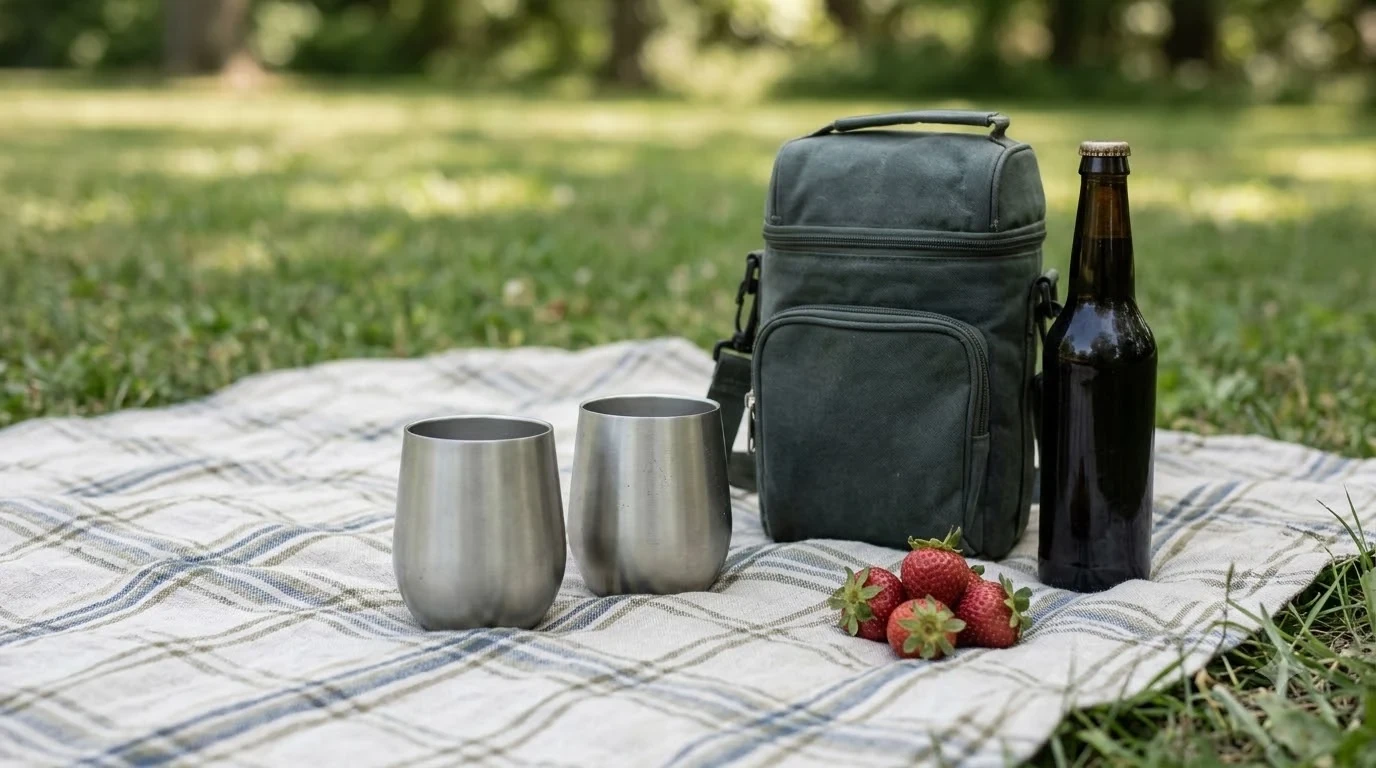
A picnic blanket is an uneven surface with a strong chance of knocking a glass over, and a hike adds the risk of a pack that gets tossed around. Lightweight, shatterproof glasses solve both problems. They are light enough to carry in a daypack and tough enough to survive a bumpy trail.
For picnics, look for a glass with a wide, low base. A low center of gravity is more important than height, because a squat glass rarely goes over when a corner of the blanket shifts. Choose a glass with a bowl that is not too shallow, so you can still swirl the wine without spilling it. Many people pack a few of these glasses in a small box with a cloth to keep them from knocking together.
Hiking changes the priorities again. Weight and size matter most, so a short, compact glass that nests inside a container may be better than a full-size tumbler. Some outdoor glasses fold or collapse, which saves space in a backpack. Whatever you choose, keep the glass in a padded pouch and pour only what you plan to drink, since wine can splash when you walk.
Best for a Dinner Party Outside: Stable Stemmed Glasses
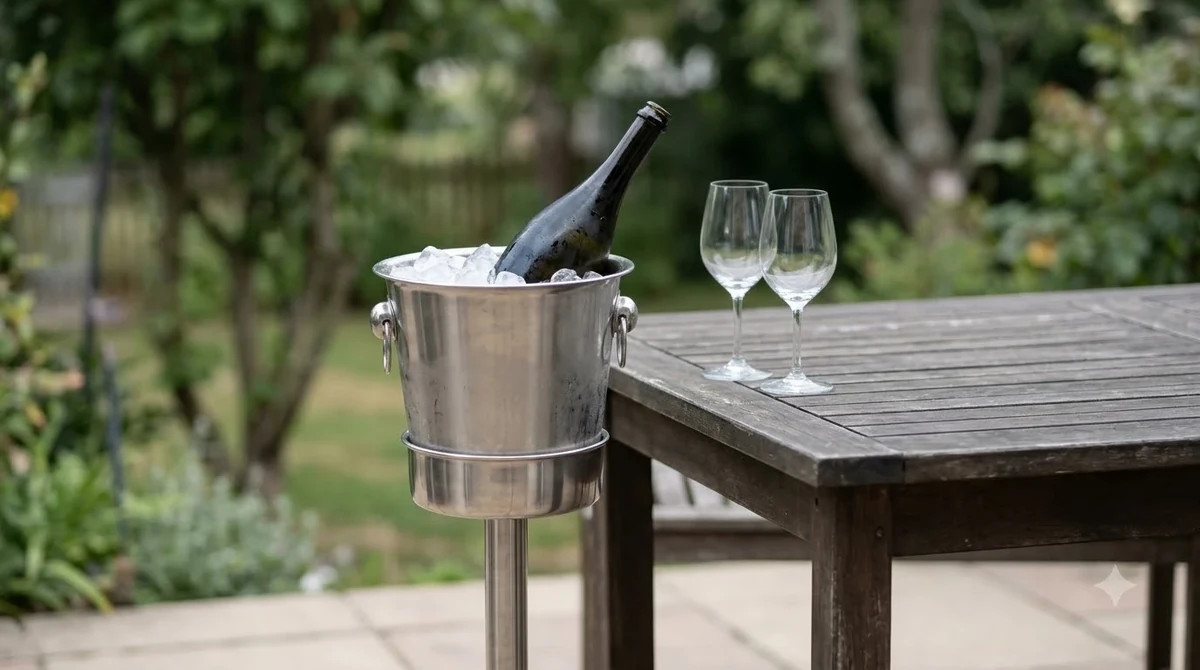
If you are hosting a meal on the patio or in the garden, a stemmed glass can still work well, as long as you choose one with a wide, stable foot. Stemmed glasses keep the wine away from your hand, which helps a white stay cool and lets you swirl a red without warming it. For a dinner that needs a little more ceremony, this is the category to pick.
The key is the base. A narrow foot tips easily on grass, gravel, or a wobbly table, so choose a glass where the foot is noticeably wider than the stem. Heavier glass or thicker stems generally feel more stable, though they can be harder to carry from the kitchen. Handle the glass by the stem rather than the bowl, and avoid filling it to the brim, since a fuller glass is more likely to spill in a breeze.
Stemmed glasses are also where the shape of the bowl matters most. A wider bowl lets a red breathe and releases more aroma, while a narrower bowl concentrates the smell. The Wikipedia summary of wine glass design notes that some designs narrow the opening relative to the widest part of the bowl to concentrate aroma, while others are more open. Outdoors, the more open shape can help a wine smell fuller on a warm evening, although it also makes the wine warm faster.
Best for Camping and Travel: Collapsible and Compact Glasses
Camping and festivals put a glass through the most rugged treatment of all. There may be no table, the ground is uneven, and you may be washing up in a bucket. Collapsible and compact glasses are built for that environment. They pack flat or nest small, and they usually come with a lid or case.
When comparing these glasses, think about cleaning as much as storage. A glass that is hard to rinse will trap dust and residue, and that residue can dull the aroma of the wine. Pick a design with a smooth interior and a rim that is easy to wipe. A glass that folds at the joints may be harder to keep clean, so check how the joints are made before you buy.
Compact glasses also suit travel. A short glass fits in a carry-on or a suitcase pocket, and a lidded case keeps it from rattling against other items. If you are bringing wine to a campsite, a compact glass that is sturdy and easy to dry will serve you better than a delicate one that needs careful packing.
How to Choose
Start with where the glass will spend most of its time. A patio glass should be stable and easy to refill, a pool glass should be unbreakable, and a camping glass should pack small. Once the setting is clear, the rest of the decision gets simpler.
- Stability: a wide, low base resists tipping on grass, gravel, or a folding table.
- Breakage risk: choose polymer for water and high-traffic areas, and sturdy glass where you can keep a close eye on it.
- Aroma: a wider bowl helps a red open up, while a narrower opening keeps more scent in the glass.
- Carrying and cleaning: nesting, folding, or lidded designs save space, and a smooth interior rinses clean faster.
Tip: Keep one set of outdoor glasses separate from your indoor set so a wobbly picnic does not put your best pieces at risk.
Frequently Asked Questions
What is the best material for outdoor wine glasses?
There is no single best material for every outdoor setting. Polymer glasses are the most forgiving for pools, beaches, and hikes because they resist breakage. Stemless or stemmed glasses made from sturdy glass suit a patio or a picnic table better, since they give a clearer view of the wine and a more traditional feel. Choose based on where you will use the glass most often.
Do stemless glasses work for red wine?
They can, especially for a casual red you plan to drink soon after pouring. Stemless glasses are generally used more casually than stemmed ones, and holding the bowl warms the wine faster. If you want to smell a complex red properly, a stemmed glass with a wider bowl gives you more control over the aroma.
Are unbreakable wine glasses worth it for outdoor use?
For pools, beaches, and picnics, they are often worth it, because a broken glass near water or on a blanket is a real safety hazard. They are lighter and easier to carry. The trade-off is that the wine may look less clear and the aroma may be less focused than in fine glass. Many people keep one set of unbreakable glasses for outdoor days and a separate set for indoor tasting.
How full should I pour an outdoor wine glass?
A common guide is to fill the bowl no more than about a quarter to a third, which leaves room to swirl and reduces spills. The Wikipedia overview of wine glass design describes the bowl as large enough to generously fill a quarter of the glass, which is a useful starting point outdoors as well. Pour less than you think you need, and refill as you go.
Choosing the best outdoor wine glasses comes down to matching the glass to the setting. Use stemless tumblers for relaxed patio evenings, polymer glasses for pools and picnics, stable stemmed glasses for a garden dinner, and collapsible designs for camping. If you want a deeper look at the full range of everyday options, start with our guide to wine glasses, and read how to hold a wine glass to keep your wine at the right temperature outside. You can also browse the full Wine Glasses section to compare more styles before you pick a set for your next gathering.
For red-wine specifics, see our guide to red wine glasses, and read the overview of wine glass design for background on why bowl shape matters.
More in Wine Glasses
 Spiegelau Crystal Wine Glasses That Bring Clarity to Every PourUpdated Nov 21, 2026
 Zalto Crystal Wine Glasses: Are They Worth the Investment?Updated Nov 21, 2026
 Villeroy And Boch White Wine Glasses for a More Cohesive TableUpdated Nov 21, 2026
 Zalto Wine Glasses On Sale: Find the Right Denk’Art GlassUpdated Nov 21, 2026
 Zwiesel Glas Champagne Glasses: Features, Quality and Buying AdviceUpdated Nov 21, 2026
 Zwiesel Glas Decanter Review: A Durable, Elegant Choice for Wine ServiceUpdated Nov 21, 2026