

We may earn a commission when you buy through links on this page, at no extra cost to you. Learn more.
The best umpqua valley wineries to visit include Abacela, HillCrest Vineyard, Reustle-Prayer Rock Vineyards, Brandborg Vineyard & Winery, and River’s Edge Winery. These Southern Oregon destinations offer distinctive wines, from Spanish-inspired Tempranillo and Syrah to cool-climate Pinot Noir and aromatic white varieties. The best choice depends on your preferred grapes, tasting-room atmosphere, and how much of the region you want to explore.
The Umpqua Valley deserves a place on any Oregon wine itinerary, especially for visitors who enjoy discovering regions beyond the state’s better-known Pinot Noir destinations. Its vineyards stretch across a varied landscape of rivers, mountain foothills, and warmer southern hillsides. That diversity creates an unusual opportunity to compare very different wine styles within one appellation. Whether you want a historic winery, an architectural wine cave, a relaxed riverside tasting, or an introduction to Tempranillo, the following guide will help you choose the right stops and plan a rewarding visit.
Who Should Visit Umpqua Valley Wineries
The Umpqua Valley is especially appealing to wine drinkers who enjoy variety rather than a region devoted to one signature grape. Its combination of cool northern vineyards and warmer southern growing areas makes it possible to explore Pinot Noir, Riesling, Tempranillo, Syrah, and Albariño on the same trip.

First-time visitors should consider starting with Abacela and HillCrest Vineyard near Roseburg. Abacela provides an introduction to the region’s Spanish grape varieties, particularly Tempranillo, while HillCrest connects visitors with Oregon’s early modern Pinot Noir history. Together, these wineries demonstrate why the Umpqua Valley occupies an important position in the state’s wine industry.
Pinot Noir enthusiasts should also consider traveling north to Elkton. The area’s maritime influence produces a different growing environment from the warmer vineyards south of Roseburg. Brandborg Vineyard & Winery and River’s Edge Winery are particularly relevant stops for visitors interested in cooler-climate wines. Bradley Vineyards adds another option for exploring Pinot Noir in this northern part of the appellation.
Travelers who prefer unusual varieties and distinctive tasting-room architecture may enjoy Reustle-Prayer Rock Vineyards. Its wine cave creates a different experience from a conventional vineyard tasting room, while its association with Grüner Veltliner makes it especially interesting for drinkers who appreciate European grape varieties.
The region also suits travelers who prefer smaller, less formal wine destinations. Many local wineries emphasize family ownership, personal hospitality, and vineyard surroundings rather than large commercial tasting facilities. Visitors looking for a quieter alternative to more heavily visited Oregon wine destinations may find that atmosphere appealing.
However, the Umpqua Valley is not an ideal destination for anyone expecting every winery to be clustered within a few blocks. The appellation covers a substantial area, and tasting rooms are spread among several towns and rural roads. A little advance planning makes a significant difference, particularly if you want to visit wineries in both Elkton and Roseburg on the same day.
Wine enthusiasts comparing Oregon destinations can also explore the best Willamette Valley wineries to understand how a cooler northern Oregon wine region differs from Southern Oregon’s more varied growing conditions.
Key Factors to Compare When Choosing a Winery
The most useful way to compare Umpqua Valley wineries is to consider grape specialties, geographic location, tasting format, and the overall visitor experience. These factors matter because a winery specializing in northern Pinot Noir may offer a very different experience from a southern producer focused on Tempranillo and Syrah.
| Winery | Location | Best Known For | Visitor Appeal |
|---|---|---|---|
| Abacela | Near Roseburg | Tempranillo and Spanish varieties | Guided wine education |
| HillCrest Vineyard | Near Roseburg | Pinot Noir and Oregon wine history | Historic estate winery |
| Reustle-Prayer Rock Vineyards | Near Sutherlin | Grüner Veltliner and diverse wines | Distinctive wine cave |
| Brandborg Vineyard & Winery | Elkton | Cool-climate Pinot Noir | Downtown tasting room |
| River’s Edge Winery | Elkton | Pinot Noir, Aligoté, and Baco Noir | Small-town wine experience |
| Haines Creek Vineyard | Elkton area | Riesling, Pinot Gris, and Gewürztraminer | Yurt tasting experience |
| Paul O’Brien Winery | Downtown Roseburg | Regional red wines and blends | Urban tasting room |
| Cooper Ridge Vineyard | Roseburg area | Merlot and estate wines | Vineyard and river views |
Grape selection should be your first consideration. Tempranillo drinkers will naturally gravitate toward Abacela, while Pinot Noir enthusiasts should prioritize HillCrest, Brandborg, and River’s Edge. For aromatic whites, Haines Creek provides an appealing starting point, with varieties such as Riesling and Gewürztraminer.
Next, consider location. Elkton is a particularly convenient choice for visitors who want to visit several tasting rooms without constantly returning to the highway. The Oregon Wine Board identifies three tasting rooms in the town that are within approximately 15 minutes of walking distance of one another. By comparison, wineries around Roseburg and Sutherlin generally require more deliberate driving between stops.
Tasting format is another important distinction. Some visitors prefer a guided seated experience that explains vineyard conditions and winemaking decisions. Others would rather enjoy a casual glass on an outdoor patio. Abacela is a useful option for guided wine education, while Brandborg offers a dog-friendly patio experience, according to Oregon’s regional visitor information.
Finally, consider the surroundings. A vineyard view, wine cave, historic building, or riverside location can be just as important as the wines themselves. Cooper Ridge is an appealing choice for landscape views, Reustle-Prayer Rock offers unusual architecture, and Paul O’Brien provides an urban alternative in downtown Roseburg.
Tip: Choose two or three wineries based on geography rather than trying to visit every famous producer. A focused itinerary with time for a proper tasting is generally more rewarding than rushing between five or six appointments.
Step-by-Step: How to Plan a Umpqua Valley Winery Visit
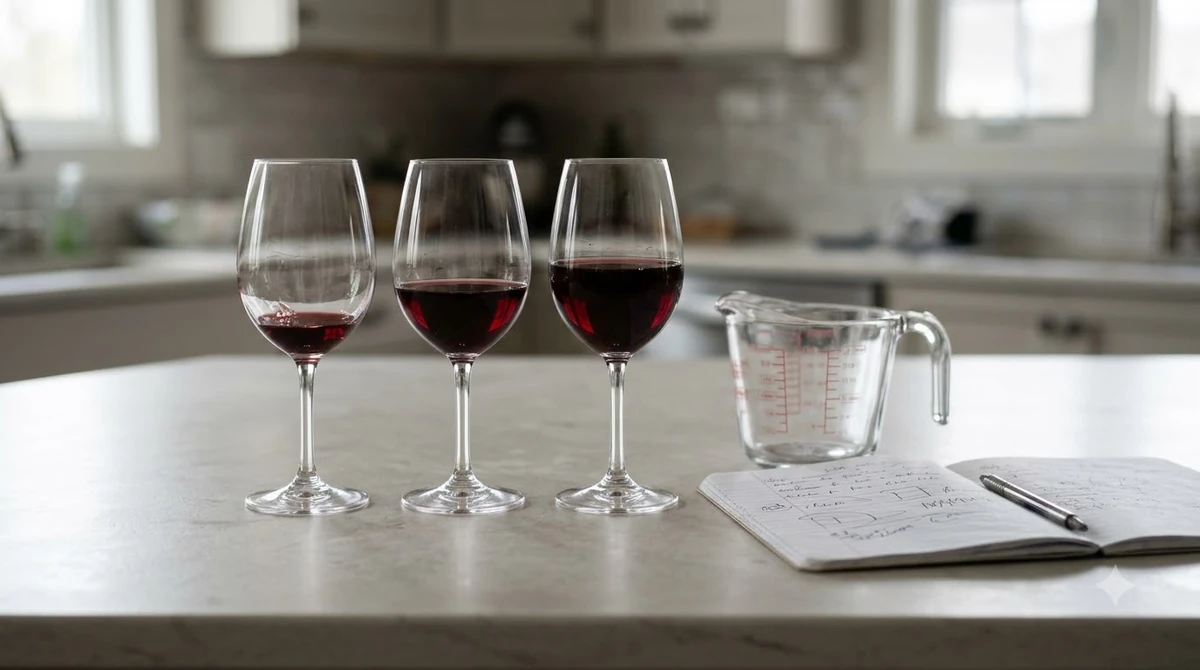
A successful wine-country trip starts with a geographic plan and a realistic tasting schedule. For a first visit, a two-day itinerary allows time to experience northern Pinot Noir country around Elkton and the more varied wine styles near Roseburg.
-
Choose your wine priorities.
Decide whether you are most interested in Pinot Noir, Tempranillo, aromatic white wines, or a broad introduction to the region. If Spanish varieties are your priority, place Abacela near the top of your list. If cool-climate Pinot Noir is the main attraction, plan around Brandborg and River’s Edge in Elkton.
-
Select your geographic starting point.
Roseburg makes a practical base for exploring the central and southern parts of the appellation. Elkton is a better starting point for visitors who want to focus on maritime-influenced wines. The regional wine country is also accessible from Interstate 5, making it possible to incorporate winery visits into a wider Southern Oregon road trip.
-
Check tasting availability.
Look at each winery’s current opening schedule, reservation requirements, and tasting options. Some smaller tasting rooms have seasonal hours, and winter availability may be more limited. A winery that welcomes casual visitors during summer may operate differently during quieter months.
-
Build a manageable tasting schedule.
Two or three wineries in one day is a sensible starting point. Allow approximately 60 to 90 minutes for a seated or guided tasting, plus additional time for driving and meals. If a winery offers a longer educational experience, avoid scheduling another appointment immediately afterward.
-
Start with a clear palate.
Eat before the first tasting and drink water between wine samples. If you are comparing Pinot Noir with Tempranillo, consider tasting the lighter-bodied wine first and the fuller-bodied wine afterward. This sequence makes it easier to appreciate differences in body, tannin, and fruit character.
-
Bring appropriate transportation.
Arrange a designated driver or professional transportation before starting your itinerary. Rural roads and distances between wineries make it important to plan transportation rather than assuming every stop will be within walking distance.
-
Save time for the surroundings.
Leave room for lunch, vineyard photographs, and a relaxed visit to a nearby town. Oakland’s historic downtown and the Umpqua River Scenic Byway provide alternatives to spending the entire day inside tasting rooms.
-
Make a short list of bottles to purchase.
Record the wines you enjoyed, including the grape, vintage, and producer. This is particularly useful when comparing less familiar varieties such as Baco Noir, Aligoté, and Grüner Veltliner. A simple note on your phone can help you remember which bottles deserve a place in your collection.
For a more ambitious trip, consider separating the region into two tasting days. On the first day, explore Elkton and its cool-climate wineries. On the second, concentrate on Roseburg, Sutherlin, and the warmer southern vineyards. This approach avoids unnecessary backtracking and gives each area enough time to make an impression.
The official Oregon Wine Board’s Umpqua Valley tasting itinerary offers another useful starting point, with suggested stops in Elkton, Oakland, and Roseburg arranged across two days.
Types of Umpqua Valley Wines and Winery Experiences Explained
The Umpqua Valley’s appeal comes from its ability to produce both cool-climate and warm-climate wines within one appellation. Understanding the differences between its northern, central, and southern areas makes it easier to choose wineries that match your preferences.
Cool-climate Pinot Noir and aromatic whites
Elkton is the most important northern destination for visitors seeking wines influenced by cooler maritime conditions. Its climate encourages slower grape development and helps preserve acidity, particularly in varieties such as Pinot Noir and Riesling.
Brandborg Vineyard & Winery is a natural choice for visitors interested in Pinot Noir. River’s Edge offers another perspective on the region, including less familiar varieties such as Aligoté and Baco Noir. Haines Creek Vineyard adds Riesling, Gewürztraminer, and Pinot Gris to the northern selection.
These wines are particularly appealing to drinkers who enjoy freshness, aromatic complexity, and moderate alcohol rather than consistently powerful reds. Pinot Noir generally has low-to-medium tannin and relatively high acidity, making it a versatile food wine.
Tempranillo and Spanish-inspired reds
Tempranillo is one of the most distinctive reasons to explore Southern Oregon. The grape is traditionally associated with Spain, but the warmer areas of the Umpqua Valley offer growing conditions that support its development.
Abacela is the essential stop for visitors who want to understand this category. The winery is widely recognized for its role in pioneering Oregon Tempranillo. Its guided tasting format can help visitors understand how Spanish varieties translate into the conditions of Southern Oregon.
Look for wines with red and dark fruit characteristics, savory notes, and a structure that can accommodate grilled meats and substantial dishes. Tempranillo is particularly suitable for visitors who enjoy medium- to fuller-bodied reds but want something different from conventional Cabernet Sauvignon.
Syrah, Merlot, and fuller-bodied red wines
The warmer southern Umpqua Valley offers a suitable environment for varieties such as Syrah and Merlot. These wines provide a useful comparison with the lighter-bodied Pinot Noir produced farther north.
Syrah generally has medium-plus to high tannin, while Merlot usually has medium tannin and a softer overall profile. Cooper Ridge Vineyard is a worthwhile stop for visitors interested in Merlot, and Paul O’Brien Winery offers a broader look at regional red wines through grapes sourced from several valley vineyards.
These styles work particularly well with grilled lamb, roasted beef, and dishes featuring mushrooms or herbs. Their fuller structure also makes them useful choices for cooler evenings when a more substantial red wine is appealing.
Distinctive white varieties and unusual discoveries
The Umpqua Valley is not exclusively a red wine destination. Albariño, Viognier, Pinot Gris, Riesling, and Grüner Veltliner demonstrate how varied its white wine production can be.
Reustle-Prayer Rock Vineyards deserves particular attention from visitors interested in Grüner Veltliner. Its wine cave is a memorable architectural feature, and the winery’s association with this Austrian grape makes it an unusual stop within Oregon wine country.
Albariño is another variety worth seeking out. Its refreshing acidity and citrus-driven character can work particularly well with seafood. Viognier offers a different experience, often emphasizing floral aromas, ripe stone fruit, and a fuller texture.
Historic wineries and distinctive tasting rooms
Some visitors choose wineries for their history or setting rather than a particular grape. HillCrest Vineyard is a significant destination because of Richard Sommer’s role in establishing modern Oregon Pinot Noir production. Its connection to the early development of the state’s wine industry makes it more than an ordinary tasting stop.
Other wineries offer different experiences. Reustle-Prayer Rock has its wine cave, Paul O’Brien operates in a historic Roseburg building, and Haines Creek provides a distinctive yurt tasting environment. These destinations demonstrate that a winery visit can involve architecture, regional history, and local hospitality as much as the wine itself.
Common Mistakes When Visiting Umpqua Valley Wineries
The biggest planning mistakes involve underestimating driving distances, assuming every tasting room has identical opening hours, and choosing wineries without considering their regional specialties. A little preparation can prevent unnecessary travel and make the experience more enjoyable.
Trying to cover the entire appellation in one day
The Umpqua Valley is geographically diverse, and its wineries are spread across different towns and rural locations. A visit that includes Elkton, Oakland, Roseburg, and the southern vineyards can involve substantial driving. Trying to fit every area into a single afternoon leaves little time for tasting or enjoying the scenery.
Instead, group nearby wineries together. For example, Brandborg, River’s Edge, and other Elkton destinations make sense as part of a northern route. Abacela, HillCrest, and Paul O’Brien are better considered when planning around Roseburg.
Assuming all wineries specialize in Pinot Noir
Oregon is closely associated with Pinot Noir, but the Umpqua Valley has a broader identity. Visitors who only seek Pinot Noir can miss some of the region’s most distinctive wines, particularly Tempranillo, Syrah, and Grüner Veltliner.
Try including at least one unfamiliar grape in your itinerary. A visit to Abacela or Reustle-Prayer Rock can introduce varieties that are less common in other Oregon wine destinations.
Arriving without checking tasting-room hours
Smaller wineries do not necessarily maintain the same schedules as larger commercial tasting facilities. Some operate seasonally, and appointment availability can change during winter. Even if a winery normally welcomes walk-in guests, a scheduled tasting may offer a better opportunity to meet knowledgeable staff.
Confirm the opening schedule and any reservation requirements before leaving your accommodation. This is especially important when traveling between Elkton and Roseburg, where an unexpected closure could disrupt an otherwise well-planned route.
Ignoring the differences between tasting formats
A casual patio tasting and a guided seated flight are not interchangeable experiences. The former may suit visitors who want a relaxed afternoon, while the latter can provide a more detailed understanding of individual wines and their production.
Abacela is a particularly useful choice for a more educational tasting. Visitors who prefer informal settings may find the Elkton tasting rooms more appealing. Choose according to your interests rather than assuming that every winery offers the same experience.
Drinking without considering food and transportation
Wine tasting often involves sampling several wines in a relatively short period. Food, water, and breaks are important practical parts of a comfortable itinerary. A meal before the first tasting and a substantial lunch between appointments can help keep the day manageable.
Transportation also deserves attention. Never plan to drive after consuming wine. Arrange a designated driver, a tour, or another suitable transportation option before the first appointment.
Wine Buying, Care, and Storage Tips After Your Visit
Buying wine directly from a winery can be a rewarding way to bring home bottles that are less familiar in mainstream retail stores. To get the most from your purchases, consider serving temperature, storage conditions, and how quickly each wine is intended to be enjoyed.
Choose bottles according to drinking occasion
Consider what you plan to serve before purchasing multiple bottles of the same style. Pinot Noir is versatile with roasted poultry, salmon, and mushroom dishes. Tempranillo and Syrah are more suitable for grilled meats, slow-cooked beef, and hearty vegetable dishes.
For white wine, Riesling and Pinot Gris can work with seafood, salads, and lightly seasoned dishes. Albariño is a particularly appealing choice with shellfish and grilled white fish because its acidity complements fresh seafood.
Think about the balance between wine and food. A wine should generally be at least as sweet as the dessert it accompanies. Foods with substantial acidity are better matched with wines that have comparable or higher acidity. Salt and fat can soften the perception of tannin, while chili heat can become more noticeable with high-alcohol, tannic wines.
Serve each style at an appropriate temperature
Serving temperature can significantly affect how a wine smells and tastes. Many people serve red wine too warm and white wine too cold, which can hide some of the wine’s characteristics.
| Wine Style | Recommended Serving Temperature | Suggested Pairing |
|---|---|---|
| Pinot Noir | 55–60°F | Roasted poultry and mushrooms |
| Tempranillo | 60–65°F | Grilled lamb and beef |
| Syrah | 60–65°F | Barbecue and roasted meats |
| Merlot | 60–65°F | Roasted vegetables and beef |
| Pinot Gris | 45–50°F | Seafood and salads |
| Riesling | 45–50°F | Spicy dishes and seafood |
| Albariño | 45–50°F | Shellfish and grilled fish |
| Viognier | 50–55°F | Roasted poultry and creamy dishes |
Light reds such as Pinot Noir benefit from a slight chill. Fuller reds generally show better at moderately cool temperatures rather than at a warm room temperature. White wines should be chilled enough to feel refreshing without losing their aromatic character.
Store bottles properly
For bottles you intend to keep, aim for a cool, dark, stable storage environment near 55°F. Avoid locations exposed to direct sunlight, heating equipment, or repeated temperature fluctuations. Traditional cork-finished bottles are generally stored horizontally to keep the cork from drying out.
Young, full-bodied red wines may benefit from 30 to 60 minutes of decanting before serving, depending on their structure and development. However, not every wine needs decanting. Delicate Pinot Noir, for example, may require less aggressive aeration than a structured young Syrah.
Preserve opened bottles
Refrigeration helps slow oxidation after opening. Most still wines can remain enjoyable for approximately three to five days when properly resealed and refrigerated. Sparkling wines generally have a shorter window of approximately one to three days, while fortified wines can last several weeks depending on their style.
Remove a white or red wine from the refrigerator before serving so it can approach its recommended temperature. For an opened Pinot Noir, a brief period outside the refrigerator may be sufficient. Fuller-bodied Tempranillo and Syrah may need additional time to warm slightly.
For readers who want to build a broader understanding of wine selection, grape varieties, and buying decisions, the wine-buying learning resource provides a useful starting point. Travelers who enjoy exploring other American wine regions can also compare the best Napa Valley wineries or investigate the best Hudson Valley wineries for a different regional experience.
Frequently Asked Questions
Is the Umpqua Valley a good alternative to the Willamette Valley?
Yes, particularly for visitors interested in grape diversity rather than a region primarily associated with Pinot Noir. The Umpqua Valley offers a wider range of warm-climate varieties, including Spanish and Mediterranean grapes. Its smaller wine-country communities also provide a different travel atmosphere from Oregon’s more established northern wine destinations.
What is the difference between the Umpqua Valley AVA and the Elkton Oregon AVA?
Elkton Oregon is a nested American Viticultural Area within the larger Umpqua Valley appellation. It occupies the cooler northwestern portion of the region and has a strong maritime influence. Its distinctive growing conditions help explain why its wines can differ from those produced around warmer Roseburg vineyards.
Can visitors purchase wine directly from Umpqua Valley wineries?
Many regional tasting rooms offer opportunities to purchase wines after a tasting, although individual inventory and shipping policies vary. Some smaller producers make limited quantities of particular grape varieties, so availability may differ between the tasting room and outside retailers. Ask about shipping restrictions if you are traveling from another state.
What is a good souvenir wine from the Umpqua Valley?
A bottle of locally produced Tempranillo makes a distinctive souvenir because the region has a notable history with this Spanish grape. Grüner Veltliner is another interesting choice for someone who enjoys less familiar wines. Both varieties provide a useful reminder of the Umpqua Valley’s unusually broad grape-growing identity.
Is the Umpqua Valley suitable for a wine trip with children or non-drinkers?
It can be, especially when the itinerary includes outdoor attractions and sightseeing alongside winery visits. The Umpqua River Scenic Byway, Elkton Community Education Center, and Wildlife Safari offer alternatives to tasting rooms. Visitors should contact individual wineries about their family policies before arranging a stop.
The best Umpqua Valley winery itinerary combines distinctive producers, thoughtful geographic planning, and enough time to appreciate each tasting. Start with Abacela, HillCrest, or Reustle-Prayer Rock near Roseburg, then explore Brandborg and River’s Edge in Elkton if cool-climate wines are your preference. With its unusual grape diversity, welcoming small wineries, and distinctive Southern Oregon scenery, the Umpqua Valley offers a memorable wine-country experience well beyond the familiar Pinot Noir trail.
More in Wine Buying Guides
 Riesling Gift: Choose a Bottle They’ll LoveUpdated Nov 21, 2026
 Sweet Red Wine Gift: Choose a Bottle They’ll LoveUpdated Nov 21, 2026
 Malbec Gift: How to Choose a Memorable Bottle for Any OccasionUpdated Nov 21, 2026
 Sherry Gift Ideas That Match Every Wine LoverUpdated Nov 21, 2026
 Moscato Gift: How to Choose a Sweet Wine They’ll LoveUpdated Nov 21, 2026
 Merlot Gift: How to Choose a Bottle They’ll AppreciateUpdated Nov 21, 2026