

We may earn a commission when you buy through links on this page, at no extra cost to you. Learn more.
The best syrah under 50 is a bottle that balances concentrated dark fruit, peppery spice, refreshing acidity, and well-integrated tannins without relying on excessive oak or alcohol. Look to the Northern Rhône for savory, structured wines, California for expressive fruit and freshness, and Washington for powerful yet balanced examples. Australian Shiraz is another excellent direction if you prefer richer blackberry flavors, softer textures, and a more generous style.
Syrah is one of the most versatile red grapes for wine drinkers who enjoy bold flavors but want something more complex than straightforward fruit-forward reds. Its character changes considerably with climate, vineyard location, and winemaking choices. Understanding those differences makes it easier to select a bottle that suits your preferences, whether you are planning a steak dinner, a barbecue, or a relaxed evening with friends. The key is to evaluate the region, structure, and intended drinking experience rather than choosing solely by the grape name.
Who This Is For: Finding the Right Syrah Style
Syrah is particularly appealing to red wine drinkers who enjoy full-bodied wines with dark fruit, noticeable tannins, and savory complexity. It offers a useful middle ground between the familiar structure of Cabernet Sauvignon and the more aromatic, sometimes softer character of Pinot Noir. The right bottle depends on whether you prefer peppery, earthy flavors or generous ripe-fruit intensity.
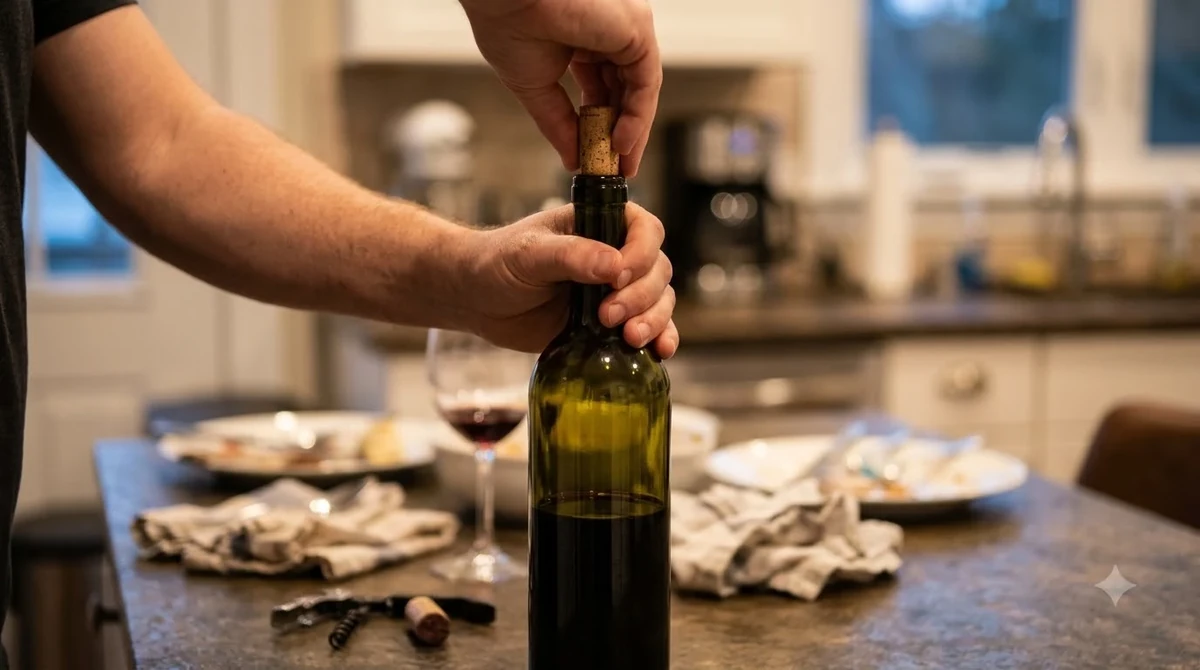
For Cabernet Sauvignon drinkers, Syrah provides a different expression of power. Cabernet generally has high tannins, while Syrah typically has medium-high to high tannins, depending on its origin and winemaking. Syrah often introduces additional black pepper, smoked meat, violet, and olive characteristics that make it particularly interesting with food. Its texture can be substantial without necessarily having the same firm tannic grip as a powerful Cabernet.
Pinot Noir drinkers may also appreciate cooler-climate Syrah. Both wines can show freshness and attractive savory characteristics, but Syrah usually has a darker fruit profile, fuller body, and more substantial tannins. A Sonoma Coast or Northern Rhône example can be a useful starting point for someone who wants to move from lighter reds toward something more structured.
Australian Shiraz is better suited to drinkers who prefer ripe blackberry, blueberry, plum, and baking spice. Barossa and McLaren Vale are particularly useful regional starting points. These wines can have more pronounced alcohol, generous fruit concentration, and a fuller texture than cooler-climate Syrah.
This guide is most useful for shoppers who want a versatile dry red rather than a sweet wine. Syrah is generally dry, although ripe fruit aromas can create a sensation of sweetness. If you are comparing other red varieties for everyday drinking, the best cabernet sauvignon under 20 guide provides another useful comparison for understanding how grape variety affects structure and drinking style.
Key Factors to Compare Before Choosing a Bottle
Three factors have the greatest influence on your buying decision: regional character, tannin and acidity, and oak and alcohol balance. Comparing these characteristics is more useful than relying on descriptions such as bold, smooth, or premium, which can mean different things to different producers.
Start with the region. Northern Rhône Syrah generally emphasizes savory aromas, pepper, herbs, and fresh acidity. California and Washington offer a broader range, from restrained and mineral-driven wines to concentrated expressions with darker fruit. Australian Shiraz generally emphasizes ripe fruit and richness. These differences give you a practical way to narrow your choices before examining individual producers.
Next, consider structure. Syrah typically has medium-high tannins and medium acidity, although cooler growing conditions and winemaking decisions can influence the final result. Tannins create the drying sensation on your gums, while acidity provides freshness and helps balance concentrated fruit. A well-balanced bottle should not feel excessively drying or heavy.
Oak treatment is another important consideration. New oak can introduce vanilla, toast, chocolate, and baking spice. Neutral or older oak generally allows more of the grape’s natural fruit, pepper, and savory characteristics to remain prominent. Neither approach is automatically superior. The better choice depends on whether you enjoy a wine with noticeable oak influence or prefer a more restrained expression.
| Factor | What to Look For | Why It Matters |
|---|---|---|
| Body | Medium to full-bodied | Determines richness and weight on the palate |
| Tannins | Medium-high to high | Influences texture and food compatibility |
| Acidity | Medium to brisk | Balances ripe fruit and adds freshness |
| Alcohol | Approximately 13% to 15.5% ABV | Influences warmth, weight, and perceived richness |
| Fruit character | Blackberry, blueberry, plum | Helps identify the preferred regional expression |
| Savory character | Black pepper, olive, herbs, smoke | Adds complexity beyond straightforward fruit |
| Oak influence | Subtle to pronounced | Changes the balance between fruit and spice |
| Bottle size | 750 ml standard bottle | Provides approximately five standard 5 oz servings |
Alcohol deserves particular attention because a wine can taste heavier than expected when its alcohol is prominent. Cooler-climate Syrah commonly falls around 13% to 14% ABV, while warmer-climate Shiraz can reach approximately 14.5% to 15.5% ABV, according to Wine Enthusiast. These are typical ranges rather than strict rules. A higher alcohol percentage does not automatically mean better concentration or greater quality.
Finally, consider how you intend to serve the wine. A structured Syrah for grilled lamb has different requirements from an easy-drinking bottle for pizza night. The wine buying guide can also help clarify how to compare grape varieties, regions, and bottle information when building a more informed selection.
Step-by-Step: How to Choose a Syrah
A simple five-step process makes shopping easier and reduces the chance of selecting a bottle that does not match your taste. Begin with the flavor profile you prefer, then use regional information and structural characteristics to narrow the selection.
-
Decide between savory and fruit-forward styles.
If you prefer black pepper, smoked meat, herbs, and olive, begin with Northern Rhône or cooler-climate American Syrah. If you prefer blackberry, blueberry, plum, and richer fruit, explore Barossa Shiraz or warmer California and Washington expressions.
-
Choose a region that matches your preferred texture.
Hermitage and Côte-Rôtie are useful Northern Rhône references for structured, savory wines. Sonoma Coast is a strong starting point for more restrained American examples, while Santa Ynez Valley offers another expression of California Syrah. Australian regions such as Barossa and McLaren Vale are better starting points for richer Shiraz.
-
Compare tannins and acidity.
Look for descriptions such as balanced, fresh, structured, or integrated tannins. If you dislike a strongly drying finish, avoid choosing a particularly firm, concentrated expression as your first bottle. Wines with noticeable acidity can feel more refreshing alongside rich meals.
-
Evaluate the producer and vintage information.
Look for a named region, identifiable producer, and clear grape-variety information. A single-vineyard designation can provide additional information about the wine’s origin, but it does not guarantee that the wine will suit your personal preferences. Vintage conditions can also influence ripeness, alcohol, acidity, and tannin development.
-
Match the bottle to your meal and serving plans.
For grilled beef, lamb, or barbecue, a fuller Australian Shiraz can work particularly well. For duck, mushroom dishes, and meat ragù, consider a more savory French or California Syrah. Plan to serve the wine around 60°F to 65°F rather than at a warm room temperature.
When comparing several bottles, read the descriptions for recurring characteristics rather than relying on one impressive tasting note. For example, a wine described as blackberry-driven, peppery, and balanced is likely to provide a different experience from one described as jammy, heavily oaked, and high in alcohol.
Tip: If you are uncertain about your preferred style, begin with a cooler-climate California or Washington Syrah. These wines can offer a useful balance of dark fruit, pepper, acidity, and tannin without leaning as heavily toward either an earthy Northern Rhône profile or a powerful Australian Shiraz profile.
Types and Regional Styles Explained
Syrah’s regional diversity is one of its greatest strengths. The grape performs well in several wine-producing countries, and the resulting bottles can have noticeably different aromas, textures, and levels of concentration. Understanding five important regional expressions will help you identify the style that deserves a place in your collection.
1. Northern Rhône, France
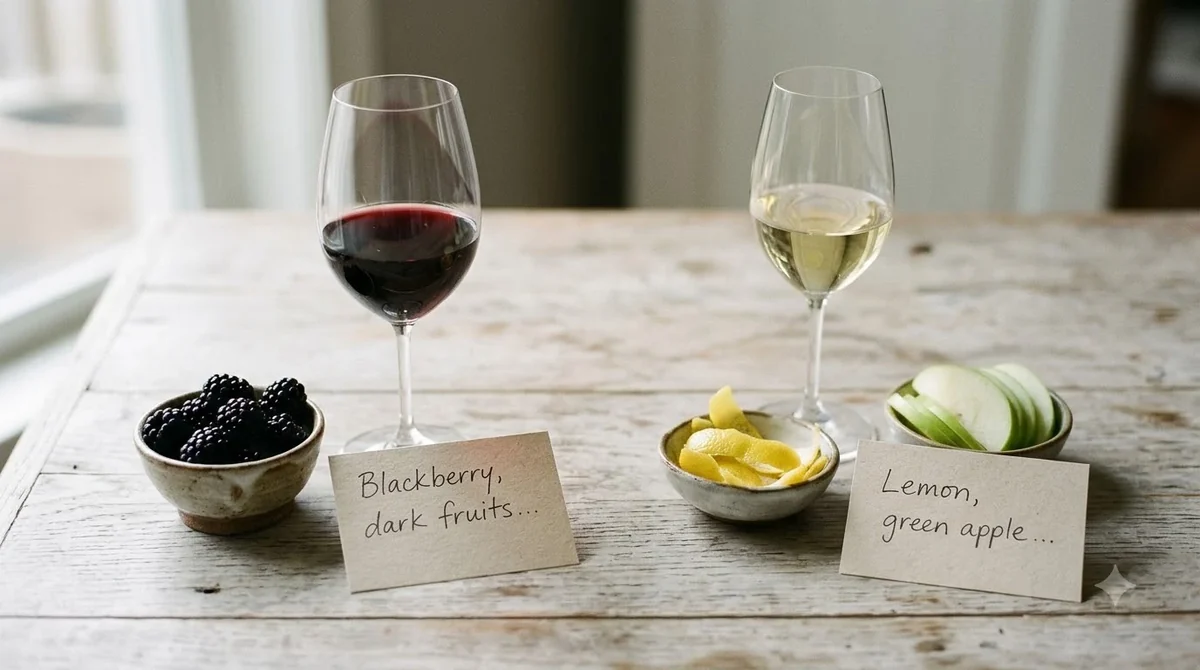
The Northern Rhône is the traditional reference point for Syrah. Appellations such as Hermitage and Côte-Rôtie are particularly associated with wines that emphasize black pepper, savory herbs, dark berries, smoked meat, and earthy complexity. These wines can have firm tannins and excellent acidity, making them particularly interesting for people who prefer structured reds.
Other Northern Rhône appellations, including Saint-Joseph and Crozes-Hermitage, provide additional regional expressions. Crozes-Hermitage is particularly useful to explore if you want to understand the northern Rhône style without automatically moving toward the more prestigious appellations. The exact character varies by producer, vineyard location, and vintage.
2. Sonoma Coast and California
California produces several distinct Syrah styles. Sonoma Coast is particularly interesting for drinkers who enjoy freshness, savory aromas, and a more restrained expression of the grape. Wines can feature black fruit, herbs, pepper, and earthy notes supported by bright acidity.
Other California areas, including Santa Barbara County and Santa Ynez Valley, can produce more generous examples. These wines may show concentrated blackberry, dark plum, spice, and noticeable structure. California is a useful region to explore because it demonstrates how the same grape can produce different experiences within one state.
3. Washington State
Washington Syrah can offer an attractive combination of fruit concentration and savory complexity. Walla Walla Valley and Columbia Valley are important regional names to recognize. Depending on the producer and vineyard, wines may feature dark berries, pepper, herbs, floral notes, and firm but balanced tannins.
For shoppers who enjoy fuller reds but do not want every bottle to taste excessively jammy, Washington deserves attention. Its wines can be particularly appealing with grilled beef, roasted vegetables, lamb, and dishes containing black pepper or herbs.
4. Barossa Valley, Australia
Barossa Shiraz is generally a richer, more fruit-forward interpretation of the grape. Blackberry, blueberry, plum, licorice, chocolate, and baking spice are common characteristics. Many examples have a substantial body and generous alcohol, producing a warmer, fuller sensation than cooler-climate Syrah.
This style works particularly well with grilled beef, barbecue ribs, smoked meats, and roasted lamb. However, not every Australian Shiraz is excessively heavy. Some producers emphasize freshness, savory complexity, and controlled oak, so it is useful to look beyond broad regional stereotypes.
5. McLaren Vale and Victoria, Australia
McLaren Vale Shiraz can combine ripe dark fruit with earthy, spicy, and sometimes herbal characteristics. These wines often provide a balance between the richness associated with Australian Shiraz and the savory qualities that make the grape so versatile.
Victoria also offers interesting alternatives, including Shiraz from the Grampians. Mount Langi Ghiran’s Cliff Edge Shiraz is an example discussed by VinePair, with wild berry, black pepper, vanilla, and soft tannins. Its character illustrates how Australian Shiraz can offer savory detail rather than simply emphasizing fruit concentration.
For more information about growing practices and bottle selection, the organic syrah guide provides another perspective on how production choices can influence what appears in your glass.
Common Mistakes When Buying Syrah
The biggest purchasing mistakes usually involve confusing ripe fruit with sweetness, assuming all Syrah tastes the same, or choosing a wine based exclusively on alcohol and body. A little attention to regional style and structural balance can prevent these misunderstandings.
Confusing Shiraz with a Different Grape
Syrah and Shiraz are not separate grape varieties. They are two names for the same grape, with regional traditions and winemaking styles influencing the terminology. Cooler-climate producers often use Syrah, while warmer Australian regions frequently use Shiraz.
However, the naming convention is not an absolute rule. American producers may use either name, and the word Shiraz does not guarantee that the wine will be intensely ripe or particularly sweet. The producer’s location and the wine’s description provide better clues.
Assuming Dark Fruit Means Residual Sugar
Syrah can smell remarkably ripe even when it is completely dry. Blackberry, blueberry, plum, and chocolate-like aromas can create a sweet impression without indicating a meaningful amount of residual sugar. Wine Enthusiast explains that Syrah and Shiraz are generally produced as dry wines, although some entry-level examples may retain a little residual sugar. Its Syrah and Shiraz wine guide also explains how climate influences the grape’s flavor, alcohol, and regional identity.
Pay attention to the difference between perceived sweetness and actual sweetness. A ripe Australian Shiraz may smell like blueberry jam but still finish dry. If you prefer a genuinely sweet red wine, explore a dedicated sweet syrah selection rather than assuming every fruit-forward Shiraz will satisfy that preference.
Ignoring Tannin and Acidity
Some shoppers concentrate on fruit descriptions and overlook the wine’s structure. A Syrah can have wonderful blackberry aromas but still feel overly firm if its tannins are aggressive. Conversely, an extremely ripe example with limited freshness may feel heavy after a few sips.
Consider the food you intend to serve. Salt and fat can soften the perception of tannin, making structured Syrah a natural partner for rich meat dishes. Acidic food is generally better matched with wines that have equal or higher acidity. Very spicy food requires additional attention because alcohol and tannin can amplify chili heat.
Choosing Excessive Oak Without Considering Food
Oak can add vanilla, toast, chocolate, and baking spice, but a strong oak influence may overwhelm delicate dishes. For grilled lamb or beef, a substantial wine with noticeable oak can work well. For mushroom pasta or duck, a more restrained example may offer better balance.
Another common mistake is serving Syrah too warm. Warm serving temperatures can make alcohol feel more prominent and reduce the impression of freshness. A short period in the refrigerator before opening can make a substantial difference.
Care, Serving, and Storage Tips for Syrah
Proper serving and storage help preserve Syrah’s fruit, savory aromas, and structural balance. Temperature is particularly important because this full-bodied red can taste heavy when served too warm or muted when served too cold.
Serve at the Right Temperature
A practical serving range for full-bodied Syrah is 60°F to 65°F. This allows dark fruit, black pepper, herbs, and other aromas to develop without making the alcohol feel excessively warm. If the bottle has been stored at ordinary room temperature, approximately 15 minutes in the refrigerator can help bring it closer to the preferred range.
Avoid serving Syrah directly from an extremely cold refrigerator. Excessive chilling can suppress aromas and make tannins seem more pronounced. If the wine becomes too cold, allow it to warm gradually in the glass rather than using an aggressive heating method.
Decant When Appropriate
Young, full-bodied Syrah can benefit from approximately 30 to 60 minutes of decanting. Exposure to air may help soften the initial impression of firm tannins and allow the wine’s aromas to become more expressive.
Decanting is not mandatory for every bottle. A lighter, fresher Syrah may be enjoyable immediately after opening, while a concentrated young wine can benefit from additional aeration. Start by pouring a small glass, evaluating the aromas, and deciding whether more time in the decanter would improve the experience.
Store Unopened Bottles Properly
Store bottles in a cool, dark environment with a reasonably consistent temperature near 55°F. Keep cork-sealed bottles on their sides so the cork remains in contact with the wine. Avoid direct sunlight, frequent temperature changes, and locations near appliances that produce heat or vibration.
Not every Syrah needs extended cellaring. Many approachable examples are intended for enjoyment while young, while more structured wines from respected vineyards can develop additional complexity with time. If you intend to keep a bottle for several years, prioritize stable storage conditions over simply assuming that higher tannins guarantee a long drinking window.
Preserve Opened Bottles
After opening, replace the cork or use a suitable wine stopper and refrigerate the remaining wine. A typical opened still red wine can remain enjoyable for approximately three to five days, depending on its structure, exposure to oxygen, and storage conditions.
Before serving again, allow the wine to move toward 60°F to 65°F. A refrigerated bottle may need a little time to warm. If the fruit aromas have faded significantly or the wine smells noticeably oxidized, its best drinking condition has probably passed.
Frequently Asked Questions
Is Syrah always made from 100% Syrah grapes?
No. Some wines labeled Syrah are made entirely from the variety, while others may include additional grapes. In Southern Rhône blends, for example, Syrah can appear alongside Grenache and Mourvèdre. The blending approach depends on the appellation and producer’s winemaking choices.
Does Syrah have more color than Cabernet Sauvignon?
Syrah often has exceptionally deep purple or inky coloring, and Wine Enthusiast notes that its color can be darker than Cabernet Sauvignon. The actual appearance varies with grape ripeness, extraction, winemaking, and bottle age. Older Syrah can gradually develop garnet tones as its color changes during maturation.
Can Syrah develop bottle-aged aromas?
Yes. With suitable aging, Syrah can develop aromas associated with leather, dried fruit, cured meat, and earth. These characteristics differ from the fresh blackberry, blueberry, and pepper notes commonly associated with younger bottles. Not every Syrah is intended for extended aging, so the producer’s recommendations remain useful.
What glass shape works well for Syrah?
A large-bowled red wine glass is a useful choice because it provides room for swirling and helps concentrate the wine’s aromas. A universal wine glass also works well for everyday drinking. You do not need a specialized glass for every Syrah appellation to appreciate its fruit and savory characteristics.
How many servings are in a standard bottle of Syrah?
A standard 750 ml bottle contains approximately 25.4 fluid ounces. At a typical 5 oz serving, that works out to approximately five glasses, with a small amount remaining. A smaller 3 oz tasting pour provides an opportunity to compare different regional styles without filling a glass completely.
The best approach to buying Syrah is to match regional style, tannin, acidity, and fruit concentration with your personal preferences and intended meal. Start with Northern Rhône for savory complexity, California or Washington for varied American expressions, and Australian Shiraz for generous fruit and richness. Exploring these styles side by side will help you recognize the characteristics you enjoy most and make more confident choices on your next wine-shopping trip.
More in Wine Buying Guides
 Best Sparkling Wine at Total Wine for Every OccasionUpdated Nov 21, 2026
 Best Sangiovese Under 20 for Bright, Food-Friendly RedsUpdated Nov 21, 2026
 Best Syrah Under 20: Find Flavorful Bottles Worth BuyingUpdated Nov 21, 2026
 Best Txakoli Wineries for Memorable Basque TastingsUpdated Nov 21, 2026
 Best Sonoma Coast Wineries for Memorable Tastings and Coastal WinesUpdated Nov 21, 2026
 Best Valpolicella Wineries for Memorable Wine TastingsUpdated Nov 21, 2026