

We may earn a commission when you buy through links on this page, at no extra cost to you. Learn more.
The best syrah under 20 is a dry, fruit-forward bottle from a value-focused region such as southern France, South Australia, or California, chosen for balanced tannins, fresh acidity, and concentrated dark-fruit flavors. Look for blackberry, plum, black pepper, and savory herbal notes rather than simply choosing the boldest-looking label. Australian Shiraz is a useful starting point for richer fruit, while French Syrah often offers a more peppery, restrained character. The right choice depends on the style you enjoy and the food you plan to serve.
Syrah is one of the most versatile full-bodied red grapes for shoppers who want substantial flavor without moving into expensive wine territory. Its range stretches from savory Rhône Valley reds to generous Australian Shiraz, with plenty of approachable options from the United States and other wine-producing countries. Understanding the differences between these styles makes it easier to recognize quality, avoid disappointing purchases, and choose a bottle that suits your table.
Who This Is For
Affordable Syrah is particularly appealing to red-wine drinkers who enjoy dark fruit, pepper, moderate-to-firm tannins, and a substantial mouthfeel. It can deliver a satisfying alternative to Cabernet Sauvignon or Malbec without requiring a complicated buying process.
This guide is intended for shoppers choosing an everyday red, stocking a casual dinner party, or looking for a food-friendly bottle for grilled meat. Syrah is a good fit if you enjoy blackberry, black cherry, plum, black pepper, and sometimes smoky or earthy flavors. Its medium-to-high tannins provide structure, while its medium acidity helps keep the wine from feeling entirely heavy.
It is also useful for people who already enjoy Australian Shiraz but want to explore other expressions of the grape. The names Syrah and Shiraz refer to the same variety, although the regional climate and winemaking choices can produce noticeably different wines. A bottle from the Rhône Valley may emphasize pepper, herbs, and savory character, while a warm-climate Australian version can lean toward ripe blackberry, chocolate, and licorice.
Shoppers who prefer delicate reds with very low tannins may find some Syrah too powerful. Those who enjoy Pinot Noir’s lighter structure might prefer a softer red instead. However, drinkers who appreciate Cabernet Sauvignon’s dark fruit but want a different aromatic profile should consider exploring both grapes. The guide to best cabernet sauvignon under 20 provides a useful comparison for shoppers choosing between the two.
The recommendations here focus on buying characteristics rather than a fixed list of supposedly perfect bottles. Retail availability, vintage, and regional representation change, so recognizing the right style is more useful than relying on a particular label remaining available everywhere.
Key Factors to Compare
The most useful buying criteria are origin, grape composition, fruit character, tannin, acidity, and alcohol level. Comparing these details helps identify a balanced bottle instead of one that simply tastes powerful.
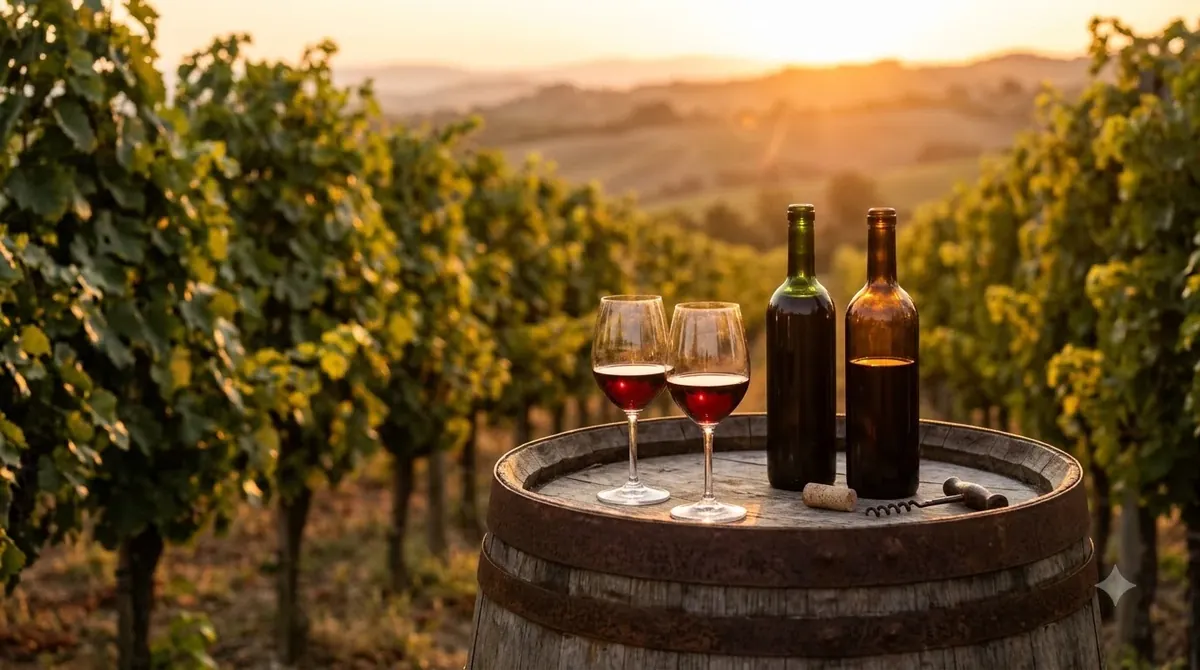
Start with the region. Northern Rhône appellations such as Crozes-Hermitage and Saint-Joseph are associated with more savory, peppery Syrah. Southern French regions offer another route to approachable wines, often using Syrah alongside Grenache and Mourvèdre. Australian regions such as Barossa Valley and McLaren Vale tend toward riper fruit and fuller textures, although individual producers vary.
Next, consider the flavor profile. A cooler-climate Syrah may emphasize blackberry, black pepper, olive, herbs, and earthy aromas. A warmer-climate Shiraz can show black cherry, plum, licorice, chocolate, and vanilla. Neither approach is inherently better. The better purchase is the one that matches your preferred balance of fruit and savory character.
Tannin and acidity deserve equal attention. Syrah generally has medium-to-high tannins and medium acidity, according to Wine Folly. Tannin creates a drying sensation around the gums, while acidity provides freshness. A bottle with concentrated fruit but excessive alcoholic warmth or harsh tannins can become tiring after a glass.
Alcohol level offers another useful clue. Wine Folly gives a typical Syrah range of 13.5% to 15% ABV. Higher alcohol can accompany ripe, warm-climate styles, but it should not be treated as a guarantee of quality or sweetness. Consider the relationship between alcohol, fruit, acidity, and tannin rather than choosing solely by the number. Wine Folly’s Syrah grape profile provides additional detail about its typical structure, aromas, and regional expressions.
| Buying factor | What to look for | Why it matters |
|---|---|---|
| Origin | Rhône, southern France, Australia, California | Provides an indication of the likely regional style |
| Grape composition | 100% Syrah or a clearly identified blend | Helps explain differences in structure and flavor |
| Tannin | Medium to high | Determines grip and the wine’s drying sensation |
| Acidity | Medium | Balances ripe fruit and fuller body |
| Alcohol | About 13.5% to 15% ABV | Offers a clue about ripeness and overall weight |
| Bottle size | 750 ml standard bottle | Provides a consistent basis for comparing formats |
| Serving temperature | 60°F to 65°F for fuller reds | Helps preserve fruit and aromatic definition |
Finally, consider the producer and the wine’s composition. A varietal Syrah places the grape at the center of the experience, while a Rhône-style blend may include Grenache or Mourvèdre. These blends can provide a broader fruit profile and a different balance of tannin and texture. A blend is not automatically a lesser purchase; it can be an excellent way to find complexity in an everyday red.
For a more structured approach to comparing labels, the wine-buying guide explains how origin, grape variety, and bottle information can help narrow a selection.
Step-by-Step: How to Choose a Bottle
A practical buying process starts with the flavor you want, narrows the selection by region, and finishes with a check of the wine’s composition and intended use. These steps help make a confident choice without relying on promotional descriptions.
-
Decide between savory and fruit-forward wine.
If black pepper, herbs, olive, and earthy flavors appeal to you, begin with French Syrah or cooler-climate examples. If you prefer ripe blackberry, plum, licorice, and chocolate, explore Australian Shiraz or warmer-climate American Syrah.
-
Choose a region before choosing a producer.
Look for Crozes-Hermitage and other southern French appellations for Rhône-inspired character. Consider Barossa Valley or McLaren Vale for fuller Australian expressions. California and Washington are additional options for American Syrah with regional variation.
-
Check whether the wine is varietal or blended.
A varietal Syrah emphasizes the grape’s own fruit, spice, and tannin profile. A blend containing Grenache or Mourvèdre may have a different fruit balance and texture. Shiraz-Cabernet blends are another recognizable category, with Cabernet contributing additional structure.
-
Assess the alcohol and structure.
Use the ABV as one clue rather than a quality score. A wine around the 13.5% to 15% range is consistent with the general Syrah profile described by Wine Folly. Consider whether the combination of ripe fruit and tannin sounds appropriate for your preference.
-
Think about the meal.
For grilled steak, lamb, or barbecue, a fuller Shiraz can be a strong match. For herb-roasted chicken, mushrooms, or Mediterranean dishes, a more savory Syrah may be preferable. Match the wine’s intensity to the food’s seasoning and richness.
-
Check the bottle format and availability.
A 750 ml bottle generally provides approximately five standard 5 oz pours. A 1.5 L magnum provides roughly ten. Compare like-sized bottles rather than assuming a larger format offers the same drinking experience or value.
-
Make the final decision based on balance.
Prioritize a clear regional identity, appealing fruit, sufficient freshness, and manageable tannins. If a retailer provides detailed producer notes, use them to confirm whether the wine is dry, fruit-forward, peppery, or oak-influenced.
Tip: If you are uncertain which style to choose, start with a southern French Syrah for a savory, peppery experience or an Australian Shiraz for richer dark fruit. These two styles provide a useful contrast when discovering your preferences.
This process also helps prevent a common purchasing mistake: assuming that a familiar grape name guarantees a familiar flavor. Climate, blending, oak treatment, and harvest conditions can make two Syrah wines taste quite different even when they share the same primary variety.
Types or Styles Explained
Syrah has several recognizable regional expressions, and understanding them is one of the easiest ways to find the right bottle. The main distinction is between cooler-climate savory styles and warmer-climate fruit-driven styles, with blended southern French wines offering another useful option.
Northern Rhône Syrah
The Northern Rhône in France is closely associated with classic Syrah. Wines from areas such as Crozes-Hermitage and Saint-Joseph can emphasize black pepper, dark berries, herbs, and earthy aromas. They often offer a more restrained impression than richly ripe Australian Shiraz.
Crozes-Hermitage is especially worth recognizing because it provides an entry into Northern Rhône Syrah without requiring the prestige associated with Hermitage. These wines are useful choices for shoppers who want the grape’s savory character rather than maximum fruit concentration.
Do not assume every Northern Rhône bottle will be light or delicate. Syrah remains a structured red grape, and tannin can be noticeable even in wines with fresh fruit and moderate body.
Southern French Syrah and Rhône Blends
Southern France offers a broad selection of approachable reds. Syrah is frequently combined with Grenache, Mourvèdre, and sometimes Cinsault. These grapes contribute different characteristics, creating wines that can combine dark fruit, spice, warmth, and a broader texture.
A Côtes du Rhône red, for example, may contain several varieties rather than being entirely Syrah. That does not make it unsuitable for a Syrah drinker. The blend can offer a balanced and accessible expression of southern French wine, especially alongside roasted meat and herb-seasoned food.
Look for clear information about the grape composition if varietal purity matters to you. If you are more interested in the overall taste, a regional blend may be just as satisfying as a single-variety bottle.
Australian Shiraz
Australia is one of the most important places to explore Shiraz. Barossa Valley is particularly associated with ripe, concentrated wines featuring blackberry, black cherry, pepper, vanilla, and sometimes coffee notes. These wines are often fuller-bodied and more generous in fruit.
McLaren Vale is another useful regional name for shoppers interested in Australian Shiraz. Clare Valley and other South Australian regions also appear in retail selections. Cooler Australian areas, including the Hunter Valley, can offer a different balance, with fresher fruit and more restrained ripeness.
Shiraz does not automatically mean sweet wine. Many examples are technically dry, although ripe fruit and elevated alcohol can create a sensation of sweetness. The distinction matters if you want a savory red rather than a dessert-like wine.
California and Washington Syrah
American Syrah offers another route into the grape. California produces a variety of styles, from ripe and powerful wines to more savory expressions. Washington State is also an established growing area, and its wines can provide a useful alternative to Australian Shiraz and French Syrah.
Look for regional information rather than assuming every American example has the same profile. Climate, vineyard conditions, picking decisions, and winemaking all influence the result. A bottle from a warmer site may emphasize dark fruit and weight, while a cooler location may preserve more aromatic freshness.
These wines are particularly interesting for shoppers who want to compare international expressions of the same grape. They also offer an opportunity to explore producers outside the traditional Rhône and Australian categories.
Organic Syrah and Alternative Styles
Organic Syrah can appeal to shoppers who want to consider vineyard practices alongside flavor. Organic certification and production methods are separate considerations from taste, so the label should not be treated as a guarantee of a particular aroma, body, or quality level.
Shoppers interested in this category can explore organic syrah for more information. The same regional principles still apply: a certified organic wine can be peppery and savory, or rich and fruit-driven, depending on where and how it is made.
Sweet Shiraz is another category worth distinguishing from conventional dry Syrah. Some bottles are deliberately made with noticeable residual sweetness, while others simply have ripe fruit flavors. Anyone seeking a sweeter style should investigate sweet syrah rather than assuming every Australian Shiraz has added sweetness.
Common Mistakes
The biggest mistakes are treating Syrah and Shiraz as different grapes, confusing ripe fruit with residual sugar, and choosing wine based only on body or alcohol. A few basic distinctions make it easier to avoid bottles that do not suit your preferences.
Confusing Syrah with Shiraz: These names refer to the same grape. Shiraz is especially common in Australia, while Syrah is widely used in France and elsewhere. The name can suggest a regional style, but it is not an absolute rule. Some producers outside Australia use Shiraz to signal a richer style, while Australian producers can also make more restrained wines.
Assuming dark fruit means sweetness: Blackberry, plum, and black cherry can taste ripe and sweet without the wine containing significant residual sugar. Many Syrah wines are dry. If you prefer a completely dry red, focus on the producer’s description of sweetness rather than judging from fruit aromas alone.
Choosing the highest alcohol percentage: A higher ABV does not automatically mean better concentration, greater quality, or more flavor. Excessive alcoholic warmth can make a wine feel less balanced. A harmonious combination of fruit, acidity, tannin, and alcohol is a better indicator of an enjoyable bottle.
Ignoring tannin: Syrah can have firm tannins, particularly in concentrated examples. If you prefer softer reds, choose a wine described as approachable or fruit-forward rather than one emphasizing intense structure and extended aging. Salt and fat can soften the perception of tannin, which is one reason Syrah works well with grilled meat and rich dishes.
Expecting every French wine to taste alike: Northern Rhône Syrah and southern French blends are not interchangeable. The former emphasizes the grape’s distinctive character, while the latter may use several varieties to create a broader profile. Understanding the appellation is more informative than relying on the word French alone.
Buying a blend without understanding its composition: A Shiraz-Cabernet or Syrah-Mourvèdre wine may be delicious, but it will not necessarily taste like a pure Syrah. Blending changes the overall balance and can add different fruit and structural characteristics. Read the grape composition if you have a strong preference for varietal wine.
Serving the wine too warm: Room temperature can be considerably warmer than the ideal serving range, especially in a warm environment. Excess warmth can make alcohol more noticeable and reduce the definition of the wine’s fruit and spice. A short period in the refrigerator can improve the drinking experience.
Care and Storage Tips
Good storage and serving practices help preserve Syrah’s dark fruit and savory aromas. Keep unopened bottles away from heat and light, serve at an appropriate temperature, and give particularly concentrated young reds some time to open.
For long-term storage, keep bottles in a cool, dark location near 55°F, ideally with relatively stable temperatures. Bottles sealed with natural cork are generally stored on their sides to keep the cork from drying out. Avoid placing wine next to ovens, radiators, sunny windows, or other sources of heat.
Most everyday Syrah purchased for immediate enjoyment does not require extensive cellaring. There is little reason to hold an inexpensive bottle for years in the hope that it will improve. Drink it while its fruit remains fresh unless the producer specifically identifies it as a wine intended for aging.
Serving temperature is important. Full-bodied reds are generally best around 60°F to 65°F. This is cooler than many rooms, so placing the bottle in the refrigerator for approximately 15 to 20 minutes before serving can be helpful. Avoid serving it ice-cold, since excessive chilling can mute aromas and make tannins seem more prominent.
Use a standard red wine glass with enough room to swirl the wine. Pour approximately 5 oz per serving. A standard 750 ml bottle yields about five such glasses, making it a convenient format for a small dinner or casual gathering.
Young, concentrated Syrah can benefit from aeration. Wine Folly identifies one hour as a useful decanting period for Syrah, although the ideal time depends on the particular wine. For an everyday bottle, begin with a small pour and allow it to develop in the glass before deciding whether more aeration is needed.
Decanting does not need to be complicated. Pour the wine into a clean decanter or another suitable vessel, giving it room to contact the air. If the wine already smells expressive and balanced, there is no need to wait a full hour. The goal is to reveal its aromas, not to follow a rigid schedule.
Once opened, reseal the bottle and refrigerate it. Most still wines retain their best qualities for approximately three to five days when stored properly. Allow the wine to approach its preferred serving temperature before pouring another glass. If the aroma becomes noticeably dull or the flavor seems flat, the wine may have passed its best drinking window.
Food pairing is another way to get the most from Syrah. Rich meats, grilled steak, lamb, smoked sausages, and barbecue are natural partners. The wine’s tannin works particularly well with fatty meat, while charred flavors complement its peppery and smoky notes. For a different approach, try lamb shawarma, gyros, or five-spice pork.
Vegetarian dishes can also work. Roasted eggplant, mushrooms, grilled peppers, and lentil dishes with herbs provide enough flavor and texture to stand alongside a full-bodied red. Avoid pairing heavily tannic Syrah with delicate oily fish, where the wine’s structure can overwhelm the food.
Be careful with chili heat. Strong alcohol and tannin can amplify the sensation of hot spices. If the meal contains substantial chili, a softer and less alcoholic wine may be more comfortable than a powerful Shiraz. Richness and aromatic spices are often better partners than extreme heat.
Frequently Asked Questions
Is Syrah genetically related to Petite Sirah?
No. Syrah and Petite Sirah are different grape varieties. Petite Sirah is associated with the Durif variety, which is a cross between Syrah and Peloursin. The similar names can cause confusion, but their identities and typical wine styles are distinct.
Can Syrah be made into rosé wine?
Yes. Syrah grapes can produce rosé when the juice has limited contact with the skins before fermentation. The result can show red-berry fruit, spice, and refreshing acidity. Rosé made from Syrah is different from the full-bodied red expression most commonly associated with the grape.
Does Syrah have a particular glass shape?
A standard red wine glass with a reasonably generous bowl is suitable. A larger bowl gives the wine space to release its aromas as it is swirled. A specialized Syrah glass is optional rather than essential for enjoying an everyday bottle.
Can Syrah be used for cooking?
Yes. Dry Syrah can be used in beef braises, lamb stews, and sauces for grilled meat. Its dark-fruit and pepper characteristics work particularly well with rosemary, garlic, and other savory ingredients. Choose a wine that is pleasant to drink rather than using a bottle with obvious faults.
What is the difference between Syrah and a Rhône-style red blend?
A varietal Syrah is centered on one grape, while a Rhône-style red blend can combine Syrah with Grenache, Mourvèdre, and other permitted varieties. The blend can have a different balance of fruit, alcohol, acidity, and tannin. Its exact composition depends on the appellation and producer.
The best syrah under 20 is ultimately the bottle that balances appealing fruit, freshness, and structure with the style of food and wine you enjoy. Start with French Syrah for savory pepper and herbs or Australian Shiraz for generous dark fruit, then explore California and Washington for additional variety. With a little attention to region, composition, and serving temperature, affordable Syrah can be a dependable choice for everyday dinners and relaxed gatherings.
More in Wine Buying Guides
 Riesling Gift: Choose a Bottle They’ll LoveUpdated Nov 21, 2026
 Sweet Red Wine Gift: Choose a Bottle They’ll LoveUpdated Nov 21, 2026
 Malbec Gift: How to Choose a Memorable Bottle for Any OccasionUpdated Nov 21, 2026
 Sherry Gift Ideas That Match Every Wine LoverUpdated Nov 21, 2026
 Moscato Gift: How to Choose a Sweet Wine They’ll LoveUpdated Nov 21, 2026
 Merlot Gift: How to Choose a Bottle They’ll AppreciateUpdated Nov 21, 2026