

We may earn a commission when you buy through links on this page, at no extra cost to you. Learn more.
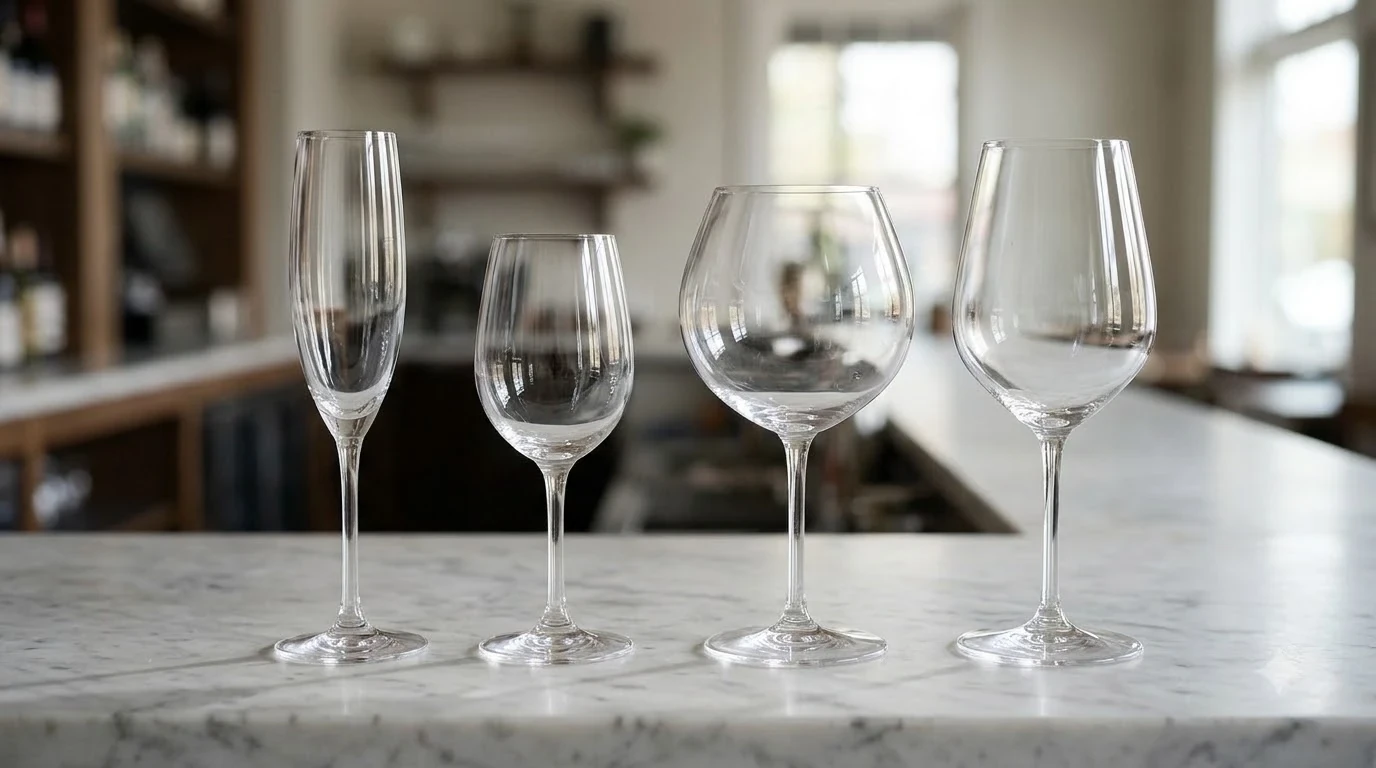
Spiegelau crystal wine glasses are a compelling choice for drinkers who want clear, thoughtfully shaped crystal without treating every glass like a display piece. The Vino Grande range is the practical everyday option, with machine-made red, white, Bordeaux, and Burgundy shapes; more delicate lines such as Definition offer a lighter, more refined feel. The main trade-off is that Spiegelau is a broad family rather than one uniform glass, so the right collection and bowl shape matter.
Spiegelau makes crystal stemware for different routines, from casual dinners to focused tastings and formal entertaining. Its strongest appeal is the balance between transparent, fine-looking glass and usable designs, but buyers should compare each model’s proportions, construction, and care instructions instead of assuming every Spiegelau glass has the same weight or durability.
Specs and Key Features
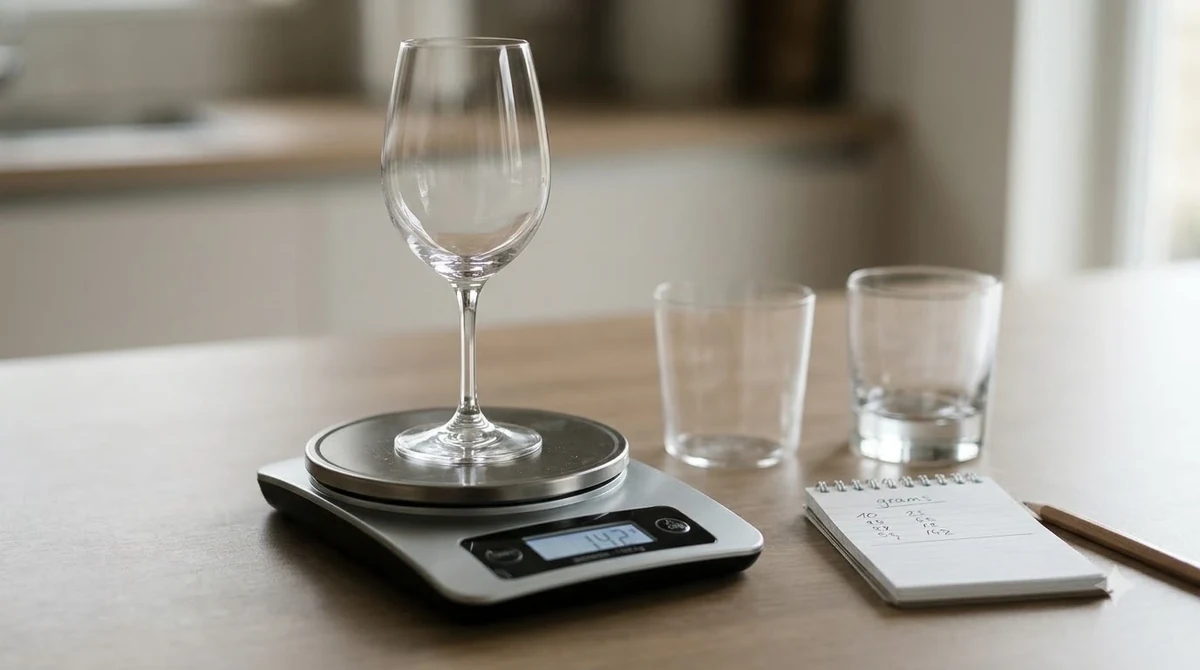
Spiegelau’s crystal range covers both practical machine-made stemware and lighter, more refined universal designs. The Vino Grande Bordeaux and White Wine Glass pages provide a useful, measurable reference point: both are sold in four-piece sets, are made from crystal glass, and are listed as machine-made and dishwasher-safe.
| Glass | Material and construction | Published size or format | Useful distinction |
|---|---|---|---|
| Vino Grande Bordeaux | Crystal glass; machine-made; stemmed | Set of 4; 8.858 in. tall; 3.701 in. maximum diameter | Large bowl intended for Bordeaux-style reds |
| Vino Grande White | Crystal glass; machine-made; stemmed | Set of 4; 211 mm tall; 78 mm maximum diameter | Smaller profile for aromatic white wines |
| Definition Universal | Lead-free crystal, as described by Epicurious | 19 fl oz capacity, as reported by Epicurious | Thin, light universal style for red, white, and sparkling wines |
The published specifications make the differences easier to understand before buying. The Vino Grande Bordeaux measurements put it at 8.858 inches high and 3.701 inches across its widest point, making it a substantial stemmed glass. Its white wine counterpart measures 211 mm high and 78 mm across, providing a smaller format within the same collection. If storage clearance is limited, measure the space between shelves and the height of your dishwasher’s upper rack before choosing either model.
Spiegelau’s material description deserves a precise explanation. The company says that since 2015 it has produced Crystal Glass without lead oxide as a principal ingredient. That is the useful distinction for shoppers looking for lead-free crystal: the word “crystal” does not automatically mean lead crystal, and the brand’s own material and care FAQs describe the composition in those terms. For a broader explanation of the terminology, compare the details in our guide to lead free crystal wine glasses.
Dishwasher claims also need to be read model by model. Spiegelau says most of its glasses can withstand at least 1,000 dishwasher cycles when correctly loaded, with testing tied to EN 12875-1:2005 and EN 12875-2:2001. The Vino Grande product pages specifically mark the listed Bordeaux and White glasses as dishwasher-safe, but the company says any glass marked handwash-only, marked not dishwasher-safe, or supplied without care instructions should be hand-washed.
What Owners Like
The most persuasive reason to choose Spiegelau is that its better-known everyday glasses combine a clear, elegant profile with shapes that are useful at the table. Independent wine-glass coverage has singled out the Vino Grande for a thin rim, a bowl that allows swirling, and a shape that gathers aromas, while the Definition Universal is praised for offering a delicate feel without seeming quite as fragile as some ultra-light premium alternatives.
That balance matters because a wine glass is both a tasting tool and an object handled repeatedly. A rim that feels fine against the lip, a bowl wide enough to swirl without splashing, and a stem that keeps hands away from chilled wine all contribute to the experience. The Vino Grande’s machine-made construction also gives buyers a consistent, repeatable shape across a set, which is useful when setting a table for four or replacing a broken glass with the same design. In a sommelier-led Epicurious comparison of wine glasses, Vino Grande was recommended as a casual-drinker option and was reported to perform consistently across wines that included Nebbiolo, Malbec, Chardonnay, and Grüner Veltliner. That is not a promise that every person will prefer its shape, but it supports the view that the line is more than decorative stemware.
Shape choice is another strength. The Vino Grande family includes separate Bordeaux, Burgundy, red, and white wine glasses, so a shopper can choose a shape suited to regular pours rather than forcing every wine into one oversized bowl. The white model is described by Spiegelau for wines such as Sauvignon Blanc, Chardonnay, and Pinot Grigio, while the Bordeaux profile is designed around structured reds and their fuller aromas. A glass will not change the wine’s underlying quality, but bowl width and rim shape can change how aromas reach the nose and how the wine feels on the palate. For people who want a more refined look, Definition is a different proposition from Vino Grande. Epicurious described its universal glass as having a thin crystal bowl and a long stem, with a slightly more substantial base than the Zalto glass used as a comparison. That design suits drinkers who enjoy light-feeling stemware and are willing to be more careful with it. Readers comparing crystal options across several manufacturers can use our overview of crystal wine glasses to place Spiegelau’s different collections in context.
Common Complaints
The main drawback is that Spiegelau’s collections do not all feel alike, and a favorable impression of one range should not be treated as a guarantee about another. Vino Grande is machine-made everyday glassware, Definition is notably thin and light, and other collections can use their own visual language and proportions. A buyer who wants a single, sturdy-feeling style should compare the actual product rather than shop by brand name alone.
Glass thinness is a genuine trade-off. Thin rims and bowls can feel refined, but they can also make handling, loading, and storage more demanding, particularly in a crowded kitchen. Epicurious described Definition as delicate in feel while noting that it appeared less fragile than the Zalto glass beside it in the comparison. That observation is useful, but it is not a laboratory breakage test or a guarantee against chips, stem damage, or impact. Independent reviews also point to differences in balance and weight between models. Liquor.com, for example, found the stem on the Spiegelau Salute Bordeaux glass thicker and heavier than its reviewer preferred, even though the bowl itself was notably fine. That criticism concerns Salute, not Vino Grande or Definition, so it should be read as a reminder to check the exact range instead of applying one reviewer’s handling impression to every Spiegelau stem.
Another practical complaint is that wine-specific shapes can create a mismatched set if you buy without thinking through your usual pours. The Vino Grande white glass was described in a sommelier comparison as noticeably smaller than the Burgundy glass. That is intentional in shape-specific glassware, but the difference can surprise anyone expecting a uniform-looking set. If the household mostly drinks one red and one white, a dedicated white and a medium-sized red glass may be more sensible than collecting every specialized bowl. Finally, dishwasher-safe does not mean impact-proof or maintenance-free. The company recommends spacing glasses so they do not touch other dishes, using a stemware rack when available, and avoiding contact with metal. A glass can still break if it tips or collides with another object, and persistent cloudiness can be caused by permanent surface change rather than residue that a quick rinse will remove.
Who Should Buy and Who Should Skip
Spiegelau is a good fit for wine drinkers who value clarity, attractive proportions, and a choice of bowls without needing every glass to be hand-blown. Vino Grande is the sensible place to start for regular meals and entertaining, while Definition makes more sense for someone who puts a premium on a light, fine-feeling glass and is comfortable handling it carefully.
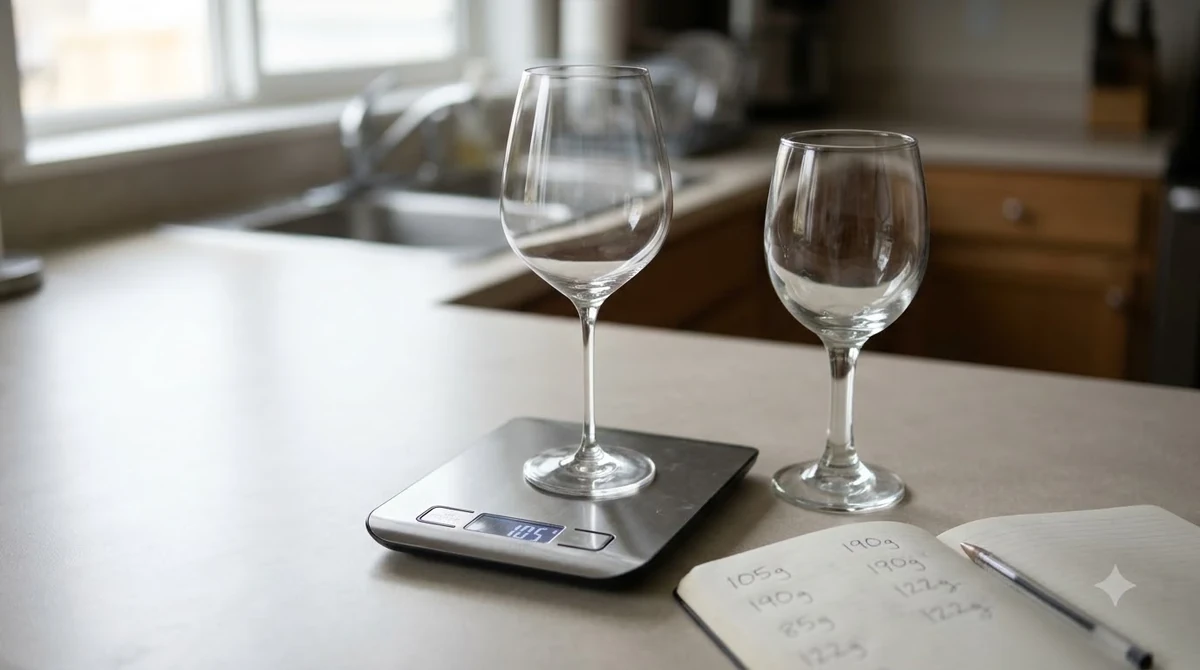
Choose Vino Grande if you want a matched set for frequent service. A household that regularly pours Cabernet Sauvignon, Merlot, and other structured reds may prefer its Bordeaux or red-wine shape; a separate white glass will suit Sauvignon Blanc, Pinot Grigio, and similar aromatic wines. The stemmed design also helps keep warm hands away from a chilled white, while the bowl gives enough room to assess aroma instead of treating the wine as a simple table drink.
Choose Definition if your priorities lean toward refinement and versatility. Its universal format makes sense when storage is limited or when one glass needs to cover a range of wines, including reds, whites, and sparkling pours. Its delicate construction is less appealing for a busy household where glasses are moved quickly between the sink, dishwasher, and crowded cabinets, or where children and guests are likely to handle them without much care.
Consider a different style if you want thick, heavy glass that can take rougher handling, or if you strongly prefer stemless drinkware. Spiegelau’s crystal clarity and fine rims are central to its appeal, but those qualities do not make it the right choice for every routine. Buyers who rarely notice the shape of a wine glass may be better served by a simpler, sturdier set rather than paying for a more refined rim and bowl profile. The best fit also depends on how many glasses you need. A four-piece Vino Grande set gives a household a practical starting point for dinner guests, but a large group may want to build a consistent inventory before mixing bowl shapes from different collections. Browse our broader comparison of wine glasses if your shopping decision is still between crystal, everyday glass, and more specialized stemware.
How It Compares to Alternatives
Spiegelau sits between basic everyday glassware and ultra-light premium stemware, although its own collections span that range. Vino Grande is the accessible, machine-made workhorse; Definition moves closer to the refined, thin-walled style associated with premium tasting glasses. The best comparison is therefore collection against collection, not Spiegelau against another brand as if each offered just one kind of glass.
In the Epicurious universal-glass comparison, Spiegelau Definition was set beside Zalto Denk’Art Universal. The writer described the Definition as a close visual and functional alternative, with a slightly more substantial base and a 19-ounce bowl, while Zalto was described as lighter and more fragile. Those are the reviewer’s observations, not manufacturer guarantees, but they explain why Definition appeals to shoppers seeking a delicate universal glass without choosing the most fragile option in that comparison. Vino Grande is a different proposition from Zalto. In a sommelier-led Epicurious article, the Vino Grande was recommended as an everyday option alongside the premium Zalto and Riedel Veritas choices. The reviewer praised its thin lip, bowl shape, and everyday practicality, while also noting that its white glass was small compared with its Burgundy glass. That makes Vino Grande particularly appealing for regular meals, mixed company, and buyers who prefer to use a dishwasher when the specific product permits it.
Other lines in the comparison offer different strengths. The same sommelier discussion mentioned Bormioli Rocco InAlto as a thicker, heavier alternative with a rolled rim and easy-washing appeal, while Riedel Veritas was presented as another mid-tier option for certain wines. Those alternatives are worth considering if you prefer a sturdier hand-feel or are choosing a more specialized bowl. For another entry point into the category, our Glassware Brands overview can help compare the broader design approaches used by glassmakers. In practical terms, choose Vino Grande when consistency, shape selection, and everyday service matter most. Choose Definition when lightness and a universal bowl are higher priorities. Consider Zalto if a very light, premium glass is the main goal and careful handling is acceptable; consider a heavier alternative if ease of handling matters more than a thin rim. Spiegelau’s strongest selling point is not that it wins every comparison, but that it offers several distinct ways to balance presentation and day-to-day use.
Frequently Asked Questions
These five details cover practical questions about glass capacity, the wider product range, cleaning settings, and long-term clarity. They also help distinguish the manufacturer’s care guidance from the characteristics of individual glass models.
How large is the Spiegelau Definition Universal glass?
Epicurious lists the Definition Universal at 19 fluid ounces. That capacity is useful to know when checking cabinet height or deciding whether a universal glass will feel oversized for smaller pours.
Does Spiegelau make glassware beyond wine stems?
Yes. The company’s Lifestyle range includes wine glasses, Champagne glasses, longdrink glasses, tumblers, and carafes, so the brand’s tableware extends beyond stemmed wine service.
What dishwasher temperature does Spiegelau recommend?
Its glass-care guidance recommends a low-temperature cycle of 50–55°C or a dedicated glass program. The same guidance gives a target household water-softening range of about 3–4 °dH, adjusted to the local water hardness.
Can cloudy crystal glass always be restored?
No. Mineral deposits or detergent residue may respond to a mild acid such as white vinegar, but permanent glass corrosion changes the surface itself and cannot be removed with household cleaning products.
How should a Spiegelau microfiber polishing cloth be washed?
Spiegelau says to wash its microfiber polishing cloth with odorless soap at 140°F (60°C). It also advises against fabric softener and tumble drying because those can affect the cloth’s performance.
Spiegelau is worth considering if you want crystal wine glasses with useful shapes and a clear distinction between everyday and more delicate collections. For most households, Vino Grande is the practical starting point; Definition is the more specialized choice for drinkers who prize lightness and a universal profile. Compare the exact model and care label before building a set, because the brand’s ranges are not interchangeable.
More in Wine Glasses
 Zalto Crystal Wine Glasses: Are They Worth the Investment?Updated Nov 21, 2026
 Villeroy And Boch White Wine Glasses for a More Cohesive TableUpdated Nov 21, 2026
 Zalto Wine Glasses On Sale: Find the Right Denk’Art GlassUpdated Nov 21, 2026
 Zwiesel Glas Champagne Glasses: Features, Quality and Buying AdviceUpdated Nov 21, 2026
 Zwiesel Glas Decanter Review: A Durable, Elegant Choice for Wine ServiceUpdated Nov 21, 2026
 Zalto Cabernet Glass Review: Features, Fit, and CareUpdated Nov 21, 2026