

We may earn a commission when you buy through links on this page, at no extra cost to you. Learn more.
The best lead free crystal wine glasses are made from crystal glass that uses barium, zinc, or potassium oxide instead of lead, and they suit everyday use and gifts when you want sparkle without lead in the glass. Lead-free crystal usually shows less brilliance than traditional lead crystal, so the right pick depends on how much you value sparkle, weight, and label clarity.
This guide groups lead free crystal wine glasses by the way people use them, from everyday red and white to sparkling wine and formal dinners. Each section explains what the design does well, where it falls short, and what kind of table it suits.
What Lead Free Crystal Means for Wine Glasses
The word crystal on a wine glass does not always mean lead is present. Lead crystal, also called lead glass, contains lead oxide, and it is prized for brilliance and weight. Lead-free crystal swaps in other oxides, so the glass still looks clear and can be cut, but the optical and weight qualities change. The table below compares the main differences in plain terms.
| Feature | Lead crystal | Lead-free crystal | Plain glass |
|---|---|---|---|
| Brilliance and sparkle | Highest | Lower than lead crystal | Lowest |
| Weight in the hand | Heaviest | Moderate | Light to moderate |
| Lead content | Contains lead oxide | No lead oxide | None |
| Typical label | Lead crystal | Crystal glass or crystalline | Glass |
Before comparing designs, it helps to know how the labels are used. Wikipedia explains that lead crystal is a type of glass in which lead replaces much of the calcium found in ordinary glass, and modern lead crystal must contain a minimum share of lead oxide. Manufacturers often market any clear, cut glass as crystal, so a product that says crystal may or may not contain lead. Reading the label is the only reliable way to know which type you are buying.
Best for Everyday Red Wine: Lead-Free Crystal Bowls
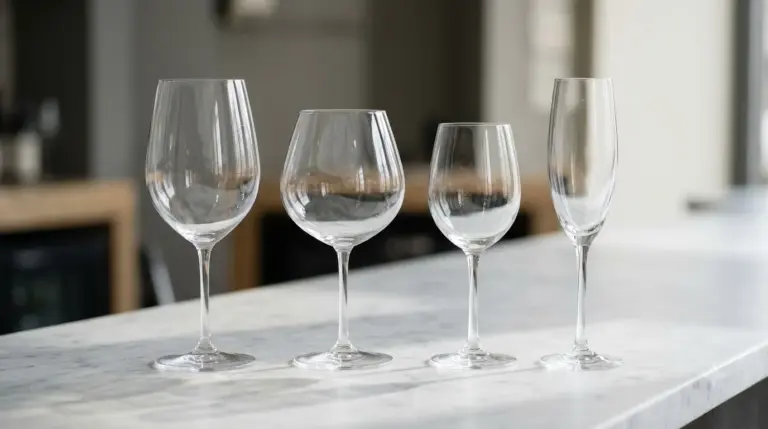
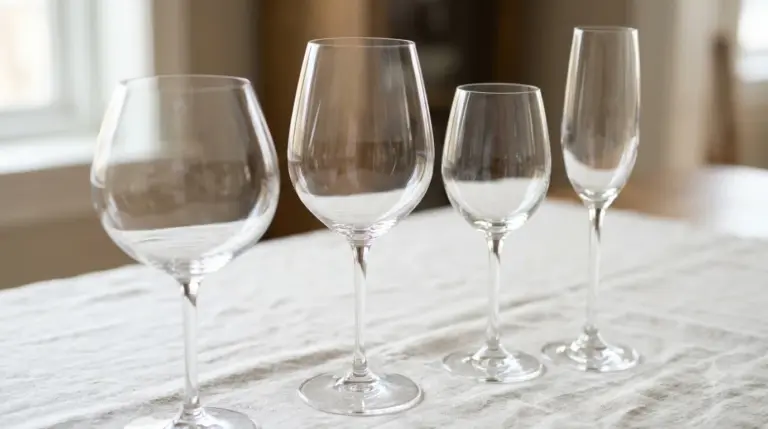
Lead-free crystal bowls are a good match for daily red wine, where the glass needs to hold a generous pour and feel substantial without the weight of lead crystal. The bowl shape allows the wine to open up when swirled, and the clear finish makes the color easy to see.
Why it stands out: A lead-free bowl gives most of the clarity and feel of crystal at a lower weight. The VinePair guide to wine glassware notes that most homes need only a few shapes, and an all-purpose bowl covers red and white well. Looking at the VinePair wine glass guide, the stem keeps the hand off the bowl, which helps the wine stay at its intended temperature.
Keep in mind: Lead-free crystal is less sparkly than lead crystal, so the cut pattern may not catch the light as strongly. Check the bowl size and rim thickness, since a thick rim can change how the wine reaches the mouth.
Best for: everyday red wine, dinner tables, and people who want crystal without heavy lead glass.
Best for Sparkling Wine: Lead-Free Crystal Flutes
Flutes are the most common shape for sparkling wine, and lead-free crystal flutes suit parties and celebrations where the glass should look clean and clear. A narrow bowl helps keep bubbles from dispersing too quickly.
Why it stands out: A lead-free flute shows the bubbles clearly and is lighter to hold for a long toast. The VinePair guide recommends sparkling wine flutes as one of the two core sets most homes need, which makes a flute a useful starting point for a glassware collection.
Keep in mind: A flute with a very thin wall can feel fragile, and a shallow bowl can lose bubbles faster than a taller one. Look for a stable base and a stem that is easy to grip.
Best for: sparkling wine, weddings, and celebratory toasts.
Best for Gift Sets: Crystal Glass Labeled Clearly
Gift sets of lead-free crystal are popular for housewarmings and holidays. When you are buying for someone else, the label matters, since many people want to know whether a set contains lead. Wikipedia notes that under EU labeling rules, glass with less than 24 percent lead oxide must be labeled crystal glass rather than lead crystal.
Why it stands out: A set packaged with clear labeling makes the choice easy for the recipient. Lead-free crystal sets usually include a mix of bowls and flutes, so the recipient can cover red, white, and sparkling wine with one purchase.
Keep in mind: Labels differ by region, so read the packaging carefully and check the product description for the exact wording. A set with decorative cutting may look different from plain pieces, which is a matter of taste.
Best for: gifts, housewarmings, and anyone who wants a clear label.
Best for Dishwasher Use: Simple Lead-Free Crystal Designs
Lead-free crystal glasses with simple, uncut shapes are a practical choice for households that run the dishwasher often. Plain designs have fewer edges and grooves where residue can collect, which makes cleaning simpler.
Why it stands out: Simple shapes are easier to rinse and dry, and they are less likely to show water spots than heavily cut designs. They also suit a busy table where glasses are used at many meals.
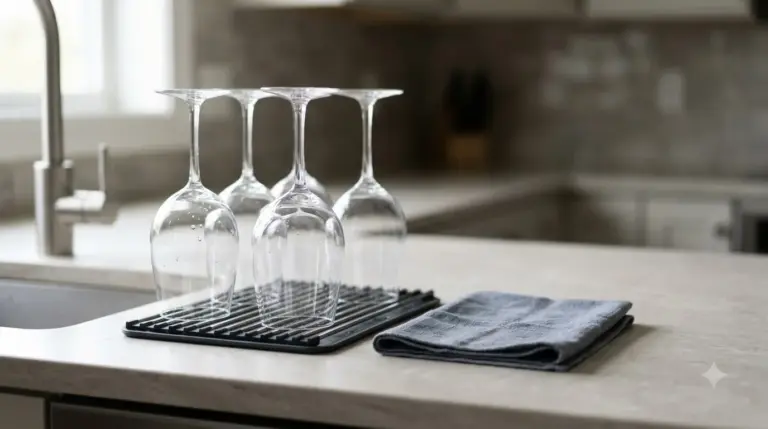
Keep in mind: Dishwasher cycles can dull any crystal over time, and hot water and strong detergent may leave marks. Check the care label, use a gentle cycle when possible, and dry glasses by hand if the finish starts to look cloudy.
Best for: busy households and frequent dinner use.
Best for Formal Dinners: Cut Lead-Free Crystal
Cut designs also differ in the way they reflect light. Lead raises the refractive index of glass, which increases the way it splits light, and that is the reason lead crystal sparkles more than plain glass. Lead-free crystal uses other oxides, so its cut patterns give a softer shine. Many buyers find that a softer glow suits everyday tables better, while those who want the strongest sparkle for a formal setting may prefer lead crystal and accept its weight.
Cut lead-free crystal fits formal dinners and entertaining, where the glass is part of the table setting. Cutting creates patterns that catch the light, and lead-free crystal offers a clear finish that matches a formal table.
Why it stands out: Cut crystal adds visual interest to a table and suits a set that is used for guests. Because the glass is clear, it pairs well with white tablecloths and candles, and it matches formal stemware patterns.
Keep in mind: Cut patterns can trap residue and need careful hand washing. Lead-free cut glass will not match the full sparkle of lead crystal, so expect a softer glow under the light.
Best for: formal dinners, holiday tables, and entertaining.
How to Choose Lead Free Crystal Wine Glasses
Choosing a lead-free crystal glass comes down to the wine you drink most, how often the glasses will be washed, and whether the set is for yourself or a gift. Start with the shape, then check the label and the care instructions.
- Shape: Choose a bowl for red and white, and a flute for sparkling wine. The wine glasses guide compares shapes for each style.
- Label: Look for “crystal glass” or “crystalline” on the packaging if you want a lead-free product, and read the product description.
- Weight and feel: Lead-free crystal is lighter than lead crystal. Hold the glass before buying if you can.
- Care: Simple designs are easier to clean, and hand washing keeps the finish clear.
If you already own crystal and want to compare it with other options, the crystal wine glasses guide covers the wider range. For the basics of holding the glass, read how to hold a wine glass, which explains why the stem matters for temperature.
Frequently Asked Questions
Is lead-free crystal the same as lead crystal?
No. Lead crystal contains lead oxide and is known for high brilliance and weight. Lead-free crystal replaces the lead with other oxides, so it looks clear but usually sparkles less and weighs less.
How can I tell if a crystal glass is lead-free?
Check the label and product description. Glass with less than 24 percent lead oxide is labeled crystal glass or crystalline under EU rules, while lead crystal carries a different label. Read the packaging for the exact wording.
Do lead-free crystal wine glasses need hand washing?
Many people hand wash crystal to keep the finish clear. Check the care label for dishwasher guidance, and dry glasses by hand if they start to look cloudy.
What shape is best for lead-free crystal wine glasses?
A bowl suits red and white wine, and a flute suits sparkling wine. Both shapes are common in lead-free crystal and cover most everyday drinking.
Lead-free crystal gives a clear, elegant glass for everyday wine, celebrations, and gifts. Choose the shape that matches the wines you drink, read the label carefully, and wash by hand if you want the finish to last. For a full set of glassware options, the Wine Glasses category groups them together.
More in Wine Glasses
 Spiegelau Crystal Wine Glasses That Bring Clarity to Every PourUpdated Nov 21, 2026
 Zalto Crystal Wine Glasses: Are They Worth the Investment?Updated Nov 21, 2026
 Villeroy And Boch White Wine Glasses for a More Cohesive TableUpdated Nov 21, 2026
 Zalto Wine Glasses On Sale: Find the Right Denk’Art GlassUpdated Nov 21, 2026
 Zwiesel Glas Champagne Glasses: Features, Quality and Buying AdviceUpdated Nov 21, 2026
 Zwiesel Glas Decanter Review: A Durable, Elegant Choice for Wine ServiceUpdated Nov 21, 2026