

We may earn a commission when you buy through links on this page, at no extra cost to you. Learn more.
The best columbia valley wineries include Chateau Ste. Michelle, Hedges Family Estate, Fidélitas, Kiona Vineyards, and Col Solare, offering excellent opportunities to explore Washington Cabernet Sauvignon, Merlot, Syrah, Riesling, and other regional wines. The Columbia Valley spans a remarkably large area, with smaller wine regions offering distinct vineyard conditions and tasting experiences. Whether you prefer an established winery with an extensive selection, a biodynamic estate on Red Mountain, or a smaller producer specializing in structured reds, the right destination depends on your preferred wines and travel plans.
Washington’s Columbia Valley is one of the most important wine-growing regions in the United States. Its dry growing conditions, varied soils, and long summer days support an impressive range of grape varieties. The region also contains several smaller appellations, making it possible to explore different wine styles without leaving the broader Columbia Valley designation. This guide highlights notable producers, explains what distinguishes their wines, and provides practical advice for choosing bottles and planning a tasting trip.
Who Should Visit Columbia Valley Wineries
Columbia Valley wineries are particularly appealing to wine drinkers who enjoy Cabernet Sauvignon, Merlot, Syrah, and Riesling but want more regional diversity than a single grape variety can offer. The enormous appellation includes everything from established producers with broad portfolios to smaller estates concentrating on particular vineyard sites.
First-time Washington wine drinkers can start with an established producer such as Chateau Ste. Michelle, which offers a useful introduction to the region’s different styles. Visitors interested in more concentrated red wines can explore Red Mountain, where producers such as Fidélitas, Hedges Family Estate, and Col Solare work with Bordeaux varieties. Those who prefer discovering individual vineyard characteristics may find Kiona Vineyards particularly interesting.
The region also suits travelers who enjoy combining wine tasting with scenic drives. Red Mountain, Benton City, Richland, Prosser, and Walla Walla offer different tasting environments, although they are not interchangeable destinations. Some tasting rooms are situated among vineyards, while others are located in town or within dedicated wine-tasting districts.
Wine collectors should pay particular attention to Cabernet Sauvignon and Bordeaux-style blends from established Red Mountain producers. These wines often offer firm tannins, concentrated fruit, and enough structure to benefit from additional bottle aging. Drinkers who prefer lighter or more aromatic wines should also explore Riesling and Chardonnay from other Columbia Valley growing areas.
Visitors comparing Washington with other American wine destinations may also enjoy exploring the best Napa Valley wineries. Napa is particularly associated with Cabernet Sauvignon and established luxury estates, while Columbia Valley offers a broader geographical range of growing conditions and winery experiences.
Key Factors to Compare When Choosing a Winery
The best winery for a visit depends on its location, grape varieties, production philosophy, and tasting-room experience. Comparing these factors before making reservations helps avoid spending an entire afternoon traveling between wineries that offer nearly identical selections.
| Factor | What to Look For | Why It Matters |
|---|---|---|
| Region | Red Mountain, Yakima Valley, Walla Walla Valley | Different growing conditions influence wine character. |
| Red grapes | Cabernet Sauvignon, Merlot, Syrah | Useful for comparing structured and softer reds. |
| White grapes | Riesling, Chardonnay | Provides alternatives to full-bodied red wines. |
| Tasting duration | 45 to 90 minutes | Helps determine how many stops fit into a day. |
| Party size | 2 to 6 guests | Some tasting rooms have reservation limits. |
| Visit style | Estate, patio, seated tasting, or urban tasting room | Matches the experience to your preferences. |
Geography should be the first consideration. The Columbia Valley AVA covers approximately 11 million acres, according to the Washington State Wine Commission. Its boundaries include numerous smaller appellations, so a winery describing its wines as Columbia Valley may source fruit from several different growing locations.
Red Mountain is especially interesting for Cabernet Sauvignon, Merlot, and Syrah. Its relatively small geographical footprint makes it easier to compare producers working with fruit from the same general area. Yakima Valley offers a different perspective, with a broad selection of grape varieties and producers. Walla Walla Valley is another important destination, particularly for structured red wines and winery visits.
Consider the tasting format as carefully as the wine list. A seated tasting with five wines offers a different experience from an informal flight at a busy tasting bar. Some estates provide outdoor seating and vineyard views, while others emphasize education and detailed discussions about grape growing and winemaking.
It is also useful to distinguish between estate-grown wines and wines made from purchased grapes. An estate-focused producer can offer a more direct connection between its vineyard environment and finished wines. Producers sourcing from several vineyards may offer a broader comparison of Washington’s growing areas.
Step-by-Step: How to Choose and Visit a Winery
A successful Columbia Valley wine trip starts with a clear idea of what you want to discover. Choose a geographical area, identify wineries that specialize in your preferred grapes, and build a schedule that allows enough time for each tasting.
-
Choose your preferred wine styles.
Decide whether Cabernet Sauvignon, Merlot, Syrah, Riesling, or Chardonnay is your priority. If you enjoy several styles, choose wineries with varied tasting flights rather than visiting several producers that focus exclusively on Cabernet Sauvignon. -
Select a geographical starting point.
Red Mountain is a useful choice for visitors interested in structured Bordeaux varieties. Woodinville offers convenient access to established Washington wineries, including Chateau Ste. Michelle. Walla Walla is another strong option for travelers interested in a concentrated winery-visiting experience. -
Shortlist three or four producers.
Research the wineries’ current tasting selections and locations. For example, Hedges Family Estate and Fidélitas provide opportunities to explore Red Mountain wines from nearby tasting destinations. -
Check reservation requirements.
Some tasting rooms welcome walk-ins, while others strongly recommend advance bookings. Hedges Family Estate recommends reservations, particularly for larger groups, and Fidélitas encourages advance reservations for weekend visits. -
Allow enough time between appointments.
Plan approximately 45 to 90 minutes for each tasting, depending on the winery’s format. Include additional time for driving, parking, lunch, and conversations with winery staff. -
Compare wines rather than tasting without a plan.
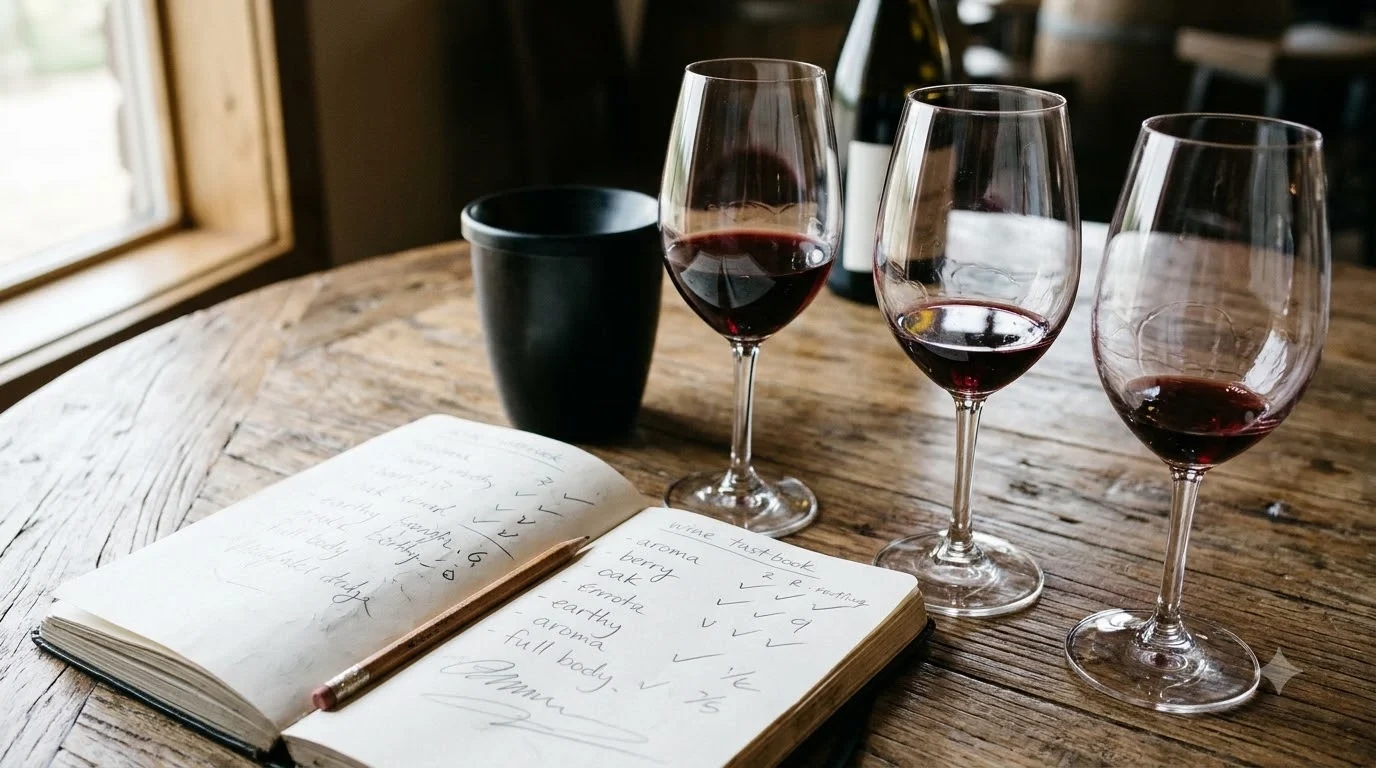
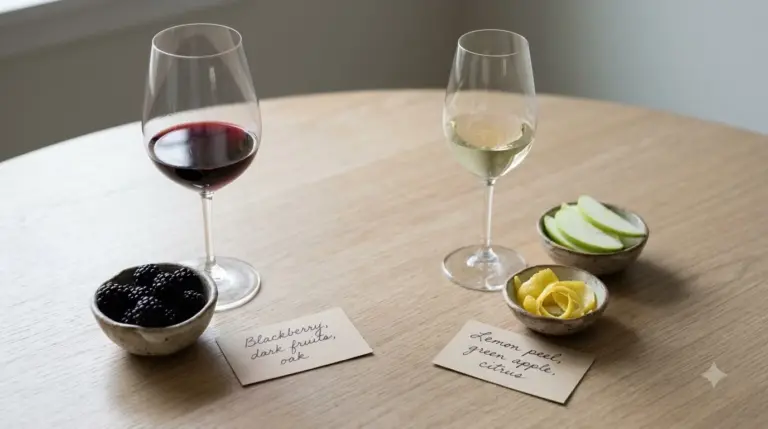
Try Cabernet Sauvignon from two producers or compare a Merlot with a Syrah. Pay attention to acidity, tannin, body, fruit character, and oak influence. -
Record your favorites.
Write down the producer, grape variety, vintage, and vineyard designation where available. These details make it easier to find the same wine later and compare bottles at home.
A focused itinerary is generally more rewarding than trying to visit every possible winery. Three well-chosen stops with time for lunch and conversation can provide a more informative experience than six rushed appointments.
Tip: Make reservations before traveling to Red Mountain, especially for weekend tastings. Fidélitas serves its seated tasting from noon, while Hedges Family Estate operates Wednesday through Sunday. Confirm current availability and tasting arrangements directly with each winery before departure.
When buying wine during a visit, consider purchasing bottles from different grape varieties rather than filling a case with one style. A Cabernet Sauvignon, Merlot, Syrah, and Riesling from the same broader region can provide a useful introduction to the Columbia Valley’s range.
Types of Columbia Valley Wineries and Wine Styles
The Columbia Valley is too large and diverse to have one defining wine style. Its sub-appellations, vineyard elevations, soils, and grape varieties produce everything from aromatic white wines to deeply structured reds.
Chateau Ste. Michelle: Best for a Broad Introduction
Chateau Ste. Michelle is an excellent starting point for anyone learning about Washington wine. The winery describes itself as Washington’s founding winery, with winemaking history dating to 1967. Its Woodinville property provides a recognizable destination for visitors who want to explore a broad range of Washington wines.
The producer identifies Cold Creek Vineyard, Horse Heaven Vineyard, and Canoe Ridge Estate Vineyard among its estate properties. This range of vineyard locations helps explain why its portfolio can introduce drinkers to different expressions of Washington grapes. Cabernet Sauvignon and Merlot are useful starting points for red-wine enthusiasts, while Chardonnay and Riesling provide contrasting white-wine styles.
Chateau Ste. Michelle is particularly suitable for visitors who want to understand the region before exploring smaller producers. Its broad portfolio makes it easier to compare varietal wines and understand how different grape varieties behave in Washington’s continental growing environment.
Hedges Family Estate: Best for Biodynamic Wine Enthusiasts
Hedges Family Estate is a notable Red Mountain destination for visitors interested in organic and biodynamic wine production. Its estate combines vineyard views, a French château-inspired tasting room, and an emphasis on farming practices.
The winery offers organic and biodynamic wines by the glass and bottle, as well as tasting flights. Visitors can ask about the estate’s farming methods and request information about the grounds. This educational element makes the destination particularly attractive to people interested in understanding how vineyard management influences the finished wine.
The tasting room is located at 53511 North Sunset Road in Benton City, Washington. Its listed regular hours are Wednesday through Sunday, 11 a.m. to 5 p.m. Reservations are recommended, and groups of seven or more should contact the winery directly.
Fidélitas: Best for Bordeaux-Style Reds
Fidélitas is a strong choice for visitors who particularly enjoy Cabernet Sauvignon and other Bordeaux varieties. Its Red Mountain identity is closely connected to the area’s warm growing conditions and distinctive vineyard soils.
The winery describes its estate vineyard as having been planted in 2008, with Cabernet Sauvignon, Merlot, Malbec, Petit Verdot, and Cabernet Franc. It also works with fruit from other established Red Mountain vineyard sites. This combination provides an opportunity to compare wines with different vineyard origins and grape compositions.
Its estate tasting features one white wine and four red wines in a seated format. The tasting room is located at 51810 North Sunset Road in Benton City. Listed hours are Wednesday through Monday, noon to 5 p.m., with Tuesday closures. The winery recommends reservations, particularly on weekends.
Kiona Vineyards: Best for Exploring Red Mountain’s History
Kiona Vineyards is an appealing destination for visitors interested in the history and development of Red Mountain. The Red Mountain AVA tourism directory describes it as a multigenerational family operation with a 61-acre vineyard featuring old-vine Lemberger, Cabernet Sauvignon, and Merlot.
Lemberger is especially interesting because it provides an alternative to the region’s better-known Bordeaux varieties. Its red-fruit character and comparatively different tannin profile offer a useful contrast with Cabernet Sauvignon. Comparing the two can help visitors understand the diversity of grapes grown on Red Mountain.
Kiona also farms several additional vineyard properties, including Heart of the Hill and Artz Vineyard. Its vineyard relationships extend beyond its own wine production, making it a particularly interesting name for people who want to understand the area’s broader grape-growing community.
Col Solare: Best for Scenic Red Mountain Tasting
Col Solare offers another attractive option for Cabernet Sauvignon enthusiasts. Its modern tasting room sits on a Red Mountain bench and provides views across the surrounding wine country, according to the Red Mountain AVA tourism directory.
The winery’s portfolio includes Cabernet Sauvignon, Malbec, Syrah, Merlot, and Carménère. This selection makes it possible to compare several red varieties in one destination. Cabernet Sauvignon is a natural starting point for people who enjoy firm tannins, dark fruit, and structured finishes, while Merlot can provide a softer alternative.
Visitors interested in comparing Red Mountain producers should consider placing Col Solare alongside Fidélitas and Hedges Family Estate on an itinerary. Each offers a different approach to presenting the area’s wines.
Other Producers Worth Exploring
Barnard Griffin in Richland is another name worth investigating. The Red Mountain AVA tourism directory describes its wines as reflecting both Red Mountain and the broader Columbia Valley. This makes it useful for visitors who want to understand the relationship between a smaller appellation and the larger regional designation.
For a broader selection of destinations, the Washington State Wine Commission’s regional directory provides information about the state’s appellations and their distinctive grape varieties. It is especially useful when planning visits outside the Red Mountain area.
These wineries should be viewed as different starting points rather than a definitive ranking. The best choice depends on whether you prefer an established regional producer, a biodynamic estate, a historic vineyard, or a focused selection of structured red wines.
Common Mistakes When Choosing Columbia Valley Wineries
The most common mistake is treating the Columbia Valley as though it were a single compact wine district. Its 11-million-acre appellation contains many smaller growing areas, so a winery visit may involve considerable driving between destinations.
Another mistake is assuming that every wine labeled Columbia Valley comes from the same vineyard environment. The designation is geographically broad, and its sub-appellations have different soils, elevations, and growing conditions. A Cabernet Sauvignon from Red Mountain may have a different structure and concentration from one sourced elsewhere in the larger appellation.
Visitors should also avoid choosing wineries solely because they have attractive tasting rooms. A beautiful estate is enjoyable, but the quality and variety of the wines should remain central to the decision. If you prefer Riesling, a winery specializing primarily in powerful Cabernet Sauvignon may not be the most informative stop.
Trying too many tastings in one day is another frequent planning problem. A schedule of five or six appointments can leave little time for comparing wines, eating, or enjoying the scenery. Two or three thoughtfully selected wineries may provide a much more useful introduction.
Finally, do not assume that all tasting rooms accept walk-ins or accommodate large parties. Hedges Family Estate recommends reservations, and Fidélitas advises visitors to reserve ahead, particularly on weekends. Their policies demonstrate why checking arrangements before leaving your hotel or starting a long drive is sensible.
Another overlooked consideration is the difference between winery location and grape origin. A producer may operate a tasting room in Woodinville while sourcing grapes from vineyards elsewhere in Washington. That does not make its wines less representative of the region, but it does mean that the tasting-room address does not necessarily identify where the grapes were grown.
Wine Buying, Serving, and Storage Tips
Choosing a bottle from a Columbia Valley winery involves more than selecting a familiar grape variety. Consider the wine’s structure, intended drinking occasion, and how long you plan to keep it before opening.
Cabernet Sauvignon is generally the region’s most recognizable option for drinkers who enjoy structured reds. Its relatively high tannin makes it a natural companion for fatty or protein-rich foods such as grilled beef, lamb, and aged hard cheeses. Salt and fat soften the perception of tannin, helping the wine feel more balanced with food.
Merlot offers a softer alternative, with medium tannin and a generally approachable texture. Syrah can deliver a more savory profile, often combining dark fruit with peppery or smoky characteristics. Riesling and Chardonnay provide different white-wine experiences, with Riesling generally offering higher acidity and Chardonnay a broader range of possible textures depending on its winemaking.
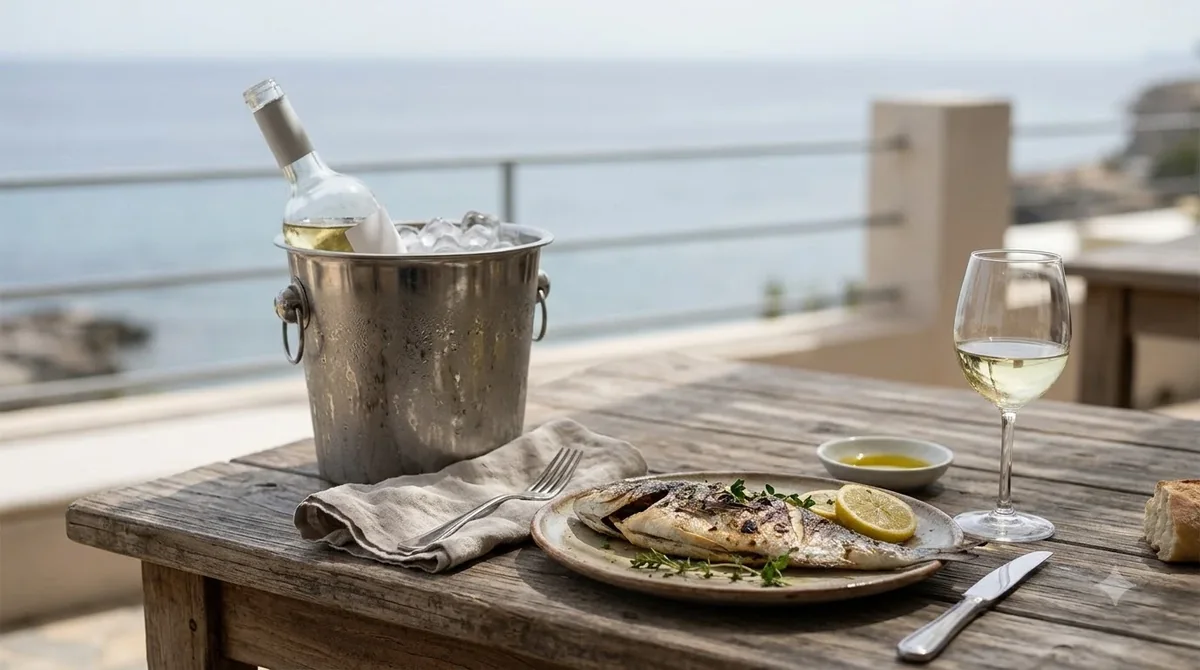
Serving temperature also matters. Full-bodied red wines generally show their best balance around 60 to 65 degrees Fahrenheit rather than at warm room temperature. Light reds are often more refreshing around 55 to 60 degrees. Full-bodied whites are generally served around 50 to 55 degrees, while lighter whites benefit from approximately 45 to 50 degrees.
For a standard serving, pour approximately 5 ounces. A 750 ml bottle provides about five standard glasses, making it easier to estimate how many bottles to purchase for a dinner or tasting event.
How to Store Your Purchases
Store unopened bottles on their sides when they have natural cork closures, ideally in a stable environment near 55 degrees Fahrenheit. Avoid frequent temperature changes, direct sunlight, and excessive vibration. These conditions help preserve the wine’s quality during storage.
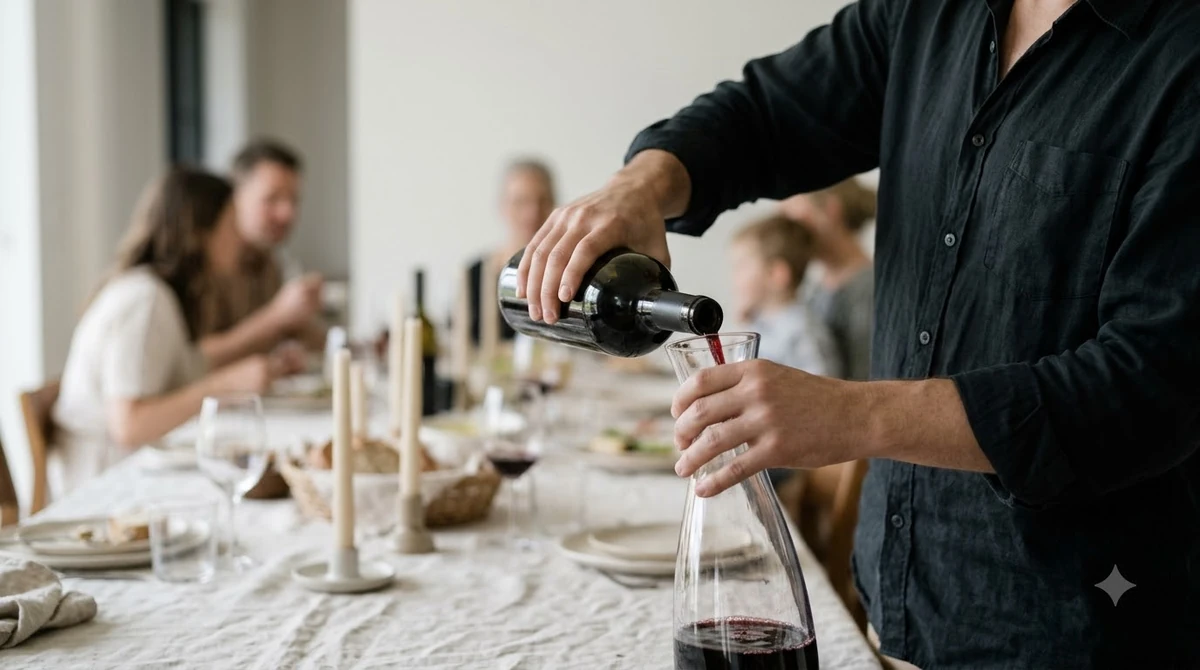
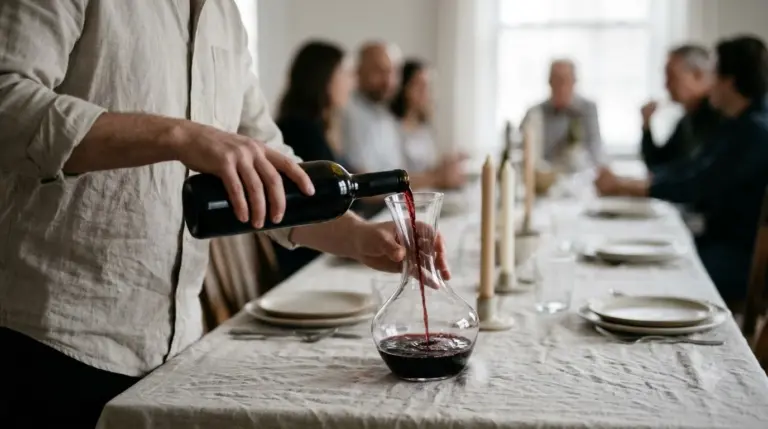
Young, full-bodied Cabernet Sauvignon and Syrah can benefit from decanting for approximately 30 to 60 minutes before serving. This allows the wine to open up and can soften the initial impression of concentrated fruit and tannin. Older wines may require more careful handling because prolonged aeration can reduce their freshness.
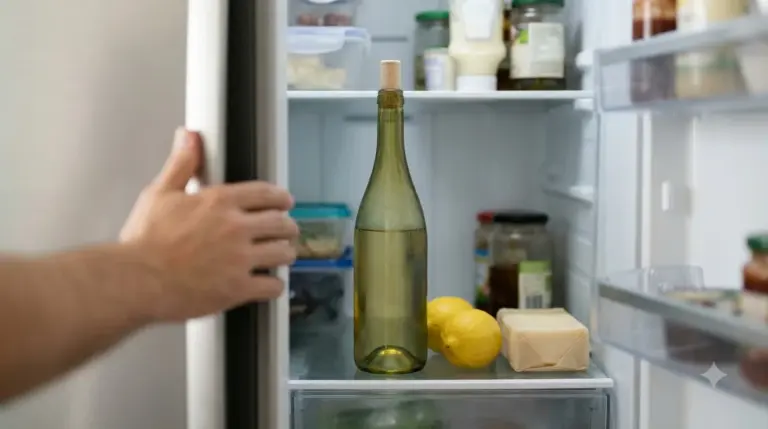
After opening, refrigerate still wines and use them within approximately three to five days for the best quality. Even red wines benefit from refrigeration after opening. Allow them to warm slightly before serving again.
Consider buying wines for different drinking occasions. A fresh Riesling or approachable Merlot may be suitable for relatively early enjoyment, while a structured Cabernet Sauvignon can be reserved for a special dinner or future occasion. Keeping notes about the producer and vineyard designation makes it easier to build a collection around the styles you enjoy.
For readers interested in comparing another American wine-growing destination, the best Willamette Valley wineries offer a useful contrast. Oregon’s Willamette Valley is particularly associated with Pinot Noir, whereas Columbia Valley is especially recognized for its Cabernet Sauvignon, Merlot, Syrah, and Riesling.
Wine lovers who enjoy exploring wine regions beyond the Pacific Northwest can also consult our guide to best Hudson Valley wineries for another perspective on American wine tourism. For additional advice on choosing bottles, the wine-buying guide provides a useful starting point.
Frequently Asked Questions
Is Columbia Valley wine the same as Washington wine?
No. Washington wine is the broader category, while Columbia Valley is a specific American Viticultural Area within the state and extending into Oregon. Washington also has growing regions outside the Columbia Valley boundaries, including Puget Sound and Columbia Gorge.
What does Lemberger taste like compared with Cabernet Sauvignon?
Lemberger, also known as Blaufränkisch, commonly displays bright cherry and dark berry flavors with noticeable freshness. Cabernet Sauvignon generally has firmer tannins and a more structured profile. The comparison can be particularly interesting when exploring the different red wines of Red Mountain.
Does Columbia Valley produce sparkling wine?
Yes. Washington producers make sparkling wines using several production approaches, including traditional bottle fermentation. The region’s broader range of grape varieties and growing conditions supports more than just still red and white wines. Look for individual producer information to identify the grapes and production method.
Which airport is useful for visiting eastern Washington wineries?
Tri-Cities Airport in Pasco is a practical arrival point for visitors planning to explore Benton City, Richland, and Prosser. Walla Walla Regional Airport is another option for travelers concentrating on the Walla Walla area. The most convenient airport depends on the wineries included in the itinerary.
Can visitors purchase wine directly from Columbia Valley wineries?
Many Washington wineries offer direct purchases through their tasting rooms and online wine shops. Some also operate wine clubs that provide access to selected releases and winery events. Shipping availability depends on the destination state’s alcohol-shipping regulations and the individual winery’s policies.
The best Columbia Valley wineries offer an excellent introduction to Washington’s diverse wine culture, from the established portfolio of Chateau Ste. Michelle to the focused Red Mountain wines of Hedges Family Estate, Fidélitas, Kiona, and Col Solare. Choose destinations based on your preferred grape varieties, tasting experience, and travel route, and allow enough time to appreciate the differences between producers. With a little planning, a Columbia Valley wine trip can reveal why Washington has become such an important destination for American wine enthusiasts.
More in Wine Buying Guides
 Best Coonawarra Wineries for Memorable Cellar Door VisitsUpdated Nov 21, 2026
 Best Cava Under 20 for Crisp, Affordable Spanish BubblesUpdated Nov 21, 2026
 Best Chenin Blanc Under 20 for Fresh, Flavorful White WineUpdated Nov 21, 2026
 Best Boxed Sweet Red Wine for Easy Everyday EnjoymentUpdated Nov 21, 2026
 Best Boxed Riesling for Fresh, Easy Everyday PouringUpdated Nov 21, 2026
 Best Augusta Wineries for a Scenic Missouri Wine Country TripUpdated Nov 21, 2026