

We may earn a commission when you buy through links on this page, at no extra cost to you. Learn more.
The best boxed sweet red wine for everyday enjoyment is one that delivers recognizable fruit flavors, balanced sweetness, an easy-pour package, and dependable freshness after opening. Peter Vella Delicious Red is a strong starting point for shoppers who enjoy light-bodied strawberry and raspberry flavors, while Franzia Fruity Red Sangria suits those who prefer a sweeter, citrus-accented drink for gatherings. The right choice depends on how sweet you like your wine, how often you pour a glass, and whether you prefer a straightforward red or a fruit-forward sangria style.
Boxed sweet red wine offers a practical alternative to buying several individual bottles. Its larger format is convenient for parties, casual dinners, and households that enjoy an occasional glass without finishing an entire bottle in one evening. Modern bag-in-box packaging also helps limit oxygen exposure as wine is dispensed. However, sweetness, body, fruit character, serving temperature, and package size still matter. This guide explains how to compare available styles, identify the right format, and keep an opened box tasting fresh.
Who This Is For
Boxed sweet red wine is particularly suitable for people who prefer approachable fruit flavors over strongly tannic, dry reds. It also makes sense for households that want several servings available without opening a new bottle every time someone wants a glass.
Start with the difference between sweetness and fruitiness. A wine can smell strongly of cherries, strawberries, or blackberries without necessarily tasting sweet. Sweet red wine retains noticeable sugar, while a fruit-forward dry red can have similar aromas but finish without much sweetness. That distinction is important because shoppers looking for a dessert-friendly red may find a dry wine disappointing, even if its description mentions ripe fruit.
People who enjoy softer wines should generally look for light- or medium-bodied blends with moderate tannin. Tannin creates the drying sensation associated with some traditional red wines. Cabernet Sauvignon typically has high tannin, whereas Merlot tends to have softer, medium tannin. Pinot Noir usually has lower-to-medium tannin and relatively high acidity. These differences influence how a wine feels alongside food and how its sweetness is perceived.
Boxed wine is also useful for people who pour irregularly. A bag-in-box system allows wine to flow through a tap while the internal pouch collapses, reducing the amount of air entering the remaining wine. That makes it more convenient than repeatedly opening and resealing a conventional bottle. For readers comparing broader packaging choices, the best boxed red wine options provide another useful starting point.
However, boxed sweet red wine is not necessarily the right purchase for collectors or people interested in aging wine. Bag-in-box packaging is intended for convenient consumption rather than long-term cellaring. Buyers looking for complex, mature reds should consider conventional bottles designed for aging instead.
Key Factors to Compare
The most useful comparisons involve sweetness, fruit character, body, package capacity, and freshness after opening. A 5-liter box provides approximately 34 standard 5-ounce servings, making it a substantially different purchase from a smaller 3-liter format.
| Factor | What to Look For | Why It Matters |
|---|---|---|
| Sweetness | Semi-sweet or sweet | Determines how much residual sugar you perceive. |
| Fruit character | Cherry, raspberry, blackberry, strawberry | Helps match the flavor profile to your preferences. |
| Body | Light or medium | Influences weight and texture on the palate. |
| 3-liter capacity | Approximately 20 servings | Useful for smaller households and occasional drinking. |
| 5-liter capacity | Approximately 34 servings | Useful for parties and regular entertaining. |
| Serving size | 5 ounces | Provides a consistent way to compare capacity. |
| After-opening freshness | Often 4–6 weeks under refrigerated storage, depending on the producer | Helps prevent unnecessary waste. |
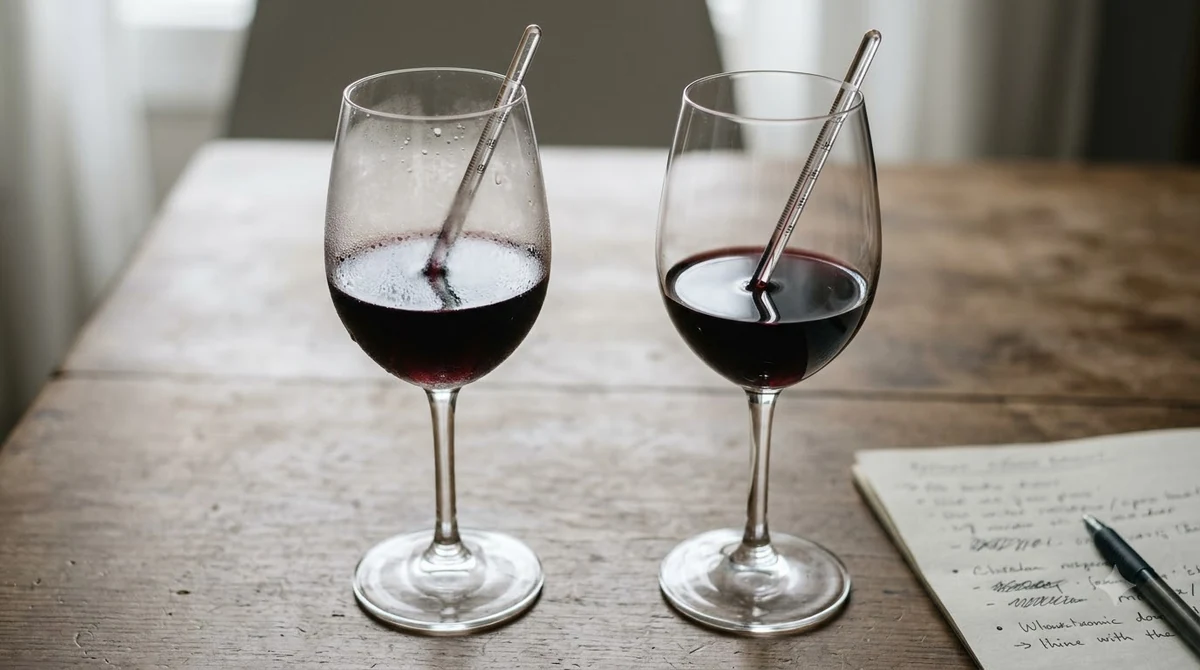
| Serving temperature | Approximately 55–60°F for lighter reds | Preserves fruit character without making the wine feel heavy. |
Sweetness should be the first consideration. Some wines are labeled semi-sweet, while others are explicitly described as sweet. These categories are useful starting points, although individual wines can differ considerably. If you enjoy pronounced sweetness, look for clear descriptions rather than assuming every red blend with berry aromas will taste sugary.
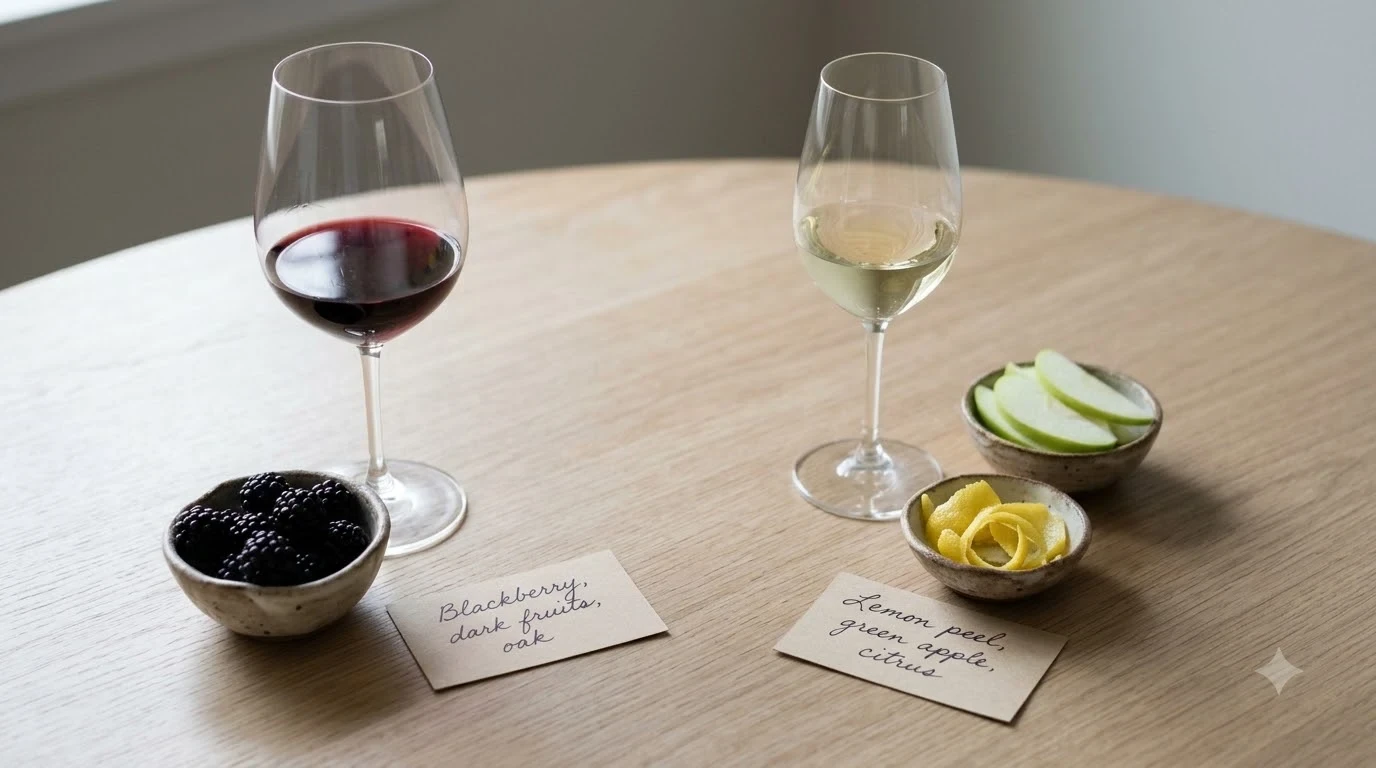
Fruit character is another useful distinction. Strawberry and raspberry notes generally suggest a bright, approachable style. Blackberry and dark cherry can create a richer impression, while citrus notes add freshness to a fruit-based red sangria. The description of the wine should help you anticipate the experience, but the grape blend and production method also influence the final result.
Package capacity deserves equal attention. A 3-liter box holds four 750 ml bottle equivalents, while a 5-liter box holds approximately 6.7 bottle equivalents. Neither format is automatically better. A larger box is convenient for a family gathering, but a smaller package may make more sense if only one or two people regularly drink sweet red wine.
Finally, consider the packaging itself. A bag-in-box system is different from a carton-style package. A dispensing tap and collapsing internal pouch can limit air contact, helping preserve the wine after the first pour. Check whether the packaging is designed for repeated dispensing and whether the producer gives specific storage instructions.
Step-by-Step: How to Choose the Right Box
A simple buying process can prevent mismatches between sweetness, serving occasions, and package size. Use these five steps to narrow the selection before purchasing a 3-liter or 5-liter box.
-
Decide how sweet you want the wine.
Choose a sweet style if you enjoy noticeable residual sugar and a rounded finish. Choose semi-sweet if you prefer a little less sweetness with plenty of fruit character. Do not rely on berry aromas alone to establish sweetness. -
Choose your preferred fruit profile.
Look for strawberry, raspberry, or cherry if you enjoy fresh red-fruit flavors. Choose blackberry, dark cherry, or vanilla descriptions if you prefer a deeper red-wine impression. Citrus notes are particularly relevant if you are considering red sangria. -
Match the body to your usual meals.
Light-bodied reds work well with casual meals, mild cheeses, and grilled chicken. Medium-bodied blends are more suitable when you want a fuller sensation alongside richer dishes. -
Select the package capacity.
A 3-liter box supplies approximately 20 five-ounce servings. A 5-liter box supplies approximately 34. Consider your household’s drinking frequency rather than purchasing the largest available package automatically. -
Check the freshness and storage information.
Look for an intact package, an undamaged dispensing tap, and clear storage recommendations. Avoid boxes that have been exposed to excessive heat or direct sunlight. Once opened, refrigerate the wine when the producer recommends it.
These steps are especially useful when comparing two wines with similar descriptions. For example, a sweet red blend and a sweet red sangria may both contain prominent berry flavors, but they are intended for somewhat different occasions. A traditional red blend may be more versatile at dinner, while sangria can be especially convenient for informal outdoor gatherings.
Tip: If you are uncertain about sweetness, begin with a smaller box or purchase a single bottle of a similar style first. This gives you an opportunity to establish whether you prefer a semi-sweet red blend, a noticeably sweet red, or a fruit-based sangria before committing to a larger package.
For additional background on choosing wine by style, occasion, and packaging, visit the wine-buying learning resources. Understanding these basic distinctions makes it easier to compare descriptions without relying entirely on promotional language.
Types of Boxed Sweet Red Wine Explained
Boxed sweet reds generally fall into three useful shopping categories: traditional sweet red blends, semi-sweet chillable reds, and fruit-forward red sangrias. Their differences involve sweetness, body, aroma, and intended serving style.
Traditional Sweet Red Blends
A traditional sweet red blend is a sensible starting point for people who want recognizable red-wine character with noticeable sweetness. Depending on the blend, flavors can include cherry, raspberry, blackberry, and plum. These wines are often approachable and relatively easy to pair with casual meals.
Peter Vella Delicious Red is one example. Its producer describes it as a sweet, light-bodied California red with strawberry and raspberry notes. Its official product information also reports 3.5 grams of residual sugar per 100 ml and an alcohol content of 9.6%. The producer suggests pairing it with barbecue chicken, seafood salad, bread, cheese, and fresh fruit. Its 5-liter format is suitable for people who want a substantial supply of an uncomplicated sweet red. The official Peter Vella Delicious Red product description provides its complete flavor, serving, and product specifications.
The style is especially appropriate for shoppers who want to enjoy wine without pronounced tannin or an aggressively dry finish. Serve it slightly chilled if you prefer a fresher impression, or closer to cool room temperature if you want its fruit flavors to feel more expressive.
Semi-Sweet Chillable Reds
Semi-sweet red wines offer a useful middle ground between dry reds and sweeter dessert-oriented styles. They retain fruity character while offering less obvious sweetness than a wine specifically described as sweet.
Franzia Chillable Red is an example of this category. The producer describes it as a semi-sweet, fruit-forward red blend with ripe red-berry notes and aromas of dark cherry and cranberry. Its suggested serving style is chilled, making it a practical option for casual dinners and warm-weather occasions.
This category is worth considering if you enjoy red wine but find some sweet blends too sugary. It can also work with tomato-based meals, provided the wine has sufficient acidity to balance the dish. For more information on the broader category, see the sweet red blend guide.
Sweet Red Sangria
Sweet red sangria differs from a conventional red blend because it incorporates fruit-oriented flavors and is commonly served chilled, often over ice. Citrus and berry notes are especially common, creating a refreshing style suited to informal entertaining.
Franzia Fruity Red Sangria is a recognizable boxed example. The producer describes it as vibrant and sweet, with citrus and berry notes leading to a smooth finish. It recommends serving the wine chilled over ice and lists fried chicken and picnic meals among its pairing suggestions.
This is a good direction for shoppers who enjoy a more obviously fruit-driven drink rather than a conventional red-wine profile. It is also convenient for larger gatherings because the dispensing format makes it straightforward to serve multiple guests. Franzia’s official Fruity Red Sangria product page confirms its available 3-liter and 5-liter formats, serving information, flavor profile, and food-pairing suggestions.
Comparing the Main Styles
The following comparison summarizes the practical differences between these categories and the examples discussed above.
| Style or Example | Flavor Direction | Body or Sweetness | Serving Approach |
|---|---|---|---|
| Peter Vella Delicious Red | Strawberry and raspberry | Sweet, light-bodied | Chilled or cool room temperature |
| Franzia Chillable Red | Red berries, dark cherry, cranberry | Semi-sweet, fruit-forward | Chilled |
| Franzia Fruity Red Sangria | Citrus and berries | Sweet, fruit-forward | Chilled over ice |
These examples illustrate why it is helpful to distinguish between sweet red blends and sweet sangria. They may share some fruit flavors, but they do not provide identical drinking experiences. A traditional red blend is generally the more straightforward choice for dinner, while sangria is often better suited to informal social occasions.
Common Mistakes When Buying Sweet Boxed Red Wine
The biggest buying mistakes involve confusing fruitiness with sweetness, purchasing too much wine, and overlooking serving conditions. A few simple checks can make a meaningful difference to the final selection.
Assuming Every Fruity Red Is Sweet
Red wines can smell like strawberries, cherries, or blackberries without having substantial residual sugar. This is especially common with dry wines made from Merlot, Pinot Noir, and other red varieties. If you specifically want sweetness, prioritize wines described as sweet or semi-sweet instead of relying on tasting-note descriptions.
Also distinguish between a sweet red blend and a red sangria. Sangria may have citrus and other fruit-oriented characteristics that make it seem more refreshing and sweet. A traditional sweet red blend generally provides a more recognizable red-wine experience.
Buying the Largest Box Automatically
A 5-liter package provides approximately 34 standard servings, compared with approximately 20 for a 3-liter package. Although a larger package can be convenient for entertaining, it is not necessarily the most practical choice for someone who drinks only occasionally.
Think about consumption over several weeks. Even though bag-in-box packaging can preserve wine longer than an opened bottle, its freshness is not indefinite. A smaller package may be a better decision if your household drinks wine infrequently.
Serving Sweet Red Wine Too Warm
Red wine is often served too warm because people associate every red style with traditional room-temperature service. Lighter reds generally show well around 55–60°F, while fuller-bodied reds are commonly served around 60–65°F.
Sweet red blends can be particularly pleasant when slightly chilled. Lower temperatures can make the wine feel fresher and help prevent sweetness from becoming overwhelming. However, serving it extremely cold can mute some aromas, so avoid treating every sweet red as though it were a sparkling wine.
Ignoring Food Compatibility
Sweet wine works best when it is at least as sweet as the food accompanying it. A very sweet dessert can make a moderately sweet red taste unexpectedly tart or sour. For that reason, match dessert intensity with the wine’s sweetness rather than assuming every sweet red will work with every cake or pastry.
Acidity also matters. Tomato sauces, vinegar-based dressings, and citrus-heavy dishes can make a low-acid wine taste flat. Look for a wine with sufficient acidity when serving it alongside acidic foods.
Salt and fat can soften the perception of tannin, which helps explain why certain red wines work well with grilled meats and rich dishes. However, oily fish can clash with tannic reds. A light-bodied, lower-tannin sweet red may be a more approachable alternative, although a crisp white is often a more natural pairing.
Expecting Boxed Wine to Improve With Age
Bag-in-box wine is designed for convenience and relatively early consumption, not prolonged cellaring. Its packaging provides useful protection during ordinary storage, but small amounts of oxygen can still affect the wine over time.
Do not purchase several boxes with the intention of keeping them for years. Choose a package that suits your expected consumption and follow the producer’s storage recommendations.
Care and Storage Tips for Boxed Sweet Red Wine
Correct storage helps preserve fruit aromas and sweetness after opening. For most bag-in-box wines, the practical approach is to store unopened packaging away from sunlight and heat, then refrigerate the opened box when recommended by the producer.
Before Opening
Keep unopened boxed wine in a cool, dry location away from direct sunlight. A pantry or cupboard is generally suitable if temperatures remain reasonably stable. Avoid placing the box beside an oven, radiator, or other heat source.
Black Box recommends storing its unopened wine at room temperature, away from sunlight and heat. Its guidance describes typical unopened freshness of up to one year. This is a producer-specific recommendation rather than a universal guarantee for every boxed wine.
Pay attention to the package condition as well. A damaged outer carton, leaking tap, or swollen package is a reason to avoid using the wine. The internal pouch and dispensing mechanism are important parts of the preservation system.
After Opening
Once the tap has been opened, keep the wine refrigerated whenever the producer recommends it. The internal pouch collapses as wine is dispensed, reducing the amount of air entering the package. Refrigeration provides an additional way to slow oxidation.
Storage recommendations vary, but several producers describe freshness periods of up to six weeks under refrigerated conditions. VinePair identifies two to three weeks as a more practical target for enjoying the wine while its flavors remain fresh. These figures should be treated as guidance rather than guarantees.
Black Box and Franzia both describe an opened-wine freshness period of up to six weeks under their recommended conditions. That does not mean every box will taste equally fresh throughout that period. Wine style, initial packaging age, refrigerator temperature, and dispensing conditions all influence the result.
Serve at the Appropriate Temperature
Light-bodied sweet reds generally benefit from slightly cool service. Aim for approximately 55–60°F for lighter red styles. Fuller reds can be served around 60–65°F, while sweet white wines generally work better around 43–50°F.
If a sweet red has been stored in the refrigerator, allow it a short time to warm slightly before serving if its aromas seem muted. For sangria, serving chilled over ice is a different approach and follows the producer’s intended presentation.
Recognizing Changes in Freshness
Oxidation gradually changes wine’s aroma, color, and flavor. Fresh berry aromas may become less pronounced, while stale, flat, or vinegar-like characteristics can develop.
Black Box identifies sour or vinegar-like aromas, unusual color changes, unpleasant flavors, and swollen packaging as possible warning signs. Red wine that has developed an unexpectedly brownish appearance may have experienced significant oxidation.
It is also useful to keep track of when a box was opened. Write the opening date on the carton if several boxes or wine styles are stored together. This small habit makes it easier to use older packages first and avoid forgetting an opened box in the refrigerator.
Frequently Asked Questions
Is boxed sweet red wine made from a single grape variety?
Not necessarily. Many boxed sweet reds are blends made from more than one grape variety, although the exact composition is not always prominently disclosed. A red blend can combine grapes with different levels of acidity, tannin, color, and fruit character to achieve a consistent house style.
Does boxed sweet red wine contain sulfites?
Many commercially produced wines contain sulfites, which can occur naturally during fermentation and may also be used as preservatives. Sulfite declarations and labeling requirements depend on the market and applicable regulations. Check the package information if ingredient or allergen details are important to your purchasing decision.
Can boxed sweet red wine be used in cooking?
Yes. A sweet red blend can be used in selected sauces, braised dishes, and fruit-based preparations where its sweetness complements the other ingredients. Reduce it carefully because cooking concentrates both flavor and sugar. Avoid using a strongly sweet wine in recipes that require a dry red unless you intentionally want a sweeter result.
Can boxed sweet red wine be frozen for later use?
Freezing is not a recommended storage method for wine intended for normal drinking. Ice formation can affect flavor and texture, and expansion may damage the packaging. Refrigeration is the more appropriate way to maintain the freshness of an opened bag-in-box wine.
Does the cardboard box itself preserve the wine?
The preservation system relies primarily on the sealed internal pouch and dispensing tap rather than ordinary cardboard. The outer carton protects the pouch and provides structural support, while the internal packaging limits air exposure as wine is poured. This is why an intact tap and pouch are important to the package’s performance.
The best boxed sweet red wine is ultimately the one that matches your preferred sweetness, fruit profile, and drinking habits. Peter Vella Delicious Red is a useful starting point for a light-bodied strawberry-and-raspberry style, while Franzia Fruity Red Sangria offers a sweeter citrus-and-berry alternative for gatherings. Choose a suitable box size, serve the wine at an appropriate temperature, and refrigerate opened packaging to get the most enjoyment from every pour.
More in Wine Buying Guides
 Riesling Gift: Choose a Bottle They’ll LoveUpdated Nov 21, 2026
 Sweet Red Wine Gift: Choose a Bottle They’ll LoveUpdated Nov 21, 2026
 Malbec Gift: How to Choose a Memorable Bottle for Any OccasionUpdated Nov 21, 2026
 Sherry Gift Ideas That Match Every Wine LoverUpdated Nov 21, 2026
 Moscato Gift: How to Choose a Sweet Wine They’ll LoveUpdated Nov 21, 2026
 Merlot Gift: How to Choose a Bottle They’ll AppreciateUpdated Nov 21, 2026