

We may earn a commission when you buy through links on this page, at no extra cost to you. Learn more.
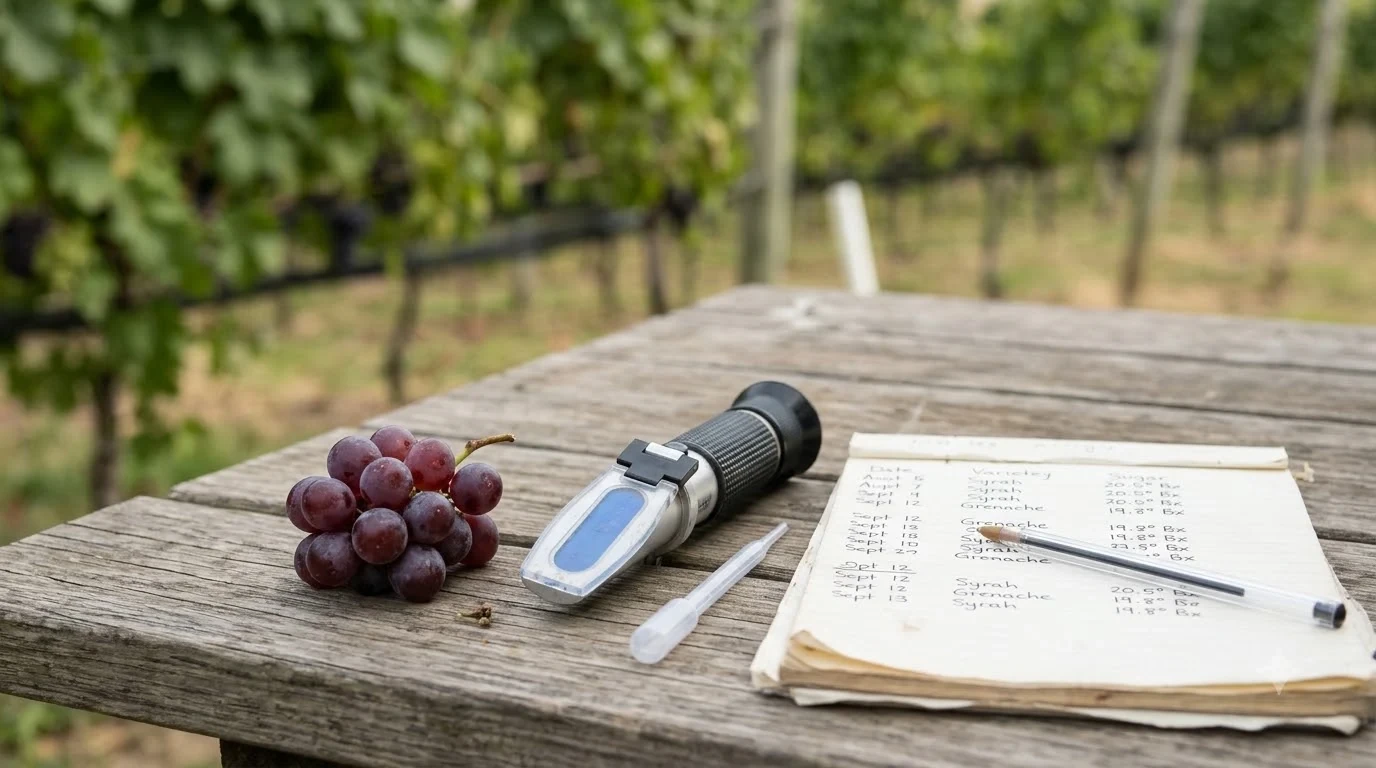
Red Mountain vineyards sit on a warm, southwest-facing slope in southeastern Washington State, forming the smallest and warmest American Viticultural Area (AVA) in the state. Spanning just 4,040 acres within the Yakima Valley and broader Columbia Valley AVAs, the region is famous for deeply concentrated, structured red wines led by Cabernet Sauvignon, Merlot, and Syrah. High heat, constant winds, and alkaline, mineral-rich soils produce small berries with thick skins and firm tannins.
Despite its modest footprint near Benton City, this desert-like slope has earned an outsized reputation among collectors and winemakers across the Pacific Northwest. Whether you are planning a tasting trip to southeastern Washington or exploring bottles from classic wine regions, understanding what shapes the fruit on Red Mountain makes every glass far more rewarding.
Overview
Established as an official American Viticultural Area in 2001, Red Mountain covers 4,040 total acres—roughly six square miles—with around 2,382 acres planted to vines. Its name does not come from red soil or towering peaks; rather, it comes from the reddish-crimson hue of native drooping brome grass, locally called cheatgrass, that covers the low ridge each spring.
Modern viticulture here began in 1972 when General Electric engineers Jim Holmes and John Williams purchased dry, sagebrush-covered land that many contemporaries considered far too warm and arid for quality winegrowing. Inspired by Washington wine pioneer Dr. Walter Clore, they planted the first vines at Kiona Vineyard in 1975 and bonded the region’s first winery in 1980. That early gamble proved that southeastern Washington could ripen late-harvest Bordeaux varieties to extraordinary depth.
According to the Washington State Wine Commission, Red Mountain receives an average of only five inches of annual precipitation. Because rainfall is scarce during the growing season, fungal diseases like mildew and rot rarely threaten the vines, and growers use controlled drip irrigation to guide vine vigor and berry size with remarkable precision.
Sub-regions and Terroir
While Red Mountain is too compact to be divided into formal sub-AVAs, distinct microclimates and elevation bands across its southwest-facing slope create noticeable differences between vineyard sites. Elevation ranges from lower benches near the Yakima River up toward the steeper upper slopes, influencing wind exposure, heat accumulation, and drainage.
Four environmental forces define the terroir across these slopes:
- Southwest Aspect and Heat Accumulation: The broad southwest-facing hillside absorbs intense afternoon sunlight throughout a 187-day growing season, making it Washington’s warmest winegrowing zone.
- Dramatic Diurnal Swings: While summer afternoon highs frequently exceed 95°F, nighttime temperatures drop by 35°F to 40°F, locking in natural malic and tartaric acidity so ripe fruit never tastes flabby.
- Prevailing Gorge Winds: Steady winds funneling through the Yakima River gap stress the grapevines, prompting them to grow smaller berries with thicker skins—the primary source of deep pigment and firm tannin.
- Ancient Flood Soils: Formed by the cataclysmic Ice Age Missoula Floods, the soils blend Warden and Scooteney silt loam, Hezel loamy fine sand, and stony gravel with high alkalinity and calcium carbonate.
| Terroir Factor | Red Mountain Profile | Impact on the Wine |
|---|---|---|
| Total Appellation Size | 4,040 acres (approx. 2,382 planted) | Tight concentration of premier vineyard sites with consistent regional identity |
| Annual Rainfall | 5 to 7 inches | Low disease pressure and precise irrigation control over vine stress |
| Day-Night Temperature Swing | 35°F to 40°F+ | Preserves bright natural acidity alongside full phenolic ripeness |
| Soil Composition | Sandy silt loam, gravel, calcium carbonate | Encourages deep root systems, restricted yields, and savory mineral notes |
The nearby Yakima River also provides crucial airflow and thermal moderation, keeping Red Mountain virtually frost-free compared to lower-lying valley floors. Together, these elements give fruit grown on this hillside a structural backbone that winemakers across the state actively seek out.
Key Grapes and Styles
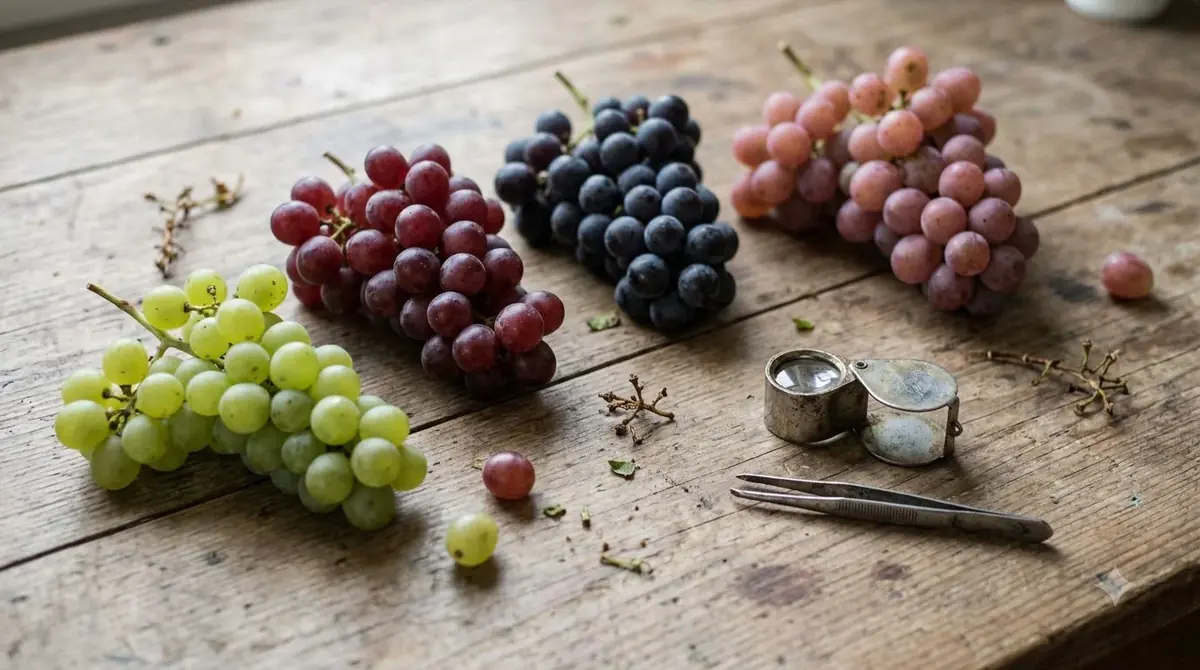
Red varieties overwhelmingly dominate Red Mountain plantings, led by Cabernet Sauvignon, Merlot, Syrah, Cabernet Franc, Malbec, and Petit Verdot. Even though white grapes such as Sauvignon Blanc, Viognier, Roussanne, and Riesling grow in small parcels, the appellation’s global identity rests squarely on full-bodied, age-worthy reds.
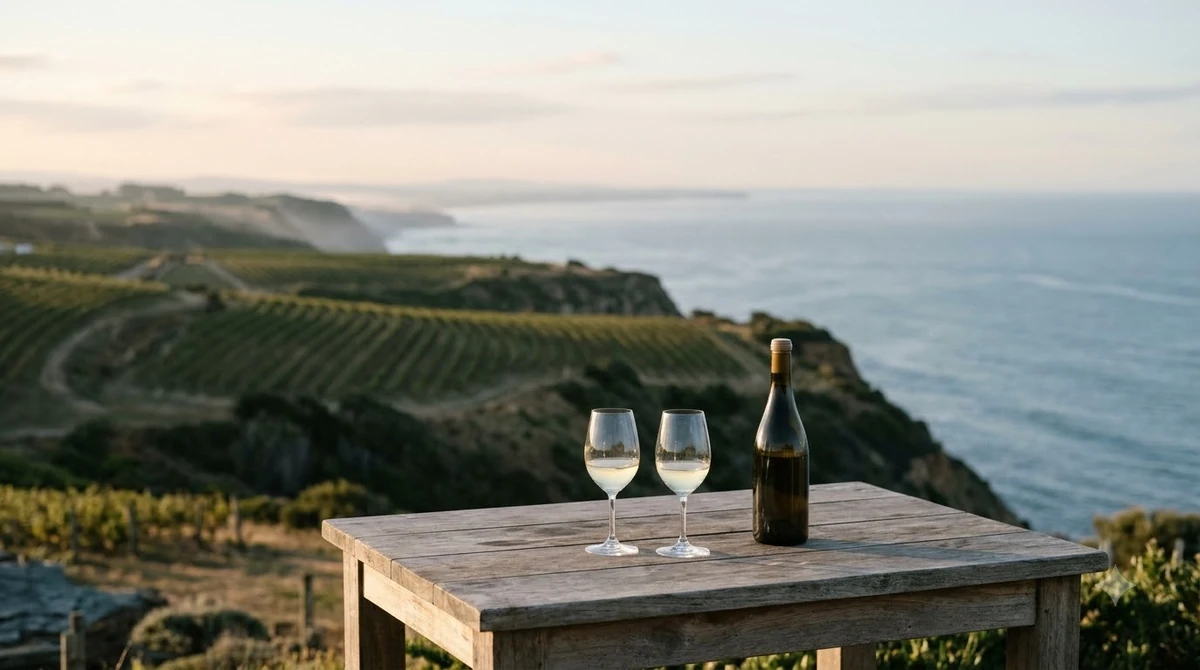
As Wine Enthusiast reports, local growers and winemakers consistently point to structure—built from both ripe tannin and vibrant acidity—as the hallmark of Red Mountain bottles. Rather than relying solely on jammy fruit, classic Red Mountain Cabernet Sauvignon pairs dark blackberry, cassis, and black cherry notes with savory hints of dried herbs, espresso, cocoa, and crushed stone.
Merlot and Syrah also thrive in this warm, windy environment. Red Mountain Merlot tends to show denser color and firmer grip than softer versions from cooler regions, offering plush plum and dark chocolate framed by structured tannins. Syrah from these slopes delivers smoked meat, cracked black pepper, and dark blueberry flavors with rich texture and lingering freshness.
Notable Vineyards and Producers
More than 15 wineries operate physical estates inside the Red Mountain AVA, while dozens of acclaimed producers across Woodinville, Walla Walla, and the broader Columbia Valley source fruit from its 27 established vineyards. Historic sites like Kiona Estate, Ciel du Cheval, Klipsun, and Tapteil (now Avennia Estate Vineyard) supply grapes for many of Washington’s highest-rated bottlings.
Several landmark estates and vineyards define the modern landscape on the mountain:
- Kiona Vineyards and Winery: Founded by the Williams and Holmes families in 1975, Kiona remains family-operated and farms multiple estate parcels across the AVA.
- Ciel du Cheval Vineyard: Planted by Jim Holmes in 1975, this revered site provides fruit to acclaimed producers including Andrew Will, Cadence, and DeLille Cellars.
- Hedges Family Estate: Established in 1986 and certified biodynamic, Hedges champions classic Bordeaux-style estate blends from its Red Mountain vineyards.
- Col Solare: A high-profile partnership between Washington’s Chateau Ste. Michelle and Italy’s Marchesi Antinori, featuring a landmark winery and estate vineyard on the upper slopes.
- Fidélitas, Force Majeure, and Obelisco Estate: Estate-focused producers crafting vineyard-designated Cabernet Sauvignon and Bordeaux blends that showcase specific blocks across the hillside.
Beyond estate wineries, acclaimed producers such as Quilceda Creek, Betz Family, Mark Ryan, Januik, and Gorman regularly bottle Red Mountain vineyard designates or anchor flagship blends with fruit from Ciel du Cheval, Klipsun, and Heart of the Hill.
Visiting Tips
Red Mountain sits just outside Benton City in southeastern Washington, roughly a three-and-a-half-hour drive southeast from Seattle and about 30 minutes west of the Tri-Cities (Richland, Kennewick, and Pasco). Unlike sprawling wine regions where tasting rooms sit miles apart, nearly all Red Mountain wineries cluster along Sunset Road and Hanks Road, making it easy to visit several estates in a single afternoon.
Spring (April through May) and fall (September through October) offer the most comfortable weather for exploring the vineyards, with warm afternoons and crisp evenings. Summer temperatures routinely climb past 95°F, so scheduling morning tastings and bringing sun protection makes a noticeable difference. Because many estate tasting rooms are small and family-run—such as Avennia, Fidélitas, Anelare, and Terra Blanca—booking reservations ahead of time is strongly recommended, especially on weekends.
Tip: Look for vineyard names like Ciel du Cheval, Klipsun, Quintessence, or Heart of the Hill on the front label—even when the winery itself is located in Woodinville or Walla Walla, those designations guarantee authentic Red Mountain fruit.
How to Buy and Serve Red Mountain Wines
When shopping for bottles from Red Mountain vineyards, start by checking the appellation statement on the label. Wines carrying the “Red Mountain” AVA designation must contain at least 85 percent grapes grown within the appellation’s boundaries, whereas “Columbia Valley” bottlings may blend Red Mountain fruit with grapes from neighboring regions like Horse Heaven Hills.
If you enjoy bold, structured red wines with cellar potential, look for single-vineyard Cabernet Sauvignon or Left Bank-style Bordeaux blends. For earlier drinking without years of cellaring, Merlot-dominant blends, Syrah, or younger-vine estate cuvées typically offer plush dark fruit and approachable texture right away. Serving these wines at cellar temperature—around 60°F to 65°F—and decanting younger vintages for 45 to 60 minutes helps soften their firm tannins and open up layered aromatics. Exploring smaller domestic appellations like Augusta vineyards in Missouri, Nevada vineyards, or Orange vineyards in Virginia alongside Red Mountain also highlights how dramatically climate and soil shape American winemaking.
Frequently Asked Questions
Where are Red Mountain vineyards located?
Red Mountain vineyards are located in southeastern Washington State near the town of Benton City, about 30 minutes west of the Tri-Cities. The 4,040-acre appellation sits on a southwest-facing slope inside the eastern end of the Yakima Valley AVA, which itself lies within the larger Columbia Valley AVA.
Why is Red Mountain called Red Mountain if the soil isn’t red?
The ridge gets its name from drooping brome—commonly known as cheatgrass—that blankets the hillside and turns a deep reddish-purple color each spring. Geologically, the slope is actually a basalt anticline covered in pale, sandy silt loam, gravel, and calcium-rich flood deposits rather than red clay.
What grape is Red Mountain best known for?
Cabernet Sauvignon is the undisputed flagship grape of Red Mountain, celebrated for its dense dark fruit, firm tannins, and bright natural acidity. Merlot, Syrah, Cabernet Franc, Malbec, and Petit Verdot also perform exceptionally well and frequently appear both as varietal wines and in Bordeaux-style blends.
How long can Red Mountain Cabernet Sauvignon age?
Thanks to thick grape skins, concentrated tannins, and crisp acidity preserved by cool desert nights, top Red Mountain Cabernet Sauvignons can age gracefully for 10 to 20 years or more. Many estate blends and Merlot bottlings are also crafted to drink well within three to seven years of the vintage date with brief decanting.
From its humble beginnings in 1975 to its status as Washington’s most sought-after red wine appellation, Red Mountain demonstrates how extreme sunshine, wind, and ancient soils can work in harmony. Whether you pick up a single-vineyard Cabernet Sauvignon for the cellar or visit Benton City to taste directly on the slope, these wines offer an unmistakable sense of place.
More in Wine Regions
 Willcox Wine Trail: Discover Arizona’s High-Elevation Wine CountryUpdated Nov 20, 2026
 Yakima Valley Wine Region: Find the Best Styles to TryUpdated Nov 20, 2026
 Vosne Romanee Wine Tasting: Identify Aromas and Choose Better PairingsUpdated Nov 20, 2026
 Yakima Valley Wine Festival: Find the Best Seasonal Wine EventsUpdated Nov 20, 2026
 Wales Vineyards: Discover Cool-Climate Wines and Where to VisitUpdated Nov 20, 2026
 Yountville Wine Festival: Discover Napa Wines and Local FoodUpdated Nov 20, 2026