

We may earn a commission when you buy through links on this page, at no extra cost to you. Learn more.
The best zalto chardonnay glass depends on the style of Chardonnay: the Zalto Universal suits mineral-driven bottles, the White Wine glass favors fresh and unoaked examples, and the Balance is especially appropriate for rich, oak-aged Chardonnay. Zalto does not make a dedicated glass carrying the Chardonnay name, but its Denk’Art collection offers several shapes designed for different wine structures. For most Chardonnay drinkers seeking one versatile glass, the Universal is the strongest starting point; collectors of fuller, wood-influenced Chardonnay should also consider the Balance.
Chardonnay can produce dramatically different wines, from crisp, citrus-driven bottles to creamy, barrel-fermented examples with considerable texture. That variation makes glass selection more important than simply choosing the largest bowl available. Zalto’s range provides several options, and understanding the differences in their dimensions, intended wine styles, and handling requirements makes it easier to choose a glass that suits the bottles actually being served.
Specs and Key Features of the Zalto Chardonnay Glass Options
The Zalto Denk’Art collection does not have one universal Chardonnay-specific model. Instead, the manufacturer recommends different glasses according to characteristics such as minerality, fruit concentration, oak influence, and phenolic structure.
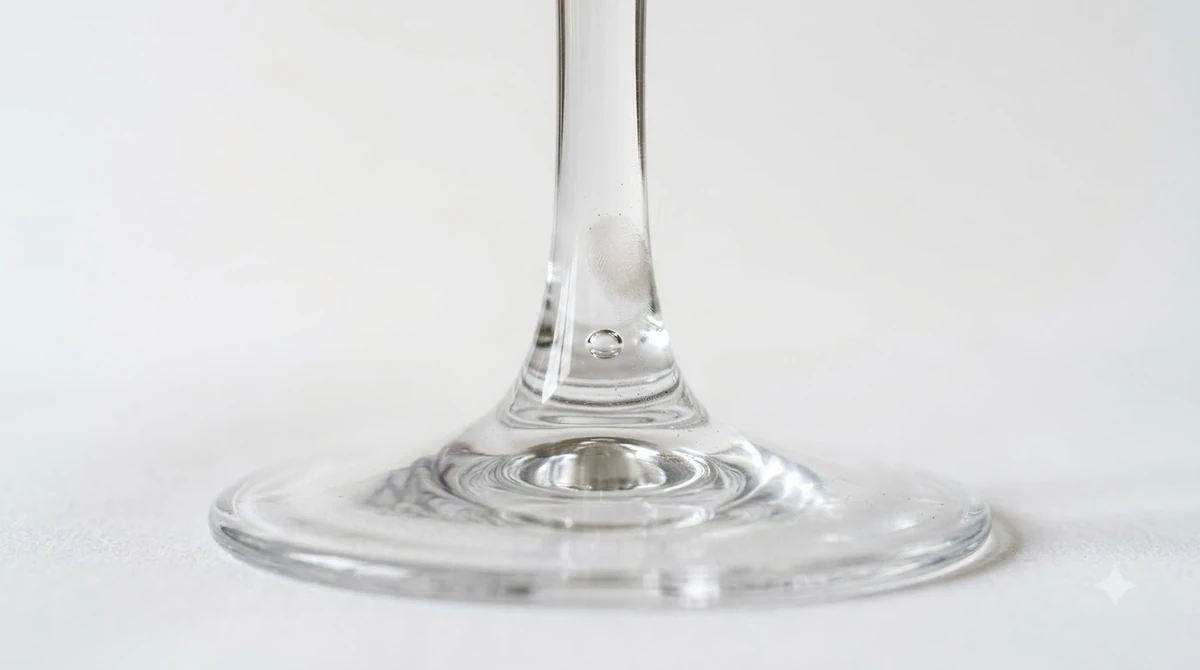
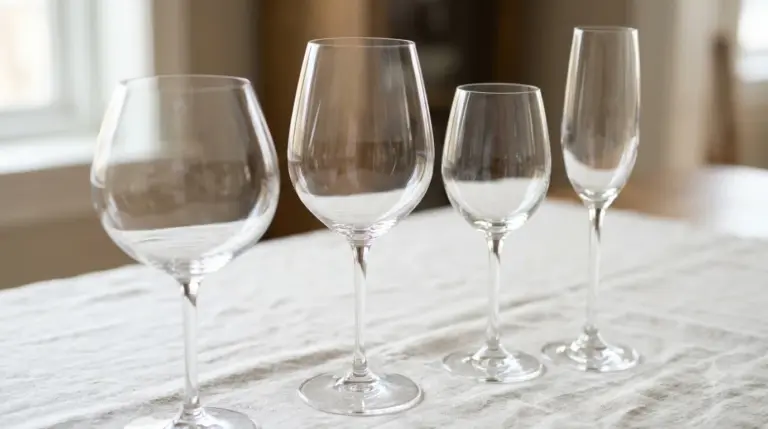
The most relevant options are the Universal, White Wine, and Balance glasses. The Burgundy is another possibility for concentrated Chardonnay, particularly when aromatic development and a generous bowl are priorities. These are distinct designs rather than interchangeable versions of one glass.
| Glass | Height | Width | Capacity | Chardonnay suitability |
|---|---|---|---|---|
| Universal | 235 mm | 91 mm | 555 ml | Mineral-driven and expressive Chardonnay |
| White Wine | 230 mm | 81 mm | 420 ml | Fresh, fruity, unoaked Chardonnay |
| Balance | 195 mm | 113 mm | 590 ml | Wood-accentuated Chardonnay |
| Burgundy | 230 mm | 125 mm | 960 ml | Concentrated Chardonnay |
| Bordeaux | 240 mm | 109 mm | 765 ml | Structured Chardonnay with phenolic character |
These dimensions and capacities are taken from Zalto’s official Denk’Art product specifications. Capacity refers to the manufacturer’s stated filling quantity, not a recommended serving size. A standard 5-ounce wine pour occupies only a portion of any of these bowls, leaving room for aromas to collect above the wine.
The Universal is particularly interesting because its 555 ml capacity and 235 mm height provide room for aromatic development without requiring the substantial footprint of the Burgundy. Zalto recommends it for mineral-edged Chardonnay, along with Riesling, Grüner Veltliner, and Chianti. Its intended role is broader than a dedicated white-wine glass.
The White Wine glass has a more compact 420 ml capacity. Its narrower 81 mm width makes it a sensible choice for lighter, fruit-forward wines where freshness and aromatic precision matter more than extensive aeration. The Balance takes another approach, combining a 590 ml capacity with a much wider 113 mm bowl and shorter 195 mm height.
For shoppers comparing the three main candidates, the distinction is straightforward: White Wine emphasizes freshness, Universal emphasizes complexity and refinement, and Balance is designed to harmonize wines with more substantial structural elements.
The manufacturer’s descriptions and specifications are available on the official Zalto Denk’Art glass collection. Those descriptions are particularly useful because they identify the intended wine styles rather than relying only on the appearance of each bowl.
What Owners Like About the Zalto Glasses
Owners and specialist retailers commonly emphasize the lightweight construction, delicate appearance, and drinking experience of Zalto stemware. The Balance also receives attention for its distinctive proportions, which differ noticeably from the taller Universal and White Wine designs.
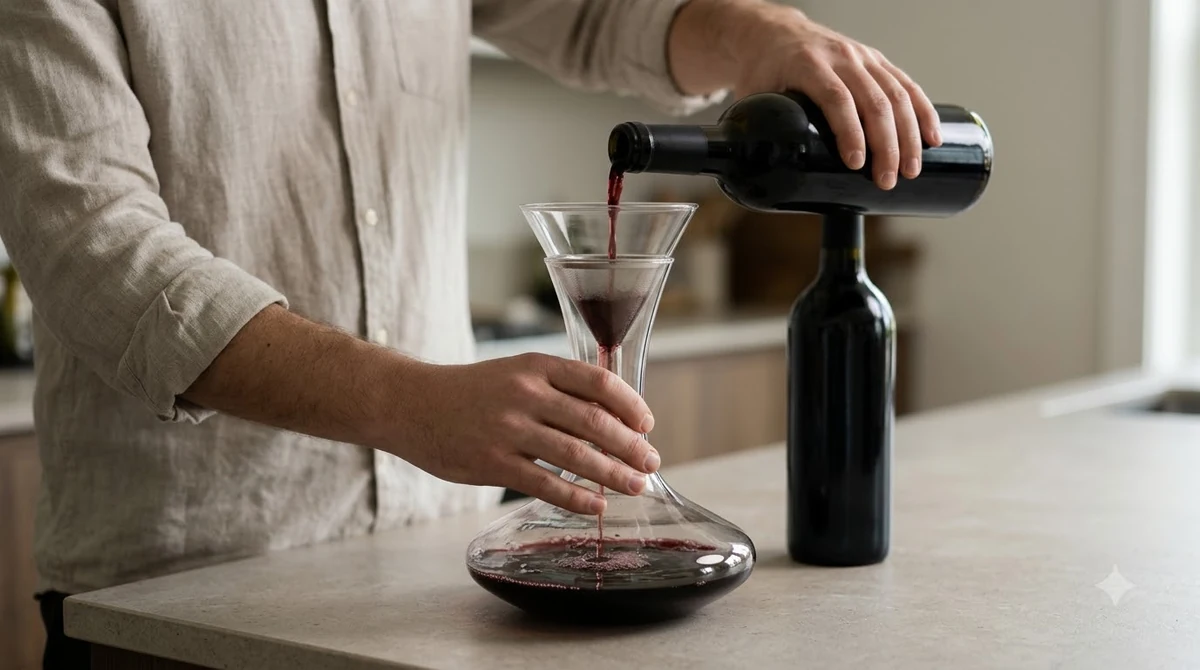
One attraction is the mouth-blown construction. Borough Kitchen identifies its Zalto Universal glass as handmade, mouth-blown, non-lead crystal. The retailer lists an individual weight of approximately 110 grams, with a stated tolerance of plus or minus 10 percent. That light construction contributes to the glass’s delicate feel compared with heavier, conventional stemware.
The thin rim is another feature that appeals to people who prefer minimal interference between the wine and the drinker. A delicate rim can make the drinking experience feel more refined, although preferences are subjective. Some drinkers favor the lightness, while others prefer the reassuring feel of thicker glassware.
Owners also appreciate having different bowl shapes for different wines. A person who regularly opens Chardonnay from Chablis, Sonoma County, and the Côte de Beaune may value the distinction between a freshness-oriented glass and one designed for fuller, oak-influenced wine.
The Universal’s versatility
The Universal is an appealing choice for households that drink several wine varieties. Its 555 ml manufacturer-listed filling quantity provides room for expressive aromas, while its intended applications extend beyond Chardonnay to Riesling, Grüner Veltliner, Chianti, and complex sparkling wines.
Borough Kitchen also describes the Universal as suitable for mineral-edged Chardonnay. Its product information highlights the transparency and mouth-blown construction of the glass, along with the way its shape presents a wine’s aromas. This makes it an interesting alternative to purchasing several varietal-specific glasses.
For someone building a collection gradually, a consistent set of Universal glasses can cover many dinner-table situations. It can serve a white Burgundy, a mineral-driven New Zealand Chardonnay, or a medium-bodied red without requiring a complete change of stemware.
The Balance’s distinctive design
The Balance attracts attention for its broad bowl and relatively short stem. The Manufactory describes the design as an option for wines with substantial texture, structure, and aromatic complexity. Its product information specifically includes oak-influenced Chardonnay, Jura-style wines, skin-contact whites, and complex sparkling wines.
Owner comments on the retailer’s product page also mention the broad bowl and shorter stem as appealing characteristics. One owner describes the glass as well balanced in the hand, while another appreciates its use with both red and white wines. These comments provide useful indications of individual preferences, although they should not be treated as a guarantee that every drinker will have the same experience.
The Balance is particularly interesting for people who already own conventional white-wine glasses and want a noticeably different option for textured bottles. Its design is more specialized than the Universal, so its appeal depends on the wines being served.
Common Complaints and Practical Limitations
The main drawbacks to consider are the delicate construction, specialized shapes, and additional care required when handling thin crystal. Zalto glasses are designed to feel light and refined, but those qualities do not make them the most forgiving option for crowded cabinets or hurried cleanup.
Thin stems and delicate bowls require controlled handling. Placing a glass too close to another item in a dishwasher, forcing it into a crowded cabinet, or twisting the bowl while holding the stem can create unnecessary stress. This matters especially in households where several people handle glassware during a dinner party.
Another consideration is storage. The Universal stands 235 mm tall, while the Bordeaux reaches 240 mm. Both can be difficult to accommodate in cabinets designed for shorter everyday glasses. Before buying a matching set, measure the available shelf height and consider whether the glasses can be stored upright without touching an overhead shelf.
The Balance is shorter at 195 mm, but its 113 mm width requires additional horizontal space. Its broad bowl may be more difficult to arrange in a tightly packed glass rack than a narrower White Wine glass. Cabinet planning therefore involves more than simply comparing overall height.
Fragility and handling
The delicate construction is a central part of the Zalto experience, but it creates practical limitations. A household with young children, frequent entertaining, or limited dishwasher space may prefer a sturdier everyday glass for routine use.
There is also a difference between a glass being dishwasher-compatible and being immune to damage. Proper placement, adequate separation, and a suitable cleaning cycle remain important. The Manufactory recommends dishwasher cleaning for the Balance because minimizing manual handling can reduce the risk of breakage.
Borough Kitchen takes a more conservative approach for its Universal listing, recommending hand washing and warning against extreme temperature exposure and freezer use. These recommendations demonstrate why buyers should follow the care instructions supplied by their particular retailer or manufacturer rather than assuming every Zalto model has identical handling guidance.
Specialization can limit everyday usefulness
The White Wine glass is a focused choice for fresh, elegant wines. However, someone who frequently drinks rich Napa Valley Chardonnay, barrel-aged white Burgundy, and textured Jura wines may find its smaller bowl less suited to those bottles than the Balance.
The opposite problem can occur with the Balance. Its unusual proportions and specialized design may feel unnecessary for a simple, youthful Chardonnay intended to be served casually. The Universal provides a more flexible middle ground for drinkers who do not want to match every wine with a separate glass.
There is also a learning curve when moving between glass shapes. Different bowls can change the way aromas reach the nose and the way wine flows toward the palate. That does not mean one shape makes every bottle objectively better. It means the experience can vary, and personal preference should remain part of the buying decision.
Who Should Buy the Zalto Chardonnay Glass and Who Should Skip It
Zalto is most compelling for wine drinkers who pay attention to wine structure and appreciate lightweight, carefully shaped stemware. The right purchase depends on how frequently Chardonnay appears on the table and whether those bottles tend to be fresh and mineral or rich and barrel-influenced.
Buy the Universal if you want one primary glass
The Universal is the most practical first choice for many Chardonnay drinkers. Its 555 ml capacity, 235 mm height, and 91 mm width give it a versatile profile that accommodates expressive whites as well as several red wine styles.
It is particularly appropriate for mineral-driven Chardonnay, including wines with citrus, orchard-fruit, and restrained oak characteristics. It also works across Riesling, Grüner Veltliner, and Chianti, making it useful for mixed menus and varied wine collections.
People who are replacing an assortment of mismatched glasses may appreciate this flexibility. Rather than purchasing one glass for every grape variety, they can establish a consistent collection around a shape that covers several wine categories.
Buy the White Wine glass for fresh Chardonnay
The White Wine glass makes sense for drinkers who favor lighter, fruit-forward Chardonnay. Its 420 ml capacity and 230 mm height give it a more compact profile than the Universal or Burgundy.
Think of unoaked Chardonnay, fresh regional wines, and bottles where citrus, apple, pear, and lively acidity are central to the style. This shape is also relevant to Sauvignon Blanc, Riesling Kabinett, and Muskateller, according to Zalto’s product description.
It is a particularly logical second glass for someone who already owns a Universal and wants a dedicated option for lighter whites. For a buyer who mostly drinks Chardonnay but rarely chooses richer oak-aged styles, it may also be the better starting point.
Buy the Balance for richer, oak-aged Chardonnay
The Balance is the specialist option for Chardonnay with more pronounced structure. Zalto specifically recommends it for wood-accentuated Chardonnay, making it the clearest manufacturer-supported choice for bottles shaped by barrel aging and more substantial texture.
Its 590 ml capacity, 113 mm width, and 195 mm height distinguish it from the taller, narrower Universal. The design is also intended for wines with phenolic structure, lees aging, or maceration components.
It is worth considering for white Burgundy with pronounced oak influence, richer California Chardonnay, and textured wines made using extended lees contact. However, the Balance should not automatically be selected for every Chardonnay. A fresh, unoaked bottle may be better served by the White Wine glass.
Who should skip the collection
Buyers who prioritize durability, compact storage, and uncomplicated cleaning may prefer a more substantial machine-made glass. There is no requirement to use expensive, delicate stemware to enjoy Chardonnay properly.
People who entertain large groups may also find that maintaining a complete set of delicate glasses requires more attention than they want to give their tableware. If glasses are frequently handled by guests, carried between rooms, or stacked in limited storage areas, a sturdier alternative may be more practical.
Likewise, someone who drinks only occasional Chardonnay may not benefit enough from specialized glass shapes to justify maintaining several designs. A well-chosen universal wine glass can cover most casual occasions. A broader comparison of practical options is available in this universal wine glass selection.
How the Zalto Chardonnay Glass Compares to Alternatives
The strongest comparison is between the Zalto Universal, White Wine, Balance, and Burgundy glasses. Each serves a different purpose, so the most appropriate alternative depends on whether the priority is freshness, aromatic complexity, oak influence, or generous bowl space.
The Universal is the most balanced starting point. It is not the smallest glass, nor does it have the broadest bowl. Its 555 ml capacity gives Chardonnay enough room for aromatic development without the substantial size of the Burgundy.
The White Wine glass is more focused on fresh, elegant styles. At 420 ml, it offers a more compact option for fruit-driven whites. It is especially useful when Chardonnay is served alongside Sauvignon Blanc, Muskateller, or lighter Riesling.
The Balance is the most distinctive option for richer Chardonnay. Its wide 113 mm bowl and shorter 195 mm height create a different presentation from the Universal. Its intended use with wood-accentuated Chardonnay makes it the most directly targeted choice for bottles with pronounced oak and texture.
The Burgundy is a larger alternative, with a 960 ml filling quantity and 125 mm width. Zalto recommends it for concentrated Chardonnay as well as Pinot Noir, Nebbiolo, and other aromatic wines. It is worth considering for particularly expressive bottles, although its large footprint may be excessive for everyday white wine service.
Choosing between the Zalto shapes
A useful way to compare these options is to start with the characteristics of the Chardonnay rather than its country of origin. A Chablis can be fresh and mineral, while a white Burgundy can be rich and barrel-influenced. California and Australian Chardonnay also cover a wide range of winemaking styles.
For example, a stainless-steel-fermented Chardonnay with crisp acidity and green-apple character is a natural candidate for the White Wine glass. A more complex bottle with subtle oak and pronounced mineral character is a good match for the Universal. A barrel-fermented Chardonnay with a creamy texture and more pronounced structural elements is where the Balance becomes especially interesting.
Glass selection should also reflect the rest of the wine collection. Someone who regularly drinks Pinot Noir might appreciate the Burgundy’s larger bowl, while a household that opens a wide mixture of whites and reds may prefer the Universal.
Buyers comparing several types of stemware can also explore a wine glass set for a more consistent table setup. Those who serve sparkling wine regularly may want a separate shape from the best champagne glass category rather than expecting one Chardonnay glass to cover every occasion.
What about a dedicated Chardonnay glass?
Some glassware manufacturers use grape-specific naming, but Zalto’s Denk’Art range approaches the question through wine structure. Its recommendations distinguish mineral-edged Chardonnay from wood-accentuated Chardonnay instead of assigning every bottle of the grape to one bowl.
This distinction is useful because Chardonnay is a highly adaptable variety. Fermentation vessels, barrel aging, lees contact, malolactic fermentation, climate, and harvest decisions can all influence the finished wine. A light, citrus-driven example and a rich, creamy example may have more different serving needs than two wines made from entirely different grapes.
For shoppers researching the broader manufacturer range, the Glassware Brands section provides another starting point for comparing designs and manufacturers. The important decision is whether the glass suits the wines regularly being opened, not whether its name matches the grape printed on the bottle.
Care, Storage, and Serving Tips
Proper care helps preserve the delicate construction of Zalto glasses. Safe cleaning, adequate storage space, and sensible serving temperatures matter just as much as selecting the correct bowl.
Cleaning the glass
Follow the cleaning instructions supplied with the specific model. The Manufactory recommends dishwasher cleaning for its Balance glass, explaining that reduced manual handling can help minimize breakage. Borough Kitchen recommends hand washing for its Universal listing and advises against extreme temperature changes.
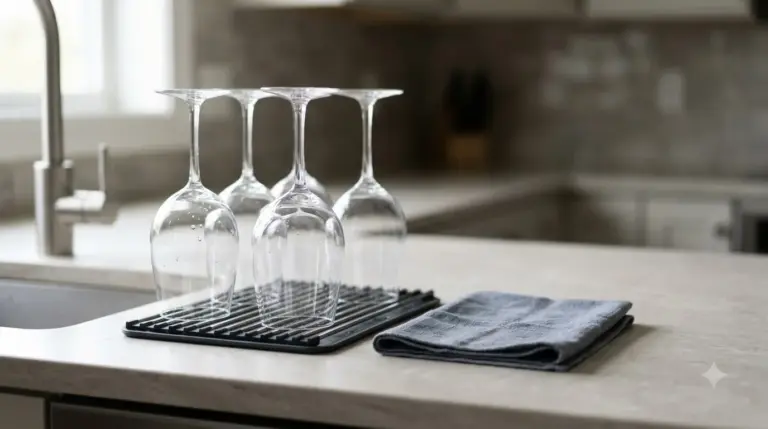
These instructions should not be combined into one universal rule. If the product documentation recommends dishwasher cleaning, use a suitable arrangement that keeps glasses separate and secure. If hand washing is recommended, use lukewarm water, mild detergent, and a soft cloth rather than gripping the bowl tightly.
Avoid sudden changes between very hot and very cold water. Thermal shock can put unnecessary stress on delicate glass. When drying, avoid twisting the stem against the bowl, since applying pressure at the connection point is an unnecessary risk.
Storing delicate stemware
Store the glasses upright in a cabinet with enough clearance above the rim. The 235 mm Universal and 230 mm White Wine glasses need sufficient vertical space, while the Balance requires more width because of its 113 mm bowl.
Do not force glasses into tightly packed racks. Contact between neighboring bowls can cause chips or scratches, particularly when glasses are moved in and out of storage. A dedicated shelf with separation between pieces is a more sensible arrangement.
For a larger collection, consider organizing glasses by shape. Keep the Universal together, the White Wine glasses in a separate area, and the broader Balance glasses where they can be reached without moving other pieces.
Serving Chardonnay at the right temperature
Temperature influences how Chardonnay’s aromas and structure are perceived. A practical starting point for full-bodied white wine is 50 to 55 degrees Fahrenheit, while lighter whites are generally served around 45 to 50 degrees Fahrenheit.
A fresh, unoaked Chardonnay can be served toward the cooler end of the light-white range. A fuller, oak-aged Chardonnay often benefits from a slightly warmer serving temperature, which allows more of its aromatic complexity to emerge.
Avoid serving rich Chardonnay directly from an extremely cold refrigerator if the goal is to appreciate its full aromatic profile. Allow the bottle to warm slightly before pouring, and adjust the temperature according to the wine’s weight and style.
Tip: Start with a 5-ounce pour in the Zalto Universal or Balance. The space above the wine helps concentrate aromas, and a moderate pour makes it easier to swirl without spilling from the bowl.
For a special bottle, compare the same Chardonnay in two different glasses rather than assuming that the largest bowl will always be superior. The contrast between the Universal and Balance can be especially informative when a wine has both pronounced fruit and noticeable oak influence.
Ultimately, consistent handling and a suitable serving temperature will contribute more to a comfortable drinking experience than constantly switching between glass shapes. A glass should support the wine and the occasion without making ordinary service unnecessarily complicated.
Frequently Asked Questions
Does Zalto make a glass specifically named Chardonnay?
No dedicated Chardonnay-named model appears in the Denk’Art collection. Zalto instead assigns Chardonnay to different glass shapes according to style, including Universal, White Wine, Balance, and Burgundy. The range therefore uses wine characteristics rather than grape-specific naming as its main selection principle.
Are Zalto glasses made from lead crystal?
The Universal is described by Borough Kitchen as handmade, mouth-blown non-lead crystal, while The Manufactory identifies the Balance as individually mouth-blown from lead-free European crystal. These descriptions distinguish the materials from traditional lead-containing crystal. Buyers can consult the documentation for their specific model when material composition is an important purchasing consideration.
Can Zalto glasses be used for blind wine tastings?
Yes. Zalto glasses can be used for comparative tastings, although their different bowl shapes may influence the aromatic presentation. For a controlled comparison, use the same glass model for every wine in the flight. This keeps glass shape consistent while allowing differences between the wines to remain the main focus.
Does the Zalto Balance glass have a shorter stem than the Universal?
The Balance has an overall manufacturer-listed height of 195 mm, compared with 235 mm for the Universal. Its broad bowl and shorter overall profile create a visibly different silhouette. The Manufactory also features owner comments that specifically mention appreciation of its shorter stem and wide bowl.
Can Zalto glasses be used for nonalcoholic drinks?
Yes. The Zalto Denk’Art range includes a dedicated Water glass with a listed capacity of 420 ml and height of 195 mm. The manufacturer recommends it for water and nonalcoholic drinks as well as certain lighter beers. This provides a matching tableware option for people who want coordinated glassware beyond wine service.
The best Zalto Chardonnay glass is the one that matches the style of Chardonnay most often served. Choose the Universal for versatility, the White Wine glass for fresh and unoaked bottles, or the Balance for fuller, oak-influenced wines. For most buyers, starting with one versatile shape and adding a more specialized glass later is a practical way to build a collection without purchasing unnecessary stemware.
More in Wine Glasses
 Zalto Crystal Wine Glasses: Are They Worth the Investment?Updated Nov 21, 2026
 Villeroy And Boch White Wine Glasses for a More Cohesive TableUpdated Nov 21, 2026
 Zalto Wine Glasses On Sale: Find the Right Denk’Art GlassUpdated Nov 21, 2026
 Zwiesel Glas Champagne Glasses: Features, Quality and Buying AdviceUpdated Nov 21, 2026
 Zwiesel Glas Decanter Review: A Durable, Elegant Choice for Wine ServiceUpdated Nov 21, 2026
 Zalto Cabernet Glass Review: Features, Fit, and CareUpdated Nov 21, 2026