

We may earn a commission when you buy through links on this page, at no extra cost to you. Learn more.
Duralex champagne glasses are a practical choice for serving Champagne, Prosecco and other sparkling wines, particularly if you want a traditional, narrow flute with an everyday-friendly design. A retailer lists a French-made Duralex Champagne Flute with a 17 cl capacity, a long stem and a narrow bowl designed to support visible bubbles. Its straightforward styling makes it suitable for casual celebrations, dinner parties and regular sparkling-wine service. However, shoppers should distinguish this stemmed flute from Duralex’s better-known Le Picardie tumblers, which have a different shape and purpose.
Duralex is best known for durable French glassware, especially its recognizable Picardie tumblers. Its champagne-flute offering brings a different look to the table, pairing the familiar practicality associated with the brand with a traditional sparkling-wine silhouette. That distinction matters because a champagne flute serves a different purpose from an ordinary water glass or cocktail tumbler. This review examines the available product specifications, drinking experience, practical advantages and limitations to help determine whether a Duralex flute belongs in your glassware collection.
Specs and Key Features of Duralex Champagne Glasses
The Duralex Champagne Flute listed by retailer Delishop has a 17 cl capacity and a conventional tall, narrow profile. Its stem separates the hand from the bowl, while its small opening provides the traditional appearance associated with celebratory sparkling-wine service.
One important distinction is that the available retailer listing identifies the flute separately from the Le Picardie collection. The Picardie is a recognizable everyday tumbler, while the champagne flute is a stemmed piece of glassware intended for sparkling wines. The manufacturer’s broader glassware guidance also explains why champagne flutes have a slender shape: their narrow bowls are designed to help maintain visible effervescence.
The available product information identifies the flute as French-made and gives its barcode as 3550190503104. The retailer also describes it as dishwasher-safe and machine-made. These details provide a useful starting point, although the manufacturer does not provide a complete technical specification sheet for this particular flute on the official product pages reviewed here.
| Specification | Duralex Champagne Flute |
|---|---|
| Product category | Champagne flute |
| Brand | Duralex |
| Capacity | 17 cl / approximately 5.75 fl oz |
| Country of origin | France |
| Shape | Tall, narrow bowl |
| Construction | Machine-made glass, according to retailer |
| Stem | Long stem |
| Base detail | Sparkling point, according to retailer |
| Dishwasher compatibility | Listed as dishwasher-safe by retailer |
| Barcode | 3550190503104 |
The 17 cl capacity is a useful size for a conventional sparkling-wine pour. A standard wine serving is approximately 5 ounces, or about 148 ml, so a 170 ml flute offers enough room for a measured serving while leaving space above the wine. That headroom is important because sparkling wine produces foam immediately after pouring, particularly when the bottle and glass are at different temperatures.
The retailer describes a small sparkling point at the bottom of the bowl. In champagne glass design, this feature can provide a location where bubbles begin forming and rising through the wine. It contributes to the visual presentation, although the actual bubble pattern also depends on the wine, the glass surface and the pouring technique.
For buyers comparing several types of glassware, the capacity alone should not determine the decision. A 17 cl flute is considerably more specialized than a general-purpose tumbler. Its narrow shape is intended for sparkling-wine service rather than water, large mixed drinks or full-bodied red wines.
There is also a distinction between Duralex’s established tempered-glass reputation and the exact construction of this particular flute. Duralex’s official material describes its broader glassware manufacturing and tempering expertise, but the individual flute listing does not provide a detailed technical statement confirming that this specific model uses the same tempered construction as the Picardie range. Buyers should avoid assuming that every Duralex product has identical construction simply because it carries the same brand name.
For general background, Duralex explains its manufacturing history and tempered-glass approach on its official brand history page. The information helps explain the company’s reputation without confusing the specifications of one glassware category with another.
What Owners and Everyday Users May Appreciate
The strongest appeal of Duralex champagne glasses is their combination of a traditional flute profile and a relatively straightforward everyday design. Their 17 cl capacity, long stem and narrow bowl make them suitable for serving sparkling wine without requiring an oversized or unusually elaborate piece of stemware.
The available retailer description highlights several functional characteristics that matter during ordinary use. These include the narrow bowl, the stem, the bubble-producing point and dishwasher compatibility. While these are product-listing specifications rather than independently verified owner-test results, they provide a reasonable basis for evaluating the design.
One advantage of a traditional flute is the way it presents sparkling wine. Champagne, Prosecco and other sparkling wines are visually appealing because of their streams of bubbles. A narrow bowl provides a clear view of those streams and gives the drink a recognizable celebratory appearance. This makes the flute particularly appropriate for toasts, receptions and formal dinners.
A familiar shape for celebrations
Traditional champagne flutes have a clear visual identity. Their slender bowls and stems immediately communicate that the drink is intended for a special occasion. Duralex’s listed flute follows this familiar format, so it can fit naturally into a table setting for a wedding anniversary, holiday meal or birthday celebration.
The stem is also practical. Holding a glass by its stem rather than wrapping a hand around the bowl helps limit the transfer of warmth from the hand to chilled sparkling wine. This is especially useful because sparkling wines are generally served cold, with a typical serving temperature of approximately 40 to 50 degrees Fahrenheit.
That temperature range helps maintain freshness and keeps the wine refreshing. A glass that is constantly warmed by the hand can work against that purpose, particularly during a longer reception or dinner.
A manageable serving size
The listed 17 cl capacity is another useful characteristic. It is large enough to accommodate a conventional pour while maintaining the slender proportions associated with flute glassware. It also discourages the oversized servings that can make sparkling wine warm before the drink is finished.
For a host serving several guests, a consistent glass capacity helps make pouring more predictable. A standard 750 ml bottle provides approximately five standard 5-ounce servings. A collection of matching 17 cl flutes makes it easier to distribute those servings consistently while retaining space for bubbles and foam.
There is also an advantage to choosing a dedicated sparkling-wine glass instead of using the same tumbler for every drink. A flute gives Champagne and Prosecco their own presentation, while water glasses and cocktail glasses can remain separate on the table.
Practicality over decorative complexity
Duralex has a long association with functional glassware. Its Le Picardie collection, introduced in 1954, became recognizable for its beveled sides and practical appearance. That history helps explain why shoppers may consider the brand when looking for uncomplicated everyday tableware.
The champagne flute serves a different role, but its relatively conventional design makes it easy to incorporate into a mixed glassware collection. It does not require a particularly elaborate table setting or a highly formal occasion to look appropriate.
For buyers who already own Duralex tumblers, adding a matching-brand sparkling-wine glass can create some visual continuity without requiring every glass on the table to have the same shape. That is useful for households that want functional glassware with a recognizable French design identity.
Common Complaints and Important Limitations
The main limitation of Duralex champagne glasses is that the available information does not establish the complete technical specifications or current availability of every version. Buyers should also consider the practical drawbacks of traditional flutes, including their narrow openings, stemmed construction and more specialized serving purpose.
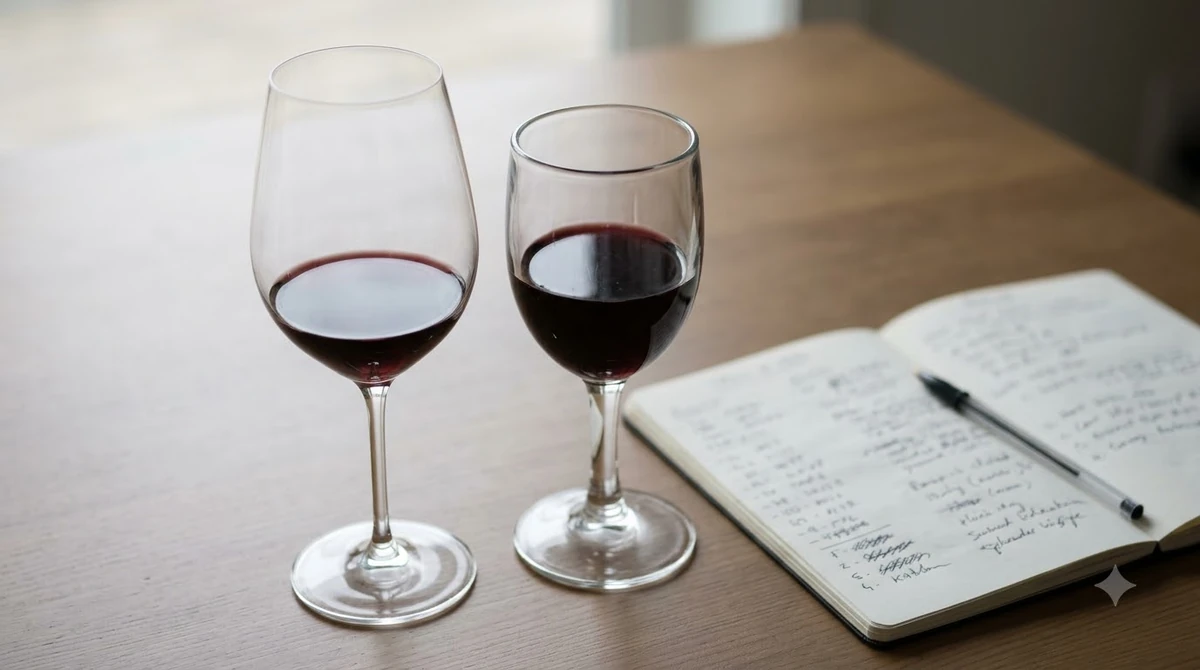
Unlike a sturdy everyday tumbler, a champagne flute has a taller profile and a relatively narrow bowl. This gives it a more formal appearance but can make storage and handling less convenient. The shape also limits how easily it can be used for drinks other than sparkling wine.
Limited technical documentation
The retailer listing provides the 17 cl capacity, country of origin, stem description and dishwasher-safe designation. However, it does not provide a complete dimensional drawing, a measured rim diameter, the exact height or a detailed explanation of the glass composition.
Those omissions matter to buyers who want to compare glassware precisely. Height affects cupboard clearance and storage, while bowl width influences the amount of room available for aromas and the ease of drinking. Without those measurements, a direct technical comparison with another manufacturer’s flute is incomplete.
There is also no sufficiently detailed manufacturer specification for this particular model in the available official product information to establish its precise resistance to impact. Duralex’s broader tempered-glass claims should not automatically be applied to a separate stemmed product.
The narrow bowl is not ideal for every sparkling wine
A narrow flute is traditionally associated with Champagne, but it is not necessarily the best glass for every sparkling wine. The restricted opening can make it harder to explore complex aromas, particularly in vintage Champagne or sparkling wines made with extended lees aging.
For example, a mature Champagne from a producer such as Bollinger may offer layers of toast, citrus, nuts and developed fruit. A wider wine glass provides more room for those aromas to develop and makes it easier to appreciate the wine’s changing character.
By comparison, a straightforward non-vintage Brut Champagne or a fresh Prosecco can be perfectly enjoyable in a traditional flute. The narrower shape emphasizes the bubbles and keeps the presentation focused on freshness and celebration.
Stemmed glassware requires sensible handling
The long stem gives a champagne flute its traditional appearance, but it introduces another point that needs care. Holding the glass by the stem is sensible, yet twisting, squeezing or gripping it too tightly can create unnecessary pressure.
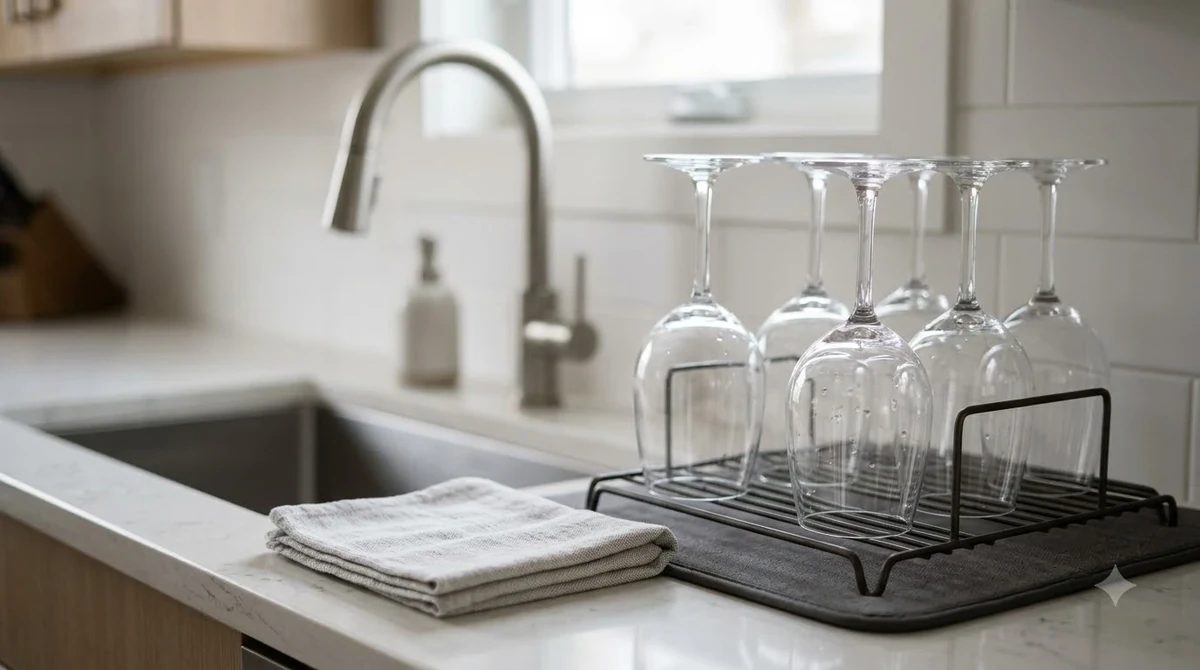
Washing stemware also requires more attention than washing a compact tumbler. Glasses should have enough room in the dishwasher to avoid knocking against one another. If washing by hand, use a soft cloth and support the bowl and stem without twisting them in opposite directions.
Dishwasher compatibility is listed by the retailer, but that does not mean every dishwasher cycle, detergent or loading arrangement is equally suitable. A crowded rack or aggressive contact with other dishes can still damage delicate glassware.
Availability may be inconsistent
Another consideration is the difference between a product being listed by a retailer and being consistently available through US distribution channels. The reviewed 17 cl listing is from an Asian retailer rather than a confirmed US stockist. Consequently, American shoppers may find it more difficult to locate the precise flute than a familiar Duralex tumbler.
It is sensible to confirm the product’s identity before purchasing, particularly when marketplace descriptions use similar names for different glasses. The barcode 3550190503104 provides a useful identifying detail when checking whether a listing refers to the same item.
Who Should Buy Duralex Champagne Glasses and Who Should Skip Them
Duralex champagne glasses are most appropriate for people who want a conventional flute for casual sparkling-wine service, small celebrations and everyday entertaining. They are less suitable for buyers whose priority is detailed aroma evaluation, elaborate stemware presentation or a highly specialized tasting experience.
Who should consider buying them
These glasses make sense for households that regularly serve Prosecco, non-vintage Champagne, Cava or other fresh sparkling wines. Their narrow profile and 17 cl capacity suit a measured pour, while the stem offers the familiar way of holding chilled sparkling wine.
They are also worth considering for hosts who want a dedicated glass for celebratory occasions. A flute creates a more formal presentation than a standard tumbler, making it appropriate for a dinner party, holiday gathering or wedding reception.
Buyers who already use Duralex products may appreciate keeping their glassware collection within one familiar brand. The company has an established history of producing French tableware, and its recognizable design language makes it a natural consideration for people who prefer understated, functional glassware.
Another potential buyer is someone furnishing a small home bar. A dedicated champagne flute makes it possible to serve sparkling wine properly without purchasing a large collection of specialized wine glasses. The 17 cl capacity provides a sensible middle ground for individual servings.
Who should look elsewhere
Wine enthusiasts who regularly compare complex Champagnes may prefer a wider tulip-shaped glass. The additional bowl space can make it easier to examine aromas, while a slightly narrower rim can still help preserve some concentration.
People who prioritize durability above everything else should also examine the precise construction of the individual flute. Duralex has a strong association with tempered tableware, but the available information does not conclusively establish the flute’s individual tempering specifications.
Households with limited cupboard space may prefer compact everyday tumblers. Stemmed flutes need more careful storage, particularly if they cannot be suspended or separated in a dedicated glass rack.
Finally, buyers looking for one universal glass should consider a more versatile wine-glass shape. A traditional flute is designed around sparkling-wine service. It is not the most flexible option for Cabernet Sauvignon, Chardonnay, cocktails or everyday water service.
Tip: If you regularly serve both sparkling wine and still wine, consider keeping two different glass styles. Use a narrow flute for casual Champagne and Prosecco service, and a wider bowl for aromatic still wines or more complex sparkling bottles.
How Duralex Champagne Glasses Compare to Alternatives
Duralex’s champagne flute occupies a different category from its familiar Picardie tumbler and from conventional wine glasses. Its strongest advantage is its dedicated sparkling-wine shape, while its limitations are largely related to the specialized nature of that design.
Understanding these differences helps prevent a common purchasing mistake: assuming that all glasses from the same manufacturer are interchangeable. Duralex offers several kinds of glassware, but a water tumbler, cocktail glass and champagne flute have different proportions and serving purposes.
Duralex flute versus Le Picardie tumbler
The Le Picardie is probably the most recognizable Duralex glass. Introduced in 1954, it is distinguished by nine facets, a beveled profile and a practical tumbler shape. The manufacturer’s catalog lists capacities ranging from 9 cl to 50 cl, giving shoppers several options for everyday drinking and entertaining.
The champagne flute, by contrast, is a tall, stemmed design with a narrow bowl. The retailer’s listing specifies a 17 cl capacity and describes it as suitable for Champagne, Prosecco and other sparkling wines.
These products serve different purposes. A 25 cl Picardie is a sensible choice for water or a casual mixed drink, while a 17 cl flute offers a more appropriate presentation for a sparkling-wine toast.
The Picardie is also more adaptable for households that use the same glass for several beverages. The flute is more specialized, but its shape is better suited to the traditional presentation of sparkling wine.
Duralex flute versus a conventional wine glass
A conventional wine glass generally has a wider bowl than a flute. This allows more contact between the wine and the air, helping release aromas and making the drink easier to swirl.
For still wines, this distinction is important. Cabernet Sauvignon, Merlot and Pinot Noir benefit from different bowl characteristics depending on their structure and aromatic profile. A narrow champagne flute is not intended to replace those dedicated wine-glass shapes.
A flute, however, makes sense for straightforward sparkling-wine service. Its shape creates an unmistakable celebratory appearance and emphasizes the visual movement of bubbles. For a casual toast involving chilled Brut Champagne or Prosecco, this is often precisely the experience a host wants.
Duralex flute versus a wider sparkling-wine glass
Some wine drinkers prefer a tulip-shaped sparkling-wine glass instead of a traditional flute. A tulip usually has a wider middle section and a slightly narrower opening. This design provides additional room for aromas while retaining some of the visual appeal of a slender sparkling-wine glass.
That makes a tulip-shaped glass particularly interesting for more complex Champagne. Wines with extended aging or pronounced lees character can benefit from the additional room for aromatic development.
The traditional flute remains a practical option for simpler sparkling wines and celebratory occasions. It emphasizes appearance and effervescence rather than providing the broadest possible aromatic experience.
Shoppers comparing different glassware designs can also browse our guide to champagne flutes for a broader look at the shapes and features that matter when selecting sparkling-wine stemware.
For a wider collection of everyday and specialty glassware, our wine glasses guide explains how bowl size, rim shape and overall construction influence serving choices. Those comparisons are particularly useful if the goal is to buy one set that works for several wine styles rather than a dedicated sparkling-wine glass.
Duralex’s wider range is also relevant to the decision. Its Le Picardie cocktail glasses, for example, come in 36 cl and 50 cl capacities, according to the official product listing. They offer a more casual alternative for mixed drinks, although their broad bowl and lack of a stem make them a different product from a champagne flute.
Frequently Asked Questions
Are Duralex champagne glasses made in France?
The retailer listing identifies the 17 cl Duralex Champagne Flute as French-made. Duralex also identifies La Chapelle-Saint-Mesmin as its historic manufacturing location. The exact manufacturing details of an individual purchase can be confirmed through its product identification and packaging.
What does the barcode on the Duralex champagne flute identify?
The retailer lists barcode 3550190503104 for its 17 cl Champagne Flute. This number can help distinguish the product from similarly named Duralex tumblers and other stemware listings. It is particularly useful when checking product descriptions across different retailers.
Can sparkling rosé be served in Duralex champagne glasses?
Yes. A traditional champagne flute can serve sparkling rosé just as it serves white sparkling wine. The narrow bowl displays the bubbles and highlights the wine’s color, although a wider glass may provide a better opportunity to explore complex rosé aromas.
Should champagne glasses be chilled before serving?
Chilling the glasses briefly can help keep sparkling wine at its intended serving temperature. However, avoid freezing them, as excessive cold can make the wine seem less expressive and may create unwanted temperature differences. A clean, cool glass is generally sufficient for ordinary service.
How many Duralex champagne flutes are needed for a dinner party of eight?
Eight guests need at least eight flutes if everyone will receive sparkling wine simultaneously. Having two additional glasses provides a practical reserve for breakage, second servings or guests who prefer to switch between drinks. A 750 ml bottle provides approximately five standard 5-ounce servings, so two bottles provide enough for eight guests to enjoy one measured pour each.
Duralex champagne glasses offer a straightforward way to serve sparkling wine in a traditional flute format, with a listed 17 cl capacity and French origin. They are most appealing to households that value a practical, recognizable glass for celebrations rather than specialized tasting stemware. Confirm the precise model and its construction before purchasing, particularly if tempered-glass performance is a major part of the decision.
More in Wine Glasses
 Spiegelau Crystal Wine Glasses That Bring Clarity to Every PourUpdated Nov 21, 2026
 Zalto Crystal Wine Glasses: Are They Worth the Investment?Updated Nov 21, 2026
 Villeroy And Boch White Wine Glasses for a More Cohesive TableUpdated Nov 21, 2026
 Zalto Wine Glasses On Sale: Find the Right Denk’Art GlassUpdated Nov 21, 2026
 Zwiesel Glas Champagne Glasses: Features, Quality and Buying AdviceUpdated Nov 21, 2026
 Zwiesel Glas Decanter Review: A Durable, Elegant Choice for Wine ServiceUpdated Nov 21, 2026