

We may earn a commission when you buy through links on this page, at no extra cost to you. Learn more.
The best glass decanter depends on the wine you pour most often: a wide bowl suits young, bold reds, while a narrow carafe is gentler on older bottles. Glass does not react with wine, it lets you see the color and any sediment, and it is easy to find in many sizes. Choose the shape first, then the stopper and capacity.
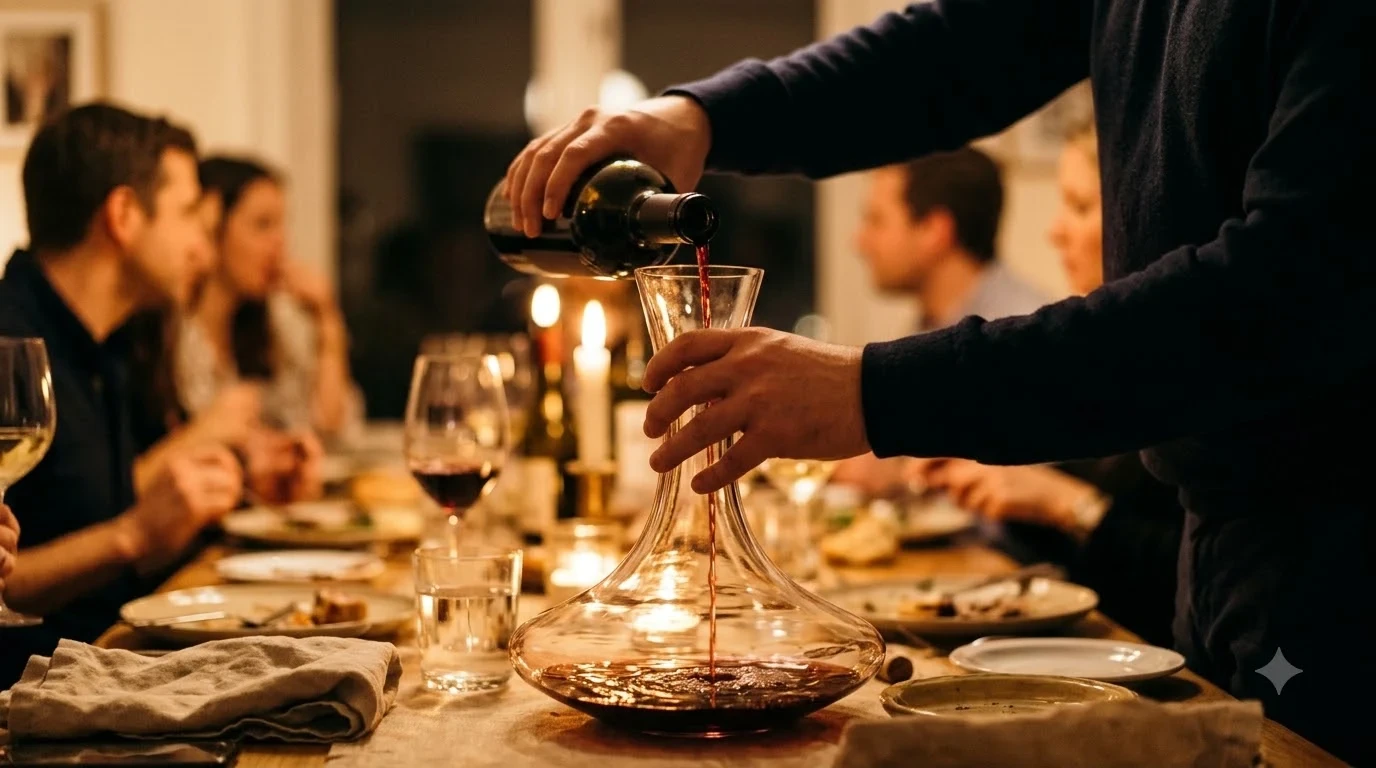
A decanter does two jobs. It lets air reach the wine before you serve it, and it turns a bottle into something that looks good on the table. Many people also use one to pour a bottle without the sediment that some older reds leave at the bottom, which is another reason to keep a clear glass piece on hand. This guide sorts glass decanters by the kind of wine they handle best, so you can match one to the bottles on your shelf instead of buying a piece that looks nice but does not suit how you drink.
Quick Comparison of Glass Decanter Types
Most glass decanters fall into a few shape families. The table compares them by the wine they suit, how much surface they expose to air, and how easy they are to wash. Shape matters more than decoration, because the size of the opening and the width of the base control how quickly air reaches the wine.
| Decanter type | Best wine style | Air contact | Cleaning |
|---|---|---|---|
| Wide-base bowl | Young, bold reds | High | Needs a long brush |
| Narrow carafe | Older bottles that need gentle air | Low to moderate | Narrow neck is harder to reach |
| Stoppered decanter | Keeping a partly poured bottle | Low once sealed | Easy through a wide mouth |
| Hand-blown glass | Table presentation and gifts | Depends on shape | Gentle on the rim |
| Simple glass pitcher-style | Casual weeknight wines | Moderate | Simple to wash |
Best for Young, Bold Reds: The Wide-Base Bowl
A wide-base decanter is the shape most people picture when they think of decanting. The large surface lets a young, tannic red open up faster, which helps soften harsh edges in a bottle that has not had time to settle.
Why it stands out: The broad bowl exposes a lot of wine to air in a short time, so a cabernet or syrah can be ready in less time. It also looks dramatic on a sideboard.
Keep in mind: Wide bowls are harder to clean, and they hold a lot of liquid, so they suit a full bottle more than a half pour.
Best for: Hosts who open big reds for a dinner and want the wine ready at the same time as the food.

- Capacity
- 750 ml
- Material
- Lead-free crystal glass
- Size
- 8.5 x 10 inches
- Care
- Dishwasher safe
Younger, tannic reds open up when given room, and this decanter provides it. Its wide hand-blown body holds a full 750 mL bottle, so the wine has plenty of surface for aeration. An integrated glass handle and slanted spout make pouring controlled, while the wide opening makes it easy to clean, and the crystal glass is dishwasher safe too.
Pros & ConsView
- Wide body aerates a full 750 mL bottle
- Integrated glass handle and slanted spout
- Wide opening makes cleaning easy
- Holds only one standard bottle at a time
- Stands 10 inches tall, so it needs roomy storage
Best for Older Bottles: The Narrow Carafe
Older wines often have a more delicate structure. A narrow carafe limits the surface area, so the wine breathes slowly and keeps its perfume longer. This is the shape many people choose for a bottle that has already aged.
Why it stands out: The slim neck gives you control over how much air enters, and it makes it easy to leave a sediment line behind when you pour.
Keep in mind: A narrow neck can be hard to reach with a sponge. A set of long, thin brushes or a bit of uncooked rice with warm water will help.
Best for: Collectors and anyone opening a special bottle who wants a gentler approach.

- Material
- Lead-free crystal
- Capacity
- 750 ml
- Lid
- Crystal stopper
- Size
- 5"W x 12"H
A traditional silhouette and brilliant crystal make this carafe a natural display piece for a vintage bottle. It holds a standard 750 ml pour, stands 12 inches tall on a 5 inch base, and comes with a crystal stopper. The Dublin collection suits classic decor, and the lead-free crystal keeps it safe for regular use.
Pros & ConsView
- Lead-free crystal with a timeless look
- Crystal stopper protects the wine between pours
- Holds exactly one standard 750 ml bottle
- Tall 12 inch shape needs a roomy shelf
- No filter or aerator is built in
Best for Keeping Leftovers: Stoppered Glass Decanters
Not every bottle is finished in one sitting. A decanter with a tight glass stopper gives you a sealed vessel for the rest of the bottle, which is handy when you want to pour a second glass another night.
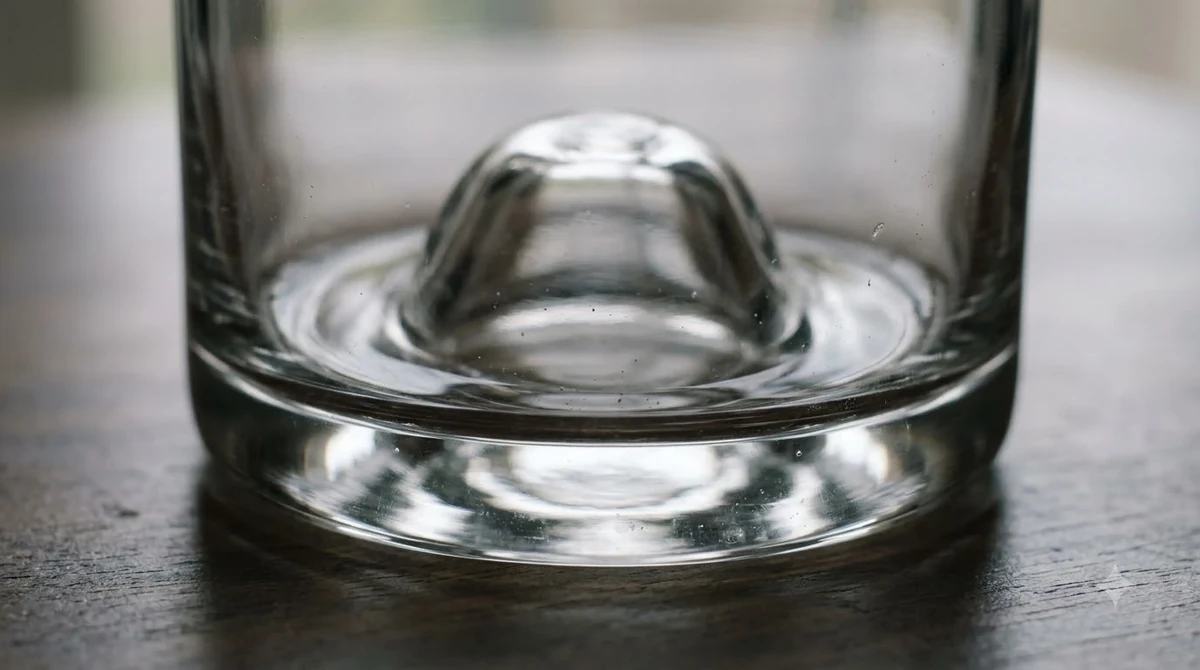
Why it stands out: A stopper reduces the air that reaches the wine after the first pour, so you keep more control over the bottle.
Keep in mind: Sealing a decanter does not stop oxidation entirely, and a decanter is not a substitute for a wine stopper or a refrigerator. VinePair’s guide to storing an open bottle suggests moving leftovers to a half bottle or refrigerating the original, and those steps still apply.
Best for: Couples and small households who open one bottle a week and want to avoid pouring the rest down the sink.

- Capacity
- 950 ml (32 oz)
- Material
- Lead-free crystal glass
- Seal
- Food-grade silicone stopper
- Care
- Hand or dishwasher
A stopper that actually seals is what makes leftovers manageable. The silicone-lined stopper is airtight to prevent leaks and lets you store a pour for later, and the 32 oz (950 ml) body has room for most of a bottle. A textured stripe surface gives grip, and it can be washed by hand or in the dishwasher. The listing positions it for whiskey and other spirits as well as wine.
Pros & ConsView
- Airtight silicone stopper prevents leakage
- 950 ml capacity fits a full bottle
- Hand wash or dishwasher safe
- Marketed mainly as a liquor decanter
- Narrow 3.5 inch body, little aeration surface
Best for the Dinner Table: Hand-Blown Glass
Hand-blown decanters have a softer look than machine-pressed pieces, with slight variation in thickness and shape. They work well as a centerpiece and make a thoughtful gift for someone who collects wine.
Why it stands out: Each piece has its own character, and a well-made decanter with a smooth rim pours cleanly without drips.
Keep in mind: Hand-blown glass can be more fragile than heavier pressed glass, so look for a thick base and handle it carefully when you wash it.
Best for: Guests who want a visible ritual when wine is served, and people who value décor as much as function.
Best for Everyday Wines: The Simple Glass Pitcher
You do not need a fancy vessel to decant. Many people use a plain glass pitcher or a clean carafe for a weeknight bottle. Wine writers have pointed out that plastic pitchers, mason jars, and even empty bottles can work for everyday use, so a simple glass piece is a sensible starting point.
Why it stands out: It is inexpensive to replace, easy to fit in a dishwasher if the maker allows it, and it works for both red and white.
Keep in mind: Plain pitchers do not look like much on the table, and the pouring lip may be less precise than a purpose-made decanter.
Best for: Anyone who wants to try decanting before investing in a shaped piece.

- Capacity
- 25 oz
- Material
- Lead-free glass
- Size
- 3.58 in W x 8.78 in H
- Stopper
- Glass stopper
A simple square glass decanter that serves everyday wine as easily as spirits. The 25 oz body is mid-size, so think of it as a carafe for a couple of generous pours rather than a pitcher for the whole table. It has a solid, weighty feel, a glass stopper, and is listed as airtight and dishwasher safe, with a blank front panel for engraving.
Pros & ConsView
- Simple square glass with solid heft
- Glass stopper, listed as airtight
- Dishwasher safe with engraving area
- Not sized as a large pitcher
- Marketed as a whiskey decanter
How to Choose a Glass Decanter
Start with the wines you open most. If you drink bold reds, a wide base gives more air. If you mostly open older bottles, a narrow carafe is more forgiving. The checklist below covers the details that matter after shape.
- Opening width: A wide mouth is easier to clean and to fill, but it exposes more wine to air.
- Base size: Choose a base that fits your sink and dishwasher, and one that stays stable on a table.
- Stopper: A tight glass stopper helps if you keep wine for a day or two.
- Capacity: A decanter that holds one full bottle fits most dinners. Larger pieces suit parties.
- Rim quality: A clean, even lip pours without dribbling down the outside.
It also helps to think about the rest of your routine. If you decant at the table during dinner, a piece with a steady base and an easy grip matters more than a delicate shape. If you decant ahead of time in the kitchen, a stopper and a wide opening will save effort later. A decanter that you actually use every week is better than a larger one that stays in a cabinet, so be honest about how often you will open a bottle that needs air.
Finally, consider the glasses you pour into. A decanter and a matched set of glasses can make the table look coordinated, but any clear, simple glass will show the color of the wine. The Aerators & Decanters section of the site groups these pieces by type, which makes it easier to compare shapes side by side before you buy.
Frequently Asked Questions
Does a glass decanter change the taste of wine?
Decanting exposes wine to oxygen, which can soften tannins and open aromas in some bottles. The effect depends on the wine. Young, tannic reds usually benefit most, while many whites and light reds change very little.
How long should I let wine breathe in a decanter?
The VinePair decanting guide suggests pouring the wine 15 to 20 minutes before serving. Older, more delicate bottles may need less time, so taste as you go.
Is crystal better than plain glass for a decanter?
Crystal is heavier and can look brighter, but plain glass works just as well for pouring and aeration. Choose the one that fits your budget and the way you plan to clean it.
How do I clean a narrow decanter?
Rinse it soon after use, then fill it with warm water and a small amount of mild soap. Use a long brush for the neck, and let it dry upside down so no water pools inside.
A glass decanter is worth matching to your habits. Pick the shape that suits the wines you open, then add a stopper or size that fits how often you pour. For more options, browse the wine decanter guide, or compare decanter set options if you want a matched pair of glasses and vessel. For storage tips after you open a bottle, see how long does red wine last after opening.
More in Decanters & Aerators
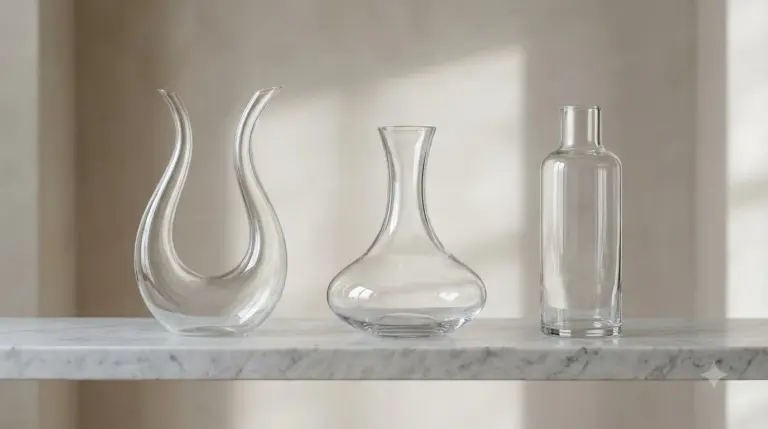 Best Whiskey and Wine Decanter: Choosing One Vessel for Both DrinksUpdated Nov 18, 2026
 Best Tower Decanter: How to Pick the Right Shape for Your WineUpdated Nov 18, 2026
 Best Cleaning Brush Decanter Options for Narrow Necks and Deep BowlsUpdated Nov 19, 2026
 Best U Shaped Decanter Picks for Aerating Bold Red WineUpdated Nov 18, 2026
 Best Electric Decanter Styles for Faster, Smoother Wine PoursUpdated Nov 18, 2026
 Best Hand Blown Decanter Styles for Every Bottle and TableUpdated Nov 18, 2026