

We may earn a commission when you buy through links on this page, at no extra cost to you. Learn more.
If you are wondering what does Saperavi taste like, expect an intensely dark, full-bodied red wine defined by ripe blackberry, black plum, and sour cherry flavors layered over black pepper, tobacco, and earthy spice. Native to Georgia, this rare red-fleshed grape balances chewy, high tannins with bright, mouthwatering acidity that keeps its dark fruit profile lively. Depending on how it is made, Saperavi can range from crisp, unoaked clay-vessel bottlings to velvety oak-aged reds and even juicy semi-sweet styles.
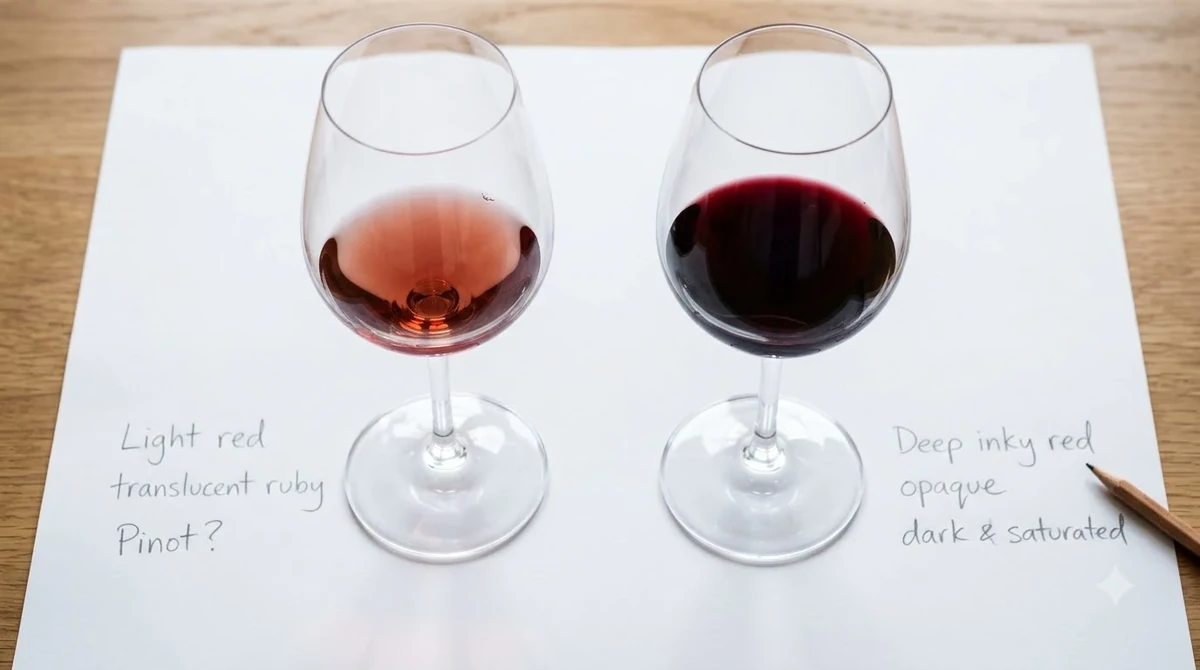
Because Saperavi carries both deeply pigmented skins and red juice, it pours nearly opaque in the glass before you even take a sip. Understanding how its natural acidity, firm structure, and traditional winemaking methods shape the flavor makes it much easier to pick a bottle that fits your dinner table.
What It Is
Saperavi is an ancient red wine grape indigenous to the country of Georgia in the South Caucasus, where archaeological evidence of winemaking stretches back roughly 8,000 years. Its name translates from Georgian as “dye” or “giver of color,” a direct reference to its unusual genetics.
Unlike almost every familiar red wine grape—such as Cabernet Sauvignon or Pinot Noir, which have clear juice inside dark skins—Saperavi is a teinturier variety. Both its skin and its interior pulp contain red pigment. When winemakers crush the berries, the juice runs crimson immediately, giving the finished wine an inky, violet-black color that stains the sides of a glass.
In Georgia, Saperavi is the country’s flagship red grape and the backbone of its red wine identity. While it belongs to a completely different part of the winemaking map than classic Western European grapes in our guide to Wine by Type, its structure feels immediately familiar to fans of full-bodied reds. High natural acidity sits right alongside dense polyphenols, giving the grape remarkable longevity and versatility in the cellar.
Flavor and Styles
At its core, dry Saperavi delivers concentrated dark fruit—think blackberry, black plum, blackcurrant, and tart wild cherry—paired with savory undertones of black pepper, dried herbs, leather, and iron-rich earth. The interplay between high acidity and firm, grippy tannins gives the wine weight without making it feel heavy or syrupy.
Winemaking choices dramatically shift how those core flavors show up in your glass. As outlined in Wine Folly’s overview of Caucasus grape varieties, Saperavi is unusually adaptable and can be vinified into dry reds, semi-sweet reds, rosés, and even fortified wines. In its homeland, the primary fork in the road is between traditional clay-vessel fermentation and modern European cellar techniques.
When fermented and aged in qvevri—large beeswax-lined clay amphorae buried underground—Saperavi develops a distinct textural grip and earthy complexity. Skin contact in clay emphasizes sour plum, walnut skin, dried forest floor, and savory spice without any vanilla or toast from wood. By contrast, Saperavi matured in French or American oak barrels leans into plush dark berry fruit, dark chocolate, cedar, and baking spice, softening the grape’s youthful edges into a rounder mouthfeel.
A third classic style is semi-sweet Saperavi, most famously associated with the Kindzmarauli appellation. Winemakers halt fermentation early by chilling the wine, leaving natural grape sugar intact. Because Saperavi carries naturally brisk acidity and dense tannins, those off-dry bottlings taste like fresh crushed blackberries and dark cherry jam rather than cloying dessert wine.
| Style | Winemaking Vessel | Primary Flavor Notes | Texture and Finish |
|---|---|---|---|
| Dry Qvevri Saperavi | Buried clay amphorae (qvevri) | Sour black plum, wild blackberry, dried herbs, walnut skin, earth | Grippy, structured tannins with crisp, savory acidity |
| Dry Oak-Aged Saperavi | French, American, or Caucasian oak barrels | Ripe blackcurrant, dark cherry, cedar, tobacco, dark chocolate | Full-bodied, velvety mid-palate with a spiced, lingering finish |
| Unoaked / Tank Saperavi | Stainless steel | Fresh red and black berries, pomegranate, cracked black pepper | Bright, energetic, and medium-to-full-bodied |
| Semi-Sweet Saperavi | Temperature-controlled tank or clay | Crushed blackberry, ripe plum, sweet cherry | Lush fruit sweetness balanced by brisk natural acidity |
Where It Grows
Georgia remains the spiritual and agricultural heartland of Saperavi, led by the eastern region of Kakheti. Protected by the Greater Caucasus Mountains and warmed by continental summers, Kakheti provides the long growing season Saperavi needs to ripen its thick skins while preserving crisp night-time acidity.
Within Kakheti, specific micro-zones produce distinct expressions. Mukuzani is known for structured, oak-aged dry reds with serious cellaring potential, while Napareuli and Kvareli turn out deeply concentrated single-appellation bottlings. Further west, the Kindzmarauli zone along the Alazani River Valley specializes in the celebrated semi-sweet style.
Beyond Georgia’s borders, Saperavi has established strong footholds across Eastern Europe, Central Asia, and even cool-climate pockets of North America. Neighboring Moldova and Ukraine cultivate significant acreage, producing structured dry reds and blends that highlight dark cherry and spice. In the United States, winemakers in New York’s Finger Lakes region have embraced Saperavi because its thick wood and late budding help it survive harsh winters while retaining racy acidity, and small plantings have also taken root in parts of Australia.
How to Serve
Proper serving temperature and aeration make a major difference with Saperavi, especially when opening a young bottle. Aim to serve dry Saperavi between 60°F and 65°F (16°C to 18°C), slightly cooler than standard indoor room temperature.
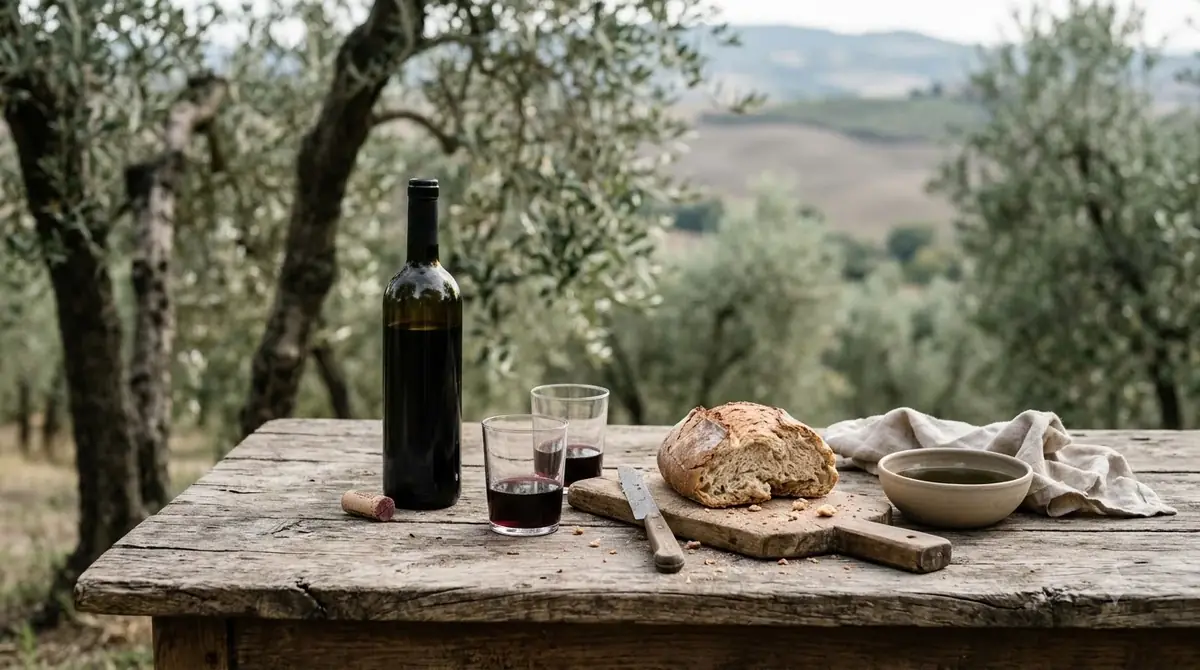
Serving the wine too warm dulls its signature acidity and makes the alcohol feel sharp on the finish. Conversely, chilling a tannic red below 55°F clamps down on the dark fruit aromatics and makes the tannins feel overly astringent. Twenty minutes in the refrigerator before pouring usually brings a room-temperature bottle right into the ideal range.
Decanting is equally helpful for bottles under five years old. Youthful Saperavi tends to be tightly wound, with assertive tannins dominating the palate right after the cork is pulled. Pouring the wine into a wide-bottomed decanter for 30 to 60 minutes introduces oxygen that rounds out the tannic grip and lets secondary notes of leather, licorice, and spice emerge. Older bottles aged ten years or more need much gentler handling, requiring only 15 to 30 minutes of air before serving in large-bowled red wine glasses.
Tip: If you are opening a young, qvevri-aged Saperavi and do not own a decanter, pour the wine into a standard glass pitcher 45 minutes before dinner, then funnel it back into the bottle for easy pouring at the table.
Food Pairing
Saperavi is built for rich, savory, and smoky foods that can stand up to its firm tannins and high acidity. In Georgian cuisine, it is the default partner for mtsvadi (charcoal-grilled pork or lamb skewers), juicy khinkali soup dumplings, and warm, cheese-filled khachapuri bread.
At an American table, those same structural traits translate effortlessly to grilled ribeye steak, smoked beef brisket, braised short ribs, and roasted leg of lamb. The fat and protein in marbled meats bind to Saperavi’s tannins, making the wine taste smoother while the grape’s brisk acidity cuts through richness between bites. As noted in Decanter’s sommelier feature on Saperavi, lighter minimal-intervention versions even work alongside classic spaghetti bolognese, while oak-aged bottles shine with braised beef ribs and polenta.
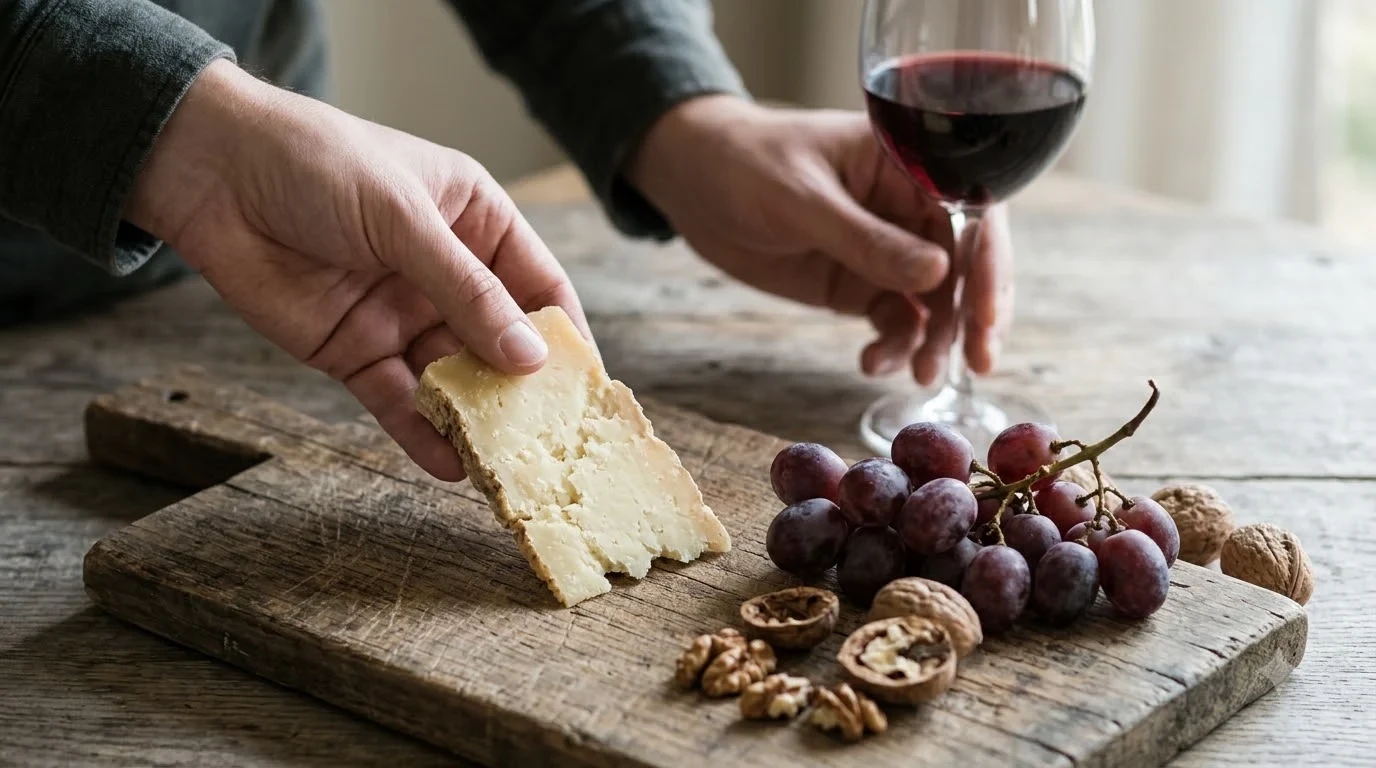
Meatless dishes with deep umami also work remarkably well. Chargrilled portobello mushrooms, roasted eggplant with garlic and walnuts, wild mushroom risotto, and aged hard cheeses like Parmigiano-Reggiano, aged Gouda, or Manchego all echo the grape’s earthy, savory profile. Avoid pairing dry Saperavi with delicate white fish, bitter greens, or sweet desserts, as the wine’s tannic backbone will overpower light dishes and clash with sugar.
How to Choose a Bottle
Shopping for Saperavi becomes much simpler once you know a few key label terms that signal sweetness level and cellar style. Start by checking the appellation or front label cues to confirm whether the wine is dry or semi-sweet.
If you want a classic dry red, look for labels marked “Dry,” “Mukuzani,” or general “Kakheti” appellations. If you prefer a touch of natural fruit sweetness, look specifically for “Kindzmarauli,” which is legally required to be made from Saperavi in an off-dry style. Checking the alcohol by volume on the back label also offers a reliable clue: dry Georgian and Finger Lakes Saperavi typically sit between 12.5% and 14.5% ABV, whereas semi-sweet versions often register closer to 11% to 12% ABV because fermentation stopped before all sugars converted to alcohol.
Next, decide between traditional and modern textures. Bottles labeled “Qvevri” deliver an unfiltered, earthy, tactile experience with pronounced grip, while labels mentioning barrel aging or “Reserve” signal a smoother, oak-spiced profile closer to Cabernet Sauvignon or Syrah. If you usually gravitate toward lighter, spiced reds—similar to the profile covered in our guide on what Corvina tastes like—start with an unoaked or stainless-steel Saperavi before moving on to full-throttle qvevri bottlings.
Frequently Asked Questions
Is Saperavi a dry or sweet wine?
Most Saperavi sold in the United States is vinified completely dry, featuring bold dark fruit, high acidity, and firm tannins. However, Georgia also produces a well-known semi-sweet style under the Kindzmarauli appellation, where fermentation is chilled early to preserve natural berry sweetness.
What familiar red wine is Saperavi most similar to?
Dry Saperavi shares the inky color and dark fruit weight of Malbec alongside the peppery spice and savory depth of Syrah. Its main distinguishing feature is noticeably higher natural acidity, which keeps the wine feeling fresh and food-friendly even at full body.
Why is Saperavi wine so dark in color?
Saperavi is a rare teinturier grape variety, meaning both its outer skin and its inner flesh contain red anthocyanin pigments. Unlike most red grapes that yield clear juice when pressed, Saperavi produces deeply colored red juice from the start, resulting in a nearly opaque violet-black wine.
Does Saperavi age well in the bottle?
Yes, Saperavi has exceptional aging potential thanks to its combination of high tannins, bright acidity, and dense phenolic structure. While approachable young after decanting, well-made dry bottlings readily evolve for 10 to 20 years, trading primary berry fruit for complex notes of leather, dried plum, and forest floor.
Whether poured from a traditional clay-aged Georgian bottle or a cool-climate New York vineyard, Saperavi offers a rare combination of inky depth and refreshing acidity. Once you match its bold structure with charred meats, roasted mushrooms, or aged cheeses, it earns an easy spot alongside classic full-bodied reds. If you are exploring more distinctive single-varietal bottles for your table, take a look at our breakdown of what Chenin Blanc tastes like for an equally versatile white counterpart.
More in Wine Types & Grapes
 What Does Ruby Port Taste Like? Flavor Notes, Styles, and Serving TipsUpdated Nov 21, 2026
 What Does Ribolla Gialla Taste Like? Crisp White and Amber Styles ExplainedUpdated Nov 21, 2026
 What Does Semillon Taste Like? Flavor Profile, Styles & PairingsUpdated Nov 21, 2026
 What Does Scuppernong Taste Like? Flavor, Styles, and Pairing GuideUpdated Nov 21, 2026
 What Does Natural Wine Taste Like? Flavors, Styles, and Serving TipsUpdated Nov 21, 2026
 What Does Muscadet Taste Like? Flavor Notes, Styles, and PairingsUpdated Nov 21, 2026