
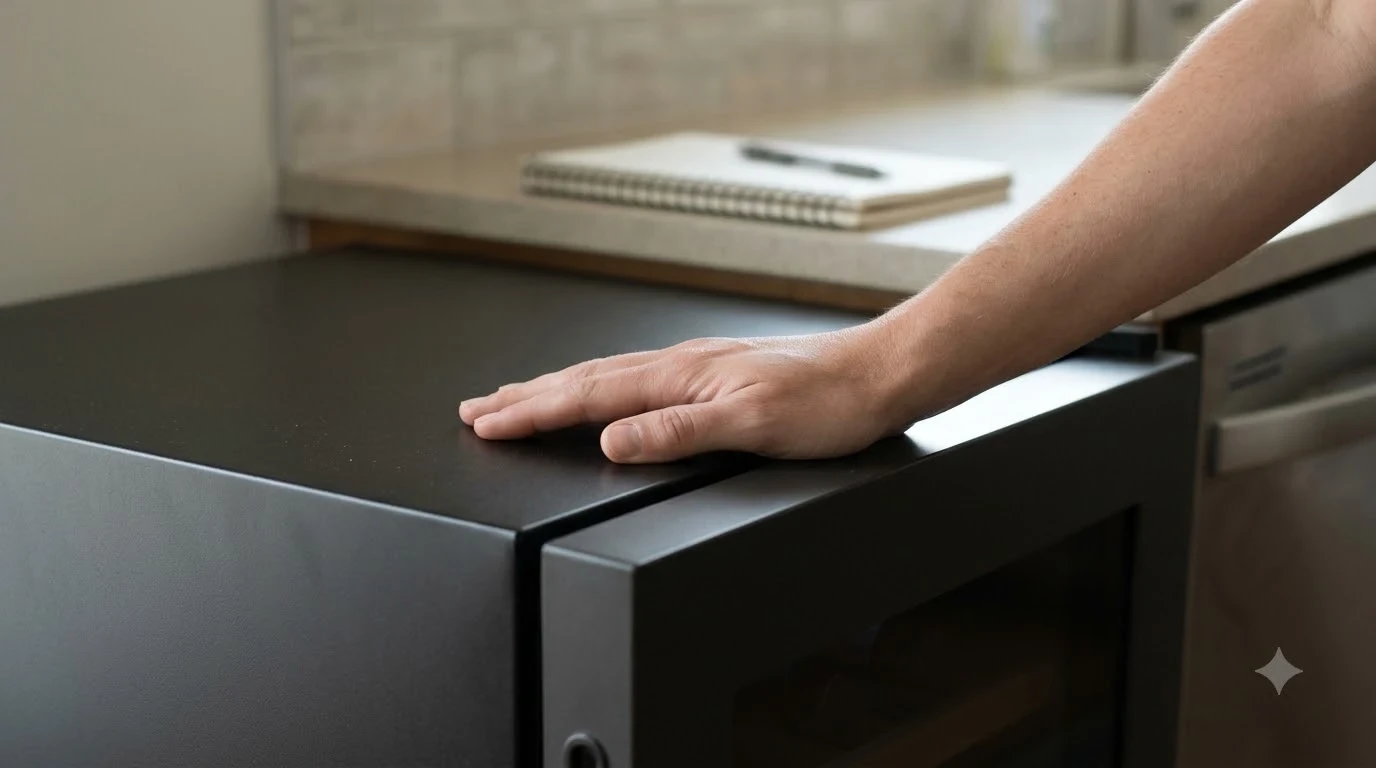

We may earn a commission when you buy through links on this page, at no extra cost to you. Learn more.
The Vintec beverage cooler is a premium-style drinks refrigerator designed primarily for chilling beer, white wine and Champagne, with a single temperature zone and practical storage features. Its appeal includes anti-UV glass, adjustable shelving, digital temperature controls and several capacity options. However, buyers should distinguish a beverage centre from a dedicated wine cellar, particularly if long-term wine preservation is the priority. Availability, warranty coverage and replacement-part support also deserve attention before purchasing.
Vintec is a specialist name in wine-storage appliances, but its beverage centres serve a somewhat different purpose from its traditional wine cabinets. These refrigerators prioritize convenient access to cold drinks, making them relevant for entertainment areas, kitchen installations and home bars. The VBS050SBA provides a useful example of the range, although other configurations offer different dimensions and storage capacities. This review examines the available specifications, owner feedback, limitations and practical buying considerations.
Specs and Key Features: What the Vintec Beverage Cooler Offers
The Vintec beverage cooler range combines dedicated drinks storage with features intended to make everyday access convenient. Its published configurations offer a single cooling zone, adjustable storage arrangements on selected models and glass doors designed to reduce ultraviolet exposure.
The VBS050SBA is a useful reference point because its retailer specifications provide detailed measurements and operating information. It is a freestanding or underbench-style appliance measuring approximately 32.3 inches high, 23.4 inches wide and 22.2 inches deep. At 146 liters, it provides substantial room for beer, cans and selected wine bottles without requiring a full-size refrigerator.
| Specification | VBS050SBA |
|---|---|
| Appliance type | Single-zone beverage centre |
| Total volume | 146 liters |
| Maximum beer capacity | 100 bottles |
| Maximum can capacity | 140 cans |
| Temperature range | 2°C–10°C (36°F–50°F) |
| Temperature zones | 1 |
| Height | 820 mm (32.3 inches) |
| Width | 595 mm (23.4 inches) |
| Depth | 563 mm (22.2 inches) |
| Weight | 48 kg (106 lb) |
| Shelves | 3 adjustable shelves |
| Door | Triple-glazed, anti-UV glass |
| Door configuration | Reversible |
| Lighting | LED interior lighting |
| Controls | Electronic with LED display |
| Listed operating noise | 33 dB |
| Warranty listed by retailer | 2 years, parts and labor |
These specifications make the VBS050SBA particularly interesting for households that regularly keep different drinks refrigerated. Its three adjustable shelves provide more organizational flexibility than a basic beverage refrigerator with fixed wire racks. The reversible door is another practical detail because it can help accommodate different kitchen layouts. The retailer also lists a security lock, which can be useful in shared entertainment spaces.
The glass door is a prominent design feature. Triple glazing and anti-UV treatment provide an additional barrier against external light, while the LED display makes temperature adjustments straightforward. These are useful conveniences, although they do not transform the appliance into a dedicated long-term wine-storage cabinet.
For the complete manufacturer-oriented product context, the Vintec beverage-centre collection brochure describes the intended applications and differences between configurations.
What Owners Like About Vintec Beverage Centres
Owner feedback highlights attractive styling, useful storage capacity and relatively quiet operation as positive characteristics. The strongest reasons to consider a Vintec beverage centre are its purpose-built drinks organization and its ability to keep a substantial selection of refreshments ready for serving.
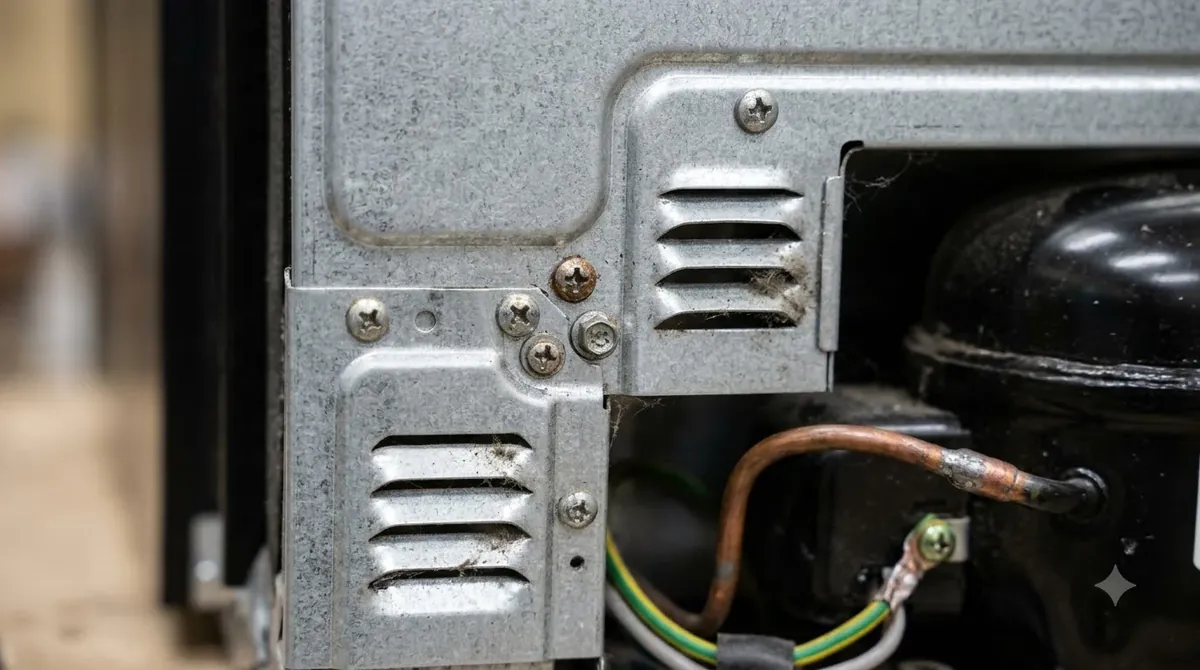
The VBS050SBA’s capacity is particularly useful for households that entertain frequently. Its published maximum of 100 beer bottles or 140 cans offers more flexibility than a small countertop beverage refrigerator. These are alternative maximum loading figures, rather than capacities that can be achieved simultaneously. The actual arrangement depends on the dimensions of the drinks being stored and the shelf configuration.
Some owners also appreciate the appearance. A dark glass door and coordinated cabinetry can make a beverage centre look more integrated into a kitchen or entertainment area. The wood-front shelving on the VBS050SBA adds a decorative detail that distinguishes it from simpler metal-rack refrigerators.
Customer feedback published by Appliances Online provides a useful, although limited, picture of ownership. One owner described the refrigerator as quiet and effective at chilling drinks after replacing a different beverage refrigerator. Another praised its appearance following a renovation. These comments support the appliance’s appeal as a drinks-serving feature, but individual experiences cannot establish how every unit will perform.
The reported 33 dB operating noise level is another specification worth considering. That figure suggests a relatively restrained noise profile on paper, although actual sound levels depend on installation, room acoustics, compressor operation and surrounding cabinetry. A refrigerator installed in an enclosed kitchen island may sound different from one placed in an open entertainment room.
Vintec’s broader appliance range also gives buyers several capacity choices. The smaller beverage-centre formats are more appropriate for limited spaces, while larger configurations can accommodate substantially more beer bottles. This range makes the brand relevant to both occasional entertainers and households that maintain a dedicated drinks area.
There is also a distinction between storing drinks and presenting them. A transparent door allows guests to see the selection without repeatedly opening the refrigerator. That can make it easier to organize beer, sparkling wine and refreshments for gatherings.
Common Complaints and Limitations to Consider
The most important potential drawbacks are condensation in humid environments, uncertainty about long-term reliability and the possibility of inconvenient servicing. Buyers should also recognize that a single-zone beverage centre cannot provide separate serving temperatures for different drinks at the same time.
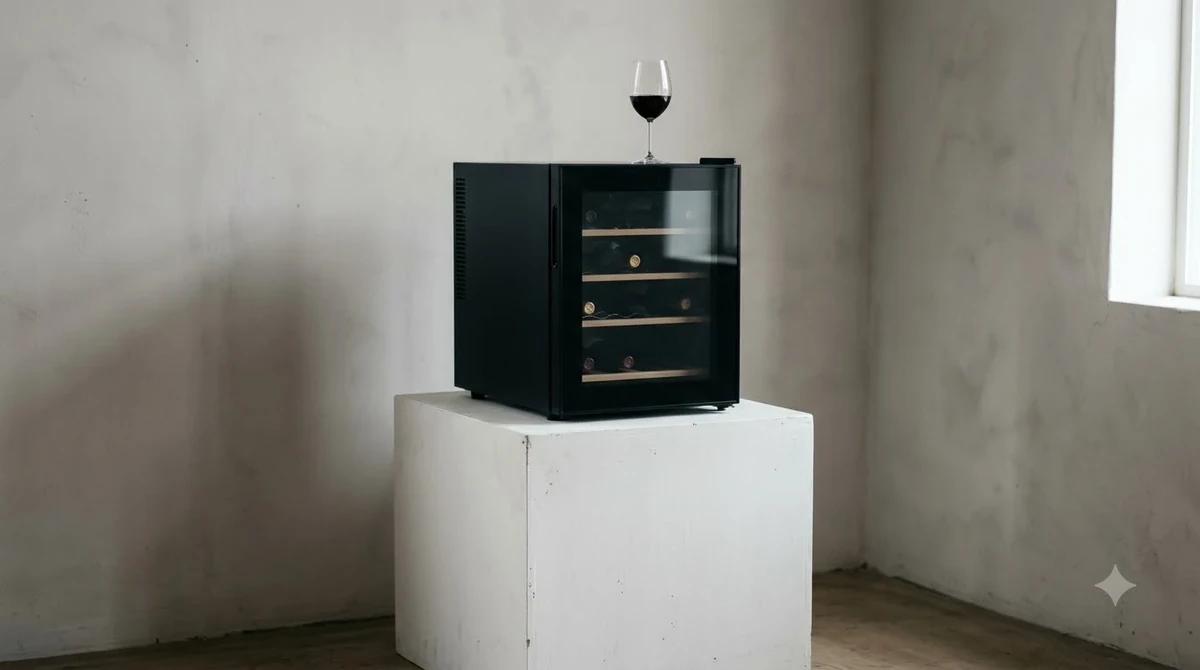
Condensation deserves particular attention. Appliances Online specifically warns that moisture can form on the VBS050SBA glass door depending on the humidity in the surrounding space. This is relevant in kitchens, enclosed entertainment rooms and other locations where warm, humid air regularly meets a colder surface.
Condensation does not automatically indicate a defective refrigerator. It can result from the difference between the glass surface temperature and the moisture content of the surrounding air. Nevertheless, repeated condensation may interfere with visibility and create an unattractive appearance. Buyers installing a refrigerator in a particularly humid room should ask whether a heated-door alternative is available rather than assuming every Vintec configuration has one.
Reliability feedback is mixed. One Appliances Online reviewer described a refrigerator that stopped cooling after approximately 18 months and required warranty service. The same review described a repair process involving collection and a reported wait of up to 35 days. Other customers describe satisfactory operation, so this feedback should be treated as an example of a possible ownership experience rather than a prediction of failure.
Service availability is another issue that deserves investigation, particularly for American buyers. A WineBerserkers discussion includes an owner who was satisfied with the performance and noise level of a Vintec appliance but reported difficulties sourcing replacement filters and obtaining local service in the United States. That experience concerned a Vintec wine cabinet rather than establishing a universal problem with every beverage-centre model.
These concerns matter because refrigeration appliances depend on replacement parts, qualified technicians and dependable warranty arrangements. A product can have attractive specifications but become inconvenient if repairs require specialist components that are difficult to obtain locally.
Another limitation is the single temperature zone. The published beverage-centre range is approximately 36°F to 50°F, but the appliance cannot maintain two independent temperatures simultaneously. Beer and white wine may both fit within its intended application, but users who want separate conditions for reds, whites and sparkling wines should consider a dual-zone wine refrigerator.
Finally, the advertised maximum capacity should not be confused with practical everyday storage. Large bottles, unusual packaging and mixed drink selections can reduce the amount of usable space. A refrigerator filled entirely with standard 330 ml beer bottles may accommodate a different arrangement from one containing wine bottles, cans and taller specialty drinks.
Who Should Buy the Vintec Beverage Cooler and Who Should Skip It
The Vintec beverage cooler makes the most sense for buyers who prioritize convenient chilled drinks, attractive presentation and relatively substantial capacity. It is less appropriate for wine collectors who need specialized long-term storage or multiple independently controlled temperatures.
Who should consider buying one?
Home entertainers are among the strongest potential customers. A dedicated drinks refrigerator helps keep beer and other refreshments separate from everyday groceries, leaving the main kitchen refrigerator available for food. The 100-bottle VBS050SBA configuration is particularly relevant for households that regularly host guests.
Homeowners planning a kitchen renovation may also appreciate the design. The appliance’s approximately 32.3-inch height makes its dimensions relevant to underbench planning, although the actual installation opening must follow the manufacturer’s specified ventilation and clearance requirements. Its reversible door can provide additional layout flexibility.
People who regularly serve chilled white wine and Champagne may also find the appliance useful. The temperature range extends to approximately 36°F, allowing drinks to be kept cold for serving. However, users should choose a setting appropriate to their preferred serving style rather than assuming that the coldest setting suits every beverage.
Who should look elsewhere?
Serious wine collectors should prioritize a dedicated wine cellar if their main objective is preserving bottles for several years. Wine storage requires more than low temperatures. Stable conditions, appropriate humidity, protection from light and reduced vibration all contribute to maintaining wine quality over time.
For example, a collection containing Cabernet Sauvignon, Pinot Noir and aged Bordeaux may benefit from a purpose-built wine cabinet maintained near 55°F. That temperature is considerably warmer than the lower end of the Vintec beverage-centre range.
Buyers who want to serve red wine and white wine at different temperatures should also skip a single-zone configuration. A dual-zone refrigerator is a more practical choice when one compartment needs to hold full-bodied reds around 60°F to 65°F while another keeps whites around 45°F to 55°F.
Anyone who cannot confirm local parts availability or warranty service should also delay purchasing. This is particularly important when buying an imported appliance in a market where the brand has a limited distribution network.
Tip: Before committing to an underbench installation, confirm the exact model number, cabinet-opening dimensions, ventilation requirements, door swing and local service arrangements. A refrigerator that physically fits the opening may still require additional clearance for proper ventilation and shelf access.
How It Compares to Alternatives
The Vintec beverage cooler occupies a different category from conventional wine refrigerators and ordinary kitchen refrigerators. Its main advantage is the combination of beverage-oriented capacity, glass-door presentation and dedicated drinks storage, rather than specialist wine-cellaring functionality.
A conventional wine refrigerator is usually the more appropriate alternative for someone whose collection consists primarily of wine bottles. Wine refrigerators often use shelf arrangements designed around wine bottle shapes, and some offer single-zone or dual-zone temperature management. Those features are more relevant to collectors than maximum beer capacity.
For households comparing the available configurations, the smaller Vintec beverage centres provide a useful alternative to the VBS050SBA. The published collection includes a compact configuration rated for approximately 40 beer bottles and a larger model rated for approximately 250 beer bottles. The 100-bottle category provides a middle ground.
| Appliance choice | Main purpose | Best application |
|---|---|---|
| Compact Vintec beverage centre | Chilling drinks | Small home bars and limited spaces |
| 100-bottle Vintec beverage centre | Chilling and organizing drinks | Regular home entertaining |
| Large Vintec beverage centre | High-capacity drink storage | Large entertainment areas |
| Single-zone wine refrigerator | Wine storage and serving | Collections with similar serving requirements |
| Dual-zone wine refrigerator | Separate wine temperatures | Mixed red and white wine collections |
| Standard kitchen refrigerator | General food and drink refrigeration | Everyday household use |
The larger Vintec beverage-centre format deserves consideration when capacity is the main concern. However, a 250-bottle maximum should not automatically be interpreted as the most practical choice. A very large refrigerator requires more installation space and may be unnecessary for a household that only needs a modest selection of cold drinks.
Buyers comparing different wine-storage appliances can also consult this overview of the best rated wine cooler options to understand which features matter most for dedicated wine preservation.
Food and drink storage should also be considered alongside entertaining habits. A refrigerator dedicated to drinks can free up kitchen space for ingredients and prepared dishes. For example, households planning a dinner party might keep wine and aperitif ingredients separate from food preparation, making a chicken Marsala recipe easier to organize alongside the drinks selection.
Likewise, a chilled beverage station can be useful when serving cocktails. An Aperol Spritz recipe benefits from properly chilled sparkling wine and refreshing ingredients, although the refrigerator should not be mistaken for a specialized wine-preservation appliance.
The important distinction is purpose. Vintec’s beverage centres are designed to keep drinks ready to serve. A dedicated wine cabinet is a better investment when bottle preservation, long-term aging and precise wine-storage conditions are more important than beer and can capacity.
Installation, Temperature Settings and Everyday Care
Correct installation and sensible temperature management are essential for getting the most from a Vintec beverage cooler. Buyers should pay particular attention to ventilation, surrounding humidity, door clearance and the temperature requirements of the beverages they intend to store.
Start by measuring the intended location rather than relying on the appliance’s advertised height and width alone. The VBS050SBA measures approximately 32.3 inches high and 23.4 inches wide, but its installation requirements may call for a larger opening or additional space around the cabinet. The product specifications list a minimum joinery opening of 850 mm high, 615 mm wide and 600 mm deep for the corresponding specification sheet.
Ventilation is especially important for built-in or underbench installations. A refrigerator must release heat generated by its cooling system. Restricting the required airflow can interfere with operation and increase the demands placed on the appliance. Follow the exact model’s installation instructions rather than assuming that a generic undercounter opening will work.
Next, consider the location’s humidity. A beverage centre placed near a dishwasher, cooking area or poorly ventilated room may experience more condensation than one installed in a dry, temperature-controlled environment. Keep the glass door clean and avoid leaving moisture around the door seals.
Choosing a practical temperature
The published beverage-centre range of approximately 36°F to 50°F provides flexibility for different drinks. The appropriate setting depends on what is being stored and how quickly it will be served.
For example, sparkling wine is generally served around 40°F to 50°F, while lighter white wines and rosé are usually served around 45°F to 50°F. Full-bodied white wines often benefit from slightly warmer serving temperatures around 50°F to 55°F. Beer preferences vary by style, so a single setting will not necessarily be ideal for every beer in a mixed collection.
Remember that beverage storage temperature and ideal wine-cellaring temperature are different considerations. A cooler designed to hold drinks ready for serving should not automatically be used as a replacement for a wine cabinet intended for long-term aging.
Keeping the refrigerator in good condition
Clean the interior periodically and inspect the door gasket for debris or damage. A compromised seal can allow warm air to enter, potentially affecting cooling performance and increasing condensation. Avoid overloading the shelves beyond their intended capacity.
When cleaning, use appropriate nonabrasive materials and follow the manufacturer’s instructions. Do not use aggressive chemicals on the glass, shelving or door seals. Allow the appliance to return to its normal operating condition after cleaning before loading it heavily again.
Power interruptions also deserve attention. Vintec’s support information advises owners to avoid opening the door during an outage because the appliance’s insulation and the thermal mass of its contents can help maintain temperatures for hours. After electricity returns, electronically controlled cabinets may revert to a factory setting, generally 12°C, so owners should verify the displayed temperature and reset it when necessary.
For model-specific cleaning, installation and operating instructions, use the official Vintec user-manual and support page. Searching by the appliance’s model number is important because beverage-centre configurations do not necessarily share identical installation requirements.
Finally, keep the model number and product number code accessible. Vintec explains that the model number identifies the appliance for manuals and service, while the PNC is used for spare-parts searches. These details can save time when contacting a distributor or requesting a replacement component.
Frequently Asked Questions
Does Vintec manufacture beverage coolers for commercial environments?
Vintec beverage-centre specifications include products intended for domestic and commercial use. However, suitability for a particular business depends on the expected daily door openings, installation environment and required storage capacity. Buyers should confirm the intended duty cycle and warranty conditions with the local distributor before using a household-oriented configuration in a busy hospitality venue.
Can a Vintec beverage cooler store opened wine bottles?
Yes, provided the bottle can be positioned securely and has an appropriate closure. Opened still wine generally keeps for approximately three to five days in a refrigerator when properly resealed. Sparkling wine usually has a shorter refrigerated storage window of approximately one to three days, depending on the closure and wine style.
Does a Vintec beverage centre need to be defrosted manually?
Defrosting arrangements depend on the specific appliance model. The presence of electronic temperature controls does not by itself establish whether a refrigerator uses automatic or manual defrosting. Consult the exact model’s operating manual before scheduling maintenance or attempting to remove accumulated ice.
Can a Vintec beverage cooler accommodate oversized Champagne bottles?
Accommodation depends on the shelf spacing and internal dimensions of the particular model. Champagne bottles are often wider than standard Bordeaux bottles, and some larger formats require additional vertical clearance. Measure the bottles and usable shelf dimensions before assuming that the advertised beer-bottle capacity translates into equivalent wine-bottle capacity.
What information should be available before requesting a Vintec repair?
Prepare the complete model number, PNC and serial number from the appliance identification plate. These identifiers help distinguish the appliance from other models and identify the correct replacement components. Also record the displayed temperature, any error messages and the symptoms observed, such as unusual compressor noise or failure to cool.
The Vintec beverage cooler is an appealing option for households that want a dedicated, attractive place to keep beer, white wine and other drinks ready for entertaining. Its capacity options, glass-door presentation and adjustable shelving are meaningful advantages, but the single-zone design and potential service limitations deserve careful consideration. Before buying, confirm local availability, installation requirements, warranty coverage and replacement-part support, then choose a capacity that matches the drinks you actually plan to store.
More in Model Reviews
 Magic Chef 44 Bottle Wine Cooler Review for Flexible StorageUpdated Nov 21, 2026
 Whynter 164 Bottle Wine Cooler Review: Capacity, Features, and FitUpdated Nov 21, 2026
 Insignia NS WC16BK6 Review: Compact 16-Bottle Wine StorageUpdated Nov 21, 2026
 Wine Enthusiast Electric Blue Omega Review: Opening, Pouring, and Preserving Made EasierUpdated Nov 21, 2026
 Koolatron 20 Bottle Wine Cooler Review: Features, Fit, and PerformanceUpdated Nov 21, 2026
 NewAir AWC 330E Review for Home Wine StorageUpdated Nov 21, 2026