


We may earn a commission when you buy through links on this page, at no extra cost to you. Learn more.
A cheap red blend can offer satisfying fruit, balanced tannins, and an easy-drinking finish without requiring a premium wine budget. The best choices combine complementary grapes such as Merlot, Zinfandel, Syrah, and Cabernet Sauvignon to create a consistent, approachable style. Focus on the grape combination, sweetness, alcohol level, and intended food pairing rather than expensive packaging or impressive-sounding label descriptions. A thoughtfully made inexpensive blend can be a practical choice for weeknight dinners, casual gatherings, and everyday drinking.
Red blends occupy a useful place in the affordable wine aisle because winemakers have considerable flexibility when combining grape varieties. One grape can contribute ripe fruit, another can add structure, and a third can provide color or spice. That flexibility makes it possible to produce wines with appealing flavor and balance at accessible quality levels. However, not every inexpensive bottle offers the same experience. Some are soft and fruit-forward, while others are dry, structured, and better suited to food. Understanding those differences makes shopping considerably easier.
Who Should Buy an Affordable Red Blend?
An affordable red blend is particularly suitable for shoppers who want an adaptable, uncomplicated red wine for everyday occasions. Its combination of grape varieties can provide a middle ground between the firm tannins of Cabernet Sauvignon and the softer texture of Merlot.
Casual wine drinkers are a natural audience. Someone serving homemade pizza on Friday, grilled burgers on Saturday, and pasta on Sunday may prefer a flexible bottle over purchasing a different single-varietal wine for every meal. A fruit-forward blend can work across several dishes without demanding extensive knowledge of wine regions or grape varieties.
Red blends are also useful when serving guests with different preferences. One person may prefer ripe blackberry flavors, another may favor softer cherry notes, and someone else may enjoy a little spice. A combination of Merlot, Zinfandel, and Syrah can bring several of these characteristics together. Wine Enthusiast identifies these three grapes as common components of California red blends, which are frequently smooth, full-bodied, and relatively low in tannin.
Shoppers who prefer highly specific regional character may want to look beyond generic red blends. A named Bordeaux, Rioja, or Côtes du Rhône wine offers a more recognizable regional reference point. These wines can still be accessible in style, but their grape combinations and production traditions are more closely associated with particular places.
Another important consideration is sweetness. Some affordable American blends have a noticeably soft, fruit-forward profile, which can appeal to people who find strongly tannic wines unpleasant. However, a fruity aroma does not automatically mean a wine contains substantial residual sugar. Shoppers who specifically want sweetness should distinguish between ripe fruit flavors and actual off-dry or sweet wine styles.
Those who want a distinctly dry, structured red should compare options with Cabernet Sauvignon, Syrah, or traditional European blending styles. For a more detailed explanation of how sweetness changes the drinking experience, see this guide to dry red blend styles.
Key Factors to Compare Before Buying
The most useful comparisons involve grape varieties, sweetness, tannin, acidity, alcohol, and origin. Looking at these six characteristics provides a better indication of what is inside a bottle than relying on its front-label artwork.

Start with the grape combination. Merlot generally contributes softer fruit and a medium level of tannin, while Cabernet Sauvignon brings firmer structure. Zinfandel can provide ripe berry character and a generous impression of fruit, while Syrah contributes darker fruit and peppery complexity. These differences explain why two wines carrying the same general red blend description can taste quite different.
Next, consider the balance between sweetness and dryness. A dry red may still taste fruity because ripe grapes naturally produce aromas associated with cherries, plums, and blackberries. Actual sweetness comes from residual sugar remaining in the wine. If a producer publishes technical information, its residual sugar figure can help clarify whether the wine is dry or off-dry. Descriptions such as smooth, jammy, and soft can suggest a ripe style, but they are not definitive measurements of sugar.
Tannin matters just as much. Tannins create the drying sensation that can be felt along the gums and inside the cheeks. Cabernet Sauvignon usually has high tannin, Merlot has medium and softer tannin, and Pinot Noir generally has low-to-medium tannin with relatively high acidity. A blend that includes a significant proportion of softer varieties may therefore feel more approachable than a heavily Cabernet-based wine.
Alcohol level offers another useful clue. Lower alcohol generally corresponds with a lighter impression, while higher alcohol can contribute warmth and a fuller-bodied sensation. The Kitchn’s discussion of wine-shopping advice from sommelier Aldo Sohm highlights alcohol level, grape variety, region, and vintage as useful considerations when comparing bottles. Its affordable red wine shopping advice also explains why bottle appearance should not replace attention to the wine itself.
Use the following table as a practical starting point. The figures are general wine-style guidelines rather than guaranteed specifications for every inexpensive blend.
| Factor | What to Look For | Typical Characteristics | Best Use |
|---|---|---|---|
| Merlot | Soft, rounded fruit | Medium tannin | Everyday meals |
| Cabernet Sauvignon | Dark fruit and structure | High tannin | Burgers and steak |
| Zinfandel | Ripe berry character | Fruit-forward, often fuller-bodied | Barbecue and pizza |
| Syrah | Dark fruit and pepper | Medium-plus to high tannin | Grilled meats |
| Pinot Noir | Cherry and red fruit | Low-to-medium tannin, high acidity | Chicken and mushrooms |
| Alcohol | Compare the ABV percentage | Higher levels often feel fuller | Matching body to food |
| Serving temperature | 55–65°F depending on style | Cooler for lighter reds | Preserving freshness |
Origin also deserves attention. California is a familiar source of broad, fruit-forward commercial blends, while Bordeaux-inspired wines generally emphasize combinations of Cabernet Sauvignon, Merlot, and Cabernet Franc. Southern Rhône-inspired wines often use Grenache, Syrah, and Mourvèdre. These regional references provide more information than a generic proprietary name.
Finally, consider the occasion. A casual dinner with burgers may call for a rounder, fruitier blend, while a meal featuring roast beef may benefit from more tannin and structure. For more shopping fundamentals, the site’s Wine Buying Guides explain how grape variety, origin, and serving choices affect the finished experience.
Step-by-Step: How to Choose a Better Bottle
A simple shopping process can narrow a large wine selection to a few suitable candidates. Five steps are generally enough to identify a bottle with the right style, flavor, and versatility.
- Decide whether you want dry or sweet. Begin by identifying your preferred finish. A dry red blend is suitable for people who enjoy savory flavors and a less sugary impression. An off-dry or sweet blend may appeal to shoppers who prefer softer, sweeter fruit character. Do not assume that every wine marked red blend has the same sweetness level.
- Identify the dominant grape varieties. Look for combinations such as Merlot and Cabernet Sauvignon, Zinfandel and Syrah, or Grenache and Syrah. Merlot can soften the texture of a structured blend, while Cabernet Sauvignon contributes firmness. A Zinfandel-led combination may provide a riper fruit profile.
- Check the region and producer. California, Washington, Bordeaux, Rioja, and the Rhône Valley offer different traditions and styles. A producer’s website may provide a grape breakdown, tasting notes, alcohol level, and production information. Those details are more useful than choosing a bottle because its label looks expensive.
- Compare alcohol levels and tasting descriptions. Consider whether you prefer a lighter red or a fuller-bodied wine. Look for descriptions mentioning cherry, plum, blackberry, pepper, or vanilla. Use these as general style indicators rather than promises that every bottle will show exactly the same aromas.
- Match the wine to the occasion and food. Choose a softer fruit-forward blend for pizza or barbecue, or a more structured blend for steak and roasted meat. If possible, ask a knowledgeable wine-shop employee for a recommendation based on the style you enjoy rather than relying on an unfamiliar brand name.
When comparing two similar bottles, avoid assuming that a longer grape list means better quality. A successful blend depends on how its components work together, not simply how many varieties appear in the recipe. The WSET explains that winemakers use blending to balance acidity, body, tannin, alcohol, and fruit concentration. Its explanation of why wine is blended provides useful background on how combining different wines can improve balance, complexity, and consistency.
Tip: Keep a simple note on your phone after trying a bottle. Record the producer, grape varieties, region, sweetness, and whether you liked its finish. After comparing three or four wines, those notes can reveal which styles deserve another purchase.
It can also help to compare wines from the same region rather than switching every variable at once. For example, try two California blends with different grape combinations, or compare a Bordeaux-style blend with a Rhône-style blend. This makes it easier to understand whether your preference comes from the grape varieties, the region, or the overall winemaking style.
Types and Styles of Inexpensive Red Blends Explained
Affordable red blends generally fall into several recognizable style families, although producers have considerable freedom to adjust their recipes. Understanding five common categories helps shoppers predict whether a bottle will be fruity, savory, soft, or structured.
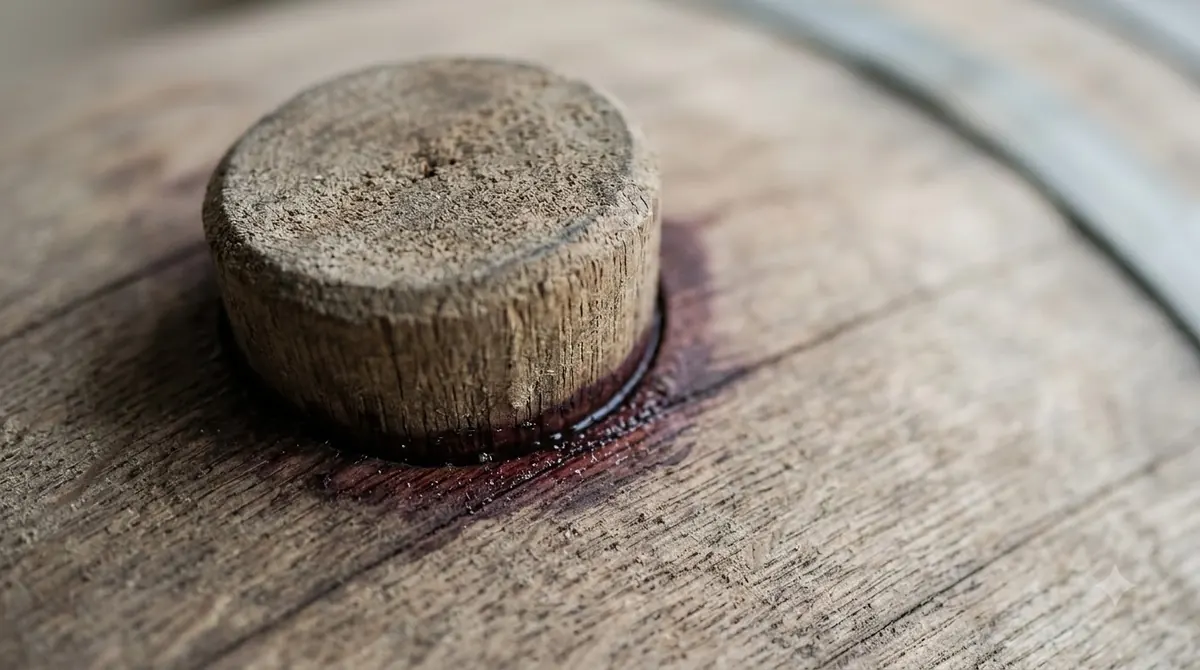
California fruit-forward blends
California red blends frequently combine Merlot, Zinfandel, and Syrah. Their style can emphasize ripe blackberry, cherry, plum, and sometimes chocolate-like aromas. Wine Enthusiast describes this familiar category as broad and smooth, with relatively low tannins and a tendency toward slightly sweet fruit expression.
These wines are practical choices for informal dinners and gatherings. Their softer texture can make them appealing to people who find young Cabernet Sauvignon too drying. Some examples may also contain Petite Sirah or Cabernet Sauvignon, adding color, structure, and darker fruit character.
Bordeaux-style blends
Bordeaux-style red blends traditionally use Cabernet Sauvignon, Merlot, and Cabernet Franc, with Petit Verdot and Malbec sometimes included. The combination can provide a balance of dark fruit, structure, aromatic complexity, and different levels of tannin.
Merlot often contributes softness, while Cabernet Sauvignon provides structure. Cabernet Franc can contribute aromatic detail, and Petit Verdot can add intensity and color. These blends can be produced outside France, including in Napa Valley and other established wine regions. They are useful options for shoppers who prefer a drier, more structured red.
Rhône-style and GSM blends
GSM stands for Grenache, Syrah, and Mourvèdre. These three grapes are associated with southern Rhône blending traditions and are also used by producers in Australia, South Africa, and the United States.
Grenache commonly contributes red fruit and a generous texture, Syrah brings darker fruit and peppery character, and Mourvèdre can provide structure and depth. Depending on the proportions and growing conditions, the result can be medium- to full-bodied. These blends are particularly useful with grilled lamb, roasted vegetables, and herb-seasoned meats.
Spanish Rioja blends
Rioja is associated with Tempranillo, which may be blended with Garnacha, Graciano, and other permitted grapes. Some Rioja wines are entirely Tempranillo, so the regional name does not automatically mean that every bottle is a multigrape blend.
Tempranillo can contribute cherry, plum, and savory characteristics. Oak maturation may introduce additional notes such as vanilla, spice, or toast, depending on the producer’s choices. A Rioja-style red is a useful option for people who prefer a more traditional, food-oriented style rather than a particularly sweet-tasting commercial blend.
Italian Sangiovese-based blends
Chianti Classico is based principally on Sangiovese and can include varieties such as Canaiolo, Colorino, Cabernet Sauvignon, or Merlot. Sangiovese is known for its fresh acidity and cherry character, making it an attractive choice alongside tomato-based dishes.
These wines can feel more savory and less overtly fruity than some California blends. Their acidity works particularly well with pasta, tomato sauce, pizza, and roasted poultry. For shoppers who want a dry red that complements food rather than dominating it, this style deserves consideration.
Another useful distinction is whether a bottle is described as sweet or dry. A sweet red blend is designed for shoppers who enjoy a noticeably sweeter finish, while a dry blend emphasizes fermented grape character without prominent residual sweetness. The distinction matters more than the general category name because red blends can vary considerably in their finished style.
Common Mistakes When Shopping for Cheap Red Wine
Several common shopping assumptions can lead to disappointment, especially when comparing bottles from different producers and regions. The most important mistakes involve packaging, sweetness descriptions, grape names, and the belief that an inexpensive wine must be inferior.
Choosing by bottle appearance. Heavy glass, elaborate labels, oversized capsules, and decorative lettering do not guarantee a better wine. The Kitchn’s interview with sommelier Aldo Sohm specifically cautions shoppers against treating bottle weight as a reliable quality indicator. Packaging is a presentation decision, not a measurement of grape quality or balance.
Assuming all red blends are sweet. Some California commercial blends are fruit-forward and slightly sweet, but traditional Bordeaux, Rioja, and Rhône-style wines are generally made in dry styles. The term red blend describes a broad category, not a particular sweetness level. A shopper who wants a dry finish should look for technical information or choose a producer with a clearly stated style.
Confusing fruity aromas with sugar. A wine can smell strongly of blackberries, ripe cherries, or plums while remaining dry. Residual sugar and fruit aromas are different characteristics. A ripe, concentrated wine may seem soft even when it contains relatively little sugar.
Ignoring the grape combination. A bottle made primarily from Cabernet Sauvignon may feel firmer than one dominated by Merlot or Grenache. A blend with a substantial proportion of Syrah may have more structure and peppery character. Paying attention to the grapes helps explain why generic red blends can taste so different.
Rejecting screw caps automatically. A screw cap is not proof of poor quality. It is a closure choice that can make opening and resealing a bottle convenient. The Kitchn also notes that boxed red wine can be a practical option, particularly when shoppers value convenience and storage flexibility.
Buying a wine that clashes with dinner. A highly tannic Cabernet-heavy blend may overwhelm delicate fish, while a very sweet red can taste awkward with an unsweetened savory meal. Oily fish generally clashes with tannic reds. A softer red blend is usually a more flexible choice for meals with varied ingredients.
Expecting every vintage to taste identical. Weather affects grape ripeness and the characteristics of individual vineyard parcels. Wineries may adjust blending proportions to maintain a familiar style. That means a particular wine can change subtly between vintages without necessarily indicating a decline in quality.
Serving and Storage Tips for Everyday Red Blends
Serving temperature and proper storage can make an inexpensive wine considerably more enjoyable. The goal is to preserve freshness, avoid excessive alcohol warmth, and prevent opened bottles from losing their fruit character too quickly.
Light-bodied red blends are generally best served around 55–60°F, while fuller-bodied styles are usually better around 60–65°F. Many people serve red wine too warm because they follow the traditional idea of room temperature. In a heated home, that can make alcohol feel more prominent and reduce the impression of freshness.
If a bottle feels too warm, placing it in the refrigerator for approximately 15–20 minutes can help bring its temperature down. The exact cooling time depends on the starting temperature and bottle size. A slightly cool red often shows its fruit and structure more clearly than one served warm.
Glassware does not need to be elaborate. A standard wine glass with enough space to swirl a five-ounce pour is perfectly practical. Swirling allows aromatic compounds to collect above the wine, making fruit, spice, and oak-related aromas easier to notice.
Most everyday red blends do not require extensive decanting. Young, full-bodied reds with pronounced tannins may benefit from approximately 30–60 minutes of aeration, but softer, fruit-forward blends can often be served shortly after opening. Excessive aeration is unnecessary for a simple wine intended for immediate enjoyment.
Storing unopened bottles
Store unopened bottles in a cool, dark location, ideally near 55°F, with minimal temperature fluctuations. Bottles sealed with natural cork are generally stored on their sides to help keep the cork from drying out. Avoid placing wine near radiators, sunny windows, ovens, or other sources of heat.
Everyday inexpensive red blends are generally intended for relatively early consumption rather than extended cellaring. Their appeal often lies in fresh fruit, accessible texture, and immediate drinkability. Buying a bottle to enjoy soon is usually more sensible than holding it for several years in the hope that it will improve.
Keeping opened bottles fresh
After opening, replace the closure and refrigerate the remaining wine. Even red wine benefits from refrigeration because cooler temperatures slow the oxidation process. Allow a refrigerated bottle to warm slightly before serving again.
As a general guideline, opened still wines remain enjoyable for approximately three to five days, although the precise period depends on the wine’s structure, storage conditions, and exposure to air. A vacuum stopper or tightly fitted closure can help limit oxidation, but it cannot prevent every change in aroma and flavor.
Pouring smaller glasses can also reduce unnecessary exposure. A standard five-ounce serving from a 750 ml bottle provides approximately five glasses. If only one person is drinking, a smaller pour and prompt refrigeration help preserve the remaining wine.
Organic wine shoppers should also consider the producer and production information rather than assuming that an organic designation guarantees a particular flavor. The organic red blend category offers another way to narrow the selection, but grape varieties, sweetness, acidity, and body remain important considerations.
Frequently Asked Questions
Can an inexpensive red blend be made from premium grape varieties?
Yes. Cabernet Sauvignon, Merlot, Syrah, Grenache, and Tempranillo are all used in wines across a wide range of quality levels. The presence of a recognized grape does not establish the quality of the finished wine. Vineyard conditions, grape selection, fermentation, blending decisions, and storage all influence the result.
Does a red blend have to contain at least two grape varieties?
The ordinary meaning of a varietal blend is a combination of different grapes, but the words red blend on an American label do not necessarily provide a complete recipe. A wine can also combine different vineyard parcels or barrels of the same grape. Blending terminology therefore describes a broader winemaking practice than simply mixing grape varieties.
Can red blends contain sulfites even if they taste fresh?
Yes. Sulfur dioxide is used in winemaking to help protect wine against oxidation and unwanted microbial activity. Sulfites can occur naturally during fermentation, and additional sulfur dioxide may be used during production. A fresh, fruity flavor does not indicate whether a wine contains added sulfites.
Why can two bottles from the same producer taste different?
Different growing seasons can change grape ripeness, acidity, and tannin. Producers may adjust the proportions of individual grapes or vineyard components to achieve their intended style. Even when a producer maintains a recognizable house profile, small vintage differences are normal.
Is a boxed red blend suitable for serving at a dinner party?
Yes, particularly for informal gatherings where guests will pour several servings over an extended period. Many bag-in-box wines use packaging designed to limit air exposure as wine is dispensed. Properly stored opened bag-in-box wine can generally remain usable for approximately four to six weeks, depending on the product and storage conditions.
A good inexpensive red blend should deliver the style you actually enjoy, whether that means soft California fruit, structured Bordeaux-inspired grapes, or savory Spanish and Italian character. Compare grape combinations, sweetness, acidity, and serving needs before choosing, and do not mistake expensive packaging for better wine. With a little attention to these details, everyday red wine shopping becomes simpler and more rewarding.
More in Wine Buying Guides
 Riesling Gift: Choose a Bottle They’ll LoveUpdated Nov 21, 2026
 Sweet Red Wine Gift: Choose a Bottle They’ll LoveUpdated Nov 21, 2026
 Malbec Gift: How to Choose a Memorable Bottle for Any OccasionUpdated Nov 21, 2026
 Sherry Gift Ideas That Match Every Wine LoverUpdated Nov 21, 2026
 Moscato Gift: How to Choose a Sweet Wine They’ll LoveUpdated Nov 21, 2026
 Merlot Gift: How to Choose a Bottle They’ll AppreciateUpdated Nov 21, 2026