

We may earn a commission when you buy through links on this page, at no extra cost to you. Learn more.
This veuve clicquot rose review finds that Veuve Clicquot Brut Rosé is a dry, fruit-forward Champagne with lively acidity, a creamy mousse, and enough Pinot Noir structure to work beyond an ordinary aperitif. Its combination of strawberry, raspberry, cherry, citrus, and toasted pastry flavors makes it particularly appealing to drinkers who enjoy expressive sparkling wine without pronounced sweetness. It is a strong choice for celebrations, seafood, appetizers, and flavorful meals, although drinkers seeking an especially lean, delicate Champagne may prefer a more restrained style.
Veuve Clicquot Rosé occupies an interesting position among recognizable luxury Champagnes. It combines the familiar house character of Yellow Label Brut with the color, fruit intensity, and additional structure provided by red Pinot Noir wine. The result is a rosé Champagne that feels generous without becoming syrupy or excessively sweet. Understanding its blend, dosage, flavor profile, and food compatibility makes it easier to decide whether this bottle belongs at your next celebration or dinner table.
Who This Is For
Veuve Clicquot Brut Rosé is best suited to Champagne drinkers who enjoy recognizable red-fruit flavors, refreshing acidity, and a fuller sparkling-wine texture. Its combination of Pinot Noir, Chardonnay, and Meunier gives it more presence than a particularly delicate rosé, making it suitable for both a welcoming glass and a meal.
One of its main attractions is the balance between approachable fruit and traditional Champagne complexity. Strawberry, raspberry, and cherry make the wine immediately recognizable as rosé, while biscuit, croissant, toast, and citrus provide additional dimensions. These characteristics appeal to people who want something more substantial than a simple fruity sparkling wine but do not necessarily want the austere, mineral-driven character of some traditional Brut Champagnes.
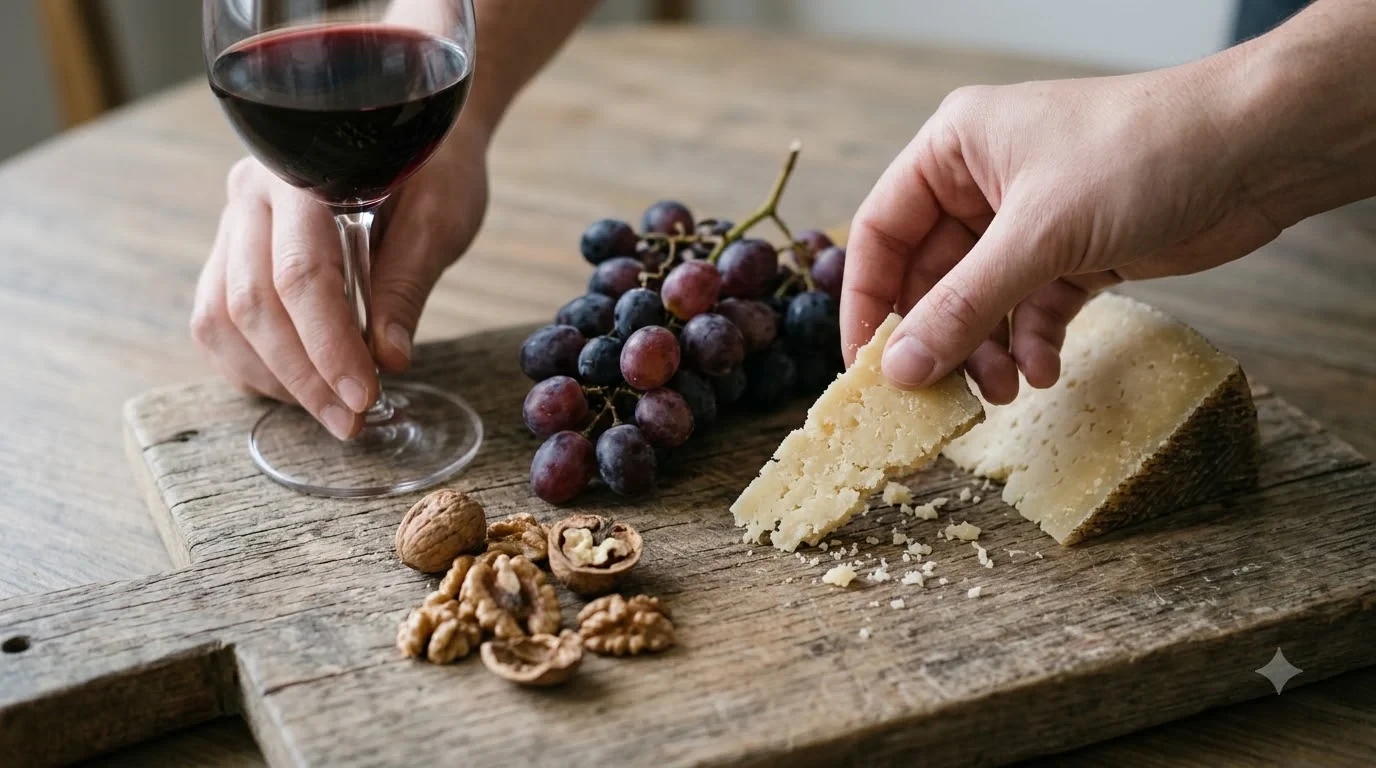
It is also a sensible choice for entertaining. A bottle can accompany an opening toast, a seafood appetizer, or a selection of cheeses without requiring an elaborate menu. The producer specifically recommends sashimi, pizza, aged cheeses, and red-fruit desserts. That versatility makes it useful for gatherings where guests may prefer different foods.
However, this is not necessarily the right purchase for every Champagne drinker. Someone who prefers extremely crisp, citrus-dominated sparkling wine with minimal fruit richness may find the rosé relatively generous. Similarly, people looking for a sweet celebratory wine should understand that the Brut designation indicates a dry sparkling style, not a dessert-like Champagne.
There is also a distinction between buying a recognizable Champagne label and buying a bottle primarily for its production style. Veuve Clicquot offers an identifiable house profile and an established blending approach. Those qualities matter to drinkers who appreciate consistency, presentation, and the traditional Champagne method. They matter less to someone whose only priority is finding the lightest or most restrained sparkling wine available.
For shoppers comparing different producers, the broader Wine Brands category provides useful context for understanding how established Champagne houses position their sparkling wines. Readers interested in the specific bottle can also explore Veuve Clicquot Rosé for a closer look at the wine itself.
Key Factors to Compare
The most useful factors when evaluating Veuve Clicquot Rosé are its grape composition, red-wine addition, dosage, acidity, and serving temperature. Together, these characteristics explain why the wine tastes fruity and relatively full-bodied while retaining the freshness expected from Brut Champagne.
The producer identifies the standard blend as 50% Pinot Noir, 20% Meunier, and 30% Chardonnay. Pinot Noir provides the structural foundation, Meunier contributes fruit and roundness, and Chardonnay helps maintain freshness and balance. The addition of red wine is especially important because it gives the finished Champagne its rosé character and reinforces its red-fruit personality.
| Characteristic | Published specification | What it means |
|---|---|---|
| Wine style | Non-vintage Brut Rosé Champagne | Dry sparkling wine with a rosé color |
| Pinot Noir | 50% | Structure and red-fruit character |
| Meunier | 20% | Fruitiness and roundness |
| Chardonnay | 30% | Freshness and balance |
| Red wine addition | 12% | Color, depth, and additional power |
| Reserve wines | Up to 45% | Blending flexibility and house consistency |
| Dosage | 9 g/L | Brut-level sweetness classification |
| Alcohol | 12.5% ABV | Alcohol content listed by Wine.com |
| Bottle size | 750 ml | Approximately five standard 5-ounce pours |
| Serving temperature | 46–50°F | Preserves freshness and aromatic detail |
These specifications come from the producer’s US product information and Wine.com’s product listing. One detail deserves particular attention: the red-wine addition is not the same thing as the percentage of Pinot Noir in the entire finished blend. The 50% Pinot Noir figure describes the traditional grape composition, while the additional 12% refers to red wine incorporated during the rosé blending process. Keeping those figures separate helps avoid misunderstanding the wine’s construction.
The dosage also deserves attention. At 9 grams per liter, the producer classifies the wine as Brut. It should taste dry overall, although ripe strawberry, cherry, and raspberry can create a sensation of fruit sweetness. That impression comes from aromatic intensity and fruit character rather than the wine being designed as a sweet sparkling wine.
The number of crus used in the blend is another important consideration. Veuve Clicquot identifies a range of 50 to 60 crus, with reserve wines making up as much as 45% of the blend. Using wines from multiple vineyard sites and harvests gives the house flexibility when assembling a consistent non-vintage Champagne. It also helps explain why this wine is designed around a recognizable house style rather than the character of one individual vineyard.
For a second professional perspective, Wine.com’s Veuve Clicquot Brut Rosé listing and tasting information identifies its 750 ml format, 12.5% ABV, and non-vintage Champagne classification. Its published professional review summaries also emphasize red fruit, citrus, pastry, and a rounded texture.
When comparing this bottle with another Champagne, focus on the overall balance rather than color alone. A rosé wine can be pale and delicate or deep and structured. Veuve Clicquot belongs closer to the expressive, fruit-led end of the spectrum, with Pinot Noir playing a central role in its identity.
Step-by-Step: How to Choose and Serve It
Choosing and serving Veuve Clicquot Rosé is straightforward once the bottle’s style and intended occasion are clear. A few practical steps help preserve its freshness, present its aromas, and make the most of its food-friendly character.
- Confirm that you want a dry rosé Champagne.
Start by distinguishing standard Brut Rosé from sweeter sparkling wines. Veuve Clicquot’s standard rosé is classified as Brut, with a published dosage of 9 grams per liter. Its fruit-forward aroma should not be mistaken for the sweetness of a Demi-Sec or Doux Champagne.
- Choose the appropriate bottle format.
The standard 750 ml bottle provides approximately five servings when poured in traditional 5-ounce portions. This is a practical format for a small dinner or a celebration with several guests. For a larger gathering, plan the number of bottles according to the number of people and whether Champagne will be served throughout the meal.
- Prepare the bottle before serving.
Chill the Champagne until it reaches approximately 46–50°F. Veuve Clicquot recommends 8–10°C, which falls within that range. Avoid serving it so cold that the red-fruit and pastry aromas become difficult to appreciate.
- Open it carefully.
Remove the foil and loosen the wire cage while keeping a hand over the cork. Hold the bottle at an angle of approximately 45 degrees, direct it away from people, and rotate the bottle rather than pulling aggressively on the cork. A controlled release helps preserve the wine and reduces unnecessary loss of carbonation.
- Choose an appropriate glass.
A tulip-shaped Champagne glass is a useful option because it allows bubbles to develop while giving aromas more room than a very narrow flute. Pour slowly, allowing the foam to settle before topping up the glass. A 5-ounce serving provides enough wine to assess the aromas and texture without filling the glass excessively.
- Start with a simple food pairing.
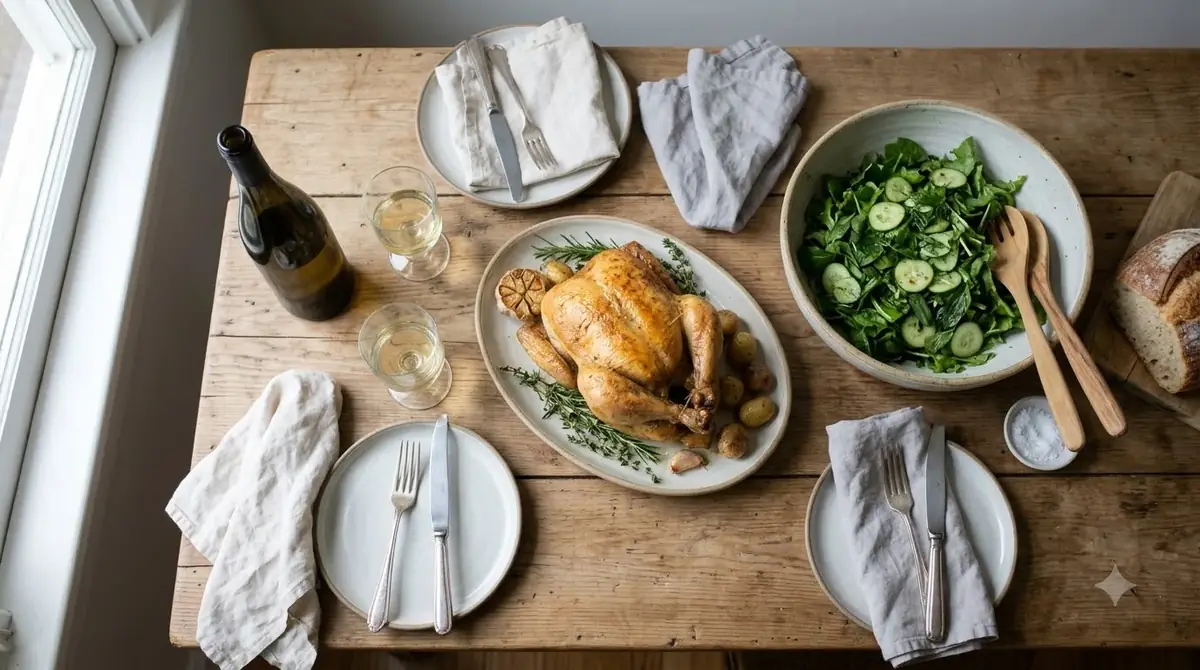
Try sashimi, fresh goat cheese, or a small selection of savory appetizers. These foods allow the wine’s acidity and fruit character to remain prominent. Once you understand its style, move toward richer dishes such as pizza, lasagna, or roasted poultry.
- Preserve the remaining wine.
If the bottle is not finished, use a Champagne stopper designed to maintain pressure and refrigerate it promptly. Sparkling wine generally retains its best character for approximately one to three days after opening, although the quality can decline sooner depending on how much carbonation remains.
These steps are useful whether the bottle is being served as an aperitif or alongside dinner. The most important details are temperature, careful opening, and appropriate glassware. There is no need for complicated preparation or extended decanting because this is a sparkling wine intended to be enjoyed with its lively bubbles intact.
Tip: Take the bottle out of the refrigerator briefly if it becomes excessively cold before serving. A temperature around 46–50°F helps reveal the strawberry, raspberry, citrus, and pastry aromas without sacrificing the refreshing character of the Champagne.
Types and Styles Explained
Understanding the different Champagne styles helps explain where Veuve Clicquot Brut Rosé fits. It is a non-vintage blended rosé with a Brut classification, and its style differs meaningfully from both traditional white Brut Champagne and sweeter rosé sparkling wines.
Brut Rosé versus white Brut Champagne
White Brut Champagne is generally made without the red-wine addition that gives rosé Champagne its pink color. It can contain the same major grape varieties, including Pinot Noir, Chardonnay, and Meunier, but its finished appearance and aromatic expression are different.
Veuve Clicquot Rosé builds on the traditional Yellow Label blend. The producer describes a foundation of 50% Pinot Noir, 20% Meunier, and 30% Chardonnay, followed by the addition of 12% red wine. This creates a wine with a more pronounced red-fruit identity than a typical white Brut expression.
The difference is not simply visual. Red fruit, a more generous palate, and the contribution of Pinot Noir give the rosé an especially appealing role with savory dishes. White Brut can be an excellent choice for oysters, delicate seafood, and lighter appetizers, while rosé can handle more substantial flavors without losing its Champagne freshness.
Brut versus sweeter Champagne
Champagne sweetness categories are determined by dosage, the final adjustment made before bottling. The recognized categories move from Brut Nature and Extra Brut through Brut, Extra Dry, Dry, Demi-Sec, and Doux. Despite its name, Extra Dry is sweeter than Brut.
Veuve Clicquot Brut Rosé belongs in the dry category. Its fruit profile can make it seem generous, but it should not be treated as a sweet wine. The distinction matters particularly at the dinner table because a dessert generally needs a wine that is at least as sweet as the food. A dry rosé Champagne can taste comparatively sharp beside a very sugary dessert.
Standard Brut Rosé versus RICH Rosé
Veuve Clicquot also produces a separate RICH Rosé cuvée. It should not be confused with the standard Brut Rosé simply because both bottles carry the house name and a pink appearance.
The producer lists RICH Rosé with a dosage of 55 grams per liter and describes a different serving approach involving very cold wine or ice. Its pairing suggestions include smoked fish, spicy fruit salad, sweet potato, and chicken yakitori. Standard Brut Rosé, by comparison, is designed around a much drier profile and is more naturally suited to conventional Champagne service.
This distinction is especially important when shopping by name alone. Someone looking for a traditional dry rosé Champagne should select the standard Brut Rosé rather than assuming every pink Veuve Clicquot bottling has the same sweetness level.
What makes Champagne different from other sparkling wine?
Champagne is produced in the legally defined Champagne region of France and uses a traditional production process that includes a second fermentation in the bottle. This process produces the wine’s characteristic carbonation and contributes to the development of lees-related aromas such as brioche, biscuit, and toast.
Other sparkling wines can offer excellent quality, but they may use different grape varieties, regions, and production techniques. Prosecco, for example, is primarily made from Glera and commonly uses the tank method rather than the bottle-fermentation method associated with Champagne. Those differences help explain why Prosecco often emphasizes fresh fruit while Champagne frequently shows additional pastry and yeast-derived complexity.
For a drinker who enjoys red-fruit aromas, a substantial mousse, and traditional Champagne complexity, Veuve Clicquot Rosé is a clearly defined style rather than simply another pink sparkling wine.
For a closer look at the bottle’s fruit, citrus, and pastry characteristics, the dedicated Veuve Clicquot Rosé tasting notes page can help readers understand the aromas and flavors described by the producer and professional reviewers.
Common Mistakes When Buying and Drinking It
The biggest mistakes with Veuve Clicquot Rosé involve confusing fruitiness with sweetness, serving temperature with personal preference, and rosé Champagne with still rosé wine. Understanding these distinctions makes the bottle easier to evaluate and prevents mismatched expectations.
Assuming that rosé means sweet
Pink wine does not automatically mean sweet wine. Veuve Clicquot Brut Rosé is classified as Brut, and its fruit-forward character is balanced by Champagne acidity and lively carbonation. Someone expecting a sweet strawberry-flavored sparkling wine may find the actual wine considerably drier than anticipated.
The better approach is to consider the dosage and the overall style. Its red-fruit aromas create an inviting impression, but the palate is intended to remain refreshing. For a sweeter Champagne experience, the house’s separate RICH Rosé is a different option with a substantially higher dosage.
Serving it too cold
Very cold Champagne can feel refreshing, but excessive chilling can suppress the aromas that make this wine interesting. Strawberry, cherry, orange peel, and brioche are easier to recognize when the wine is served within the producer’s recommended 46–50°F range.
Serving it warm is not ideal either. Excessive warmth can make the alcohol seem more prominent and cause the wine to lose some of its refreshing character. A controlled serving temperature provides a better balance between aromatic expression and crispness.
Pairing it only with fruit desserts
Red-fruit aromas might suggest pairing the wine with strawberry cake or sweet pastries, but very sugary desserts can make a dry Champagne taste sharp. The wine’s Brut classification makes savory dishes a safer starting point.
Fresh berries, lightly sweetened fruit tarts, and tangy sorbets are more appropriate than heavily frosted cakes. The producer specifically identifies light red-fruit desserts as possible companions. The important distinction is that the dessert should not overwhelm the wine with sweetness.
Ignoring the acidity when choosing food
Champagne’s acidity makes it especially useful with rich, salty, and fatty foods. Salt and fat can soften the impression of tannin and balance a wine’s structure, while acidity helps refresh the palate after each bite.
That is one reason sashimi, aged cheese, and pizza can work well with this rosé. Very oily fish served with a strongly tannic red wine can create a difficult combination, but the fresh acidity and bubbles of rosé Champagne provide a different balance. Food with strong chili heat requires more care because alcohol and tannin can make the sensation of spice more intense.
Confusing the standard rosé with vintage releases
Non-vintage Champagne is blended to maintain a recognizable house profile rather than express a single harvest. Vintage Champagne is a different category and can reflect the specific conditions of an individual growing season.
Veuve Clicquot produces separate vintage rosé bottlings, so shoppers should not assume that all bottles bearing the Rosé name have identical blends, ageing potential, or flavor characteristics. The standard non-vintage Brut Rosé is the appropriate reference point for this buying guide.
Readers planning a meal around this Champagne can also consult the Veuve Clicquot Rosé food pairing guide for ideas involving seafood, cheese, savory dishes, and desserts.
Care and Storage Tips
Proper storage protects the freshness, carbonation, and aromatic detail of Veuve Clicquot Rosé. The most important conditions are a stable temperature, protection from light, and careful handling before opening.
Storing an unopened bottle
Store the bottle in a cool, dark location with a relatively stable temperature near 55°F. Avoid placing Champagne beside an oven, radiator, or other source of heat. Frequent temperature changes can be undesirable for wine storage, particularly when a bottle is intended for a future celebration.
For longer storage, keeping the bottle on its side is a traditional approach for cork-closed wine. This helps maintain contact between the wine and the cork. A dedicated wine refrigerator or cellar is preferable to an ordinary kitchen cupboard when the environment is particularly warm or subject to frequent temperature changes.
Light is another consideration. Champagne bottles should be protected from direct sunlight and strong artificial light. Extended exposure can affect the wine’s freshness and aromatic quality, making a dark storage location a practical choice.
Chilling before opening
Refrigerate the bottle sufficiently in advance so it reaches approximately 46–50°F. If time is limited, an ice bucket containing ice and water can cool it more efficiently than placing it in a freezer for an extended period.
Do not leave the bottle forgotten in the freezer. Excessive chilling can affect the wine’s presentation, while freezing creates the possibility of pressure-related problems as the liquid expands. Controlled chilling is safer and produces a more enjoyable serving temperature.
Keeping an opened bottle fresh
After opening, use a Champagne stopper that locks securely onto the bottle. Return the remaining wine to the refrigerator as soon as possible. The cold environment slows the loss of freshness, although it cannot completely prevent carbonation from escaping.
Opened sparkling wine is generally best consumed within one to three days. The exact result depends on the amount remaining, the quality of the stopper, and how frequently the bottle is opened. A bottle that has lost much of its carbonation will not provide the same creamy mousse and lively texture that define fresh Champagne.
It is also sensible to avoid pouring leftover Champagne into another container unless there is a specific reason to do so. Keeping it in its original bottle with a suitable stopper is usually the simplest method of preserving the remaining bubbles.
Choosing the right occasion
Veuve Clicquot Rosé works particularly well for occasions where a single wine needs to cover several roles. It can begin as an aperitif, continue alongside appetizers, and accompany selected main dishes without requiring a change to a completely different wine style.
For a dinner party, prepare the bottle shortly before guests arrive and keep it chilled between pours. For a larger celebration, plan sufficient bottles so that the Champagne is not stretched across too many servings. Maintaining a consistent serving temperature and using clean glasses will help the wine show its aromas and texture throughout the occasion.
Frequently Asked Questions
Did Madame Clicquot invent rosé Champagne?
Veuve Clicquot credits Madame Clicquot with creating the first known blended rosé Champagne in 1818. The innovation involved adding red wine to white Champagne rather than relying on other historical coloring approaches. The technique became an important part of modern rosé Champagne production.
Is Veuve Clicquot Rosé suitable for vegetarians?
Vegetarian suitability cannot be confirmed from the standard product description alone. Some winemaking processes use animal-derived fining agents, while others use alternative methods or no fining. Anyone following a strict vegetarian diet should request confirmation of the specific production practices from the producer.
Does Veuve Clicquot Rosé contain sulfites?
Yes. The producer explicitly identifies sulfites on its product information. Sulfites are commonly used in winemaking to help protect wine against oxidation and unwanted microbial activity, and their presence is not unique to rosé Champagne.
Is Veuve Clicquot Rosé made from only one grape variety?
No. The standard cuvée combines Pinot Noir, Meunier, and Chardonnay. The producer also identifies a separate red-wine component, which contributes to the wine’s color and depth. This multi-grape approach is typical of many traditional Champagne blends.
Can Veuve Clicquot Rosé be used in Champagne cocktails?
Yes. Its red-fruit character can provide an attractive base for a sparkling cocktail, particularly when paired with restrained ingredients such as a small amount of berry liqueur or citrus. However, adding sweet mixers changes the drink’s balance, so a relatively dry recipe is a better way to preserve the Champagne’s original character.
Veuve Clicquot Brut Rosé is a compelling choice for drinkers who want dry Champagne with expressive red fruit, refreshing acidity, and a more substantial texture than a particularly delicate sparkling wine. Its balanced blend, recognizable house style, and versatility with seafood, cheese, pizza, and appetizers make it a practical celebratory bottle as well as a wine for the dinner table. For someone who enjoys fruity but genuinely dry rosé Champagne, it deserves serious consideration.
More in Wine Brands
 Underwood Wine Price: Compare Bottles, Cans, and Pack SizesUpdated Nov 21, 2026
 Zenato Wine Price: Compare Styles and Choose the Right BottleUpdated Nov 21, 2026
 Zuccardi Wine Price: Compare Bottles and Find the Right RangeUpdated Nov 21, 2026
 Yellow Tail Moscato Review: Taste, Sweetness and Serving TipsUpdated Nov 21, 2026
 Wolf Blass Yellow Label Review: Choose Your Best StyleUpdated Nov 21, 2026
 Wolffer Estate Rose Review: Choose the Right Bottle for Your TableUpdated Nov 21, 2026