

We may earn a commission when you buy through links on this page, at no extra cost to you. Learn more.
Is ruffino chianti good? Yes, Ruffino Chianti is a good everyday Italian red for people who enjoy dry, fruity wines with refreshing acidity, moderate tannins, and an approachable medium body. Made primarily from Sangiovese grapes grown in Tuscany, it offers recognizable cherry and red-fruit character alongside floral, herbal, and lightly spicy notes. It is particularly appealing with pizza, pasta, hamburgers, and other casual meals, although drinkers looking for a powerful, complex, cellar-worthy red may prefer a more substantial Chianti.
Ruffino is a familiar name in Italian wine, and its Chianti DOCG is designed to make the traditional flavors of Tuscany accessible at the dinner table. Its appeal comes from balance rather than sheer intensity: enough acidity to complement tomato-based dishes, enough fruit to make the wine enjoyable on its own, and moderate structure that does not overwhelm everyday food. Understanding its sweetness, grape blend, flavor profile, and serving requirements makes it easier to decide whether this bottle deserves a place in your wine collection.
Who This Is For
Ruffino Chianti is best suited to wine drinkers who want a dependable, dry Italian red for everyday meals rather than a particularly powerful or expensive bottle. Its medium body, fruit-forward character, and refreshing acidity make it accessible to beginners while still offering familiar Tuscan characteristics for experienced red-wine drinkers.
One reason this wine appeals to a broad audience is its connection to a recognizable Italian wine tradition. Ruffino’s official history for this bottling traces its inaugural vintage to 1877. The producer describes its Chianti DOCG as a wine built around Sangiovese, supported by Merlot, Cabernet Sauvignon, and other complementary varieties. That combination helps create a relatively approachable expression of the Chianti appellation.
Beginners who are moving beyond sweet red blends may find Ruffino Chianti a useful introduction to dry Italian reds. Its fruit-forward aromas make it less challenging than some highly structured reds, while its acidity introduces the brighter, more savory style associated with Sangiovese. It can also be a practical choice for households that regularly serve tomato-based pasta, pizza, roasted vegetables, or grilled meat.
Who will appreciate it most?
- New red-wine drinkers: The medium body and approachable fruit character provide an accessible introduction to Italian red wine.
- Fans of Italian food: Its acidity works particularly well with tomato sauce, pasta, pizza, and savory dishes.
- Casual dinner hosts: It is versatile enough to accompany several familiar foods without requiring an elaborate menu.
- Sangiovese enthusiasts: It offers a straightforward way to enjoy the recognizable character of Tuscany’s signature red grape.
- Drinkers who prefer dry wines: Its profile emphasizes fruit, acidity, and savory characteristics rather than obvious sweetness.
However, Ruffino Chianti is not the ideal choice for everyone. Someone who prefers powerful Cabernet Sauvignon, heavily oaked reds, or concentrated wines with substantial tannin may find it relatively light and uncomplicated. Similarly, collectors seeking a wine for long-term cellaring should investigate more structured bottlings rather than automatically treating this standard Chianti as an investment wine.
For a broader look at the producer, the Ruffino Chianti overview provides additional context about the wine and its place within the brand’s Italian range.
Key Factors to Compare
The most useful way to judge Ruffino Chianti is to examine its dryness, grape composition, acidity, body, alcohol content, and intended drinking style. These characteristics explain why it works well with food and why its appeal differs from richer Italian reds.
| Factor | Typical characteristic | What it means for drinkers |
|---|---|---|
| Wine style | Dry red | Not designed as a sweet red wine |
| Primary grape | 70% Sangiovese | Provides recognizable Tuscan fruit and acidity |
| Other grapes | 30% combined varieties | Includes Merlot, Cabernet Sauvignon, and other complementary grapes |
| Body | Medium | More substantial than many light reds without becoming heavy |
| Alcohol | 12.5%-13% ABV in cited listings | A moderate-strength profile for a red wine |
| Serving temperature | 60-64°F | Helps preserve freshness and fruit expression |
| Bottle size | 750 ml | Approximately five standard 5-ounce glasses |
| Aging vessels | Stainless steel and concrete | Emphasizes fruit and freshness rather than prominent oak flavors |
The grape composition is particularly important. According to Ruffino’s official Chianti DOCG product information, Sangiovese accounts for 70% of the blend, while Merlot, Cabernet Sauvignon, and other complementary varieties make up the remaining 30%. This is a useful starting point for understanding the balance between bright acidity, red-fruit character, and a softer overall impression.
Sangiovese is known for its lively acidity and red-fruit flavors. In Ruffino Chianti, those characteristics help keep the wine fresh and food-friendly. Merlot can contribute a softer fruit impression, while Cabernet Sauvignon and other blending varieties can add complementary structure. The exact sensory result depends on the vintage and the proportions of the supporting grapes.
Dryness, acidity, and tannins
Ruffino Chianti is a dry wine, not a sweet red intended to taste like jam or dessert. Fruit aromas can sometimes create an impression of sweetness, especially for people accustomed to sweeter supermarket wines, but ripe cherry and strawberry flavors do not mean that the wine contains substantial residual sugar.
Acidity is one of its most useful qualities. Sangiovese naturally tends toward refreshing acidity, which gives the wine enough liveliness to complement tomatoes, herbs, cheese, and savory meat dishes. Tannins provide some structure, but the overall impression is more approachable than that of a heavily tannic Cabernet Sauvignon or a powerful Syrah.
Alcohol content is another consideration. Retailer listings reviewed for Ruffino Chianti show figures of 12.5% and 13% ABV, depending on the listing and bottling. For a more detailed explanation of the variations and how to interpret the percentage, see Ruffino Chianti alcohol content.
These figures should be understood as published examples rather than a promise that every bottle will have an identical alcohol percentage. The specific bottling is the appropriate reference when comparing individual bottles.
Step-by-Step: How to Evaluate Ruffino Chianti
You can make a more informed buying decision by examining the bottle, evaluating its flavor characteristics, and considering the foods you intend to serve. A few simple steps help distinguish a good everyday Chianti from a wine that may not suit your preferences.
-
Identify the wine category.
Look for Chianti DOCG on the bottle. Ruffino’s standard Chianti belongs to the Chianti appellation in Tuscany. Do not automatically confuse it with Chianti Classico, which is a separate appellation with its own production requirements and geographical boundaries.
-
Consider the grape composition.
Ruffino identifies Sangiovese as 70% of the blend, with the remaining 30% comprising Merlot, Cabernet Sauvignon, and other complementary varieties. This composition gives you a useful expectation of the wine’s style before opening it.
-
Decide whether you prefer dry reds.
If you enjoy cherry, strawberry, floral aromas, and savory flavors without pronounced sweetness, Ruffino Chianti is worth considering. If you generally choose sweet red blends, its drier finish and more noticeable acidity may require some adjustment.
-
Match the wine to your meal.
Think about whether you are serving Margherita pizza, ravioli, lasagna, hamburgers, or grilled vegetables. These foods provide natural opportunities for the wine’s acidity and fruit character to work alongside savory ingredients.
-
Choose an appropriate serving temperature.
Ruffino recommends serving its Chianti at 60-64°F. This is slightly cooler than many room-temperature conditions in American homes, particularly during warm weather. A short period in the refrigerator can help bring the wine closer to the recommended range.
-
Open and assess the wine.
Pour a small amount into a suitable red-wine glass. Notice the color, fruit aromas, and acidity before taking a sip. Give the wine a few minutes in the glass if its aromas initially seem restrained.
-
Evaluate the finish with food.
Try a sip alongside tomato sauce, Parmesan, or grilled meat. Consider whether the acidity refreshes the palate and whether the tannins complement the meal. This is more useful than judging a food-oriented Chianti exclusively as a wine to drink without food.
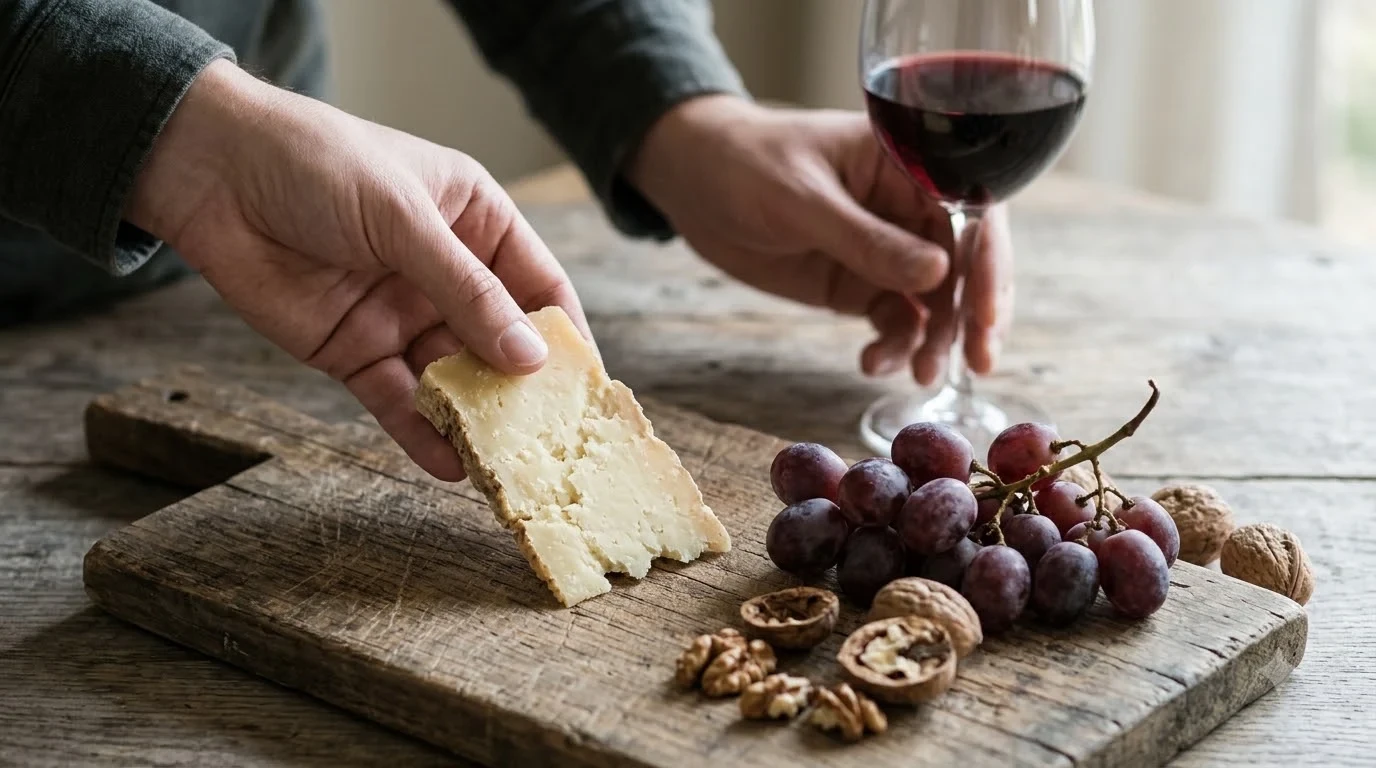
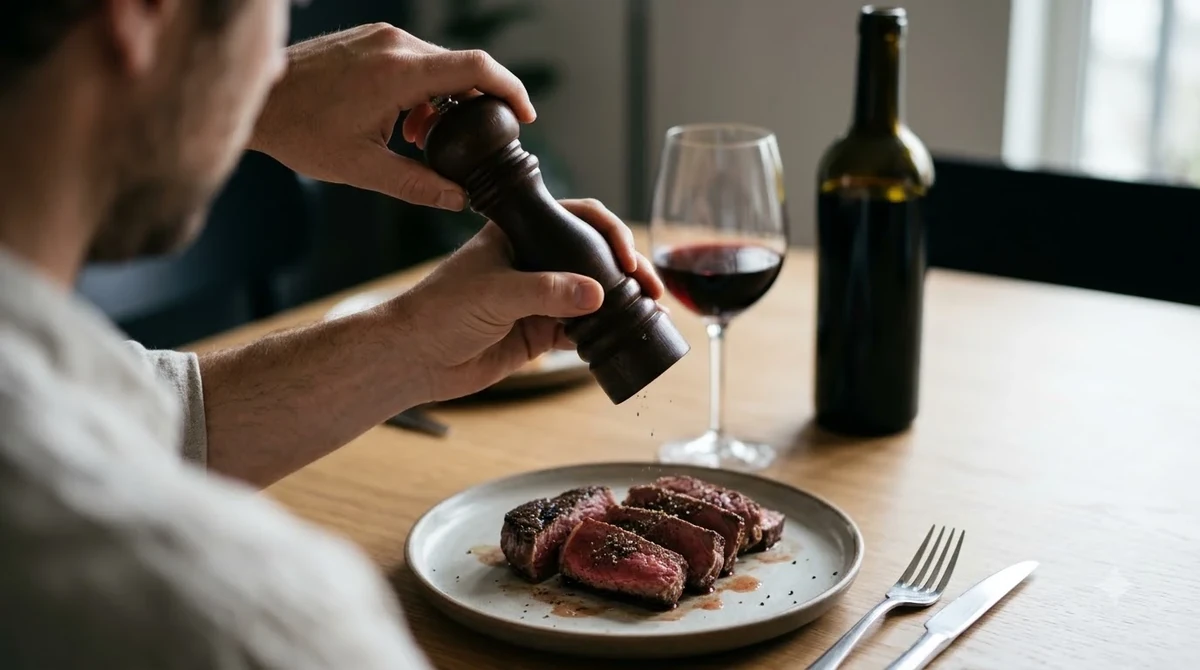
Tip: If Ruffino Chianti tastes sharper than expected when served by itself, try it with tomato-based pasta or a slice of Margherita pizza. Its acidity often feels more balanced alongside savory food, particularly when the meal includes cheese, olive oil, and herbs.
These steps also help when comparing different Italian reds. A wine that seems relatively simple during an isolated tasting may become much more enjoyable at the dinner table. Ruffino Chianti is intended to be versatile, so food compatibility should play a major role in the purchasing decision.
Types and Styles Explained
Understanding the different wine styles associated with Chianti helps explain where Ruffino fits. Standard Chianti, Chianti Classico, and more developed or structured Tuscan reds can share grape varieties while offering noticeably different drinking experiences.
Standard Chianti DOCG
Ruffino’s standard Chianti DOCG is an accessible expression of the broader Chianti appellation. Its fruit-forward profile, medium body, and refreshing acidity make it suitable for regular meals. It is generally a better match for casual occasions than for situations requiring an exceptionally concentrated or age-worthy red.
The standard category is particularly attractive to people who want an introduction to Sangiovese without immediately purchasing a more expensive wine. It can deliver recognizable Italian character while remaining relatively easy to understand and pair with familiar foods.
Chianti Classico
Chianti Classico comes from a distinct area within the larger Chianti territory. Wine.com explains that the Classico region has been recognized as a separate appellation since 1996. Although both standard Chianti and Chianti Classico are associated with Tuscany and Sangiovese, their geographical origins and applicable production rules are different.
Chianti Classico is often a useful next step for drinkers interested in exploring more structured expressions of Sangiovese. Depending on the producer and bottling, these wines can show greater concentration, more pronounced savory characteristics, and firmer tannins.
Importantly, Ruffino Chianti DOCG should not be described as Chianti Classico simply because both wines come from Tuscany. The appellation printed on the bottle matters.
Chianti Riserva
Riserva wines represent another style worth understanding. These wines have additional aging requirements under their respective appellation rules, and producers may select fruit and winemaking approaches that create a more developed profile.
Compared with a straightforward everyday Chianti, a Riserva may show more pronounced savory notes, greater structural depth, and a longer finish. Such differences make the category interesting for drinkers who already enjoy Sangiovese and want to explore more complex expressions.
Other Tuscan red wines
Tuscany produces several other recognizable red-wine styles, including Brunello di Montalcino and Vino Nobile di Montepulciano. These wines are associated with Sangiovese and its local expressions, but they have distinct appellation identities and production requirements.
They are worth exploring if you enjoy Ruffino Chianti but want something more structured or suitable for a special dinner. However, they are not automatically better choices for everyday drinking. A simpler wine can be more appropriate when the meal is casual and the main priority is refreshment rather than complexity.
The main takeaway is that Ruffino’s standard Chianti is best understood as an approachable entry into Tuscan red wine, not as a substitute for every premium wine produced in the region.
Common Mistakes When Buying or Drinking Ruffino Chianti
Many disappointing experiences with an otherwise suitable bottle come from incorrect expectations, inappropriate serving conditions, or poor food choices. Understanding a few common mistakes makes it easier to appreciate Ruffino Chianti for the style it is intended to deliver.
Expecting a sweet red wine
One of the most common misunderstandings is assuming that fruity aromas indicate sweetness. Ruffino Chianti can smell like ripe cherries, strawberries, and other red fruits while still tasting dry. Its floral and spicy characteristics also contribute to an impression of fruitiness without making it a sweet wine.
People who prefer noticeably sweet red blends may find the acidity and drier finish unfamiliar. This does not necessarily indicate a problem with the wine. It simply reflects a difference in style.
Expecting Cabernet Sauvignon levels of tannin
Cabernet Sauvignon typically has high tannin, whereas Merlot is generally softer and Pinot Noir usually has low-to-medium tannin. Sangiovese has a different balance, with noticeable acidity and a moderate structural presence.
Ruffino Chianti is not designed to deliver the powerful grip of a heavily structured Cabernet Sauvignon. Drinkers who expect a dense, muscular red may consider it too light. Those who prefer freshness and a more flexible food-pairing profile may find this balance appealing.
Serving it too warm
Many people serve red wine at whatever temperature their dining room happens to be. In a warm home, that can make Ruffino Chianti feel hotter and less refreshing than intended. The producer recommends a serving range of 60-64°F, which is a useful target for this wine.
Serving it slightly cool can help maintain its fruit expression and balance. Avoid making the wine excessively cold, however, because very low temperatures can mute its aromas and make its acidity seem more prominent.
Pairing it with the wrong foods
Another mistake is serving a relatively acidic red with delicate seafood or expecting it to complement every spicy dish. Ruffino Chianti is generally more convincing alongside tomato-based sauces, roasted vegetables, grilled meat, and savory cheese.
Very hot chili dishes can make the alcohol and tannin seem more pronounced. Oily fish can also clash with tannic reds. If the meal centers on delicate fish, a fresh white wine may be a more suitable choice.
Confusing the standard bottling with premium Chianti
Not every bottle bearing the Chianti name has the same concentration, aging potential, or price positioning. Standard Chianti, Chianti Classico, and Riserva bottlings occupy different places in the Tuscan wine landscape.
Ruffino’s standard Chianti is intended to be approachable and versatile. Judging it against an expensive, mature Tuscan red without considering those differences can create unrealistic expectations. A fair assessment should focus on whether the wine delivers a pleasant and balanced everyday drinking experience.
Assuming every bottle has identical specifications
Different retailer listings can show different alcohol percentages and vintage information. A 12.5% ABV listing and a 13% ABV listing do not necessarily describe the exact same bottling. Wine specifications can also vary between vintages.
For that reason, avoid relying on an old product description when evaluating a bottle purchased today. The specific product information associated with the bottle is more useful than assuming every Ruffino Chianti has identical characteristics.
Care and Storage Tips
Proper storage and serving conditions help preserve Ruffino Chianti’s fruit aromas and balanced structure. The most important considerations are a stable storage environment, an appropriate serving temperature, and sensible handling after opening.
Store unopened bottles correctly
Keep unopened bottles in a cool, dark location away from direct sunlight, strong temperature changes, and kitchen heat. A temperature near 55°F is a useful general target for storing wine. If the bottle has a natural cork closure, horizontal storage helps maintain contact between the cork and wine.
Avoid keeping wine beside ovens, radiators, or sunny windows. Repeated temperature fluctuations can affect the wine’s development and quality. A dedicated wine refrigerator is convenient but not essential if you have a consistently cool storage area.
Serve at the right temperature
Ruffino’s recommended serving range is 60-64°F. This is a practical temperature for a medium-bodied red with fresh fruit and noticeable acidity.
If the bottle has been stored in a warm room, place it in the refrigerator briefly before serving. Check the temperature periodically rather than leaving it in the refrigerator for an unnecessarily long period. The objective is to cool the wine slightly, not serve it at refrigerator temperature.
Choose suitable glassware
A standard red-wine glass is sufficient for Ruffino Chianti. A moderately sized bowl provides room for the wine to release its aromas without requiring specialized glassware.
Pour approximately 5 ounces per serving. A standard 750 ml bottle contains roughly five such servings, making it a practical size for a small dinner gathering.
Decanting and opening
Unlike a young, highly concentrated red that may benefit from substantial aeration, Ruffino Chianti generally does not require an extended decanting period. Opening the bottle shortly before dinner and allowing it to breathe in the glass is a reasonable approach.
If the wine initially seems closed, give it 10 to 15 minutes in the glass and reassess its aromas. This is usually sufficient for an approachable everyday red. There is little reason to automatically decant it for 30 to 60 minutes, a period more commonly useful for certain young, full-bodied reds.
Preserve leftover wine
After opening, reseal the bottle and place it in the refrigerator. Even red wine generally lasts longer when stored cold after opening. For most still wines, a practical guideline is approximately three to five days, although the wine’s condition will gradually change as it encounters oxygen.
Before serving the remainder, allow the wine to warm slightly toward its recommended serving temperature. If the aromas have become noticeably dull or the wine tastes stale, it may no longer offer the same drinking experience.
For Ruffino Chianti, these straightforward practices are generally more useful than complicated cellaring routines. The wine’s main attraction is its accessible, fresh character, so sensible storage and timely consumption make the most of its intended style.
Frequently Asked Questions
Is Ruffino Chianti considered a good wine for beginners?
Yes. Its medium body and approachable red-fruit character make it a reasonable introduction to Tuscan red wines. Its relatively noticeable acidity also gives beginners an opportunity to understand the refreshing style associated with Sangiovese. Starting with a meal rather than tasting it alone can make the experience more approachable.
Does Ruffino Chianti contain sulfites?
Like most conventional wines, Ruffino Chianti contains naturally occurring sulfites, and additional sulfites may be used during winemaking to help protect the wine. Bottles sold in the United States generally carry a sulfite declaration when they meet the applicable labeling threshold. The exact amount is not established by the general product descriptions discussed here.
Is Ruffino Chianti made from 100% Sangiovese?
No. Ruffino identifies its standard Chianti DOCG as 70% Sangiovese, with the remaining 30% comprising Merlot, Cabernet Sauvignon, and other complementary varieties. This distinguishes the wine from a bottling made exclusively from Sangiovese. The blend helps provide a recognizable Tuscan profile with complementary fruit and structure.
Can Ruffino Chianti be used for cooking?
Yes. A dry red such as Ruffino Chianti can be used in tomato-based pasta sauces, braised meat preparations, and other savory recipes. Its acidity and red-fruit character work particularly well in dishes containing tomatoes, garlic, onions, and Italian herbs. Avoid using wine that has developed unpleasant oxidation or stale aromas.
Does Ruffino Chianti need to be aged before drinking?
No extended cellaring is necessary for its intended everyday-drinking style. The producer presents its standard Chianti as an accessible wine, and the principal attraction is its freshness and food-friendly character. Keeping it under appropriate storage conditions is sensible, but purchasing it specifically for long-term aging is generally unnecessary.
Overall, Ruffino Chianti is a worthwhile choice for drinkers who appreciate dry, medium-bodied Italian reds with lively acidity and approachable fruit. Its strongest qualities are versatility, familiarity, and compatibility with everyday food rather than exceptional depth or aging potential. If you enjoy Sangiovese, tomato-based Italian cooking, and refreshing red wines, Ruffino Chianti is a sensible bottle to consider as an introduction to Tuscany.
More in Wine Brands
 Louis Latour Wine Price: Compare Bottles by Style and TierUpdated Nov 20, 2026
 Yellow Tail Moscato Price: What to Expect Before You BuyUpdated Nov 20, 2026
 Sutter Home Sweet Red Review: Find the Right Food PairingsUpdated Nov 20, 2026
 Franzia Chillable Red Review: Find the Right Serving StyleUpdated Nov 20, 2026
 Veuve Clicquot Rose Review: Flavor, Food Pairings and Buying AdviceUpdated Nov 20, 2026
 Rombauer Wine Price: Compare Bottles Before You BuyUpdated Nov 20, 2026