

We may earn a commission when you buy through links on this page, at no extra cost to you. Learn more.
Tempranillo tannins sit squarely in the medium-high range, delivering a structured, drying grip across your gums and cheeks without feeling overly harsh or astringent. Because the grape naturally produces thinner skins than Cabernet Sauvignon yet relies heavily on oak barrel aging, its final texture balances savory grape polyphenols with smooth wood tannins. Depending on where the vines grow and how long the wine rests in barrel, these tannins can feel anywhere from silky and powdery in an aged Rioja to firm and chewy in a young Ribera del Duero.
If you enjoy red wines with backbone and food-friendly structure, understanding how tannin behaves in Spain’s flagship red grape will help you pick the right bottle every time. Whether you are pouring a vibrant young table wine or decanting a twenty-year-old cellar classic, the interplay between fruit, acidity, and oak defines every sip.
What Tempranillo Tannins Are
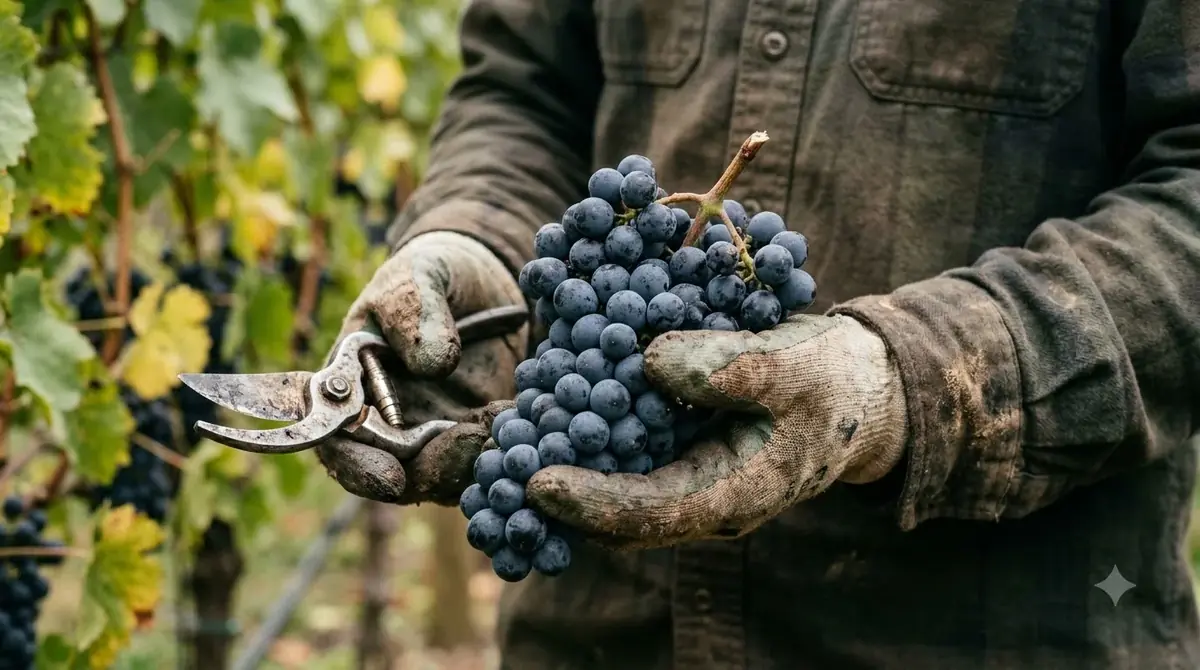
Tannins in Tempranillo are naturally occurring polyphenolic compounds extracted from the grape’s skins, seeds, and stems during fermentation, alongside additional tannins absorbed from oak barrels during aging. While Tempranillo grapes have relatively thin skins compared to thicker-skinned varieties like Syrah, the fruit still yields a distinctly structured, medium-to-full-bodied red wine with noticeable textural grip.
On the palate, these compounds bind to proteins in your saliva, creating a gentle drying sensation along the sides of your mouth and gums. According to Wine Folly’s comprehensive Tempranillo guide, the grape is prized for pairing medium-high tannins with medium-high acidity, which prevents the wine from ever feeling heavy or cloying. Rather than coating your tongue with thick, syrupy weight, a classic bottling feels architectural, savory, and clean on the finish.
Winemakers also shape this textural framework through barrel selection and maceration times. Because Spanish winemaking tradition relies heavily on extended aging in American or French oak, wood tannins smoothly integrate with natural grape tannins over months and years. Over time, these long-chain tannin molecules polymerize and soften, transforming an assertive, youthful grip into a polished, velvety mouthfeel that can hold up in a cellar for over two decades.
Flavor and Styles
The way Tempranillo tannins feel in your glass changes dramatically depending on how long the wine ages in oak before release. In Spain, legal aging classifications—Joven, Crianza, Reserva, and Gran Reserva—act as a reliable roadmap for predicting whether a bottle will taste bright and grippy or mellow and silky.
When left unoaked or lightly aged, young bottlings highlight red cherry, raspberry, and subtle earthy notes alongside fresh, lively tannins that feel brisk and immediate. Once oak enters the picture, flavors expand into vanilla, cedar, dill, tobacco, and leather—a signature spectrum explored further in our guide to tempranillo tasting notes. Reviewers at Decanter frequently describe well-aged examples as displaying fine, powdery, or chocolate-like tannins that frame ripe plum and dried herb notes without overwhelming the palate.
| Spanish Aging Tier | Minimum Total Aging | Minimum Oak Aging | Tannin Texture & Profile |
|---|---|---|---|
| Vin Joven | Released young (no minimum) | Little to none | Fresh, brisk, and slightly grippy with bright red fruit |
| Crianza | 2 years | 6 months | Medium-high, structured, balanced with vanilla and cherry |
| Reserva | 3 years | 1 year | Polished, firm, and integrated with cedar and tobacco notes |
| Gran Reserva | 5 years | 18 months (often 20–30 months) | Silky, velvety, and resolved with leather and dried fig |
Beyond barrel duration, the type of oak also leaves a distinct tactile imprint. American oak tends to impart bolder, sweeter spice notes like coconut and dill alongside a broader, creamier texture, while French oak lends tighter-grained, subtler tannins that emphasize dark fruit and graphite. Together, these choices allow producers to craft everything from casual weeknight pours to structured, age-worthy icons.
Where It Grows
Accounting for over 80 percent of global plantings, Spain is the undisputed heartland of Tempranillo, though soil composition and climate create major regional shifts in tannin intensity. While the grape also grows under local synonyms like Tinta Roriz and Aragonês in Portugal—as well as in smaller pockets of Argentina, Australia, California, Texas, and Southern Oregon—its most instructive expressions come from distinct Spanish appellations.
In Rioja, located in north-central Spain and shielded by northern mountains, producers frequently blend Tempranillo with Garnacha, Graciano, and Mazuelo. The region’s limestone and clay soils help yield wines with medium-high, finely textured tannins that soften gracefully over long aging periods. Moving west to Ribera del Duero, where the grape is known as Tinto Fino or Tinta del País, hot summer days and cool high-elevation nights produce smaller berries with thicker skins, resulting in darker color, higher alcohol—often 13.5 to 15 percent ABV—and noticeably firmer, denser tannins.
For the boldest tannic structure in Spain, look to Toro, where the local clone called Tinta de Toro thrives in continental heat and sandy, clay-rich soils. Wines from Toro are renowned for powerful, muscular tannins that demand either extended cellar time or hearty protein on the dinner table. Conversely, warmer central plains like La Mancha produce softer, more approachable styles built for early drinking.
How to Serve
Serving Tempranillo at the proper temperature and giving structured bottles adequate oxygen keeps its tannins supple and balanced. Pouring the wine too warm accentuates alcohol heat and makes the grip feel harsh, whereas serving it too cold compresses the fruit aromas and makes tannins taste overly astringent.
Aim to serve Tempranillo between 60°F and 68°F (15°C to 20°C), which sits just below typical American room temperature. A brief 15-to-20-minute chill in the refrigerator before opening brings a bottle right into the sweet spot, allowing bright cherry and savory spice aromas to lift cleanly out of the glass while keeping the tannic backbone crisp.
Tip: Decant young Crianza, Ribera del Duero, or Toro bottlings for at least one hour before serving to soften firm tannins and open up their savory aromatics.
Glassware and aeration also play a practical role in managing mouthfeel. A standard universal red wine glass with a moderately wide bowl directs the wine toward the center of the palate, softening the perception of dryness along the sides of your mouth. For older Gran Reserva bottles with ten or more years of bottle age, skip aggressive decanting—gentle pouring into a clean glass preserves delicate dried-fruit and leather nuances without prematurely oxidizing fragile, resolved tannins.
Food Pairing
Because Tempranillo combines medium-high tannins with refreshing acidity and savory earthiness, it ranks among the most adaptable red wines at the dinner table. In culinary pairing, tannin molecules bind directly to dietary fats and proteins, effectively cleansing your palate between bites while softening the wine’s astringency.
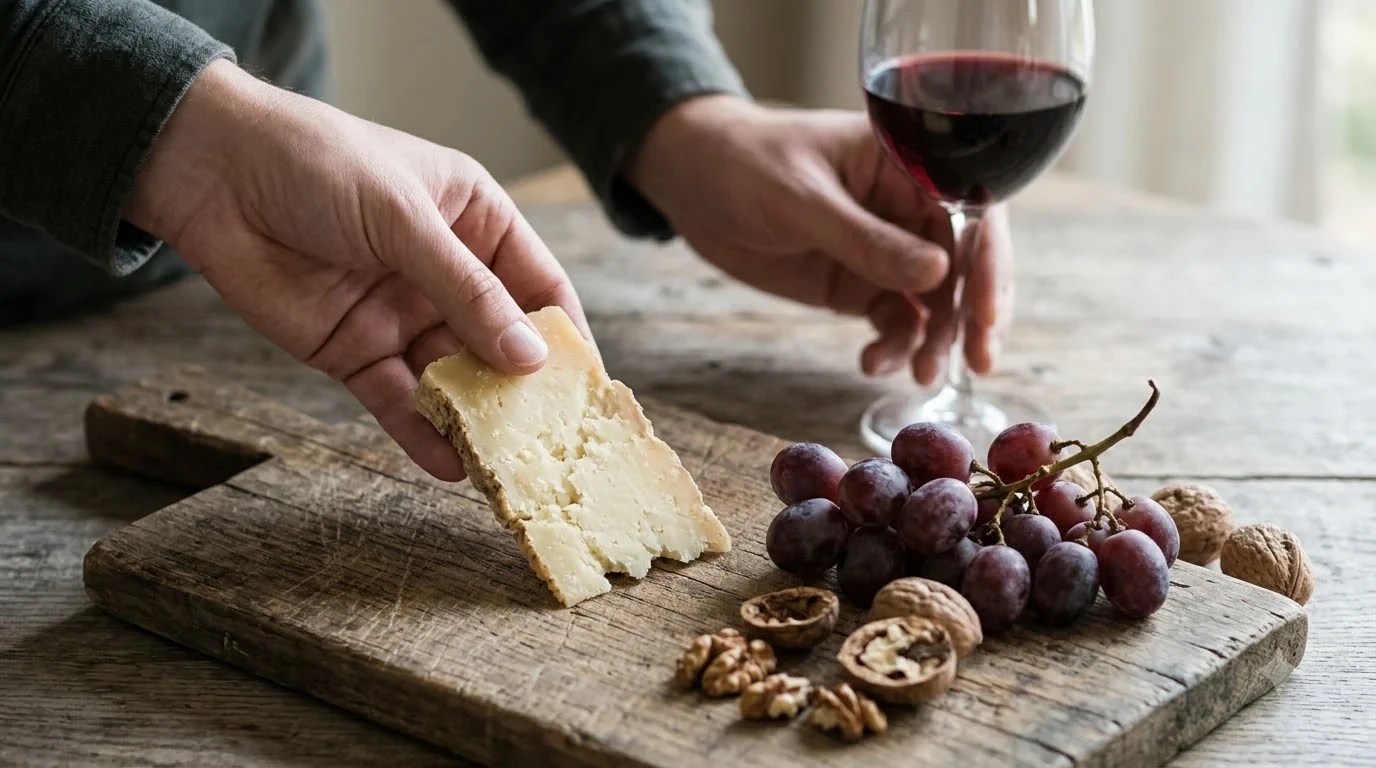
Classic Spanish matches lean into cured meats, aged sheep’s milk cheeses like Manchego, and slow-roasted lamb, where rich fat buffers the wine’s grip and highlights its cedar and dried herb nuances. For everyday cooking, aged oak-driven styles pair naturally with grilled steaks, burgers, and smoky barbecue ribs, while fresher, younger expressions shine alongside tomato-based pastas, wood-fired pizza, and roasted mushrooms.
You can also look beyond European dishes when matching structure to flavor. Earthy, medium-tannin bottles complement savory Mexican staples like carne asada tacos, chile rellenos, and black bean dishes, as well as creamy polenta or grilled portobello steaks. When in doubt, match the weight of the dish to the bottle’s aging tier: lighter, unoaked styles belong with weeknight pasta, whereas dense, tannic Ribera del Duero or Toro bottles call for charred red meat.
How to Choose a Bottle
Reading the regional appellation and aging classification on the front label gives you everything you need to predict a bottle’s tannic weight before pulling the cork. If you are browsing a shop’s Wine by Type section—or double-checking how to pronounce Tempranillo before asking a sommelier—start by deciding whether you want immediate smoothness or bold grip.
For a softer, ready-to-drink texture with layered oak spice, choose a Rioja Reserva or Gran Reserva, where years of barrel and bottle aging have already rounded off any rough edges. If you prefer a punchier, more muscular red wine to pair with steak or store in a cool closet for a few years, reach for a Ribera del Duero Crianza or a bottle labeled Tinta de Toro.
Visual cues in the glass also tell a clear story once the bottle is open, as detailed in our look at Tempranillo color. A youthful, high-tannin expression typically shows a deep ruby hue with a bright red rim, whereas an older, silkier bottling shifts toward garnet with a brick-orange edge caused by gradual oxidation in oak barrels.
Frequently Asked Questions
Is Tempranillo considered a high-tannin wine?
Tempranillo is best classified as a medium-high tannin red wine. While it has more structural grip than Pinot Noir or Merlot, its tannins are generally softer and less astringent than Cabernet Sauvignon or Nebbiolo, especially when aged in oak barrels.
Does oak aging increase or soften Tempranillo tannins?
Oak aging actually does both over time. New barrels initially contribute wood tannins that add structure and spice, but extended barrel and bottle maturation causes tannin molecules to bind together and soften into a smoother, more velvety texture.
Which region makes the most tannic Tempranillo?
Within Spain, Toro produces the most muscular, high-tannin expressions from the local Tinta de Toro clone, closely followed by Ribera del Duero. Rioja tends to produce slightly finer, more medium-bodied tannins due to cooler mountain influences and blending.
How can you soften harsh tannins in a young Tempranillo?
Decanting a young bottle for about an hour exposes the wine to oxygen, which rounds out sharp edges and releases fruit aromas. Serving the wine slightly cool at 60°F to 68°F alongside fatty or protein-rich foods like aged cheese or grilled steak also makes the tannins taste noticeably smoother.
Understanding how grape skins, regional climate, and Spanish oak aging shape Tempranillo tannins makes shopping for Spanish reds far more rewarding. Whether you reach for a silky, long-aged Rioja Gran Reserva or a bold, structured Ribera del Duero, you can match the exact level of grip to whatever is on your table tonight.
More in Wine Types & Grapes
 What Does Mourvèdre Taste Like? Flavor Profile, Regions, and PairingsUpdated Nov 20, 2026
 What Does Marsanne Taste Like? Flavors, Styles, and Food PairingsUpdated Nov 20, 2026
 What Does Malvasia Taste Like? Styles, Flavors, and Food PairingsUpdated Nov 20, 2026
 What Does Grenache Blanc Taste Like? Flavor Profile, Styles, and PairingsUpdated Nov 20, 2026
 What Does Garnacha Taste Like? Key Flavors, Styles, and Pairing TipsUpdated Nov 20, 2026
 What Does Fruit Wine Taste Like? A Complete Flavor and Style BreakdownUpdated Nov 20, 2026