

We may earn a commission when you buy through links on this page, at no extra cost to you. Learn more.
tempranillo tasting notes typically describe a dry red wine with cherry, plum, and strawberry flavors, moderate acidity, medium to firm tannins, and savory or oak-derived aromas. Its body can range from medium to full, depending on the growing region, ripeness, extraction, blending, and cellar choices. Young examples emphasize fresh fruit, while longer-aged wines often show vanilla, tobacco, leather, cocoa, or spice.
Tempranillo is one of Spain’s defining red grapes, especially in Rioja and Ribera del Duero. Learning to separate fruit from oak and age-related aromas makes it easier to understand why two bottles made from the same grape can taste quite different. The key is to assess color, aroma, acidity, tannin, body, and finish as parts of one balanced wine.
Tempranillo Tasting Notes: The Core Profile
The classic profile combines red and dark fruit with moderate acidity and a noticeable but usually rounded tannin frame. Expect a dry palate, medium to full body, and a finish that may turn savory as the fruit recedes.
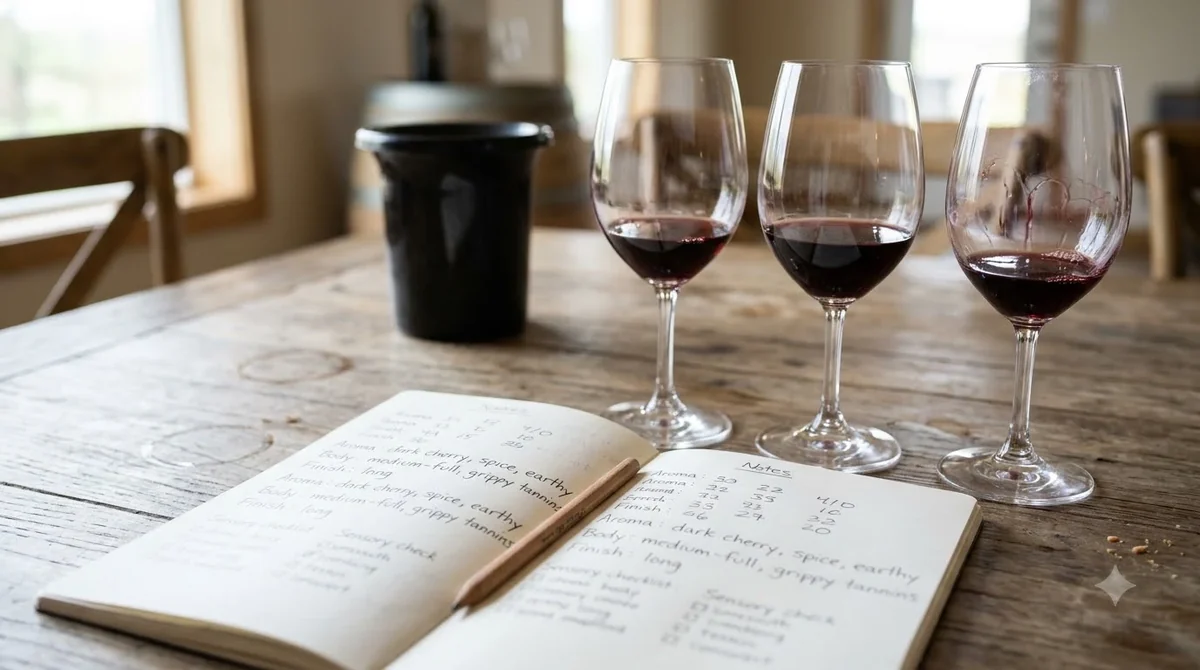
In the glass, young Tempranillo is commonly medium ruby to deep ruby, sometimes with a violet edge. With bottle age, the color can move toward garnet and brick at the rim. The grape has a thick, dark blue-black skin, but the finished wine is not always opaque; color depth depends on ripeness, extraction, and blending. A clear ruby center is normal, so color alone is not a measure of quality.
On the nose, start with cherry, strawberry, raspberry, plum, and sometimes blackberry. The red-fruit character can feel tart and bright in a fresher style, or ripe and rounded in a warmer growing area. Floral hints such as violet may appear, while dried herbs, licorice, tobacco, and earthy notes add a savory layer. Not every bottle will show every aroma, and fruit intensity can vary from delicate to concentrated.
The palate is generally dry, with medium acidity and medium to medium-plus tannin. Acidity gives the fruit definition and helps the wine feel fresh alongside food; tannin supplies a gentle grip along the gums and cheeks. Body is often medium to medium-full, although concentrated Ribera del Duero or Toro examples can feel fuller and more structured. A balanced wine lets fruit, acidity, alcohol, and tannin work together without oak or extraction taking over.
Fruit, Savory Aromas, and Oak on the Nose
Tempranillo’s aromas become easier to read when divided into fruit, savory, and oak-related groups. The fruit usually leads, while the secondary and mature notes reveal how the wine was made and how long it has developed.
Fresh red fruit is the most useful starting point. Cherry is a familiar reference, ranging from crisp red cherry to darker black cherry; strawberry and raspberry often sit alongside it. Plum can bridge red and black fruit, especially in ripe examples. Some young wines have a juicy, almost crunchy fruit character, whereas wines from warmer sites or later-picked grapes can suggest softer, riper fruit. A fruit-led wine is not necessarily simple; purity and balance matter, too.
Savory aromas may include dried tobacco leaf, leather, dried herbs, licorice, earth, and forest-floor notes. Their prominence depends on maturity and winemaking. A young wine may show little leather or tobacco, while an older bottle can shift away from fresh strawberry toward dried fruit, spice, and earthy complexity. Leather can be a normal mature-wine aroma, provided it is clean and the fruit has not collapsed.
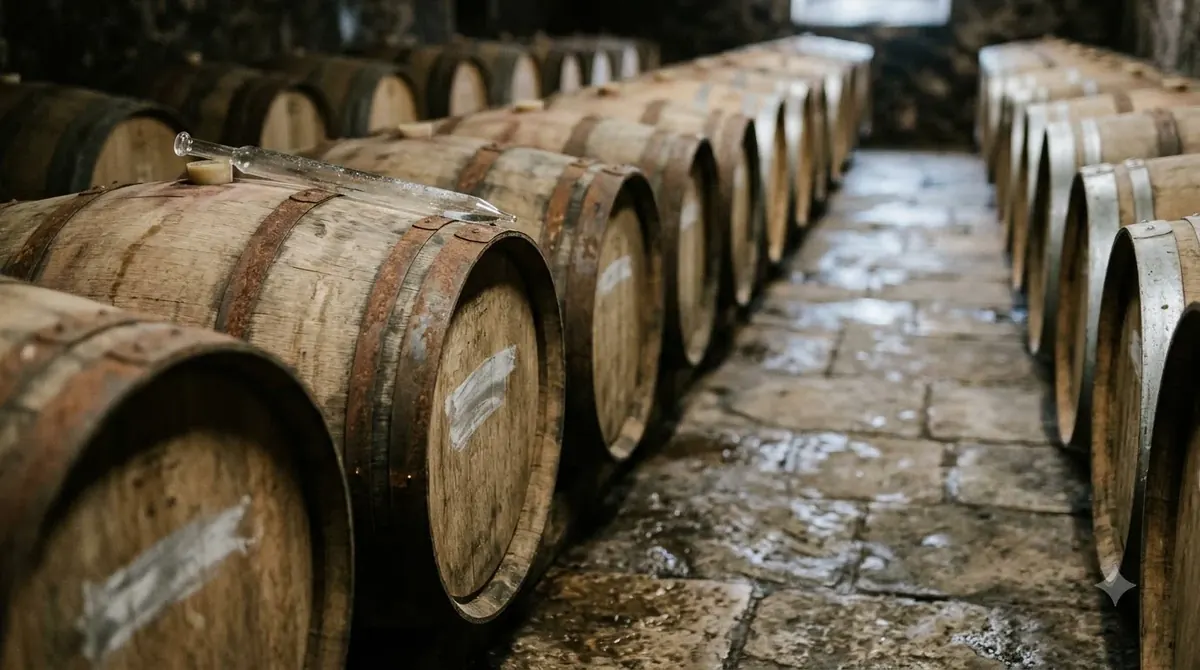
Oak adds another recognizable layer. Vanilla, baking spice, toast, cocoa, and sometimes coconut-like impressions can come from barrel maturation, with their intensity influenced by oak origin, barrel age, toast level, and time in wood. New oak tends to make a more obvious impression than older barrels, which can contribute texture and gradual oxygen exposure without adding as much overt flavor. French oak often reads as more restrained spice, while American oak can give a more pronounced vanilla character. Neither is automatically better; oak should support the fruit. Decanter’s Tempranillo profile describes the range from juicy young reds to more structured oak-aged wines, with strawberry, vanilla, and tobacco spice among the recognizable notes.
How Rioja, Ribera del Duero, and Toro Differ
Region changes the balance between red fruit, dark fruit, freshness, concentration, and oak. Rioja commonly offers a range from supple and fruit-led to refined and mature, while Ribera del Duero and Toro are often associated with darker, more powerful expressions.
In Rioja, Tempranillo is the principal red grape and may be bottled on its own or blended with varieties such as Garnacha, Graciano, and Mazuelo. That flexibility explains the region’s range: younger Rioja may emphasize cherry and strawberry, while barrel-aged examples can add vanilla, spice, tobacco, leather, cocoa, or licorice. The Rioja regulatory council’s Tempranillo profile lists plum, strawberry, forest fruits, and violet among the aromas, with vanilla, cocoa, and licorice possible after extended aging.
Ribera del Duero uses the local name Tinto Fino for Tempranillo. Wines from the region are often darker, more concentrated, and more structured than lighter, fruit-forward Rioja bottlings, with black cherry, plum, firm tannin, and a stronger sense of density. That is a tendency, not a rule; altitude, vintage, harvest decisions, and cellar work all affect the final wine. Look for ripe fruit balanced by freshness.
Toro’s local Tempranillo strain is known as Tinta de Toro and can produce deeply colored, powerful reds with firm structure. In contrast, some younger wines from across Spain are made to preserve immediate fruit and require little or no oak. Tempranillo is also grown beyond its best-known Spanish regions, including in Portugal and parts of the United States. To compare a bottle with other grapes, try it beside the softer red-fruit profile often associated with grenache tasting notes, or compare its structure with the darker, more tannic character commonly associated with petit verdot tasting notes.
What Oak and Bottle Age Change
Oak aging can soften the texture and introduce aromas, while time in bottle allows fruit, tannin, and savory notes to integrate. Rioja’s Crianza, Reserva, and Gran Reserva terms provide useful minimum aging benchmarks, but the terms describe regulated maturation rather than a guarantee that every wine will taste the same.
For red Rioja, the regulatory council defines the main thresholds by total aging and minimum time in oak. Its classification uses oak barrels with a capacity of 225 liters. The table summarizes the minimums for the three familiar designations; a producer may age a wine longer than the required period.
| Rioja designation | Minimum total aging | Minimum oak aging | Minimum bottle aging |
|---|---|---|---|
| Crianza | 2 years | 1 year | No separate minimum stated |
| Reserva | 3 years | 1 year | 6 months |
| Gran Reserva | 5 years | 2 years | 2 years |
A Crianza often retains clear fruit while adding a measured oak impression. Reserva has more time for primary fruit, barrel notes, and bottle-developed aromas to combine; tobacco, leather, and truffle-like nuances may emerge. Gran Reserva requires the longest maturation and can show a more developed profile, with dried fruit, spice, leather, and softened tannin. These are tendencies, not promises; grape quality, vintage, barrels, and storage matter.
Age labels also need context. The table applies to Rioja’s red-wine rules, not automatically to every Tempranillo from Ribera del Duero, Toro, Portugal, or the United States; other regions may use different terms or emphasize vineyard origin. For a wider primer on how grape varieties differ in aroma and structure, the site’s Wine by Type section offers a useful starting point. Oak and bottle age should be judged by integration: a wine can retain fresh fruit after time in barrel, while maturity should bring more connected components, softer tannins, and savory detail. Faded fruit and a thin finish suggest that more age has not helped.
Reading Acidity, Tannin, Body, and Finish
Structure explains why Tempranillo can feel elegant in one glass and powerful in another. Acidity, tannin, body, alcohol, and finish should be assessed separately before deciding whether the wine is light, medium-bodied, or full-bodied overall.
Acidity is usually moderate: enough to keep cherry and plum flavors lively, but not normally as sharply pointed as the acidity in Sauvignon Blanc or many Rieslings. On the palate, acidity creates salivation and helps the wine refresh the mouth between bites. A warm-climate example may feel softer, while a fresher vintage can preserve more lift.
Tannin is generally medium to firm, with the strongest grip often appearing in concentrated wines or bottles with substantial extraction and oak maturation. Tannin can feel drying or slightly rough in youth, then become smoother as the wine ages and its components integrate. Tempranillo is not usually as aggressively tannic as Cabernet Sauvignon or a strongly extracted Petit Verdot, but it can have more structure than a soft, low-tannin red. A comparison with sancerre tasting notes also highlights how red-wine tannin differs from the crisp, acid-driven profile of classic Sauvignon Blanc from the Loire.
Body describes weight and texture, not simply alcohol or color. Medium-bodied Tempranillo may feel supple, with moderate concentration and a smooth center; a fuller style can coat the palate more firmly and carry stronger dark-fruit, oak, and tannin impressions. Alcohol can contribute warmth, especially in ripe wines, but it should not dominate the finish. The finish is the flavor and sensation that remain after swallowing: cherry skin, plum, spice, tobacco, or a gentle drying grip may linger. Balance matters more than sheer intensity.
Serving Tempranillo and Pairing It with Food
Serve Tempranillo cool enough to keep its fruit clear and its alcohol in balance. Many medium-bodied examples work well around 55–60°F, while fuller, more structured bottles can be served closer to 60–65°F.
Temperature changes the way the wine feels. Too warm, and alcohol can seem more prominent while the fruit loses definition; too cold, and the tannin may feel harder and the aromas less expressive. A short period in the refrigerator can bring a room-temperature bottle closer to serving temperature. Pour a moderate 5-ounce glass so the wine has room to release aromas, and use a glass with a bowl wide enough to let the wine move when swirled.
Tempranillo’s fruit, acidity, and moderate-to-firm tannin make it a natural partner for grilled lamb, roast pork, chorizo, beef, and dishes with paprika or herbs. It also works with paella, patatas bravas, and aged Manchego. Salt and fat soften tannin, so a char-grilled lamb chop or cured sausage can make a structured wine feel rounder. Tomato-rich dishes are useful when the sauce has enough acidity to match the wine. For vegetarian meals, try roasted mushrooms, lentils, eggplant, or grilled peppers; their browned, savory flavors echo earthy and herbal notes in aged Tempranillo. Hard cheeses and semi-firm sheep’s milk cheeses can also complement the wine’s fruit and tannin.
Be more cautious with intense chili heat and oily fish. Alcohol and tannin can make chili seem hotter, while tannic reds can clash with oily fish and produce an unpleasant metallic impression. For spicy food, consider a lower-alcohol, softer style; for oily fish, a high-acid white is usually a safer match. A powerful Toro red may also overwhelm steamed fish or mild vegetables, while a younger Tempranillo can be more flexible. Decanting is not essential for every bottle: a young, full-bodied Tempranillo may benefit from 30–60 minutes in a decanter, while an older bottle needs more care. Stand it upright before opening if sediment is expected, pour slowly, and avoid leaving a delicate mature wine exposed to air for too long.
Tip: Match the wine’s weight to the dish: choose a fresher, younger Tempranillo for tapas and roast vegetables, and a more structured, oak-aged bottle for lamb, beef, or aged cheese. If the meal is spicy, reduce the chili or choose a softer, lower-alcohol wine.
Frequently Asked Questions
These quick answers cover common points that may not be obvious from a tasting glass. They are useful when reading a Spanish label or describing the grape to someone encountering it for the first time.
How do you pronounce Tempranillo?
Tempranillo is commonly pronounced tem-prah-NEE-yoh, with the stress on the third syllable. The double “l” in Spanish is pronounced like the “y” sound in “yes,” rather than a hard English “l.”
What does the name Tempranillo mean?
The name comes from the Spanish word temprano, meaning “early.” It refers to the grape’s tendency to ripen earlier than many other varieties grown in Spain.
What is Tempranillo called in Portugal?
In Portugal, the same variety is known by regional names that include Tinta Roriz and Aragonez. Tinta Roriz is especially associated with the Douro, while Aragonez is a familiar name in Alentejo.
Can Tempranillo be made into rosé?
Yes. Rioja’s regulatory body identifies Tempranillo as suitable for rosé as well as young and age-worthy red wines. The color of a rosé depends mainly on how long the juice remains in contact with the grape skins.
Is every Rioja red made entirely from Tempranillo?
No. Rioja permits several red varieties, including Garnacha tinta, Graciano, Mazuelo, and Maturana tinta, so a Rioja red may be a blend. A bottle made entirely from Tempranillo will express the grape without the additional varietal contributions that a blend can bring.
The most useful Tempranillo tasting notes connect fresh fruit, savory detail, oak, and structure without assuming that every bottle follows the same pattern. Start with cherry and plum, assess the balance of acidity and tannin, then use region and aging terms to explain the differences in the glass. With those cues, Tempranillo becomes easier to recognize and much easier to pair with food.
More in Wine Types & Grapes
 Zinfandel Sugar Content: Dry Red vs. White Zinfandel GramsUpdated Nov 21, 2026
 Best Zinfandel Substitute Options for Sipping and CookingUpdated Nov 21, 2026
 Zweigelt Food Pairing: Best Dishes, Cheeses, and Serving TipsUpdated Nov 21, 2026
 Zinfandel Tannins Explained: How Structure Shapes Every BottleUpdated Nov 21, 2026
 Zinfandel Sweetness Level: Dry Red vs. Sweet White Zin ExplainedUpdated Nov 21, 2026
 Xinomavro Food Pairing: Best Dishes, Styles, and Serving TipsUpdated Nov 21, 2026