

We may earn a commission when you buy through links on this page, at no extra cost to you. Learn more.
The best old mission peninsula wineries include Chateau Grand Traverse, Mari Vineyards, Chateau Chantal, Brys Estate, Bowers Harbor Vineyards, and 2 Lads Winery, each offering a different perspective on Northern Michigan wine. Located just outside Traverse City, these wineries showcase cool-climate Riesling, Chardonnay, Pinot Noir, Cabernet Franc, and distinctive regional blends. The best choice depends on whether you prefer traditional wine estates, architectural attractions, scenic tasting patios, sparkling wines, or relaxed vineyard experiences.
Old Mission Peninsula is one of Michigan’s most appealing wine destinations, combining vineyard-covered hills, views of two bays, and tasting rooms within a relatively compact area. The peninsula is particularly interesting for visitors who enjoy wines with freshness and acidity rather than the heavier styles associated with warmer wine regions. Its wineries range from established Riesling producers to newer estates experimenting with Italian red varieties and sparkling wines. This guide explains which destinations deserve attention, what to look for in their wines, and how to organize a rewarding visit without rushing between tasting rooms.
Who Should Visit Old Mission Peninsula Wineries
Old Mission Peninsula is particularly appealing to wine enthusiasts who appreciate cool-climate varieties, scenic vineyard settings, and several different winery experiences within a short driving distance. It is also a practical destination for travelers staying in Traverse City who want to explore Michigan wine without committing to a lengthy regional road trip.
The peninsula sits between the East and West arms of Grand Traverse Bay, creating a distinctive growing environment. According to the Old Mission Peninsula Wine Trail, the surrounding waters moderate seasonal temperatures, remain relatively warm into fall, and help protect grapevines from damaging spring frost. These conditions contribute to a longer growing season than some inland parts of Michigan experience.
Riesling is one of the area’s defining grapes. Visitors who enjoy German-style white wines, bright acidity, citrus flavors, and aromatic fruit will find plenty of reasons to explore the local tasting rooms. Chardonnay and Pinot Grigio provide additional white-wine options, while Pinot Noir and Cabernet Franc demonstrate how producers work with the region’s cooler conditions.
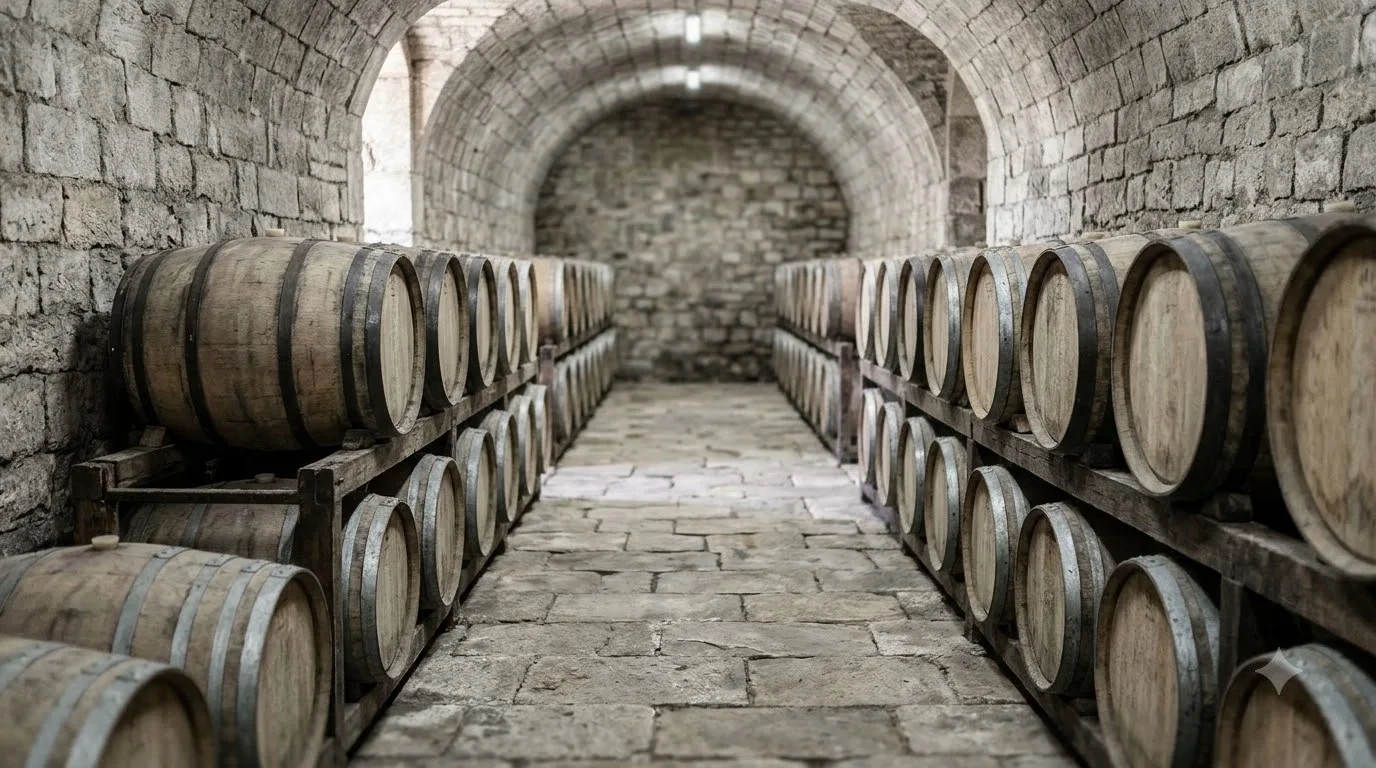
The destination also suits travelers who want more than a conventional tasting counter. Mari Vineyards has an underground wine cave and architectural features, Chateau Chantal combines wine with a hospitality setting, and Brys Estate offers a vineyard-focused atmosphere. Visitors interested in regional wine history should include Chateau Grand Traverse, whose vineyard plantings date to 1974.
Old Mission is not necessarily the best destination for someone seeking exclusively powerful, high-alcohol Cabernet Sauvignon or Zinfandel. Its cooler growing environment favors varieties and styles that can retain freshness, and individual producers make different decisions about ripeness, oak, sweetness, and blending.
For travelers comparing Michigan with other American wine destinations, the regional contrast is interesting. The best Temecula wineries offer a very different Southern California growing environment, while the best Paso Robles wineries provide another perspective on warm-climate California wine production.
Key Factors to Compare Before Choosing a Winery
The most useful way to compare Old Mission Peninsula wineries is to consider their wine specialties, tasting environments, location, and available visitor experiences. A winery that is ideal for Riesling enthusiasts may not be the strongest choice for someone primarily interested in experimental Italian red varieties or sparkling wine.
| Winery | Best for | Notable experience | Location |
|---|---|---|---|
| Chateau Grand Traverse | Riesling and regional history | Established wine estate | 12239 Center Road |
| Mari Vineyards | Italian varieties and reds | Wine cave and guided experiences | 8175 Center Road |
| Chateau Chantal | Classic varietals and scenic visits | Winery and hospitality setting | 15900 Rue de Vin |
| Brys Estate | Estate-grown wines | Vineyard-centered tasting | 3309 Blue Water Road |
| Bowers Harbor Vineyards | Relaxed vineyard visits | Scenic tasting environment | 2896 Bowers Harbor Road |
| 2 Lads Winery | Modern wine styles | Contemporary winery setting | 16985 Smokey Hollow Road |
| Black Star Farms | Variety and wine exploration | Dedicated peninsula tasting room | 360 McKinley Road East |
These addresses are on Old Mission Peninsula in the Traverse City area. They are useful reference points when arranging transportation and building a tasting itinerary, although visitors should confirm current operating arrangements before setting out. The official Old Mission Peninsula Wine Trail winery directory provides the complete list of member tasting rooms and their locations.
Wine selection and regional specialties
Start by identifying the grapes you enjoy. Riesling is especially important in this region, offering styles that can range from crisp and dry to noticeably sweeter. Chardonnay is another useful comparison because different producers can emphasize fresh fruit, texture, fermentation choices, or oak influence.
For red wine enthusiasts, Pinot Noir and Cabernet Franc deserve particular attention. Pinot Noir generally offers lighter tannins and refreshing acidity, while Cabernet Franc can provide more structured fruit, herbal character, and a firmer finish. Mari Vineyards is also interesting for visitors who want to explore varieties such as Nebbiolo and Sangiovese rather than limiting a tasting to familiar international grapes.
Setting and visitor experience
Some visitors prioritize the wine itself, while others want a memorable afternoon with beautiful surroundings. A wine cave tour, vineyard patio, outdoor seating area, or guided tasting can change the character of a visit considerably.
Also consider the size of your party. The official wine trail encourages advance arrangements for larger groups, particularly during summer and fall. Small groups may have more flexibility, but reservations are still advisable for specific tours and special experiences.
Location and available time
The peninsula extends approximately 19 miles north, and its wineries are distributed along the central road and nearby side roads. The official wine trail indicates that all ten member wineries are within approximately five miles of one another, making it possible to visit several locations without spending the entire day driving.
However, short distances do not mean every visit should be rushed. A tasting, a conversation with staff, photographs, and a food break can easily occupy an hour or more. Allow enough time to appreciate the wine instead of treating each winery as a quick stop on a checklist.
Step-by-Step: Planning an Old Mission Peninsula Wine Tour
A successful Old Mission Peninsula wine tour starts with a manageable itinerary, confirmed tasting arrangements, and transportation. Three or four wineries make a reasonable starting point for a full day, particularly if you want to enjoy food, scenery, and different wine styles.
- Choose your main wine interest. Decide whether Riesling, Chardonnay, Pinot Noir, Cabernet Franc, or Italian varieties are your priority. Chateau Grand Traverse is a natural starting point for regional Riesling history, while Mari Vineyards offers an opportunity to explore a wider selection of grapes.
- Select three or four tasting rooms. Avoid attempting to visit every winery in a single afternoon. The Old Mission Peninsula Wine Trail recommends allowing 30 minutes to one hour for each winery, depending on the activities selected. Longer visits are appropriate for guided tours and food experiences.
- Check the tasting arrangements. Review current opening hours, available flights, tasting fees, and reservation requirements. Some wineries accept walk-ins for standard experiences but require advance bookings for private tours or larger groups.
- Make group reservations early. The official trail recommends contacting wineries at least one week ahead for groups of six or more during busy summer and fall periods. Some locations require reservations for groups of eight or more.
- Plan a sensible driving route. Center Road provides access to several tasting rooms, while Peninsula Drive connects visitors with other winery locations and scenic views. Group nearby destinations together to reduce unnecessary backtracking.
- Arrange transportation. Choose a designated driver or a suitable local transportation service before beginning the tour. The wine trail specifically encourages designated drivers when visiting multiple tasting rooms.
- Include a food break. Some tasting rooms offer light bites, small plates, or charcuterie. Eating between tastings and allowing time for water helps keep the day comfortable and enjoyable.
- Finish with a scenic stop. Leave time for the surrounding landscape rather than spending every minute inside tasting rooms. The peninsula’s shoreline, vineyards, and nearby Mission Point Lighthouse provide additional reasons to slow down.
A practical itinerary could begin with Chateau Grand Traverse, continue to Mari Vineyards, include a break at Brys Estate, and finish at 2 Lads. This combination offers regional history, a distinctive architectural experience, vineyard scenery, and a different approach to Michigan wine production.
Tip: Avoid scheduling back-to-back appointments without travel and tasting time between them. A group visiting three wineries should generally reserve a substantial portion of the day rather than expecting to complete the entire experience in two hours.
Seasonality matters as well. Summer offers outdoor tasting opportunities and vineyard scenery, while fall brings harvest activity and changing foliage. These periods can also be busy, so advance planning becomes more important. Winter visits can be rewarding, but individual winery schedules and available experiences may differ from their warmer-season offerings.
Types of Old Mission Peninsula Wineries and Wine Styles Explained
Old Mission Peninsula wineries do not all follow the same production philosophy. Some focus on classic European grape varieties, some explore less familiar reds, and others emphasize sparkling wine, fruit-forward whites, or traditional estate experiences.
Traditional cool-climate wineries
Chateau Grand Traverse is a logical choice for visitors interested in the peninsula’s early wine industry and its relationship with Riesling. Its vineyard history began in 1974, when founder Ed O’Keefe planted grapes on a former cherry orchard. The initial plantings included Riesling, Chardonnay, and Merlot.
Chateau Chantal is another important stop for visitors interested in classic regional varieties. Its vineyard estate developed on a former 65-acre cherry orchard, and its wine portfolio includes Riesling, Chardonnay, Pinot Gris, Pinot Noir, Cabernet Franc, and Gamay.
These wineries are useful for understanding how Michigan producers work with cool-climate grapes. Riesling can retain lively acidity, Chardonnay can show different textural approaches, and Pinot Noir offers an opportunity to explore a lighter red-wine style.
Modern and experimental wine producers
Mari Vineyards stands out for its Italian-inspired approach. Its portfolio includes a broad selection of grape varieties, with the winery identifying 24 varieties in its range. This makes it particularly interesting for visitors who want to explore alternatives to standard international wine selections.
These varieties make the winery especially interesting for visitors who already know standard American wine styles and want to explore something different. Nebbiolo, for example, is traditionally associated with structured wines and pronounced tannins, while Sangiovese can offer lively acidity and savory red-fruit character.
2 Lads is another useful destination for people interested in modern winery design and a different interpretation of Northern Michigan wine. Its place on the official wine trail makes it an easy addition to a peninsula itinerary, particularly for visitors who want to compare multiple producers.
Estate-focused and approachable tasting experiences
Brys Estate and Bowers Harbor Vineyards appeal to visitors who want a more relaxed vineyard atmosphere. Their locations make them worthwhile additions to a tour focused on estate wines and the scenery surrounding Grand Traverse Bay.
Black Star Farms provides another tasting-room option. Its Old Mission location is part of the established wine trail, making it useful for visitors who want to compare a wider selection of regional wines without traveling to another wine-growing area.
Fruit-forward whites and alternative beverages
Peninsula Cellars is a good choice for visitors interested in a broader selection beyond the most familiar international grapes. Its tasting room occupies the historic Maple Grove Schoolhouse, and its range includes Pinot Blanc, Pinot Grigio, Gewürztraminer, Riesling, Pinot Noir, and Cabernet Franc.
Tabone Vineyards focuses on bright, dry, fruit-forward wines. Its offerings include Riesling, Chardonnay, and Pinot Gris, making it a useful stop for people who prefer freshness and clear fruit character rather than heavily oaked or powerful wines.
These differences are important because a regional wine destination should not be judged by one grape or one producer. Tasting across several wineries gives visitors a clearer sense of the peninsula’s range and the individual choices made by its winemakers.
Common Mistakes When Visiting Old Mission Peninsula
The most common planning mistakes involve trying to visit too many wineries, overlooking reservation requirements, and choosing tasting rooms without considering personal wine preferences. A little preparation makes it easier to enjoy the region without turning a scenic afternoon into a rushed schedule.
Trying to visit every winery
The peninsula has a concentrated wine trail, but visiting every tasting room in one day is not necessarily the best way to experience it. Ten stops would leave relatively little time for conversation, food, or enjoying the landscape.
Three or four wineries are a more comfortable target for many visitors. For example, combining Chateau Grand Traverse, Mari Vineyards, and Brys Estate provides three distinct experiences without requiring an exhausting schedule.
Assuming every winery specializes in the same grapes
Riesling is an important regional variety, but the peninsula’s wine selection is much broader. Mari Vineyards explores Italian varieties, Chateau Chantal produces several classic European grapes, and Peninsula Cellars includes fruit wines and cider alongside traditional grape wines.
Choosing wineries based on their specialties creates a more interesting comparison than visiting several tasting rooms solely because they are nearby. It also helps avoid disappointment when a particular producer’s style does not match your preferences.
Arriving with a large group without reservations
Large groups require additional planning because tasting rooms have limited seating and staffing capacity. The official wine trail recommends contacting wineries in advance for groups of six or more during busy summer and fall periods, while many locations require reservations for groups of eight or more.
Private tours, wine dinners, and special tasting experiences may have separate booking requirements. A standard walk-in tasting should not be confused with a private group experience.
Ignoring transportation and timing
Wine tasting is an activity that requires responsible transportation arrangements. The trail does not provide a shuttle service between wineries, although local cab and shuttle services are available. A designated driver is a sensible option for visitors planning multiple stops.
Another mistake is underestimating the time needed at each destination. The recommended 30-minute to one-hour window is a useful starting point, but guided experiences, food, and outdoor seating can extend a visit.
Expecting warm-climate red wine styles
Michigan’s cool-climate environment produces wines with a different balance from many California or Southern European examples. Visitors accustomed to powerful Cabernet Sauvignon may find Old Mission Pinot Noir, Riesling, or Cabernet Franc more representative of the local character.
Instead of judging the wines against an unrelated regional style, consider their freshness, acidity, aromatic character, and overall balance. This makes comparisons more useful and provides a better understanding of what local growers are trying to achieve.
Care, Storage, and Serving Tips for Michigan Wine Purchases
After visiting Old Mission Peninsula, proper storage and serving temperatures help preserve the character of the wines purchased at local tasting rooms. Cool-climate whites and lighter reds often benefit from serving temperatures that are lower than typical room temperature.
Serve white wines at suitable temperatures
Riesling, Pinot Grigio, and Pinot Blanc generally work well when served around 45 to 50 degrees Fahrenheit. Fuller-bodied Chardonnay is usually more expressive around 50 to 55 degrees Fahrenheit.
If a Riesling is particularly aromatic, avoid serving it extremely cold because very low temperatures can mute its aromas. A short period outside the refrigerator before serving can make its fruit and floral character easier to appreciate.
Serve lighter red wines slightly chilled
Pinot Noir and Gamay generally benefit from serving temperatures around 55 to 60 degrees Fahrenheit. This approach helps maintain freshness while allowing the wines to express their fruit and aromatic character.
Cabernet Franc and more structured reds can be served slightly warmer, although full-bodied red wine generally performs well around 60 to 65 degrees Fahrenheit. Avoid placing bottles directly beside a hot oven or in strong sunlight while entertaining.
Store purchased bottles consistently
For bottles intended for longer storage, aim for a stable environment near 55 degrees Fahrenheit. Keep cork-finished bottles on their sides when appropriate, protect them from direct sunlight, and avoid locations where temperatures fluctuate significantly.
Repeated temperature changes can be more problematic than maintaining a consistently cool environment that is not exactly 55 degrees. A dedicated wine refrigerator is useful for collectors who want more control over storage conditions.
Preserve opened bottles
Refrigerate opened white and red wines, using a suitable closure to limit exposure to oxygen. Most opened still wines remain enjoyable for approximately three to five days, depending on the wine and how it is stored.
For sparkling wine, use a purpose-built sparkling-wine stopper and refrigerate the bottle. Its freshness generally lasts approximately one to three days after opening. If you are building a small collection from your Michigan trip, a useful next step is understanding how to buy wine based on grape variety, intended drinking time, and storage needs.
Pair local wines with food
Riesling’s acidity makes it a flexible partner for foods with bright flavors, seafood, and dishes containing some sweetness. Pinot Noir generally works well with roast poultry, mushrooms, and salmon prepared without excessive spicy seasoning.
Cabernet Franc can complement grilled meats and savory dishes, while Chardonnay can suit roasted chicken, creamy sauces, and richer seafood preparations. For sweet wines, choose a dessert that is at least as sweet as the wine so the wine does not taste unnecessarily sharp.
Frequently Asked Questions
Which Old Mission Peninsula winery opened first?
Chateau Grand Traverse is recognized as the first licensed winery in the region. Its vineyard development began with grape plantings in 1974, before the Old Mission Peninsula AVA received official recognition in 1987. Its early development played an important role in establishing commercial winegrowing in Northern Michigan.
What is the 45th parallel connection to Old Mission Peninsula?
Old Mission Peninsula lies near the 45th parallel north, a latitude also associated with established European wine regions. This geographic comparison is useful for understanding the region’s growing-season characteristics, although latitude alone does not determine wine quality or grape suitability. Local lake influence, soils, elevation, and vineyard management also matter.
Can visitors bring children to Old Mission Peninsula wineries?
The Old Mission Peninsula Wine Trail states that children are welcome at its wineries, and some locations provide activities or nonalcoholic beverages. Individual tasting rooms may have different arrangements for families and special events. Contact the destination before visiting if you need specific child-friendly facilities.
Can you visit Old Mission Peninsula wineries by bicycle?
Cycling between wineries is possible, but the official wine trail cautions that the trip can be challenging. The peninsula has numerous hills, and some roads carry significant traffic. Visitors should consider road conditions, cycling ability, and safe transportation before planning a multi-winery bicycle route.
What is the difference between Old Mission Peninsula and Leelanau Peninsula wines?
Both are Northern Michigan wine destinations influenced by the Great Lakes, but they are separate American Viticultural Areas with different vineyard locations and individual producer styles. Old Mission Peninsula is a narrow landform between the two arms of Grand Traverse Bay, while Leelanau Peninsula occupies a separate area to the northwest. Visiting both provides a broader understanding of Michigan’s cool-climate wine industry.
The best Old Mission Peninsula wineries offer much more than a collection of tasting rooms: they provide a look at how Michigan’s distinctive growing conditions shape different grape varieties and winemaking approaches. Start with Chateau Grand Traverse, Mari Vineyards, and one or two additional estates that match your interests, then leave enough time to appreciate the landscape. With thoughtful planning and responsible transportation, a visit to Old Mission Peninsula can become one of the most memorable wine experiences in Northern Michigan.
More in Wine Buying Guides
 Cheap Red Blend: How to Find a Flavorful Bottle for LessUpdated Nov 20, 2026
 Pinot Grigio Gift: How to Choose a Bottle They’ll EnjoyUpdated Nov 20, 2026
 Best White Wine at Total Wine for Every MealUpdated Nov 20, 2026
 Wine Fridge Replacement Shelves: Find the Right FitUpdated Nov 20, 2026
 Best Sparkling Wine Under 20: Find Bubbles Worth BuyingUpdated Nov 20, 2026
 Best Wine For Birthday Celebrations With Perfect Party PairingsUpdated Nov 20, 2026