

We may earn a commission when you buy through links on this page, at no extra cost to you. Learn more.
Old Mission Peninsula wine is the wine made from grapes grown on a Michigan peninsula that reaches into Grand Traverse Bay, and it is known for cool-climate whites with bright acidity and lighter, fresh-fruited reds. The region’s American Viticultural Area dates to 1987, and the lake helps moderate the climate and protect vines from spring frost. Riesling is one of the signature styles, though winemakers also work with Chardonnay, Pinot noir, and Cabernet Franc.
This guide explains what gives Old Mission Peninsula wine its character, which styles to look for on a label, how to serve and pair these wines, and what to consider when buying bottles. It is written for people who are new to the region as well as those who want to compare it with other cool-climate wines.
What Shapes the Style of Old Mission Peninsula Wine
The peninsula is long and narrow, and most of its vineyards are close to the water. According to the Wikipedia article on the Old Mission Peninsula AVA, the surrounding waters moderate the climate and help prevent frost during the growing season. That protection and the cool, steady season are the main reasons the wines lean toward freshness rather than heavy richness.
The region’s history also shapes its wines. Commercial vinifera planting began in 1974, and the first large-scale plantings followed the next year. Those early decisions set the pattern for the area: European varieties suited to cool conditions, grown on a small number of estates that often make wine in modest quantities.
The Wine Styles to Look For
Whites are often the best introduction. Riesling is the grape most people associate with the peninsula’s style, and Wine Folly’s guide to Riesling describes the variety as mostly grown in cool climates, with high acidity and a range from completely dry to very sweet. That range means a label can tell you a lot. A bottle described as dry will feel crisp and mineral, while an off-dry bottle will carry more fruit and a softer finish.
Chardonnay from cool sites shows a different character. Wine Folly describes cool-climate Chardonnay as lean, crisp, and high in acidity, with green apple, citrus, and mineral notes. Winemakers who use little oak tend to produce the brightest versions, while those who use oak may create a fuller, rounder bottle, so the label’s notes on oak are worth reading.
Red wines are lighter than most people expect from the Great Lakes region. Pinot noir and Cabernet Franc show red fruit and gentle structure, and they pair well with a wide range of foods. Merlot is planted too, and its character depends on the vintage.
| Style | What to notice | Easy first pairing |
|---|---|---|
| Dry Riesling | Crisp acidity, citrus, mineral edge | Fish, shellfish, fresh salads |
| Off-dry Riesling | Stone fruit, softer finish | Spicy Asian dishes, pork |
| Cool-climate Chardonnay | Green apple, citrus, lean body | Roast chicken, creamy pasta |
| Pinot noir | Red fruit, soft tannins | Salmon, mushrooms, duck |
Winemaking choices shape the final bottle as much as the site does. Some producers ferment and age their whites in stainless steel to keep fruit bright, while others use neutral barrels to add texture. Reading the producer’s description of the process helps explain why two Chardonnays from the same peninsula can feel so different in the glass.
Rosé and sparkling wines are also made by some local producers. These styles fit the same cool-climate logic, offering crisp acidity and fresh fruit in lighter bodies that suit warm afternoons and casual meals.
How to Serve These Wines
Serving temperature changes how a wine tastes. Whites with high acidity show best when chilled but not ice-cold, which lets the aromas and fruit come forward. Very cold wine can seem sharp and closed, while a white that is too warm can taste flat.
Lighter reds such as Pinot noir and Cabernet Franc are best served slightly cool. A short time in the refrigerator before serving is often enough. Pour moderate amounts into a medium-sized glass so the aromas can gather, and let the wine sit for a few minutes before tasting if it has been stored cold.
Pairing Old Mission Peninsula Wine With Food
The acidity in these wines makes them flexible at the table. Dry Riesling works with seafood, from simple grilled fish to shellfish with lemon, and it also suits fresh salads with citrus dressings. Off-dry Riesling is a strong partner for spicy food, where its touch of sweetness balances heat.
Cool-climate Chardonnay pairs well with roast chicken, pork, and creamy sauces, because its acidity cuts through richness. Pinot noir is one of the most food-friendly reds, and it goes with salmon, mushroom dishes, and roast duck. Cabernet Franc can handle grilled vegetables and tomato-based sauces without overpowering them.
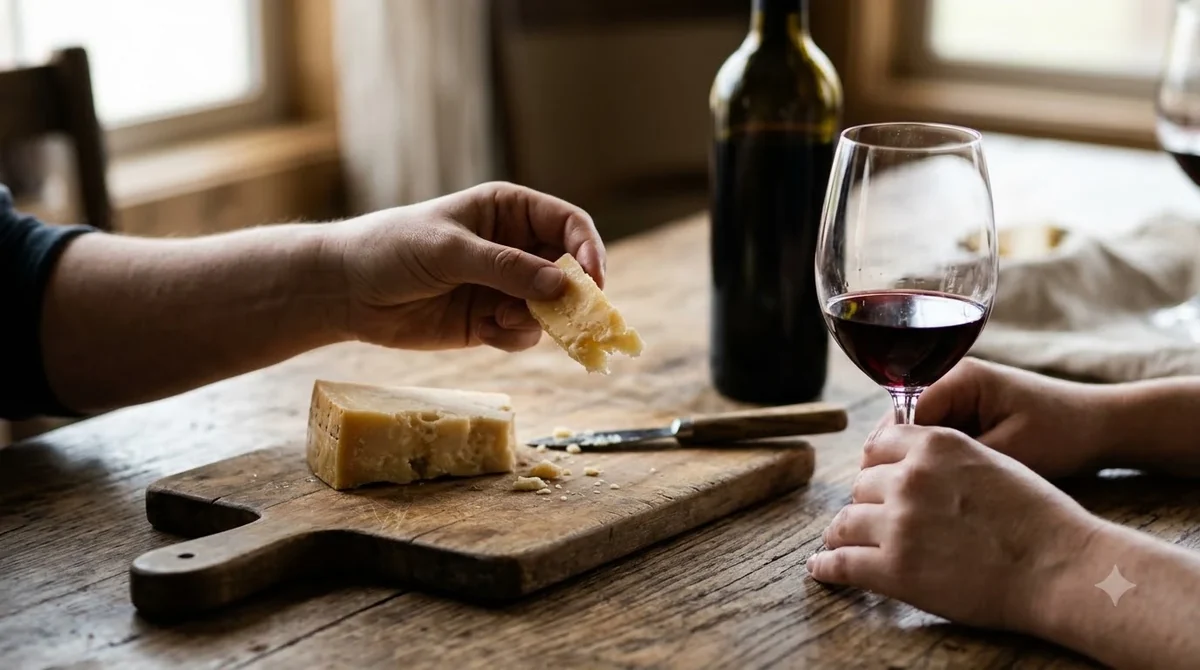
Tasting a flight at a tasting room is a useful way to find your preferred style before you commit to a case. Ask staff to pour a dry white next to a richer one, and note how each changes with food or water. That comparison teaches more about the region than reading a list of grapes.
How to Buy and Store Old Mission Peninsula Wine
Many bottles are sold at the wineries, which makes a visit the easiest way to find a producer’s full range. Some estates also ship within their state’s rules, and local shops may carry a selection. Check the winery’s website for current availability, since small lots can sell out, and sign up for a mailing list if you want advance notice of new releases.
When you choose a bottle, read the vintage year, the grape or blend, and the producer’s tasting notes. For whites, a younger bottle often shows the brightest fruit and acidity. Sturdier reds can benefit from cellaring, but most lighter bottles are meant to be enjoyed within a few years of release. Store wine away from heat and direct sun.
Keep a short list of bottles you enjoy, with the grape, vintage, and two or three words about the flavor. Over a season, that list shows whether you prefer crisp whites, lighter reds, or the off-dry style, and it makes reordering or choosing at a shop much simpler.
Tip: Buy one bottle each of a dry and an off-dry Riesling from the same producer. Tasting them side by side is a quick way to learn how sweetness changes the wine’s balance.
Frequently Asked Questions
What is Old Mission Peninsula wine known for?
The region is known for cool-climate wines with bright acidity. Riesling is among the signature styles, and Chardonnay, Pinot noir, and Cabernet Franc are also made there.
Is Old Mission Peninsula wine sweet?
It varies. Riesling can range from completely dry to very sweet, so the label or tasting notes are the best guide. Many producers make both dry and off-dry styles.
What wine goes best with Old Mission Peninsula Riesling?
Dry Riesling pairs well with seafood and fresh salads. Off-dry styles are a good match for spicy dishes and pork, where a touch of sweetness balances heat.
How long can I keep these wines?
Most lighter whites, rosé, and young reds are meant to be enjoyed within a few years of release. Sturdier reds may improve with cellaring, but the producer’s notes are the most reliable guide for any specific bottle.
Old Mission Peninsula wine rewards a simple approach: start with a dry Riesling or a cool-climate Chardonnay, try a lighter red next, and pay attention to the vintage and the producer. For a closer look at the land and the grapes, read Old Mission Peninsula vineyards, and for other American regions, the Wine Regions section is a useful next stop.
More in Wine Regions
 Willcox Wine Trail: Discover Arizona’s High-Elevation Wine CountryUpdated Nov 20, 2026
 Yakima Valley Wine Region: Find the Best Styles to TryUpdated Nov 20, 2026
 Vosne Romanee Wine Tasting: Identify Aromas and Choose Better PairingsUpdated Nov 20, 2026
 Yakima Valley Wine Festival: Find the Best Seasonal Wine EventsUpdated Nov 20, 2026
 Wales Vineyards: Discover Cool-Climate Wines and Where to VisitUpdated Nov 20, 2026
 Yountville Wine Festival: Discover Napa Wines and Local FoodUpdated Nov 20, 2026