

We may earn a commission when you buy through links on this page, at no extra cost to you. Learn more.
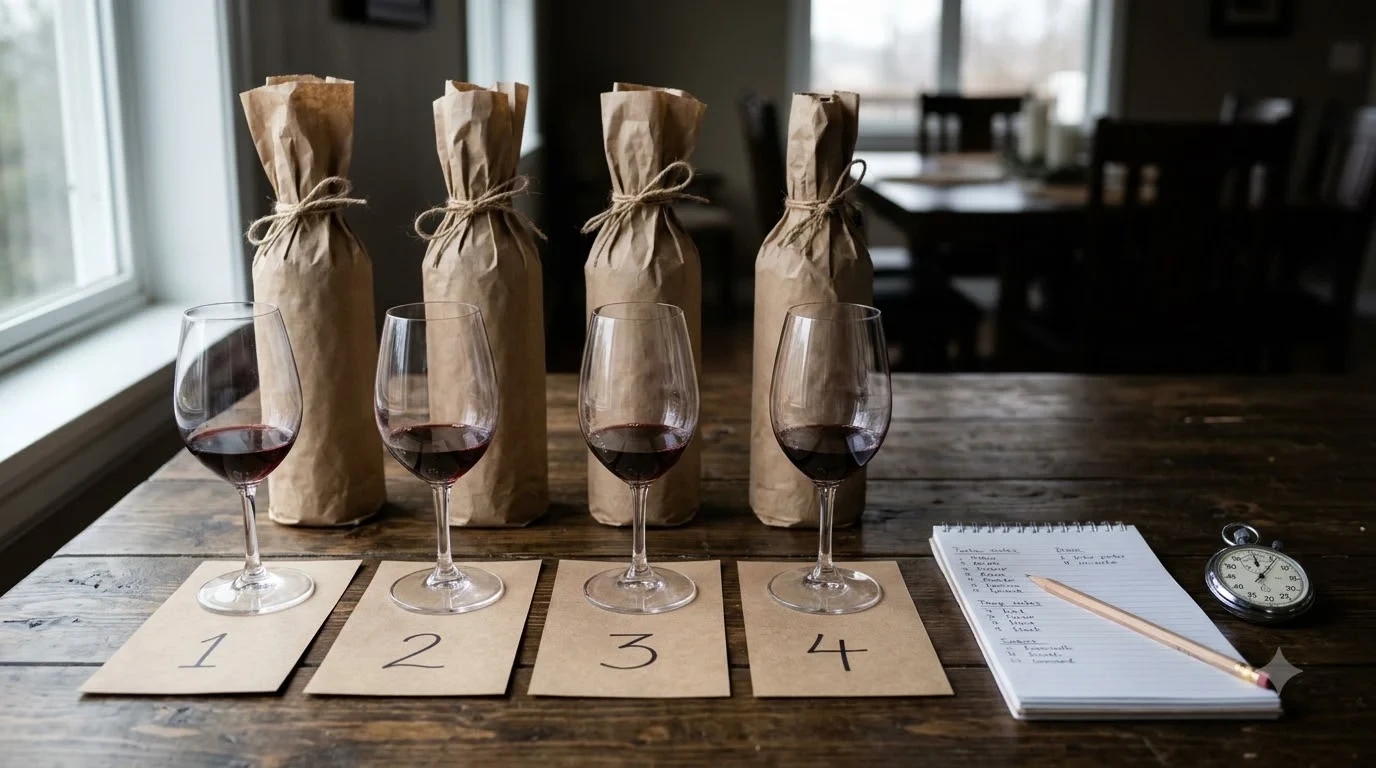
The Old Mission Peninsula wine trail is a route of wineries on a narrow finger of land in Grand Traverse Bay, Michigan, where tasting rooms sit close together and cool-climate grapes such as Riesling, Pinot noir and Cabernet franc thrive. The peninsula runs about 19 miles north from Traverse City and is no more than three miles wide. Its Lake Michigan setting keeps frost risk low, which is one reason its early vinifera plantings drew attention in Michigan.
The peninsula is small enough to explore in a single day, which is part of its appeal for visitors. Tasting rooms are grouped close together, and the scenery moves between orchards, vineyards and water views at almost every turn. This guide explains how the trail is organized, what grows there, and how to plan a visit that fits your interests.
Where the Old Mission Peninsula Sits
The Old Mission Peninsula American Viticultural Area covers the peninsula in Grand Traverse County and extends into the bay. It begins at Traverse City, at the southern end, and runs north to Old Mission Point. The Wikipedia article on the appellation describes it as about 19,200 acres, or 30 square miles, with roughly 1,800 acres of vinifera vineyards.
The appellation was approved in 1987, after a petition from a winery leader in the area. Its approval made it the country’s 92nd American Viticultural Area and Michigan’s fourth wine appellation at the time, according to the same article. That history explains why the peninsula is often mentioned as one of the state’s pioneer wine districts.
Why the Climate Suits Cool-Climate Grapes
The history of the peninsula is also a story about planting choices. According to the same article, the land was settled in 1842 by a Presbyterian minister, and in the 1870s a local figure encouraged farmers to diversify beyond their existing crops. The most important turn came in the mid-1970s, when a grower began planting European vinifera vines on a scale the article describes as the first large-scale planting of its kind in the state. Those decisions set the stage for the trail that visitors enjoy today.
The peninsula is surrounded by water, and the article says the climate is moderated by the surrounding waters. That moderation helps reduce the risk of frost during the growing season. The area lies near the 45th parallel, and the article lists a long growing season of about 2,075 days, alongside heat unit totals that support cool-climate varieties.
In practical terms, the lake keeps temperatures steadier than the inland countryside. Vines benefit from slower ripening and bright acidity, which helps wines hold their freshness. Lakeside and interior sites can differ, so tasting across several vineyards gives a clearer picture of how the water affects each one.
Grape Varieties You Will Taste on the Trail
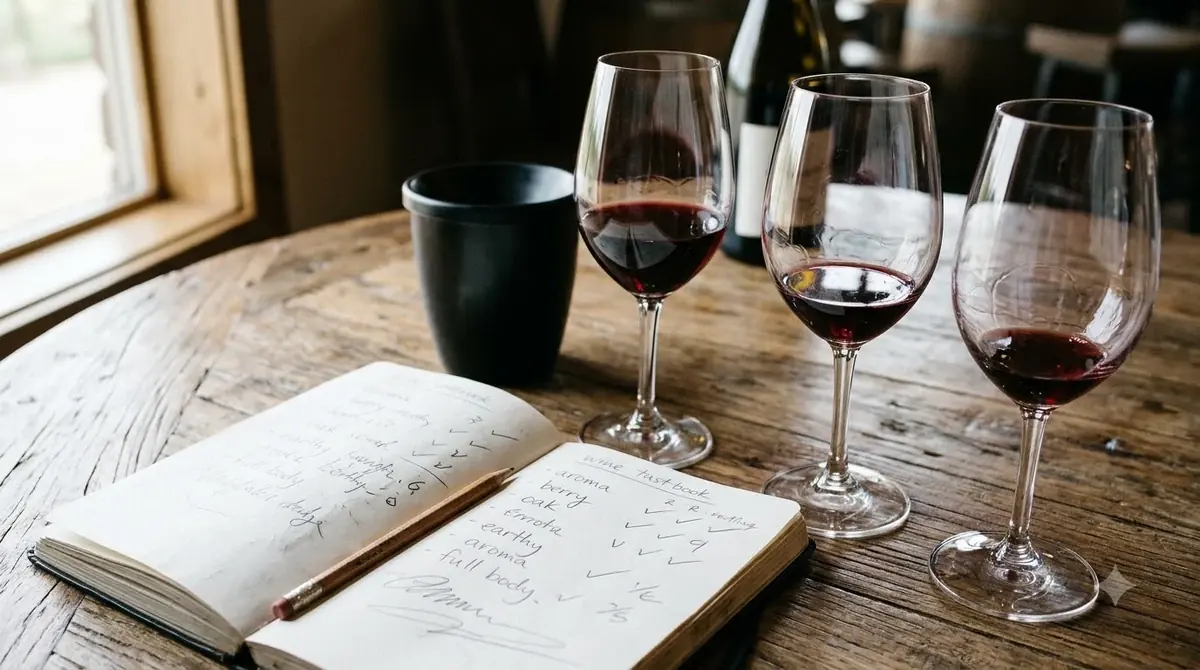
Cool-climate white varieties do especially well on the peninsula. The Wikipedia article names Riesling, Chardonnay, Gewürztraminer and Pinot gris among the whites, and Pinot noir, Cabernet franc and Merlot among the reds. It also lists Cabernet Sauvignon, Gamay noir, Malbec, Muscat Ottonel and Pinot blanc as part of the broader planting mix.
Riesling is often the signature for visitors, because it shows the region’s acidity clearly. Pinot noir and Cabernet franc are the reds most often mentioned in regional guides. Ask tasting room staff which varieties are estate-grown, since that tells you how much of the wine reflects the peninsula’s own vineyards.
| Grape group | Examples named in sources | What to look for on the trail |
|---|---|---|
| Cool-climate whites | Riesling, Chardonnay, Gewürztraminer, Pinot gris | Bright acidity and floral or citrus notes |
| Cool-climate reds | Pinot noir, Cabernet franc, Merlot | Lighter body with red fruit |
| Other plantings | Gamay noir, Malbec, Muscat Ottonel, Pinot blanc | Lesser-known styles for adventurous tasters |
Tip: Start with the driest whites in the morning and move to reds in the afternoon. The lighter styles show their character more clearly before your palate tires.
Wineries and Tasting Rooms on the Trail
The Wikipedia article lists several wineries along the trail, including 2 Lads, Bonobo, Black Star Farms, Bowers Harbor Vineyards, Chateau Chantal, Chateau Grand Traverse and Tabone Vineyards. The article gives different counts in different sections, with eleven wineries in the text and eight in the infobox, so the number you find on a current map may be higher or lower depending on the date.
The article also says that the tasting rooms are within about five miles of each other, which is why the trail works well for a day trip. Expect a mix of large estates with restaurants and small family producers with simpler tasting setups. Checking the hours of each room before you leave is important, since some close early or run on a reduced schedule outside the summer months.
Planning a Day on the Old Mission Peninsula Wine Trail
Transportation is simple on the peninsula. Most visitors drive, and the short distances make it practical to move between tasting rooms without long gaps. If you prefer not to drive after tastings, book a driver or a tour service in advance, since options can be limited on weekdays and in the off-season.
Pace your visit by planning a midday stop. Many people find that a lunch break between the second and third tasting room keeps the afternoon enjoyable. Water and a light snack help as well, and most estates are happy to recommend nearby food that pairs with their wines.
A realistic plan includes three or four tasting rooms, a meal, and time to enjoy the drive. The peninsula is narrow, so you can reach the northern end quickly, but the scenic roads and short distances still reward a slower pace. Many visitors start in Traverse City, where lodging and restaurants are easy to find, and then head north.
Book tastings or tours when the trail is busy. Summer weekends and the autumn harvest season attract the most visitors, and some estates limit walk-in tastings. A reservation also gives you a chance to ask about the winery’s sourcing, the vineyards it uses and any special bottlings that are released only at the estate.
If you are comparing this route with other trails, the Hermann wine trail offers a similar mix of small producers and scenic roads in a different state. For a trail built around a lake, the Keuka Lake wine trail is worth a look. The Wine Regions guide also helps explain how cool climates shape the wines you will taste.
Frequently Asked Questions
How long does it take to visit the Old Mission Peninsula wine trail?
A single day is enough for three or four tasting rooms, and the Wikipedia article describes the tasting rooms as close together. A longer stay gives you time for dinners, walks and more tastings.
Which grapes are most associated with the peninsula?
Riesling is the classic signature, and Pinot noir and Cabernet franc are the reds most often mentioned. Chardonnay, Gewürztraminer and Pinot gris are also part of the cool-climate mix.
Why is the peninsula considered good for wine?
Lake Michigan moderates temperatures, which reduces frost risk and supports cool-climate varieties. The narrow shape of the land also keeps vineyards within a short distance of the water.
Do I need to book tastings in advance?
It is wise to book, especially on summer weekends and during harvest. Some estates allow walk-ins, but reservations help you secure a time and ask about special releases.
The Old Mission Peninsula wine trail is an easy day out for anyone who enjoys cool-climate wines and lakeside scenery. Pick three tasting rooms, check the hours, and taste across both whites and reds to see how the peninsula’s climate shows in each glass.
More in Wine Regions
 Willcox Wine Trail: Discover Arizona’s High-Elevation Wine CountryUpdated Nov 20, 2026
 Yakima Valley Wine Region: Find the Best Styles to TryUpdated Nov 20, 2026
 Vosne Romanee Wine Tasting: Identify Aromas and Choose Better PairingsUpdated Nov 20, 2026
 Yakima Valley Wine Festival: Find the Best Seasonal Wine EventsUpdated Nov 20, 2026
 Wales Vineyards: Discover Cool-Climate Wines and Where to VisitUpdated Nov 20, 2026
 Yountville Wine Festival: Discover Napa Wines and Local FoodUpdated Nov 20, 2026