

We may earn a commission when you buy through links on this page, at no extra cost to you. Learn more.
The best puglia wineries for memorable tastings include Cantine Polvanera in Gioia del Colle and Soloperto in Manduria, alongside producers specializing in Negroamaro, Nero di Troia, and Valle d’Itria whites. These wineries offer different ways to explore southern Italy’s indigenous grapes, historic cellars, vineyard landscapes, and local food traditions. The right choice depends on whether you prefer powerful Primitivo, savory Negroamaro, structured northern reds, or refreshing regional white wines.
Puglia, also called Apulia, is one of Italy’s most rewarding destinations for wine enthusiasts who want to connect regional wines with local food and countryside landscapes. Its vineyards extend from the northern province of Foggia through the Murgia plateau and Valle d’Itria to the southern Salento peninsula. Rather than treating the region as one enormous wine destination, plan visits around individual appellations and the producers that specialize in them. This guide explains which wineries deserve consideration, what their surrounding wine areas offer, and how to organize a worthwhile tasting itinerary.
Who This Is For: Choosing a Puglia Winery Experience
Puglia is particularly appealing to travelers who enjoy southern Italian reds, indigenous grape varieties, and winery visits that include regional food. Visitors can also discover refreshing whites, traditional sparkling wines, and rosés that reflect the region’s varied growing conditions.
First-time visitors interested in full-bodied red wines should begin with Manduria, where Primitivo is central to the local identity. The area’s wines are typically dark, powerful, and generously structured. A winery visit here can combine vineyard scenery, traditional cellar architecture, and an introduction to the agricultural history behind the grape.
Travelers who prefer a different interpretation of Primitivo should consider Gioia del Colle. Its inland vineyards provide a useful comparison with the warmer southern growing areas, particularly for visitors interested in how geography influences the expression of the same grape. Cantine Polvanera is a particularly practical starting point for this exploration.
For visitors who enjoy savory reds and traditional rosé, Salento deserves special attention. Negroamaro is one of its defining varieties, appearing in regional wines including Salice Salentino. The wider Brindisi area also offers opportunities to explore Susumaniello, a less familiar indigenous grape that deserves attention from adventurous wine drinkers.
White-wine drinkers should not overlook the Valle d’Itria. Verdeca, Minutolo, and Bianco d’Alessano are among the regional varieties associated with its lighter, fresher wine styles. Martina Franca and Locorotondo provide useful starting points for exploring these wines alongside the region’s distinctive countryside and traditional architecture.
Puglia also suits visitors who prefer a broader cultural experience rather than a tasting focused exclusively on wine. Traditional masserie, historic underground cellars, olive-oil production, and regional foods all contribute to the experience. A visit can easily become part of a wider itinerary that includes historic towns, local markets, and countryside restaurants.
Travelers comparing Italian wine destinations with American regions can also explore the best Temecula wineries or the established red-wine producers among the best Paso Robles wineries.
Key Factors to Compare When Choosing Puglia Wineries
The most useful way to compare Puglia wineries is to consider their location, grape specialties, tasting format, and cellar experience. A producer in Manduria offers a different introduction to regional wine than one in Castel del Monte or the Valle d’Itria.
Geography should guide the first decision. Puglia extends across a substantial north-to-south distance, so visiting wineries scattered across the entire region in one day is impractical. Choose a base such as Bari, Martina Franca, Brindisi, Lecce, or Manduria, then select nearby producers rather than spending most of the day traveling.
Grape variety is the next consideration. Primitivo is generally the choice for visitors seeking ripe dark-fruit flavors and substantial body. Negroamaro provides a savory alternative, while Nero di Troia offers another distinctive northern expression. For white wines, Verdeca and Minutolo deserve attention, particularly around the Valle d’Itria.
The tasting format matters just as much. Some wineries concentrate on the cellar and barrel room, while others include vineyard walks, museums, food pairings, or discussions of regional grape varieties. A 45-minute tasting may suit travelers with limited time, while a 90-minute or two-hour experience provides more opportunity to explore the winery and compare several wines.
| Winery or area | Location | Wine focus | Visit highlights |
|---|---|---|---|
| Cantine Polvanera | Gioia del Colle | Primitivo and native grapes | Guided tour and four wines |
| Soloperto | Manduria | Primitivo di Manduria | Museum, cellar and barrel room |
| Rivera | Andria | Castel del Monte wines | Cellar visit and regional tasting |
| Torrevento | Corato | Castel del Monte DOC | Regional wine tasting |
| I Pàstini | Martina Franca | Valle d’Itria wines | Vineyard and cellar experience |
| Tenute Rubino | Brindisi | Brindisi-area wines | Winery tour and tasting |
| Varvaglione | Leporano | Taranto-area wines | Guided tasting |
| Leone de Castris | Salice Salentino | Negroamaro and Salento wines | Winery and wine museum |
These producers and destinations offer different experiences rather than one uniform tasting format. For example, Polvanera’s published experiences include a 90-minute guided winery visit with four wines, while Soloperto offers a traditional cellar and museum experience centered on Primitivo di Manduria. Confirm the current format with each producer before arranging transportation.
Also consider the size and atmosphere of the experience. A larger producer may offer a structured introduction to several wine styles, while a smaller estate may provide a closer look at vineyard decisions and individual grape varieties. Neither format is automatically superior. The best choice is the one that matches the depth of wine knowledge and personal interaction you want from the visit.
Step-by-Step: Planning a Puglia Winery Tour
A successful winery itinerary begins with a defined geographic area and confirmed appointments. Plan one wine district at a time, allow approximately one to two hours for a substantial winery experience, and leave enough time for meals and travel.
-
Choose your starting point. Travelers arriving through Bari can consider Gioia del Colle, the Valle d’Itria, or Castel del Monte. Those staying around Lecce or Brindisi can concentrate on Salento, Negroamaro, and Susumaniello producers. Manduria makes sense for a trip centered on Primitivo.
-
Decide which grapes you want to explore. Make a short list of two or three varieties. For example, a Primitivo-focused trip might compare Gioia del Colle with Manduria, while a white-wine itinerary could concentrate on Verdeca and Minutolo around Martina Franca.
-
Select two compatible wineries. Compare the location and experience offered by each producer. Cantine Polvanera and other Gioia del Colle estates make sense together, while Soloperto and other Manduria producers can form a separate regional itinerary.
-
Contact the wineries directly. Request available dates, tasting languages, group requirements, duration, and the number of wines included. Confirm whether food is provided and whether the visit includes the vineyard, production area, museum, or barrel room.
-
Arrange transportation before tasting. A designated driver, private transfer, or organized wine tour is preferable to planning to drive after drinking. Do not assume that a short distance between cellars makes driving after a tasting appropriate.
-
Allow time between appointments. A morning tasting followed by lunch and an afternoon visit is generally more enjoyable than scheduling several consecutive cellar tours. Build additional time into the itinerary for countryside roads and meals.
-
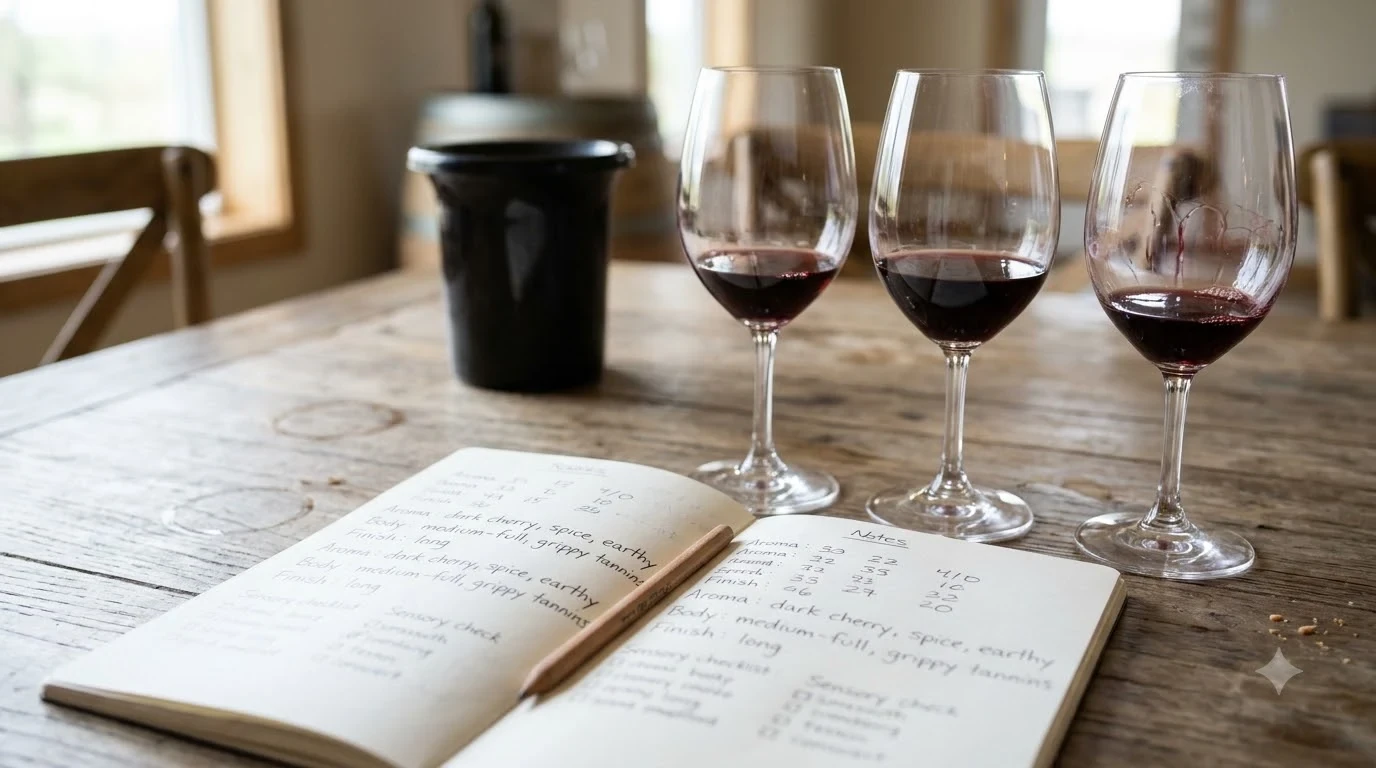
Record the wines you enjoy. Write down grape varieties, appellations, producers, and vintage information. This makes it easier to find similar bottles after returning home and helps distinguish Primitivo di Manduria from other regional expressions.
For a broader introduction to buying bottles after a trip, the wine-buying learning guide can help explain how to compare appellations, grape varieties, and wine styles.
Tip: Request a tasting in English when making your reservation, even if the winery’s website provides some English-language information. Ask whether the experience includes food, because local taralli, bread, olive oil, and regional cheeses can make the tasting more informative. Confirm the appointment directly before traveling, especially when visiting smaller producers.
Types and Styles Explained: Puglia’s Main Wine Regions
Puglia’s wines are easier to understand when divided into five broad geographic areas: San Severo, Castel del Monte, Gioia del Colle, the Valle d’Itria, and Salento with Manduria. Each area offers a distinct combination of grapes, wine styles, and winery experiences.
Manduria and Primitivo di Manduria
Manduria is the natural starting point for anyone interested in Primitivo. The grape produces deeply colored reds with ripe fruit, considerable body, and often noticeable tannin and alcohol. The warm growing conditions contribute to the generous character that makes these wines recognizable.
Soloperto is a practical producer to consider for a first visit in the area. Its published Classic Tour includes four Primitivo di Manduria wines, a small museum, production areas, a barrel cellar, and snacks. Longer experiences can incorporate vineyard visits and a meal, providing a more extensive introduction to the local wine culture.
The winery’s official Soloperto wine tourism and tasting information describes the cellar’s museum, guided experiences, and tasting options. This is particularly useful for visitors who want to compare the different available formats before reserving an appointment.
The Museo della Civiltà del Vino Primitivo is another important stop. It provides historical context for the region’s wine-growing identity and offers visitors a chance to understand how local agricultural practices developed alongside the wine industry. Primitivo di Manduria Dolce Naturale is also worth investigating for visitors interested in sweet wine rather than the more familiar dry red styles.
Gioia del Colle and Inland Primitivo
Gioia del Colle offers another important expression of Primitivo. The wines can feel different from those associated with the warmer Manduria area, making the appellation particularly interesting for visitors who want to compare different interpretations of the same grape.
Cantine Polvanera is among the most useful winery choices here. Its published Simple Wine Tasting includes a guided winery tour, four wines, an entrée, olive oil, and bread. The experience lasts approximately 90 minutes, making it a practical option for a half-day itinerary that includes another local activity.
Visitors with additional time can consider the winery’s longer experiences. Its Light Lunch format lasts approximately two hours and includes four wines and local products. The Discover the Murgia option features five wines and a seasonal first course, while the Clay & Limestone experience includes four older vintages and two current vintages.
Details of these experiences are available through Cantine Polvanera’s official winery tour and tasting page. The winery also explains that it does not provide a shuttle or transfer service, so transportation needs to be arranged independently.
Rather than judging the two Primitivo appellations simply by which wine is richer, compare their acidity, fruit character, tannin, and overall balance. The contrast helps demonstrate why regional identity matters as much as grape variety.
Salento, Salice Salentino, and Negroamaro
Salento is the principal destination for visitors interested in Negroamaro. This grape produces red wines with dark fruit and savory characteristics, and it also plays an important role in regional rosé production. Salice Salentino is an especially useful appellation to know when researching the area’s wines.
Leone de Castris, located in Salice Salentino, is a notable option for travelers interested in a winery and wine museum experience. Its location makes it a natural consideration for visitors exploring the surrounding countryside or staying in Lecce. The museum component adds historical interest to a tasting centered on local winemaking.
Susumaniello is another grape worth seeking out in the wider Salento and Brindisi areas. It can be bottled as a red, rosé, or sparkling rosé and is sometimes blended with Negroamaro. Visitors interested in less familiar regional varieties should ask wineries whether they offer a single-variety Susumaniello.
Valle d’Itria and Its White Wines
The Valle d’Itria offers a refreshing contrast to the fuller reds of southern Puglia. Verdeca, Minutolo, and Bianco d’Alessano are important local white varieties, and appellations such as Locorotondo and Martina Franca are associated with crisp, mineral styles.
I Pàstini, in Martina Franca, is a useful starting point. Its vineyard and cellar experiences offer an introduction to local grape varieties and the relationship between the countryside and regional food traditions. Travelers staying around Alberobello or Locorotondo can also make this area part of a broader countryside itinerary.
Castel del Monte and San Severo
Further north, Castel del Monte is an important destination for visitors interested in Nero di Troia and Bombino Nero. The area’s appellations include both DOC and DOCG wines, with styles ranging from structured reds to dry rosé.
Rivera, in Andria, is a useful choice for exploring Castel del Monte wines. Torrevento, in Corato, is another producer to consider when planning a tasting around the Murgia. These destinations offer an opportunity to compare wines from northern Puglia with the richer Primitivo expressions farther south.
San Severo adds another dimension through its traditional underground cellars and Bombino Bianco sparkling wines. The area’s Nero di Troia reds provide an additional reason to explore northern Puglia rather than limiting a trip to the better-known southern appellations.
Common Mistakes When Visiting Puglia Wineries
The biggest mistakes are attempting to cover too much territory, arriving without appointments, and selecting wineries without considering the wine styles they produce. A more focused itinerary gives visitors more time to appreciate individual estates and the differences between appellations.
Trying to Visit the Entire Region in One Day
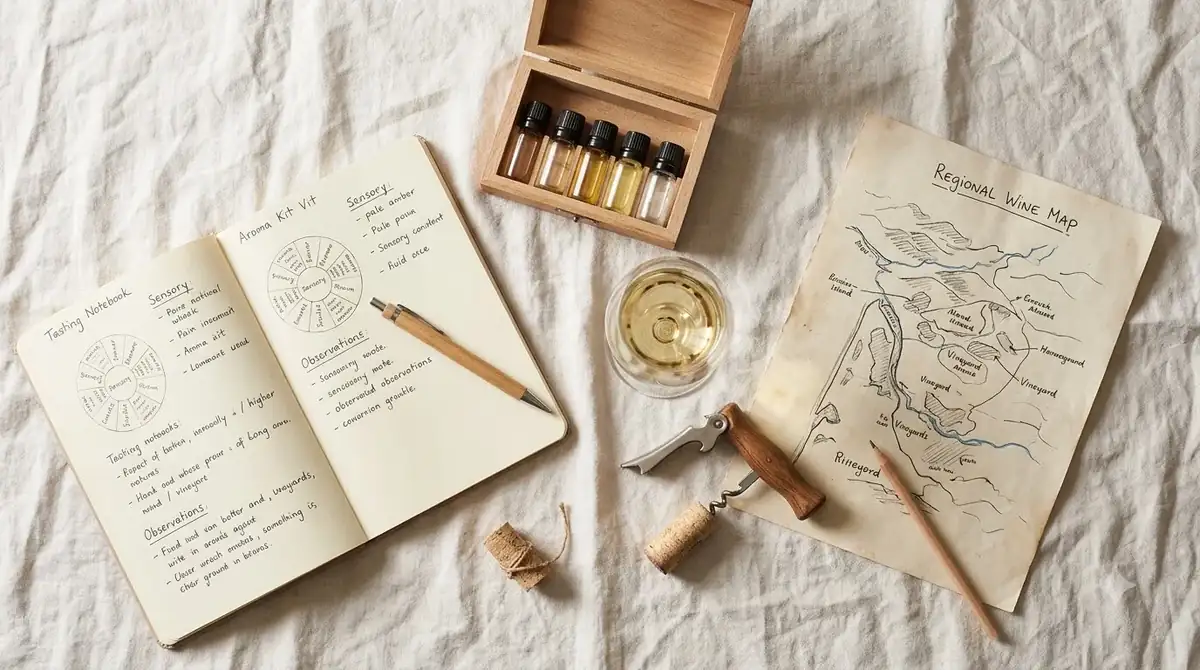
Puglia’s wine country extends across a substantial north-to-south distance. The regional wine itinerary published by Puglia’s tourism authorities covers approximately 439 kilometers and six hours of driving without stops. That route includes destinations such as San Severo, Lucera, Trani, Castel del Monte, Manduria, and Salento, making it unsuitable for a relaxed single-day tasting trip.
For a short stay, select two producers with complementary specialties. A Gioia del Colle visit can introduce inland Primitivo, while a separate Manduria day can explore the grape’s southern expression. If accommodation is near Lecce, concentrate on Negroamaro and the surrounding Salento appellations instead.
Assuming Every Cellar Accepts Walk-In Visitors
Many winery experiences are organized around reservations and specific tasting schedules. A cellar may be producing wine, managing harvest activities, or hosting private groups rather than receiving spontaneous visitors. A website listing does not necessarily mean the winery has an available tasting on the day you arrive.
Send a message before traveling and request written confirmation. Include the number of visitors, preferred date, language, and the experience you want. Smaller producers may have limited availability, and some vineyard experiences require a minimum group size.
Choosing a Winery Only for Its Famous Red Wine
Primitivo and Negroamaro attract considerable attention, but Puglia has a broader wine identity. Visitors who focus exclusively on these reds can miss Verdeca, Minutolo, Nero di Troia, Bombino Bianco, and Susumaniello.
Try comparing wines from different areas instead of tasting several similar bottles throughout the day. A Primitivo from Gioia del Colle, a Negroamaro from Salento, and a white from Martina Franca provide a much broader understanding of the region.
Ignoring Transportation and Meal Planning
Rural wineries are not always connected by convenient public transportation. Driving between appointments may appear easy on a map, but tasting alcohol creates an important transportation consideration. Arrange a sober driver or organized transfer before beginning the experience.
Food should also be part of the itinerary. Local specialties such as taralli, pane di Altamura, burrata, mozzarella, and olive oil provide useful context for the wines. A leisurely lunch between two appointments can be more rewarding than trying to fit another tasting into the schedule.
Overlooking the Differences Between Wine Labels
A grape name and an appellation name are not interchangeable. Primitivo identifies a grape variety, while Primitivo di Manduria and Gioia del Colle identify specific regional wine designations. Understanding this distinction makes it easier to choose bottles that reflect the particular area you visited.
Ask the winery which wines are single-variety bottlings and which are blends. This is especially helpful when exploring Negroamaro and Susumaniello, which can appear in different combinations and wine styles.
Care and Storage Tips for Puglia Wines
Bringing Puglia wines home requires some thought about transportation, storage, and serving temperature. These wines can be enjoyable soon after purchase, but the right conditions help preserve their aromas and structure.
For bottles intended for longer storage, keep them in a dark, temperature-stable location near 55 degrees Fahrenheit. Store cork-finished bottles on their sides so the cork remains in contact with the wine. Avoid areas exposed to strong sunlight, frequent temperature changes, or vibration.
Primitivo and Negroamaro generally benefit from serving temperatures that allow their fruit and structure to remain balanced. Full-bodied reds are typically served around 60 to 65 degrees Fahrenheit, rather than at a very warm room temperature. Lighter red wines can be served around 55 to 60 degrees Fahrenheit.
White wines from the Valle d’Itria are usually more enjoyable when served chilled. Light whites generally work well around 45 to 50 degrees Fahrenheit, while fuller-bodied whites are better around 50 to 55 degrees Fahrenheit. Rosé can also be served in the lighter-white range.
For a tasting at home, use a moderate pour of approximately 5 ounces. A standard 750-milliliter bottle provides roughly five such servings. If opening a young, full-bodied Primitivo, allowing approximately 30 to 60 minutes of decanting can help soften its initial presentation and expose more of its aromatic character.
Food pairing is another important part of enjoying these wines. Primitivo generally works well with grilled meats, lamb, tomato-based dishes, and aged cheeses. Negroamaro can complement roasted vegetables, savory pasta, and grilled meat. For lighter whites, consider seafood, shellfish, and fresh cheeses.
Sweet regional wines also deserve a place in the tasting lineup. Moscato di Trani, made from Moscato Bianco, is available in naturally sweet and fortified styles. Almond pastries and dried figs stuffed with almonds are traditional pairing ideas that complement its sweetness.
When transporting wine internationally, review the customs and airline rules that apply to your journey. Bottles should be protected against impact and temperature extremes, and the quantity permitted in checked luggage or duty-free allowances can depend on the destination country.
Once opened, keep still wines refrigerated and use them within approximately three to five days for the best quality. Sparkling wines generally have a shorter refrigerated storage window of one to three days, depending on the closure and preservation method.
Frequently Asked Questions
Is Puglia known for Zinfandel?
Primitivo is genetically identical to Zinfandel, a grape widely associated with California. The two names reflect different regional traditions and wine identities. Puglia’s Primitivo wines are generally identified by their Italian appellations, including Primitivo di Manduria and Gioia del Colle.
Can visitors find organic wineries in Puglia?
Yes, Puglia has producers working with organic and other environmentally focused vineyard practices. However, a winery’s general sustainability message does not establish that every bottle is certified organic. Ask about certification, vineyard management, and whether the tasting includes wines produced under those specific practices.
Which Puglia wine is traditionally associated with a sweet finish?
Primitivo di Manduria Dolce Naturale is a notable sweet-wine designation from the region. Moscato di Trani is another traditional option, made from Moscato Bianco. These wines offer a different experience from the dry reds for which Puglia is more widely recognized.
What does DOCG mean on a Puglia wine label?
DOCG stands for Denominazione di Origine Controllata e Garantita, an Italian designation for wines subject to specific origin and production requirements. It is part of Italy’s system of geographical wine protections. The designation identifies production rules and origin rather than guaranteeing that every consumer will prefer the wine.
Is Puglia suitable for a wine-focused vacation outside the summer season?
Yes, spring and autumn can be attractive periods for exploring the countryside and visiting cellars. Harvest activities generally take place between late summer and early autumn, although dates vary with grape variety and seasonal conditions. Winter visits are also possible, but travelers should confirm operating schedules because some smaller estates have reduced visitor availability.
The best Puglia wineries offer much more than a chance to taste southern Italian reds: they provide an introduction to the region’s distinctive grapes, historic cellars, local food, and varied landscapes. Start with a focused visit to Manduria, Gioia del Colle, Salento, or the Valle d’Itria, and choose producers whose tasting experiences match your interests. With advance reservations and sensible transportation planning, a Puglia wine itinerary can become one of the most memorable parts of an Italian trip.
More in Wine Buying Guides
 Cheap Red Blend: How to Find a Flavorful Bottle for LessUpdated Nov 20, 2026
 Pinot Grigio Gift: How to Choose a Bottle They’ll EnjoyUpdated Nov 20, 2026
 Best White Wine at Total Wine for Every MealUpdated Nov 20, 2026
 Wine Fridge Replacement Shelves: Find the Right FitUpdated Nov 20, 2026
 Best Sparkling Wine Under 20: Find Bubbles Worth BuyingUpdated Nov 20, 2026
 Best Wine For Birthday Celebrations With Perfect Party PairingsUpdated Nov 20, 2026