

We may earn a commission when you buy through links on this page, at no extra cost to you. Learn more.
Bolla Wine Price typically falls in the affordable everyday-wine category, with popular bottles such as Valpolicella, Soave and Pinot Grigio commonly selling for about $8 to $20 for 750 ml in the United States. More distinctive wines, including Amarone della Valpolicella, can cost considerably more because of their production methods, regional classification and style. Bottle size, vintage, retailer and state taxes also influence the final cost, so comparing equivalent bottles is the best way to judge value.
Bolla is an established Italian wine producer with roots in Veneto dating back to 1883. Its range covers familiar Italian varieties and regional specialties, giving shoppers several options for different meals, occasions and budgets. A bottle of Soave or Pinot Grigio offers a different experience from a red Valpolicella or a more substantial Amarone, and those differences are reflected in retail pricing. Understanding the main wine categories, typical bottle formats and regional styles makes it easier to decide how much to spend.
Who This Is For
Bolla wine pricing is particularly relevant to shoppers looking for recognizable Italian wines without automatically moving into premium-priced territory. The portfolio includes accessible whites, versatile reds and more elaborate regional wines, so the right purchase depends on whether the priority is everyday drinking, food pairing or a special occasion.
Everyday wine shoppers can start with Bolla Soave, Pinot Grigio or standard Valpolicella. These wines represent familiar Italian styles and generally occupy a more accessible retail category than Amarone. They are useful choices for casual dinners, informal gatherings and meals where the wine should complement the food rather than dominate the occasion.
Shoppers interested in Italian regional wine also have reasons to consider Bolla. Its history connects the producer with Soave and Valpolicella, two important wine areas in Veneto. The winery began in Soave, and its expansion into Pedemonte in 1931 established a connection with the Valpolicella Classica area. Its subsequent production included both white and red wines. Gruppo Italiano Vini acquired the company in 2006, according to the producer’s official Bolla winery history.
Buyers comparing Italian wine brands should also understand that a familiar producer name does not guarantee that every bottle belongs to the same price category. A standard Pinot Grigio and an Amarone may share the Bolla name, but they have different production requirements, regional identities and intended drinking occasions.
This guide is useful for several types of buyers:
- Budget-conscious shoppers: People seeking an approachable Italian white or red for ordinary meals.
- White-wine drinkers: Buyers comparing Soave and Pinot Grigio for seafood, vegetables and lighter dishes.
- Red-wine drinkers: Shoppers deciding between Valpolicella, Bardolino, Chianti and Amarone.
- Party hosts: People considering 1.5-liter bottles for larger gatherings.
- Italian wine enthusiasts: Buyers interested in regional distinctions rather than simply choosing the least expensive bottle.
For a broader introduction to the producer’s selection, the Bolla wine overview provides useful background on the brand and its different styles. The important starting point is to identify the wine category before judging whether a particular shelf price represents reasonable value.
Key Factors to Compare
The most useful way to evaluate Bolla prices is to compare the same wine category, bottle size and vintage wherever possible. A lower shelf price does not necessarily represent better value if the bottle is smaller or belongs to a different regional classification.
Retail listings tracked by Vino Alert provide a practical indication of the differences between popular Bolla wines. The following figures are approximate US retail shopping ranges, not guaranteed national prices. They reflect the general positioning of the wines and can vary according to availability and individual retailer listings.
| Bolla wine | Typical 750 ml retail range | Style | Buying consideration |
|---|---|---|---|
| Pinot Grigio | About $8–$16 | White, crisp and fruit-forward | Everyday white wine |
| Soave | About $8–$16 | White, fresh and balanced | Versatile food pairing |
| Valpolicella | About $8–$18 | Red, approachable and fruity | Everyday red wine |
| Bardolino | About $10–$18 | Red, lighter-bodied | Casual meals |
| Merlot | About $9–$18 | Red, softer and rounded | Familiar varietal style |
| Chianti | About $8–$18 | Red, savory and acidity-driven | Tomato-based dishes |
| Prosecco | About $12–$22 | Sparkling, fresh and lively | Celebrations and aperitifs |
| Amarone | About $28–$50+ | Red, concentrated and full-bodied | Special meals and occasions |
These are indicative shopping bands rather than fixed producer prices. Vino Alert’s tracked Bolla listings show Valpolicella offers beginning around $8.49 per 750 ml and Soave offers beginning around $8.99, while its Amarone listings occupy a substantially higher category. The comparison service’s figures reflect individual retailer offers, and its listings can change as stores update their inventory. Prices vary by state and retailer, with shipping and taxes potentially adding to the final amount.
There are five important factors to consider when comparing the figures.
1. Wine category
Different wine styles require different production approaches. Standard Valpolicella is generally a more approachable red than Amarone. Amarone involves the traditional appassimento approach, in which harvested grapes are dried before fermentation, concentrating their flavors and changing the production process. This helps explain why Amarone usually costs more than an ordinary Valpolicella bottling.
2. Bottle size
A 750 ml bottle is the standard comparison size, but Bolla wines also appear in 1.5-liter formats. A magnum contains twice the wine of a standard bottle. Comparing the cost per 750 ml equivalent provides a fairer assessment than comparing shelf prices alone.
3. Regional classification
Names such as Soave, Valpolicella, Valpolicella Classico and Amarone identify different regional wine categories. These names matter because they communicate origin and production standards. A more specific regional designation may occupy a different retail position from a broadly labeled Italian wine.
4. Vintage and availability
Retailers may carry different vintages alongside non-vintage listings. Inventory changes can create differences between stores, even for wines with similar labels. A comparison should therefore consider the vintage as well as the wine name.
5. Local retail conditions
Alcohol taxes, distribution costs, shipping restrictions and retailer inventory affect the amount paid. A store in one state may have a different price from a store in another state, even when both sell the same 750 ml bottle.
Tip: Compare the price per 750 ml rather than the shelf price when shopping for 1.5-liter Bolla bottles. A larger bottle can offer a lower cost per equivalent serving, but only when its total price supports that advantage.
Step-by-Step
A straightforward buying process helps shoppers avoid comparing unrelated wines or paying more simply because a particular bottle has a familiar regional name. Start with the style you want, establish a reasonable budget and then compare equivalent listings.
-
Choose between red, white and sparkling wine.
Begin with the occasion and the food. Pinot Grigio and Soave are sensible starting points for white-wine drinkers, while Valpolicella, Bardolino and Chianti provide different red-wine options. Prosecco is the more appropriate category if sparkling wine is required.
-
Set a bottle budget.
Decide whether the purchase is for an everyday meal or a more substantial occasion. A shopper looking for a casual Italian white can concentrate on the lower retail categories, while someone planning a special dinner may consider Amarone.
-
Identify the exact wine.
Do not compare a standard Valpolicella directly with Amarone or treat Soave as interchangeable with Pinot Grigio. The grape varieties, production methods and regional identities differ. Choosing the exact style first makes the pricing comparison meaningful.
-
Compare equivalent bottle sizes.
Look for 750 ml bottles when establishing a standard reference price. If a 1.5-liter bottle is available, divide its total price by two to calculate the equivalent 750 ml cost.
-
Check multiple retailers.
Compare at least three stores when practical. Look at the same wine, size and vintage, and account for shipping, taxes and pickup availability before deciding which listing offers the best overall value.
-
Consider the food pairing.
Choose a wine that suits the meal rather than selecting solely on price. Soave and Pinot Grigio can accompany lighter dishes, while Valpolicella and Chianti work well with many tomato-based meals. Amarone is more appropriate for richer dishes and slower dinners.
-
Evaluate the final purchase.
Consider the number of guests, the serving occasion and how quickly the wine will be consumed. A magnum may make sense for a gathering, whereas a standard bottle is often more practical for a smaller household.
These steps are particularly helpful when several Bolla wines appear on the same retailer shelf. The least expensive bottle is not automatically the best choice if its style does not match the meal or the preferences of the people drinking it.
It is also useful to compare a specific Bolla bottle with wines from other Italian producers in the same category. Comparing Soave with another Soave or Valpolicella with another Valpolicella is more informative than comparing wines simply because they come from Italy.
Types or Styles Explained
Bolla’s wine selection includes several categories with different flavor profiles and price positions. Understanding these styles explains why the brand does not have one universal bottle price.
Bolla Soave
Soave is one of the most historically important styles associated with Bolla. The winery originated in Soave, where Alberto Bolla began selling local white wine to nearby taverns in 1883. Its connection with the region remains an important part of the brand’s identity.
Soave is generally a dry white wine with refreshing acidity and a balanced fruit profile. Garganega is its principal traditional grape, although the precise composition depends on the wine’s classification and producer. It is suitable for seafood, grilled vegetables, light pasta dishes and poultry.
In the US market, Bolla Soave generally occupies an accessible retail category, with many tracked listings around $8 to $16 per 750 ml. Its appeal is straightforward: it provides an Italian regional white-wine option without requiring the budget associated with more elaborate wines.
Shoppers comparing white wines can also consult the Bolla white wine overview to distinguish Soave from other white bottlings in the range.
Bolla Pinot Grigio
Pinot Grigio is another familiar Bolla white wine and is generally an approachable choice for shoppers who prefer crisp, fruit-forward wines. It is associated with fresh flavors rather than the concentrated richness found in some fuller-bodied white wines.
Kroger’s product description identifies Bolla Pinot Grigio as pale straw yellow, with tropical fruit aromas and notes of peach, melon, pear and lime. The retailer lists the wine at 13% alcohol by volume. These details help explain its appeal as a straightforward dinner or casual gathering wine.
A typical US shopping range is about $8 to $16 for a 750 ml bottle, although individual stores may price larger formats differently. Pinot Grigio works particularly well with seafood, salads, grilled chicken and lighter pasta dishes.
Bolla Valpolicella
Valpolicella is among the most recognizable red-wine categories in Bolla’s portfolio. The winery expanded its production into the Valpolicella Classica zone in 1931, creating a lasting association with the area’s red wines.
Traditional Valpolicella is generally lighter and more approachable than Amarone. Corvina is an important grape in the regional tradition, alongside Rondinella and other permitted varieties. The style commonly emphasizes red fruit, freshness and moderate structure rather than heavy extraction and powerful tannins.
Bolla Valpolicella generally falls around $8 to $18 per 750 ml in the US retail market. It is a practical option for pizza, tomato-based pasta, roasted poultry and casual meat dishes.
For shoppers primarily interested in Italian reds, the Bolla red wine overview offers a useful starting point for comparing Valpolicella with other red styles.
Bolla Bardolino
Bardolino is another Veneto red-wine category. It is generally lighter in body than Amarone and suits drinkers who prefer fresh, approachable red wines rather than heavily structured bottles.
Its traditional grape composition includes varieties also associated with the wider Verona wine region, particularly Corvina and Rondinella. The style is often a good match for simple pasta, grilled vegetables, charcuterie and roasted chicken.
Bolla Bardolino generally belongs in the accessible-to-midrange retail category. It is worth considering when Valpolicella seems too familiar or when a lighter red is preferable for a meal.
Bolla Chianti
Chianti provides a different Italian red-wine expression because it comes from Tuscany rather than Veneto. Sangiovese is the principal grape associated with the appellation, contributing acidity, red-fruit character and savory notes.
Its natural acidity makes Chianti particularly useful with tomato sauces, pizza, lasagna and other dishes containing acidic ingredients. Food pairing is an important reason to consider this category rather than simply purchasing another Veneto red.
Bolla Chianti generally sits within an accessible retail price category, although specific classifications and bottle sizes can affect the amount paid.
Bolla Amarone
Amarone della Valpolicella is the more substantial red-wine category in Bolla’s selection. It is made using dried grapes, a traditional technique that concentrates the fruit and creates a fuller, richer style.
The drying process, longer production requirements and regional classification help explain why Amarone is more expensive than ordinary Valpolicella. It commonly displays concentrated dark-fruit character, a fuller body and substantial alcohol.
A typical US retail shopping range is approximately $28 to $50 or more for a 750 ml bottle, depending on the specific bottling and retailer. Amarone is particularly suitable for substantial dinners, braised meat, aged cheeses and occasions where a more powerful red wine is appropriate.
Bolla Prosecco
Prosecco offers a sparkling alternative to Bolla’s still wines. The traditional principal grape is Glera, and the tank method is commonly used to produce the wine’s bubbles.
Prosecco is generally fresh, fruity and lively, making it suitable for aperitifs, celebrations and light appetizers. Its sweetness level varies, so buyers should distinguish Brut from Extra Dry rather than assuming that every Prosecco tastes identical.
For US shoppers, Bolla Prosecco generally occupies a higher price category than some of the producer’s basic still whites, but it remains an accessible sparkling-wine option.
Common Mistakes
Several purchasing mistakes can make Bolla wines appear more expensive or less suitable than they really are. Most involve comparing different wine categories, overlooking bottle size or choosing a style without considering the food and occasion.
Comparing different wine categories
One of the most common mistakes is comparing the price of Amarone with the price of standard Valpolicella as if they were equivalent products. Both are associated with the same broad wine region, but their production methods and finished styles differ substantially.
Amarone’s dried-grape production requires additional time and effort. Its fuller style and more concentrated flavors also place it in a different drinking category. A higher price is therefore not necessarily an indication that the standard Valpolicella offers poor value.
Ignoring bottle capacity
A 1.5-liter magnum contains twice as much wine as a 750 ml bottle. Comparing the two by total shelf price can produce a misleading result. Always calculate the equivalent cost per 750 ml before deciding whether the larger format offers better value.
Assuming every Bolla wine tastes similar
Bolla produces multiple wine styles, including crisp whites, lighter reds, sparkling wines and concentrated regional reds. Pinot Grigio is not a substitute for Amarone, and Soave serves a different purpose from Chianti.
Buyers who concentrate only on the producer’s name may overlook important differences in acidity, body, tannin and flavor. Choosing by style is a more reliable approach.
Overlooking regional names
Soave, Bardolino, Chianti and Valpolicella are not interchangeable names. They refer to different wine traditions and geographical origins. A regional designation provides useful context about the style and the wine’s expected characteristics.
Buying a wine that clashes with the meal
Food pairing can make an inexpensive wine seem like a poor purchase if the style does not suit the dish. High-tannin reds can taste especially harsh with oily fish, while chili heat can become more pronounced alongside wines with substantial alcohol and tannin.
Acidic tomato sauces generally benefit from wines with sufficient acidity, which makes Chianti a practical choice. Salt and fat can soften the perception of tannin, making some fuller reds more comfortable with richer meat dishes.
Choosing a large bottle without considering consumption
Magnum bottles are useful for gatherings, but they are not automatically the right option for every household. Once opened, still wines generally retain their best quality for around three to five days when properly refrigerated and sealed.
Someone who drinks only one glass occasionally may find a standard bottle more practical. The lower equivalent cost of a larger bottle is less useful if the wine is not consumed while it remains enjoyable.
Care or Storage Tips
Correct storage and serving temperatures help preserve the qualities of Bolla wines and make the purchase more rewarding. Even an affordable bottle benefits from appropriate handling before and after opening.
Store unopened bottles correctly
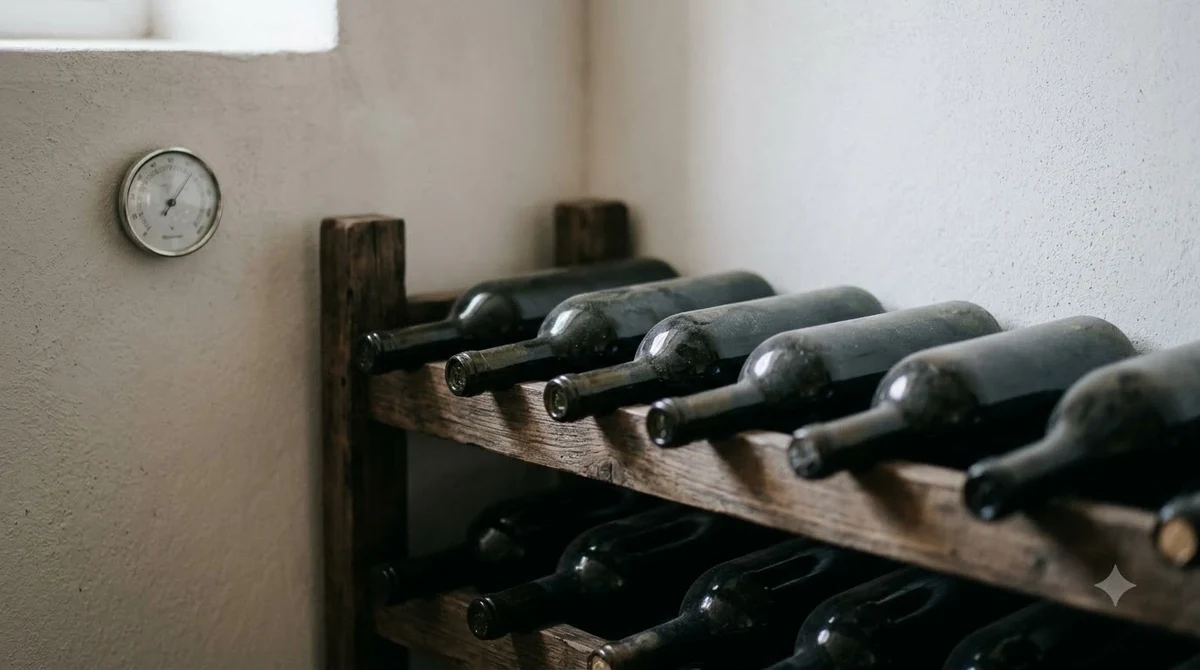
For long-term storage, keep wine in a cool, dark place with a relatively stable temperature near 55 degrees Fahrenheit. Avoid locations near ovens, heating equipment, sunny windows or appliances that produce repeated temperature changes.
Bottles sealed with natural cork are generally best stored on their sides so the cork remains in contact with the wine. This helps reduce the risk of the cork drying out during extended storage.
Most everyday Bolla Pinot Grigio, Soave and standard Valpolicella purchases are intended for relatively early consumption rather than lengthy cellaring. There is little practical reason to hold an ordinary everyday bottle for several years.
Serve whites and reds at suitable temperatures
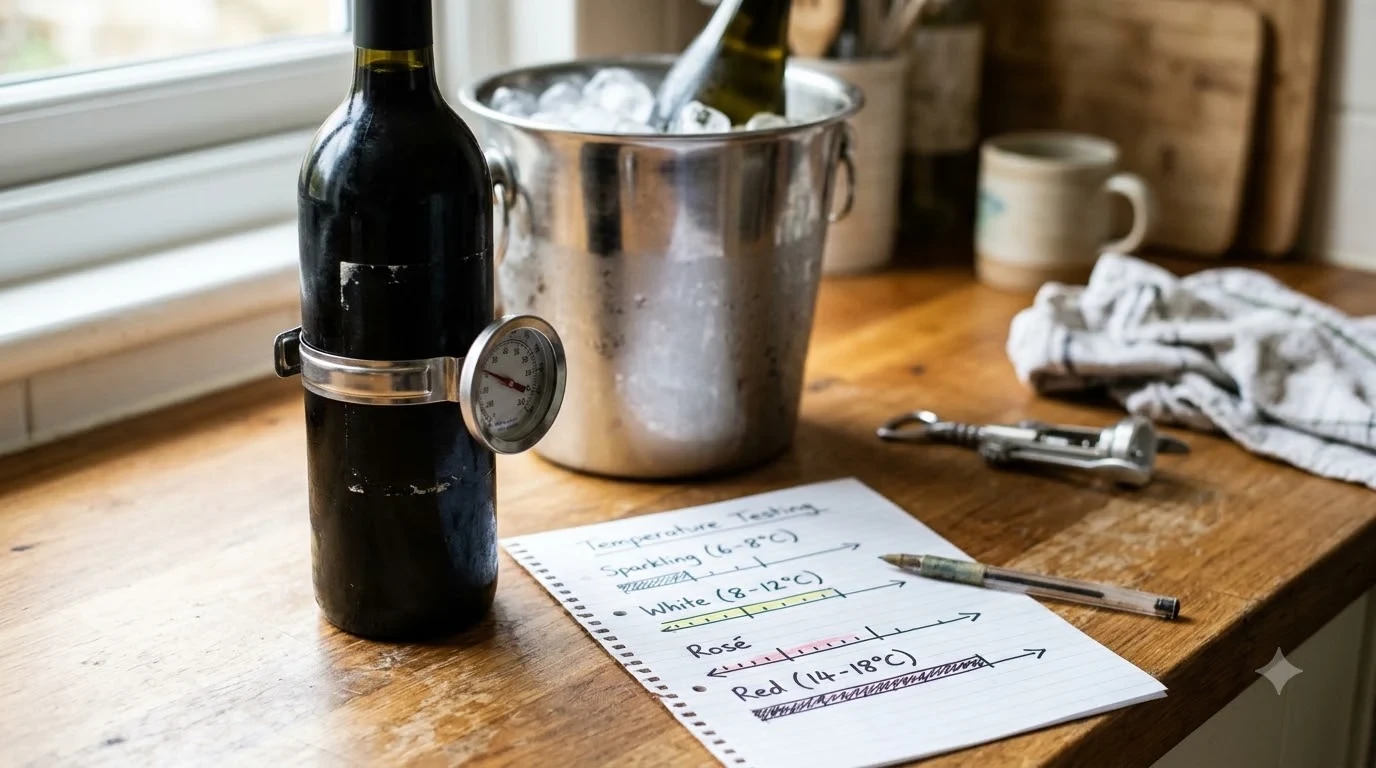
Serving temperature can influence how fresh, aromatic and balanced a wine tastes. Very cold temperatures can suppress aromas, while excessive warmth can make alcohol feel more prominent.
- Pinot Grigio: Serve around 45–50 degrees Fahrenheit.
- Soave: Serve around 45–50 degrees Fahrenheit.
- Prosecco: Serve around 40–50 degrees Fahrenheit.
- Bardolino: Serve around 55–60 degrees Fahrenheit.
- Valpolicella: Serve around 55–60 degrees Fahrenheit.
- Chianti: Serve around 60–65 degrees Fahrenheit, depending on body and style.
- Amarone: Serve around 60–65 degrees Fahrenheit.
These temperatures provide useful starting points rather than rigid requirements. A slightly cooler red can be more refreshing in a warm dining room, while a white wine allowed to warm briefly in the glass can reveal additional aromas.
Use appropriate glassware
A medium-sized white-wine glass works well for Pinot Grigio and Soave. It allows the wine to remain cool while giving the aromas enough room to develop.
For Valpolicella, Chianti and Amarone, a standard red-wine glass with a wider bowl is useful. The larger opening helps expose the wine to air and gives concentrated aromas more room to develop.
There is no need to purchase an expensive collection of specialized glasses to enjoy Bolla. A few clean, appropriately shaped wine glasses are sufficient for most home drinking occasions.
Preserve opened bottles
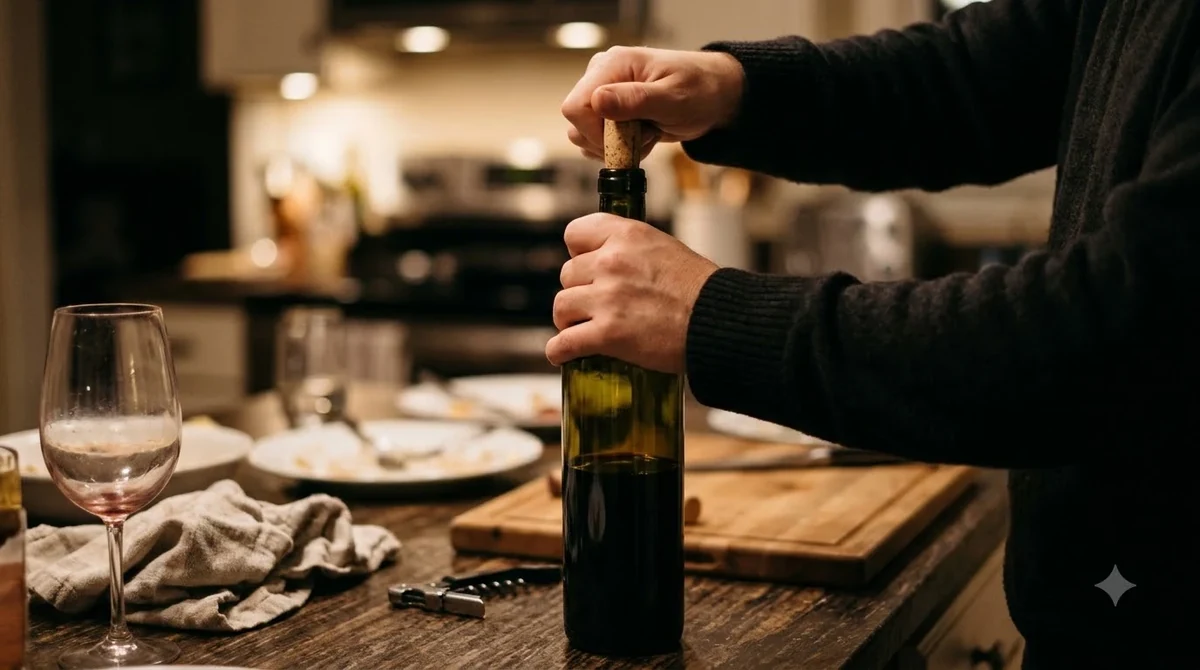
After opening a still Bolla wine, reseal it and place it in the refrigerator. This applies to both red and white wines. Refrigeration slows oxidation and helps preserve the wine’s freshness.
Most opened still wines are best consumed within three to five days. Sparkling wines generally have a shorter useful window, around one to three days, when stored with an appropriate sparkling-wine stopper in the refrigerator.
For a young, full-bodied Amarone, decanting for approximately 30 to 60 minutes can help its aromas open up before serving. Standard lighter Valpolicella generally does not require the same treatment.
Plan servings before opening
A standard 750 ml bottle provides approximately five servings when each glass contains five ounces. A 1.5-liter magnum provides approximately ten equivalent servings.
This calculation helps hosts estimate how many bottles they need for a gathering. It also makes bottle-size comparisons easier because the same serving quantity can be used across different formats.
For a small dinner with two people, one 750 ml bottle may be sufficient. For a larger gathering, a magnum can reduce the number of bottles required and make serving more convenient.
Frequently Asked Questions
Is Bolla considered an Italian wine brand?
Yes. Bolla originated in Soave, in Italy’s Veneto region, in 1883. Its portfolio subsequently expanded to include wines associated with Valpolicella and other Italian regions. The brand is now part of Gruppo Italiano Vini.
What grapes are traditionally associated with Bolla Valpolicella?
Corvina, Rondinella and Molinara are traditional varieties associated with Valpolicella. Corvinone can also appear in regional blends. The exact composition depends on the particular wine and its applicable production rules.
Does Bolla produce wines outside Veneto?
Yes. The tracked portfolio includes wines associated with regions beyond Veneto, including Chianti in Tuscany and wines from other Italian growing areas. This means the Bolla name does not identify just one regional wine style.
What does the Valpolicella Classico designation mean?
Classico identifies wine from the historically established central production zone of Valpolicella. It distinguishes that area from the broader Valpolicella production territory. The designation provides useful geographical information rather than simply indicating a particular sweetness or body level.
Can Bolla wines be used for cooking?
Yes. Dry Bolla whites such as Soave can be used in seafood sauces, vegetable preparations and risotto. Red Valpolicella or Chianti can work in tomato-based sauces and braised dishes. Choose a wine style that complements the recipe, and avoid cooking with a wine that has developed unpleasant oxidation or spoilage aromas.
Bolla offers several approachable Italian wine styles, from Soave and Pinot Grigio to Valpolicella, Chianti and Amarone. Comparing the exact wine, bottle size and regional category is the most reliable way to judge its retail value. For everyday drinking, the accessible whites and standard reds provide practical starting points, while Amarone offers a more substantial option for special meals and occasions.
More in Wine Brands
 Louis Latour Wine Price: Compare Bottles by Style and TierUpdated Nov 20, 2026
 Yellow Tail Moscato Price: What to Expect Before You BuyUpdated Nov 20, 2026
 Sutter Home Sweet Red Review: Find the Right Food PairingsUpdated Nov 20, 2026
 Franzia Chillable Red Review: Find the Right Serving StyleUpdated Nov 20, 2026
 Veuve Clicquot Rose Review: Flavor, Food Pairings and Buying AdviceUpdated Nov 20, 2026
 Rombauer Wine Price: Compare Bottles Before You BuyUpdated Nov 20, 2026