

We may earn a commission when you buy through links on this page, at no extra cost to you. Learn more.
Baron Philippe de Rothschild wine price ranges from approachable everyday Bordeaux and Chilean bottles to expensive collectible wines such as Château Mouton Rothschild. Standard Mouton Cadet and Escudo Rojo bottles generally occupy the more accessible end of the portfolio, while Réserve bottlings, second wines and classified-growth Bordeaux command higher prices. The most important distinction is the specific wine, appellation, vintage and producer category rather than the Rothschild name alone.
Baron Philippe de Rothschild is a major name in French wine, but its portfolio covers several different markets. A bottle of Mouton Cadet is intended for a very different occasion and budget from Château Mouton Rothschild, even though both names share the same family heritage. The company also produces wines in Chile and southern France, giving buyers additional styles and price points to consider. Understanding these differences makes it easier to compare bottles, recognize what justifies a higher price and choose a wine that matches the occasion.
Who This Is For
This buying guide is for shoppers comparing Baron Philippe de Rothschild bottles, looking for a suitable Bordeaux gift or trying to understand why two wines bearing the Rothschild name can have dramatically different retail prices. The portfolio includes accessible branded wines and prestigious estate bottlings, so identifying the intended category should come before comparing individual bottles.
Casual wine drinkers may be most interested in Mouton Cadet, Bordeaux Baron Philippe or Escudo Rojo. These wines offer a way to explore the company’s Bordeaux and Chilean winemaking without entering the collectible-wine market. They can suit weeknight dinners, informal gatherings and meals where the wine is meant to complement the food rather than serve as the centerpiece.
Buyers planning a special dinner or looking for a more distinctive present may prefer Réserve Mouton Cadet, a regional Bordeaux bottling or a wine from the company’s classified-growth estates. These wines occupy different positions in the portfolio, and their prices reflect factors such as vineyard origin, appellation, production and vintage.
Collectors have another reason to examine this producer. Château Mouton Rothschild is a Pauillac First Growth with an established reputation, and particular vintages can attract substantial interest. Its second wine, Le Petit Mouton, provides another way to explore the estate’s identity, although it remains a premium purchase compared with the company’s everyday branded wines.
One distinction matters throughout this guide: Baron Philippe de Rothschild is the name of the wine company, not a single wine designation. A bottle carrying the company’s name does not automatically belong to the same quality or price category as its famous Pauillac estate.
Key Factors to Compare
The biggest influences on Baron Philippe de Rothschild wine prices are the wine’s category, origin, vineyard status, vintage and market availability. Comparing these details is more useful than assuming every bottle with the Rothschild name should have a similar price.
The company’s official portfolio divides into estate wines and branded wines. Its branded Bordeaux wines include Mouton Cadet, Réserve Mouton Cadet, Agneau and Bordeaux Baron Philippe. Its international operations also include Escudo Rojo in Chile and varietal wines from Pays d’Oc. The company explains its production structure on its official activities and wine portfolio page.
For American shoppers, the following comparison provides a practical starting point. These are indicative retail ranges rather than guaranteed national prices. Individual vintages, bottle sizes, availability and retailer positioning can change the amount substantially.
| Wine category | Typical US retail range | What influences the price | Best suited to |
|---|---|---|---|
| Standard Mouton Cadet | About $12–$22 per 750 ml | Bordeaux origin, vintage and retailer | Everyday drinking |
| Mouton Cadet Cuvée Héritage | About $25–$30 per 750 ml | Specific cuvée and positioning | Dinner parties and gifts |
| Escudo Rojo Gran Reserva | About $18–$25 per 750 ml | Chilean origin and Gran Reserva bottling | Fuller-bodied red wine occasions |
| Réserve Mouton Cadet | About $18–$40 per 750 ml | Appellation, selection and vintage | More distinctive Bordeaux purchases |
| Le Petit Mouton | About $350–$500 per 750 ml | Estate origin, vintage and collector demand | Special occasions and collectors |
| Château Mouton Rothschild | About $1,000–$1,600 per 750 ml | First Growth status, vintage and provenance | Luxury gifts and serious collectors |
These ranges are indicative comparisons, not fixed manufacturer price bands. The Mouton Cadet Cuvée Héritage range reflects the producer’s suggested retail price of $25.99 and a New York retailer listing of $26.99, while the Escudo Rojo range reflects the $18.99 listing from Universal Fine Wine & Spirits and a broader allowance for retail variation. Standard Mouton Cadet and Réserve ranges are budgeting estimates rather than guaranteed offers. The premium estate ranges are informed by Richmond Hill Wines’ listings for different vintages of Le Petit Mouton and Château Mouton Rothschild. Prices vary by state and retailer.
Origin is another important consideration. Bordeaux wines generally emphasize traditional regional blends, while Chilean wines such as Escudo Rojo provide a different interpretation of familiar Bordeaux grape varieties. Pays d’Oc wines, meanwhile, can be attractive to shoppers looking for straightforward varietal expressions.
Vintage and provenance become increasingly important toward the top of the range. A standard branded Bordeaux wine is generally purchased for drinking, whereas an older Château Mouton Rothschild may be evaluated as a collectible. Storage history, bottle condition and authenticity can affect the value of an expensive bottle significantly.
Finally, consider bottle format. A standard 750 ml bottle is the most useful reference for comparing prices. A magnum contains 1.5 liters, equivalent to two standard bottles, and should not be compared directly with a 750 ml listing without adjusting for volume.
Step-by-Step: How to Choose a Bottle
A sensible purchase starts with the occasion and budget, followed by the wine’s category and origin. Use the following steps to narrow the portfolio before selecting a particular vintage or retailer.
-
Set a realistic spending range.
Decide whether the purchase is intended for everyday drinking, a dinner with guests or a significant gift. A standard Mouton Cadet is a logical starting point for casual occasions, while Cuvée Héritage and Réserve bottlings offer more distinctive choices. Set the budget before looking at collectible estate wines, which belong to a different market.
-
Identify the actual producer label and wine name.
Look for the full designation rather than relying on the Rothschild surname. Mouton Cadet, Escudo Rojo, Le Petit Mouton and Château Mouton Rothschild are separate wines or wine ranges. Their names identify different production categories and origins.
-
Choose the region and grape style.
For classic Bordeaux character, begin with Mouton Cadet or one of the company’s other Bordeaux bottlings. For Chilean character, consider Escudo Rojo. Buyers who prefer a single-grape expression can also investigate the company’s Pays d’Oc varietal range.
-
Compare the vintage.
Vintage matters more for certain premium Bordeaux wines than it does for an inexpensive everyday bottle. Compare the year, the wine’s expected drinking window and its storage history. For an expensive Pauillac, a reputable merchant should be able to provide meaningful information about provenance.
-
Compare bottle sizes and retailer listings.
Use the 750 ml format as the standard comparison. If a retailer offers a 1.5-liter magnum, calculate the equivalent per 750 ml before deciding whether the larger bottle represents sensible value.
-
Check the seller’s reputation.
For an everyday bottle, a reliable wine shop with transparent product information is usually sufficient. For a collectible bottle, look for a merchant specializing in fine wine, with clear information about storage, bottle condition, authenticity and shipping.
-
Match the wine to the meal or occasion.
Choose a red Bordeaux for beef, lamb or roasted vegetables, while a white Bordeaux can work with seafood and lighter dishes. A Chilean red blend may be appropriate for grilled meats and hearty meals. The right purchase is the one that fits the intended experience.
Tip: Do not pay a premium simply because the bottle displays the Rothschild name. First establish whether it is a branded wine, a Réserve bottling, a second wine or a classified-growth estate wine. That distinction explains much of the difference between retail prices.
After these steps, compare a few retailers rather than choosing the first listing. Wine availability can differ significantly between states, and some specialist shops carry vintages that are difficult to find elsewhere. Shipping costs, delivery restrictions and storage conditions also deserve attention when purchasing from an online merchant.
Types and Styles Explained
Baron Philippe de Rothschild produces wines across several regions and market categories. Understanding the differences between these ranges helps buyers select the right bottle without confusing an accessible branded wine with a prestigious estate wine.
Mouton Cadet
Mouton Cadet is the company’s best-known accessible Bordeaux brand. Baron Philippe created it in 1930 with the ambition of making Bordeaux wines available to a broader audience. It became a recognizable name for shoppers interested in regional French wine without paying First Growth prices.
The range includes red, white and rosé styles. The red wines generally draw on Bordeaux varieties such as Merlot and Cabernet Sauvignon, while the white bottlings can feature Sauvignon Blanc, Sémillon and Muscadelle. The exact blend depends on the individual wine.
Mouton Cadet is a sensible starting point for someone who wants a recognizable Bordeaux label for an informal dinner. It is also a useful option for people exploring French regional wines before moving toward more expensive appellations and estate bottlings.
Réserve Mouton Cadet
Réserve Mouton Cadet represents a more specific selection within the branded Bordeaux portfolio. Individual bottlings can be associated with appellations such as Médoc, Margaux, Pauillac or Graves, giving buyers more information about the regional character of the wine.
Appellation matters because Bordeaux is not one uniform wine style. Médoc reds can emphasize Cabernet Sauvignon, while Merlot often contributes roundness and softer fruit. White wines from Graves can offer a different balance of fruit and freshness from red Médoc bottlings.
Buyers should compare the exact appellation and vintage rather than assuming all Réserve bottles are interchangeable. A Réserve Médoc and a Réserve Graves Blanc, for example, are different wines intended for different food pairings.
Escudo Rojo
Escudo Rojo is the company’s Chilean wine range, associated with the Maipo Valley operation. It offers a different regional identity from Bordeaux while maintaining connections to familiar international grape varieties.
Escudo Rojo Gran Reserva is particularly relevant to shoppers looking for a fuller red blend. A listed 2022 Gran Reserva contains Cabernet Sauvignon, Carmenere, Syrah, Petit Verdot and Cabernet Franc. This combination provides a different profile from a conventional Bordeaux blend, with Chilean growing conditions influencing the expression.
For food, a structured Chilean red can work well with grilled beef, roasted lamb and dishes featuring herbs or roasted vegetables. Buyers who enjoy Cabernet-based reds but want to explore beyond France may find this range an appealing alternative.
Cadet d’Oc and Pays d’Oc Varietals
The company’s Pays d’Oc wines offer another entry point into its portfolio. These wines include varietal expressions and the Cadet d’Oc range, providing a different approach from the traditional Bordeaux appellation system.
Varietal labeling can make the selection process easier for people who already know what they enjoy. A shopper looking for Merlot, Cabernet Sauvignon or Chardonnay may find it more straightforward to select a familiar grape than to interpret a regional Bordeaux designation.
Le Petit Mouton and Château Mouton Rothschild
At the premium end, the estate wines are a separate category from the company’s branded bottles. Château Mouton Rothschild is a Pauillac First Growth, while Le Petit Mouton is the estate’s second wine. These are not simply more expensive versions of Mouton Cadet.
The distinction reflects estate origin, vineyard selection, winemaking, reputation and collector demand. Château Mouton Rothschild is a particularly important name in fine Bordeaux, and its market value can vary considerably between vintages.
Buyers interested in this category should also understand the difference between a château’s flagship wine and its second wine. Le Petit Mouton offers a connection to the estate, but its identity and price position are distinct from the First Growth itself.
For more background on the portfolio, see our overview of Baron Philippe de Rothschild wine. Buyers comparing prestige Bordeaux estates may also find our article on Château Mouton Rothschild wine useful.
Common Mistakes When Comparing Prices
The most common purchasing mistakes involve confusing different wine categories, comparing different bottle formats and treating the family name as a guarantee of a particular quality level. A little attention to the label and the seller’s information can prevent expensive misunderstandings.
Confusing Mouton Cadet with Château Mouton Rothschild
This is perhaps the biggest source of confusion. Both names contain Mouton, but they represent different wine categories. Mouton Cadet is a branded Bordeaux wine created to reach a broad audience, whereas Château Mouton Rothschild is a classified-growth estate wine from Pauillac.
The difference is not merely packaging. The wines have different origins, production structures, market positions and intended buyers. Comparing their prices without recognizing these distinctions leads to unrealistic expectations.
Assuming Every Rothschild Wine Is a First Growth
The Rothschild name appears across several wines and partnerships. Mouton Cadet, Escudo Rojo, Château Clerc Milon, Château d’Armailhac and Opus One are not all the same type of product. Each has its own regional identity and pricing considerations.
Château Mouton Rothschild has First Growth status in Pauillac, but that classification does not automatically apply to every wine produced or marketed by the company. Always identify the exact estate and designation.
Ignoring Vintage Differences
Vintage differences can have a meaningful effect on collectible Bordeaux. Weather, vineyard conditions and the wine’s development over time all influence how a particular year is perceived by buyers and merchants.
For a standard branded wine, the latest available vintage may be perfectly appropriate for immediate enjoyment. For an older estate bottle, however, the year should be considered alongside provenance and storage conditions. A famous vintage is not automatically a sound purchase if the bottle has been poorly stored.
Comparing Different Bottle Formats
A magnum holds 1.5 liters, whereas a standard bottle holds 750 ml. The larger bottle contains twice the wine, so the headline retail figure alone does not indicate whether it is more expensive on a per-volume basis.
Also pay attention to half bottles, gift packaging and multi-bottle cases. These formats can make two apparently similar listings difficult to compare. Calculate the equivalent bottle volume before making a decision.
Overlooking Provenance
Provenance is particularly important for wines intended for collection or long-term cellaring. A bottle that has spent years in suitable temperature-controlled storage is generally more reassuring than one with an uncertain history.
Examine the label, capsule, fill level and condition of the bottle. For a valuable vintage, request photographs and written details from the merchant. A reputable seller should be able to explain where the wine came from and how it has been stored.
Paying More Without a Clear Reason
A higher price should correspond to something identifiable, such as a more prestigious appellation, a recognized estate, a particular vintage or a trustworthy provenance record. A premium label or attractive gift box alone does not necessarily indicate a better wine for the buyer’s needs.
For an ordinary dinner, a well-selected Mouton Cadet or Escudo Rojo may be more appropriate than an expensive collectible Bordeaux. The occasion should determine the category before the price becomes the deciding factor.
Care and Storage Tips
Proper storage is important for maintaining wine quality, particularly for bottles purchased at higher price points. Even an expensive Bordeaux can lose its appeal if exposed to heat, light or repeated temperature fluctuations.
Store Bottles at a Stable Temperature
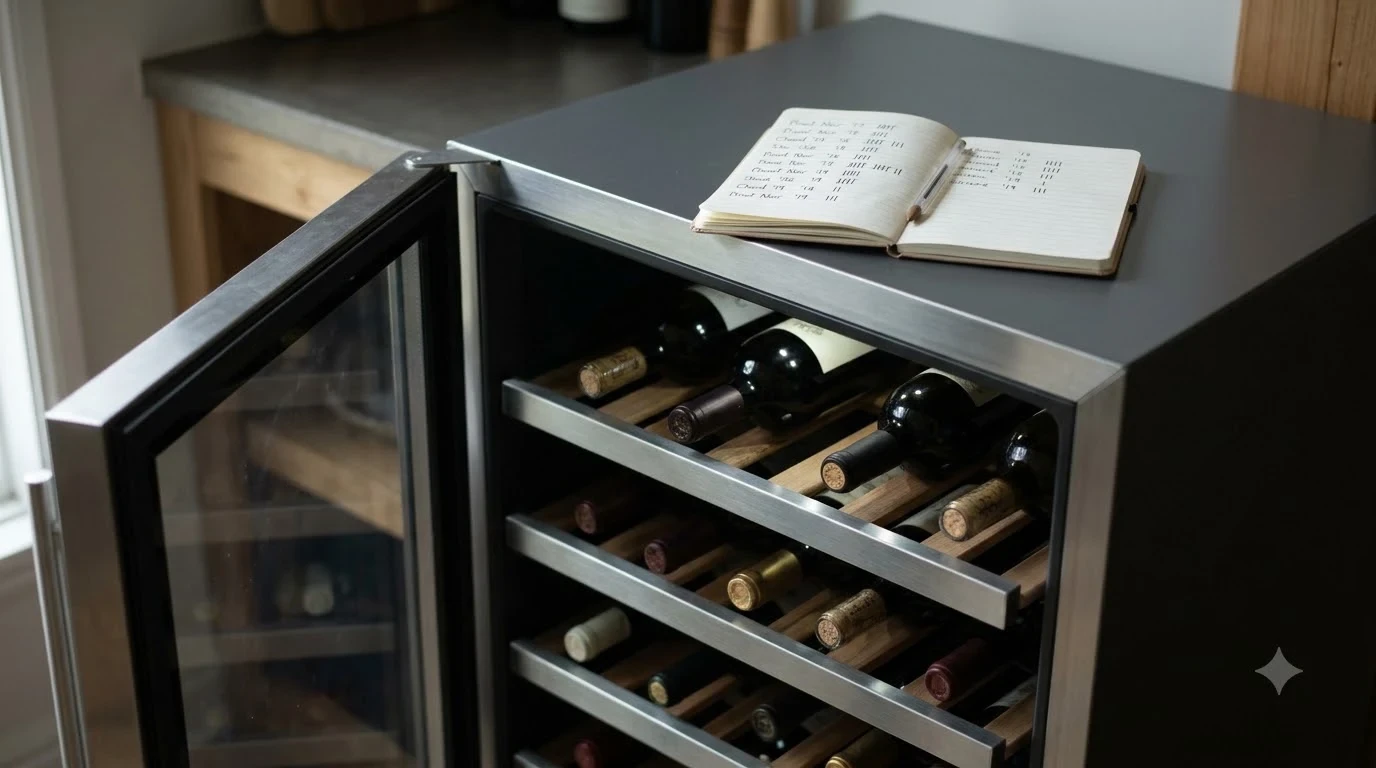
A storage temperature near 55°F is a useful target for many still wines. Avoid placing bottles near ovens, radiators, sunny windows or appliances that generate heat. Consistency matters more than trying to create dramatic temperature changes between day and night.
For bottles with natural cork closures, horizontal storage helps keep the cork in contact with the wine. This is especially useful for bottles intended for longer storage. Keep bottles away from strong odors, vibration and direct sunlight.
Serve Each Style at the Right Temperature
Serving temperature affects the balance between fruit, acidity, alcohol and tannin. Full-bodied red Bordeaux generally benefits from a temperature of 60–65°F, while lighter reds are better served around 55–60°F.
For white Bordeaux, the recommended temperature depends on the wine’s body. Light whites are generally best around 45–50°F, while fuller whites are better around 50–55°F. Avoid serving a red wine excessively warm, as alcohol can become more noticeable and the wine may seem less balanced.
Allow Young Red Bordeaux to Breathe
Young, full-bodied red wines can benefit from decanting for approximately 30–60 minutes. This can help the wine open up and make its aromas easier to appreciate. The appropriate time depends on the bottle, vintage and structure.
Decanting is not a requirement for every Mouton Cadet or Escudo Rojo bottle. Simpler wines can often be served directly after opening. Older collectible wines require greater care because extended exposure to oxygen can cause delicate aromas to fade.
Preserve Opened Bottles
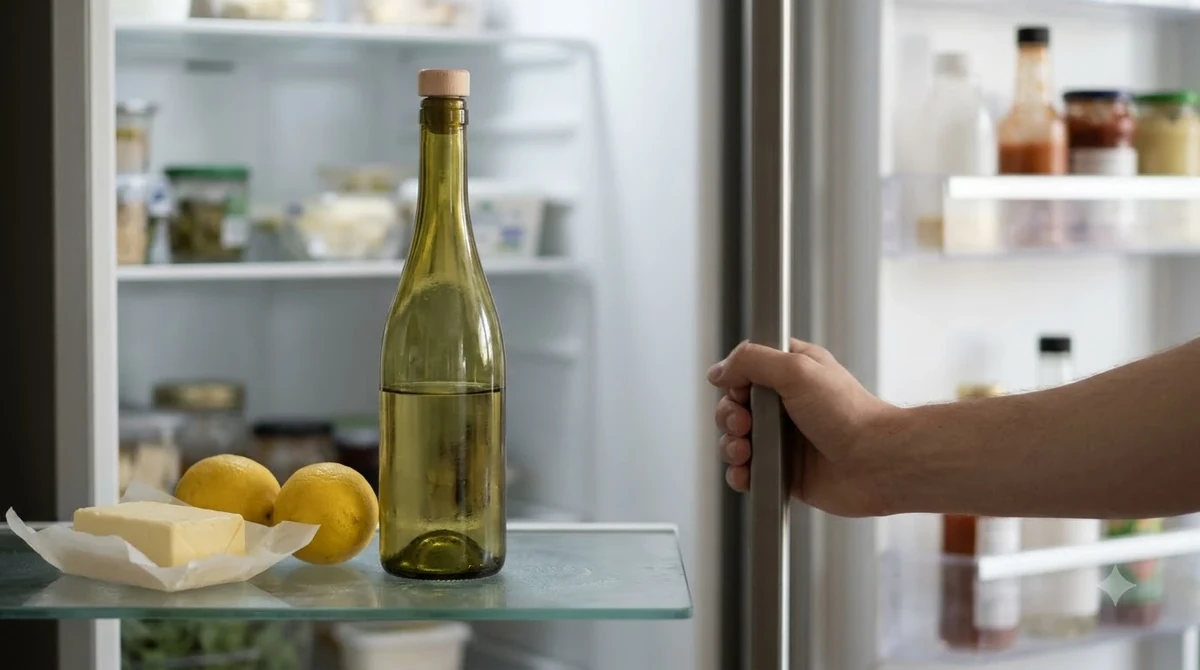
Once opened, reseal still wines and place them in the refrigerator. Most opened still wines are best consumed within approximately three to five days, although their condition depends on the wine, closure and storage method.
For a standard 750 ml bottle, a typical serving is 5 ounces, which gives approximately five glasses. This is a useful calculation for planning a dinner party and deciding how many bottles to purchase.
Expensive estate wines deserve additional attention. If the bottle is opened for a special occasion, avoid leaving it exposed to air for extended periods. Use a suitable wine stopper and minimize the amount of air remaining in the bottle when storing leftovers.
For more information about another prestigious Burgundy producer, our article on Domaine de la Romanée-Conti wine explains how estate reputation, appellation and vintage influence the market for collectible bottles.
Frequently Asked Questions
Is Baron Philippe de Rothschild an independent wine producer?
Baron Philippe de Rothschild SA is a family wine company with operations spanning estates and branded wines. Its activities include long-term management arrangements for certain Pauillac estates as well as production through partner growers. The distinction between estate ownership and company management is important when understanding its business structure.
Why does Mouton Cadet have the word Cadet in its name?
Cadet is French for the younger son or younger sibling. The name refers to Baron Philippe de Rothschild’s family position and his connection with Château Mouton Rothschild. It was chosen when he introduced the branded Bordeaux wine in 1930.
Does Baron Philippe de Rothschild produce wine outside France?
Yes. The company has international wine operations, including Escudo Rojo in Chile and the Almaviva partnership in Puente Alto. It also established Opus One with Robert Mondavi in California. These projects represent distinct regional wines rather than extensions of the Bordeaux appellation system.
What does First Growth mean for Château Mouton Rothschild?
First Growth is the highest classification tier in the historic 1855 Bordeaux classification. Château Mouton Rothschild received promotion to Premier Cru Classé in 1973, making it the only estate to achieve a revision of that original classification. This historical distinction contributes to its international prestige.
Can Baron Philippe de Rothschild wines be purchased as investment wines?
Some estate bottlings, particularly Château Mouton Rothschild, participate in the fine-wine collectible market. However, ordinary branded wines such as Mouton Cadet are generally intended for consumption rather than investment. Collectible wine prices can fluctuate, and resale depends on provenance, condition, demand and the costs of appropriate storage.
Baron Philippe de Rothschild offers wines for several different budgets, from approachable Mouton Cadet and Escudo Rojo bottles to prestigious Pauillac estates. The smartest purchase begins with identifying the exact wine category, then comparing vintage, bottle size, provenance and retailer pricing. Whether buying a Bordeaux for dinner or a First Growth for a special collection, understanding the distinction between the company’s branded wines and estate wines makes the decision considerably easier.
More in Wine Brands
 Louis Latour Wine Price: Compare Bottles by Style and TierUpdated Nov 20, 2026
 Yellow Tail Moscato Price: What to Expect Before You BuyUpdated Nov 20, 2026
 Sutter Home Sweet Red Review: Find the Right Food PairingsUpdated Nov 20, 2026
 Franzia Chillable Red Review: Find the Right Serving StyleUpdated Nov 20, 2026
 Veuve Clicquot Rose Review: Flavor, Food Pairings and Buying AdviceUpdated Nov 20, 2026
 Rombauer Wine Price: Compare Bottles Before You BuyUpdated Nov 20, 2026