

We may earn a commission when you buy through links on this page, at no extra cost to you. Learn more.
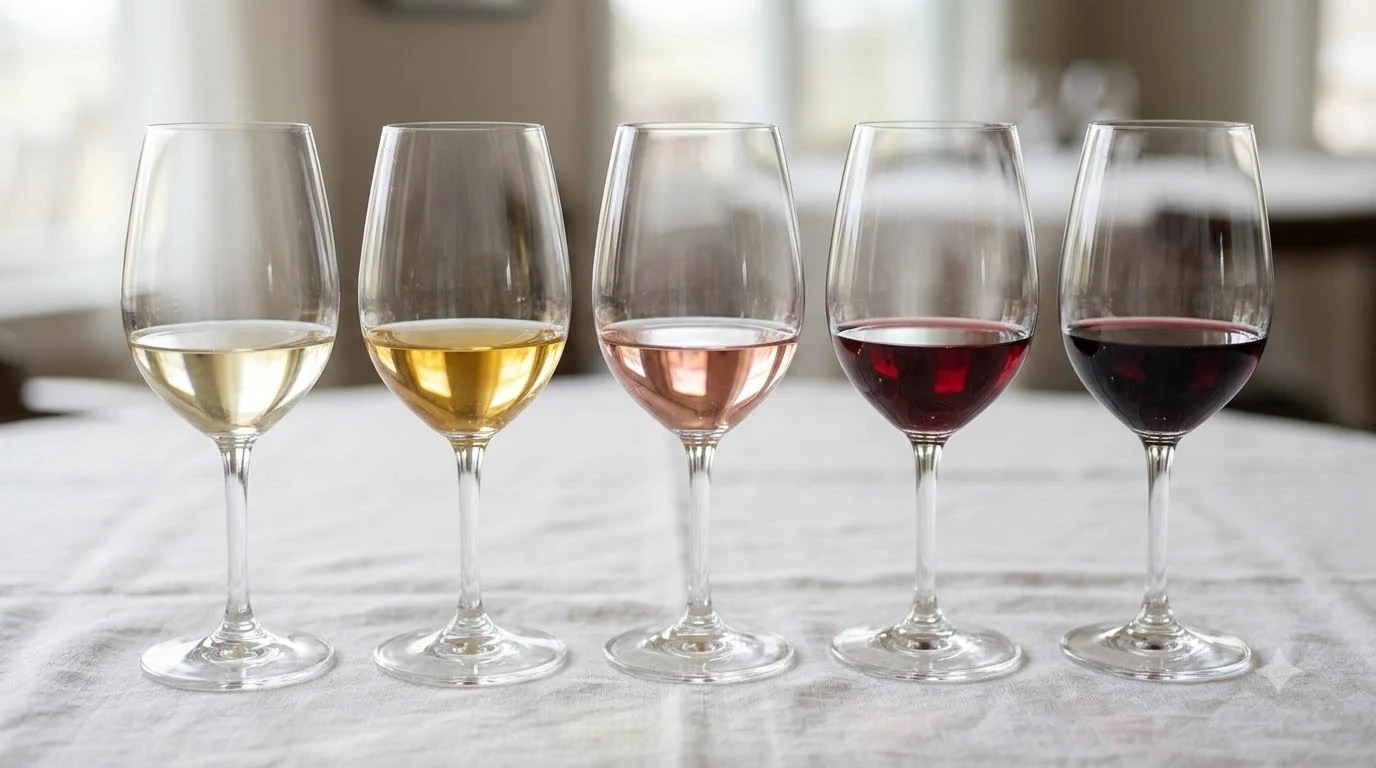
The best sauvignon blanc at total wine depends on your preferred style, but Marlborough bottles are excellent starting points for crisp acidity, citrus, and tropical fruit, while Loire Valley selections offer more restrained mineral and herbal character. Total Wine carries Sauvignon Blanc from New Zealand, France, California, Chile, and other wine regions, giving shoppers plenty of ways to compare the grape. The smartest approach is to choose by origin, flavor profile, and intended food pairing rather than relying on a familiar label alone.
Sauvignon Blanc is one of the most recognizable white wines because of its refreshing acidity and distinctive aromas. Depending on where the grapes grow and how the wine is made, a bottle can smell like grapefruit, freshly cut grass, green apple, passion fruit, or ripe peach. Some versions are lean and mineral-driven, while others are fuller and fruitier.
At Total Wine, shoppers can explore everything from everyday Marlborough Sauvignon Blanc to French Sancerre and California expressions. Understanding the differences makes it easier to find a bottle that suits a weeknight seafood dinner, an outdoor gathering, or a simple glass after work. This guide explains what to compare, how to read regional labels, and how to serve and store your selection.
Who This Is For
Total Wine’s Sauvignon Blanc selection is particularly useful for shoppers who want to compare several regional expressions of the same grape without committing to just one style. Whether you prefer a sharp citrus finish, tropical fruit aromas, or a more restrained mineral character, understanding a few basic differences can make the shopping process much easier.
This guide is intended for three main types of wine drinkers. First, beginners who want a reliable dry white wine with refreshing acidity can use the regional descriptions to identify approachable options. New Zealand Marlborough Sauvignon Blanc is a particularly useful starting point because it commonly combines grapefruit, passion fruit, and green herbal aromas with lively acidity.
Second, experienced white-wine drinkers who already enjoy Pinot Grigio, Albariño, or Chardonnay may want to explore different Sauvignon Blanc expressions. Someone who prefers the lighter, more neutral character of Pinot Grigio might appreciate a mineral-driven French bottle, while a Chardonnay drinker interested in richer textures may prefer a California Sauvignon Blanc with some oak influence.
Third, shoppers choosing wine for a specific meal can use Sauvignon Blanc’s acidity to their advantage. Its freshness works particularly well with seafood, salads, goat cheese, grilled vegetables, and herb-based sauces. A bottle with pronounced citrus and herbal notes can complement a meal without overwhelming lighter ingredients.
Total Wine’s catalog also makes sense for people who enjoy comparing different countries and regions. Its selection includes New Zealand, France, California, and Chile, so shoppers can investigate how climate and winemaking choices change the character of the same grape. For a broader introduction to choosing wine for different occasions, the wine buying guide offers useful background.
Key Factors to Compare
The most useful comparison points are region, acidity, body, fruit character, and winemaking method. These factors explain why two bottles labeled Sauvignon Blanc can taste noticeably different even though they come from the same grape variety.
| Factor | What to Look For | Typical Character | Best Match |
|---|---|---|---|
| Region | Marlborough, Loire Valley, California | Tropical, mineral, or ripe-fruited | Choose according to preferred flavor |
| Acidity | Fresh, crisp, mouthwatering finish | Medium-high to high | Seafood and salads |
| Body | Light or medium-bodied | Lean to rounded | Match the weight of the meal |
| Fruit profile | Lime, grapefruit, gooseberry, passion fruit | Citrus, green, or tropical | Fresh vegetables and fish |
| Winemaking | Stainless steel or oak aging | Fresh and crisp or creamy and rounded | Choose based on texture preference |
| Serving temperature | 45–50°F for a light style | Cool and refreshing | General-purpose white wine service |
Region is usually the easiest place to start. Marlborough, New Zealand, is known for expressive aromatics and pronounced acidity. Loire Valley Sauvignon Blanc, especially Sancerre and Pouilly-Fumé, often has a more restrained personality, with lemon, gooseberry, mineral notes, and a firm finish. California examples can offer riper fruit and a broader texture, particularly when oak is involved.
Acidity is another important consideration. Sauvignon Blanc generally has high acidity, which produces its familiar mouthwatering sensation. That freshness makes it particularly effective with salty foods, tangy cheeses, and dishes containing lemon or vinegar. If you enjoy wines that feel crisp rather than soft and rounded, Sauvignon Blanc is a natural category to explore.
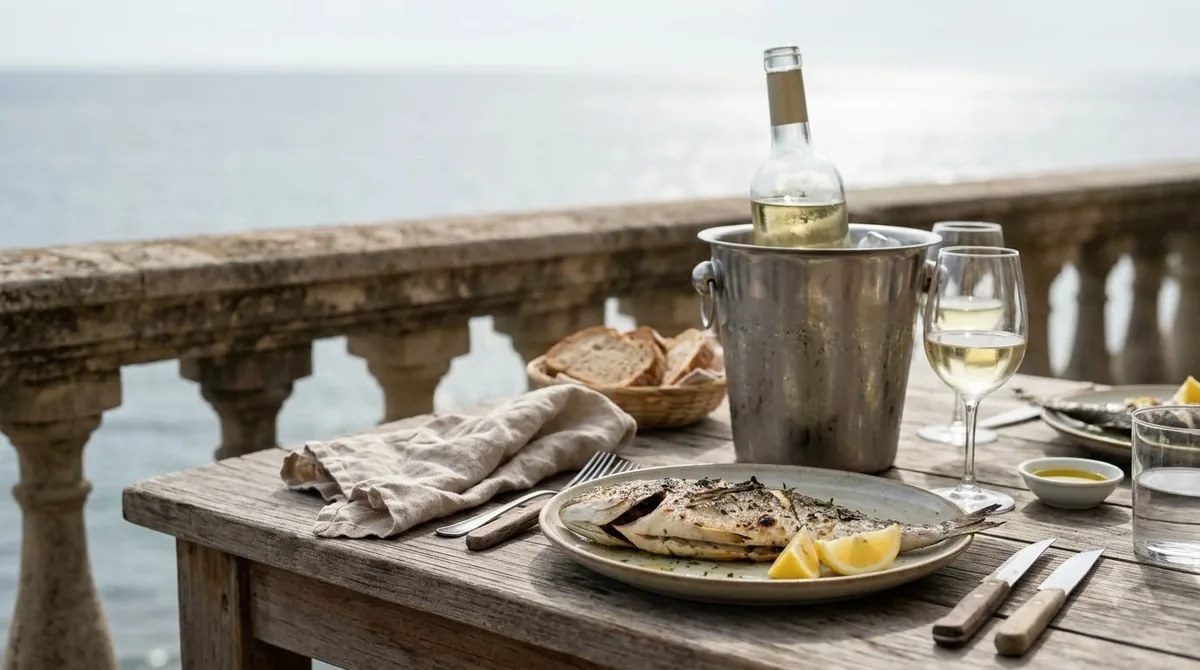
Body and texture also deserve attention. A light-bodied stainless-steel Sauvignon Blanc usually emphasizes citrus, herbs, and freshness. A fuller California expression may show more ripe melon, peach, or creamy texture. Neither approach is automatically superior; the better choice depends on whether you want something refreshing and lean or something with more weight at the table.
Finally, consider how the wine is made. Stainless-steel fermentation helps preserve fresh fruit aromas and crispness. Oak fermentation or aging can create a more rounded impression, sometimes introducing vanilla, spice, and creamy characteristics. The grape remains Sauvignon Blanc, but the finished wine may appeal to someone who usually prefers a fuller white wine.
Step-by-Step: How to Choose at Total Wine
A good purchase starts with a clear idea of the flavors you enjoy and the occasion for which you need the wine. Following a simple selection process helps narrow the choices before you compare individual labels.
-
Decide whether you prefer crisp or rounded white wine.
If you like sharp citrus, fresh herbs, and a clean finish, begin with a stainless-steel Marlborough or Loire Valley Sauvignon Blanc. If you prefer a softer texture, investigate California bottles and wines with some oak influence.
-
Choose a region before choosing a producer.
Look for Marlborough if you enjoy passion fruit and grapefruit, Sancerre if you prefer mineral and citrus notes, or California if you want riper fruit. This first decision eliminates many bottles that are unlikely to match your preferences.
-
Read the tasting description carefully.
Words such as gooseberry, lime, grapefruit, and green apple usually indicate a crisp, fresh profile. Passion fruit and tropical fruit suggest a more aromatic style. Vanilla, cream, and toasted notes may indicate oak influence or a richer winemaking approach.
-
Decide whether you want a straightforward varietal wine or a regional specialty.
A bottle labeled Sauvignon Blanc is usually an easy way to identify the grape. A French Sancerre label identifies a specific appellation where Sauvignon Blanc is the principal white grape. White Bordeaux is different because it can blend Sauvignon Blanc with Sémillon and other permitted white varieties.
-
Consider the food being served.
For oysters, shrimp, and white fish, choose a leaner and fresher style. For grilled chicken, asparagus, and herb-based dishes, an aromatic New Zealand example can work particularly well. For richer grilled seafood or poultry with a creamy sauce, consider a fuller California expression.
-
Compare bottle size and vintage.
A standard 750 ml bottle provides approximately five 5-ounce servings. Sauvignon Blanc is generally intended to be enjoyed young, so a recent vintage is a sensible choice for someone who wants vibrant citrus and herbal aromas.
-
Confirm the bottle fits your intended occasion.
A casual gathering may call for an approachable, uncomplicated wine, while a special dinner might justify exploring Sancerre or a more distinctive California bottling. Also consider how many people will be drinking and whether you need additional bottles for the meal.
Total Wine’s website provides useful regional categories and tasting descriptions, making it easier to compare the available selection before visiting a store. Its Sauvignon Blanc selection is a practical starting point for identifying the regions and styles represented in its catalog.
Tip: If you are uncertain which style to choose, start with Marlborough for an expressive, fruit-forward introduction or Loire Valley for a more restrained, mineral-driven experience. These two regional styles provide a useful contrast when learning what you like about Sauvignon Blanc.
Types or Styles Explained
Total Wine’s selection becomes easier to understand once you recognize the major regional differences. New Zealand, France, California, and Chile each offer recognizable Sauvignon Blanc styles, although individual producers can take different approaches within the same region.
New Zealand: Marlborough’s Tropical and Zesty Style
Marlborough is one of the most recognizable Sauvignon Blanc regions in the international wine market. Its wines commonly display grapefruit, lime, passion fruit, gooseberry, and fresh green herbs. High acidity gives them a lively character, while pronounced aromatics make them easy to identify even for relatively inexperienced wine drinkers.
Total Wine’s selection includes bottles such as King Maui Marlborough Sauvignon Blanc, Governor’s Bay Marlborough Sauvignon Blanc, Whitehaven Sauvignon Blanc, and Kia Ora Marlborough Sauvignon Blanc. These names provide useful starting points for comparing different expressions of New Zealand’s best-known Sauvignon Blanc region.
Look for Marlborough when you want a refreshing white wine to serve with shrimp, grilled fish, salads, or fresh goat cheese. Its combination of fruit and acidity also works well with dishes containing cilantro, basil, mint, and lime. If you enjoy expressive aromas rather than subtle flavors, this region is a particularly good place to begin.
France: Loire Valley and Sancerre
French Sauvignon Blanc offers a different experience, especially in the Loire Valley. Sancerre and Pouilly-Fumé are well-known appellations associated with wines that emphasize citrus, green apple, gooseberry, minerals, and sometimes smoky or flinty aromas.
These wines are often more restrained than their Marlborough counterparts. Rather than delivering an immediate burst of tropical fruit, they can show a more focused combination of lemon, herbs, mineral character, and refreshing acidity. This makes them particularly suitable for people who enjoy elegant, food-oriented white wines.
Total Wine’s catalog includes Le Pre Vaujour Sancerre Sauvignon Blanc and other Loire selections, including Bougrier bottlings. These provide useful options for shoppers who want to explore the French side of the grape. Sancerre is especially appealing with oysters, shellfish, grilled white fish, and chèvre.
California: Riper Fruit and More Texture
California Sauvignon Blanc can be broader and fruitier than the leanest Loire Valley examples. Depending on the growing area and winemaking approach, the wines may show grapefruit, melon, white peach, citrus, and fresh herbs. Some producers use oak to create additional texture and a more rounded palate.
Total Wine’s selection includes Olema Sauvignon Blanc, Duckhorn Sauvignon Blanc, Angeline Sauvignon Blanc Reserve, and Emmolo Sauvignon Blanc Napa. These are examples of California labels shoppers may encounter when browsing the retailer’s catalog.
California is a sensible choice if you enjoy Sauvignon Blanc but want to explore something with a little more weight. These wines can work particularly well with grilled chicken, roasted vegetables, seafood with richer sauces, and dishes featuring fresh herbs.
Chile: Freshness and Coastal Character
Chile is another useful origin to investigate. Sauvignon Blanc from coastal growing areas such as Casablanca and Leyda can combine crisp acidity with grapefruit, lime, green herbs, and sometimes a subtle saline impression. These characteristics make Chilean examples appealing to people who prefer fresh, uncomplicated white wines.
Chilean Sauvignon Blanc can provide an alternative to the more familiar Marlborough style. Both regions can produce vibrant wines, but the specific combination of citrus, herbal aromas, and fruit intensity differs by producer and vineyard location.
When browsing Total Wine, look for the country and regional information rather than relying only on the grape name. A bottle from Chile can be a useful choice when you want to compare another cool-climate expression without moving into the more expensive appellations associated with some French wines.
Oaked and Unoaked Expressions
Winemaking method creates another important distinction that crosses regional boundaries. Unoaked Sauvignon Blanc is generally made to preserve fresh fruit and aromatic intensity. Stainless-steel fermentation is common because it does not introduce oak flavors into the finished wine.
Oaked Sauvignon Blanc can show a fuller texture, with creamy, vanilla, spice, or toasted characteristics depending on the barrels and fermentation methods. Fumé Blanc is a name sometimes used for California Sauvignon Blanc, particularly in connection with styles that have oak influence, although the name alone does not guarantee a particular level of oak treatment.
If you enjoy Chardonnay, an oak-influenced Sauvignon Blanc may be an interesting alternative. If you prefer the refreshing character of Pinot Grigio, a stainless-steel example from New Zealand or France is likely to be a more natural starting point.
Common Mistakes
The biggest mistakes when buying Sauvignon Blanc involve confusing fruit aromas with sweetness, assuming every region produces the same flavor, and choosing a bottle without considering its acidity or texture. A little knowledge about these differences can prevent disappointment.
Assuming Tropical Fruit Means Sweet Wine
Sauvignon Blanc is usually made as a dry white wine. A bottle can smell strongly of passion fruit, peach, grapefruit, or melon while still having very little residual sugar. Aromatic intensity and actual sweetness are separate characteristics.
This distinction matters because shoppers who enjoy sweet wines sometimes assume that a fruit-forward Marlborough bottle will taste sugary. In reality, its acidity can make the wine taste particularly crisp. If you prefer noticeable sweetness, explore dedicated sweet Sauvignon Blanc options rather than assuming every tropical-smelling bottle will suit your preference.
Choosing Only by Country
Regional reputation is useful, but it does not tell the whole story. Marlborough generally provides a recognizable combination of citrus, tropical fruit, and herbal notes, but producers can differ in harvesting decisions, fermentation temperatures, and cellar techniques.
The same applies to California and France. Not every California Sauvignon Blanc is heavily oaked, and not every French example is extremely mineral or austere. Look at the individual tasting description rather than treating regional labels as guarantees of identical flavor.
Ignoring Acidity
High acidity is one of Sauvignon Blanc’s defining characteristics. It is also the reason the wine works so well with seafood, vinaigrette-based salads, and tangy cheeses. However, someone who prefers soft, round whites may find a particularly crisp Sauvignon Blanc sharper than expected.
If you want a gentler impression, investigate fuller-bodied California wines or examples with some oak influence. If you actively enjoy refreshing acidity, Marlborough and Loire Valley are excellent regions to compare.
Serving It Too Cold or Too Warm
Temperature can change the way Sauvignon Blanc smells and tastes. A bottle served excessively cold may seem muted, making its citrus and herbal aromas harder to appreciate. A bottle served too warm can taste less refreshing, and the alcohol may become more noticeable.
A practical approach is to serve light, fresh Sauvignon Blanc around 45°F to 50°F. Fuller examples can be served slightly warmer, around 50°F to 55°F, allowing their additional texture and aromas to emerge.
Expecting Every Bottle to Pair With Every Dish
Sauvignon Blanc is versatile, but it is not a universal match. Its acidity works beautifully with many vegetables, seafood dishes, and fresh cheeses, but very rich, heavily seasoned foods may overpower a lighter example.
Spicy dishes also require some care. Alcohol and tannin can intensify the impression of chili heat, so a particularly alcoholic or structured white wine may be less comfortable alongside a very hot dish. For fresh herbs, citrus, and moderately seasoned seafood, however, Sauvignon Blanc is often an excellent companion.
Buying Without Considering the Occasion
A bottle selected for casual sipping does not necessarily need the same characteristics as one chosen for a formal dinner. A fruit-forward Marlborough wine can be an easygoing choice for an afternoon gathering, while Sancerre may be more appropriate when the meal includes oysters or fresh goat cheese.
Think about the number of guests, the menu, and whether the wine will be served on its own or alongside food. A standard 750 ml bottle gives approximately five 5-ounce pours, which is useful when estimating how much wine to purchase for a gathering.
Care and Storage Tips
Good storage and serving habits help preserve Sauvignon Blanc’s fresh fruit and aromatic character. Temperature matters particularly because the wine’s appeal depends heavily on freshness, lively acidity, and expressive aromas.
Serve at the Right Temperature
Light, unoaked Sauvignon Blanc is best served around 45°F to 50°F. This temperature range keeps the wine refreshing while allowing grapefruit, lime, gooseberry, and herbal notes to remain noticeable.
Fuller-bodied Sauvignon Blanc, particularly a California example with oak influence, can be served slightly warmer at 50°F to 55°F. The additional warmth helps reveal its texture and more developed aromas without making it seem flat or overly alcoholic.
If a bottle has been stored at room temperature, refrigerate it before serving. For a quicker method, place the bottle in an ice-water bath for approximately 20 to 30 minutes and check its temperature before pouring.
Use an Appropriate Glass
A standard white wine glass works well for Sauvignon Blanc. A bowl that is slightly wider than the opening allows the aromas to collect while keeping the wine cool during service.
There is no need for elaborate glassware to enjoy the grape. A clean white wine glass is sufficient for identifying its fruit, acidity, and herbal character. Pour approximately 5 ounces rather than filling the glass to the rim, leaving room to swirl the wine gently and examine its aromas.
Store Unopened Bottles Properly
Store unopened Sauvignon Blanc in a cool, dark place away from direct sunlight and sudden temperature changes. A consistent storage temperature near 55°F is a useful target for a general wine-storage environment.
For long-term storage, bottles with traditional cork closures are generally kept on their sides to maintain contact between the cork and wine. However, Sauvignon Blanc is usually intended to be consumed relatively young, when its citrus, tropical fruit, and herbal characteristics remain fresh.
Avoid leaving bottles in a hot car or near an oven, radiator, or sunny window. Heat can accelerate wine aging and reduce the fresh character that makes this grape attractive.
Preserve an Opened Bottle
After opening, replace the cork or use an appropriate wine stopper and return the bottle to the refrigerator. Most still Sauvignon Blanc should remain enjoyable for approximately 3 to 5 days when properly sealed and chilled, although freshness gradually declines as the wine interacts with oxygen.
For the best aromatic experience, drink the remaining wine within the first few days. If the wine has lost some of its fresh fruit character, it may still be suitable for cooking, particularly in seafood sauces, vegetable dishes, and light preparations that benefit from a little acidity.
For more detailed regional comparisons and recommendations, the Sauvignon Blanc brands guide can help narrow the field. Shoppers interested in a sharper, less fruit-forward style can also explore dry Sauvignon Blanc selections when comparing bottles.
Frequently Asked Questions
Is Sauvignon Blanc made from the same grape as Cabernet Sauvignon?
Cabernet Sauvignon is a natural offspring of Sauvignon Blanc and Cabernet Franc. The two varieties share some aromatic characteristics, including green bell pepper notes associated with methoxypyrazines. Cabernet Sauvignon is a red grape, however, while Sauvignon Blanc is a white grape used primarily for white wine production.
Does Sauvignon Blanc have tannins?
Traditional white Sauvignon Blanc has virtually no noticeable tannin because the juice is generally separated from the grape skins relatively early. This distinguishes it from red varieties that undergo extended skin contact during fermentation. Skin-contact Sauvignon Blanc is an exception and can develop a more textured, slightly grippy character.
Can Sauvignon Blanc be made into sparkling wine?
Yes. Although most Sauvignon Blanc is sold as a still wine, some producers use the grape in sparkling wine production. The finished result can retain its recognizable citrus and herbal aromas while adding bubbles and a different texture.
What does the term Fumé Blanc mean on a wine label?
Fumé Blanc is an alternative name for Sauvignon Blanc that became associated with California winemaking through Robert Mondavi. The name references Pouilly-Fumé in France’s Loire Valley. It does not represent a separate grape variety, and the term alone does not establish whether the wine has undergone oak aging.
Can Sauvignon Blanc improve with bottle aging?
Most everyday Sauvignon Blanc is intended to be enjoyed relatively young, while its primary citrus and herbal aromas remain expressive. Some more structured examples, particularly certain oak-influenced Bordeaux whites and premium Loire wines, can develop additional complexity over several years. Aging potential depends on the producer, vintage, acidity, and winemaking style.
Choosing the right Sauvignon Blanc at Total Wine is mainly about matching regional style, acidity, and texture to your preferences. Marlborough is an excellent introduction to expressive fruit and freshness, while Loire Valley and California bottles offer interesting alternatives for different palates and meals. Start with the flavor profile you enjoy most, compare a few regional descriptions, and serve your selection properly chilled for the best experience.
More in Wine Buying Guides
 Cheap Red Blend: How to Find a Flavorful Bottle for LessUpdated Nov 20, 2026
 Pinot Grigio Gift: How to Choose a Bottle They’ll EnjoyUpdated Nov 20, 2026
 Best White Wine at Total Wine for Every MealUpdated Nov 20, 2026
 Wine Fridge Replacement Shelves: Find the Right FitUpdated Nov 20, 2026
 Best Sparkling Wine Under 20: Find Bubbles Worth BuyingUpdated Nov 20, 2026
 Best Wine For Birthday Celebrations With Perfect Party PairingsUpdated Nov 20, 2026