

We may earn a commission when you buy through links on this page, at no extra cost to you. Learn more.
Is Kendall Jackson Chardonnay good? Yes, Kendall-Jackson Vintner’s Reserve Chardonnay is a good choice for drinkers who enjoy fruit-forward California white wine with creamy texture, refreshing acidity and noticeable oak influence. It offers familiar flavors of apple, tropical fruit, citrus, vanilla and butter without becoming excessively heavy. Its balanced profile makes it a practical everyday Chardonnay, particularly for people who enjoy a richer white wine with seafood, chicken or creamy pasta.
Kendall-Jackson is a familiar name in American wine, and its Vintner’s Reserve Chardonnay is one of its best-known bottles. However, popularity alone does not tell you whether a wine suits your preferences. The important questions are how sweet it tastes, how pronounced the oak character is, whether its acidity keeps the wine fresh, and what kind of food works alongside it. Understanding those details makes it easier to decide whether this California Chardonnay deserves a place on your shopping list.
Who This Chardonnay Is For
Kendall-Jackson Vintner’s Reserve Chardonnay is particularly suitable for people who enjoy approachable California Chardonnay with ripe fruit, moderate richness and recognizable vanilla and buttery notes. It is a sensible choice for casual dinners, entertaining and drinkers who want a familiar style rather than a sharply mineral white wine.
The wine is made from 100% Chardonnay grapes grown in California’s cool coastal winegrowing regions, according to Kendall-Jackson. The producer describes the style as fruit-forward and food-friendly, with tropical fruit and citrus balanced by integrated oak. This combination creates a recognizable California Chardonnay profile rather than the lean, restrained character associated with some unoaked white wines.
There is also independent support for its quality. Wine Enthusiast awarded the 2024 Vintner’s Reserve Chardonnay 90 points and described it as a fresh, lively wine with pronounced acidity, supple texture and a dry, round finish. The review identifies orchard fruit, yellow apple, pear, quince, orange, vanilla bean and dried herbs among its aromas. Those details suggest that the wine offers more than simple butter and oak.
This Chardonnay is a particularly good match for the following drinkers:
- Fans of buttery Chardonnay: The oak influence, vanilla and butter characteristics provide the familiar richness many California Chardonnay drinkers appreciate.
- People who enjoy ripe fruit: Apple, pear, mango and other tropical fruit notes give the wine an accessible flavor profile.
- Casual wine drinkers: Its recognizable style makes it relatively easy to understand and serve without extensive wine knowledge.
- People planning food-centered dinners: Its combination of acidity, fruit and oak works with poultry, seafood and creamy dishes.
- Shoppers seeking a familiar American wine: The California designation and established Vintner’s Reserve label make it an uncomplicated choice.
However, it is not the ideal bottle for everyone. Drinkers who prefer extremely crisp Sauvignon Blanc, unoaked Chardonnay or light, mineral-driven white wines may find its oak character and creamy texture too prominent. Someone looking for pronounced sweetness should also understand that its ripe fruit flavors do not make it a dessert wine.
The distinction is important: this is a dry Chardonnay with generous fruit expression, not a sweet white wine. If that balance sounds appealing, it is a strong candidate for everyday drinking.
Key Factors to Compare Before Buying
The best way to judge Kendall-Jackson Chardonnay is to consider its fruit, acidity, oak, body and alcohol together. These characteristics determine whether the wine feels refreshing, creamy, rich or heavy in the glass.
| Factor | Typical Vintner’s Reserve Character | What It Means |
|---|---|---|
| Grape variety | 100% Chardonnay | Classic Chardonnay fruit and texture |
| Origin | California | Ripe fruit-forward regional style |
| Alcohol | 13.5% ABV | Moderate-to-full alcohol presence |
| Body | Medium-bodied | More texture than a very light white |
| Acidity | Pronounced | Helps balance ripe fruit and oak |
| Fruit flavors | Apple, pear, mango, citrus | Orchard and tropical fruit character |
| Oak flavors | Vanilla, toast, butter | Creates a creamy, rounded impression |
| Serving temperature | 50°F | Preserves freshness and aromatic detail |
| Bottle size | 750 ml | Approximately five standard 5-ounce pours |
These figures describe the producer’s Vintner’s Reserve style and its published product information, rather than every Chardonnay sold under the Kendall-Jackson name. Winemaking details can change between vintages, so the vintage matters when comparing bottles.
Fruit and acidity
Fruit is one of the most appealing features of this Chardonnay. Yellow apple, pear, mango, pineapple and citrus give it a combination of orchard and tropical fruit character. These flavors help the wine feel approachable without relying entirely on oak or buttery richness.
Acidity is equally important. Wine Enthusiast specifically identifies pronounced acidity in its review of the 2024 vintage. That freshness helps prevent the ripe fruit and creamy texture from making the wine feel flat. The citrus character also contributes to a cleaner finish.
For a fuller explanation of the flavor profile, see our guide to Kendall Jackson Chardonnay tasting notes.
Oak and texture
Oak is a defining part of the Vintner’s Reserve style. Kendall-Jackson describes the wine as having citrus and tropical fruit combined with integrated oak flavors. Its product information identifies vanilla, toasted oak and butter among the characteristic notes.
The 2025 Kendall-Jackson product listing specifies six months of aging in a combination of French and American oak. It identifies 50% French oak, 45% American oak and 5% other, with a relatively small proportion of new barrels. The exact aging approach can differ by vintage, so these figures should not be assumed to apply to every bottle. The producer’s Vintner’s Reserve Chardonnay product information provides the specific details for that release.
Oak aging contributes to the wine’s rounded texture and gives it more complexity than a simple, unoaked fruit-forward Chardonnay. However, it does not mean that every sip tastes overwhelmingly like butter. Fruit and acidity remain important parts of the overall profile.
Alcohol and overall weight
The producer lists 13.5% alcohol by volume for its 2025 Vintner’s Reserve Chardonnay. This is a useful consideration for people who prefer lighter white wines. At that level, the wine has a noticeable alcohol presence, although its medium-bodied texture and acidity help maintain balance.
For a more detailed breakdown, our Kendall Jackson Chardonnay alcohol content article explains how ABV affects the wine’s overall drinking experience.
Tip: If you are unsure whether this Chardonnay is too oaky for your taste, serve a small pour at approximately 50°F and let it warm slightly in the glass. Its fruit, acidity, vanilla and oak characteristics become easier to distinguish as the wine opens.
Step-by-Step: How to Decide If You Will Enjoy It
You do not need advanced wine knowledge to decide whether Kendall-Jackson Chardonnay suits your preferences. A few straightforward comparisons involving sweetness, oak, acidity and food will give you a much clearer idea of what to expect.
-
Decide whether you enjoy dry white wine.
Vintner’s Reserve Chardonnay is best understood as a dry wine. Its ripe apple, pear and tropical fruit flavors can create an impression of sweetness, but the overall style is not intended to taste like a sweet dessert wine. If you regularly enjoy dry California Chardonnay, the basic profile should be familiar.
-
Consider how much oak you like.
Look for vanilla, toasted oak and buttery notes in the producer’s tasting description. These characteristics make the wine more rounded and creamy. If you prefer wines with no noticeable oak influence, a stainless-steel-fermented Chardonnay may suit you better.
-
Think about your preferred acidity.
The 2024 Wine Enthusiast review highlights pronounced acidity, which helps keep the fruit and texture balanced. This is useful if you enjoy white wines that have some freshness rather than tasting entirely rich and soft.
-
Compare the body with wines you already enjoy.
This is a medium-bodied Chardonnay rather than an especially light white wine. If you enjoy fuller whites with seafood, roasted poultry or creamy pasta, its texture should be appealing. If you prefer very delicate wines, you may want a lighter alternative.
-
Choose food that complements its character.
Think about grilled chicken, salmon, lobster or pasta with a cream sauce. These dishes complement the wine’s fruit and oak. Avoid pairing it with extremely hot chili dishes if you are sensitive to the way alcohol can intensify perceived heat.
-
Serve it at the right temperature.
Kendall-Jackson recommends approximately 50°F. This is a useful starting point for preserving freshness while allowing the vanilla, citrus and tropical fruit aromas to emerge. A refrigerator-chilled bottle may need a few minutes outside the refrigerator before serving.
-
Compare the vintage if you are choosing between bottles.
Producer specifications and professional tasting descriptions can differ between releases. For example, the 2024 review describes fresh orchard fruit and citrus, while the producer’s descriptions emphasize tropical fruit, vanilla and oak. Consider the specific vintage rather than assuming every bottle tastes identical.
Following these steps helps separate personal preference from general wine quality. A wine can be well made and still not match your preferred style. Kendall-Jackson’s Chardonnay is most appealing to people who enjoy a combination of ripe fruit, noticeable oak and refreshing acidity.
Types and Styles Explained
Chardonnay is a flexible grape variety, and its flavor profile can change considerably depending on growing conditions and winemaking decisions. Kendall-Jackson Vintner’s Reserve belongs to the fruit-forward, oak-influenced California category, but understanding other styles helps explain whether it is the right choice.
Oak-aged California Chardonnay
This is the category that best describes Vintner’s Reserve. Oak aging contributes vanilla, toasted spice and a rounded texture, while ripe fruit flavors provide the main aromatic character.
The 2025 Kendall-Jackson product information identifies six months of aging in French and American oak. This combination helps explain why the wine has more richness than a crisp, unoaked white. Its flavor profile is built around tropical fruit, citrus, mango, vanilla and butter.
People who enjoy creamy California Chardonnay often find this style particularly appealing. It is also a useful match for richer dishes because its texture can complement the weight of the food.
Unoaked Chardonnay
Unoaked Chardonnay offers a different experience. Without substantial barrel influence, the wine generally emphasizes fresh fruit, citrus, acidity and sometimes mineral characteristics.
This style is useful for drinkers who enjoy Sauvignon Blanc but want to explore Chardonnay. It can work especially well with shellfish, simple grilled fish and salads. Compared with Vintner’s Reserve, it generally offers less vanilla, toasted oak and buttery texture.
Rich and buttery Chardonnay
Some Chardonnay wines emphasize creamy texture, butter, vanilla and ripe fruit more heavily than others. These characteristics can come from several winemaking choices, including oak maturation and malolactic fermentation.
Kendall-Jackson Vintner’s Reserve has recognizable buttery characteristics, but its citrus and pronounced acidity provide additional freshness. It is better described as a balanced, fruit-forward, oak-influenced wine than as an extremely heavy buttery Chardonnay.
Oak and malolactic fermentation contribute different things to the finished wine. Total Wine’s explanation of Chardonnay flavors and styles describes how barrel aging adds vanilla and toasted notes, while malolactic fermentation can soften acidity and contribute a creamy, buttery impression.
How Kendall-Jackson compares with other white wine styles
Compared with Sauvignon Blanc, Chardonnay generally has a softer acidity profile and more orchard or tropical fruit character. Sauvignon Blanc often emphasizes citrus, grapefruit and herbal aromas. Kendall-Jackson’s version is a better fit for someone seeking more body and oak influence.
Compared with Riesling, Vintner’s Reserve is less associated with pronounced floral aromas and high acidity. Riesling can range from bone-dry to sweet, while Kendall-Jackson Vintner’s Reserve is a dry Chardonnay.
Compared with unoaked Chablis, Kendall-Jackson generally presents a more obvious oak and tropical fruit character. Chablis is a useful reference for drinkers who prefer leaner Chardonnay with citrus, freshness and mineral impressions.
Common Mistakes When Choosing Kendall-Jackson Chardonnay
Several misunderstandings can lead people to choose the wrong bottle or form inaccurate expectations. The biggest mistakes involve confusing fruit ripeness with sweetness, assuming all Chardonnay tastes buttery and overlooking serving temperature.
Confusing ripe fruit with residual sugar
Apple, pear, mango and pineapple can make a wine seem sweet even when its style is dry. This is particularly relevant to Kendall-Jackson because the producer emphasizes tropical fruit and vanilla.
Flavor descriptions do not automatically indicate residual sugar. The 2024 Wine Enthusiast review explicitly describes a dry, round and juicy finish. Someone who wants a genuinely sweet wine should look for a wine specifically made in a sweeter style rather than relying on ripe fruit descriptions.
Assuming every Chardonnay is heavily buttery
Chardonnay is capable of producing many different styles. Some examples emphasize butter and vanilla, while others are crisp, citrus-driven and relatively neutral in texture.
Kendall-Jackson includes buttery and toasted oak notes, but its fresh citrus and orchard fruit are also important. Expecting an extremely rich, buttery wine may create an inaccurate impression of what is actually in the glass.
Drinking it too cold
Very cold white wine can hide its aromatic character. If you serve Kendall-Jackson straight from a very cold refrigerator, the mango, vanilla and oak notes may be less noticeable.
Its recommended serving temperature is 50°F. This allows the wine to retain freshness while making its fuller flavor profile easier to appreciate.
Pairing it with incompatible food
Not every dish works equally well with an oak-influenced Chardonnay. Very hot chili preparations can make alcohol feel more pronounced, while heavily acidic sauces can make a wine seem less lively if the food has substantially higher acidity.
Another mistake is pairing oily fish with highly tannic red wine. Although that is not a concern with this white Chardonnay, the broader principle is useful when planning a meal that includes several wine styles.
Assuming all vintages are identical
Different vintages can have different fruit profiles and winemaking details. The producer’s 2024 listing, for example, describes four months of oak aging, while its 2025 listing specifies six months.
These differences illustrate why vintage-specific information matters. A general brand description is useful, but it should not replace the actual information for the bottle being considered.
Care, Serving and Storage Tips
Proper storage and serving make a noticeable difference to Chardonnay. Kendall-Jackson recommends serving Vintner’s Reserve at 50°F, while standard wine-storage practices help preserve the wine after purchase and opening.
Serving temperature
A temperature of approximately 50°F is a good starting point for Kendall-Jackson Vintner’s Reserve Chardonnay. It is cool enough to maintain freshness but not so cold that the fruit and oak become difficult to recognize.
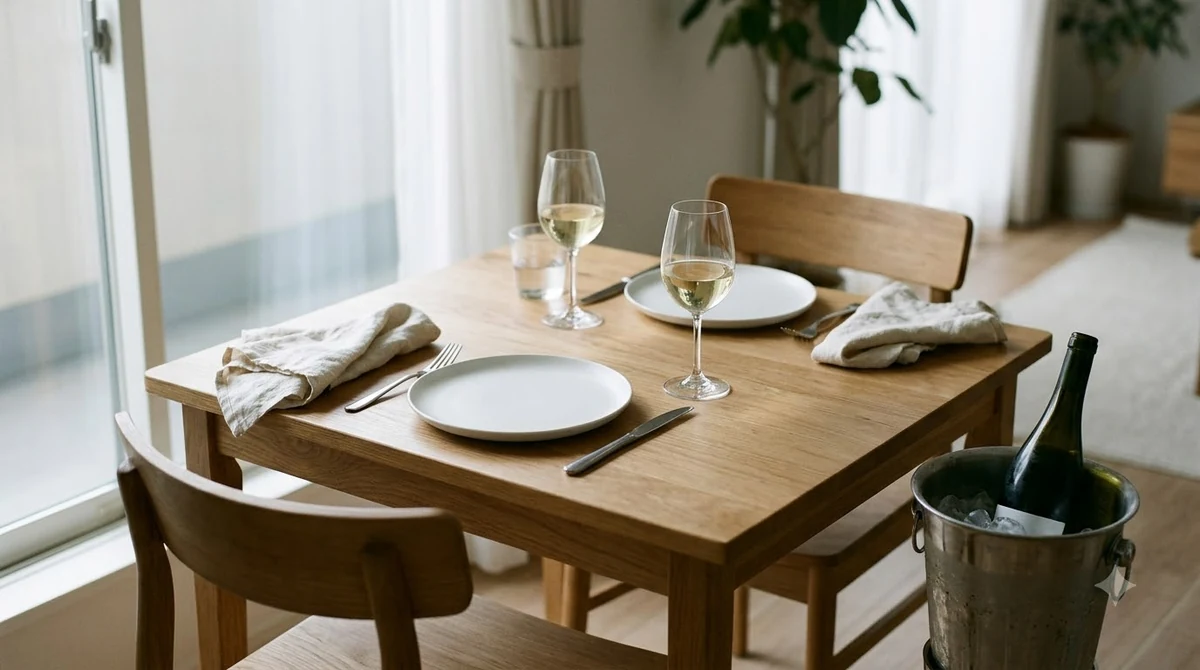
If the bottle has been stored in a refrigerator, allow it to sit briefly before pouring. If it becomes too warm during dinner, return it to an ice bucket or refrigerator for a short period.
Choosing the right glass
Kendall-Jackson recommends a White Burgundy-style glass for its Chardonnay. This type of glass generally has a wider bowl than a narrow white wine glass, allowing the aromas to develop while directing the wine comfortably toward the palate.
A standard white wine glass is also perfectly suitable. You do not need specialized glassware to enjoy the wine, but a bowl with some width can make the fruit and vanilla aromas easier to appreciate.
Storing unopened bottles
Store unopened Chardonnay in a cool, dark location away from direct sunlight and significant temperature changes. A temperature near 55°F is a useful general target for longer-term wine storage.
If you have a bottle with a natural cork, storing it on its side helps keep the cork in contact with the wine. Avoid keeping bottles beside ovens, radiators or other heat sources.
Preserving an opened bottle
After opening, reseal the bottle with its original closure or a suitable wine stopper and place it in the refrigerator. Most opened still wines remain in reasonable condition for approximately three to five days, although freshness gradually declines.
For the best flavor, keep the bottle upright and minimize its exposure to air. Pouring a glass and returning the bottle to the refrigerator promptly is a simple way to maintain its quality over several days.
There is no need to decant ordinary Vintner’s Reserve Chardonnay for an extended period. Opening the bottle and allowing it to breathe briefly in the glass is generally sufficient for this approachable style.
Frequently Asked Questions
Is Kendall-Jackson Chardonnay suitable for beginners?
Yes. Chardonnay is one of the most widely recognized international grape varieties, and Vintner’s Reserve offers familiar fruit, vanilla and oak characteristics. Its California origin also makes it an accessible introduction to American Chardonnay styles.
Does Kendall-Jackson Chardonnay use a screw cap?
The producer lists a recyclable twist-off closure for its 2023 five-liter Vintner’s Reserve format. Packaging can vary by bottle size and release, so that specification should not automatically be applied to every 750 ml bottle.
Is Kendall-Jackson Chardonnay suitable for cooking?
Yes. A dry Chardonnay can be used in recipes that call for white wine, including pan sauces and seafood preparations. Its fruit and oak character may be noticeable in delicate sauces, so a lighter, unoaked white wine can be preferable when a neutral cooking flavor is needed.
Can Kendall-Jackson Chardonnay be aged for several years?
Vintner’s Reserve is generally intended to be enjoyed as an approachable wine rather than purchased primarily for long-term cellaring. Its fresh fruit and oak balance are central to its appeal, making drinking it relatively young a sensible approach.
Is Kendall-Jackson Chardonnay made from a single vineyard?
No single-vineyard designation is given for the Vintner’s Reserve Chardonnay described by the producer. Kendall-Jackson describes it as a blend of fruit from California coastal growing regions, with multiple vineyard lots contributing to the finished wine.
Kendall-Jackson Vintner’s Reserve Chardonnay is a worthwhile choice if you enjoy dry California white wine with ripe fruit, balanced acidity, creamy texture and integrated oak. Its combination of familiar flavors and food-friendly structure makes it particularly suitable for casual meals and everyday occasions. If you prefer a lean, unoaked or intensely crisp white wine, another Chardonnay style may be a better match, but fans of approachable oak-influenced wines should find plenty to appreciate here.
More in Wine Brands
 Bolla Wine Review: How to Choose the Right Italian BottleUpdated Nov 21, 2026
 Black Tower Wine Price: Compare Bottles and Find the Right StyleUpdated Nov 21, 2026
 Black Tower Wine Review: Compare Styles and Choose the Right BottleUpdated Nov 21, 2026
 Beringer Main and Vine Review: Styles, Sweetness, and Buying GuideUpdated Nov 21, 2026
 Bertani Wine Price: Compare Bottles and Find the Right ValueUpdated Nov 21, 2026
 Beringer Main And Vine Price: Compare Bottles and Find ValueUpdated Nov 21, 2026