

We may earn a commission when you buy through links on this page, at no extra cost to you. Learn more.
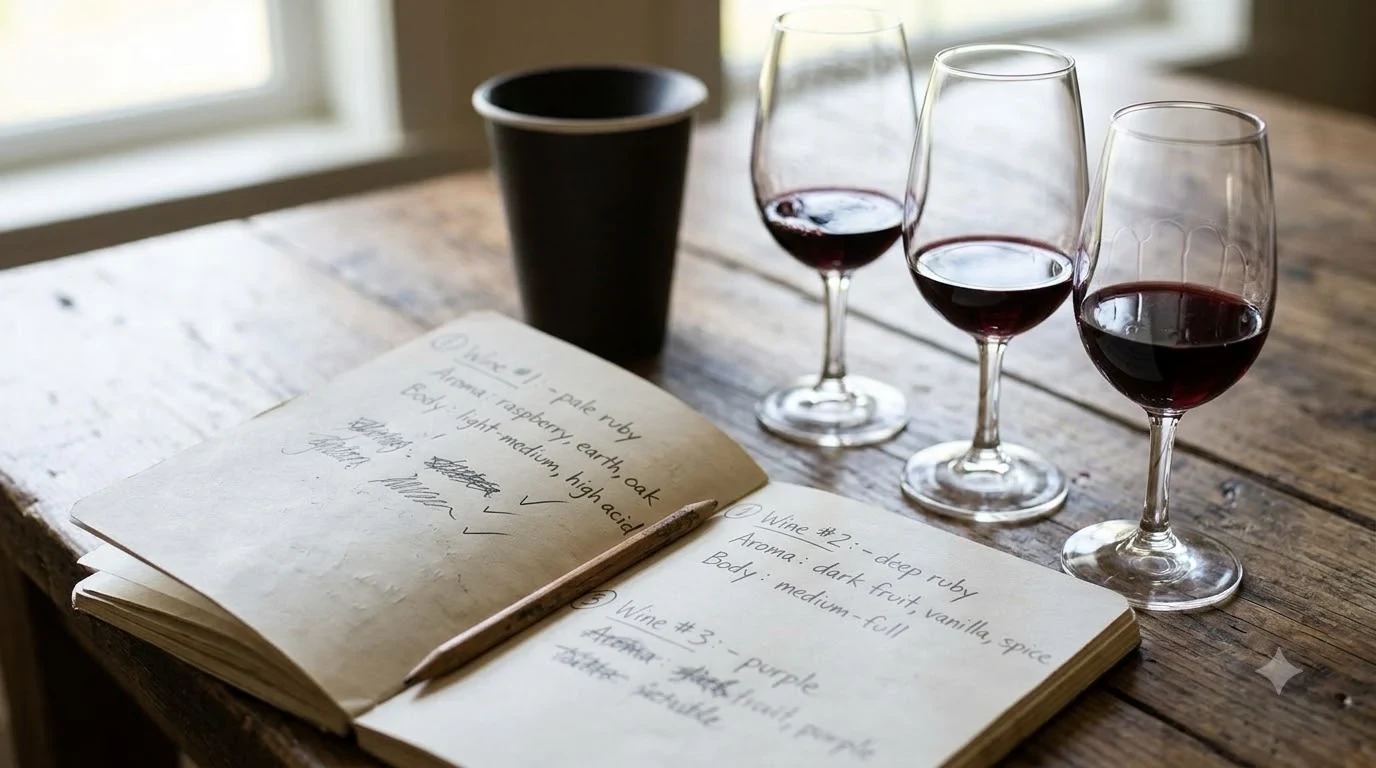
Kendall jackson chardonnay tasting notes typically feature baked apple, ripe pear, pineapple, mango, citrus, vanilla, and buttery toasted oak. The popular Vintner’s Reserve bottling is a dry, medium-bodied California Chardonnay with a creamy texture, refreshing acidity, and a lingering fruit-and-oak finish. Its combination of ripe fruit and gentle oak makes it particularly appealing alongside seafood, roasted chicken, creamy pasta, and other flavorful dishes.
Kendall-Jackson has become a familiar name for American Chardonnay drinkers, particularly those who enjoy a generous fruit profile balanced by barrel-influenced flavors. Its Vintner’s Reserve Chardonnay offers a recognizable California style without relying exclusively on heavy oak or buttery richness. Understanding its aromas, texture, acidity, and finish makes it easier to appreciate the wine and choose food that complements its character.
What Kendall-Jackson Chardonnay Tastes Like
Kendall-Jackson Vintner’s Reserve Chardonnay combines ripe orchard fruit, tropical flavors, citrus freshness, and gentle oak. The overall impression is fruity and rounded, with enough acidity to keep the wine from feeling excessively heavy.

The first impression usually comes from fruit aromas. Baked apple and pear provide the familiar orchard-fruit foundation, while pineapple and mango introduce a distinctly tropical character. Depending on the vintage and serving conditions, citrus notes can bring lemon or orange-peel freshness to the aromatic profile.
Vanilla and toasted oak become more noticeable as the wine opens in the glass. These characteristics add warmth and complexity without necessarily overwhelming the fruit. Some drinkers may also recognize honey-like aromas, sweet spice, or a subtle buttery impression. Together, these elements create a Chardonnay that feels approachable but has several layers to explore.
Breaking Down the Main Flavors
- Apple: Baked apple and yellow apple provide a ripe, familiar orchard-fruit character.
- Pear: Ripe pear contributes a soft, rounded fruit impression.
- Pineapple: Tropical fruit character adds freshness and a slightly tangy impression.
- Mango: Mango contributes a generous, ripe fruit aroma.
- Citrus: Lemon, orange, and citrus peel provide brightness.
- Vanilla: Oak-related vanilla notes add sweetness to the aroma without making the wine a sweet wine.
- Butter: A creamy, buttery impression contributes to the wine’s recognizable California Chardonnay style.
- Toasted oak: Gentle wood-derived flavors provide a warm finishing note.
The balance between these flavors is important. If tropical fruit and baked apple dominate your first impression, the wine may seem generous and ripe. If vanilla, butter, and toasted oak stand out more strongly, it may seem creamier and richer. Both impressions can coexist in the same glass.
Professional reviews also illustrate how the wine can express different characteristics across vintages. Wine Enthusiast awarded the 2024 Vintner’s Reserve Chardonnay 90 points, identifying orchard fruit, yellow apple, pear, quince, orange, vanilla bean, and dried herbs. Its review also highlighted pronounced acidity, ripe stone fruit, citrus peel, and a dry, round finish. The Wine Enthusiast tasting review of the 2024 Vintner’s Reserve Chardonnay provides a useful professional reference for these characteristics.
These descriptions are useful reference points rather than a guarantee that every bottle will smell or taste identical. Vintage conditions, blending decisions, bottle age, and serving temperature can influence which characteristics are most apparent.
Texture, Acidity, Body, and Finish
Kendall-Jackson Vintner’s Reserve Chardonnay is generally medium-bodied, with a rounded palate, noticeable fruit concentration, and a creamy impression balanced by refreshing acidity. Its texture is an important part of its appeal because it gives the wine more weight than a very light, crisp white wine.
On the palate, ripe apple and pear create a soft fruit foundation. Pineapple and mango add a more tropical dimension, while citrus provides contrast. The wine’s oak influence contributes a smooth impression that can make the middle of the palate feel fuller and more rounded.
Acidity plays an equally important role. Without sufficient freshness, ripe fruit and creamy texture could make a Chardonnay feel heavy. The acidity helps maintain balance and gives the wine enough freshness to accompany food. Wine Enthusiast’s review of the 2024 Vintner’s Reserve specifically describes pronounced acidity alongside ripe stone fruit and citrus peel.
Understanding the Finish
The finish is the collection of flavors and sensations that remain after swallowing. With Kendall-Jackson Vintner’s Reserve, expect lingering fruit, vanilla, and toasted oak, sometimes accompanied by a buttery impression.
A citrus note can provide a refreshing ending, while ripe apple and tropical fruit create a softer impression. The oak character adds another layer that can remain noticeable after the fruit begins to fade.
The finish also helps explain why this Chardonnay works with richer foods. Its rounded texture complements creamy sauces, while its acidity prevents the combination from becoming excessively rich. A forkful of Alfredo pasta, for example, can make the wine’s citrus character more noticeable by contrast.
Is It a Light or Full-Bodied Chardonnay?
Vintner’s Reserve falls into the medium-bodied category rather than the extremely light or exceptionally full-bodied styles. It has enough weight to stand alongside grilled chicken and creamy pasta, but it does not need an especially rich dish to be enjoyable.
For comparison, a stainless-steel Chardonnay may emphasize crisp apple, lemon, and a lighter texture. A heavily oaked Chardonnay may show more pronounced vanilla, butter, and sweet spice. Kendall-Jackson Vintner’s Reserve occupies a middle position, combining fruit richness with oak-derived complexity.
Oak Aging, Butter, and Winemaking Style
Oak aging is an important contributor to Kendall-Jackson Vintner’s Reserve Chardonnay’s recognizable flavor profile. The winery uses French and American oak to develop texture and introduce flavors such as vanilla and toasted wood while retaining the fruit character of California Chardonnay.
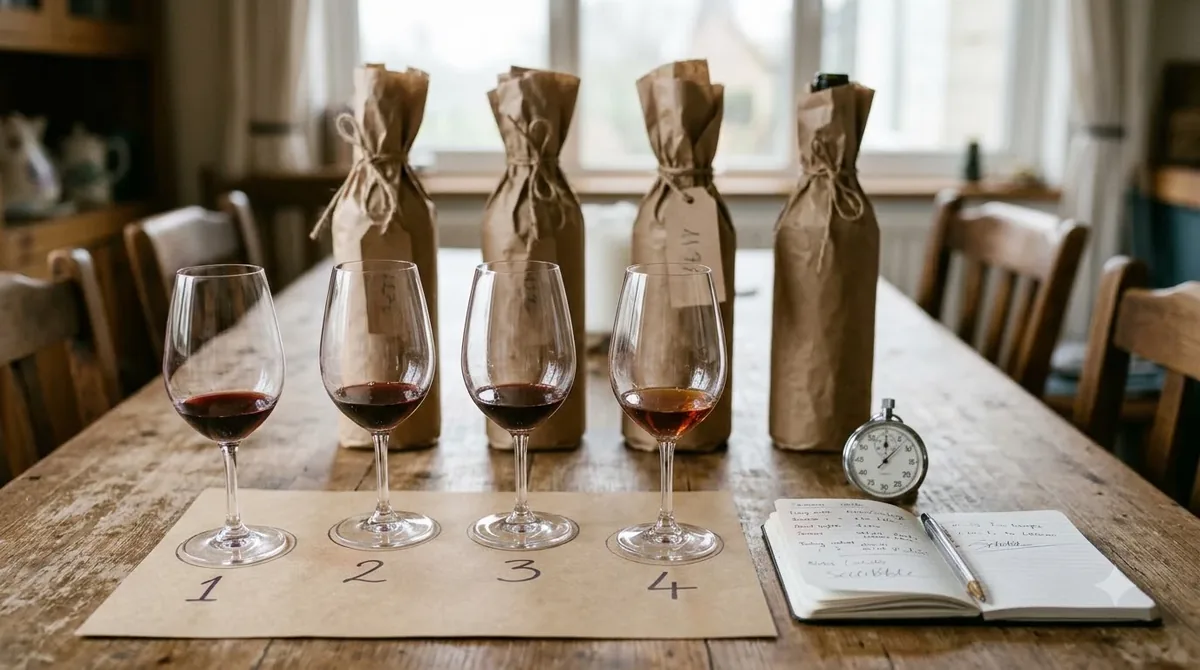
The 2024 Vintner’s Reserve technical information identifies four months of aging, with 47% French oak and 46% American oak. The French oak portion includes 4% new barrels, while the American oak portion includes 6% new barrels. These details demonstrate that the wine receives oak influence without relying entirely on newly made barrels.
French and American oak can contribute different aromatic impressions. French oak is frequently associated with subtle spice and integrated wood character, while American oak can contribute more recognizable vanilla and sweet spice impressions. The final result depends on barrel age, toast level, time in contact with the wine, and the winemaker’s blending decisions.
Why Does Chardonnay Taste Buttery?
Butteriness in Chardonnay is not simply a characteristic of the grape itself. It is commonly associated with malolactic fermentation, a winemaking process that converts sharper malic acid into softer lactic acid. This transformation can contribute buttery aromas and a smoother impression on the palate.
Oak and malolactic fermentation are different processes, even though their characteristics can appear together in the same wine. Oak can contribute vanilla, toast, and spice, while malolactic fermentation can contribute creamy texture and buttery aromas.
This distinction helps explain why two Chardonnays can both be described as buttery yet taste quite different. One may emphasize vanilla and toasted wood, while another may emphasize creaminess and soft acidity. Kendall-Jackson’s California Chardonnay winemaking guide explains how malolactic fermentation, oak selection, and lees aging influence the finished wine’s character.
Why Vineyard Blending Matters
California’s coastal winegrowing areas offer different growing conditions, which can influence Chardonnay’s fruit profile. Cooler conditions can help preserve acidity and emphasize citrus, while warmer growing conditions can encourage riper fruit characteristics such as peach, mango, and pineapple.
Kendall-Jackson describes Vintner’s Reserve as a blend sourced from coastal California vineyards. Its winemaking team individually ferments and ages more than 1,000 vineyard lots before assembling the final wine. This approach gives the winery opportunities to select different fruit and oak components for the finished blend.
For readers interested in the broader range of California wine producers and styles, the Wine Brands section provides additional background for comparing well-known labels and their winemaking approaches.
Is Kendall-Jackson Chardonnay Dry or Sweet?
Kendall-Jackson Vintner’s Reserve Chardonnay is a dry white wine, not a dessert wine. Its ripe tropical fruit, vanilla, and buttery aromas can create an impression of sweetness, but these flavors do not mean that the wine tastes sugary.
Fruitiness and sweetness are separate elements in wine. A Chardonnay can smell like pineapple, mango, and baked apple while remaining dry on the palate. The distinction becomes easier to recognize when paying attention to the finish, acidity, and overall sensation after swallowing.
Wine Enthusiast describes the 2024 Vintner’s Reserve as having a dry, round, juicy finish. This supports the typical expectation of a wine that offers ripe fruit and creamy texture without the pronounced residual sweetness associated with sweet white wines.
Understanding Fruitiness Versus Sweetness
Consider the difference between biting into a ripe apple and drinking sweet apple juice. Both can have recognizable apple flavors, but the sweetness level can be very different.
The same distinction applies to Chardonnay. Kendall-Jackson’s ripe fruit aromas may suggest sweetness on the nose, while the palate remains dry. Vanilla can also create a sweet-smelling impression without adding actual sugar.
Acidity helps reinforce this distinction. A fresh citrus sensation can balance ripe fruit and creamy texture, making the wine seem more refreshing than a sweet white wine.
Who Will Enjoy This Style?
This Chardonnay is a good match for people who enjoy ripe fruit, moderate oak influence, and a rounded texture. It is particularly suitable for drinkers who find very lean, mineral-driven white wines too austere but do not want an extremely heavy, heavily oaked Chardonnay.
It can also be a useful introduction to California Chardonnay. The fruit aromas are recognizable, the oak character is accessible, and the medium body makes it versatile at the dinner table.
Those who prefer crisp, unoaked wines may find it richer than their usual choice. In that case, a stainless-steel Chardonnay or another lighter-bodied white wine may provide a closer match to their preferences.
Best Food Pairings for Kendall-Jackson Chardonnay
Kendall-Jackson Chardonnay pairs especially well with seafood, poultry, creamy pasta, roasted vegetables, and dishes containing moderate amounts of butter. Its acidity refreshes the palate, while its medium body and oak character complement richer ingredients.
The winery specifically recommends lobster, fettuccine Alfredo, and corn on the cob for Vintner’s Reserve Chardonnay. These combinations make sense because the wine’s fruit and acidity provide contrast to buttery ingredients, while its rounded texture complements creamy preparations.
Food pairing becomes easier when considering three characteristics: acidity, body, and oak influence. A dish with enough richness can soften the wine’s oak impression, while citrus-based sauces can highlight its freshness. Delicate foods benefit from the wine’s fruit character without being overwhelmed by strong seasoning.
Seafood and Shellfish
Lobster is one of the strongest pairings for this Chardonnay. Lobster meat has a naturally sweet, delicate flavor, and butter-based preparations complement the wine’s creamy texture and vanilla notes. A little lemon juice adds freshness and creates a pleasant contrast with the wine’s ripe fruit.
Grilled shrimp, scallops, and crab cakes are also good options. Grilled seafood develops savory and lightly toasted flavors that work with the oak influence. A lemon-butter sauce can connect the citrus and creamy elements in the wine.
Fish tacos are another practical choice, particularly when prepared with grilled white fish, cabbage, and a mild creamy sauce. Avoid excessive chili heat because alcohol can amplify the sensation of spice.
Chicken and Turkey
Roasted chicken is an excellent partner for medium-bodied Chardonnay. The browned skin contributes savory flavors, while the tender meat works with the wine’s fruit and rounded texture. Herbs such as thyme, rosemary, and parsley can add complexity without overwhelming the pairing.
Grilled chicken breast also works well, particularly with lemon, garlic, and a moderate amount of butter. The citrus echoes the wine’s fresh notes, while the grilled surface provides a subtle contrast to the creamy palate.
Roasted turkey is another useful option. Serve it with a lightly seasoned pan sauce rather than a heavily spiced glaze. The wine’s acidity can balance the richness of the meat and accompanying sides.
Pasta, Cheese, and Vegetables
Fettuccine Alfredo is a classic pairing because the cream sauce and Parmesan complement Chardonnay’s texture. The wine’s acidity cuts through some of the richness, helping refresh the palate between bites.
Other suitable pasta dishes include chicken and mushroom pasta, creamy seafood linguine, and pasta with roasted squash. Mushroom flavors can provide an earthy contrast to the fruit, while roasted squash introduces a gentle sweetness.
For cheese, consider Brie, young Gouda, mild cheddar, or Gruyere. These cheeses have enough richness to complement the Chardonnay without introducing excessively sharp flavors. Very pungent blue cheeses may dominate the wine’s more delicate fruit characteristics.
Vegetable dishes can work particularly well when they include roasting, grilling, or butter-based preparation. Corn on the cob, roasted cauliflower, sautéed mushrooms, and baked potatoes are practical choices.
| Food | Preparation | Why It Works |
|---|---|---|
| Lobster | Butter and lemon | Matches creamy texture and citrus freshness |
| Grilled shrimp | Garlic and herbs | Complements ripe fruit and oak |
| Chicken breast | Roasted or grilled | Balances medium body and acidity |
| Fettuccine Alfredo | Cream and Parmesan | Works with rounded texture and refreshing acidity |
| Turkey | Herb-roasted | Provides savory contrast to orchard fruit |
| Corn on the cob | Lightly buttered | Complements the wine’s ripe fruit character |
| Brie | Served at room temperature | Matches the wine’s creamy impression |
| Roasted cauliflower | Olive oil and herbs | Provides a savory, lightly toasted contrast |
Tip: For an easy dinner pairing, serve Kendall-Jackson Chardonnay with lemon-garlic chicken, roasted potatoes, and buttered corn. The combination brings together citrus, savory flavors, and creamy textures that complement the wine’s apple, tropical fruit, and vanilla notes.
For readers comparing different California Chardonnay profiles, Rombauer Chardonnay tasting notes offer another useful point of reference. You can also explore Cakebread Chardonnay tasting notes to understand how another well-known California producer approaches fruit, oak, and texture.
Serving Temperature, Glassware, and Storage
Serve Kendall-Jackson Vintner’s Reserve Chardonnay at approximately 50 degrees Fahrenheit for a good balance of fruit, acidity, and oak aromas. A moderately sized white wine glass with a wider bowl helps the wine express its aromatic character while providing enough room to swirl.
Temperature makes a noticeable difference to the tasting experience. A bottle served straight from a very cold refrigerator may conceal some of its tropical fruit and vanilla aromas. On the other hand, wine served too warm can seem heavier, with alcohol and oak becoming more prominent.
How to Chill the Wine
A standard refrigerator generally keeps wine colder than the ideal serving temperature for full-bodied white wines. Remove the bottle approximately 15 to 25 minutes before serving, depending on its starting temperature and the conditions in the room.
If the wine has been stored at room temperature, place it in the refrigerator for approximately two hours before serving. A bucket containing ice and water can chill the bottle more quickly, generally in about 15 to 20 minutes. Keep the bottle away from direct sunlight while serving.
Start around 50 degrees Fahrenheit and allow the wine to warm slightly in the glass. This gradual change can reveal additional fruit, vanilla, and oak characteristics as the wine opens.
Choosing the Right Glass
A White Burgundy-style glass is a suitable choice for Kendall-Jackson Chardonnay. Its wider bowl allows the wine to develop aromas while directing them toward the nose. A standard white wine glass also works well.
Avoid filling the glass too high. A 5-ounce pour leaves sufficient space for swirling and examining the aromas. A standard 750-milliliter bottle provides approximately five such servings.
Storing an Open Bottle
After opening, reseal the bottle with its original closure or a suitable wine stopper and place it in the refrigerator. Most opened still white wines retain their best qualities for approximately three to five days under proper refrigeration.
Cold storage slows oxidation, which gradually changes the wine’s aromas and flavors after exposure to air. Keep the bottle upright once opened and minimize the amount of air inside the container whenever possible.
Before serving a refrigerated bottle again, allow it to warm slightly toward 50 degrees Fahrenheit. This helps restore the wine’s aromatic expression without requiring lengthy preparation.
How Kendall-Jackson Compares With Other California Chardonnays
Kendall-Jackson, Rombauer, Cakebread, and Far Niente are useful names to consider when comparing California Chardonnay styles. Their wines can differ in fruit intensity, oak expression, texture, and overall richness, making side-by-side tasting an effective way to identify personal preferences.
Kendall-Jackson Vintner’s Reserve is recognizable for its combination of tropical fruit, orchard fruit, vanilla, and integrated oak. Its medium body makes it versatile enough for casual drinking and food pairing.
Kendall-Jackson Versus Rombauer
Rombauer Chardonnay is frequently associated with a generous, rich California style. Drinkers interested in fuller texture and pronounced buttery and oak characteristics may find it an interesting comparison with Kendall-Jackson.
Kendall-Jackson Vintner’s Reserve offers a fruit-forward profile with vanilla, mango, citrus, and toasted oak. Comparing the two side by side can help reveal differences in perceived richness, acidity, and oak intensity.
The best approach is to serve both wines at similar temperatures and use the same glassware. Taste them without food first, then repeat the comparison with a creamy chicken dish or seafood pasta.
Kendall-Jackson Versus Cakebread
Cakebread Chardonnay provides another reference point for understanding California Chardonnay. Its different vineyard sourcing and winemaking choices can create a distinct balance of fruit, acidity, and oak.
Comparing Cakebread with Kendall-Jackson can be especially useful for drinkers who are deciding whether they prefer a more fruit-forward profile or a different interpretation of oak influence and texture. Explore the Far Niente Chardonnay tasting notes as another comparison when looking at California’s range of Chardonnay expressions.
What to Look for During a Comparison
Rather than focusing only on whether a wine seems buttery, consider several characteristics independently. Notice whether the fruit resembles green apple, yellow apple, pear, pineapple, or mango. Then evaluate the prominence of vanilla, toasted wood, and spice.
Next, consider the acidity and texture. Does the wine feel crisp and refreshing, or rounded and creamy? Does the finish emphasize citrus, ripe fruit, or oak? These observations help explain the differences more clearly than a simple preference for one bottle over another.
Kendall-Jackson Vintner’s Reserve provides a useful starting point for exploring California Chardonnay because its recognizable fruit and oak characteristics make it relatively easy to understand. More detailed comparisons can reveal how different producers interpret the same grape variety.
Frequently Asked Questions
Does Kendall-Jackson Chardonnay contain sulfites?
Like most conventionally produced wines, Kendall-Jackson Chardonnay contains sulfites. Sulfur dioxide can occur naturally during fermentation, and winemakers may also use it to help protect wine from oxidation and unwanted microbial activity. The amount can vary between bottlings and production decisions.
What grape variety is used in Vintner’s Reserve Chardonnay?
The Vintner’s Reserve bottling is made from 100% Chardonnay grapes. Chardonnay is a versatile white grape variety that originated in Burgundy, France, and is now grown in major wine regions around the world. Its relatively adaptable flavor profile allows winemakers to create both crisp and richly textured wines.
Does Kendall-Jackson use a screw cap for Vintner’s Reserve Chardonnay?
Kendall-Jackson has used a screw-cap closure on its Vintner’s Reserve Chardonnay. Screw caps provide a convenient alternative to traditional cork and make resealing an opened bottle straightforward. The closure can vary between packaging formats and bottlings.
Can Kendall-Jackson Chardonnay be used in cooking?
Yes. A dry Chardonnay can be used in cream sauces, seafood preparations, and chicken dishes. Its fruit character and acidity can add depth to pan sauces and risotto. Use a wine whose flavors you enjoy drinking, and allow the alcohol to cook off appropriately during preparation.
Does Kendall-Jackson make Chardonnay beyond Vintner’s Reserve?
Yes. Kendall-Jackson offers several Chardonnay expressions, including Avant, Grand Reserve, and Jackson Estate bottlings. These wines provide different interpretations of Chardonnay, with variations in fruit sourcing, oak influence, and regional expression. Exploring the wider range is a useful way to understand how vineyard location and winemaking decisions affect the finished wine.
Kendall-Jackson Vintner’s Reserve Chardonnay is a recognizable California white wine with baked apple, pear, tropical fruit, citrus, vanilla, and gentle buttery oak characteristics. Its medium body, dry finish, and refreshing acidity make it a versatile choice for seafood, poultry, creamy pasta, and everyday meals. Serve it around 50 degrees Fahrenheit to enjoy its fruit and oak balance, and compare it with other California Chardonnays to discover which style best suits your palate.
More in Wine Brands
 Louis Latour Wine Price: Compare Bottles by Style and TierUpdated Nov 20, 2026
 Yellow Tail Moscato Price: What to Expect Before You BuyUpdated Nov 20, 2026
 Sutter Home Sweet Red Review: Find the Right Food PairingsUpdated Nov 20, 2026
 Franzia Chillable Red Review: Find the Right Serving StyleUpdated Nov 20, 2026
 Veuve Clicquot Rose Review: Flavor, Food Pairings and Buying AdviceUpdated Nov 20, 2026
 Rombauer Wine Price: Compare Bottles Before You BuyUpdated Nov 20, 2026