

We may earn a commission when you buy through links on this page, at no extra cost to you. Learn more.
The j lohr chardonnay price for a standard 750 ml bottle of J. Lohr Estates Riverstone Chardonnay typically falls around $11 to $15 at US retailers. This California Chardonnay offers ripe citrus, peach, apple, cream, and subtle oak character at an accessible everyday-wine price. The final amount depends on the vintage, retailer, location, and bottle size, while other J. Lohr Chardonnay selections can occupy a higher price tier.
J. Lohr offers several Chardonnay styles from California, so comparing bottles requires more than looking at the winery name. Riverstone is the familiar Estates selection, while Arroyo Vista and October Night represent other Chardonnay options in the portfolio. Understanding their differences, the typical retail range, and what each bottle offers makes it easier to choose a wine that suits your budget and meal.
Who This Is For: Chardonnay Buyers Comparing Prices
J. Lohr Chardonnay is worth considering for shoppers who want recognizable California Chardonnay character without automatically moving into premium-priced bottles. Riverstone is particularly relevant for everyday dinners, casual entertaining, and buyers who enjoy a combination of fresh fruit, creamy texture, and restrained oak.
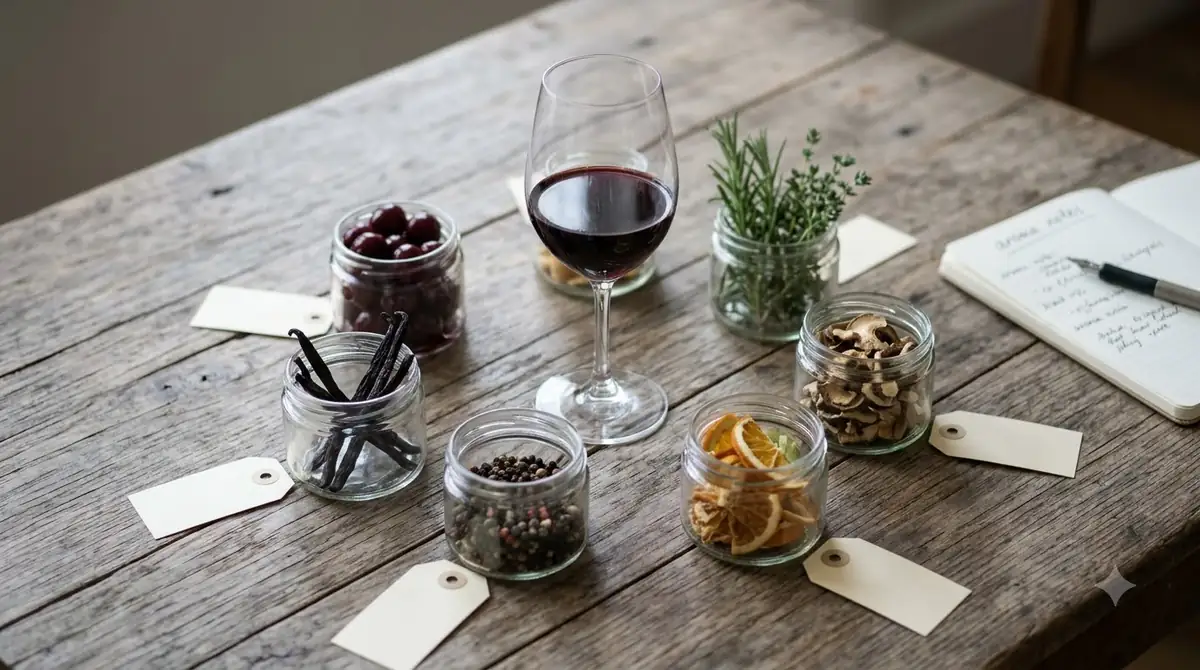
Riverstone comes from the Arroyo Seco AVA in Monterey County, an area where cool conditions and winds from Monterey Bay help retain grape acidity. The winery describes its wine as a balance of ripe citrus, white nectarine, apricot, baking spices, and subtle oak. That combination makes it suitable for people who enjoy Chardonnay with more texture than a very crisp, unoaked white wine but do not necessarily want an intensely buttery style.
It is also a practical option for shoppers who want to keep a few bottles available for different meals. The winery recommends Riverstone with seafood risotto, mussels, shrimp scampi, sautéed scallops, roast chicken, and several cheeses. Those recommendations indicate a flexible food wine rather than a bottle intended only for formal occasions.
Buyers comparing several California Chardonnays should also consider the broader Wine Brands category. The producer name alone does not determine the experience: grape-growing location, fermentation choices, oak treatment, vintage, and bottle size all affect what a shopper receives.
Riverstone is not necessarily the right choice for everyone. Someone seeking a completely unoaked, lean Chardonnay may prefer Paperwhite, while someone looking for a more distinctive premium bottle may want to compare Arroyo Vista or October Night. The best starting point is to decide whether price, freshness, oak influence, or richness matters most.
Key Factors to Compare When Shopping
The most useful comparison is between the bottle size, specific J. Lohr Chardonnay label, vintage, and retail price. Riverstone is the main reference point for an everyday purchase, but the other Chardonnay selections should not be treated as identical wines.
The following table summarizes practical buying considerations. Retail price ranges refer to typical US shopping expectations for Riverstone rather than guaranteed prices at every store. Total Wine’s listed 750 ml Riverstone bottle provides a concrete retail reference, while J. Lohr publishes higher suggested pricing for some other Chardonnay selections.
| Comparison factor | What to expect | Why it matters |
|---|---|---|
| Standard bottle | 750 ml | Approximately five 5 oz pours |
| Riverstone retail range | About $11 to $15 per 750 ml | Useful everyday-wine budget |
| Large bottle | 1.5 liters | Approximately ten 5 oz pours |
| Riverstone grape composition | 100% Chardonnay | Pure varietal Chardonnay character |
| Riverstone origin | Arroyo Seco AVA, Monterey County | Cool-climate California growing conditions |
| Cellaring recommendation | Up to five years from vintage | Indicates the winery’s intended drinking window |
| Alcohol reference | 14.1% ABV for the 2024 vintage | Vintage-specific production information |
| Oak treatment | Barrel fermented and barrel aged | Contributes texture and oak character |
The price range is supported by Total Wine’s listed $12.99 retail price for a 750 ml Riverstone bottle and comparable mainstream retail listings; prices vary by state and retailer. For another point of comparison, Total Wine’s Riverstone Chardonnay listing identifies the bottle size, displayed price, and product description. A larger bottle should be compared by volume rather than simply by its total shelf price. A 1.5-liter bottle contains twice as much wine as a standard 750 ml bottle.
The label also matters. J. Lohr lists Riverstone and Paperwhite as Estates Chardonnay offerings, while Arroyo Vista and October Night appear as separate Chardonnay selections. The winery lists the 2024 Arroyo Vista and October Night at $25 each, making them different purchasing propositions from the usual Riverstone budget.
Vintage is another consideration. The 2024 production outline reports 14.1% ABV, but those details should not automatically be applied to an older wine. The composition and winemaking choices can remain broadly recognizable while individual harvest conditions and finished-wine characteristics change.
Step-by-Step: How to Compare J. Lohr Chardonnay Prices
A reliable purchase starts with identifying the exact bottle rather than searching for the brand name alone. Following a few simple steps helps prevent confusion between Riverstone, unoaked Chardonnay, and the winery’s other selections.
-
Identify the Chardonnay label.
Start by deciding whether you want Riverstone, Paperwhite, Arroyo Vista, or October Night. Riverstone is the familiar Estates choice, while Paperwhite is explicitly identified as an unoaked Chardonnay. Arroyo Vista and October Night are separate selections with their own positioning. -
Choose the bottle size.
A 750 ml bottle is suitable for a small dinner or a couple of glasses each across several servings. A 1.5-liter bottle is more practical for a larger gathering, provided the group enjoys the same wine. -
Compare the vintage.
Look for the vintage printed on the bottle or retailer listing. The 2024 Riverstone production outline reports 14.1% ABV, but a different vintage can have different specifications. Do not assume that older and newer bottles have identical alcohol levels or cellar potential. -
Compare retail prices.
Use at least two retailers to establish a reasonable local range. Total Wine provides a useful Riverstone reference, while another regional retailer may have different inventory, vintage availability, and shipping arrangements. -
Calculate the price per 750 ml equivalent.
For a 1.5-liter bottle, divide the total bottle price by two to compare it with a standard bottle. This prevents a larger package from appearing more expensive simply because it contains twice as much wine. -
Consider the wine’s intended use.
A bottle for shrimp scampi, roast chicken, or seafood risotto may justify choosing Riverstone for its fruit and creamy texture. For a crisp aperitif without obvious oak influence, compare Paperwhite instead. -
Confirm the final checkout cost.
Retailer listings can differ in local inventory, taxes, shipping eligibility, and delivery arrangements. Compare the final purchase total rather than relying exclusively on a headline shelf price.
This approach is particularly useful when two bottles have similar prices but different wine styles. A lower price does not automatically represent better value if the wine does not suit the intended meal or personal preference.
Tip: Compare the exact J. Lohr label and vintage before comparing prices. A Riverstone listing and an Arroyo Vista listing are not interchangeable, even though both are California Chardonnay wines from the same producer.
Types and Styles Explained: Riverstone, Paperwhite, and Other Selections
J. Lohr’s Chardonnay range includes wines with different stylistic goals, so shoppers should compare the bottle’s identity rather than assume that every Chardonnay from the producer tastes alike. Riverstone is a useful starting point for those who enjoy fruit, cream, and oak, while Paperwhite provides an alternative for buyers who prefer an unoaked expression.
J. Lohr Estates Riverstone Chardonnay
Riverstone is the central reference point for this buying guide. It is made from 100% Chardonnay grapes grown in Arroyo Seco AVA, Monterey County. The winery describes the vineyard soils as primarily Elder loam underlain by riverstones deposited by the Arroyo Seco River.
Its flavor profile includes citrus, apricot, white nectarine, ripe peach, Meyer lemon, hazelnut, cocoa, and a hint of oak. Barrel fermentation and aging contribute texture, while the cool growing conditions help maintain natural acidity. It is a useful choice for someone who wants a balanced California Chardonnay rather than an extremely lean or aggressively oaky style.
J. Lohr Estates Paperwhite Unoaked Chardonnay
Paperwhite is identified by the winery as an unoaked Chardonnay. This distinction is important for shoppers who enjoy the grape’s fruit character but prefer not to have the additional vanilla, toast, or oak-related texture associated with barrel maturation.
Unoaked Chardonnay can emphasize apple, citrus, and other fresh fruit characteristics. Paperwhite is therefore a sensible comparison for buyers who find traditional barrel-aged Chardonnay too rich. It should not be assumed to have the same taste or production specifications as Riverstone.
J. Lohr Arroyo Vista Chardonnay
Arroyo Vista is another Chardonnay selection in the J. Lohr portfolio. The winery lists its 2024 bottle at $25, placing it above the usual Riverstone shopping range. It is worth comparing for shoppers who want to explore another expression from the producer rather than simply purchase the least expensive available Chardonnay.
Because the bottles are separate wines, the price difference should be evaluated alongside their individual vineyard and winemaking information. The Arroyo Vista name is also associated with the growing area that gives Riverstone its regional identity, but that does not make the two selections interchangeable.
J. Lohr October Night Chardonnay
October Night is another distinct Chardonnay selection. J. Lohr lists the 2024 bottle at $25 on its Chardonnay portfolio page. Its separate identity makes it relevant to shoppers who are comparing the producer’s broader range rather than looking only for the familiar Estates bottle.
For a budget-conscious everyday purchase, Riverstone is the more straightforward starting point. October Night belongs in a separate comparison because the winery’s listed price places it in a different retail tier. Buyers should compare the individual wine descriptions before choosing between them.
For more detail on the main Estates selection, the j lohr chardonnay overview is a useful companion. Readers interested in its flavor profile can also consult the j lohr chardonnay tasting notes discussion before selecting a bottle.
Common Mistakes When Comparing Chardonnay Prices
Most purchasing confusion comes from comparing different labels, bottle sizes, or vintages as though they were the same product. A careful comparison makes the retail range easier to understand and prevents shoppers from paying for a wine style they did not actually want.
Confusing Riverstone with Paperwhite
One common mistake is assuming that all J. Lohr Chardonnay bottles have the same oak influence. Riverstone is barrel fermented and barrel aged, whereas Paperwhite is specifically presented as unoaked. These production distinctions influence texture and flavor, so choosing based only on the brand name can lead to disappointment.
Comparing Different Bottle Sizes
A 1.5-liter bottle contains twice the volume of a 750 ml bottle. Comparing their total prices without adjusting for volume can make the larger bottle seem disproportionately expensive. The same principle applies when comparing individual pours for an event or dinner party.
Ignoring Vintage Differences
Vintage matters because growing conditions and harvest timing influence the finished wine. J. Lohr describes the 2024 Riverstone season as having a cool spring and summer followed by warmer September conditions. The winery also notes that the harvest lasted one month.
The 2024 production outline reports a 14.1% alcohol level and 74% malolactic fermentation. Those specifications describe that vintage rather than every Riverstone release. Comparing bottles from different harvest years therefore requires attention to their individual production details.
Assuming Every Retailer Has the Same Price
Retailers can carry different vintages and apply different regional pricing structures. A displayed price may also reflect local inventory rather than a nationwide price. Total Wine explicitly notes that price, vintage, and availability can vary by store.
Buying According to Price Alone
A Chardonnay that costs less may not be the better selection for a particular meal. Someone serving delicate seafood may prefer a fresher, more restrained style, while someone serving roast chicken with a creamy sauce may appreciate Riverstone’s richer texture. Matching the wine to the occasion is an important part of evaluating value.
Another frequent misunderstanding concerns tasting descriptions. Words such as cream, hazelnut, and cocoa describe aromas and flavors rather than ingredients added to the wine. Reading the description in that context makes it easier to decide whether the style sounds appealing.
Care, Serving, and Storage Tips
Proper storage and serving temperature help preserve the character of Chardonnay. Riverstone is designed for relatively approachable enjoyment, and the winery recommends drinking it within five years of the vintage.
Serving Temperature
Serve full-bodied Chardonnay at approximately 50 to 55 degrees Fahrenheit. This temperature gives the wine enough chill to retain freshness while allowing its fruit, cream, and oak characteristics to remain expressive.
Serving it directly from a very cold refrigerator can suppress aromas and make the texture seem less expressive. Allowing a bottle to warm slightly before pouring is a simple way to get more from its flavor profile. A standard 5 oz pour also leaves enough room in the glass to appreciate the aromas.
Storage Conditions
For unopened bottles intended for later enjoyment, store wine in a cool, dark location near 55 degrees Fahrenheit. Bottles with traditional cork closures are generally best stored on their sides to help keep the cork from drying out.
Avoid storing Chardonnay next to a heat source, in direct sunlight, or somewhere with frequent temperature fluctuations. Kitchen shelves above an oven and warm garage storage are poor choices for maintaining wine quality.
After Opening
Once opened, recork Riverstone and keep it in the refrigerator. Most opened still wines remain in reasonable condition for approximately three to five days, although freshness gradually declines with exposure to oxygen.
For the best experience, use a suitable wine stopper and minimize the amount of air in the bottle. Remove the wine from the refrigerator shortly before serving so it can approach the recommended 50 to 55 degree temperature.
Food Pairing Suggestions
J. Lohr recommends Riverstone with seafood risotto, mussels in white wine sauce, shrimp scampi, and sautéed scallops. These dishes work because the wine’s acidity and citrus character can complement seafood while its creamy texture suits richer sauces.
Roast chicken with apples and sesame-apricot chicken are other suitable combinations. For a cheese course, the winery names triple crème Brie, Gruyère, and Asiago. Richer cheeses and creamy dishes provide a particularly natural match for the wine’s texture.
For a simple dinner, serve Riverstone with roast chicken and vegetables, then use the same wine alongside a cheese course. Its fruit, acidity, and oak character give it enough flexibility for several stages of a meal.
Frequently Asked Questions
Does J. Lohr Chardonnay contain added butter flavoring?
The creamy impression in Riverstone is part of its wine profile and is not evidence of added butter flavoring. The winery describes barrel aging sur lie and malolactic fermentation in its production information, both of which can contribute to a rounder texture. Flavor descriptions should not be interpreted as an ingredient list.
Is J. Lohr Chardonnay made from a single grape variety?
The winery’s 2024 Riverstone product page identifies its composition as 100% Chardonnay. This means the wine is varietal Chardonnay rather than a blend with Sauvignon Blanc or another grape. The 2024 production outline also specifies a 100% Chardonnay composition.
Can J. Lohr Riverstone Chardonnay be aged for several years?
J. Lohr recommends enjoying Riverstone within five years of its vintage. This is the winery’s stated cellaring window, not a guarantee that every bottle will improve with age. Storage conditions and the specific vintage influence how the wine develops over time.
Does Riverstone Chardonnay undergo malolactic fermentation?
According to the winery’s 2024 production outline, 74% of that vintage underwent malolactic fermentation. This is a vintage-specific production figure and should not automatically be applied to every subsequent release. Malolactic fermentation can soften acidity and contribute to a rounder mouthfeel.
What does the Riverstone name refer to?
The name connects with the distinctive riverstone deposits associated with the Arroyo Seco River. J. Lohr describes the vineyard soils as Elder loam underlain by stones deposited over thousands of years. These soils form part of the vineyard’s regional identity and growing environment.
For most shoppers comparing everyday California Chardonnay, Riverstone is a sensible starting point, with a typical US retail range of about $11 to $15 for a 750 ml bottle. Compare the exact label, vintage, and bottle size before purchasing, especially if you are considering Paperwhite, Arroyo Vista, or October Night instead. Reviewing the j lohr chardonnay alcohol content information can also help complete your buying decision.
More in Wine Brands
 Underwood Wine Price: Compare Bottles, Cans, and Pack SizesUpdated Nov 21, 2026
 Zenato Wine Price: Compare Styles and Choose the Right BottleUpdated Nov 21, 2026
 Zuccardi Wine Price: Compare Bottles and Find the Right RangeUpdated Nov 21, 2026
 Yellow Tail Moscato Review: Taste, Sweetness and Serving TipsUpdated Nov 21, 2026
 Wolf Blass Yellow Label Review: Choose Your Best StyleUpdated Nov 21, 2026
 Wolffer Estate Rose Review: Choose the Right Bottle for Your TableUpdated Nov 21, 2026