

We may earn a commission when you buy through links on this page, at no extra cost to you. Learn more.
A charles shaw wine review suggests these bottles are best treated as straightforward, everyday California wines for casual meals rather than substitutes for highly site-specific or cellar-worthy bottles. The range covers familiar grapes such as Cabernet Sauvignon, Merlot, Chardonnay, and Sauvignon Blanc, alongside fruit-forward blends and sweeter options. The right choice depends less on the nickname and more on the grape, the food, and the style of wine you enjoy.
Charles Shaw became a recognizable Trader Joe’s label through its long-running Two-Buck Chuck identity, but that shorthand does not tell shoppers what is in each bottle. This guide explains the main styles, how to compare them, which foods suit them, and how to serve an everyday bottle so its fruit and freshness show clearly.
Who This Guide Is For
Charles Shaw is worth considering for shoppers who want familiar grape varieties, uncomplicated flavors, and a bottle for an informal dinner or weeknight meal. It is a practical place to start if Cabernet Sauvignon, Merlot, Chardonnay, or Sauvignon Blanc are already among the styles you reach for, and if you do not need a wine to carry a formal tasting or special-occasion menu.
The range also gives casual drinkers a way to compare different wine styles without starting with unfamiliar grapes. A person who prefers soft red fruit can look toward Merlot or a Red Blend; someone who likes crisp, citrus-led whites can begin with Sauvignon Blanc or Pinot Grigio. White Zinfandel is a separate choice for anyone who wants a slightly sweet, fruit-forward pink wine rather than a dry white.
Expect a broad California identity, not the detail of a named appellation such as Oakville or Russian River Valley. Sommelier André Hueston Mack noted that a California designation can draw on grapes from anywhere in the state, so shoppers who prioritize a specific vineyard or subregion may prefer a more geographically precise label.
Key Factors to Compare
Start with grape variety, weight, acidity, and sweetness; those four clues are more useful than choosing a bottle based on its color or familiar name alone. Charles Shaw’s Cabernet, Merlot, Chardonnay, Pinot Grigio, Sauvignon Blanc, Shiraz, White Zinfandel, and Red Blend each suggest a different role at the table.
The table gives a practical starting point rather than a claim that every vintage tastes identical. The serving ranges follow standard wine-service guidance: light whites are generally served colder than full-bodied whites, while lighter reds benefit from a little chill instead of being poured warm. Use the grape as a guide, then adjust to the bottle’s actual weight and sweetness.
| Style | Typical structure | Serving temperature | Good first pairing |
|---|---|---|---|
| Cabernet Sauvignon | Fuller body, high tannin | 60–65°F | Grilled steak or aged cheese |
| Merlot | Medium body, softer tannin | 55–60°F | Burgers or roast chicken |
| Shiraz | Medium-plus to full body, firm tannin | 60–65°F | Grilled sausages or barbecue |
| Chardonnay | Medium acidity; medium to full body | 50–55°F | Roast chicken or creamy pasta |
| Sauvignon Blanc | High acidity, usually light-bodied | 45–50°F | Goat cheese or herb chicken |
| Pinot Grigio | Light-bodied, refreshing white | 45–50°F | Salad or mild seafood |
| White Zinfandel | Fruit-forward, slightly sweet | 43–50°F | Spicy noodles or fruit salad |
Sweetness matters, too. The brand describes White Zinfandel as slightly sweet, while its reds are characterized by fruit, spice, and tannin. Blackberry or cherry aromas do not automatically mean a wine is sweet, so distinguish fruitiness from residual sugar before pairing with dessert. A broad California designation gives less geographic detail than a named county, valley, or subregion; that is not a verdict on quality, but it makes grape variety and style description more useful buying clues.
Step-by-Step: Choose a Bottle for the Meal
A reliable choice begins with the dish, not with a general ranking of red versus white. Match the wine’s weight and structure to the food, then choose the Charles Shaw variety whose expected flavor profile fits the meal.
- Start with the main ingredient. For grilled steak, lamb, or a rich burger, look at Cabernet Sauvignon or Shiraz. Their fuller structure is better suited to savory, substantial food than a delicate white. For roast chicken, pork tenderloin, or a creamy pasta, Chardonnay is a natural first comparison; for a lighter meal, try Pinot Grigio or Sauvignon Blanc.
- Think about tannin and fat. Cabernet Sauvignon has more assertive tannin than Merlot, while Merlot is usually softer and easier with dishes that are not especially rich. Salt and fat can soften the impression of tannin, which is why a Cabernet can work with a grilled steak or a strong cheese. A tomato-based pizza also gives a fruit-forward red a savory partner.
- Match acidity to bright flavors. Sauvignon Blanc’s high acidity is useful with lemon, herbs, goat cheese, and vinaigrette. Chardonnay is more flexible with butter, roast poultry, and creamy sauces. Acidic food needs a wine with comparable or higher acidity, otherwise the wine can seem flat beside the dish.
- Check the sweetness of the food. White Zinfandel can suit mildly spicy or sweet-savory dishes because its touch of sweetness softens the contrast. For dessert, choose a wine at least as sweet as the dessert itself; a dry red beside a very sweet cake can taste harsh or sour by comparison.
- Choose a serving temperature before opening. Chill Sauvignon Blanc and Pinot Grigio to about 45–50°F, keep Chardonnay around 50–55°F, and serve lighter Merlot around 55–60°F. A full-bodied Cabernet or Shiraz is generally more expressive near 60–65°F than at a warm room temperature.
For a mixed group, a dry white and a medium-bodied red cover more situations than two similar bottles. A 750 ml bottle provides about five standard 5-ounce pours, and one bottle of each style gives guests a choice. See this guide to Charles Shaw red wine for more red-wine pairing ideas.
Types or Styles Explained
The Charles Shaw range is built around recognizable varietal names, with a few approachable blends and sweeter styles alongside them. The descriptions below reflect the brand’s published flavor cues, while the usual characteristics of each grape help explain how to use the wine at the table.
Cabernet Sauvignon and Merlot
Cabernet Sauvignon is the fuller, more tannic red. Charles Shaw describes blackberry, cherry, vanilla, plum, and raspberry, with soft, layered tannins. Try it with grilled steak, lamb, meatloaf, or strong cheeses such as Gorgonzola. For more on the familiar label, see Charles Shaw Two Buck Chuck wine.
Merlot usually has medium tannin and a softer texture than Cabernet, so it suits burgers, roast chicken, mushrooms, and weeknight pasta. The brand cites raspberry, rhubarb, and a light herbal note. Mack found plum, raspberry, and blackcurrant in the Merlot he sampled, although its palate seemed less expressive than its aroma.
Shiraz and Red Blend
Charles Shaw Shiraz is described with blackberry, pepper, plum, and cherry. Its peppery character suits grilled meat, sausages, and barbecue; its firmer tannin is less comfortable with delicate fish. The Red Blend, by contrast, is described with cherry, raspberry, blackberry, plum, and a soft, slightly tart finish. Try it with pizza, roasted vegetables, charcuterie, or tomato sauce.
Chardonnay, Sauvignon Blanc, and Pinot Grigio
Chardonnay is the rounder white. Charles Shaw’s descriptions mention pineapple, coconut, mint, jasmine, apple, pear, and vanilla, making it a useful partner for roast chicken, pork, baked fish, buttery vegetables, and creamy pasta. Serve it warmer than a very light white so its aromas remain present.
Sauvignon Blanc has high acidity and a lighter feel, with brand-noted melon, lemongrass, herbs, citrus, and apple. It suits goat cheese, salads, fresh herbs, and seafood with lemon. Pinot Grigio is another light white; the brand lists kiwi, jasmine, strawberry, and gardenia. Sauvignon Blanc is usually the sharper partner for acidic sauces and tangy cheese.
White Zinfandel and Nouveau Red
White Zinfandel is the sweeter, fruit-led option, with peach, ripe strawberry, floral notes, and a slightly sweet finish. Serve it chilled with mildly spicy noodles, glazed chicken, fruit, or picnic food. Nouveau Red is a limited release described with fresh cherry, raspberry, and bright acidity; the listing does not identify a single grape variety. For a broader overview, see the Charles Shaw wine page.
Common Mistakes
The most common mistake is assuming every bottle with the Charles Shaw name tastes alike. Cabernet, Merlot, Shiraz, Chardonnay, Sauvignon Blanc, Pinot Grigio, and White Zinfandel differ in body, acidity, tannin, and sweetness, so a preference for one does not guarantee a preference for the others.
Another mistake is treating fruit flavor as proof of sweetness. Blackberry and plum notes can appear in a dry Cabernet or Shiraz, while White Zinfandel is specifically described as slightly sweet. This distinction matters with dessert and spicy food: a dry wine beside a sweet dessert can seem sharp, while alcohol and tannin can make chili heat feel more intense. A lightly sweet White Zinfandel may be a friendlier match for mildly spicy noodles than a high-tannin red.
It is easy to overestimate what a broad California label tells you: it identifies a large geographic source rather than a single valley or vineyard. Mack made this point while discussing the California-labeled Charles Shaw Merlot in Bon Appétit’s Trader Joe’s wine tasting. A broad origin is not a quality verdict, just less specific information. Also avoid serving every red at warm room temperature or every white straight from an icy refrigerator; warm reds can emphasize alcohol, while over-chilled whites lose aroma.
Care and Serving Tips
Correct serving temperature is one of the simplest ways to make an everyday wine more enjoyable. Aim for 45–50°F for Sauvignon Blanc and Pinot Grigio, 50–55°F for Chardonnay, 55–60°F for lighter reds such as Merlot, and 60–65°F for fuller Cabernet Sauvignon or Shiraz. Sweet whites such as White Zinfandel are best served around 43–50°F.
For a practical routine, chill whites in the refrigerator and briefly chill reds if the room is warm. Use a standard 5-ounce pour; a 750 ml bottle provides about five glasses and leaves room for aromas. Young, full-bodied reds can benefit from 30–60 minutes of air, while lighter Merlot or Red Blend usually needs little decanting.
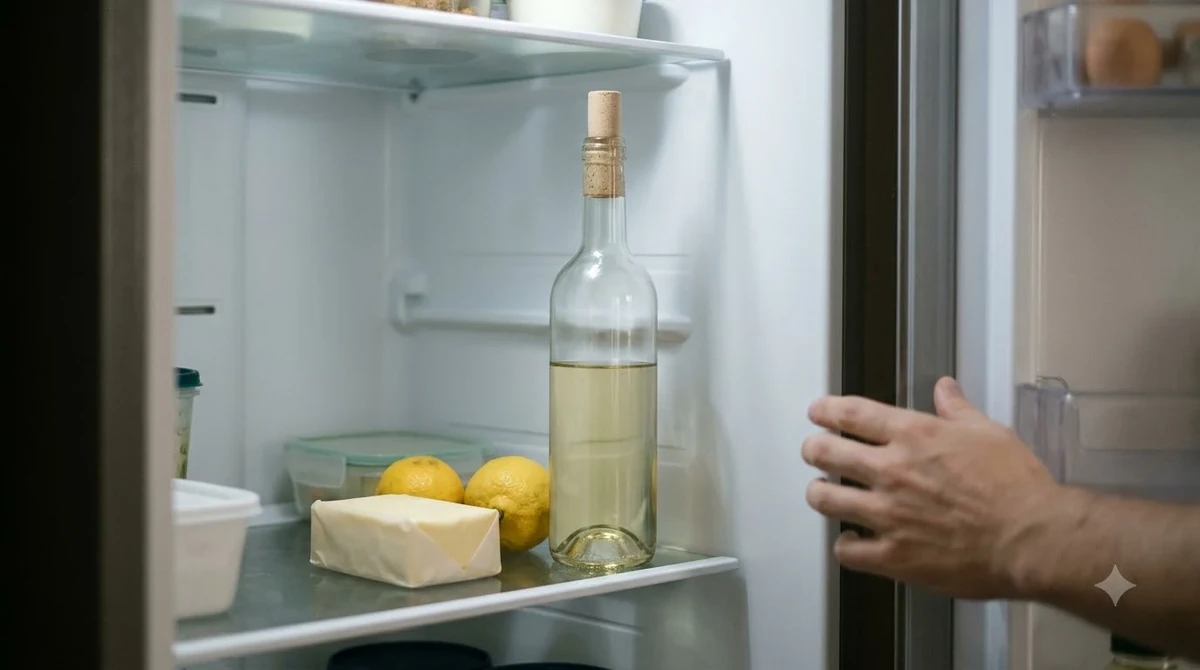
After opening, refrigerate still wine, including red, and use a stopper. Most opened still wines are best within 3–5 days; sparkling wine usually keeps for 1–3 days with a sparkling stopper. Store unopened bottles away from light and temperature swings, ideally on their side near 55°F when sealed with cork.
Tip: If a red tastes warm or alcoholic, chill the bottle for 10–15 minutes and try another small pour. Slightly cooler service can make Cabernet or Shiraz feel more balanced without changing the wine itself.
For food matching, keep the basic structure rules in mind: acidity works with acidity, salt and fat soften tannin, and a wine should be at least as sweet as a dessert. Avoid pairing a strongly tannic red with oily fish, where the combination can taste harsh. If the meal includes chili heat, choose a lower-tannin wine with moderate alcohol rather than a forceful Cabernet or Shiraz.
Frequently Asked Questions
These quick answers address the brand details and serving questions that often sit behind a first Charles Shaw purchase. They also clarify why the familiar nickname does not describe every aspect of the wine today.
Why is Charles Shaw called Two-Buck Chuck?
The nickname came from the wine’s early association with Trader Joe’s and its original low shelf price. The phrase endured as a cultural shorthand even after the retail price changed, so it should not be read as a promise about what a bottle costs today.
Is modern Charles Shaw wine made at the original Napa winery?
No. The original Charles Shaw Winery was established in St. Helena in 1974 and later went bankrupt. The Charles Shaw brand name was subsequently acquired by Fred Franzia, and the wines associated with the Trader Joe’s label were produced at Bronco Wine Company facilities in California’s Central Valley, not from the original Napa estate.
What does Nouveau mean on a Charles Shaw red?
Nouveau is French for “new.” In wine, the term signals a youthful release intended to be enjoyed for its fresh character rather than treated as a long-aging cellar bottle. It describes a style or release approach, not a grape variety.
Can the back label help identify who made a Trader Joe’s wine?
Sommelier André Hueston Mack explains that the back label can identify where a Trader Joe’s wine was produced or bottled and name the license holder. Some bottles also carry lot numbers that help distinguish a particular batch. Those details can help shoppers recognize a bottling they enjoyed previously.
Can Charles Shaw bottles change from one vintage to another?
Yes. Weather, grape sourcing, blending, and production choices can shift the aroma, acidity, body, and finish from one vintage or lot to the next. A bottle that suited a particular meal last year may be similar rather than identical the next time it appears.
Charles Shaw makes the most sense as an accessible line to choose by grape, food, and preferred level of sweetness, not as one single house flavor. Start with Merlot or Chardonnay for flexible everyday pairings, then branch into Cabernet, Sauvignon Blanc, Pinot Grigio, Shiraz, or White Zinfandel according to the meal.
More in Wine Brands
 Underwood Wine Price: Compare Bottles, Cans, and Pack SizesUpdated Nov 21, 2026
 Zenato Wine Price: Compare Styles and Choose the Right BottleUpdated Nov 21, 2026
 Zuccardi Wine Price: Compare Bottles and Find the Right RangeUpdated Nov 21, 2026
 Yellow Tail Moscato Review: Taste, Sweetness and Serving TipsUpdated Nov 21, 2026
 Wolf Blass Yellow Label Review: Choose Your Best StyleUpdated Nov 21, 2026
 Wolffer Estate Rose Review: Choose the Right Bottle for Your TableUpdated Nov 21, 2026