

We may earn a commission when you buy through links on this page, at no extra cost to you. Learn more.
The typical Chloe Prosecco price for a 750 ml bottle is approximately $12 to $17 at US retailers, with many listings clustering around $14. The Italian sparkling wine is made primarily from Glera grapes and offers fresh peach, green apple, citrus, and floral notes. Retailer, location, bottle size, and availability all influence the amount shoppers pay, so comparing several stores is a sensible way to find a fair price.
Chloe Prosecco is an approachable Italian sparkling wine for celebrations, casual gatherings, brunches, and aperitifs. Its fresh fruit profile and crisp finish make it versatile, while its relatively accessible retail positioning puts it within reach for shoppers who want an everyday bottle of bubbly rather than a premium Champagne. Understanding the usual price range, available sizes, and wine characteristics makes it easier to decide whether a particular bottle represents good value.
Who This Bottle Is For
Chloe Prosecco is a practical choice for shoppers who enjoy fresh, fruit-forward sparkling wine without wanting an especially complex or heavily structured bottle. Its Italian Prosecco DOC origin, Glera grape variety, and lively bubbles make it suitable for informal celebrations and food-friendly occasions.
The wine is particularly appealing to people who enjoy recognizable fruit flavors. The producer describes notes of peach, green apple, citrus, and flowers, supported by elegant acidity and a crisp finish. These characteristics make it approachable for people who are relatively new to sparkling wine, as well as regular Prosecco drinkers looking for a familiar style.
It also suits shoppers who want a bottle that can serve several purposes. A chilled glass works as an aperitif, while the wine can accompany light appetizers, seafood, and vegetable dishes. Its fresh acidity provides a useful contrast to fried or creamy foods, and its bubbles help refresh the palate between bites.
When Chloe Prosecco makes sense
Consider this wine for birthday gatherings, holiday appetizers, weekend brunches, and casual dinners. It is also a reasonable option when several guests prefer sparkling wine but do not necessarily want the richer yeast and toast characteristics associated with traditional-method sparkling wines.
People who prefer very sweet sparkling wines may want to approach it differently. ABC Fine Wine & Spirits describes Chloe Prosecco as very dry, so its fruit aromas should not be confused with high residual sweetness. Peach and apple flavors can create a fruity impression even in a relatively dry wine.
Shoppers interested in understanding the producer’s broader sparkling wine offering can start with Chloe Prosecco. That overview provides additional context for identifying the bottle and understanding its general style.
Who may prefer another style
Someone looking for a deeply complex sparkling wine with extended bottle aging, pronounced brioche aromas, and very fine, persistent mousse may prefer a traditional-method Champagne or Cava. Chloe Prosecco follows the Charmat production method, which emphasizes fresh fruit and lively sparkling character rather than the same emphasis on extended yeast contact.
Likewise, someone who specifically wants a sweet dessert sparkling wine should distinguish between fruit-forward aromas and actual sweetness. Chloe’s very dry classification makes it a better match for savory appetizers and lighter meals than for very sweet desserts.
Key Factors to Compare Before Buying
The most useful buying factors are bottle size, retailer pricing, wine classification, and the expected drinking occasion. Comparing these details helps establish whether a listing represents reasonable value rather than relying on the shelf price alone.
| Buying factor | Typical Chloe Prosecco detail | What to consider |
|---|---|---|
| Standard bottle | 750 ml | Suitable for sharing |
| Smaller format | 187 ml | Useful for individual servings |
| Grape variety | Glera | Fresh, fruit-led sparkling style |
| Country | Italy | Prosecco DOC origin |
| Alcohol content | 11% ABV | Check the specific product listing |
| Sweetness description | Very dry | Better suited to savory pairings |
| Production method | Charmat method | Emphasizes fresh fruit character |
| Typical serving temperature | 40–50°F | Chill before opening |
| Typical serving size | 5 oz | Approximately five glasses per 750 ml bottle |
The price is the first practical comparison. VinoAlert’s retailer comparison reports a typical price of approximately $13.99 for a 750 ml bottle, with many listings falling between about $12 and $17. Its tracked offers include lower and higher outliers, illustrating why a single retailer’s listing should not automatically be treated as the national standard. Prices vary by state and retailer.
For example, ABC Fine Wine & Spirits lists a 750 ml bottle at approximately $13, while Best Buy Liquors displays a listing in the lower teens. These retailer examples provide useful reference points, although local inventory, taxes, and fulfillment arrangements can change the amount a shopper actually pays.
VinoAlert also tracks smaller 187 ml bottles. The smaller format can be useful when one person wants a glass without opening a standard bottle, although the cost per milliliter may be higher than purchasing a full-size bottle.
Understanding price differences
Retail pricing is not determined by the wine alone. State alcohol regulations, local distribution arrangements, transportation, store operating costs, and inventory levels can all influence shelf prices.
Online retailers may also display different prices depending on whether the purchase involves delivery, local pickup, or a shipping arrangement. A retailer that appears inexpensive at first may add delivery charges or taxes later in checkout.
VinoAlert’s comparison explains that its typical price uses the median of other stores selling the same vintage and bottle size. That distinction matters because comparing a 187 ml bottle with a 750 ml bottle can create a misleading impression of value.
For a fair comparison, look at the same bottle format, the same wine designation, and the total purchase cost. Comparing two standard 750 ml bottles is much more useful than comparing one small bottle with one full-size bottle.
Tip: For a standard 750 ml bottle, use approximately $14 as a practical retail reference point. A listing around $12 to $16 is broadly consistent with the retailer prices tracked by VinoAlert, although local availability and state taxes can change the final amount.
Step-by-Step: How to Buy Chloe Prosecco
A straightforward buying process can help identify the correct bottle, avoid misleading size comparisons, and establish whether the retailer’s price is reasonable. Start with the bottle format and work through the product information before completing the purchase.
-
Identify the correct wine.
Look for Chloe Prosecco or Chloe Prosecco DOC rather than assuming every sparkling wine carrying the Chloe name is the same product. The standard wine is an Italian sparkling wine made from Glera grapes. The producer’s official Chloe Prosecco product description identifies the DOC origin and describes its fruit-forward style.
-
Choose the bottle size.
A 750 ml bottle is the standard option for sharing. A 187 ml bottle is a smaller alternative listed by retailers such as Best Buy Liquors and VinoAlert. Decide how many people will be drinking before choosing a format.
-
Establish a reasonable price range.
Use approximately $14 as a reference for a standard bottle, based on VinoAlert’s retailer comparison. A price in the approximate $12 to $17 range is consistent with many listed retail offers. Prices vary by state and retailer.
-
Compare at least two retailers.
Check the product page, bottle size, availability, and whether the listing includes pickup or delivery. A lower advertised price may not remain lower after taxes and shipping are included.
-
Confirm the wine specifications.
ABC Fine Wine & Spirits lists Glera, 11% ABV, and a very dry sweetness description. These details help distinguish the intended product from similarly named sparkling wines and clarify whether its style matches your preferences.
-
Consider the occasion.
For a group of several people, a 750 ml bottle is generally more practical. For an individual serving or a small tasting, the smaller 187 ml format may make more sense.
-
Plan the serving conditions.
Refrigerate the bottle before opening and aim for a serving temperature of approximately 40–50°F. Have suitable sparkling wine glasses ready and open the bottle carefully.
These steps also help prevent a common shopping mistake: assuming that the lowest advertised price always represents the best overall purchase. The right bottle size, convenient fulfillment, and a fair final cost are all part of good value.
Chloe Prosecco Styles and Wine Characteristics Explained
Chloe Prosecco is a Glera-based Italian sparkling wine from Prosecco DOC, with a style centered on freshness, fruit, and lively bubbles. Understanding the grape variety, production method, and sweetness description helps explain what the bottle offers for its retail category.
Glera and the Prosecco DOC designation
Glera is the grape associated with traditional Prosecco production. Chloe’s retailer product information identifies Glera as its variety, while Best Buy Liquors describes the wine as made from 100% Glera grapes.
The wine comes from Italy’s Veneto region, with Best Buy Liquors identifying the Asolo area as the primary location for its reported vineyard sourcing. This regional context helps explain the style’s emphasis on freshness and approachable fruit rather than heavy oak influence.
Prosecco DOC should not be confused with Champagne. Champagne comes from a designated French region and undergoes secondary fermentation in the bottle. Prosecco generally uses the tank-based Charmat method for its secondary fermentation, preserving the primary fruit character of the wine.
The Charmat production method
Best Buy Liquors describes Chloe Prosecco’s initial fermentation as taking place in stainless steel tanks under controlled temperatures. Its secondary fermentation takes place in pressure tanks using the traditional Charmat method.
During this process, the wine develops its sparkling character in a pressurized tank rather than undergoing the same bottle-fermentation process used for Champagne and many Cavas. This production approach is particularly suited to sparkling wines where fresh fruit aromas and an uncomplicated, lively profile are central characteristics.
The result is a wine intended for relatively immediate enjoyment. Its peach, apple, and citrus characteristics are best appreciated while the bubbles remain fresh and the wine is properly chilled.
Sweetness and acidity
ABC Fine Wine & Spirits describes Chloe Prosecco as very dry. Its fruit-forward aromas may suggest sweetness, but aromas and sweetness are separate characteristics. A wine can smell of ripe peach and apple while still tasting relatively dry.
Its acidity provides freshness and helps prevent the wine from feeling heavy. The combination of acidity and bubbles makes it useful with salty appetizers, seafood, and fried foods.
For readers interested in the alcohol specification, the retailer lists the wine at 11% ABV. Additional information about the strength and serving implications can be found in this Chloe Prosecco alcohol content overview.
Flavor expectations
The producer identifies peach, green apple, citrus, and floral notes. Best Buy Liquors also describes a light straw-yellow color with greenish hues. These characteristics suggest a fresh, fruit-led sparkling wine rather than a rich, deeply developed bottle.
Green apple and citrus provide a crisp impression, while peach adds a softer fruit element. Floral aromas contribute an appealing aromatic character without requiring the drinker to have extensive wine knowledge to appreciate the style.
The producer also describes a hint of minerality in the finish. That characteristic complements the acidity and helps the wine retain a clean impression after each sip.
For a more detailed breakdown of aroma, palate, and finish, see the Chloe Prosecco tasting notes article.
Common Mistakes When Comparing Prices
The biggest buying mistakes involve comparing different bottle sizes, confusing sweetness with fruitiness, and treating an unusual retailer listing as the normal market price. A little attention to the product details makes these errors easier to avoid.
Comparing different bottle sizes
A 187 ml bottle and a 750 ml bottle are not directly comparable by shelf price. The smaller bottle contains less than one-third of the wine in a standard bottle, so its lower total price does not necessarily mean it offers better value.
To compare them properly, calculate the price per 100 ml or per liter. A full-size bottle may be more economical for a dinner with several guests, while a small bottle may be more convenient for an individual serving.
Assuming every store has the same price
Retailers operate in different markets and have different costs. A store in one state may have a different retail structure from a store in another state, even when both sell the same non-vintage wine.
VinoAlert’s comparison illustrates this variation, with standard-size listings appearing at different price points across multiple stores. Its tracked range includes unusually expensive listings as well as lower-priced offers. The most useful reference is the concentration of ordinary retailer listings rather than an isolated high or low figure.
Confusing Prosecco with Champagne
Prosecco and Champagne are both sparkling wines, but they are not interchangeable terms. Champagne is associated with a specific French appellation and traditional bottle fermentation, while Chloe Prosecco comes from Italy’s Prosecco DOC and uses the Charmat method described by Best Buy Liquors.
These differences affect production, texture, and typical flavor development. A shopper who specifically wants Champagne-style yeast and brioche characteristics should not expect the same profile from a fresh, fruit-focused Prosecco.
Assuming fruity means sweet
Peach, apple, and citrus aromas do not automatically mean a sparkling wine is sweet. Chloe’s retailer listing identifies its sweetness as very dry, so the wine should be approached as a dry sparkling option rather than a dessert-style bubbly.
This distinction becomes particularly important when choosing wine for a meal. A dry sparkling wine can complement savory dishes, while a very sweet dessert generally needs a wine that is at least as sweet as the food.
Ignoring the total checkout cost
Online listings may exclude delivery, taxes, or other fulfillment charges from the initial displayed amount. A retailer that appears slightly cheaper may become more expensive after these costs are added.
Always compare the final purchase total for the same quantity and bottle size. This is particularly useful when ordering from an online store that serves multiple states or has different pickup and delivery arrangements.
Care, Serving, and Storage Tips
Chloe Prosecco is best enjoyed chilled and relatively soon after purchase rather than stored for extended aging. Proper refrigeration, careful opening, and a suitable glass help preserve the wine’s fresh fruit character and sparkling texture.
Chilling the bottle
Serve sparkling wine at approximately 40–50°F. This temperature range keeps the wine refreshing while allowing its peach, apple, citrus, and floral aromas to remain noticeable.
A refrigerator is a convenient way to chill the bottle before serving. If time is limited, place the bottle in an ice bucket containing ice and water. The water helps transfer cold more evenly around the glass than ice alone.
Avoid serving the wine excessively warm. Higher temperatures can make the alcohol seem more prominent and reduce the refreshing impression that makes Prosecco appealing.
Opening the bottle safely
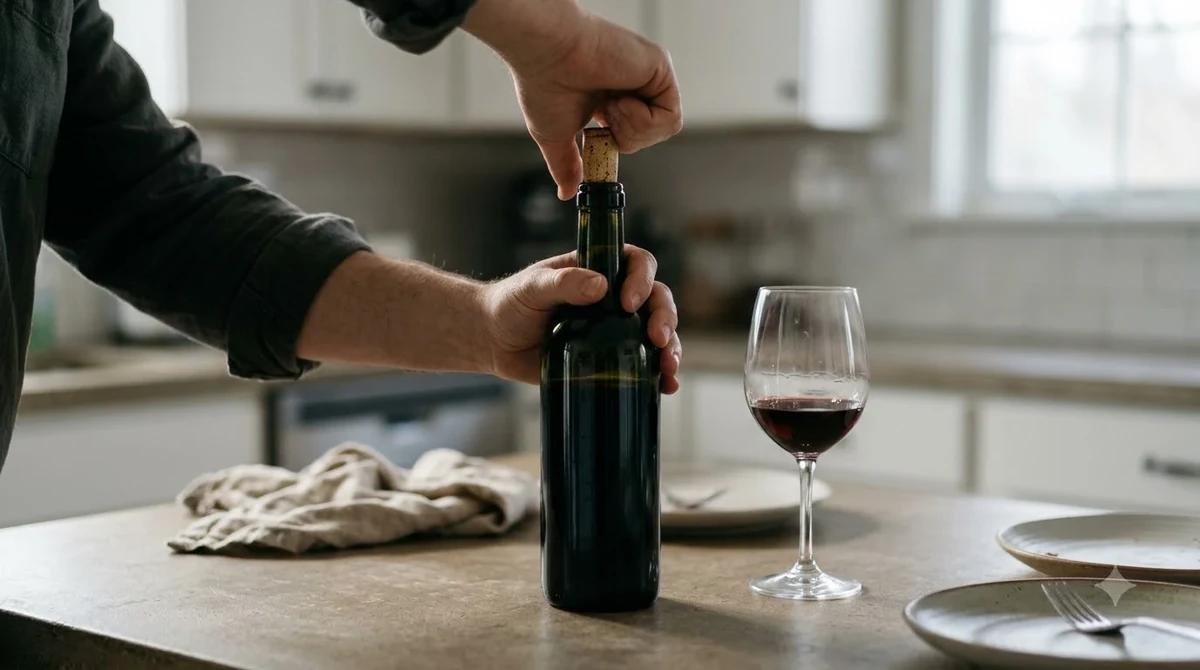
Remove the foil and loosen the wire cage while keeping a hand over the cork. Point the bottle away from people, glassware, and other breakable objects.
Hold the cork firmly and rotate the bottle slowly rather than pulling the cork upward. A controlled release helps avoid spilling the wine and reduces the risk of a cork striking someone.
Choosing glassware
A flute helps preserve the visual appearance of the bubbles and is convenient for parties. A white wine glass provides more room for the aromas to develop, making it useful when paying closer attention to the peach, apple, and floral notes.
Neither glass is essential. A clean, appropriately sized wine glass is sufficient for casual enjoyment, and the most important factors are serving temperature and the freshness of the bottle.
Pairing with food
Chloe Prosecco’s acidity and bubbles make it a versatile companion for lighter foods. Try it with shrimp, grilled white fish, vegetable appetizers, mild cheeses, and salty snacks.
Fried appetizers are another useful pairing. The wine’s freshness provides contrast to the richness of fried foods, while its bubbles help refresh the palate.
It can also work with fresh fruit and lightly seasoned pasta dishes. Avoid very spicy dishes if the wine is served alongside them, because alcohol can amplify the perception of chili heat.
Storing an opened bottle
Once opened, sparkling wine gradually loses its carbonation. A sparkling wine stopper can help maintain the bubbles, although it cannot preserve the original condition indefinitely.
Keep the opened bottle refrigerated and aim to finish it within approximately one to three days. The wine may remain drinkable beyond that period, but its bubbles and fresh aromatic character will generally decline.
For an unopened bottle, keep it away from direct sunlight and major temperature fluctuations. A cool, stable storage environment is preferable to a warm kitchen counter or a location beside an oven.
Because Chloe Prosecco is designed around fresh fruit and lively bubbles, there is little reason to purchase it with the intention of long-term bottle aging. Buying it closer to the occasion when it will be served is a sensible approach.
Frequently Asked Questions
How many glasses can you pour from a bottle of Chloe Prosecco?
A standard 750 ml bottle provides approximately five servings when each glass contains 5 oz. Actual servings vary depending on glass size and how generously the wine is poured. A 187 ml bottle provides slightly more than one standard 5 oz serving.
Does Chloe Prosecco need to be decanted?
No, decanting is generally unnecessary for this style of sparkling wine. Opening and pouring the chilled bottle directly into clean glassware preserves its intended lively carbonation. Decanting can cause the bubbles to dissipate more quickly.
Can Chloe Prosecco be used to make a Mimosa?
Yes. Its peach, green apple, and citrus characteristics can work well with orange juice in a Mimosa. Pour the chilled sparkling wine first and add the juice gradually to help control the final flavor and carbonation.
Is Prosecco DOC the same classification as Prosecco Superiore DOCG?
No. Prosecco DOC and Prosecco Superiore DOCG are separate Italian wine appellation classifications. DOCG applies to more specifically designated production areas, including Conegliano Valdobbiadene and Asolo, while the broader Prosecco DOC designation covers a larger production territory.
Does Chloe Prosecco have a vintage year?
Retailer comparisons identify the commonly listed Chloe Prosecco as non-vintage, or NV. This means the bottle is not presented as a wine from one specifically identified harvest year. Non-vintage sparkling wines are generally intended to provide a consistent house style across releases.
Chloe Prosecco is a practical choice for shoppers who want fresh Italian sparkling wine with recognizable fruit flavors and a crisp finish. For a standard 750 ml bottle, approximately $14 is a useful retail benchmark, with actual prices varying by state, retailer, and availability. Compare bottle sizes and final checkout costs before buying, then serve the wine well chilled to enjoy its lively sparkling character.
More in Wine Brands
 Underwood Wine Price: Compare Bottles, Cans, and Pack SizesUpdated Nov 21, 2026
 Zenato Wine Price: Compare Styles and Choose the Right BottleUpdated Nov 21, 2026
 Zuccardi Wine Price: Compare Bottles and Find the Right RangeUpdated Nov 21, 2026
 Yellow Tail Moscato Review: Taste, Sweetness and Serving TipsUpdated Nov 21, 2026
 Wolf Blass Yellow Label Review: Choose Your Best StyleUpdated Nov 21, 2026
 Wolffer Estate Rose Review: Choose the Right Bottle for Your TableUpdated Nov 21, 2026