


We may earn a commission when you buy through links on this page, at no extra cost to you. Learn more.
The best sweet red wine brands include Oliver, Stella Rosa, Riunite, and producers of Lambrusco, Brachetto d’Acqui, and Port, depending on how sweet, fruity, sparkling, or full-bodied you want your wine. Oliver is a useful starting point for approachable Concord-based sweetness, while Stella Rosa offers a lightly sparkling Italian red with strawberry and raspberry flavors. For a more traditional wine experience, explore sweet Lambrusco, Brachetto d’Acqui, or a rich Ruby Port.
Sweet red wine covers a much wider range than the inexpensive, sugary bottles that sometimes come to mind. Some examples are light, fizzy, and refreshing, while others are rich, concentrated dessert wines with substantial alcohol and lingering sweetness. The producer, grape variety, and winemaking method all influence the finished bottle.
Choosing a brand is easier when you first decide how sweet you want the wine to taste. The following guide compares recognizable American labels with Italian specialties, German grapes, and traditional fortified wines, helping you find a bottle that matches your preferences and the occasion.
Who Should Choose Sweet Red Wine
Sweet red wine is a good choice for drinkers who prefer noticeable fruit and residual sugar instead of the dry, tannic finish associated with many traditional reds. It also works for casual dinners, celebrations, and dessert pairings, with options ranging from lightly sweet 5% ABV sparkling wines to fortified bottles containing considerably more alcohol.
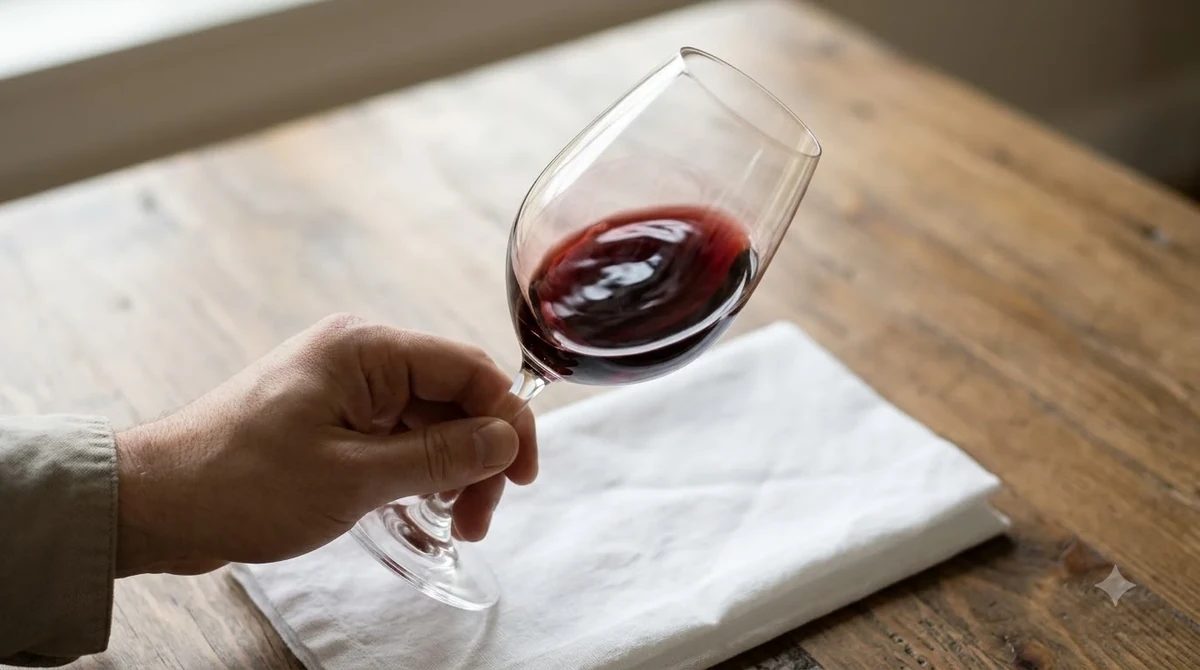
People new to red wine often appreciate the softer impression created by sweetness. A dry Cabernet Sauvignon can have firm tannins and a structured finish, whereas a sweet Concord-based red generally emphasizes grape flavor, smoothness, and a rounded impression. This difference makes sweet reds approachable without requiring extensive wine knowledge.
Several types of drinkers may find particular brands or styles especially appealing:
- Beginners: Oliver Sweet Red and approachable American sweet blends provide familiar fruit flavors without demanding an understanding of regional wine terminology.
- Fans of sparkling wine: Stella Rosa Red and sweet Lambrusco offer gentle bubbles, bright fruit, and refreshing serving temperatures.
- Dessert lovers: Brachetto d’Acqui and Recioto della Valpolicella provide concentrated sweetness and more distinctive regional character.
- Fans of stronger wines: Ruby Port offers a richer, fortified alternative with more alcohol and a deeper flavor profile.
- Drinkers who prefer less sweetness: A medium-sweet Lambrusco Amabile or an appropriately labeled Dornfelder can offer fruit without tasting like a dessert wine.
It is important to distinguish sweetness from fruitiness. A red wine can smell like ripe cherries, blackberries, or plums and still finish completely dry. Likewise, a wine described as smooth is not necessarily sweet. If sweetness is the priority, look for terms such as sweet, semi-sweet, Amabile, or Dolce rather than relying on flavor descriptions alone.
Shoppers who want a broader explanation of sweetness levels can also explore this guide to sweet red wine. Understanding the difference between fruit-forward and genuinely sweet wines makes brand comparisons much more useful.
Key Factors to Compare Before Buying
The most useful comparisons involve residual sugar, alcohol content, grape variety, carbonation, and intended serving occasion. For example, Stella Rosa Red has 5% ABV, Oliver Sweet Red has 11% ABV, and traditional fortified Port can fall within a much higher 16–23% ABV range.
These differences affect more than the label. They influence how a wine feels, how much you might pour, which foods complement it, and whether it is better suited to casual sipping or a dessert course.
| Wine or style | Typical sweetness | ABV | Best reason to consider it |
|---|---|---|---|
| Stella Rosa Red | Semi-sweet | 5% | Light sparkling fruit character |
| Brachetto d’Acqui Rosso | Sweet | About 5.5% | Strawberry and floral aromas |
| Brachetto d’Acqui Spumante | Sweet | About 6% | More pronounced sparkling character |
| Riunite Lambrusco | Sweet style | About 8% | Accessible Italian sparkling red |
| Oliver Sweet Red | Just sweet enough | 11% | Concord grape flavor |
| Typical Lambrusco | Varies by label | About 11–12% | Choice of dry through sweet styles |
| Fortified red Port | Sweet | About 16–23% | Rich dessert-style drinking |
These figures are useful comparison points rather than universal specifications for every bottle. The alcohol figures for Stella Rosa, Oliver, and the Brachetto styles are drawn from their respective producer information or Wine Folly’s style descriptions. Lambrusco and fortified Port figures describe broader wine categories.
Residual sugar and perceived sweetness
Residual sugar is the natural grape sugar left in wine after fermentation. It is usually measured in grams per liter, abbreviated g/L. The amount remaining helps explain why two reds with similar fruit aromas can taste completely different.
For Lambrusco, Wine Folly describes Amabile as approximately 40–50 g/L residual sugar and Dolce as approximately 50 g/L or more. These are useful reference points for shoppers who want an identifiable sweetness rather than merely a fruity aroma.
Acidity also matters. A wine with noticeable acidity can taste fresher and less sugary than a wine with comparable residual sugar but softer acidity. This is one reason sparkling sweet reds can remain refreshing despite their sweetness.
Alcohol and carbonation
Alcohol content is another important comparison. A 5% ABV sparkling red is quite different from an 11% ABV still wine or a fortified Port approaching 20% ABV. The stronger wine is generally better suited to smaller pours and slower enjoyment.
Carbonation changes the overall experience, too. Lightly sparkling wines feel lively and refreshing, while still wines have a quieter texture. Neither is automatically sweeter, so it is useful to compare sweetness terminology separately from carbonation.
Tip: Compare alcohol content and sweetness independently. A low-alcohol red is not automatically sweet, and a high-alcohol red is not necessarily dry. Look for both characteristics before choosing a bottle.
For shoppers comparing several producers and styles, a broader overview of the best red wine brands can help put sweet options alongside more traditional red wine choices.
Step-by-Step: How to Find the Right Brand
A practical buying process starts with your preferred sweetness level, then narrows the selection by style, alcohol, and occasion. Comparing Stella Rosa, Oliver, and Riunite, for example, makes more sense when you decide whether you want a still American red or a lighter Italian sparkling wine first.
-
Decide how sweet you want the wine.
For a gentle sweetness, start with a semi-sweet red or Lambrusco Amabile. For a more pronounced dessert-like impression, explore Lambrusco Dolce, Brachetto d’Acqui, or Ruby Port. This first decision eliminates many bottles that may be fruity but finish dry.
-
Choose between still and sparkling.
If you enjoy bubbles, consider Stella Rosa Red, Riunite, or another sweet Lambrusco. If you prefer a conventional still red, explore Oliver Sweet Red, Sweet Walter Red, or a suitable sweet red blend.
-
Compare the grape varieties.
Concord produces a familiar, grape-forward character in wines such as Oliver Sweet Red and Sweet Walter Red. Brachetto offers strawberry and floral notes, while Lambrusco can bring cherry, blackberry, violet, and other dark-fruit flavors.
-
Check alcohol content.
Compare the 5% ABV listed for Stella Rosa Red with Oliver’s 11% ABV. If considering Port, remember that fortified red wines can contain approximately 16–23% ABV, so a smaller serving is appropriate.
-
Match the bottle to the food.
Consider Oliver with burgers, barbecue, or pepperoni pizza. Stella Rosa Red is suggested with Asiago cheese and turkey burgers, while sweet Brachetto is particularly suitable for berry desserts and chocolate.
-
Buy one bottle before committing to a larger quantity.
Sweetness is highly personal. A bottle that seems pleasantly fruity to one person might taste excessively sweet to another. Starting with a single 750 ml bottle allows you to assess the balance, acidity, and texture before buying more.
-
Serve it at an appropriate temperature.
Chill light sparkling reds before serving. For a lighter still red, approximately 55–60 F is a useful serving range. Sweet whites and sweet reds should not automatically be treated as the same category, so adjust the temperature to the wine’s style.
Following these steps also helps avoid an easy shopping mistake: selecting a famous red wine brand and assuming its entire range is sweet. Even producers associated with approachable wines can make dry, semi-sweet, and dessert-style bottles. The general advice in this wine-buying guide is useful when comparing labels, grape varieties, and production styles.
Sweet Red Wine Types and Brands Explained
The strongest buying options fall into several recognizable groups: American Concord wines, Italian sparkling reds, sweet red blends, German Dornfelder, and fortified dessert wines. Oliver, Stella Rosa, and Riunite are useful starting points, but regional styles offer additional variety for shoppers who want something different.
Oliver Sweet Red: An approachable American choice
Oliver Sweet Red is a practical option for drinkers who enjoy familiar Concord grape flavor. Oliver Winery describes the wine as smooth, fruity, and ruby-red, with a fresh character and sweetness that is intended to remain approachable.
The producer lists a 750 ml bottle at 11% ABV. Its tasting profile is particularly relevant for people who prefer recognizable grape flavors instead of the darker, more structured character of many traditional European reds.
Oliver also gives shoppers straightforward serving ideas. Its recommendations include pepperoni pizza, burgers, barbecue, and chocolate. The wine can be served chilled, poured over ice, or incorporated into a cocktail, making it flexible for informal occasions.
Stella Rosa Red: Light and sparkling
Stella Rosa Red is an Italian semi-sweet, semi-sparkling wine made with Brachetto grapes. Its 5% ABV makes it a noticeably lighter alternative to Oliver Sweet Red, while its raspberry, wild strawberry, and red plum flavors create an approachable fruit-forward profile.
This is a particularly useful choice for people who enjoy sparkling wine but want something red and sweet rather than a conventional dry sparkling bottle. The bubbles provide freshness, and the fruit character works well with cheese, berries, and lighter desserts.
The producer recommends pairing Stella Rosa Red with Asiago cheese, spicy cioppino, turkey burgers, strawberry shortcake, and mixed berries. Those suggestions make it an adaptable bottle for appetizers and casual celebrations.
Riunite and other Lambrusco producers
Riunite is a familiar name associated with semi-sparkling Lambrusco from Emilia-Romagna. It is a useful introduction to the category, particularly for people who want a red with bubbles and an accessible sweetness level.
However, Lambrusco is not one fixed flavor or sweetness level. It represents a family of grapes and wines from northern Italy, with different regions and producers offering distinct expressions. Wine Folly identifies Lambrusco di Sorbara, Lambrusco Salamino di Santa Croce, and Lambrusco Grasparossa di Castelvetro among the important styles.
Pay particular attention to the sweetness terminology:
- Secco: Dry, generally unsuitable for shoppers specifically seeking sweet wine.
- Semisecco: An off-dry direction that may suit drinkers who prefer only a little sweetness.
- Amabile: A noticeably softer, medium-sweet style.
- Dolce: The sweeter option, appropriate for people who want a more dessert-like red.
The important lesson is to shop by the complete wine description, not simply the word Lambrusco. Two bottles with the same grape-family name can have substantially different sweetness levels.
Brachetto d’Acqui: Strawberry and floral character
Brachetto d’Acqui is one of Italy’s most distinctive sweet red styles. It comes from Piedmont and is known for strawberry, raspberry, sweet cherry, and floral aromas. It is especially appealing to drinkers who prefer lighter-bodied wines with noticeable sweetness.
Wine Folly describes Brachetto d’Acqui Rosso as typically containing approximately 5.5% ABV and 90–115 g/L residual sugar. The Spumante version is more fully sparkling and commonly has approximately 6% ABV.
Another variation is Brachetto Passito, which uses grapes dried on wooden racks for several weeks before pressing. This process creates a richer, more concentrated wine than the lighter sparkling versions.
Jam Jar and Sweet Walter Red
Jam Jar is another recognizable name for shoppers exploring sweeter reds. Armchair Sommelier identifies it as a South African sweet red made with Shiraz grapes, with approximately 5.7% residual sugar and 13% ABV. It is a useful consideration for someone who wants a fuller-bodied red rather than a lightly sparkling wine.
Sweet Walter Red offers a different direction. It is described as a blend of Concord, Rougeon, and Baco grapes associated with New York’s Finger Lakes region. Its appeal is the familiar fruit-forward profile associated with American sweet red blends.
Both names are worth investigating, but they should not be treated as interchangeable. Jam Jar is Shiraz-based, whereas Sweet Walter Red uses a different grape combination. The resulting flavor and structure can be quite different. Shoppers interested in this category can compare more styles in this guide to sweet red blends.
Ruby Port and Recioto: Dessert-style alternatives
Ruby Port is a fortified red wine from Portugal’s Douro region. Its sweetness, darker fruit flavors, and higher alcohol content make it a better fit for small dessert servings than for casual large glasses.
Wine Folly places fortified sweet reds in a typical 16–23% ABV range and recommends approximately 3 oz servings. Ruby Port, Late Bottled Vintage Port, and Vintage Port are useful styles to investigate if you want a richer wine with more intensity.
Recioto della Valpolicella is another distinctive option. Produced in Italy’s Veneto region, it is a sweet passito wine associated with concentrated black cherry, cranberry, vanilla, cinnamon, and chocolate flavors. It is a particularly interesting choice for people who want a more traditional dessert wine rather than an everyday sweet blend.
Common Mistakes When Shopping for Sweet Reds
The biggest mistake is assuming that a fruity aroma or a smooth description guarantees residual sugar. Another is overlooking the difference between a lightly sparkling 5% ABV red and a fortified Port that can contain more than 20% ABV.
These errors can lead to disappointing purchases, particularly for shoppers who are new to red wine. A little attention to labeling and production style can make the selection process much more reliable.
Confusing fruit-forward with sweet
Many dry reds smell like ripe cherries, blackberries, plums, or blueberries. Those aromas come from the grapes and winemaking process; they do not necessarily mean sugar remains in the finished wine.
For example, a dry Shiraz can have rich blackberry aromas without tasting sweet. A sweet red blend, by contrast, may retain enough residual sugar to create a clearly sweet finish. If sweetness is essential, look for an explicit sweetness description.
Assuming every Lambrusco is sweet
Lambrusco has a broad range of styles, including dry Secco and sweet Dolce. Choosing a random bottle simply because it says Lambrusco can result in a wine that does not match your preferences.
Look for Amabile or Dolce if you want sweetness. If you prefer a less sugary finish, a semisecco bottle may be a better starting point. The distinction is especially important when comparing bottles from Modena, Reggiano, and other Emilia-Romagna production areas.
Ignoring alcohol content
Sweetness does not indicate how much alcohol a wine contains. Stella Rosa Red has 5% ABV, Oliver Sweet Red has 11% ABV, and fortified Port can reach approximately 23% ABV.
These are substantial differences. A sweet fortified wine can feel richer and more concentrated than a light sparkling red, even when both appeal to people who prefer sweet flavors.
Buying based on a familiar producer alone
A producer may offer several styles, and its name alone cannot establish the sweetness of every bottle. Even a brand associated with sweet wines may have different blends, grape varieties, and sweetness levels.
Compare the specific bottling, grape information, and style description rather than assuming that all wines from one producer taste alike. This is particularly important when moving from American sweet blends to Italian regional wines.
Serving sweet red too warm
Warm temperatures can make a sweet red feel heavier and emphasize its alcoholic character. Light sparkling reds generally benefit from refrigeration, while a lightly chilled still red can retain more freshness than one served too warm.
Do not confuse serving temperature with storage temperature. A bottle intended for immediate enjoyment can be chilled before opening, while long-term storage requires a more stable environment.
Care, Serving, and Storage Tips
Sweet red wine generally benefits from careful temperature control, appropriate glass sizes, and refrigeration after opening. A light sparkling bottle such as Stella Rosa Red should be served chilled, while a richer dessert-style red such as Ruby Port is better enjoyed in smaller portions.
Choose the right serving temperature
Light reds are generally served at approximately 55–60 F, while fuller-bodied reds are usually served around 60–65 F. Sweet sparkling reds benefit from cooler temperatures, which help preserve their lively texture and refreshing fruit character.
Oliver Winery specifically recommends serving Oliver Sweet Red chilled, over ice, or in a cocktail. Stella Rosa’s pairing recommendations also favor a chilled serving approach. For a casual gathering, chilling the bottle before guests arrive is a straightforward way to make the wine more refreshing.
Use an appropriate glass and pour size
A standard wine pour is approximately 5 oz, and a 750 ml bottle provides about five such servings. For lighter sweet reds, a regular wine glass is suitable, while sparkling wines can also be presented in sparkling-wine glasses.
Fortified wines deserve a different approach. Wine Folly recommends approximately 3 oz portions for fortified sweet reds because of their higher alcohol content. This smaller serving also makes sense for richly concentrated wines such as Port and Recioto.
Store unopened bottles properly
For longer storage, keep wine bottles on their sides in a stable environment near 55 F. Avoid direct sunlight, frequent temperature changes, and locations close to heat-producing appliances.
Not every sweet red is intended for extended aging. Many approachable bottles, including everyday sparkling wines and American sweet blends, are designed for relatively early enjoyment. More concentrated wines such as Recioto can have considerably greater aging potential; Wine Folly notes that well-made examples can age for approximately 20–30 years.
Preserve opened wine
Refrigerate opened still wines and use an appropriate closure to reduce exposure to oxygen. Most opened still wines generally remain enjoyable for approximately 3–5 days when stored properly, although their freshness and flavor can change during that period.
Sparkling wine generally has a shorter refrigerated life of approximately 1–3 days. A suitable sparkling-wine stopper helps retain carbonation. Fortified wines can last several weeks after opening under appropriate storage conditions, depending on their style.
Before serving an opened bottle again, check its aroma and flavor. A sweet wine that has become noticeably flat, dull, or unpleasant may no longer offer the experience intended by the producer.
Frequently Asked Questions
Which sweet red wine brand is best for someone who dislikes grape juice flavors?
Brachetto d’Acqui is a useful alternative because it emphasizes strawberry, raspberry, cherry, and floral characteristics rather than the familiar Concord grape profile. Some Lambrusco styles also provide darker berry and floral notes. Choosing a specific regional style can make the wine feel more varied than a straightforward American sweet red.
Can sweet red wine be used in cooking?
Yes, although the recipe should account for the wine’s residual sugar. Sweet red wine can contribute fruitiness to certain sauces, glazes, and dessert preparations. Reduce added sugar in the recipe when using a particularly sweet wine, and avoid substituting dessert-style Port automatically for a dry cooking wine.
Does sweet red wine need decanting?
Most approachable sweet reds do not require decanting. Young, full-bodied dry reds are more commonly decanted for approximately 30–60 minutes when additional aeration is desirable. A light sparkling Brachetto or Lambrusco should generally be opened shortly before serving so its bubbles remain lively.
Can sweet red wine be used to make sangria?
Yes. A still sweet red can provide a fruity foundation for sangria, especially when combined with citrus, fresh berries, and sparkling water. Because the wine already contains sweetness, avoid adding large quantities of sweetened juice or syrup before tasting the finished mixture.
Why does some sweet red wine have bubbles while other bottles are still?
Carbonation depends on the production method and the wine’s intended style, not simply its sugar content. Some sparkling reds retain carbon dioxide from fermentation or receive carbonation during production. Lambrusco and Brachetto are familiar examples of Italian red wines available in sparkling or lightly sparkling forms.
The best sweet red wine brands depend on whether you prefer familiar Concord flavors, refreshing Italian bubbles, or concentrated dessert wines. Oliver, Stella Rosa, and Riunite are approachable starting points, while Lambrusco Dolce, Brachetto d’Acqui, and Ruby Port offer additional styles to explore. Begin with one bottle that matches your preferred sweetness and alcohol level, then expand your selection as you discover which grape varieties and regional styles you enjoy most.
More in Wine Buying Guides
 Cheap Red Blend: How to Find a Flavorful Bottle for LessUpdated Nov 20, 2026
 Pinot Grigio Gift: How to Choose a Bottle They’ll EnjoyUpdated Nov 20, 2026
 Best White Wine at Total Wine for Every MealUpdated Nov 20, 2026
 Wine Fridge Replacement Shelves: Find the Right FitUpdated Nov 20, 2026
 Best Sparkling Wine Under 20: Find Bubbles Worth BuyingUpdated Nov 20, 2026
 Best Wine For Birthday Celebrations With Perfect Party PairingsUpdated Nov 20, 2026