

We may earn a commission when you buy through links on this page, at no extra cost to you. Learn more.
The best rose at whole foods for most shoppers is a dry, fruit-forward rosé, with La Vieille Ferme Rosé being a particularly practical bottle to look for. Whole Foods has featured this 750 ml Rhône rosé in its online wine selection, making it a useful starting point for shoppers seeking an approachable pink wine. For a more specific choice, look for Provence rosé when you prefer crisp, mineral flavors, Spanish rosado when you want more ripe fruit, or a sweeter blush wine when you enjoy noticeable sweetness.
Shopping for rosé at Whole Foods is easier when you know what to look for beyond the color of the bottle. Whole Foods organizes its wine selection into categories that include rosé, red, white, sparkling, dessert, and non-alcoholic wine. Individual store selections can differ, so a bottle appearing in the online catalog should be treated as a useful lead rather than a guarantee of nationwide availability. Understanding sweetness, grape varieties, acidity, and food compatibility helps narrow the options without relying on a particular label.
Who This Is For: Finding the Right Whole Foods Rosé
The right rosé depends on whether you prefer crisp, dry wine or something softer and fruitier. Most shoppers looking for a versatile bottle should begin with dry rosé, especially wines associated with Provence or the southern Rhône.
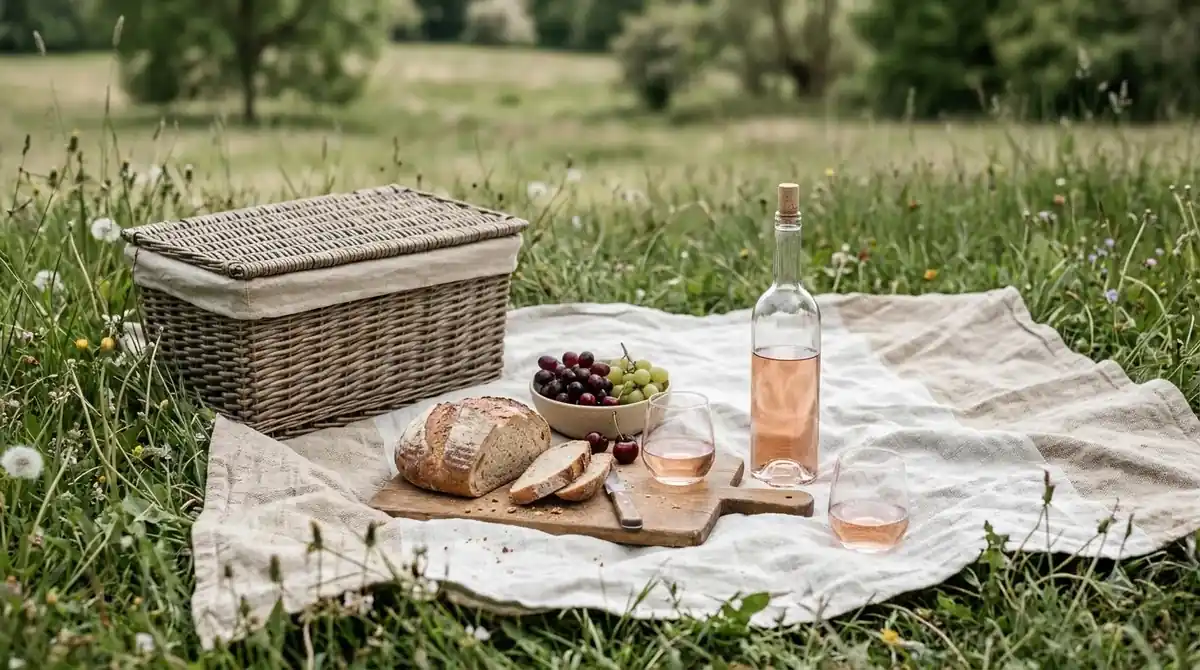
Whole Foods Market organizes its wine department around several major categories, including rosé wine. Its online catalog has featured La Vieille Ferme Rosé in a 750 ml bottle, making it a specific option worth investigating rather than relying entirely on general recommendations. The same catalog also lists La Vieille Ferme red and white wines separately, so shoppers can distinguish the rosé from the producer’s other offerings.
La Vieille Ferme Rosé is a practical starting point for someone who wants to explore French pink wine without immediately choosing an unfamiliar regional specialty. Its Rhône association makes it relevant to shoppers interested in southern French wine styles. It is worth looking for if you want an approachable bottle to serve with lunch, casual appetizers, or uncomplicated weeknight meals.
This guide is particularly useful for three kinds of shoppers:
- Dry-wine drinkers: Look for Provence, southern French, Italian rosato, or dry Spanish rosado. These styles generally emphasize refreshing acidity and fresh fruit instead of obvious sweetness.
- New rosé drinkers: Start with a fruit-forward Rhône rosé or an approachable off-dry bottle. These offer recognizable fruit flavors without requiring detailed knowledge of wine regions.
- Food-focused shoppers: Choose a dry wine with enough acidity to complement seafood, salads, chicken, and vegetable dishes.
If you usually prefer Cabernet Sauvignon or Merlot, rosé can offer a refreshing alternative without moving completely away from red-grape flavors. If you normally drink Sauvignon Blanc, a crisp Provence rosé can provide a similarly refreshing experience with additional strawberry and watermelon notes. Shoppers comparing the wider supermarket wine selection can also consult our guide to the best red wine at whole foods or the best white wine at whole foods for alternatives.
Key Factors to Compare Before Buying Rosé
Four factors matter most when comparing rosé: sweetness, acidity, body, and grape variety. These characteristics tell you considerably more about the wine than whether the bottle contains pale pink, salmon, or deeper coral-colored wine.
Start with sweetness. Dry rosé is generally the most versatile choice because its fresh acidity and restrained fruit work with both food and casual drinking. Off-dry wine has a small amount of perceptible sweetness, while sweet rosé tastes noticeably fruitier and softer. Wine.com explains that residual sugar determines sweetness, whereas skin contact during winemaking determines much of the wine’s color. A pale pink bottle is therefore not automatically dry.
Acidity is the next consideration. A lively rosé refreshes the palate and works particularly well with seafood, vinaigrettes, and fresh vegetables. Medium-acidity Provence wines provide a balanced alternative when you want freshness without the sharper sensation associated with some highly acidic white wines. Body also matters: light-bodied wines suit appetizers and lighter meals, while fuller-bodied rosés can accompany grilled chicken, richer pasta, and more substantial dishes.
Use the following comparison when standing in front of the wine shelf:
| Factor | What to Look For | Typical Characteristics | Best Use |
|---|---|---|---|
| Sweetness | Dry, off-dry, or sweet | Low to noticeable residual sugar | Match personal preference and food |
| Acidity | Fresh, crisp profile | Medium to high | Seafood, salads, and vegetables |
| Body | Light or medium-bodied | Delicate to rounded texture | Appetizers or main courses |
| Alcohol | ABV percentage | Approximately 11%–14% for many rosés | Understand the wine’s general strength |
| Bottle size | 750 ml standard bottle | About five 5 oz servings | Small gatherings and dinner |
| Serving temperature | Chilled, not frozen | 45°F–50°F for light rosé | Preserve freshness and aroma |
Grape variety can help narrow your decision further. Grenache and Cinsault frequently appear in dry southern French rosé, producing red-fruit flavors and refreshing finishes. Mourvèdre can contribute more structure, while Pinot Noir often gives rosé delicate strawberry and cherry characteristics. Zinfandel and Muscat are worth considering if you prefer sweeter, more expressive fruit.
Alcohol percentage provides another useful comparison. Wine.com describes rosé as commonly falling between 11% and 14% ABV, while Wine Folly gives Provence rosé a narrower typical range of 11.5% to 13.5%. These numbers are useful context, but alcohol percentage alone does not establish whether a wine tastes sweet or dry.
Tip: If you want a dependable dry rosé, start with Provence or southern France and look for Grenache or Cinsault. If you want something sweet, look for White Zinfandel, pink Moscato, or an explicitly off-dry description instead.
Step-by-Step: How to Choose Rosé at Whole Foods
A simple five-step shopping process can eliminate most of the guesswork. Start with your preferred sweetness level, narrow the region, and then consider the meal or occasion before choosing the final bottle.
-
Decide whether you want dry or sweet wine.
Think about the wines you already enjoy. If you usually drink Pinot Grigio, Sauvignon Blanc, or dry sparkling wine, begin with a dry rosé. If you enjoy sweeter fruit-forward wines, consider an off-dry bottle or a blush style.
-
Look for the region or style.
Provence is a dependable starting point for dry, light-bodied rosé. The southern Rhône offers another useful direction, while Italian rosato and Spanish rosado provide different expressions of dry pink wine. La Vieille Ferme Rosé is a specific Rhône option Whole Foods has featured online.
-
Compare the grape varieties.
Grenache and Cinsault suggest fresh red-fruit flavors and a lighter profile. Mourvèdre can produce a fuller wine, while Pinot Noir rosé often emphasizes delicate berry and floral characteristics. Muscat and Zinfandel are worth investigating if sweetness is important.
-
Match the bottle to your food.
Choose crisp dry rosé for shrimp, oysters, grilled fish, and salads. Select a fuller rosé for grilled chicken, pasta, and charcuterie. For spicy dishes, a slightly sweeter wine can provide a more comfortable balance.
-
Confirm local availability and choose your bottle.
Browse the Whole Foods wine selection for your chosen store or ask the wine department about available French, Italian, Spanish, or domestic rosé. If your first choice is unavailable, use the grape and style as your substitute rather than choosing another bottle solely because its color looks similar.
This process also helps prevent unnecessary spending on a wine that does not match your taste. A well-chosen everyday Rhône rosé may be more satisfying than a prestigious regional bottle if you simply want something refreshing with dinner. Conversely, a more structured rosé can be a better choice for a planned meal where the wine needs to complement several courses.
For a comparison with another major grocery retailer, our guide to the best rose at trader joes explores a similar approach to choosing pink wine from a changing supermarket selection.
Types or Styles of Rosé Explained
Rosé is not one uniform wine category. French Provence, Rhône, Italian rosato, Spanish rosado, California rosé, and sweet blush wines can differ considerably in fruit, texture, acidity, and residual sugar.
Provence Rosé: Best for Crisp, Dry Drinking
Provence rosé is one of the easiest styles to recommend to someone who prefers dry wine. Wine Folly describes it as light-bodied, dry, and medium in acidity, with no noticeable tannin. Typical flavors include strawberry, honeydew melon, rose petal, celery, and watermelon.
Grenache, Cinsault, Syrah, and Mourvèdre are common grapes associated with southern French rosé production. These wines generally have restrained fruit, a refreshing finish, and a delicate texture. Their character makes them particularly suitable for seafood, salads, fresh cheeses, and simple Mediterranean meals.
Provence is a good choice if you want something that feels more like a crisp white wine in its freshness but still delivers the red-fruit character associated with red grapes. It is also a useful starting point for anyone who finds sweeter supermarket blush wines too sugary. For additional regional details, Wine Folly’s Provence rosé profile covers its typical flavors, serving temperature, and food pairings.
Rhône Rosé: Best for Everyday Versatility
Southern Rhône rosé is a practical choice when you want fruit and freshness without an excessively delicate profile. Grenache is an important grape in many Rhône blends, while Syrah and Cinsault can contribute additional fruit, color, and structure.
La Vieille Ferme Rosé deserves attention here because Whole Foods has featured it in its online wine catalog as a 750 ml bottle. Its regional identity gives shoppers a recognizable starting point when searching for a French rosé. It is a useful bottle to investigate for casual lunches, simple pasta dishes, and gatherings where guests have different wine preferences.
Rhône rosé can also be a good transition for drinkers who normally prefer lighter red wines. It retains some familiar red-fruit character while offering the refreshing acidity and lighter tannin associated with pink wine.
Spanish Rosado: Best for More Expressive Fruit
Spanish rosado offers a different approach to dry pink wine. Garnacha, known as Grenache in France, is an important variety in many Spanish examples. Wine.com describes Spanish rosado as often fuller and juicier than Italian rosato.
Expect red berries, ripe strawberry, and a more generous fruit impression in many examples. This style can work well with grilled chicken, Spanish tapas, roasted vegetables, and savory rice dishes. It is particularly useful when a delicate Provence rosé might disappear beside stronger food flavors.
Italian Rosato: Best for Savory Food Pairings
Italian rosato generally offers a dry, food-oriented alternative to more fruit-forward pink wines. Depending on the region and grape, it can show red cherry, herbs, citrus, and a refreshing finish.
Wine.com identifies Italian rosato as generally light and savory, sometimes with a firmer herbal character than Spanish rosado. Chiaretto from northern Italy is one regional style worth recognizing. It can complement antipasti, tomato-based dishes, grilled vegetables, and lighter pasta recipes.
California Rosé: Best for a Wider Range of Flavors
California rosé is not a single predictable taste profile. Wine.com explains that the region produces everything from crisp, dry wines inspired by Provence to softer, fruitier versions.
Pinot Noir rosé often offers strawberry, raspberry, and delicate floral notes. Zinfandel rosé can lean toward a sweeter, rounder style, although the grape itself does not automatically determine sweetness. This flexibility makes California bottles useful when you want to explore different expressions without restricting yourself to one European region.
Sweet Blush and Moscato Rosé: Best for Sweet-Wine Drinkers
Sweet rosé is a legitimate style rather than an inferior version of dry wine. White Zinfandel, pink Moscato, and certain sparkling pink wines are designed to emphasize ripe fruit, soft texture, and noticeable sweetness.
These wines can be especially enjoyable with fruit desserts, pastries, and spicy food. Their sweetness also makes them approachable for drinkers who find bone-dry wine too tart. If you are buying for a mixed group, an off-dry rosé can be a useful compromise between dry and sweet preferences.
Common Mistakes When Buying Rosé at Whole Foods
The biggest mistake is choosing rosé based on color alone. Other frequent problems include assuming every French rosé tastes the same, overlooking sweetness information, and pairing a light wine with food that overwhelms its delicate flavors.
Assuming Pale Pink Means Dry
Color is primarily influenced by grape skin contact during winemaking. Sweetness depends on the amount of residual sugar remaining after fermentation. Consequently, a pale rosé can taste sweet, while a deeper pink wine can be completely dry.
Use regional origin and wine descriptions as more reliable indicators. Provence is generally a strong choice for dry rosé, while White Zinfandel and pink Moscato are more dependable starting points for sweetness. This distinction is especially useful when buying for someone who has a strong preference for one style.
Choosing a Bottle Without Considering Acidity
Acidity makes a major difference to the way rosé behaves with food. A wine with refreshing acidity works well with lemon dressing, goat cheese, shellfish, and grilled vegetables. Low-acidity wines can taste less refreshing beside strongly acidic dishes.
For example, a citrus-heavy seafood salad needs a wine with comparable or greater acidity to avoid tasting flat. A dry Provence rosé is often a more suitable match than a soft, low-acidity sweet blush wine.
Confusing Fruit Flavor With Sweetness
Strawberry, raspberry, watermelon, and cherry aromas do not necessarily mean that a wine contains much residual sugar. A dry rosé can have pronounced ripe-fruit aromas while remaining crisp on the palate.
Pay attention to the distinction between fruitiness and sweetness. If a wine is described as fruity, that alone does not mean it will taste sugary. Terms such as off-dry, semi-sweet, and blush provide more useful information about the actual sweetness level. Wine.com’s explanation of dry and sweet rosé provides further guidance on residual sugar, grape varieties, and regional styles.
Ignoring the Food Being Served
A delicate Provence rosé may be excellent with grilled shrimp but less convincing beside heavily spiced barbecue. A fuller Spanish rosado or structured Rhône rosé may be more appropriate for stronger flavors.
Spicy food deserves particular attention because alcohol and tannin can amplify the sensation of chili heat. A slightly sweet rosé with moderate alcohol can work better than a powerful, dry red wine. Likewise, oily fish generally benefits from crisp acidity rather than a tannic red-wine pairing.
Buying Too Much Without Knowing Your Preference
It is easy to buy several bottles of an unfamiliar rosé because the labels look appealing. A better approach is to start with one bottle, establish whether you enjoy the region and sweetness level, and then explore similar styles.
If your first choice is La Vieille Ferme Rosé, for example, compare its general Rhône character with a lighter Provence rosé on a future shopping trip. That comparison will help establish whether you prefer delicate citrus and mineral notes or more pronounced fruit and body.
Care and Storage Tips for Rosé Wine
Rosé generally tastes best when served chilled and stored away from heat and direct sunlight. Correct serving temperature preserves its freshness without making delicate fruit aromas difficult to recognize.
Serve Rosé at the Right Temperature
For most light-bodied rosé, aim for approximately 45°F to 50°F. This range provides a refreshing temperature while allowing strawberry, citrus, melon, and floral aromas to remain perceptible.
If the wine is extremely cold, its aroma and flavor can seem muted. Letting it warm slightly in the glass can make the wine more expressive. Fuller-bodied rosé may also benefit from being served closer to the upper end of the range rather than directly from a very cold refrigerator.
Wine Folly gives Provence rosé a cooler recommended serving range of 38°F to 45°F. The broader 45°F to 50°F range is a practical starting point for light rosé generally, while particularly delicate Provençal bottles can be served colder according to their style.
Store Unopened Bottles Properly
Keep unopened rosé in a cool, dark location with minimal temperature fluctuations. A storage temperature near 55°F is a useful target for wine storage. If you do not have a dedicated wine refrigerator, choose an interior cupboard away from ovens, windows, and other heat sources.
For longer storage, keep cork-finished bottles on their sides so the cork does not dry out. Avoid leaving rosé in a hot vehicle after shopping, especially during warm weather. Repeated temperature changes can affect wine quality and shorten its useful drinking window.
Preserve Opened Rosé
Once opened, reseal the bottle and place it in the refrigerator. Most still rosé should be enjoyed within approximately three to five days, although its freshness can decline before that window depending on exposure to oxygen and the wine’s original condition.
A vacuum stopper can help reduce oxygen exposure, while keeping the bottle cold slows the rate at which its aromas and flavors deteriorate. If you are serving several people, pour moderate amounts rather than leaving an opened bottle sitting on a warm table for hours.
For entertaining, a standard 750 ml bottle provides approximately five servings when each pour is 5 oz. That is a useful calculation for planning a small dinner or deciding how many bottles to chill before guests arrive.
Frequently Asked Questions
Does Whole Foods have its own brand of rosé wine?
Whole Foods Market’s online wine catalog features wines from different producers rather than presenting its rosé category exclusively as one house brand. Its catalog has listed La Vieille Ferme Rosé, a French wine. The presence of a particular producer in the catalog does not establish that every Whole Foods location stocks the same bottle.
Is rosé made from red grapes or white grapes?
Most traditional rosé is made from dark-skinned grapes, but the juice has much shorter contact with the skins than it would during typical red-wine production. This limited contact extracts a lighter amount of pigment and phenolic compounds. The resulting wine can retain red-grape aromas without developing the deeper color and tannin of many red wines.
Can rosé wine be aged for several years?
Some structured rosés can develop additional complexity with bottle age, but most everyday rosé is intended for relatively early drinking. Wine Folly gives Provence rosé a potential cellar range of three to five years. That figure should not be applied automatically to every supermarket rosé, particularly light, fresh wines intended for immediate enjoyment.
What glass should you use for serving rosé?
A standard white wine glass is a suitable choice for most still rosé. Wine Folly specifically recommends a white wine glass for Provence rosé. Its bowl provides enough space to appreciate aromas while maintaining a comfortable serving temperature.
Can rosé wine be used in cooking?
Yes. Dry rosé can be used in recipes that call for dry white wine, particularly seafood sauces, chicken dishes, vegetable preparations, and light pan sauces. Its acidity helps balance richer ingredients, while its delicate fruit character can add another dimension to the finished dish. Avoid using a noticeably sweet rosé in savory recipes unless the additional sweetness is intentional.
For most shoppers, a dry French rosé is the safest starting point, and La Vieille Ferme Rosé is a particularly useful bottle to investigate at Whole Foods. Choose Provence for delicate freshness, Rhône or Spanish rosado for a more expressive fruit profile, and blush or Moscato rosé when sweetness is the priority. With the right style, serving temperature, and food pairing, finding a bottle that suits your taste becomes much simpler.
More in Wine Buying Guides
 Cheap Red Blend: How to Find a Flavorful Bottle for LessUpdated Nov 20, 2026
 Pinot Grigio Gift: How to Choose a Bottle They’ll EnjoyUpdated Nov 20, 2026
 Best White Wine at Total Wine for Every MealUpdated Nov 20, 2026
 Wine Fridge Replacement Shelves: Find the Right FitUpdated Nov 20, 2026
 Best Sparkling Wine Under 20: Find Bubbles Worth BuyingUpdated Nov 20, 2026
 Best Wine For Birthday Celebrations With Perfect Party PairingsUpdated Nov 20, 2026