

We may earn a commission when you buy through links on this page, at no extra cost to you. Learn more.
The best rose at Trader Joes is usually a dry, pale bottle with fresh strawberry and citrus notes, since that style is the most versatile for warm-weather meals. Trader Joe’s rotates its wine selection, so a specific label may not be on the shelf when you visit. Knowing what to look for on the label helps you pick a good rosé even when the lineup changes.
Rosé sits between red and white wine in both color and character, which makes it a flexible choice for a wide range of foods. Shoppers often pick it for patio dinners, picnics and casual gatherings. Because the store’s shelves change, it is more useful to understand the styles than to memorize a single bottle.
Quick Comparison
Rosé styles differ mainly in how long the juice stays in contact with the red grape skins and how dry the finished wine is. The table below sorts the common types you are likely to see on a shelf.
| Style | What to expect | Typical regions | Good with |
|---|---|---|---|
| Dry and pale | Strawberry, citrus, crisp finish | Provence and Mediterranean-style rosés | Salads, grilled fish, soft cheese |
| Fruit-forward | Ripe red berry, rounder texture | Warmer wine regions, including parts of the United States | Pizza, barbecue chicken, tacos |
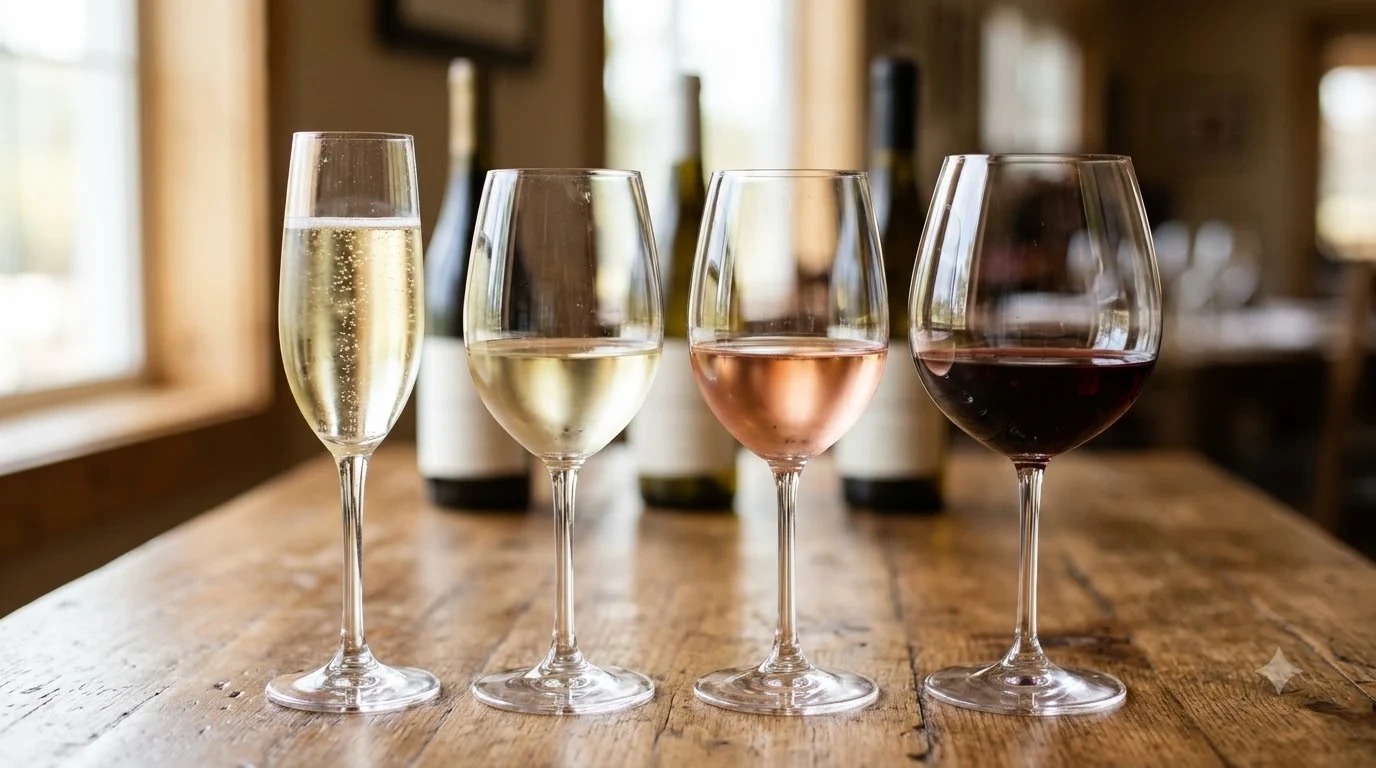
| Sparkling | Fine bubbles, fresh acidity, light red fruit | Italy, France and other producers | Appetizers, fried foods, brunch |
| Sweet or blush | Noticeable sweetness, soft fruit | Widely produced in the United States | Spicy dishes, dessert, casual sipping |
Best for a Dry, Pale Rosé
Dry rosé is the style most people mean when they ask for a good bottle. It has a light color, crisp acidity and little residual sweetness, which keeps it refreshing on a warm evening. These are the bottles to look for when you want something that works with many different dishes.
According to Wikipedia’s entry on rosé, many rosés are made from red grapes with a brief period of skin contact, often a few hours to about a day, before the skins are pressed away. That short contact gives the wine its pale color and its light, fruity character.
Best for Fruit-Forward Rosé
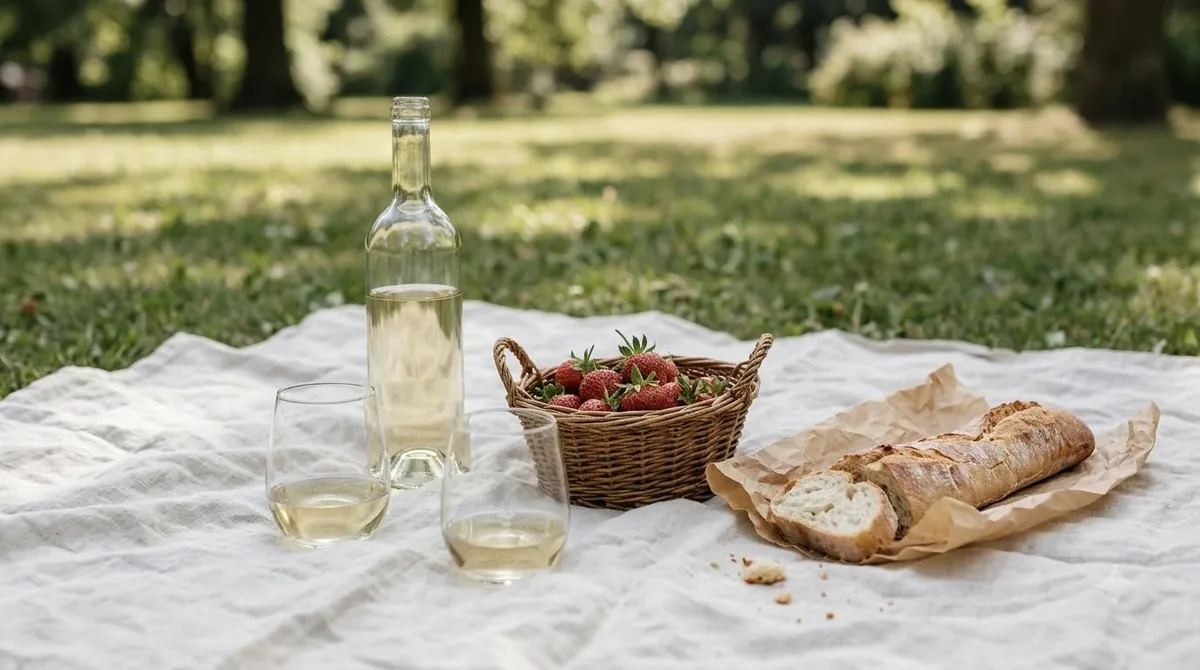
Some rosés show a rounder, riper profile with more red berry character and a softer texture. These bottles are often a better match for food with some richness or spice, such as barbecue or a taco night.
The reference points for this style include strawberry and cherry, with the color ranging from pale onionskin to a deeper pink. Because the fruit is more prominent, the wine can feel a little heavier than a dry bottle, even at the same alcohol level.
Best for Sparkling Rosé
Sparkling rosé adds a lively texture to the same pink color. Its bubbles and fresh acidity make it useful for appetizers, fried snacks and brunch. If you are buying a bottle for a group, a sparkling rosé is an easy crowd-pleaser.
Sparkling styles range from light and dry to fuller and more fruity, so read the label carefully. A bottle described as dry or brut will suit savory food, while a sweeter bottle works better as a dessert companion or a casual sipper.
Best for Pairing With Summer Meals
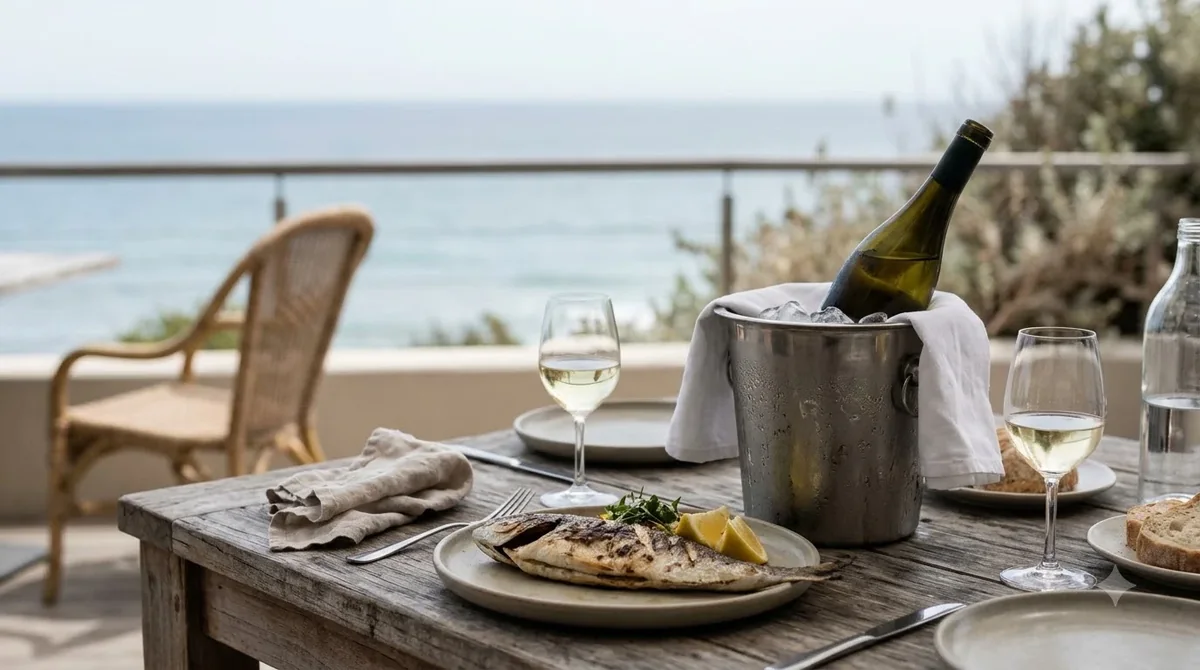
Rosé is one of the most food-friendly wine categories for warm-weather cooking. Its acidity cuts through grilled dishes, its fruit complements herbs and tomatoes, and its light body keeps it from overwhelming a salad or seafood dinner.
Pair a dry rosé with grilled shrimp, a goat cheese salad or a Mediterranean platter. A fruit-forward bottle works well with spiced chicken or a summer barbecue. For more food ideas, the white wine at Trader Joe’s guide compares a similar set of pairings for white wines.
Best for Casual Sipping
For a relaxed afternoon, choose a rosé you can drink without much food. A pale, dry bottle with clean fruit keeps the mood light, while a slightly sweeter blush can feel friendlier to people who are new to dry wine.
Serve rosé cool rather than cold. A short time in the refrigerator is usually enough. If you are sharing the bottle, a standard glass is a good size, and it helps to pour smaller amounts and drink responsibly.
Common Mistakes When Buying Rosé
The most common mistake is judging rosé by its color alone. A deep pink bottle is not automatically sweeter or richer, and a very pale bottle is not automatically weaker. Color mostly reflects how long the grape skins stayed in contact with the juice, so the label and tasting notes are a better guide to taste.
Another mistake is serving rosé too cold. Chilled rosé can taste thin, and its fruit becomes harder to notice. A short time in the refrigerator is usually enough to bring out the fresh character of the wine.
Shoppers also tend to buy one bottle for a whole gathering. A dry rosé and a sparkling rosé give guests two different experiences, and both work well alongside appetizers and light meals. Buying two styles is an easy way to suit different tastes at the same table.
How to Choose
Start with the style you want to drink. If you want something crisp and food-friendly, choose a dry, pale rosé. If you want something riper and more generous, choose a fruit-forward bottle. If you are buying for a group or a brunch, a sparkling rosé may be the most useful option.
Next, check the label for dryness and region. A dry style often signals fresher acidity, while a sweeter label suggests a softer, fruitier wine. Regional details also help: Provence-style bottles tend to be drier and lighter, while bottles from warmer areas can taste riper.
Because Trader Joe’s stock changes, look for a similar style if your first choice is missing. A dry rosé from another producer usually offers a similar experience, and the same logic applies to sparkling and sweeter bottles.
When you compare two rosés side by side, pay attention to the finish as well as the first taste. A dry bottle tends to leave a clean, slightly tart impression, while a fruit-forward bottle lingers on berry flavors. Neither style is better in general; the right choice depends on the food and the company at the table.
Frequently Asked Questions
Is rosé always sweet?
No. Rosé ranges from bone-dry to clearly sweet. Dry rosés are common and usually taste crisp with red fruit, while sweeter blush wines are softer and fruitier. The label or the tasting notes will tell you which style you are buying.
How is rosé made?
Most rosé is made from red grapes with a short period of skin contact before pressing. Some producers bleed off pink juice from red wine, a method called saignée. The short contact is what gives rosé its light color.
What food goes best with rosé?
Dry rosé pairs well with salads, grilled seafood, soft cheeses and Mediterranean dishes. Fruit-forward bottles work with barbecue, spiced chicken and tacos, while sparkling rosé suits appetizers and brunch.
Does Trader Joe’s always carry the same rosé?
No. The selection changes often, and a specific bottle may not be on the shelf during your visit. Use the style and label details in this guide to find a similar bottle when your first choice is gone.
A rosé from Trader Joe’s is easiest to choose when you start with the style you want and check the label for dryness and region. For more ways to compare shelf choices, the red wine at Trader Joe’s guide covers the same approach for reds, and the wine buying section of the learn hub explains label terms in more detail.
More in Wine Buying Guides
 Riesling Gift: Choose a Bottle They’ll LoveUpdated Nov 21, 2026
 Sweet Red Wine Gift: Choose a Bottle They’ll LoveUpdated Nov 21, 2026
 Malbec Gift: How to Choose a Memorable Bottle for Any OccasionUpdated Nov 21, 2026
 Sherry Gift Ideas That Match Every Wine LoverUpdated Nov 21, 2026
 Moscato Gift: How to Choose a Sweet Wine They’ll LoveUpdated Nov 21, 2026
 Merlot Gift: How to Choose a Bottle They’ll AppreciateUpdated Nov 21, 2026