

We may earn a commission when you buy through links on this page, at no extra cost to you. Learn more.
The best dry creek valley wineries include Dry Creek Vineyard, Ridge Lytton Springs, Wilson Winery, Bella Vineyards, Unti Vineyards, and Quivira Vineyards, each offering a different perspective on Sonoma County wine country. Dry Creek Valley is particularly famous for Zinfandel and Sauvignon Blanc, but its wineries also produce excellent Cabernet Sauvignon, Rhône-style blends, and Italian grape varieties. The best itinerary combines established producers, smaller family wineries, and at least one scenic tasting or picnic stop.
Located near Healdsburg in Sonoma County, Dry Creek Valley is an appealing destination for wine enthusiasts who prefer vineyard scenery, independent producers, and relaxed tasting experiences. Its relatively compact layout makes it possible to visit several wineries in one day without spending the entire afternoon driving. The key is choosing wineries that complement one another rather than visiting several places that offer nearly identical wines.
Who Should Visit Dry Creek Valley Wineries
Dry Creek Valley is particularly rewarding for visitors who enjoy characterful Zinfandel, smaller family-owned wineries, and leisurely vineyard visits. Its combination of established producers and distinctive boutique estates makes the region suitable for both first-time Sonoma visitors and experienced wine enthusiasts.
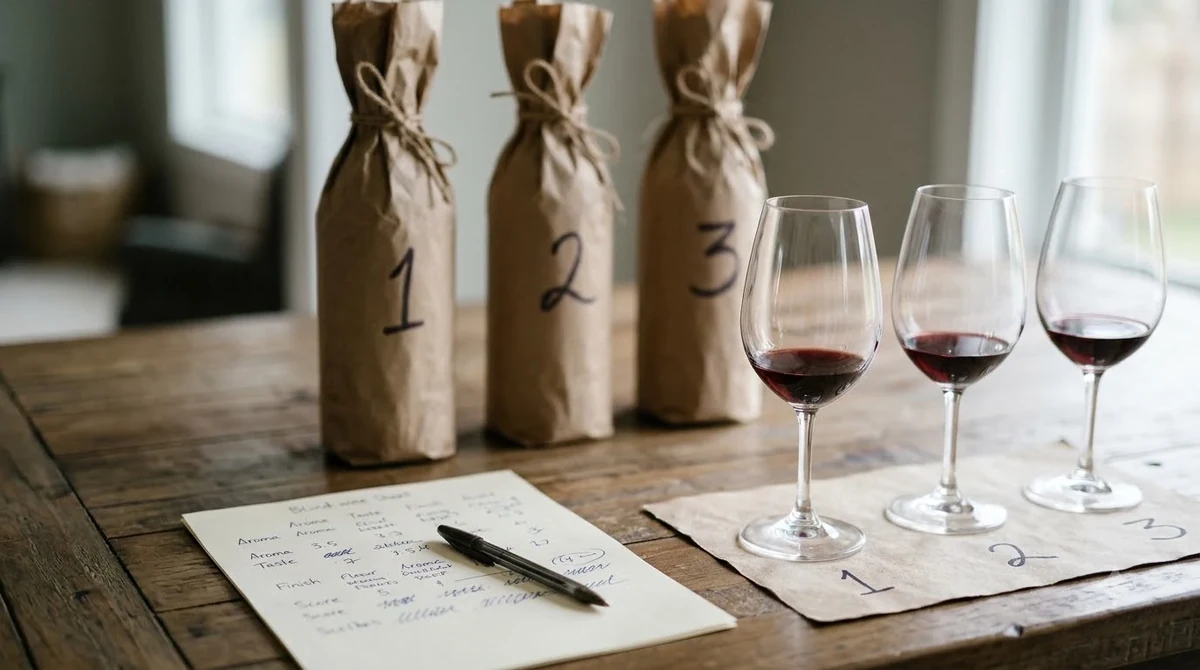
Zinfandel enthusiasts have an especially good reason to visit. The region has a longstanding association with the grape, including old-vine vineyards and concentrated single-vineyard bottlings. Dry Creek Valley Zinfandel can offer ripe berry fruit, spice, and substantial flavor without necessarily feeling excessively heavy. Visitors interested in comparing different vineyard expressions should consider Ridge Lytton Springs, Wilson Winery, and Dry Creek Vineyard.
White wine drinkers should not overlook the valley. Sauvignon Blanc is an important regional specialty, and Dry Creek Vineyard offers a dedicated white wine and rosé flight featuring Sauvignon Blanc, Chenin Blanc, and Petite Zin Rosé. These wines provide a useful contrast to the region’s richer reds, particularly during warmer afternoons.
The destination also suits travelers who appreciate food and scenery alongside wine. Quivira Vineyards has gardens, an olive grove, and a shaded redwood picnic area, while Wilson Winery encourages picnicking and offers outdoor seating. Bella Vineyards adds another dimension with its hillside wine cave and panoramic views.
However, visitors expecting a concentrated urban tasting-room district should adjust their expectations. The wineries are spread along two main routes, Dry Creek Road and West Dry Creek Road. Planning transportation, tasting appointments, and lunch before leaving Healdsburg makes the day considerably easier.
For travelers comparing California wine regions, Dry Creek Valley offers a different experience from the best Napa Valley wineries. It is also worth comparing with the best Willamette Valley wineries if Pinot Noir, cooler-climate wines, and Oregon vineyard experiences are higher priorities.
Key Factors to Compare When Choosing a Winery
The strongest winery choices depend on wine preferences, tasting formats, location, and the amount of time available. Comparing these factors before booking helps visitors create a balanced itinerary instead of selecting wineries based solely on reputation.
| Winery | Main wine interest | Experience | Best suited to |
|---|---|---|---|
| Dry Creek Vineyard | Zinfandel, Sauvignon Blanc, Cabernet Sauvignon | Guided flights, vineyard experiences, picnic grounds | First-time visitors |
| Ridge Lytton Springs | Old-vine Zinfandel and single-vineyard wines | Seated tastings and vineyard tours | Serious wine enthusiasts |
| Wilson Winery | Single-vineyard Zinfandel | Outdoor tasting tables and vineyard views | Scenic tasting experiences |
| Bella Vineyards | Zinfandel | Hillside wine cave and panoramic scenery | Visitors seeking atmosphere |
| Unti Vineyards | Sangiovese, Barbera, Grenache, Vermentino | Varied Italian and Rhône-inspired wines | Adventurous wine drinkers |
| Quivira Vineyards | Zinfandel and Sauvignon Blanc | Gardens, olive grove, picnic grounds | Outdoor-oriented visitors |
| Pedroncelli Winery | Zinfandel | Relaxed family winery experience | Traditional wine enthusiasts |
| Mauritson Wines | Rockpile Zinfandel and other red wines | Seated vineyard and cellar tastings | Single-vineyard wine fans |
Wine selection should be the first consideration. Zinfandel is the obvious starting point, but a visit becomes more interesting when it includes contrasting styles. For example, combining Ridge’s single-vineyard wines with Unti’s Italian varieties gives visitors a broader understanding of the valley’s production.
Tasting format matters almost as much as the wine. Some wineries focus on traditional seated flights, while others emphasize vineyard walks, outdoor tables, food pairings, or informal picnic experiences. Ridge Lytton Springs offers an approximately 75-minute seated tasting, while Dry Creek Vineyard provides several guided experiences that explore different grape varieties.
Location and scheduling deserve equal attention. A winery on West Dry Creek Road may be a convenient addition to a scenic picnic itinerary, while a tasting room along Dry Creek Road can fit a faster route. Two or three thoughtfully selected stops are generally more enjoyable than trying to squeeze five or six appointments into a single afternoon.
Visitors should also consider accessibility requirements, outdoor seating, and food policies. Ridge Lytton Springs limits its regular estate tasting groups to six guests or fewer, while Wilson Winery’s published summer estate experience accommodates up to eight. Larger parties should contact wineries before making plans.
Step-by-Step: Planning a Dry Creek Valley Winery Tour
A successful winery tour starts with a clear route and realistic timing. Two or three winery appointments, a proper lunch break, and some flexibility for vineyard scenery create a more enjoyable day than an overloaded schedule.
-
Start in Healdsburg.
Use Healdsburg as the starting point for the day. Arrange transportation, collect any picnic provisions, and confirm winery appointments before heading toward Dry Creek Road. The town provides a convenient base for reaching both sides of the valley.
-
Choose a first winery that introduces the region.
Dry Creek Vineyard is an excellent orientation stop. Its tasting experiences include Sauvignon Blanc, Chenin Blanc, Zinfandel, Cabernet Sauvignon, and Bordeaux-style blends. The winery is located at 3770 Lambert Bridge Road in Healdsburg.
-
Visit a specialist producer.
Choose Ridge Lytton Springs for old-vine and single-vineyard wines, or Wilson Winery for a focused Zinfandel experience. Ridge’s estate tasting includes five wines, while Wilson’s seasonal estate experience features a four-wine flight with outdoor vineyard views.
-
Allow time for lunch.
West Dry Creek Road is particularly appealing for visitors who want a scenic stop. Quivira Vineyards offers a shaded redwood picnic area, while other regional destinations provide outdoor dining opportunities. Pack food where permitted and confirm the winery’s current outside-food policy.
-
Add a contrasting wine experience.
Choose Unti Vineyards if you want to move beyond Zinfandel into Barbera, Sangiovese, Grenache, and Vermentino. Alternatively, visit Bella Vineyards for its hillside wine cave and panoramic vineyard setting.
-
Finish with enough time to enjoy the final tasting.
Avoid scheduling another appointment immediately after the last one. Leave time for purchases, photographs, and the return journey to Healdsburg. If the final winery has outdoor seating, allow the experience to unfold at a comfortable pace.
A practical schedule might look like this:
| Time | Activity | Purpose |
|---|---|---|
| 10:00 a.m. | Arrive at Dry Creek Vineyard | Regional introduction |
| 11:30 a.m. | Drive to Ridge Lytton Springs | Explore single-vineyard wines |
| 1:00 p.m. | Lunch and picnic break | Rest and enjoy the scenery |
| 2:30 p.m. | Visit Wilson Winery or Unti Vineyards | Compare distinctive wine styles |
| 4:00 p.m. | Return toward Healdsburg | Finish the tasting day |
This is an illustrative schedule, not a confirmed appointment itinerary. Actual travel and tasting durations depend on the selected wineries, road conditions, and reservation availability.
Tip: Book the most important tasting first, then build the rest of the itinerary around it. Ridge Lytton Springs and Dry Creek Vineyard encourage advance reservations, and some experiences have specific group-size limits or seasonal schedules.
Types of Wineries and Wine Styles Explained
Dry Creek Valley has a broader wine selection than its Zinfandel reputation might suggest. Understanding the main grape varieties and winery experiences helps visitors choose tastings that offer genuine variety.

Old-Vine and Single-Vineyard Zinfandel
Zinfandel is the region’s signature red grape and one of its strongest reasons for attracting wine enthusiasts. Many local producers emphasize vineyard-specific expressions rather than treating every bottle as a generic regional blend.
Ridge Lytton Springs is an important destination for visitors interested in this style. The winery describes its property as being surrounded by approximately 115-year-old vines. Its estate tasting provides a seated introduction to five single-vineyard wines from several California regions, while its Century Tour and Library Tasting offers an opportunity to explore historic vines and compare current releases with older vintages.
Wilson Winery is another worthwhile stop for Zinfandel enthusiasts. Its seasonal tasting experiences emphasize single-vineyard-designate Zinfandels, with outdoor seating and vineyard views. Bella Vineyards is a further option for visitors who want a Zinfandel-focused experience in a hillside wine cave.
Sauvignon Blanc and Other White Wines
Sauvignon Blanc deserves a prominent place in any regional tasting itinerary. Dry Creek Valley’s signature white grape typically produces refreshing wines with bright acidity, making them useful companions for seafood, salads, goat cheese, and lighter picnic dishes.
Dry Creek Vineyard is a particularly convenient place to explore the white wine selection. Its dedicated white wine and rosé flight includes Sauvignon Blanc, Chenin Blanc, and Petite Zin Rosé. This is a useful alternative for visitors who prefer crisp wines over full-bodied reds.
Vermentino also deserves attention. Unti Vineyards offers this Mediterranean white variety alongside Italian and Rhône-inspired wines. It gives visitors an opportunity to explore a less familiar grape without leaving the valley.
Cabernet Sauvignon and Bordeaux-Style Blends
Visitors who enjoy structured red wines should look for Cabernet Sauvignon and Bordeaux-style blends. These wines offer a contrast to Zinfandel, particularly in terms of tannin, structure, and food-pairing possibilities.
Dry Creek Vineyard offers a Bordeaux varietals and blends tasting featuring Cabernet Sauvignon and related wines. It is an appropriate choice for visitors who enjoy comparing different red grape varieties in a guided setting.
For food pairings, Cabernet Sauvignon works well with grilled beef, lamb, and aged hard cheeses. Its relatively high tannin benefits from the protein and fat in these dishes. Zinfandel is also versatile with barbecue, smoked meats, and tomato-based dishes, particularly when the food has enough richness to balance the wine.
Italian and Rhône-Inspired Wines
Unti Vineyards is one of the most interesting choices for visitors who want something different from the region’s familiar varieties. Its selection includes Sangiovese, Barbera, Grenache, and Vermentino, offering an introduction to Italian and Rhône-inspired winemaking.
Sangiovese generally pairs well with tomato-based pasta, roasted vegetables, and grilled meats. Barbera is another useful food wine, with acidity that works particularly well alongside tomato sauces and savory dishes.
Grenache can provide a softer, fruit-forward contrast to more tannic reds. It works with roast chicken, Mediterranean vegetables, and herb-seasoned lamb. These alternative varieties are especially worthwhile for repeat visitors who already know the valley’s Zinfandel style.
Scenic and Picnic-Oriented Winery Experiences
Some winery visits are as much about the surroundings as the wines. Quivira Vineyards stands out for its gardens, olive grove, certified-organic vineyards, and shaded redwood picnic area. Wilson Winery offers outdoor tasting tables, while Dry Creek Vineyard has picnic grounds and seasonal outdoor activities.
These experiences are particularly attractive for couples, small groups, and travelers who want to spend more time outside. However, outdoor seating is subject to weather and individual winery policies, so checking the details before departure is sensible.
For visitors interested in the estate’s architecture and wines, Ridge Vineyards’ official Lytton Springs visitor information describes its five-wine seated tasting, historic vineyard surroundings, and distinctive straw-bale and vineyard-clay winery building.
Common Mistakes When Visiting Dry Creek Valley
The biggest planning mistakes involve overbooking, ignoring geographic differences, and choosing wineries without considering their tasting styles. A few simple adjustments can make a substantial difference to the quality of a wine country visit.
Trying to Visit Too Many Wineries
Scheduling five or six tastings in one day can make the experience feel rushed. Each appointment takes time, and visitors also need to account for driving, parking, meals, and conversations with tasting-room staff.
Two or three wineries usually provide a more satisfying experience. For example, Dry Creek Vineyard, Ridge Lytton Springs, and Unti Vineyards provide three noticeably different perspectives on regional wine production.
Ignoring the Differences Between the Two Main Roads
Dry Creek Road and West Dry Creek Road are not interchangeable routes. West Dry Creek Road is the narrower, more scenic road, while Dry Creek Road offers a faster route and access to several established winery destinations.
Visitors should consider making a loop rather than repeatedly driving back and forth. The choice of road can influence the order of winery appointments, so it is useful to check directions before confirming reservations.
Assuming Every Winery Accepts Walk-Ins
Some wineries welcome spontaneous visitors, but others operate primarily through reservations. Ridge Lytton Springs recommends advance booking, and its special vineyard and library experiences require scheduled appointments. Unti Vineyards is also listed as an appointment-oriented destination by Visit Healdsburg.
Dry Creek Vineyard strongly encourages reservations for its guided experiences. Same-day inquiries can be directed to its tasting-room team. Checking the booking requirements before departure helps prevent unnecessary detours.
Choosing Wineries Without Comparing Their Wine Lists
Visiting three Zinfandel-focused producers can be interesting for dedicated fans, but it may not provide the variety that first-time visitors expect. A better approach is to combine one specialist Zinfandel producer with a winery offering white wines or alternative red varieties.
For example, Ridge Lytton Springs and Unti Vineyards make a useful combination. The former provides a strong single-vineyard focus, while the latter introduces Italian and Rhône grape varieties.
Forgetting Food and Transportation
Wine tasting is more enjoyable when visitors plan proper meals and arrange a safe way to travel between wineries. Dry Creek Valley has picnic-friendly destinations, but outside food is not automatically permitted everywhere.
Wilson Winery encourages picnicking but prohibits outside alcohol. Quivira offers dedicated picnic grounds, while Dry Creek Vineyard provides food options that can be arranged with certain tasting experiences. Confirm the relevant policies rather than assuming all winery grounds operate in the same way.
Wine Buying, Serving, and Storage Tips
Buying wine at a winery is an opportunity to select bottles that reflect the experience of the visit. Proper serving temperatures, food pairings, and storage conditions help preserve the character of the wines after returning home.
Choose Bottles That Represent Different Styles
Rather than buying several bottles of the same grape variety, consider selecting a small range. A Zinfandel, Sauvignon Blanc, and Barbera, for example, provide three distinct expressions of Dry Creek Valley and its broader winemaking traditions.
Single-vineyard wines are particularly interesting purchases for enthusiasts who want to explore site-specific differences. Ridge Lytton Springs is a logical place to investigate this category, while Dry Creek Vineyard offers several regional varieties and blends.
For visitors who enjoy comparing wines over time, record the producer, grape variety, vineyard designation, vintage, and any useful tasting observations. These details make it easier to recognize preferred styles when shopping later.
Serve Each Wine at the Right Temperature
Serving temperature affects how a wine’s aromas, acidity, tannins, and alcohol are perceived. Many red wines are served too warm, while some white wines are chilled so heavily that their aromas become difficult to appreciate.
| Wine style | Recommended serving temperature | Useful food pairing |
|---|---|---|
| Sauvignon Blanc | 45–50°F | Goat cheese, seafood, salads |
| Chenin Blanc | 45–50°F | Roast chicken, soft cheese |
| Rosé | 45–50°F | Charcuterie, grilled vegetables |
| Full-bodied Cabernet Sauvignon | 60–65°F | Grilled steak, lamb |
| Zinfandel | 55–65°F | Barbecue, roasted meats |
| Barbera | 55–60°F | Tomato pasta, cured meats |
| Grenache | 55–60°F | Roasted chicken, lamb |
These are useful starting temperatures rather than rigid rules. A light-bodied red may benefit from slight chilling, while a fuller red generally needs a little more warmth to express its aromas.
Match Wine With Food
Dry Creek Valley Zinfandel is a natural companion for grilled meats, barbecue, and hearty tomato-based dishes. Its fruit character and relatively substantial body can complement savory flavors and moderately spicy sauces.
Sauvignon Blanc is better suited to foods with freshness and acidity. Seafood, salads, goat cheese, and citrus-seasoned vegetables are useful choices. The wine’s acidity helps it remain lively alongside dishes with similar brightness.
Cabernet Sauvignon is particularly compatible with grilled beef and lamb because its higher tannin works well with protein and fat. Barbera is a good choice for tomato-rich pasta, while Grenache can complement roasted poultry and Mediterranean dishes.
One useful principle is to match the intensity of the wine with the intensity of the food. A rich, concentrated red may overwhelm delicate seafood, while a light white can disappear beside a heavily seasoned steak.
Store Bottles Correctly
For longer-term storage, keep wine in a cool, dark location with a relatively stable temperature near 55°F. Traditional cork-sealed bottles should generally be stored on their sides to help maintain contact between the wine and cork.
Avoid locations near ovens, radiators, windows, or other sources of heat and direct sunlight. Temperature fluctuations can be particularly damaging to wines intended for aging.
Once opened, refrigerate still wines and aim to consume them within approximately three to five days. Sparkling wines generally retain their best qualities for one to three days when properly sealed and refrigerated.
For younger, full-bodied reds that have noticeable tannin, decanting for approximately 30 to 60 minutes can help the wine open up. This is particularly useful when serving a structured Cabernet Sauvignon or a concentrated Zinfandel.
Frequently Asked Questions
What is the best time of year to visit Dry Creek Valley?
Late spring and early fall are popular periods for Sonoma wine country visits because outdoor tasting experiences and vineyard scenery are particularly appealing. Harvest activity generally takes place in late summer and fall, although exact timing varies with weather and grape variety. Summer visitors should also plan for warmer afternoon conditions when scheduling outdoor tastings.
Is Dry Creek Valley part of the Sonoma Coast wine region?
No. Dry Creek Valley is a distinct American Viticultural Area within Sonoma County, rather than part of the Sonoma Coast AVA. Its inland location and warm growing conditions help distinguish it from the cooler coastal growing areas. This geographic difference is one reason Zinfandel is so closely associated with Dry Creek Valley.
Can visitors purchase wine directly from Dry Creek Valley wineries?
Yes. Many wineries offer direct purchases through their tasting rooms and online wine shops. Some producers also offer wine club memberships, which may include access to special releases, member tastings, and winery events. Availability of individual bottles can vary by producer and vintage.
Are there wine tours for visitors who do not want to drive?
Yes. Visitors can arrange private transportation, designated drivers, or organized wine country tours operating from the Healdsburg area. Booking transportation before the tasting day is particularly helpful for groups visiting several wineries. Confirm the operator’s winery coverage and pickup arrangements before committing to an itinerary.
What is the difference between Dry Creek Valley Zinfandel and Italian Primitivo?
Zinfandel and Primitivo are genetically the same grape variety, although their wines can express different regional growing conditions and winemaking choices. Italian Primitivo is strongly associated with Puglia, where warmer Mediterranean conditions influence its typical flavor profile. Comparing an Italian Primitivo with a Dry Creek Valley Zinfandel can be an interesting way to explore how geography influences wine character.
Dry Creek Valley is an excellent Sonoma destination for visitors who appreciate expressive Zinfandel, distinctive white wines, family wineries, and scenic tasting experiences. Start with Dry Creek Vineyard or Ridge Lytton Springs, then add a contrasting producer such as Unti Vineyards or Wilson Winery to make the day more varied. With two or three well-chosen stops, a little planning, and time for a proper picnic, the valley offers a rewarding introduction to Sonoma wine country.
More in Wine Buying Guides
 Cheap Red Blend: How to Find a Flavorful Bottle for LessUpdated Nov 20, 2026
 Pinot Grigio Gift: How to Choose a Bottle They’ll EnjoyUpdated Nov 20, 2026
 Best White Wine at Total Wine for Every MealUpdated Nov 20, 2026
 Wine Fridge Replacement Shelves: Find the Right FitUpdated Nov 20, 2026
 Best Sparkling Wine Under 20: Find Bubbles Worth BuyingUpdated Nov 20, 2026
 Best Wine For Birthday Celebrations With Perfect Party PairingsUpdated Nov 20, 2026