

We may earn a commission when you buy through links on this page, at no extra cost to you. Learn more.
The dry creek valley wine region is a historic Sonoma County, California, appellation best known for distinctive Zinfandel, refreshing Sauvignon Blanc, and family-owned wineries. Located near Healdsburg, this compact American Viticultural Area (AVA) combines warm summer days, cool nights, and varied vineyard soils to produce expressive wines. Its more than 150 winegrowers maintain a winemaking tradition that stretches back to the nineteenth century, making the valley particularly rewarding for wine enthusiasts interested in California heritage and regional character.
Dry Creek Valley offers considerably more than a single famous grape. Its vineyards produce Cabernet Sauvignon, Rhône varieties, Bordeaux-style blends, and other wines alongside its celebrated Zinfandel. Understanding the region’s geography, history, grape varieties, and growing conditions helps explain why wines from this small part of Sonoma County have earned an international reputation. Whether choosing a bottle or planning a visit, the details below provide a practical introduction to the appellation.
Where Dry Creek Valley Is Located and What Defines Its AVA
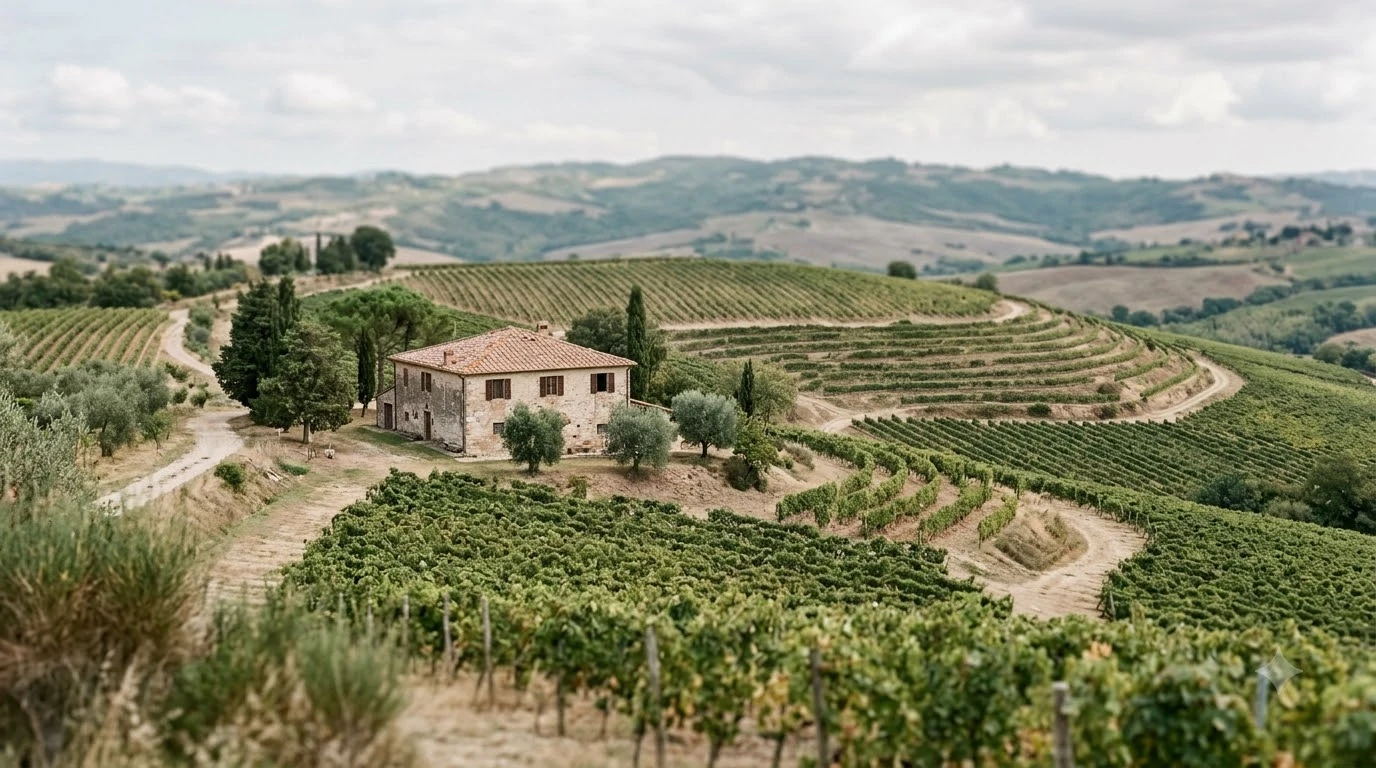
Dry Creek Valley occupies a compact stretch of northern Sonoma County, California, immediately west of Healdsburg. Its distinctive geography brings together a concentration of vineyards, varied elevations, and different exposures to sunlight and cooling coastal influences.

The appellation measures approximately 16 miles from north to south and two miles across. Lake Sonoma marks the northern end, while Dry Creek approaches its confluence with the Russian River toward the south. San Francisco is approximately 70 miles to the south, and the Pacific Ocean lies about 20 miles west of the valley. These geographic relationships help explain the mixture of inland warmth and coastal moderation that influences grape growing.
Dry Creek Valley became an official American Viticultural Area in 1983. An AVA is a federally recognized winegrowing designation based on geographical characteristics that distinguish one growing area from another. Climate, terrain, elevation, and soil contribute to an appellation’s identity, although AVA recognition does not guarantee a particular wine style or quality level.
Dry Creek Valley is one of 19 AVAs within Sonoma County. It has a different identity from neighboring Russian River Valley and Alexander Valley. Russian River Valley is particularly associated with Pinot Noir and Chardonnay, while Alexander Valley is known for Cabernet Sauvignon. Dry Creek Valley has established its strongest reputation around Zinfandel and Sauvignon Blanc.
The regional Winegrowers of Dry Creek Valley association reports more than 150 winegrowers and over 70 wineries. Nearly 9,000 acres of vineyards cover the area, creating a concentrated winegrowing landscape in which vineyards, winery properties, and agricultural operations form an important part of the local economy.
Dry Creek Valley Road is a useful reference point for understanding the region’s layout. Many wineries are situated along its eastern and western sides, making it possible to visit several producers without covering the distances associated with larger Sonoma County appellations. Healdsburg serves as a convenient nearby base for visitors who want restaurants, accommodations, and access to several winegrowing areas.
Climate, Soil, and Vineyard Geography
Dry Creek Valley combines warm growing-season afternoons with cooler evenings, creating conditions that support full grape ripening while helping retain freshness. Its valley floor, benchlands, and hillsides also provide different growing environments within a relatively small area.
The regional winegrowers association classifies Dry Creek Valley as a Region II grape-growing climate, comparable to Bordeaux in France. Between July and September, daytime temperatures can reach the mid-80s Fahrenheit. Coastal mountain ranges influence how marine air enters the valley, while evening fog and cooler air can lower temperatures considerably after sunset.
This difference between daytime warmth and nighttime cooling is important. Grapes need sufficient warmth to develop ripe fruit flavors and mature tannins. Cooler evenings slow the ripening process and help preserve natural acidity. The result can be wines with ripe fruit character without necessarily losing all their freshness.
The valley’s soils are equally important. According to the Winegrowers of Dry Creek Valley, the valley floor contains deep, well-drained gravelly and sandy loams formed from alluvial deposits accumulated over thousands of years. These soils can support productive vineyards while allowing excess water to drain away.
The surrounding benchlands and hillsides have a different composition. Gravelly clay loams, sometimes visibly red, occur across these higher areas. Rocky materials and strong drainage can encourage vines to develop in different ways from those planted on deeper valley-floor soils.
Vineyard elevation and exposure also influence the final wines. A vineyard receiving more afternoon sunlight may produce grapes with different ripeness characteristics from a cooler or more sheltered site. Differences in wind exposure, soil depth, and drainage further influence how individual vineyard blocks develop during the growing season.
These variations help explain why two Zinfandels from neighboring properties can taste noticeably different. One may emphasize bright red berries and freshness, while another may show darker fruit, richer texture, and more concentrated flavors. Winemaking decisions contribute to those differences, but the vineyard’s physical environment provides an important starting point.
For a more detailed explanation of the region’s growing conditions, the Winegrowers of Dry Creek Valley’s geography and climate overview explains the relationship between local soils, coastal influences, and grape development.
The History of Dry Creek Valley Winemaking
Dry Creek Valley’s wine identity developed through several generations of vineyard planting, agricultural change, and renewed interest in California wine. Its history begins well before the modern Sonoma wine industry became internationally recognized.
Following the California Gold Rush of 1849, settlers began establishing farms throughout the valley. Early agricultural activities included growing wheat and hops and raising sheep. Grapevines gradually became an important part of the area’s agricultural landscape.
French immigrant Georges Bloch established an early vineyard in the 1870s and helped establish the valley’s first winery. Zinfandel became particularly important during this period. By the late 1880s, Dry Creek Valley had nine wineries and approximately 883 acres of vineyards, with most of the planted acreage devoted to Zinfandel.
The grape’s success reflected both the area’s growing conditions and the preferences of immigrant farming families. European settlers recognized similarities between the landscape and the agricultural environments familiar to them. Zinfandel became a defining feature of the valley, establishing a tradition that continues today.
The late nineteenth century also brought serious challenges. Phylloxera, a vineyard pest that attacks grapevine roots, devastated vineyards throughout California. Some Dry Creek Valley growers replanted Zinfandel using St. George rootstock, which was resistant to the pest. Several old vines associated with this replanting period have survived and continue to contribute fruit to modern wines.
Prohibition brought another major interruption. When national Prohibition began in 1920, commercial wine production was severely restricted. After its repeal in 1933, only two wineries remained operating in Dry Creek Valley: Frei Brothers and J. Pedroncelli. Many agricultural properties shifted toward orchard fruit, particularly prunes and pears, rather than maintaining vineyards.
The California wine renaissance of the 1970s helped restore the region’s reputation. Established families and newer winegrowers invested in vineyards, renewed interest in premium Zinfandel, and introduced additional grape varieties. The valley’s official AVA recognition in 1983 provided a further marker of its identity as a distinct winegrowing area.
Today, the presence of multigenerational winegrowing families remains an important part of Dry Creek Valley’s character. Some producers continue working with historic vineyard sites, while others focus on newer plantings and different interpretations of familiar varieties. This combination of continuity and experimentation gives the appellation considerable stylistic range.
Signature Grapes and Wines to Discover
Zinfandel is the grape most closely associated with Dry Creek Valley, but Sauvignon Blanc, Cabernet Sauvignon, and Rhône varieties are also important. The region grows more than 30 different grape varieties, giving wine drinkers a broad selection beyond its best-known red wine.
Zinfandel: The Region’s Defining Red
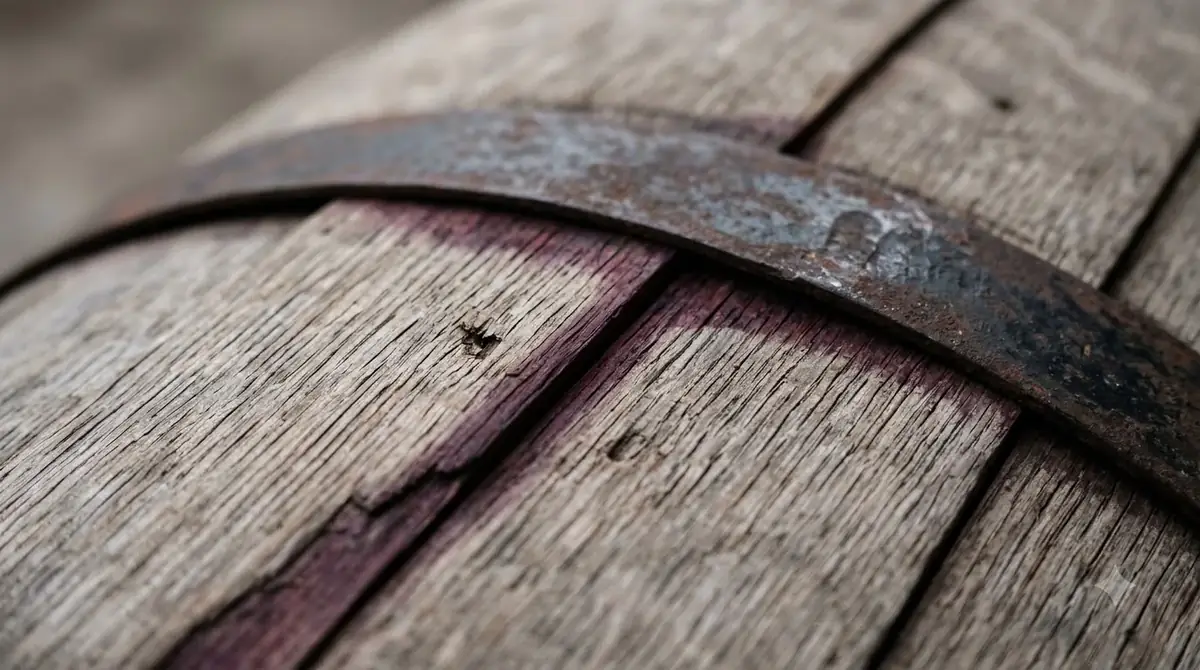
Dry Creek Valley Zinfandel is often characterized by ripe berry fruit, generous texture, and noticeable spice. Depending on the vineyard and winemaking approach, aromas can include blackberry, raspberry, black cherry, pepper, and baking spices. Some examples are medium-bodied and lively, while others are full-bodied, concentrated, and structured.
The regional winegrowers association identifies nearly 2,400 acres of Zinfandel in the valley. This makes it a central part of the area’s vineyard landscape. Some old-vine vineyards contain historically significant plantings, and their grapes can contribute concentrated flavors and distinctive vineyard character.
Zinfandel is not automatically sweet. Although ripe fruit aromas can suggest sweetness, many Dry Creek Valley examples are fermented to dryness. Alcohol levels and body vary according to grape ripeness, fermentation, and the winemaker’s choices.
Sauvignon Blanc: Freshness and Acidity
Sauvignon Blanc provides an important contrast to the valley’s richer red wines. It typically offers high acidity and flavors that may include citrus, green apple, grapefruit, fresh herbs, and tropical fruit. The balance between fruit ripeness and acidity depends on the vineyard and picking decisions.
Some examples emphasize crisp citrus and herbal characteristics, while others have fuller fruit profiles. Oak treatment can also influence texture and flavor, although many producers prefer stainless steel or other approaches that preserve the grape’s fresh character.
Cabernet Sauvignon and Bordeaux Varieties
Cabernet Sauvignon is another significant variety. It generally produces wines with firmer tannins, dark fruit flavors, and a structured finish. Blackberry, blackcurrant, cedar, and herbal notes are common characteristics, depending on ripeness and maturation.
Merlot, Cabernet Franc, Malbec, and Petit Verdot may appear in Bordeaux-style blends. These varieties provide different contributions: Merlot can add softer fruit and texture, Cabernet Franc can contribute herbal and floral notes, and Malbec can add color and dark fruit character.
Rhône and Mediterranean Varieties
Dry Creek Valley also accommodates Rhône varieties such as Syrah, Grenache, and Mourvèdre. Syrah commonly shows darker fruit, pepper, and savory notes, while Grenache can offer red fruit and a more generous texture. Mourvèdre often contributes structure and earthy complexity to blends.
These grapes provide an opportunity to explore wines that differ from the traditional California Cabernet and Zinfandel categories. Some producers also work with Mediterranean varieties, expanding the selection available to visitors and collectors.
The following table summarizes the main grapes and their typical wine characteristics.
| Grape | Typical Style | Acidity | Tannin |
|---|---|---|---|
| Zinfandel | Ripe berry, spice, generous body | Medium | Medium |
| Sauvignon Blanc | Citrus, herbs, fresh fruit | High | Very low |
| Cabernet Sauvignon | Dark fruit, cedar, structured | Medium | High |
| Merlot | Plum, cherry, softer texture | Medium | Medium |
| Syrah | Blackberry, pepper, savory notes | Medium | Medium-high to high |
| Grenache | Red berries, herbs, generous fruit | Medium | Low to medium |
These are general grape characteristics rather than fixed descriptions of every bottle. Climate, vineyard location, harvest timing, fermentation, and aging can produce substantial differences even among wines made from the same variety.
How to Recognize Dry Creek Valley Wine Styles
The most useful way to understand the appellation is to compare its major wine categories. Zinfandel provides richness and spice, Sauvignon Blanc offers freshness, and Cabernet Sauvignon supplies structure and depth.
Dry Creek Valley Zinfandel frequently combines ripe fruit with savory elements. Blackberry and raspberry can appear alongside black pepper, cinnamon, and other spice notes. The wine’s texture may range from relatively supple to dense and powerful, depending on the vineyard and production choices.
Old-vine examples are particularly interesting because they can reflect vineyards with long agricultural histories. However, the term old vine does not have one universally standardized age definition in the United States. It is useful to ask producers about the actual planting dates rather than assuming that every bottle bearing the description comes from vines of the same age.
Dry Creek Valley Sauvignon Blanc is generally a good choice for people who prefer lively acidity and aromatic white wines. Its citrus and herbal character can make it suitable as an aperitif or alongside seafood, vegetables, and lighter meals.
Cabernet Sauvignon provides a different experience. Its firmer tannins and darker fruit character make it suitable for drinkers who prefer structured red wines. Oak maturation can add vanilla, cedar, toast, or spice, although the intensity of these characteristics varies by producer.
Blended wines also deserve attention. Bordeaux-style blends can combine Cabernet Sauvignon, Merlot, Cabernet Franc, Malbec, and Petit Verdot. Rhône-inspired blends may combine Syrah, Grenache, and Mourvèdre. The objective is generally to combine complementary grape characteristics rather than simply emphasize one variety.
Dry Creek Valley’s diverse vineyard landscape means that a single grape variety can produce several different styles. A Zinfandel grown on a warm hillside may show a different balance of fruit and structure from one grown on the valley floor. Likewise, differences in harvest timing and fermentation can influence acidity, alcohol, tannin, and aromatic intensity.
Oak aging is another important stylistic factor. Some wines mature in stainless steel or neutral vessels to preserve fresh fruit characteristics. Others spend time in oak barrels, which can influence texture and add flavors associated with wood maturation. New oak generally contributes more noticeable oak flavor than older barrels.
When comparing wines, consider the grape, vineyard origin, alcohol level, and production approach together. This provides a more useful picture than relying on the appellation name alone.
Visiting Wineries and Planning a Dry Creek Valley Wine Trip
Dry Creek Valley is well suited to a focused wine-country visit because its 16-mile length places many wineries within a relatively compact area. Healdsburg offers a convenient starting point, while Dry Creek Valley Road provides access to numerous vineyard properties.
A productive itinerary should focus on three or four wineries rather than trying to visit every available tasting room. This gives visitors enough time to compare wines, learn about vineyard sites, and enjoy the surrounding landscape without making the day feel rushed.
It is helpful to choose wineries according to their specialties. A Zinfandel-focused producer offers an opportunity to compare vineyard expressions and old-vine wines. A property emphasizing Sauvignon Blanc can provide a different perspective on the valley’s cooler evening influences. Another winery might focus on Cabernet Sauvignon or Rhône varieties.
Before leaving, review each winery’s visitor information. Tasting arrangements, reservation requirements, opening days, and available experiences can differ. Some properties offer seated tastings, while others may provide vineyard tours, food pairings, or more specialized appointments.
Visitors interested in the region’s history should include producers with long-standing connections to Dry Creek Valley. Family-owned wineries can provide useful background about vineyard development, agricultural traditions, and the evolution of Zinfandel production.
For a broader introduction to individual properties and vineyard locations, explore the guide to dry creek valley vineyards. It can help narrow down which producers to include in a tasting itinerary.
The Dry Creek Valley wine tasting experience can also be approached by comparing the same grape across different wineries. For example, tasting three Zinfandels from different vineyard locations can reveal how soil, elevation, and winemaking influence the final wine.
Regional Events and Seasonal Experiences
Wine-related events provide another way to experience the appellation. The Winegrowers of Dry Creek Valley organizes activities that celebrate local wineries, food, and agricultural heritage. Passport to Dry Creek Valley is a recognized regional wine event associated with the organization.
Events can offer opportunities to visit multiple wineries, meet winemakers, and sample wines that might not always be available through regular tasting appointments. Visitors interested in these experiences can consult the Dry Creek Valley wine festival information before planning a trip.
Spring and summer provide opportunities to see actively growing vineyards, while autumn brings harvest activity and changing foliage. Seasonal conditions can influence winery schedules and the type of experiences available, so advance planning is useful throughout the year.
Responsible transportation is important when visiting multiple wineries. Arrange a designated driver or suitable transportation before starting a tasting itinerary. A slower schedule also leaves more time to appreciate the landscape, food, and individual wines.
Tip: Build a tasting day around one main grape, such as Zinfandel, and add a contrasting style such as Sauvignon Blanc. Comparing two or three producers using this approach makes differences in vineyard character and winemaking easier to recognize.
Food Pairings, Serving Temperatures, and Wine Storage
Dry Creek Valley wines work with a broad range of foods, particularly grilled meats, roasted vegetables, seafood, and dishes featuring herbs or spices. Matching the wine’s acidity, tannin, body, and sweetness to the food generally produces better results than choosing a pairing based on grape variety alone.
Zinfandel is a natural partner for grilled beef, barbecue, roasted pork, and tomato-based dishes. Its ripe fruit character can complement smoky flavors, while its acidity can provide contrast to rich foods. Salt and fat also soften the perception of tannin, helping structured red wines work with grilled meat.
For dishes with noticeable chili heat, avoid assuming that a powerful red wine is always the best choice. Alcohol and tannin can intensify the perception of heat. A moderately alcoholic wine with softer tannins, or a refreshing white with sufficient fruit, may be a more comfortable pairing.
Sauvignon Blanc works particularly well with shellfish, white fish, goat cheese, salads, and green vegetables. Its high acidity helps balance foods with citrus dressings and fresh herbs. It can also complement oysters and grilled shrimp without overwhelming their delicate flavors.
Cabernet Sauvignon is particularly suitable for grilled steak, lamb, and other protein-rich dishes. Its high tannin level works well with the fat and savory flavors of these foods. Merlot, with its generally softer tannin, can be a useful alternative for roast chicken, pork, and mushroom dishes.
Syrah can accompany grilled lamb, barbecue, roasted vegetables, and dishes with black pepper or herbs. Its darker fruit and savory character can complement foods with similar intensity. However, very spicy dishes may make its alcohol and tannin seem more pronounced.
Serving temperature has a significant influence on how these wines taste. Full-bodied reds such as many Dry Creek Valley Zinfandels and Cabernet Sauvignons are generally best served at 60–65 F. Lighter reds are better around 55–60 F, while aromatic and lighter white wines such as Sauvignon Blanc are typically served at 45–50 F.
Serving a red wine slightly cooler than a warm room temperature can make it seem fresher and help keep alcohol from dominating the aroma. White wines should not be served so cold that their aromas and flavors become difficult to recognize.
Storage and Opening Bottles
For longer-term storage, keep bottles in a dark, stable environment near 55 F. Consistent temperature matters more than frequent adjustments. Bottles sealed with natural cork are traditionally stored on their sides to keep the cork from drying out.
Opened still wines generally remain enjoyable for approximately three to five days when properly resealed and refrigerated. This applies to both red and white wines, although individual bottles may change at different rates depending on their structure and exposure to oxygen.
Allowing a young, full-bodied red to breathe can improve its presentation. A young Zinfandel or Cabernet Sauvignon may benefit from approximately 30–60 minutes in a decanter, particularly when it has pronounced tannins or concentrated fruit. Older bottles require more careful handling because extended oxygen exposure can diminish delicate aromas.
A standard 750-milliliter bottle provides approximately five servings when poured at 5 ounces each. Using consistent portions makes it easier to compare several wines during a tasting and prevents one bottle from dominating the experience.
Food pairing and serving decisions should remain flexible. A particularly ripe Zinfandel may work better with smoky barbecue than a lighter example, while a crisp Sauvignon Blanc may suit a different dish from a fuller-bodied version. Paying attention to the individual wine is the most reliable approach.
Frequently Asked Questions
Is Dry Creek Valley the same as Dry Creek Vineyard?
No. Dry Creek Valley is a geographic wine appellation in Sonoma County, while Dry Creek Vineyard is an individual winery operating within the region. The distinction matters because wines from the appellation can come from many independent producers. The winery’s name and the AVA name serve different purposes on a wine label.
Is Dry Creek Valley Zinfandel suitable for aging?
Some examples are suitable for cellaring, particularly wines with concentrated fruit, balanced acidity, and substantial structure. The regional winegrowers association describes Dry Creek Valley Zinfandel as capable of being cellar-worthy. Aging potential still depends on the individual producer, vintage, vineyard, and bottling decisions.
Does Dry Creek Valley produce rosé wine?
Yes. Rosé can be produced from red grape varieties grown in the appellation, including Zinfandel and other varieties. These wines generally emphasize fresh fruit and refreshing acidity, making them suitable for warm-weather meals and lighter dishes. Their sweetness and body vary according to the producer’s approach.
What does the word AVA mean on a Dry Creek Valley wine label?
AVA stands for American Viticultural Area, a federally recognized geographic wine designation. Federal regulations generally require at least 85 percent of the grapes in a wine labeled with an AVA to come from that designated area. The designation identifies grape origin rather than guaranteeing a particular taste or quality level.
Are old-vine Zinfandel grapes genetically different from modern Zinfandel?
Not necessarily. Old-vine describes the age of the grapevines rather than a separate grape variety. Historical vineyards can contain different selections, clones, or mixed plantings, and some older California vineyards include multiple grape varieties growing together. Their age and vineyard history can contribute to the distinctive character of the resulting wine.
The Dry Creek Valley wine region combines California’s early winemaking history with a diverse modern wine industry. Its historic Zinfandel vineyards, fresh Sauvignon Blanc, structured Cabernet Sauvignon, and varied hillside and valley-floor sites make it one of Sonoma County’s most distinctive appellations. Exploring different producers and vineyard expressions is the best way to appreciate the region’s character, whether selecting bottles at home or planning a visit to Healdsburg and its surrounding wine country.
More in Wine Regions
 Willcox Wine Trail: Discover Arizona’s High-Elevation Wine CountryUpdated Nov 20, 2026
 Yakima Valley Wine Region: Find the Best Styles to TryUpdated Nov 20, 2026
 Vosne Romanee Wine Tasting: Identify Aromas and Choose Better PairingsUpdated Nov 20, 2026
 Yakima Valley Wine Festival: Find the Best Seasonal Wine EventsUpdated Nov 20, 2026
 Wales Vineyards: Discover Cool-Climate Wines and Where to VisitUpdated Nov 20, 2026
 Yountville Wine Festival: Discover Napa Wines and Local FoodUpdated Nov 20, 2026