


We may earn a commission when you buy through links on this page, at no extra cost to you. Learn more.
The dry creek valley wine festival, officially known as Passport to Dry Creek Valley, is a multi-day wine and food celebration in Sonoma County, California, featuring tastings at more than 50 wineries, local food, live entertainment and opportunities to meet the people behind the wines. The 2027 celebration includes winery visits on April 24 and 25, with a separate Twilight Welcome Party on April 23. Visitors can choose a single-day or two-day experience and explore the region’s distinctive Zinfandel, Sauvignon Blanc and other wines. The event combines wine education, regional agriculture and relaxed vineyard hospitality.
For wine enthusiasts planning a Sonoma County getaway, Passport to Dry Creek Valley offers an opportunity to experience several wineries during one organized weekend. Instead of arranging individual tasting appointments at every property, attendees use their event Passport to visit participating wineries, discover different wine styles and enjoy food and entertainment along the way. Understanding the event format, the region’s geography and the available ticket options makes it easier to plan a rewarding visit.
What the Passport to Dry Creek Valley Festival Offers
Passport to Dry Creek Valley is the signature annual celebration organized by Winegrowers of Dry Creek Valley. It brings together wineries, growers, winemakers, food producers and visitors for a weekend focused on the agricultural and culinary identity of the region.
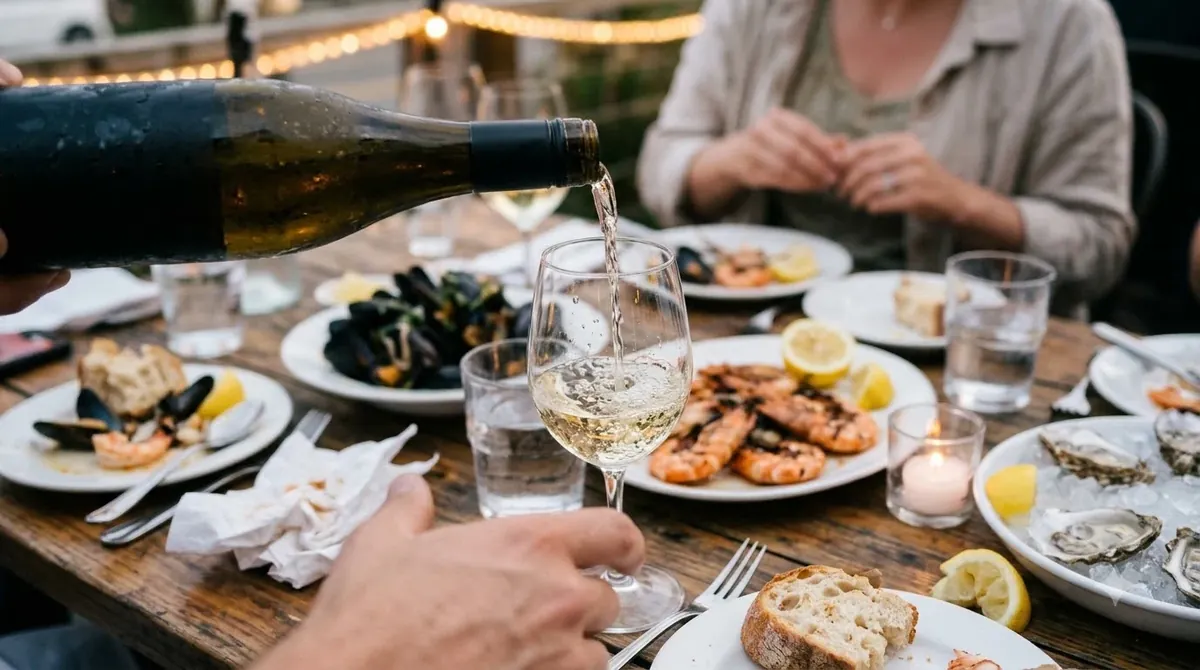
The 2027 event advertises tastings at more than 50 wineries and opportunities to discover over 30 grape varieties. Visitors can sample wines, enjoy locally prepared food, listen to live music and DJ performances, and speak directly with winery founders and winemakers. These conversations are particularly useful for anyone interested in learning how vineyard location, grape selection and winemaking decisions influence the wine in a glass.
The event is designed around exploration rather than a single central tasting room. Participating wineries open their properties for festival guests, creating opportunities to experience different settings, from intimate family estates to larger vineyard destinations. Each stop can offer a different combination of wines, food, music and activities.
The official event information describes Passport as a soil-to-sip experience. This reflects the importance of understanding where the grapes grow and how local farming traditions influence the finished wine. Rather than concentrating exclusively on famous labels, the festival gives visitors a chance to encounter smaller producers and discover wines they might not otherwise encounter.
Another important element is the festival’s community focus. A portion of the weekend’s proceeds benefits the Dry Creek Valley Scholarship, connecting the celebration with educational support in the community that produces the wines.
For someone attending for the first time, the most useful approach is to treat the event as a regional introduction. There is no need to taste every available wine. Selecting a manageable number of wineries, asking questions and allowing time for food and conversation usually creates a more enjoyable experience than attempting to visit every participating property.
2027 Festival Dates, Schedule and Ticket Options
The 2027 Passport celebration is scheduled across three days, beginning with a Friday evening welcome party and continuing with winery visits on Saturday and Sunday. Visitors can choose the length of their experience according to their available time and interest in exploring the valley.
The main winery events are scheduled for April 24 and April 25, 2027, from 11 a.m. to 4 p.m. The Friday Twilight Welcome Party takes place on April 23 from 5:30 p.m. to 8:30 p.m. at Bacchus Landing. The Friday gathering is a separate experience featuring more than 20 boutique wineries and a culinary program.
| Event | Date | Time | Format |
|---|---|---|---|
| Twilight Welcome Party | April 23, 2027 | 5:30–8:30 p.m. | Special evening gathering at Bacchus Landing |
| Saturday Passport | April 24, 2027 | 11 a.m.–4 p.m. | Winery visits and tastings |
| Sunday Passport | April 25, 2027 | 11 a.m.–4 p.m. | Winery visits and tastings |
| Two-day Passport | April 24–25, 2027 | 11 a.m.–4 p.m. daily | Access to both main festival days |
The event offers several attendance options. A Saturday-only pass is appropriate for visitors with limited time, while a Sunday-only pass provides another opportunity to explore participating wineries. The two-day option allows attendees to experience both days and visit a broader selection of properties.
The Friday Twilight Welcome Party is an additional opportunity to begin the weekend with a different group of boutique producers. It is particularly appealing to visitors who want to discover smaller wineries and enjoy a more concentrated evening experience before the main festival begins.
Ticket holders should pay attention to the starting-winery selection process. Saturday attendees choose a participating winery as their starting point when purchasing their ticket. This selection determines where they initially check in, but it does not limit them to that winery for the rest of the day.
Two-day ticket holders can begin Sunday at any participating winery, although the winery lineup can vary between days. This makes reviewing the official winery map before attending especially important.
For current event details, ticket availability and participating locations, consult the official Passport to Dry Creek Valley event and ticket information. Event schedules and winery participation can change, so the organizer’s published details should guide final arrangements.
Tip: Choose your starting winery before purchasing your Saturday ticket. Review the participating-winery map and select a location that makes sense for your preferred wine styles and transportation arrangements.
Understanding Dry Creek Valley’s Wine Region
The character of the festival makes more sense when visitors understand the landscape behind the wines. Dry Creek Valley is a relatively compact American Viticultural Area in northern Sonoma County, known for its family-operated wineries, varied vineyard sites and particularly strong Zinfandel tradition.
According to Winegrowers of Dry Creek Valley, the AVA measures approximately 16 miles long and two miles wide. More than 150 winegrowers and over 70 wineries operate in the region, with nearly 9,000 acres of vineyards contributing to its agricultural identity.
The valley received official AVA recognition in 1983. Its vineyards occupy different elevations and exposures, creating conditions that support several grape varieties rather than just one signature wine. The result is a regional portfolio that includes Zinfandel, Sauvignon Blanc, Cabernet Sauvignon, Merlot, Rhône varieties and other wines.
Geography also plays an important role. Dry Creek Valley lies approximately 70 miles north of San Francisco and 20 miles east of the Pacific Ocean. Lake Sonoma borders the northern part of the valley, while Dry Creek meets the Russian River farther south.
The region experiences a combination of inland warmth and coastal influence. Summer daytime temperatures commonly reach the mid-80s Fahrenheit between July and September, while cooler evening air helps moderate vineyard temperatures. This difference between daytime warmth and nighttime cooling supports grape ripening while helping preserve acidity.
Soils vary across the valley. The valley floor contains deep, well-drained gravelly and sandy loam, while the surrounding benches and hillsides often feature gravelly clay loam. These differences influence vineyard drainage, vine development and the character of the resulting grapes.
Visitors interested in the agricultural background can explore the Dry Creek Valley wine region to learn more about the area’s geography and history. Understanding these distinctions makes winery conversations more interesting, particularly when producers compare wines from different vineyard locations.
Wines to Look for During the Festival
Zinfandel is the obvious starting point for exploring Dry Creek Valley, but festival visitors should make time for Sauvignon Blanc and the region’s other red and white varieties. The selection of more than 30 grape varieties advertised for the 2027 event provides plenty of opportunities to compare different styles.
Dry Creek Valley Zinfandel
Zinfandel has a long history in the valley and remains one of its defining varieties. The grape can produce wines with ripe berry and plum flavors, noticeable spice and substantial body. Depending on vineyard conditions and winemaking choices, examples can range from relatively fresh and restrained to powerful wines with concentrated fruit and higher alcohol.
Comparing Zinfandels from several producers is one of the best ways to understand the region. Pay attention to differences in acidity, tannin, fruit concentration and alcohol warmth. Ask whether the grapes come from old vines or particular vineyard sites, and whether the winemaker uses oak aging to add additional texture and flavor.
Sauvignon Blanc
Sauvignon Blanc offers a refreshing contrast to the region’s fuller-bodied reds. It typically has bright acidity and citrus, green fruit or herbal characteristics. Dry Creek Valley’s combination of warm days and cool nights provides conditions that support both ripeness and freshness.
The variety also has an important historical connection to the region. Dry Creek Vineyard founder David Stare established his winery in 1972 and planted Sauvignon Blanc when some vineyard specialists questioned whether the variety was suitable for the area. The winery subsequently introduced Sonoma County Fumé Blanc in 1972.
Other Red and White Varieties
Visitors may also encounter Cabernet Sauvignon, Merlot, Petite Sirah, Chardonnay and Rhône varieties such as Syrah and Grenache. Bordeaux-style blends offer another useful comparison, bringing together several grape varieties to create wines with different combinations of structure, fruit and complexity.
One example of the region’s blending tradition is The Mariner from Dry Creek Vineyard, introduced in 2007 as a Meritage blend featuring five Bordeaux varieties. It illustrates how producers can use traditional grape combinations while expressing the character of Sonoma County vineyard sites.
White wine enthusiasts should not restrict themselves to Sauvignon Blanc. Chardonnay provides a useful comparison because its acidity and texture can vary according to growing conditions and winemaking choices. Sparkling wines and rosé can also add variety to a festival tasting itinerary.
For a deeper understanding of local producers and their specialties, browse the Dry Creek Valley vineyards before deciding which properties to prioritize.
Food, Music and the Festival Atmosphere
Passport is more than a sequence of winery tastings. Food, entertainment and conversations with local producers are central parts of the experience, helping visitors understand the broader culture of Dry Creek Valley.
The 2027 event advertises hyper-local food bites alongside its wine program. Participating wineries and culinary partners create different food experiences, which may range from casual vineyard snacks to more elaborate chef-prepared dishes. Specific menus and featured culinary participants are released through the event organizer as planning progresses.
Food is also a useful way to understand how different wines work with a meal. Zinfandel can pair particularly well with barbecue, grilled meats and dishes with smoky or savory flavors. Its fruit concentration can complement richly seasoned foods, while its tannin interacts with the protein and fat in meat.
Sauvignon Blanc is a natural option for lighter dishes, fresh vegetables, seafood and goat cheese. Its high acidity can provide a refreshing contrast to creamy or salty foods. Chardonnay can work with roasted poultry, richer fish dishes and foods prepared with butter or cream, depending on the wine’s weight and oak influence.
Food pairing is not simply about matching similar flavors. Acidity is particularly useful with acidic dishes, because a wine with insufficient freshness can taste flat beside tomato-based or citrus-heavy food. Salt and fat can soften the perception of tannin in red wine, while very spicy dishes can make high-alcohol and tannic wines seem hotter.
Live music and DJ entertainment provide another reason to take time between tastings. Individual winery experiences can have distinct themes, so the atmosphere may change considerably as visitors move between properties. Some locations emphasize conversation and quiet vineyard scenery, while others create a more energetic party environment.
The Friday Twilight Welcome Party at Bacchus Landing adds another dimension to the weekend. With more than 20 boutique wineries and a culinary program, it gives visitors a chance to meet additional producers before the main winery visits begin.
Visitors should allow time to enjoy the atmosphere rather than treating each stop as a quick tasting appointment. A conversation with a grower about vineyard conditions or a discussion with a winemaker about fermentation can be just as memorable as discovering a new favorite bottle.
How to Plan Winery Visits and Transportation
Good planning is particularly important because the festival takes place across multiple winery properties rather than in one central venue. A realistic itinerary should account for travel time, tasting duration, food breaks and the possibility of crowded roads or parking areas.
Start by reviewing the official participating-winery map. Group properties geographically where possible instead of planning a route that repeatedly crosses the valley. The region’s compact 16-by-2-mile dimensions can make it appear easy to cover, but individual vineyard roads and event traffic still require time.
Choose a small group of priority wineries rather than attempting to visit every participating location. A schedule with several substantial stops is generally more rewarding than rushing through a long list. This also leaves room for unexpected discoveries when a particular winery catches your attention.
Transportation deserves special attention because festival attendees will be tasting wine throughout the day. Arrange a designated driver who does not drink, book an appropriate transportation service or use another responsible travel arrangement. Do not assume that short distances between wineries make driving after tastings safe.
Parking and vehicle restrictions can vary by participating winery. Visitors arriving in larger vehicles should review the event’s transportation guidance and any individual winery limitations. The official festival map and winery descriptions are the best starting points for determining which properties can accommodate a particular vehicle.
Accommodation should also be arranged in advance. Healdsburg is a convenient base for exploring the valley, while Geyserville provides another useful location for visitors interested in the northern part of the region. Staying nearby can reduce the need for long journeys after a full day of tastings.
Pack practical items for an outdoor wine-country event. Comfortable walking shoes are useful because winery grounds can include gravel, grass and uneven vineyard paths. Sunglasses, a hat and appropriate layers can make the day more comfortable as temperatures change between afternoon sunshine and cooler evening conditions.
Visitors should also bring a fully charged phone and keep digital ticket information accessible. Reviewing the schedule, winery map and check-in instructions before arriving helps avoid unnecessary delays.
Anyone planning additional winery appointments outside the festival can consult a dedicated Dry Creek Valley wine tasting resource to understand how regular tasting visits differ from the organized Passport experience.
Practical Rules, Tasting Etiquette and What to Bring
Understanding the festival’s entry rules and following basic tasting etiquette makes the event more enjoyable for visitors and winery staff. Passport is designed for adults aged 21 and older, and its attendance requirements are stricter than those of some individual wineries during regular opening hours.
The official 2027 event information states that children, babies and pets cannot attend. Service animals are welcome. This restriction applies because of the event’s size, safety requirements and food-service arrangements. Families planning a Sonoma County visit should therefore organize separate activities for younger travelers.
At check-in, guests receive a wristband, tasting glass and Passport. These items are part of the organized experience, so visitors should keep them accessible throughout the day. The Passport helps identify participating properties and provides a practical way to organize winery visits.
Basic tasting etiquette is straightforward. Listen when staff introduce a wine, avoid interrupting other guests and ask specific questions about grape varieties, vineyard sites or production methods. If a particular wine does not suit your preferences, there is no need to finish every pour.
Spitting is an accepted practice at wine tastings, including professional tasting events. It allows visitors to compare wines without consuming every sample. Water and food breaks are also important parts of a comfortable tasting schedule.
When tasting several wines, begin with lighter styles before moving to fuller reds and sweeter selections. This sequence can make it easier to recognize differences in aroma, acidity and tannin. If a winery offers both Sauvignon Blanc and a structured Zinfandel, tasting the white first is generally a sensible approach.
Wine temperature influences how a wine smells and tastes. Light whites and rosé are generally best served around 45–50 degrees Fahrenheit, while fuller-bodied reds are often more expressive around 60–65 degrees. A cool glass of Sauvignon Blanc can be refreshing during a warm afternoon, while a very warm red may emphasize alcohol rather than balance.
Visitors who want to remember their favorite wines should make brief notes on their phones or in a small notebook. Record the producer, grape variety and any distinguishing characteristics. This is especially useful when several wineries pour similar styles of Zinfandel or Sauvignon Blanc.
Finally, avoid treating the festival as a competition to taste the greatest number of wines. The opportunity to speak with growers, discover smaller wineries and enjoy regional food is a major part of what makes Passport distinctive.
Frequently Asked Questions
Is Passport to Dry Creek Valley the same as the Dry Creek Valley Wine Festival?
Yes. Passport to Dry Creek Valley is the official name of the signature wine and food festival organized by Winegrowers of Dry Creek Valley. The name Passport reflects the event’s format, in which guests use their event credentials to explore participating wineries rather than attending one central tasting session.
Can visitors buy wine directly from participating wineries during the festival?
Participating wineries are independent businesses, and individual purchasing arrangements depend on each property’s policies and availability. Some wineries may offer bottle purchases or wine club information during the event. Visitors interested in a particular wine should ask the winery about its purchasing and shipping arrangements.
Does the festival offer nonalcoholic options for designated drivers?
Yes. The 2027 ticket information lists a separate non-drinker experience that includes food tastings and nonalcoholic beverages. Designated drivers joining a Passport day need the appropriate ticket, while the Friday Welcome Party has separate attendance arrangements.
What is the difference between Dry Creek Valley and Dry Creek Vineyard?
Dry Creek Valley is the larger winegrowing region and American Viticultural Area in Sonoma County. Dry Creek Vineyard is an individual winery founded by David Stare in 1972 within that region. The winery helped establish the area’s modern reputation, but many independent producers contribute to the wider valley’s wine identity.
Can visitors attend regular winery tastings outside Passport weekend?
Yes. Many Dry Creek Valley wineries welcome visitors throughout the year, although appointment requirements, tasting formats and seasonal hours differ by property. Dry Creek Vineyard, for example, lists regular tasting and retail hours of 10 a.m. to 4:30 p.m. daily, with reservations recommended. Individual winery websites provide the most reliable information for arranging visits outside the festival.
Passport to Dry Creek Valley provides an engaging introduction to one of Sonoma County’s distinctive wine regions, combining Zinfandel and Sauvignon Blanc with local food, music and personal encounters with wine producers. For the best experience, select your preferred festival days, organize transportation and build a realistic winery itinerary before arriving. Taking time to appreciate the wines, vineyard settings and people behind them is what makes the Dry Creek Valley Wine Festival a memorable wine-country experience.
More in Wine Regions
 Willcox Wine Trail: Discover Arizona’s High-Elevation Wine CountryUpdated Nov 20, 2026
 Yakima Valley Wine Region: Find the Best Styles to TryUpdated Nov 20, 2026
 Vosne Romanee Wine Tasting: Identify Aromas and Choose Better PairingsUpdated Nov 20, 2026
 Yakima Valley Wine Festival: Find the Best Seasonal Wine EventsUpdated Nov 20, 2026
 Wales Vineyards: Discover Cool-Climate Wines and Where to VisitUpdated Nov 20, 2026
 Yountville Wine Festival: Discover Napa Wines and Local FoodUpdated Nov 20, 2026