

We may earn a commission when you buy through links on this page, at no extra cost to you. Learn more.
Chateau Ste Michelle wine price typically ranges from about $9 to $20 for a standard 750 ml bottle, depending on the grape variety, collection, and retailer. The Columbia Valley wines generally occupy the affordable everyday category, with Riesling and Chardonnay among the more accessible choices. Indian Wells wines and specialty bottlings usually cost more, making them useful options when you want a richer style or a more distinctive bottle without moving into luxury-wine territory.
Chateau Ste. Michelle is one of Washington State’s recognizable wine producers, with a portfolio covering crisp whites, aromatic Riesling, approachable reds, and fuller-bodied wines. Its different collections can make shopping slightly confusing because two bottles featuring the same grape may have noticeably different prices and flavor profiles. Understanding the differences between the standard Columbia Valley range, Indian Wells, and the lighter selections makes it easier to choose a bottle that fits both your taste and your spending plans.
Who This Wine Brand Is For: Everyday Drinkers and Wine Enthusiasts
Chateau Ste. Michelle is a practical choice for shoppers who want recognizable grape varieties, accessible Washington wines, and several styles at different spending levels. Its broad selection makes the brand suitable for casual dinners, entertaining, and people who are beginning to explore regional American wines.
The winery’s history goes back to 1933, when the National Wine Company was founded in Seattle following the end of Prohibition. The Ste. Michelle Vineyards name appeared in 1967, and the winery adopted the Chateau Ste. Michelle name in 1976 when its Woodinville winery opened. This background helps explain the producer’s long-standing association with Washington wine. The winery’s official history and milestones provide further details about its development and the evolution of the company.
One of the brand’s biggest advantages is variety. A shopper who prefers refreshing white wine can choose Sauvignon Blanc or Riesling, while someone looking for a more substantial dinner wine can consider Cabernet Sauvignon, Merlot, or an Indian Wells bottling. Chardonnay provides another option for drinkers who enjoy a broader, rounder white wine.
The range is particularly useful for households with different wine preferences. Instead of buying several bottles from unrelated producers, shoppers can compare different grape varieties within the same winery’s portfolio. The familiar labeling also makes it easier to recognize the distinction between the standard range and the more specialized collections.
Budget-conscious shoppers will generally find the standard Columbia Valley wines the easiest starting point. They provide a way to explore several varieties without automatically paying the higher prices associated with more specialized selections. People who already know they enjoy fuller-bodied reds or richer Chardonnay may prefer to move directly to Indian Wells.
The brand also suits people who want to understand Washington wine beyond a single grape variety. Columbia Valley is an important regional reference across the portfolio, and the winery offers both familiar international varieties and different expressions of Riesling. For additional background on the producer, the Chateau Ste Michelle wine overview provides another useful starting point.
However, shoppers looking specifically for rare collectible bottles, highly limited vineyard releases, or inexpensive European regional wines may need to compare other producers. Chateau Ste. Michelle’s strongest appeal is its broad, accessible selection rather than an exclusive focus on small-production wines.
Key Factors to Compare When Shopping for Chateau Ste Michelle
The most useful way to compare Chateau Ste. Michelle bottles is to look at the collection, grape variety, sweetness, and bottle size together. These factors explain most of the differences between everyday Columbia Valley selections and the richer Indian Wells wines.
| Wine or collection | Style | Typical US retail range | Best suited to |
|---|---|---|---|
| Columbia Valley Riesling | Aromatic white | About $9–$12 | Everyday white wine and spicy food |
| Harvest Select Riesling | Sweet-leaning white | About $9–$13 | Fruit-forward wine drinkers |
| Dry Riesling | Dry white | About $10–$13 | Seafood and lighter meals |
| Columbia Valley Chardonnay | Medium-bodied white | About $9–$13 | Roast chicken and creamy dishes |
| Columbia Valley Sauvignon Blanc | Fresh white | About $9–$13 | Salads and seafood |
| Columbia Valley Cabernet Sauvignon | Full-bodied red | About $13–$17 | Grilled meat and hearty meals |
| Columbia Valley Merlot | Medium-bodied red | About $12–$16 | Roasted poultry and pasta |
| Indian Wells Cabernet Sauvignon | Rich, fuller-bodied red | About $16–$20 | Steak and barbecue |
| Indian Wells Chardonnay | Richer white | About $15–$19 | Roast chicken and richer seafood |
| Indian Wells Merlot | Rounder red | About $15–$19 | Beef and mushroom dishes |
These are approximate US shopping ranges rather than guaranteed prices. They reflect the general positioning of the wines and retailer listings, including Total Wine’s displayed standard Chardonnay and Riesling selections and its separately listed Indian Wells wines. Prices vary by state and retailer, and local taxes, distribution, and availability can change the final amount. Shoppers can consult Total Wine’s Chateau Ste. Michelle selection to compare the listed varieties and available bottle formats.
Collection is the first comparison. Chateau Ste. Michelle describes its Columbia Valley range as balanced and Old World-inspired. Indian Wells, by contrast, is presented as a richer, rounder, fuller-bodied New World style. That distinction is useful when deciding whether the additional spending is likely to match your preferences.
Grape variety is the second comparison. Riesling can range from dry to sweet, while Sauvignon Blanc generally offers brighter acidity. Chardonnay tends to provide a broader texture, and Cabernet Sauvignon usually has firmer tannins than Merlot. Choosing a grape you already enjoy can be more reliable than selecting a bottle based only on its collection name.
Sweetness is particularly important with Riesling. The winery offers Columbia Valley Riesling, Dry Riesling, and Sweet Riesling options. Harvest Select is another recognizable choice for people who prefer a fruitier, sweeter expression. These bottles should not automatically be treated as interchangeable.
Finally, compare the bottle format. A standard 750 ml bottle is suitable for a small gathering, while a smaller 250 ml format can make sense when you want a limited quantity. Total Wine’s displayed selection includes both standard bottles and a 250 ml Something Sweet option.
Tip: Compare the exact wine name rather than just the grape variety. Standard Columbia Valley Chardonnay and Indian Wells Chardonnay belong to different style collections, so comparing them directly is more useful than assuming every Chateau Ste. Michelle Chardonnay has the same flavor profile.
For a closer look at the most recognizable white wine in the range, see the Chateau Ste Michelle Riesling discussion before deciding which sweetness level suits your preferences.
Step-by-Step: How to Choose the Right Bottle
A good purchase starts with the type of wine you actually want to drink, followed by a comparison of the collection and available retail options. These six steps help narrow the selection without paying extra for a style you may not enjoy.
- Decide between red and white wine.
Start with the meal or occasion. Riesling, Chardonnay, and Sauvignon Blanc are practical choices for white-wine drinkers, while Cabernet Sauvignon and Merlot are more appropriate starting points for red-wine preferences. Rosé can provide a middle ground for casual lunches and warm-weather gatherings.
- Choose the grape variety.
Think about familiar flavor preferences. Sauvignon Blanc is generally bright and refreshing, Chardonnay offers a rounder profile, and Riesling is especially useful when aromatic fruit and acidity are appealing. For red wines, Cabernet Sauvignon provides more pronounced tannin, while Merlot is usually softer and more approachable.
- Identify the sweetness level.
Riesling deserves particular attention because the winery offers dry and sweeter choices. If you enjoy crisp, less-sweet whites, compare Dry Riesling with the standard Columbia Valley bottling. If you prefer noticeable sweetness, consider Harvest Select or another sweet-style option.
- Choose between Columbia Valley and Indian Wells.
Use Columbia Valley as the starting point for the standard range. Consider Indian Wells when you prefer the winery’s richer, fuller-bodied interpretation. The distinction is particularly relevant for Cabernet Sauvignon, Chardonnay, and Merlot, which appear in both collections.
- Compare local retail listings.
Look at the same bottle across more than one retailer where possible. A difference in displayed price may reflect the store’s location, inventory, or local pricing structure rather than a meaningful difference in the wine itself. Confirm that the bottle size and exact collection match before comparing two listings.
- Match the wine to the occasion.
A standard Riesling or Sauvignon Blanc is useful for a relaxed dinner, while Indian Wells Cabernet Sauvignon may be more appropriate for a steak-focused gathering. If you are buying wine for someone else, a familiar grape variety is generally a safer choice than an unfamiliar specialty style.
These steps also help prevent a common shopping mistake: assuming the most expensive bottle must be the best choice. A dry Riesling may be a better purchase than a richer Chardonnay if you prefer acidity and freshness, regardless of the difference in retail cost.
Consider how many people will be drinking, too. A 750 ml bottle provides approximately five standard 5 oz servings. That makes it easier to estimate how many bottles are appropriate for a dinner with four or six guests without buying substantially more than necessary.
Types and Styles Explained: Columbia Valley, Indian Wells, and Light
Chateau Ste. Michelle organizes its portfolio around several recognizable styles, with Columbia Valley providing the broadest selection and Indian Wells offering a richer alternative. The Light collection adds a different option for shoppers interested in lower-alcohol wines.
Columbia Valley: The Everyday Starting Point
The Columbia Valley collection is the natural starting point for shoppers comparing the brand’s more accessible bottles. The winery describes this group as balanced and Old World-inspired, with wines sourced from the Columbia Valley American Viticultural Area.
Its selection includes Cabernet Sauvignon, Chardonnay, Merlot, Sauvignon Blanc, Rosé, red blend, and several Riesling expressions. This breadth makes the collection useful for people who want to explore different grapes while staying within a consistent producer’s range.
Riesling is one of the most useful varieties to investigate first. The distinction between standard, dry, and sweet expressions allows shoppers to select a wine based on their preferred level of sweetness. This is particularly helpful for people who are not yet certain whether they enjoy dry or off-dry white wines.
Chardonnay is another accessible option, especially for meals featuring chicken, pasta, or creamy sauces. Sauvignon Blanc is generally a better fit for shoppers who prefer brighter acidity and a fresher profile. The red selection provides Cabernet Sauvignon and Merlot for people who prefer wines with more structure.
Indian Wells: A Fuller-Bodied Direction
Indian Wells represents a different style within the winery’s portfolio. Chateau Ste. Michelle describes the collection as lush, opulent, rich, round, and full-bodied, making it a useful choice for drinkers who prefer a more substantial wine.
The collection includes Cabernet Sauvignon, Chardonnay, and Merlot. These are familiar grapes, but their placement in the Indian Wells range provides a clear reason to compare the bottles with their standard Columbia Valley counterparts.
Indian Wells Cabernet Sauvignon is worth considering with grilled steak, burgers, and other hearty dishes. Cabernet Sauvignon generally has high tannin, so its structure can work particularly well alongside protein and fat. Salt and fat can soften the perception of tannin, helping the wine feel more balanced with a substantial meal.
Indian Wells Chardonnay is more appropriate for people who enjoy richer white wines. It can accompany roast chicken, buttery seafood preparations, and dishes with creamy sauces. However, shoppers who prefer leaner, brighter whites may find the standard Chardonnay more suitable.
Indian Wells Merlot provides another option for red-wine drinkers. Merlot generally has medium tannin and a softer character than Cabernet Sauvignon, making it useful when a meal calls for red wine without the same degree of tannic structure.
Light: A Different Drinking Profile
The Light collection is distinct from the standard and Indian Wells selections. The winery lists Light Chardonnay and Light Sauvignon Blanc, describing these wines as containing 80 calories, zero sugar, and 9% alcohol by volume.
Those stated figures make the collection easy to distinguish from the traditional wines. The lower alcohol percentage may appeal to people who prefer a lighter drinking profile, although shoppers should still consider serving size and the specific characteristics of each wine.
Light Sauvignon Blanc is a natural candidate for casual lunches, salads, and lighter seafood meals. Light Chardonnay may suit drinkers who enjoy Chardonnay’s general character but want to explore the winery’s lighter alternative.
Specialty Riesling and Eroica
Riesling deserves a separate mention because it occupies an important place in the winery’s history and portfolio. In 1999, Chateau Ste. Michelle partnered with German winemaker Ernst Loosen to create Eroica. That collaboration provides an additional point of comparison for shoppers interested in Riesling beyond the standard Columbia Valley selection.
The standard range, Dry Riesling, Harvest Select, and Eroica should be treated as distinct buying choices. Their differences in style and positioning mean that the right bottle depends on whether you want everyday refreshment, sweetness, or a more specialized Riesling experience.
For shoppers who prefer a different white grape, the Chateau Ste Michelle Chardonnay overview provides more context about the winery’s Chardonnay options and their place in the broader portfolio.
Common Mistakes That Can Lead to the Wrong Purchase
The most common shopping mistakes involve confusing the collections, overlooking Riesling sweetness, and comparing bottles with different sizes. Paying attention to these details can prevent disappointment and make the purchase more useful.
Assuming Every Riesling Is Sweet
Riesling is a versatile grape, and its wines can range from dry to noticeably sweet. Chateau Ste. Michelle’s separate Dry Riesling and Sweet Riesling listings demonstrate why the grape name alone does not tell the whole story.
A dry Riesling is generally a better choice for people who enjoy crisp white wines with food. A sweeter expression may be more appealing to those who prefer ripe fruit flavors and a softer impression of acidity.
Food pairing also changes with sweetness. A wine should generally be at least as sweet as the dessert served alongside it. Otherwise, the wine can taste thin or overly acidic next to a sweet dish. For spicy food, a slightly sweeter Riesling can also be a useful partner because its fruit character and acidity can complement the heat.
Assuming Indian Wells Is Simply a More Expensive Standard Wine
Price alone does not explain the distinction between the collections. The winery describes Indian Wells as a richer and fuller-bodied style, so the additional cost is most useful to shoppers who actually prefer that character.
Someone who enjoys a lighter, fresher Chardonnay may prefer the standard Columbia Valley option even when the Indian Wells bottle costs more. Similarly, a shopper who prefers softer red wines may choose Merlot instead of spending more on Cabernet Sauvignon.
Ignoring Bottle Size
Retail listings can include different formats, particularly when a retailer carries both standard bottles and smaller selections. A 750 ml bottle and a 250 ml bottle should not be compared using their displayed total prices alone.
Compare the price per fluid ounce or milliliter when evaluating different sizes. Also remember that a standard 750 ml bottle contains approximately five 5 oz servings. That simple calculation is useful when buying for a dinner party or deciding whether a smaller format is sufficient.
Choosing Wine Without Considering the Meal
A bottle that tastes enjoyable on its own may not be the best match for dinner. High-tannin Cabernet Sauvignon generally works better with richer meat dishes than with delicate white fish. Sauvignon Blanc and Riesling are often more appropriate for seafood because of their higher acidity and lighter structure.
Chili heat can become more noticeable alongside wines with higher alcohol and tannin. If the meal is particularly spicy, a lower-tannin or slightly sweeter white can be a more comfortable pairing. Oily fish can also clash with tannic red wines, making a crisp white a more practical choice.
Buying Only on the Basis of Retail Price
A low displayed price does not necessarily mean a wine is the best match for your needs. A standard Columbia Valley bottle may offer better value for an everyday dinner, while an Indian Wells bottle may be more satisfying for someone who specifically enjoys richer wine.
Compare the same variety, collection, and bottle size. Then consider whether the wine’s style suits the food and the people who will drink it. That approach is more reliable than automatically choosing the least expensive bottle or assuming that a higher price guarantees greater enjoyment.
Care and Storage Tips for Better Wine Enjoyment
Proper storage and serving temperatures help Chateau Ste. Michelle wines show their intended character. Keeping bottles away from heat, limiting exposure to oxygen after opening, and serving each style at an appropriate temperature are practical habits for everyday wine drinkers.
Store Unopened Bottles Properly
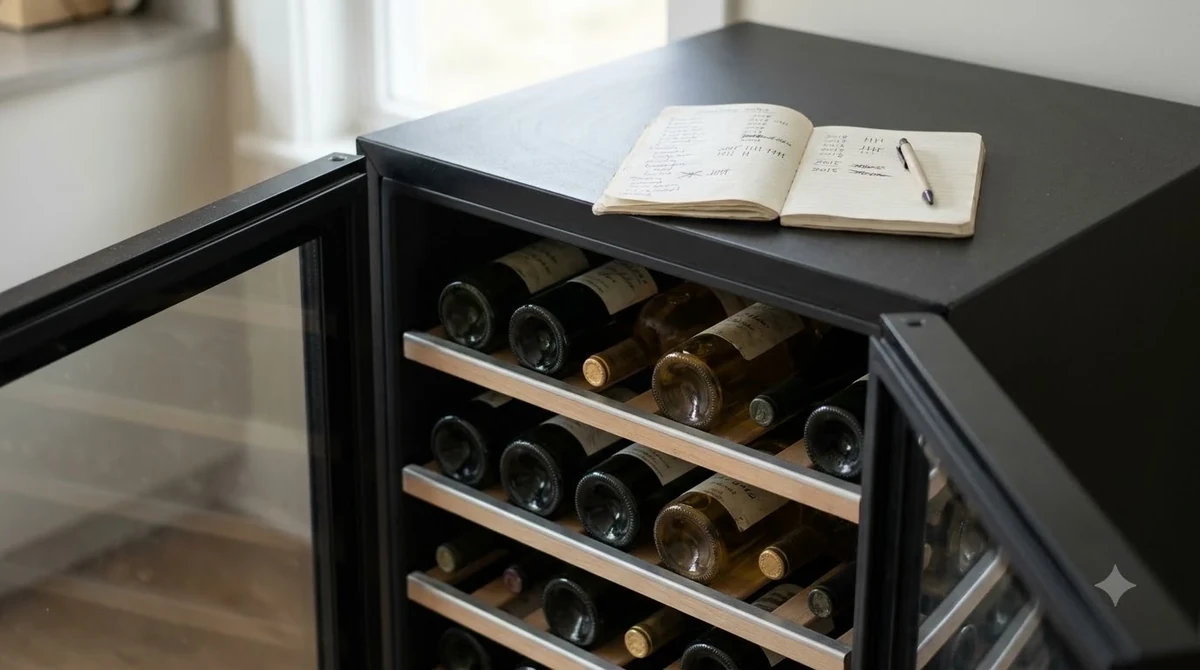
For wines intended for short- or medium-term storage, a cool, dark environment is preferable. A temperature near 55 degrees Fahrenheit is a useful general target. Avoid placing bottles beside ovens, radiators, sunny windows, or other sources of temperature fluctuation.
Store bottles with natural cork closures on their sides so the cork remains in contact with the wine. This helps prevent the cork from drying out. Bottles with screw caps can generally be stored upright without the same concern about cork moisture.
Chateau Ste. Michelle’s everyday Columbia Valley selections are generally convenient wines to enjoy without extensive cellaring. Unless a specific bottle is intended for longer aging, there is little reason to treat an everyday Riesling or Sauvignon Blanc as a collectible that must be stored for years.
Use the Right Serving Temperature
Serving temperature has a noticeable effect on aroma, acidity, and texture. White wines served too warm can seem heavy, while reds served too warm may emphasize alcohol and reduce the impression of freshness.
| Wine style | Recommended serving temperature | Practical serving advice |
|---|---|---|
| Riesling and Sauvignon Blanc | 45–50°F | Serve chilled, not icy cold |
| Chardonnay | 50–55°F | Allow a little warming after refrigeration |
| Rosé | 45–50°F | Serve chilled for freshness |
| Merlot | 55–60°F | Slightly cooler than typical room temperature |
| Cabernet Sauvignon | 60–65°F | Serve cool enough to balance alcohol and tannin |
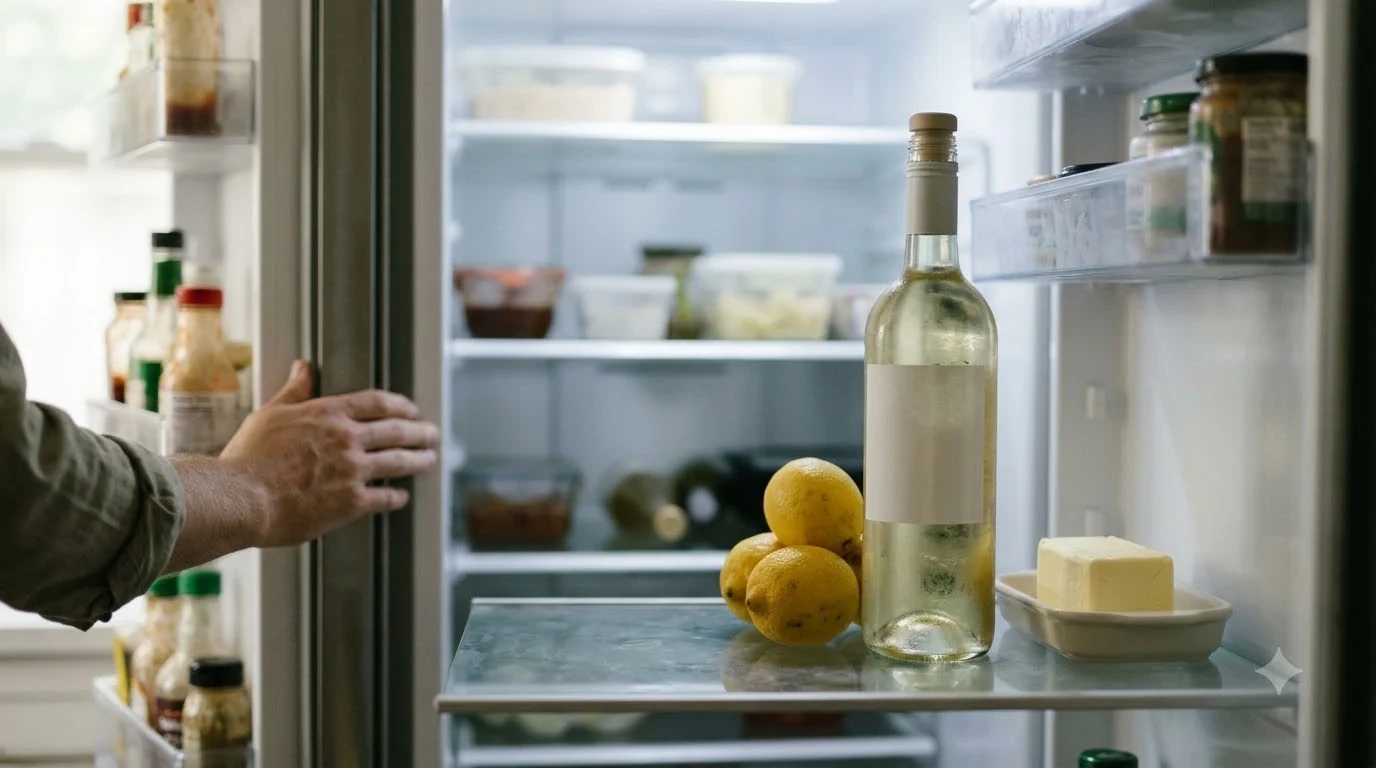
A refrigerator can chill a white wine before serving, but extended refrigeration is not necessary for every bottle. If Chardonnay becomes too cold, allow it to sit briefly before pouring. The warmer serving range helps its aromas and texture become more apparent.
Handle Opened Bottles Carefully
Once a bottle has been opened, oxygen gradually changes the wine. Replacing the closure and storing the bottle in the refrigerator slows this process, even for red wines that are normally served warmer.
As a general guideline, opened still wines usually remain enjoyable for approximately three to five days when properly refrigerated. This can vary with the wine’s age, structure, storage conditions, and the amount of air remaining in the bottle.
Use a proper wine stopper and keep the bottle upright after opening. If only a small amount remains, transferring it to a smaller airtight container can reduce the amount of oxygen in contact with the wine.
Before serving the remaining wine, bring it back toward its appropriate serving temperature. A refrigerated Cabernet Sauvignon may need time to warm slightly, while Riesling can often be poured directly from the refrigerator after a brief temperature check.
Finally, use clean wine glasses and avoid pouring excessive amounts. A standard 5 oz pour provides room for swirling and allows aromas to collect above the wine. These small details can make even an affordable everyday bottle more enjoyable.
Frequently Asked Questions
These answers address common questions about Chateau Ste. Michelle’s retail positioning, wine styles, and purchasing decisions. The most important distinctions involve the Columbia Valley and Indian Wells collections, Riesling sweetness, and the winery’s Washington origins.
Is Chateau Ste. Michelle an American wine brand?
Yes. Chateau Ste. Michelle is a Washington State winery based in Woodinville. Its history is connected to the development of the state’s modern wine industry, and its portfolio includes wines sourced from the Columbia Valley and other Washington growing areas.
What does the Chateau name mean on the label?
The name reflects the winery’s identity rather than a claim that the wines come from a French chateau. The winery adopted the Chateau Ste. Michelle name in 1976, replacing its earlier Ste. Michelle Vineyards label when its Woodinville winery opened.
Is Eroica Riesling the same wine as regular Chateau Ste. Michelle Riesling?
No. Eroica is a separate Riesling collaboration that began through the winery’s partnership with German winemaker Ernst Loosen in 1999. It is a distinct selection within the broader portfolio rather than another name for the standard Columbia Valley Riesling.
Can Chateau Ste. Michelle wines be purchased directly from the winery?
The winery provides a Where to Buy section and operates its Woodinville location at 14111 NE 145th Street. Shipping eligibility is restricted geographically, so shoppers should confirm the available purchasing and delivery arrangements for their state before placing an order.
What is the difference between an AVA and a grape variety on the label?
An American Viticultural Area, or AVA, identifies a recognized grape-growing region, while a grape variety identifies the type of grape used to make the wine. Columbia Valley is an AVA, whereas Riesling, Chardonnay, and Cabernet Sauvignon are grape varieties. A wine can therefore identify both its regional origin and its grape type.
Chateau Ste. Michelle offers a useful range of Washington wines, from everyday Columbia Valley Riesling and Chardonnay to the fuller-bodied Indian Wells collection. The smartest purchase is the bottle that matches your preferred grape, sweetness, and body rather than simply the highest or lowest displayed price. Compare equivalent bottles at local retailers, and you can find a suitable Chateau Ste. Michelle wine for casual dinners, entertaining, and more substantial meals.
More in Wine Brands
 Underwood Wine Price: Compare Bottles, Cans, and Pack SizesUpdated Nov 21, 2026
 Zenato Wine Price: Compare Styles and Choose the Right BottleUpdated Nov 21, 2026
 Zuccardi Wine Price: Compare Bottles and Find the Right RangeUpdated Nov 21, 2026
 Yellow Tail Moscato Review: Taste, Sweetness and Serving TipsUpdated Nov 21, 2026
 Wolf Blass Yellow Label Review: Choose Your Best StyleUpdated Nov 21, 2026
 Wolffer Estate Rose Review: Choose the Right Bottle for Your TableUpdated Nov 21, 2026