

We may earn a commission when you buy through links on this page, at no extra cost to you. Learn more.
Pinotage color in traditional red wines is a deep, opaque purple-black or dark ruby hue, driven by unusually high levels of anthocyanin pigments in the grape skins. Despite being a cross between pale-skinned Pinot Noir and light-colored Cinsault, Pinotage produces intensely dark red wines that rival Syrah in visual density. Depending on winemaking choices, however, the same grape also yields salmon-pink rosés and pale straw-colored white wines.
When pouring a glass of South Africa’s signature red grape for the first time, many wine drinkers expect the translucent garnet shade of Pinot Noir. Instead, the wine coats the glass with an inky, dark violet core that hints at its bold structure and concentrated dark fruit character. Understanding how Pinotage gets its signature hue—and how that shade shifts across styles and bottle age—makes it much easier to read a glass before taking a single sip.
What Pinotage Color Actually Looks Like
Standard red Pinotage displays a dense, nearly opaque purple-ruby center with a vibrant magenta or violet rim in its youth. Because the grape skins pack such high concentrations of color compounds, even a standard maceration creates a wine that blocks light in the center of the bowl.
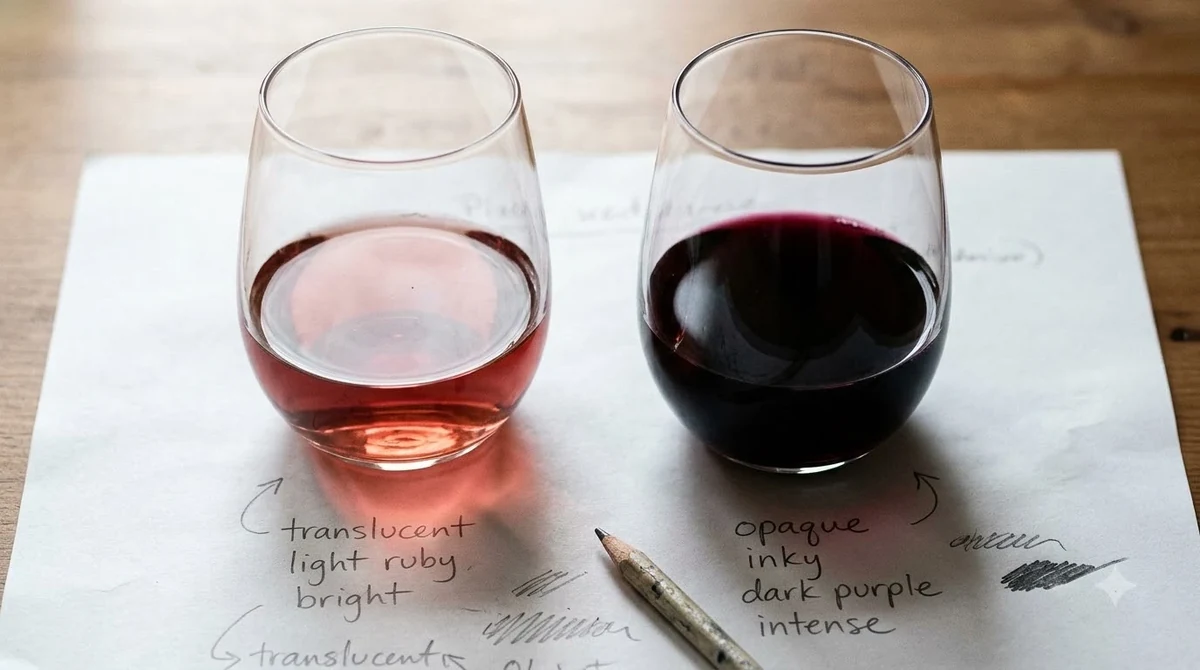
The surprising visual intensity of Pinotage comes down to a genetic quirk. In 1925, South African viticulturist Abraham Perold crossed Pinot Noir with Cinsault (then known locally as Hermitage) in an effort to combine Pinot Noir’s finesse with Cinsault’s heat tolerance and productivity. Both parent varieties have relatively thin skins and produce lighter-hued, translucent red wines. Yet their offspring developed thick, deeply pigmented skins packed with anthocyanins—the natural water-soluble pigments responsible for red, purple, and blue tones in grapes.
Because anthocyanin levels are so elevated, Pinotage color behaves very differently from lighter reds when compared across Wine by Type. While a young Pinot Noir lets you read text right through the glass, a young Stellenbosch or Paarl Pinotage looks closer to Petite Sirah or Syrah. The rim often flashes bright violet-purple, which signals both youth and moderate acidity. As the wine spends time in oak barrels and ages in bottle, those vivid purple edges gradually soften into deep garnet and brick-red tones.
How Winemaking Changes Pinotage Color
Although the Pinotage grape has dark skins, the final shade in the bottle depends entirely on how long the juice stays in contact with those skins during crushing and fermentation. Winemakers use skin contact duration, pressing speed, and oak aging to craft everything from pale white wines to ink-dark reds.
Like all red wine grapes, Pinotage has clear juice inside the pulp; the pigment lives almost exclusively in the outer skin. When producers want a classic full-bodied red, they ferment the juice together with the skins for days or weeks, extracting maximum anthocyanins alongside structural tannins. Conversely, if a winemaker gently presses whole clusters immediately after harvest and separates the juice before fermentation begins, the resulting White Pinotage takes on a pale straw or light gold hue similar to pinot grigio color.
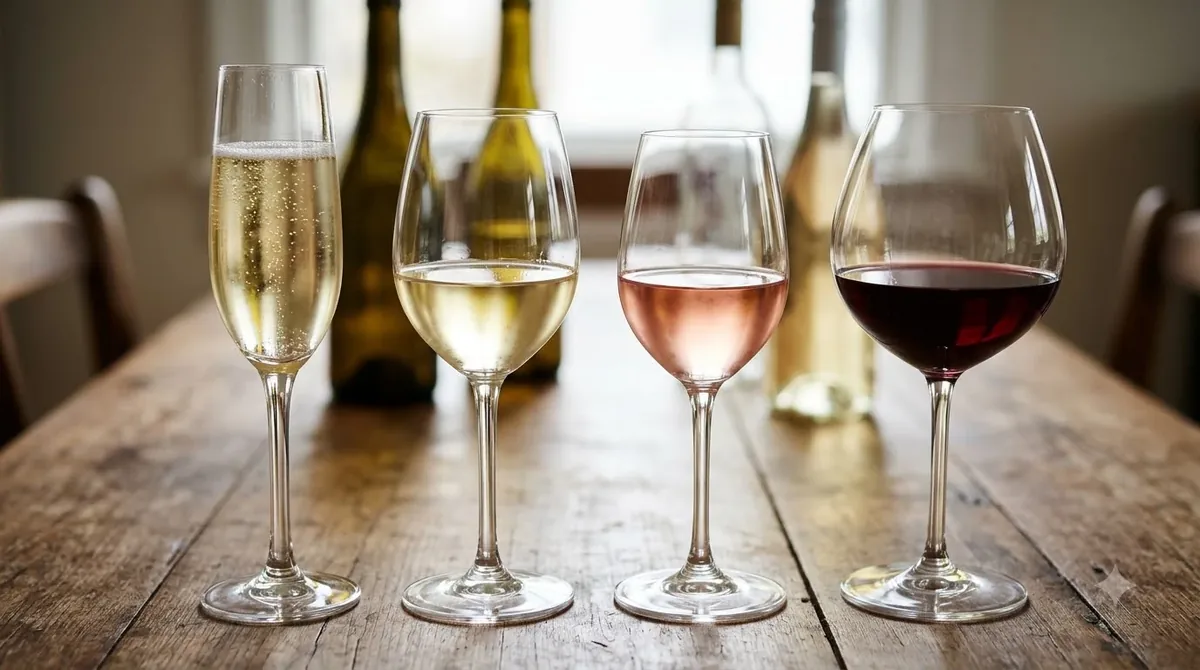
Between those two extremes sits Pinotage rosé, which relies on brief skin contact lasting just a few hours—or the saignée method, where lightly tinted juice is bled off early from a red fermentation tank. That short exposure produces a bright salmon, coral, or watermelon-pink shade with minimal tannin. Some South African producers also craft sparkling Cap Classique from Pinotage, which ranges from pale gold to delicate blush depending on skin contact, much like the spectrum seen in cava color.
| Pinotage Style | Typical Color in Glass | Skin Contact Method | Visual Rim & Clarity |
|---|---|---|---|
| Classic Full-Bodied Red | Deep purple-black to dark ruby | Extended maceration during fermentation | Opaque center with a bright violet or garnet rim |
| Lighter, Fruit-Forward Red | Medium-deep ruby | Shorter maceration and gentler extraction | Translucent ruby edges with a vivid magenta rim |
| Pinotage Rosé | Pale salmon to bright pink | A few hours of skin contact or saignée | Clear, brilliant translucency with pink highlights |
| White Pinotage | Pale straw to light yellow-gold | Immediate gentle pressing, zero skin contact | Clear and bright, resembling a crisp white wine |
| Aged Red Pinotage (8–15+ Years) | Deep garnet fading toward brick | Extended maceration plus bottle maturation | Rust or tawny rim as anthocyanins polymerize |
Flavor and Styles Across the Color Spectrum
The visual depth of a Pinotage wine serves as a reliable preview of its weight and flavor profile on the palate. Darker, more extracted bottles deliver dense black fruit and savory smoke, while paler expressions highlight crisp red berries and refreshing acidity.
According to Wine Folly’s comprehensive guide to Pinotage, classic dark-hued red Pinotage is dry and full-bodied with medium-high tannins and primary flavors of black cherry, blackberry, fig, mint, and game. When aged in toasted oak barrels, these inky reds also develop rich secondary notes of roasted coffee, dark chocolate, pipe tobacco, and sweet baking spice. A distinctive subset known as “coffee Pinotage” uses heavily toasted oak staves or barrels to accentuate mocha and espresso notes alongside a dark, opaque appearance.
Lighter ruby versions—often made with whole-cluster fermentation or cooler-climate fruit—trade heavy tannin for juicy raspberry, red licorice, and sour cherry notes. Meanwhile, pale salmon Pinotage rosés offer crisp strawberry, watermelon, and red cherry character without astringency. Even sweet dessert styles exist in South Africa, though unlike sweet white wines such as moscato color, fortified Cape Ruby or late-harvest red Pinotage maintains a deep, brooding crimson-purple tint.
Where Pinotage Grows and Regional Variations
South Africa accounts for the overwhelming majority of global Pinotage plantings, where regional climate differences directly influence grape skin thickness, ripeness, and final wine color. Warmer inland valleys produce darker, plusher wines, whereas coastal and higher-elevation vineyards yield brighter ruby tones.
According to Wine Enthusiast’s varietal overview, Pinotage remains synonymous with South African viticulture, with over 17,400 acres planted across the Western Cape compared to fewer than 100 acres each in New Zealand and the United States. Within South Africa, Stellenbosch is renowned for structured, age-worthy red Pinotage with an intense purple-black core and firm, well-integrated tannins. Neighboring Paarl offers a slightly warmer climate that ripens the skins thoroughly, yielding velvety, deeply colored wines brimming with black cherry and raspberry.
In hotter regions like Swartland, old bush vines produce small, concentrated berries with thick skins that yield inky, full-bodied reds alongside traditional Cape Blends—a South African style pairing Pinotage with Cabernet Sauvignon and Merlot. Conversely, cooler coastal wards such as Walker Bay and Elgin slow down ripening, resulting in slightly lighter ruby hues, higher natural acidity, and more delicate red-fruit aromatics.
How to Serve and Store Pinotage
Serving temperature and glassware play a major role in showing off both Pinotage’s dark color and its complex aromatics. Because full-bodied red Pinotage can carry higher alcohol and firm tannins, serving it slightly below warm room temperature keeps the palate balanced.
Red Pinotage is best served at cool cellar temperature, between 60°F and 68°F (15°C to 20°C), in a large universal or Bordeaux-style glass that gives the dark liquid room to swirl and aerate. Young, deeply opaque bottles benefit from 30 to 60 minutes in a decanter to soften their tannins and let earthy, smoky nuances open up. Chilled styles follow different rules: serve Pinotage rosé and White Pinotage cold at 46°F to 54°F (8°C to 12°C) without decanting so their pale colors and crisp fruit stay fresh.
Tip: Tilt your glass of red Pinotage at a 45-degree angle against a white napkin before tasting—a vivid purple rim signals a young, fruit-driven bottle, while a garnet or brick edge points to mature, savory development.
For storage, keep bottles in a cool, dark spot away from direct sunlight and temperature swings. While pale rosés and White Pinotage are crafted for immediate enjoyment within one to two years of harvest, structured red Pinotage from top estates easily develops over 5 to 10 years, with flagship bottles evolving for 15 years or more as their purple pigment slowly shifts toward warm garnet.
Food Pairing Ideas by Color and Style
Matching food to Pinotage becomes straightforward when you use the wine’s color depth as your guide. Inky, full-bodied reds demand rich proteins and smoky char, while lighter ruby and salmon styles complement poultry, vegetables, and lighter fare.
A dark, full-bodied red Pinotage pairs naturally with South African braai (barbecue), smoked brisket, pepper-crusted steak, braised short ribs, and roasted lamb. The wine’s firm tannins cut through rich marbling, while its natural smoky, savory undertones echo charred grill marks and sweet-savory barbecue glazes. Aged bottles showing garnet rims and earthy leather or mushroom notes are also stellar alongside roasted duck, venison, and wild mushroom risotto.
Medium-bodied, brighter ruby Pinotage works well with grilled portobello mushrooms, roasted eggplant, gourmet burgers, and aged cheddar or gouda. If you have a chilled salmon-pink Pinotage rosé or pale gold White Pinotage on the table, pair it with grilled prawns, herb-roasted chicken, summer salads, or mildly spiced seafood dishes where heavy red tannins would overwhelm the food.
Frequently Asked Questions
Why is Pinotage so dark if it comes from Pinot Noir?
Although Pinot Noir has thin, lightly pigmented skins, crossing it with Cinsault in 1925 produced a grape variety with unexpectedly thick skins packed with anthocyanins. Those high pigment concentrations give red Pinotage its signature opaque purple-black color, making it look far closer to Syrah than to either of its parent grapes.
Can Pinotage be white or rosé?
Yes, because the color of Pinotage lives in the grape skins rather than the clear interior juice. Winemakers create salmon-pink Pinotage rosé using just a few hours of skin contact, and they produce pale straw White Pinotage by gently pressing whole grapes immediately so no red pigment enters the juice.
What does it mean if my Pinotage looks brick red or brownish?
A brick-red or tawny rim indicates bottle age and gradual oxidation. Over 8 to 15 years in the cellar, the bright purple anthocyanin compounds in young Pinotage bind with tannins and settle out, shifting the wine’s color from deep violet-ruby to warm garnet and brick while softening its texture.
Does dark Pinotage color mean the wine is sweet?
No, the deep inky color of red Pinotage comes from skin pigments and extraction rather than residual sugar. Nearly all red Pinotage is fermented completely dry, though ripe dark berry and chocolate aromas can give the impression of richness on the palate.
From opaque purple-black reds to delicate salmon rosés and crisp straw-colored whites, Pinotage color tells the story of both its unique genetics and the winemaker’s hand in the cellar. Paying attention to the hue and rim clarity in your glass gives you an instant read on a bottle’s age, tannin structure, and ideal food pairing before you take your first sip.
More in Wine Types & Grapes
 What Does Mourvèdre Taste Like? Flavor Profile, Regions, and PairingsUpdated Nov 20, 2026
 What Does Marsanne Taste Like? Flavors, Styles, and Food PairingsUpdated Nov 20, 2026
 What Does Malvasia Taste Like? Styles, Flavors, and Food PairingsUpdated Nov 20, 2026
 What Does Grenache Blanc Taste Like? Flavor Profile, Styles, and PairingsUpdated Nov 20, 2026
 What Does Garnacha Taste Like? Key Flavors, Styles, and Pairing TipsUpdated Nov 20, 2026
 What Does Fruit Wine Taste Like? A Complete Flavor and Style BreakdownUpdated Nov 20, 2026