

We may earn a commission when you buy through links on this page, at no extra cost to you. Learn more.
The cupcake wine price typically ranges from about $9 to $16 for a standard 750 ml bottle, depending on the variety, retailer, and location. Regular wines such as Chardonnay, Sauvignon Blanc, Pinot Grigio, and Moscato generally occupy the lower end of the range, while sparkling selections such as Prosecco and specialty bottlings can cost more. Comparing the wine style and bottle size before purchasing helps you understand whether a particular listing represents a typical retail price.
Cupcake Vineyards offers an accessible selection of everyday wines, including crisp whites, sweet Moscato, approachable reds, rosé, and sparkling options. Its broad assortment makes the brand a familiar choice for casual dinners, celebrations, and informal gatherings. However, not every bottle carries the same price, and retailer listings can differ substantially. This guide explains what American shoppers can expect to pay, which varieties usually cost more, and how to choose a bottle without spending beyond their intended budget.
Who Should Consider Cupcake Vineyards Wine?
Cupcake Vineyards is worth considering for shoppers who want recognizable wine styles in standard 750 ml bottles without moving into premium-priced categories. Its assortment covers several familiar grapes and wine styles, making it relatively straightforward to find something suitable for different occasions and taste preferences.
The range includes Chardonnay, Sauvignon Blanc, Pinot Grigio, Riesling, Moscato, Pinot Noir, and Merlot. Sparkling choices include Prosecco and Sparkling Rosé, while specialty offerings such as Butterkissed Chardonnay and Red Velvet provide alternatives to conventional varietal bottlings. Retailer assortments vary, but Target and Total Wine both display multiple examples across these categories.
Shoppers who enjoy approachable everyday wines may appreciate having several styles within one brand. Someone who prefers refreshing white wine can compare Sauvignon Blanc and Pinot Grigio, while someone who prefers softer, fruit-forward reds can consider Merlot or Pinot Noir. Sweet-wine drinkers have both standard Moscato and Moscato d’Asti to consider.
The brand can also suit hosts who want a few different wine styles available for guests. A bottle of sparkling wine can work for a toast, Chardonnay can accompany a dinner, and Moscato can provide a sweeter option after the meal. Buying different varieties is often more useful than choosing several bottles simply because they share the same label.
However, shoppers seeking collectible wines, complex aged reds, or prestigious appellations should compare Cupcake with producers specializing in those categories. Cupcake’s appeal is primarily its approachable range and accessible retail positioning, rather than the reputation of individual vineyard sites or limited-production wines.
Key Factors That Influence Cupcake Wine Price
The variety, production style, bottle size, and retailer all influence the amount you pay for Cupcake wine. A standard still white wine generally occupies a different price category from a sparkling bottling or a specialty selection.
Retail listings provide a useful starting point. Total Wine’s displayed Cupcake assortment includes standard Chardonnay, Butterkissed Chardonnay, Sauvignon Blanc, Pinot Grigio, and Prosecco. Target also lists several of these styles alongside Moscato, Riesling, Merlot, Pinot Noir, and Sparkling Rosé.
The following table summarizes practical retail price ranges for comparing the main categories. These are approximate US retail shopping ranges informed by the displayed listings from Target, Total Wine, and Wine on Sale, rather than guaranteed prices for every store or location.
| Wine category | Typical bottle size | Approximate US retail range | What to expect |
|---|---|---|---|
| Chardonnay | 750 ml | $9–$15 | Approachable, fruit-forward white wine |
| Sauvignon Blanc | 750 ml | $9–$15 | Fresh, crisp white wine |
| Pinot Grigio | 750 ml | $9–$14 | Light, refreshing white wine |
| Moscato | 750 ml | $9–$15 | Sweet, aromatic wine |
| Riesling | 750 ml | $9–$15 | Fragrant white wine with refreshing acidity |
| Merlot | 750 ml | $9–$15 | Softer, approachable red wine |
| Pinot Noir | 750 ml | $9–$16 | Fruit-forward red wine |
| Prosecco | 750 ml | $11–$17 | Sparkling wine for celebrations |
| Sparkling Rosé | 750 ml | $11–$17 | Fruit-oriented sparkling wine |
| Specialty selections | 750 ml | $10–$17 | Distinctive styles and blends |
For standard varieties, Total Wine’s displayed listings provide a useful reference: its 750 ml Chardonnay, Butterkissed Chardonnay, Sauvignon Blanc, and Pinot Grigio offerings generally appear around the lower end of the table’s ranges. Target also displays several standard 750 ml Cupcake varieties in a similar entry-level retail category. These prices are retailer-specific examples, not fixed manufacturer prices. Prices vary by state and retailer. Shoppers can compare the current selection directly through Total Wine’s Cupcake wine listings.
Specialty wines and sparkling selections can sit higher. For example, Wine on Sale lists Cupcake Prosecco, Moscato, Pinot Grigio, and several specialty bottlings at different displayed retail prices. Its assortment demonstrates why shoppers should compare the actual variety rather than assume every bottle carrying the Cupcake name costs the same. Prices vary by state and retailer.
Retailer differences
Retailers do not necessarily stock identical selections. Target’s displayed assortment includes 13 Cupcake products, while Total Wine’s Sacramento-area assortment shows 10. Wine on Sale displays 18 products in its collection. These differences reflect the importance of checking the selection available through the particular retailer serving your area.
For a useful comparison, start with two or three retailers and compare the same wine, vintage designation where applicable, and bottle size. Comparing a 750 ml bottle of standard Chardonnay with a specialty Chardonnay from a different listing can produce a misleading impression of the brand’s pricing.
Step-by-Step: How to Compare Cupcake Wine Prices
A reliable comparison takes only a few minutes when you follow a consistent process. The most important steps are identifying the exact variety, checking the bottle size, comparing retailers, and deciding whether the wine suits your intended occasion.
- Choose your preferred wine style. Start by deciding whether you want red, white, rosé, sweet, or sparkling wine. For example, Sauvignon Blanc is a sensible starting point for someone who enjoys crisp whites, while Moscato is more appropriate for someone who prefers noticeable sweetness.
- Identify the exact Cupcake bottling. Distinguish standard Moscato from Moscato d’Asti, and standard Chardonnay from Butterkissed Chardonnay. These are separate products, not interchangeable names for the same wine.
- Confirm the bottle size. A standard 750 ml bottle is the most useful reference point for comparing retail listings. Smaller formats, where available, should be evaluated by volume rather than by the displayed bottle price alone.
- Compare at least two retailers. Check the same product at retailers such as Target and Total Wine. If a local wine shop carries the same bottling, include it in your comparison.
- Consider the occasion. A still white wine for dinner serves a different purpose from sparkling Prosecco for a celebration. Choose according to the people drinking it and the food being served.
- Calculate the quantity required. A 750 ml bottle provides approximately five standard 5 oz servings. For six adults each having two glasses, plan for approximately three bottles, with additional wine if the gathering is expected to continue.
- Make the final comparison. Compare the same variety and volume, account for any delivery charges or applicable local taxes, and choose the listing that meets your budget and taste requirements.
This process prevents a common shopping mistake: comparing products that are not equivalent. A bottle of Prosecco and a bottle of standard Chardonnay may both belong to the same brand, but their styles, production methods, and retail positioning differ.
Tip: Use 750 ml as your standard comparison size. Since that volume provides approximately five 5 oz servings, dividing the bottle’s total retail cost by five gives you a simple way to compare the approximate cost per glass across different Cupcake varieties.
For a broader overview of the brand’s selection, the Cupcake wine overview can help you narrow down which varieties deserve attention before comparing individual retailer listings.
Types of Cupcake Wines Explained
Cupcake Vineyards covers several major wine categories, with different sweetness levels, acidity, and serving occasions. Understanding these differences is just as important as understanding the retail price because the most suitable bottle depends on your preferences.
Chardonnay: Chardonnay is a versatile white wine that works with poultry, creamy pasta, and roasted vegetables. Its acidity is generally moderate, and its flavor profile can range from citrus and apple to richer fruit and buttery characteristics. Cupcake’s standard Chardonnay and Butterkissed Chardonnay give shoppers two distinct options to consider.
Sauvignon Blanc: This is a good option for people who prefer fresh, crisp white wines. Sauvignon Blanc generally has high acidity and can show citrus, green fruit, and herbal characteristics. It pairs well with salads, seafood, goat cheese, and dishes containing fresh herbs. Total Wine lists both Cupcake Sauvignon Blanc Marlborough and a LightHearted version.
Pinot Grigio: Pinot Grigio generally offers a lighter, refreshing profile, making it suitable for casual meals and warm-weather gatherings. It works with grilled shrimp, light pasta, and vegetable dishes. Cupcake’s range includes Pinot Grigio Trentino and LightHearted Pinot Grigio in the Total Wine assortment.
Moscato: Moscato is particularly suitable for people who enjoy sweeter wines. Its aromatic character and fruity profile make it an accessible choice for dessert, fruit-based dishes, and casual entertaining. The brand offers standard Moscato as well as Moscato d’Asti. These two listings should be treated as separate styles when comparing products.
Riesling: Riesling can combine pronounced fruit aromas with refreshing acidity. Depending on the bottling, it may be dry, off-dry, or sweet. It can work particularly well with spicy Asian-inspired dishes because its acidity and possible sweetness help balance stronger flavors.
Merlot and Pinot Noir: Both are approachable starting points for red wine drinkers, although their structures differ. Merlot generally has medium tannin and a softer texture, whereas Pinot Noir tends to have lower-to-medium tannin and relatively high acidity. Merlot works with roasted meats and tomato-based dishes, while Pinot Noir can complement mushrooms, poultry, and salmon.
Prosecco and Sparkling Rosé: These are suitable for celebrations, brunches, and informal gatherings. Prosecco is made primarily from Glera grapes and uses the tank method for its secondary fermentation. It is generally bottled around 11–12% alcohol by volume. Sparkling Rosé offers a pink alternative with fruit-oriented flavors.
For readers specifically interested in sweeter styles, the Cupcake Moscato overview provides a useful starting point for comparing the two Moscato options and understanding their place in the range.

Common Mistakes When Comparing Cupcake Wine
Many shoppers focus exclusively on the displayed bottle price and overlook important differences between varieties, formats, and retailers. Avoiding a few common mistakes makes it easier to identify a fair comparison.
Comparing different varieties
One of the biggest mistakes is assuming that every Cupcake bottle should have the same retail value. Chardonnay, Moscato, Prosecco, and Pinot Noir have different characteristics and production requirements. A higher-priced sparkling bottle is not necessarily a worse purchase than a lower-priced still wine, because they serve different purposes.
For example, someone looking for an aperitif may prefer Prosecco, while someone planning a dessert course may prefer Moscato. Choosing between these wines based only on the difference in their shelf prices ignores the reason for purchasing them.
Ignoring bottle volume
Another mistake is comparing different bottle sizes without calculating the cost per milliliter. A 750 ml bottle contains 25.36 US fluid ounces, while a 375 ml half bottle contains half that amount. A lower displayed price does not automatically mean the smaller bottle offers better value.
The same principle applies when purchasing multiple bottles. If you are planning a dinner with eight guests, consider how many servings are required rather than buying bottles based solely on their individual retail prices.
Confusing sweetness levels
Moscato, Riesling, and Sauvignon Blanc are not interchangeable. Moscato is generally more aromatic and often sweeter, Riesling can range from dry to sweet, and Sauvignon Blanc is generally crisp and high in acidity.
Buying the wrong sweetness level can make an otherwise suitable wine feel disappointing. If your guests prefer dry wine, a sweet Moscato may not be the right choice even if it appears within your intended spending range.
Assuming every retailer has the same assortment
Retailers may carry different products, and availability can depend on state alcohol regulations and local distribution. A store that carries standard Chardonnay and Prosecco may not stock the same specialty products as an online wine retailer.
Target, Total Wine, and Wine on Sale each display different Cupcake assortments. Comparing their available selections rather than assuming identical inventory is a more practical shopping approach.
Overlooking the occasion
Choosing wine based only on its price can lead to an unsuitable purchase. A sweet wine may be enjoyable on its own but less appropriate alongside a savory main course, while a dry sparkling wine may be a better choice for a reception or toast.
Food pairing also matters. High-acidity wines such as Sauvignon Blanc generally work well with acidic dishes, while salt and fat can soften the perception of tannin in red wines. Avoid pairing heavily tannic reds with delicate oily fish, as the combination can produce an unpleasant metallic impression.
Care and Storage Tips for Cupcake Wine
Proper storage and serving temperatures help preserve the characteristics of your wine after purchase. Even an accessible everyday bottle can taste less balanced if it is stored in excessive heat or served at an unsuitable temperature.
Store unopened bottles correctly
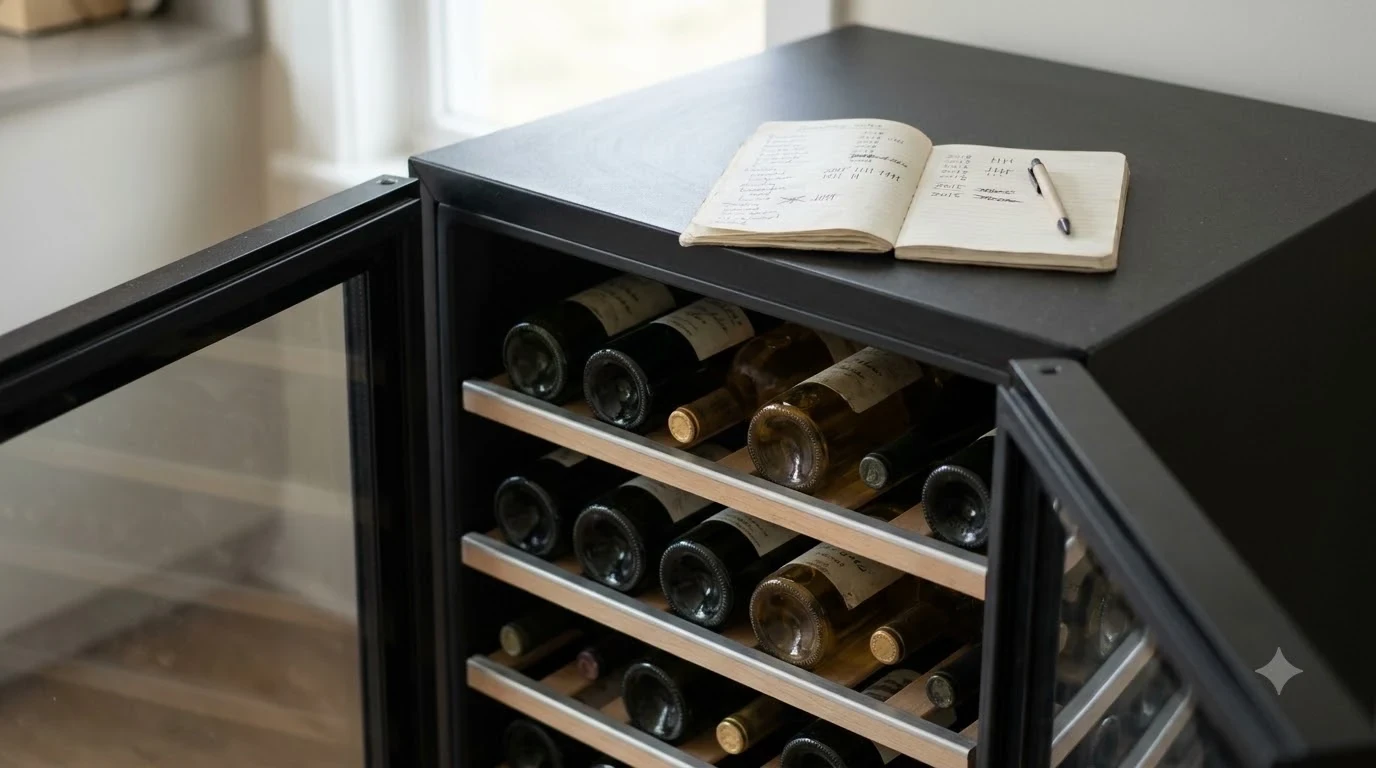
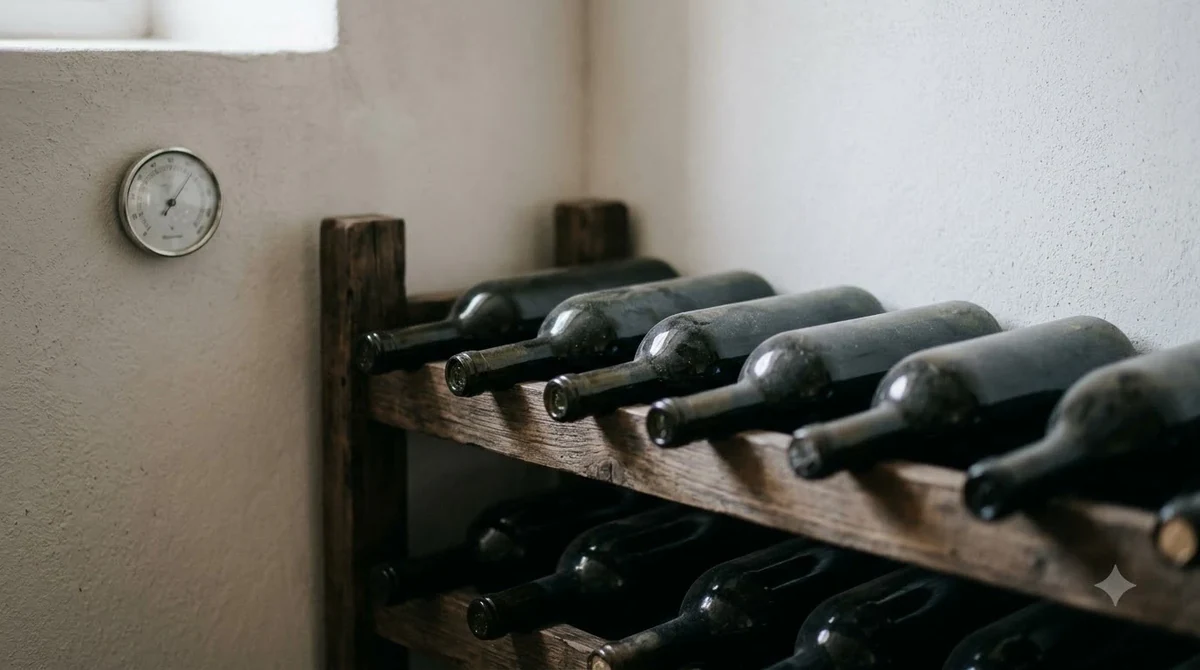
Keep unopened bottles in a cool, dark location with a reasonably stable temperature. Around 55°F is a useful storage target for wine, although a consistent, cool environment is more important than achieving an exact number.
Avoid storing bottles near ovens, radiators, sunny windows, or other heat sources. Repeated temperature fluctuations can negatively affect wine quality. Bottles with traditional cork closures are generally stored horizontally to keep the cork from drying out over extended storage periods.
Use suitable serving temperatures
Different Cupcake varieties benefit from different serving temperatures. Light whites and rosé generally work well around 45–50°F, while fuller-bodied whites are better around 50–55°F. Sparkling wines are typically served colder, around 40–50°F.
Light reds such as Pinot Noir can be served slightly cool, around 55–60°F. Fuller reds generally benefit from temperatures around 60–65°F. These ranges help preserve freshness and prevent excessive warmth from making alcohol seem more prominent.
Preserve opened bottles
Once opened, reseal the bottle with an appropriate stopper and refrigerate it. Most opened still wines remain enjoyable for approximately three to five days when properly stored, although freshness varies with the wine and the amount of air exposure.
Sparkling wines generally have a shorter storage window, often around one to three days when sealed with a suitable sparkling-wine stopper and refrigerated. Moscato and other sweet wines should also be refrigerated after opening.
Before serving an opened bottle again, allow it to approach the appropriate serving temperature. A white wine that has become too cold in the refrigerator may need a few minutes at room temperature, while a light red can benefit from a short period of cooling.
Plan portions before opening
A standard 750 ml bottle provides about five 5 oz servings. This makes it easier to estimate how much wine to purchase for a dinner or gathering. For a small dinner of four people, one bottle may be sufficient for a single glass each, while a larger gathering will require additional bottles.
If you are serving several styles, consider opening the wines in stages. Start with sparkling wine or a refreshing white, then serve reds with the main course. This approach reduces unnecessary exposure to air and helps prevent multiple opened bottles from being left unfinished.
Frequently Asked Questions
Does Cupcake Vineyards make non-alcoholic wine?
The Cupcake listings discussed in this guide are conventional alcoholic wines, and the specific retailer assortments examined do not establish a complete non-alcoholic range. Shoppers seeking alcohol-free alternatives should look for products explicitly labeled non-alcoholic or dealcoholized rather than assuming a lighter-style wine is alcohol-free.
What is the difference between Moscato and Moscato d’Asti?
Moscato d’Asti is an Italian sparkling wine style made from Moscato Bianco grapes in the Asti area of Piedmont. It is generally lightly sparkling, sweet, and lower in alcohol than many conventional sparkling wines. Standard Moscato can have a different production style and level of carbonation.
Is Cupcake Prosecco made using the same method as Champagne?
No. Prosecco is generally produced using the tank method, in which the secondary fermentation takes place in a pressurized tank. Traditional Champagne production uses a second fermentation inside the individual bottle, creating a different production process and texture.
How many calories are in a glass of Cupcake wine?
The exact calorie content depends on the specific wine, alcohol level, and residual sugar. Sweet wines can contain more residual sugar than dry wines, while alcohol also contributes calories. A precise figure requires nutritional information for the individual bottling rather than an estimate based only on the brand name.
Can Cupcake wine be used for cooking?
Yes. Dry Chardonnay and Sauvignon Blanc can be useful in cream sauces, seafood dishes, and pan sauces, while Merlot can work in certain braised meat recipes. Avoid using a sweet Moscato as a direct substitute for dry cooking wine unless the recipe specifically calls for sweetness.
Cupcake Vineyards offers a broad range of approachable wines, with standard 750 ml bottles generally occupying an accessible retail category and sparkling or specialty selections sometimes costing more. Compare the exact variety, bottle size, and retailer before choosing, and prioritize the style that suits your meal or occasion. For sparkling wine enthusiasts, the Cupcake Prosecco overview provides another useful reference, while the wider Wine Brands resource can help you explore alternatives and understand different producers.
More in Wine Brands
 Underwood Wine Price: Compare Bottles, Cans, and Pack SizesUpdated Nov 21, 2026
 Zenato Wine Price: Compare Styles and Choose the Right BottleUpdated Nov 21, 2026
 Zuccardi Wine Price: Compare Bottles and Find the Right RangeUpdated Nov 21, 2026
 Yellow Tail Moscato Review: Taste, Sweetness and Serving TipsUpdated Nov 21, 2026
 Wolf Blass Yellow Label Review: Choose Your Best StyleUpdated Nov 21, 2026
 Wolffer Estate Rose Review: Choose the Right Bottle for Your TableUpdated Nov 21, 2026