

We may earn a commission when you buy through links on this page, at no extra cost to you. Learn more.
The best riesling brands include Dr. Loosen, Joh. Jos. Prüm, Robert Weil, Dönnhoff, Trimbach, Hugel, Dr. Bürklin-Wolf, and Charles Smith, offering excellent choices across dry, off-dry, and sweet styles. Germany remains the leading starting point for exploring Riesling, while Alsace, Austria, Washington State, and New York’s Finger Lakes offer distinctive alternatives. The right producer depends on your preferred sweetness, acidity, regional character, and the foods you plan to serve.
Riesling is one of the most versatile white grapes available to American wine shoppers. A single variety can produce crisp, bone-dry wines with citrus and mineral notes, lightly sweet bottles with refreshing acidity, and concentrated dessert wines with honey and ripe stone fruit. That range makes choosing a producer more important than simply picking a bottle with a familiar grape name. This guide highlights established Riesling producers, explains what distinguishes their regional styles, and provides a practical method for finding bottles that match your preferences.
Who This Is For: Riesling Brands Worth Knowing
The best producers for your needs depend on whether you prefer German fruit-driven wines, structured Alsace whites, or refreshing American Rieslings. Start with a producer whose regional identity and typical wine style match your preferred drinking experience.
For newcomers, Dr. Loosen is a useful introduction to German Riesling. The Mosel producer is associated with wines that demonstrate the region’s combination of lively acidity, delicate fruit, and slate-influenced character. Its range makes it a recognizable starting point for understanding how German Riesling can balance fruit and freshness.
Joh. Jos. Prüm is another important Mosel name, particularly for shoppers interested in traditional wines with expressive fruit, elegance, and age-worthy character. Its wines are useful for exploring the relationship between residual sweetness and acidity. They also illustrate why sweetness should not automatically be confused with heaviness.
For dry German Riesling, consider Robert Weil, Dönnhoff, and Dr. Bürklin-Wolf. Robert Weil represents the Rheingau, Dönnhoff is an important Nahe producer, and Dr. Bürklin-Wolf is associated with the Pfalz. These producers offer different expressions of German Riesling, particularly in terms of body, vineyard character, and fruit intensity.
For French Riesling, Trimbach is a particularly useful name. Based in Alsace, the producer emphasizes dry, precise wines with freshness and food-friendly structure. Hugel, Weinbach, and Zind-Humbrecht are other established Alsace producers worth exploring.
American shoppers should also consider Washington State and the Finger Lakes. Washington producers such as Chateau Ste. Michelle offer a recognizable entry into American Riesling, while Dr. Konstantin Frank is a notable Finger Lakes name. Their regional styles can provide alternatives to European bottles, especially for drinkers who enjoy fresh fruit and balanced acidity.
These names are a starting shortlist rather than a universal ranking. A dry Riesling from Trimbach may be a better purchase than a famous sweet Mosel wine for someone who dislikes residual sugar. Conversely, a shopper who enjoys lightly sweet white wine may find the Mosel more satisfying than a firmly dry Austrian bottle.
Key Factors to Compare When Buying Riesling
Four factors matter most when comparing Riesling producers: sweetness, acidity, regional origin, and alcohol level. Understanding these details makes it easier to select a bottle that delivers the flavor and structure you expect.
Sweetness deserves particular attention because Riesling ranges from completely dry to intensely sweet. German labels may use terms such as Trocken and Halbtrocken, while other bottles communicate their style through back-label descriptions or sweetness scales. A producer can also make several sweetness levels, so its name alone does not guarantee a particular taste.
Acidity is another important consideration. Riesling naturally has high acidity, which helps balance residual sugar and keeps sweeter wines refreshing. A lightly sweet bottle can therefore taste brighter and less heavy than a fruit-forward white wine with lower acidity.
Regional origin offers useful clues. Mosel Riesling often emphasizes delicate fruit, high acidity, and relatively light body. Rheingau examples tend to offer a firmer structure, while Pfalz wines can show riper fruit and more weight. Alsace commonly produces dry, fuller-bodied expressions, whereas Austrian Riesling often emphasizes precision and mineral character.
Alcohol content provides an additional clue, particularly for German bottles. According to Wine Enthusiast, many dry German Rieslings reach approximately 12% ABV or higher, while sweeter Prädikat wines often fall below 10% ABV. These are useful indicators rather than absolute rules, because fermentation choices and individual wines can produce exceptions.
| Comparison factor | What to look for | Typical indication | Suitable preference |
|---|---|---|---|
| Sweetness | Trocken | Dry | Shoppers avoiding noticeable sweetness |
| Sweetness | Halbtrocken | Off-dry | Drinkers wanting moderate sweetness |
| Alcohol | Below 10% ABV | Often sweeter German Riesling | Fruit-forward wine preferences |
| Alcohol | 12% ABV or higher | Often dry German Riesling | Drinkers preferring drier styles |
| Serving temperature | 45–50°F | Chilled white wine | Most light and medium-bodied Rieslings |
| Serving temperature | 43–50°F | Sweet white wine | Sweet and dessert-style Riesling |
| Serving size | 5 oz | Standard wine pour | Comparing bottles consistently |
Food compatibility also matters. Riesling’s acidity works well with seafood, poultry, and dishes containing citrus or aromatic herbs. Off-dry versions are especially useful with spicy Asian-inspired food because a little residual sugar can balance heat. If you regularly prepare richer meals, look for structured dry Rieslings rather than assuming every bottle will offer the same weight.
For more help distinguishing the main sweetness categories, read this guide to dry riesling before choosing a producer.
Step-by-Step: How to Choose a Riesling Brand
A simple buying process can narrow a large international selection into a manageable shortlist. Start with sweetness, identify your preferred region, and then compare producers within that category.
-
Decide how much sweetness you enjoy.
Think about the white wines you already drink. If you prefer crisp Sauvignon Blanc or unoaked Chardonnay, begin with dry Riesling from Trimbach, Robert Weil, or an Austrian producer. If you enjoy fruity wines with a noticeable touch of sweetness, explore Mosel Kabinett and American off-dry Riesling.
-
Choose a region that matches your flavor preferences.
Select Mosel for delicate fruit and pronounced acidity, Rheingau for more structured German expressions, Alsace for dry and fuller-bodied wines, or the Finger Lakes for fresh American examples. Regional identity provides a helpful framework for comparing producers.
-
Compare two producers within the same region.
For example, compare Dr. Loosen with Joh. Jos. Prüm if you are exploring Mosel Riesling. For Alsace, compare Trimbach with Hugel. Keeping the region consistent makes it easier to identify differences in winemaking style and sweetness.
-
Check the sweetness and alcohol information.
Look for Trocken on German bottles when you want a dry style. Consider alcohol percentage as a secondary clue, especially when a bottle does not clearly communicate its sweetness. Remember that Kabinett, Spätlese, and Auslese describe grape ripeness categories rather than guaranteeing a specific finished sweetness.
-
Match the bottle to your intended meal.
Choose dry Riesling for shellfish, grilled fish, roasted chicken, and vegetable dishes. Off-dry Riesling is useful with spicy noodles, Thai-inspired dishes, and moderately hot curries. Sweet examples work particularly well with fruit desserts and blue cheese.
-
Consider whether you want an everyday wine or a special bottle.
Entry-level wines are generally more practical for regular meals and casual gatherings. More specific vineyard bottlings from producers such as Trimbach, Dönnhoff, or Robert Weil are worth considering when you want to explore regional character and aging potential.
-
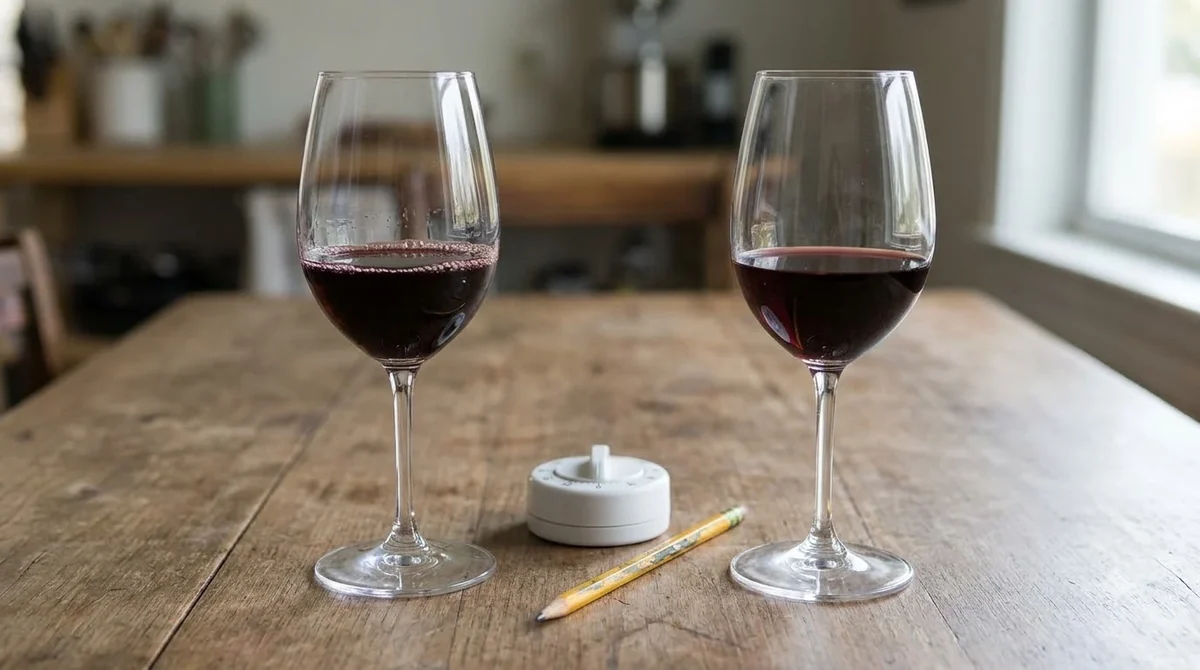
Keep a record of what you enjoy.
Write down the producer, region, sweetness, and vintage after opening a bottle. This simple habit helps identify whether you prefer the delicate profile of Mosel Riesling, the dry precision of Alsace, or the ripe fruit of Washington State.
Tip: When comparing Riesling producers, buy two bottles with similar sweetness levels and serve them at approximately 45–50°F. This makes differences in acidity, fruit, body, and regional character easier to recognize.
For a broader introduction to choosing wine styles and comparing bottles, the wine-buying learning guide provides useful background before you make your next selection.
Types and Regional Styles Explained
Riesling is best understood through its major growing regions rather than through sweetness alone. Germany, Alsace, Austria, Washington State, and the Finger Lakes all produce distinctive wines from the same grape.

German Riesling: Mosel, Rheingau, Nahe, and Pfalz
Germany is the essential starting point for anyone exploring the variety. Its producers offer a particularly broad range of sweetness, from completely dry wines to lightly sweet Kabinett and concentrated late-harvest examples.
Mosel is particularly associated with delicate, aromatic wines. Its steep vineyard slopes and slate-rich soils contribute to Rieslings with bright acidity, citrus, green apple, peach, and mineral impressions. Dr. Loosen, Joh. Jos. Prüm, Willi Schaefer, and Zilliken are useful producer names to recognize.
Rheingau provides a different experience, with structured wines that can combine ripe stone fruit, mineral character, and refreshing acidity. Robert Weil, Georg Breuer, and Schloss Johannisberg are established producers to explore.
Nahe is another important region, particularly for shoppers interested in comparing vineyard character. Dönnhoff and Emrich-Schönleber are recognized names, offering a useful introduction to the area’s varied geological conditions.
Pfalz generally produces fuller and fruitier dry Riesling than the lighter Mosel style. Dr. Bürklin-Wolf, Von Winning, Reichsrat von Buhl, and Ökonomierat Rebholz are producers worth knowing. Their wines can be particularly appealing to shoppers who enjoy dry whites with more texture and body.
Alsace: Dry, Structured Riesling
Alsace, in northeastern France, is a major destination for drinkers who prefer dry Riesling. The region’s wines frequently show ripe citrus, floral aromas, and a firm mineral backbone. Compared with many delicate Mosel examples, Alsace Riesling can feel broader and more structured.
Trimbach is one of the most recognizable names in the region. Its Classic Riesling emphasizes dryness, fruit, and natural freshness. The producer also makes Riesling Réserve and more prestigious wines such as Frédéric Emile and Clos Sainte Hune.
Hugel is another established Alsace producer, while Weinbach and Zind-Humbrecht offer further opportunities to explore the region’s different vineyard expressions. For shoppers interested in a distinctly dry white wine, Alsace is a particularly useful place to begin.
Trimbach’s official Alsace wine range provides a good illustration of the differences between its Classic, Réserve, and Grand Cru Rieslings.
Austria: Mineral-Driven White Wines
Austria is another strong choice for dry Riesling. The Wachau, Kamptal, and Kremstal regions produce wines with lively acidity, mineral character, and concentrated fruit.
Producers such as F.X. Pichler, Emmerich Knoll, Franz Hirtzberger, and Bründlmayer are established names to investigate. Their wines appeal to people who enjoy precise, structured whites rather than noticeably sweet expressions.
Austrian Riesling can be particularly suitable for grilled fish, roasted poultry, and dishes with fresh herbs. Its combination of acidity and structure provides a useful alternative to both leaner Mosel wines and richer Alsace bottlings.
American Riesling: Washington State and the Finger Lakes
American Riesling deserves attention because it offers a different approach to the grape. Washington State is associated with ripe peach and citrus, balanced by brisk acidity. The Finger Lakes in New York produces wines that can be delicate, linear, and fresh, with styles ranging from dry to lightly sweet.
Chateau Ste. Michelle is a recognizable Washington producer, while Dr. Konstantin Frank is a notable Finger Lakes name. These producers are useful starting points for shoppers who want to explore American Riesling without immediately moving into more specialized European wines.
American bottles are particularly worth considering for casual meals, seafood, and spicy food. Their range of sweetness levels also makes it easier to find a style that suits drinkers who are not yet familiar with traditional German labels.
Australian Riesling: Clare Valley and Eden Valley
Australia is especially interesting for people who prefer bone-dry white wine. Clare Valley and Eden Valley are known for Rieslings with pronounced lime, citrus, and mineral characteristics.
Producers such as Jeffrey Grosset, Pikes, Pewsey Vale, and Mount Horrocks are established names associated with Australian Riesling. Their wines provide a useful contrast to the delicate, sometimes off-dry expressions commonly associated with Germany.
Australian Riesling is a strong candidate for grilled seafood, fresh salads, and dishes with lemon-based sauces. Its crisp profile makes it particularly suitable for warm-weather meals.
Common Mistakes When Choosing Riesling
The biggest mistake is assuming that all Riesling tastes sweet. Other common problems include misunderstanding German wine terminology, choosing by producer reputation alone, and overlooking the differences between growing regions.
One widespread misconception is that German Riesling automatically contains substantial residual sugar. Germany produces many excellent dry wines, particularly in regions such as Rheingau, Rheinhessen, and Pfalz. Trocken is the clearest starting point for shoppers who want a dry German bottle.
Another mistake is treating Kabinett, Spätlese, and Auslese as direct sweetness classifications. These terms refer to grape ripeness at harvest. A Spätlese Trocken, for example, can be dry even though Spätlese is commonly associated with riper fruit and sweeter styles.
It is also easy to confuse fruity aromas with sweetness. A dry Riesling can smell strongly of peach, apple, citrus, or tropical fruit without containing noticeable residual sugar. Aroma and finished sweetness are related but separate characteristics.
Choosing only by reputation is another potential problem. A famous premium producer may offer a style that does not suit your preferences. Someone who enjoys fresh, simple white wine may prefer an approachable American Riesling over a concentrated German vineyard bottling.
Similarly, an expensive bottle is not automatically the best introduction. Complex vineyard-specific wines are interesting, but they can be less representative of the everyday style a new Riesling drinker wants. Start with an accessible regional wine and move toward more specialized bottles once you know which characteristics appeal to you.
Finally, avoid choosing a bottle solely because its label contains a familiar German name or traditional design. Look at the region, producer, sweetness indication, and alcohol percentage together. These details provide a much clearer picture of what is inside the bottle.
Care, Serving, and Storage Tips for Riesling
Proper serving temperature and storage help preserve Riesling’s freshness, acidity, and aromatic detail. Although it is a white wine, Riesling does not benefit from being served extremely cold or stored in a warm kitchen.
Light and medium-bodied Rieslings generally show well at 45–50°F. Fuller-bodied whites can be served slightly warmer, around 50–55°F, while sweeter Rieslings are often enjoyable at approximately 43–50°F. Excessive chilling can suppress aromas, while warmer temperatures can make the wine seem less refreshing.
Use a standard white wine glass with enough room to appreciate the aromas. A typical 5-ounce pour provides space for swirling without filling the glass to the rim. A 750 ml bottle contains approximately five standard servings.
For unopened bottles, a cool, dark storage area near 55°F is a useful target. Keep bottles away from direct sunlight, temperature fluctuations, and strong heat sources. Bottles with natural cork closures are generally stored on their sides to help keep the cork from drying out.
Riesling can also be an excellent candidate for aging. However, aging potential depends on the producer, sweetness, acidity, vineyard, and vintage. A simple everyday Riesling is generally intended for earlier drinking, while selected premium wines can develop greater complexity over several years.
Trimbach provides a good example of this variation. Its Classic Riesling has a stated aging potential of three to five years, while its Réserve wines have a stated potential of 10 to 15 years. The producer describes its Frédéric Emile wines as capable of maturing for 20 years or more in great vintages.
After opening a bottle, reseal it and place it in the refrigerator. Most still Rieslings retain their best freshness for approximately three to five days, although the result depends on the wine and how much oxygen enters the bottle. A proper stopper can help preserve the remaining wine between servings.
Sweetness does not eliminate the need for careful storage. Although acidity can help a wine remain lively, opened bottles still gradually lose aromatic freshness. Keep leftover wine chilled rather than leaving it on the dining table overnight.
Riesling also rewards thoughtful food pairing. Dry examples are excellent with seafood, white meats, and fresh vegetables. Off-dry styles are useful with chili heat, aromatic spices, and dishes containing a little sweetness. Richer sweet examples work with fruit desserts and blue cheese, provided the wine is at least as sweet as the dessert.
Frequently Asked Questions
Is Riesling always a German wine?
No. Riesling is grown in many countries, including France, Austria, Australia, New Zealand, and the United States. Germany is its historic center, but the grape has developed important regional identities elsewhere. The international spread of Riesling means shoppers can compare several national interpretations without changing grape varieties.
Can Riesling develop petrol-like aromas as it ages?
Yes. Mature Riesling can develop distinctive aromas commonly described as petrol, kerosene, or petroleum. These characteristics are associated with the aroma compound TDN and can become more noticeable as certain bottles age. Their presence is not automatically a sign that the wine has spoiled.
What does VDP.Grosse Lage mean on a German Riesling label?
VDP.Grosse Lage identifies a top vineyard classification within the German VDP producer association. The designation refers to the vineyard’s recognized quality rather than automatically indicating whether the wine is sweet or dry. Dry wines from these sites can carry the additional designation Grosses Gewächs, commonly abbreviated GG.
Is Riesling suitable for making sparkling wine?
Yes. German producers make sparkling Riesling known as Sekt, which can range from very dry to noticeably sweet. Riesling’s naturally high acidity makes it particularly suitable for sparkling wine production. These bottles offer an alternative to sparkling Chardonnay and traditional-method wines made from other white grapes.
What is Eiswein made from?
Eiswein is a German ice wine produced from grapes that freeze naturally on the vine. The frozen grapes are harvested and pressed while still frozen, concentrating sugar and other grape components in the resulting juice. Riesling is one of the important varieties used for this demanding dessert-wine style, which depends on suitable freezing conditions.
The best Riesling brands are those that consistently produce the sweetness level, regional character, and structure you enjoy. Start with recognizable names such as Dr. Loosen, Robert Weil, Trimbach, and Dr. Konstantin Frank, then compare producers from different regions as your preferences develop. Exploring Riesling by producer and origin is one of the most rewarding ways to discover how much variety this single grape can offer.
More in Wine Buying Guides
 Cheap Red Blend: How to Find a Flavorful Bottle for LessUpdated Nov 20, 2026
 Pinot Grigio Gift: How to Choose a Bottle They’ll EnjoyUpdated Nov 20, 2026
 Best White Wine at Total Wine for Every MealUpdated Nov 20, 2026
 Wine Fridge Replacement Shelves: Find the Right FitUpdated Nov 20, 2026
 Best Sparkling Wine Under 20: Find Bubbles Worth BuyingUpdated Nov 20, 2026
 Best Wine For Birthday Celebrations With Perfect Party PairingsUpdated Nov 20, 2026