

We may earn a commission when you buy through links on this page, at no extra cost to you. Learn more.
Pfalz wine comes from Germany’s second-largest wine region, in Rhineland-Palatinate, where warm, dry weather favors dry Riesling, Pinot styles and Dornfelder reds. The region covers about 23,700 hectares, and most of its wine is dry, full-bodied and food friendly. If you are new to German wine, the Pfalz is a good place to start because its bottles often show more weight and sunshine than the lighter wines people associate with the Rhine.
This guide explains what Pfalz wine is, which grapes go into it, how the dry style differs from the sweeter German wines many shoppers expect, and how to choose a bottle for everyday meals or a special dinner. It also covers serving temperature and a few practical tips for buying.
What Pfalz Wine Is
Pfalz (also written Palatinate in English) is one of Germany’s 13 wine regions. It sits in the southwest of the country, around the towns of Bad Dürkheim, Neustadt an der Weinstraße and Landau. Only Rheinhessen has more vineyard area among German regions, which makes the Pfalz a major source of German wine by volume as well as by reputation. The region’s history and geography are summarized on Wikipedia’s Palatinate wine region page.
The region lies in the rain shadow of the Palatinate Forest. That shelter keeps the area drier and sunnier than most of Germany, and the source describes it as one of the warmest, sunniest and driest German wine regions. Warm days help grapes ripen fully, while cool nights keep acidity in the wine. The result is a style that tends to be riper than many cooler German areas, without losing freshness.
Main Grapes and Wine Styles
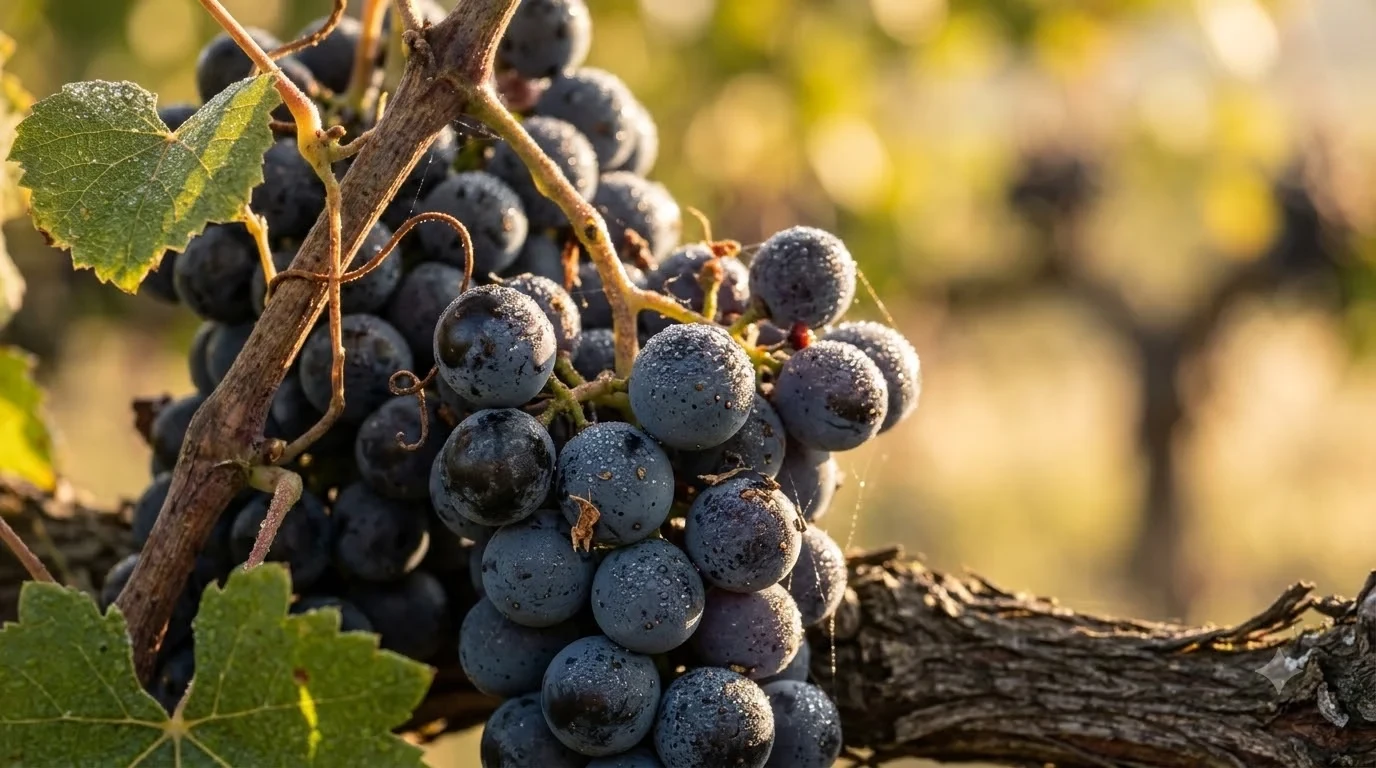
Riesling is the signature grape of the Pfalz and covers about a quarter of the planted area. Germany as a whole is known for Riesling, and the Pfalz produces a large share of it, from bone-dry wines to sweeter styles. Riesling in this region often shows citrus, green apple and stone fruit with a mineral edge, and the dry versions are the ones most often seen on restaurant lists. Wine Folly’s Riesling guide describes the grape as ranging from bone-dry to very sweet, which explains why label reading matters in Germany.
Other grapes matter just as much. Pinot family varieties, including Grauer Burgunder (Pinot gris), Spätburgunder (Pinot noir) and Weißer Burgunder (Pinot blanc), together cover a large share of the vineyards. Red wines are also gaining ground, with Dornfelder the most widely planted red and Müller-Thurgau remaining a common white for lighter, easy-drinking bottles.
| Grape | Share of vineyard area (2022) | Typical style in the Pfalz |
|---|---|---|
| Riesling | About 25% | Dry to off-dry white, citrus and mineral notes |
| Dornfelder | About 11% | Deep red, fruity, fairly soft tannins |
| Grauer Burgunder (Pinot gris) | About 9% | Full-bodied dry white with ripe pear notes |
| Spätburgunder (Pinot noir) | About 7% | Medium-bodied red, often oak-aged |
| Müller-Thurgau | About 7% | Soft, floral white for everyday drinking |
Pfalz wines are traditionally dry, which surprises many buyers who associate German wine with sweetness. The label word trocken means dry, and halbtrocken means off-dry. Reds from the region can reach about 13% alcohol and often go through malolactic fermentation and some oak aging, which gives them a rounder texture than many lighter German reds.
Dry Style and the Weinstraße Sub-Regions
The Pfalz is usually split into two main parts. The Südliche Weinstraße (Southern Wine Route) in the south is known for Pinot gris and Pinot blanc, along with some Riesling, grown on sandstone and slate soils. The Mittelhaardt-Deutsche Weinstraße in the north is the heart of the region’s Riesling tradition, and many of its best-known dry whites come from this stretch.
Both areas share the same climate, but the soils give different textures. Sandstone tends to produce wines with a softer, rounder feel, while slate can add tension and minerality. For a first purchase, a Riesling from the north and a Pinot from the south make a useful comparison, because the difference in soil often shows clearly in the glass.
Tip: Look for the word trocken on the label if you want a dry wine. Wines labeled with a Prädikat (quality level) such as Kabinett or Spätlese can taste sweeter or fruitier, depending on the producer.
How to Serve and Pair Pfalz Wine
Serving temperature changes how a wine tastes, and that matters with Pfalz whites. The Wine Folly guide to Riesling suggests serving the grape at 38 to 45°F (3 to 7°C) in a white wine glass, which keeps acidity lively and lets the fruit come through without the wine feeling flat. Fuller dry whites, such as a Pinot gris, can be served a little warmer, around 45 to 55°F (7 to 12°C), so the texture and aromas open up.
Pfalz reds are best a bit cooler than room temperature, and a short chill of 15 to 20 minutes often helps Dornfelder. Food pairings are wide. Dry Riesling works with pork, roast chicken and spicy Asian dishes, while Pinot noir suits mushroom dishes and salmon. Local tradition also includes Pfalz wine mixed with sparkling water as a Schorle, which is a refreshing option on a warm afternoon.
How to Choose a Pfalz Wine
Start by deciding what kind of wine you want. If you like crisp, bright whites, choose a dry Riesling from a recognized producer. If you prefer richer texture, a dry Pinot gris or Weißer Burgunder can be a good middle ground. For red drinkers, Dornfelder is an approachable choice, and Spätburgunder offers a more serious, food-friendly option.
Next, check the label. Look for the region name Pfalz, the word trocken for dryness, and the producer name. Estate-bottled wines from smaller family producers often give a clearer view of the region than very cheap bulk bottles, although price is only one signal. Read a short description, and if the wine is for a meal, match it to the food rather than chasing a single famous name.
Finally, buy a few different styles before you commit to a case. A Riesling, a Pinot and a red will teach you more about the region than a single bottle. Shops and restaurants often label German wines by village and vineyard name, which can seem confusing at first, so ask staff to explain the style if the label is unclear.
Frequently Asked Questions
Is Pfalz wine sweet?
Most Pfalz wine is dry. Wines labeled trocken are dry, and many Pfalz Rieslings and Pinots are made that way. Sweeter styles exist, usually marked with a Prädikat such as Spätlese or Auslese, so check the label if you want sweetness.
What grape is the Pfalz known for?
Riesling is the signature grape and covers about a quarter of the planted area. The region also grows a large share of Pinot family varieties and Dornfelder for red wine.
How should I serve a Pfalz Riesling?
Serve dry Riesling chilled, around 38 to 45°F (3 to 7°C), in a white wine glass. This temperature keeps the wine fresh and balanced.
Is Pfalz wine a good choice for beginners?
Yes. Dry Pfalz whites are approachable and food friendly, and the region offers a range from light, citrus-led Rieslings to fuller Pinots, so beginners can try several styles without a large commitment.
Pfalz wine rewards curiosity. Start with a dry Riesling and a Pinot from the same region, then move to a red when you are ready. For more ideas on wine regions around the world, browse the Wine Regions guides, or compare the crisp, aromatic style of gavi wine tasting with the sunnier, riper character of the Pfalz.
More in Wine Regions
 Willcox Wine Trail: Discover Arizona’s High-Elevation Wine CountryUpdated Nov 20, 2026
 Yakima Valley Wine Region: Find the Best Styles to TryUpdated Nov 20, 2026
 Vosne Romanee Wine Tasting: Identify Aromas and Choose Better PairingsUpdated Nov 20, 2026
 Yakima Valley Wine Festival: Find the Best Seasonal Wine EventsUpdated Nov 20, 2026
 Wales Vineyards: Discover Cool-Climate Wines and Where to VisitUpdated Nov 20, 2026
 Yountville Wine Festival: Discover Napa Wines and Local FoodUpdated Nov 20, 2026