

We may earn a commission when you buy through links on this page, at no extra cost to you. Learn more.
The la crema pinot noir price typically ranges from about $15 to $50 for a 750 ml bottle, depending on the growing region, bottling, and retailer. Sonoma Coast and Monterey selections generally occupy the more affordable end of the range, while Russian River Valley and other premium regional bottlings can cost more. Comparing the appellation, bottle size, and current retailer listings is the easiest way to identify a bottle that fits your budget without sacrificing the style you want.
La Crema produces Pinot Noir from several well-known California and Oregon growing regions, giving shoppers more than one option at the wine store. Its lineup includes approachable regional bottlings as well as selections associated with more specific growing areas. That variety explains why two bottles carrying the same winery name can have noticeably different retail prices. Understanding those differences helps you decide whether to choose an everyday Sonoma Coast bottle, explore Monterey, or spend more on Russian River Valley Pinot Noir.
Who This Is For
La Crema Pinot Noir is worth comparing if you want a recognizable American winery producing regional expressions of a popular red grape. Its selection provides options for casual dinners, weekend entertaining, and more formal meals without requiring shoppers to choose an unfamiliar producer.
Budget-conscious Pinot Noir drinkers should begin with Sonoma Coast or Monterey. These regional selections generally provide an accessible entry point into the winery’s style. They are useful choices for shoppers who want a fruit-forward red for roast chicken, mushroom dishes, burgers, or a relaxed dinner with friends.
Exploratory wine drinkers may prefer comparing the Russian River Valley and Willamette Valley bottlings. Both regions are associated with Pinot Noir, but they offer different growing conditions and expressions. Russian River Valley wines can emphasize ripe red and dark fruit, while Willamette Valley Pinot Noir often appeals to people looking for a fresh, structured profile with earthy nuances.
La Crema also makes sense for shoppers who want to compare several regional wines from one producer. Keeping the winery constant makes regional differences easier to understand. Rather than comparing completely unrelated producers, you can consider how the growing location affects fruit character, structure, and the amount you pay.
It is also a practical option for people buying wine as a gift. A Sonoma Coast bottle can work for an informal occasion, while a Russian River Valley selection may be more appropriate when the recipient enjoys exploring premium regional Pinot Noir. If the recipient already prefers this grape, the broader La Crema Pinot Noir range offers several styles to consider.
However, shoppers who prefer powerful Cabernet Sauvignon or heavily tannic red wines may find Pinot Noir relatively light. Pinot Noir typically has low-to-medium tannin and higher acidity than Cabernet Sauvignon. La Crema’s regional bottlings are better suited to drinkers who appreciate red-fruit character, moderate structure, and freshness rather than an intensely tannic finish.
Key Factors to Compare
The biggest factors affecting the la crema pinot noir price are the growing region, bottle size, and retailer. Looking at these details together gives you a more realistic comparison than relying on the winery name alone.

Start with the appellation. Sonoma Coast, Monterey, Russian River Valley, and Willamette Valley represent different growing areas, and the wines are not interchangeable simply because they share the Pinot Noir grape. Vineyard conditions, fruit sourcing, production choices, and the positioning of individual bottlings all contribute to their retail prices.
Next, compare the bottle size. A standard 750 ml bottle is the most common format and typically provides approximately five 5-ounce servings. A 375 ml half bottle provides about two and a half standard servings, making it useful when you want to sample a wine without purchasing a full bottle.
Retailer differences matter as well. The winery’s online store and national retailers may display different prices because of regional distribution, local taxes, inventory, and store-specific pricing. Total Wine specifically notes that price, vintage, and availability can vary by store. Target also displays different La Crema regional bottlings within its Pinot Noir selection.
| La Crema Pinot Noir | Bottle size | Typical US retail range | Buying consideration |
|---|---|---|---|
| Sonoma Coast | 750 ml | About $20–$30 | Accessible regional choice |
| Sonoma Coast Half Bottle | 375 ml | About $10–$18 | Smaller serving quantity |
| Monterey | 750 ml | About $15–$22 | Everyday regional option |
| Russian River Valley | 750 ml | About $35–$50 | Higher-priced regional selection |
| Willamette Valley | 750 ml | About $25–$35 | Oregon regional alternative |
| Light Pinot Noir | 750 ml | About $15–$22 | Lighter-style alternative |
These are practical comparison ranges rather than guaranteed prices or fixed winery-wide pricing. The Sonoma Coast range reflects listings from the winery and Total Wine, while Monterey and Willamette Valley comparisons are informed by retailer listings and the winery’s collection. The winery lists its Russian River Valley bottling at a higher price than its Sonoma Coast selection, illustrating the importance of comparing appellations. Prices vary by state and retailer.
One final consideration is the vintage. A bottle’s vintage identifies the year the grapes were harvested, not the year it was purchased. Different vintages may be available at the same time, and their pricing can differ. A retailer may also continue selling an earlier vintage after the winery has moved on to a newer release.
Tip: Compare the same bottle size and appellation before deciding which retailer offers better value. A 375 ml half bottle should not be compared directly with a 750 ml bottle using only the shelf price.
For a more complete purchasing decision, consider the wine’s style alongside its cost. A moderately priced bottle that suits your preferred flavor profile can be a better purchase than a more expensive regional selection that does not match your taste.
Step-by-Step: How to Compare La Crema Prices
A useful price comparison starts with identifying the exact wine and ends with checking the final bottle size and retailer terms. Following a consistent process makes it easier to avoid confusing different La Crema bottlings.
-
Choose the regional bottling.
Decide whether you want Sonoma Coast, Monterey, Russian River Valley, or Willamette Valley Pinot Noir. Each represents a different regional expression, so begin by selecting the style that interests you rather than choosing whichever bottle has the lowest shelf price.
-
Identify the bottle size.
Look for 750 ml if you want a standard bottle or 375 ml if you need a smaller quantity. A half bottle contains half the volume of a standard bottle, so its total price should generally be lower even if the price per milliliter is higher.
-
Compare the winery’s listing.
Start with the official La Crema Pinot Noir collection. Its product listings provide a useful reference for regional names, bottle sizes, and the winery’s own retail positioning.
-
Check national retailers.
Compare listings at retailers such as Total Wine and Target. Search using the complete wine name, including the appellation, to avoid accidentally comparing Sonoma Coast with Russian River Valley or another selection.
-
Confirm the vintage.
Check whether the retailer is listing the same vintage as the winery. A different vintage may explain a difference in price, particularly when a store has older inventory available alongside a newer release.
-
Calculate the cost per milliliter.
Divide the bottle price by its volume. For example, a 750 ml bottle contains twice as much wine as a 375 ml half bottle. This calculation helps distinguish a lower total price from genuinely better value per unit.
-
Check the final purchase terms.
Consider applicable sales taxes, shipping charges, pickup availability, and delivery restrictions. Wine shipping rules differ between states, and an online listing does not guarantee that the bottle can be shipped to every address.
Using this method also helps you avoid confusing the winery’s recommended retail positioning with a retailer’s local shelf price. The same wine can appear at different prices in different markets, so a single online listing should not be treated as a nationwide standard.
When comparing several bottles, record the appellation, vintage, volume, retailer, and displayed price. These five details provide enough information to make a meaningful comparison without getting distracted by unrelated wines from the same winery.
Types of La Crema Pinot Noir Explained
La Crema’s Pinot Noir collection includes several regional styles, with California and Oregon selections providing different options for shoppers. Understanding the main bottlings helps explain why the price range extends beyond the cost of an entry-level regional wine.
Sonoma Coast Pinot Noir
Sonoma Coast is a useful starting point for shoppers exploring La Crema. The winery lists a 750 ml Sonoma Coast Pinot Noir, and Total Wine describes its wine with aromas of ripe cherry, cocoa, anise, and baking spices. The palate description includes cherry, plum, pomegranate, and delicate tea leaf.
This profile makes Sonoma Coast a versatile choice for people who enjoy fruit-forward Pinot Noir with noticeable structure. Its balanced acidity and firm but elegant tannins can complement a range of dinner dishes. The regional designation also makes it a practical reference point when comparing other La Crema selections.
Monterey Pinot Noir
Monterey is another important option within the collection. Its regional identity makes it useful for shoppers who want to explore California Pinot Noir without automatically moving into a higher-priced regional bottling.
Monterey Pinot Noir is worth considering for everyday meals, particularly when you want a red wine that can accompany roast chicken, grilled vegetables, or mushroom-based dishes. Retail availability and pricing differ between stores, so compare the exact bottling and vintage before purchasing.
Russian River Valley Pinot Noir
Russian River Valley is a more premium-oriented choice within the lineup. The winery’s 2024 bottling is made from 100% Pinot Noir and is described with red cherry, raspberry, rose petal, boysenberry, plum, and subtle earthy elements.
Its plush tannins and juicy acidity provide a combination of richness and freshness. La Crema recommends pairing this wine with grilled or roasted meats, prosciutto, mushrooms, and cured black olives. Beef stew, pasta Bolognese, and pan-seared pork belly are additional suggestions for richer meals.
The higher retail positioning makes this selection particularly relevant to shoppers who want a more premium regional bottle. It is not automatically the right choice for every occasion, but its fruit profile and food-pairing flexibility make it an interesting option for people who already enjoy Pinot Noir.
Willamette Valley Pinot Noir
La Crema’s Willamette Valley selection offers an Oregon alternative to its California bottlings. Willamette Valley is an established Pinot Noir region, and its wines can appeal to drinkers who prefer a combination of red fruit, fresh acidity, and earthy character.
This is a useful comparison for anyone who wants to explore regional differences without changing producers. Compare it with the Sonoma Coast selection to see whether the Oregon expression better suits your preferred balance of fruit and structure.
Light Pinot Noir and Half Bottles
Light Pinot Noir provides another option for shoppers who prefer a less concentrated red wine. It should be considered separately from the regional appellation bottlings because its positioning is based on style rather than simply a different growing region.
The 375 ml Sonoma Coast half bottle is useful for smaller occasions, individual meals, or sampling. It also allows shoppers to experience the wine without committing to a full 750 ml bottle. The reduced volume is particularly practical when purchasing several different wines for a tasting or dinner.
For a closer look at the winery’s complete regional range, explore our broader Wine Brands coverage.
Common Mistakes When Comparing Prices
The most frequent shopping mistake is assuming that every bottle labeled La Crema Pinot Noir represents the same wine. Regional differences, bottle sizes, and vintages can all affect the price and the experience.
One common error is comparing Sonoma Coast directly with Russian River Valley without considering the appellation. These wines come from different growing areas and occupy different positions in the winery’s selection. A higher price does not necessarily mean a better match for your preferences.
Another mistake is treating half bottles as poor value simply because they cost less overall. A 375 ml bottle contains approximately half the volume of a 750 ml bottle. If you only need two glasses, the smaller format may be more practical than purchasing a standard bottle that you may not finish.
Shoppers should also avoid comparing a retailer’s promotional display with a winery’s regular listing as though both were permanent prices. Retailer pricing can change with inventory, local market conditions, and purchasing arrangements. A displayed price is useful for comparison, but it does not establish a universal retail value.
Vintage confusion can create similar problems. Two bottles with different vintage years may have different retail prices even when the appellation and producer are identical. Always identify the vintage when comparing products from different retailers.
Finally, do not assume that the most expensive regional selection will be the best food match. Pinot Noir’s relatively moderate tannin makes it versatile, but the food still matters. A fresh Sonoma Coast bottling may be more appropriate with roast chicken than a richer red wine purchased simply because it costs more.
Wine drinkers should also avoid expecting Pinot Noir to taste like Cabernet Sauvignon. Cabernet generally has higher tannin and a firmer structure, while Pinot Noir typically emphasizes acidity, red fruit, and a lighter tannin profile. Choosing the right grape style is just as important as choosing the right bottle price.
Care, Serving, and Storage Tips
Proper storage and serving can make a noticeable difference to your enjoyment of La Crema Pinot Noir. A good bottle should be stored away from excessive heat and served cool enough to preserve its fruit and freshness.
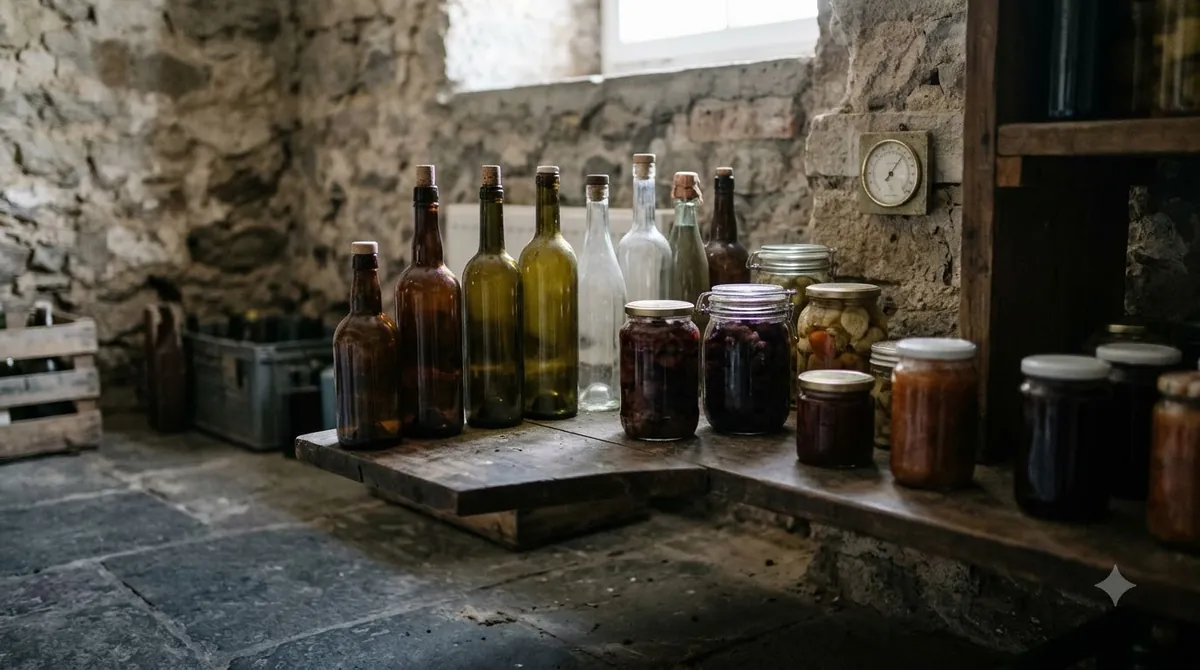
For storage, keep unopened bottles in a cool, dark location near 55 degrees Fahrenheit when possible. Bottles with traditional cork closures are generally best stored on their sides so the cork remains in contact with the wine. Avoid locations near ovens, radiators, sunny windows, and other sources of temperature fluctuation.
For serving, light reds such as Pinot Noir generally work well at 55 to 60 degrees Fahrenheit. Serving the wine too warm can make its alcohol feel more prominent and reduce the impression of freshness. If the bottle has been stored at typical room temperature, a short period in the refrigerator can help bring it closer to the recommended range.
Choose a medium-sized red wine glass with enough room to swirl the wine. A standard 5-ounce pour is a useful serving measure, and a 750 ml bottle provides approximately five glasses. This also makes it easier to estimate how many bottles you need for a dinner party.
Decanting is not always necessary for Pinot Noir. Unlike a particularly young, full-bodied Cabernet Sauvignon, which may benefit from 30 to 60 minutes of aeration, many Pinot Noir bottlings can be poured directly into a glass. If the wine seems closed initially, allow it a little time to develop before deciding whether it needs more air.
Once opened, reseal the bottle and refrigerate the remaining wine. Most opened still wines are best consumed within approximately three to five days, although their aromas and flavors may gradually change. Allow refrigerated Pinot Noir to warm slightly before serving again so its fruit character is not muted by excessive cold.
Food pairing is another way to get more enjoyment from a bottle. Pinot Noir works well with roast chicken, pork, mushrooms, and dishes containing moderate amounts of fat. Salt and fat can soften tannin, while acidity helps balance richer foods.
La Crema’s own suggestions for its Russian River Valley Pinot Noir include grilled meats, roasted meats, prosciutto, mushrooms, cured black olives, beef stew, pasta Bolognese, and pan-seared pork belly. These are particularly useful starting points when planning a meal around a more substantial Pinot Noir.
For more ideas, our guide to La Crema Pinot Noir food pairing explains how to match the wine with different meals. You can also compare the La Crema Pinot Noir alcohol content before choosing a bottle for an occasion.
Frequently Asked Questions
Does La Crema Pinot Noir use natural cork or a screw cap?
Closure type can differ between individual bottlings and packaging runs. The winery’s regional product descriptions do not establish one universal closure for its entire Pinot Noir collection. Check the individual bottle’s neck and packaging before purchasing if closure type matters to you.
Can La Crema Pinot Noir be aged for several years?
Some Pinot Noir bottlings can develop additional earthy and savory characteristics with bottle age, but not every regional wine is intended for extended cellaring. The appropriate aging window depends on the vintage, wine structure, and storage conditions. For a typical everyday purchase, enjoying the wine while its fruit character remains fresh is a sensible approach.
Is La Crema Pinot Noir a dry red wine?
La Crema’s standard regional Pinot Noir bottlings are presented as dry-style red wines rather than sweet dessert wines. Their fruit aromas can suggest cherry, raspberry, plum, and other ripe fruits without indicating substantial residual sugar. Fruitiness and sweetness are different characteristics in wine.
Does La Crema produce single-vineyard Pinot Noir?
Yes, the winery’s broader Pinot Noir collection includes vineyard-designated selections such as Sealift Vineyard, Skycrest Vineyard, and Saralee’s Vineyard. These selections are distinct from the standard regional bottlings and can occupy a more premium position in the collection.
Is La Crema Pinot Noir suitable for a wine tasting flight?
Yes. Comparing Sonoma Coast, Monterey, Russian River Valley, and Willamette Valley selections can provide a useful introduction to regional Pinot Noir differences. Pour approximately 2 ounces per wine so guests can compare several bottlings without using a full standard serving of each.
La Crema Pinot Noir offers several regional choices, with typical US retail prices ranging from accessible everyday bottles to more premium selections. Start by comparing Sonoma Coast and Monterey, then consider Russian River Valley or Willamette Valley if you want to explore different expressions of Pinot Noir. The best purchase is the bottle whose regional style, size, and retail price match your preferences and occasion.
More in Wine Brands
 Underwood Wine Price: Compare Bottles, Cans, and Pack SizesUpdated Nov 21, 2026
 Zenato Wine Price: Compare Styles and Choose the Right BottleUpdated Nov 21, 2026
 Zuccardi Wine Price: Compare Bottles and Find the Right RangeUpdated Nov 21, 2026
 Yellow Tail Moscato Review: Taste, Sweetness and Serving TipsUpdated Nov 21, 2026
 Wolf Blass Yellow Label Review: Choose Your Best StyleUpdated Nov 21, 2026
 Wolffer Estate Rose Review: Choose the Right Bottle for Your TableUpdated Nov 21, 2026