

We may earn a commission when you buy through links on this page, at no extra cost to you. Learn more.
Cloudy Bay wine price typically ranges from about $25 to $105 for a 750 ml bottle in US retail listings, depending on the wine, vintage and collection. Standard Marlborough Sauvignon Blanc is generally the most accessible starting point, while Te Koko and Te Wāhi occupy more premium positions. Understanding the differences between the core wines and special selections makes it easier to choose a bottle that fits your budget and the occasion.
Cloudy Bay is one of New Zealand’s best-known wine producers, with a reputation built around Marlborough Sauvignon Blanc and an expanding portfolio that includes Chardonnay, Pinot Noir and traditional-method sparkling wine. Its prices reflect more than the name on the bottle: grape variety, vineyard location, winemaking choices, vintage and retail availability all contribute. This guide explains typical US retail ranges, what separates the different bottles and how to compare them before buying.
Who This Is For
Cloudy Bay appeals to wine drinkers who enjoy distinctive New Zealand wines and want to understand what they are paying for. It is particularly relevant to Sauvignon Blanc enthusiasts, people shopping for wine gifts and buyers considering whether a premium-priced bottle offers something different from an everyday supermarket selection.
The most useful starting point is deciding whether the bottle is intended for casual drinking, a meal or a special occasion. A standard Marlborough Sauvignon Blanc suits someone looking for refreshing citrus and tropical fruit character. A bottle of Te Koko makes more sense for someone interested in a richer, more layered interpretation of Sauvignon Blanc, while Te Wāhi targets drinkers seeking a more distinctive Central Otago Pinot Noir.
Budget also matters. Someone purchasing one bottle for a weekend meal may reasonably choose the core range, whereas a collector or gift buyer may be more interested in the vineyard-specific wines. Cloudy Bay’s portfolio covers several styles, so the most expensive bottle is not automatically the most suitable one.
Buyers comparing the producer’s white wines can also explore this guide to Cloudy Bay white wine, which helps distinguish the standard Sauvignon Blanc, Chardonnay and more distinctive white selections.
Key Factors to Compare
The biggest price differences come from the wine category, production approach and vineyard origin. A standard Marlborough Sauvignon Blanc and a Central Otago Pinot Noir serve different purposes, so comparing their prices without considering their styles can produce misleading conclusions.
Here is a practical overview of the main Cloudy Bay wines and their approximate US retail positioning. The ranges below reflect published retailer listings and tracked retail estimates rather than guaranteed prices at every store.
| Wine | Style and origin | Typical US retail range | Buying consideration |
|---|---|---|---|
| Sauvignon Blanc | White, Marlborough | About $25–$42 | Accessible introduction to the brand |
| Chardonnay | White, Marlborough | About $30–$50 | Alternative to Sauvignon Blanc |
| Pinot Noir | Red, Marlborough | About $40–$50 | Food-friendly red wine option |
| Te Koko | Barrel-fermented Sauvignon Blanc | About $55–$85 | More complex premium white |
| Te Wāhi | Pinot Noir, Central Otago | About $75–$105 | Premium regional expression |
| Pelorus | Traditional-method sparkling wine | Varies by retailer and release | Celebrations and sparkling wine occasions |
For Sauvignon Blanc, the approximately $25 to $42 range is supported by Total Wine’s listed 750 ml bottle and Caveau’s tracked US retail range of $35 to $42 across selected vintages. The difference between those sources illustrates why checking multiple retailers matters. Prices vary by state and retailer, and local taxes and availability can change the final amount.
For Pinot Noir, Caveau tracks approximately $40 to $50 for a 750 ml bottle across the vintages it covers. Chardonnay listings at Mel & Rose and other retailers place it in a broadly comparable premium category, although the vintage and retailer can change the asking price. Te Koko listings at ReserveBar and Mel & Rose indicate a higher price position, while Te Wāhi listings at those retailers demonstrate its premium positioning. Prices vary by state and retailer.
Several factors explain the differences:
- Grape variety: Sauvignon Blanc is the recognizable entry point, while Pinot Noir offers a different production and drinking experience.
- Winemaking: Te Koko uses barrel fermentation and wild yeasts, distinguishing it from the more straightforward standard Sauvignon Blanc.
- Vineyard location: Te Wāhi comes from Central Otago rather than Marlborough.
- Vintage: Different releases can attract different retailer prices and availability.
- Bottle size: A magnum contains twice the wine of a standard 750 ml bottle, so its total price should not be compared directly with a standard bottle.
Cloudy Bay’s official wine collection and range descriptions provide a useful way to distinguish the core portfolio from its sparkling and more specialized selections.
Step-by-Step: How to Compare Cloudy Bay Prices
A sensible purchase starts with the wine style rather than the retailer’s displayed price. Once the grape variety and intended occasion are clear, comparing bottle sizes, vintages and store listings becomes much easier.
-
Choose the wine category.
Decide between Sauvignon Blanc, Chardonnay, Pinot Noir or sparkling wine. Sauvignon Blanc is the natural starting point for someone interested in the producer’s signature Marlborough style, while Pinot Noir suits someone looking for a red.
-
Set a realistic budget.
Establish a comfortable spending range before browsing. The core Sauvignon Blanc generally sits below the specialized Te Koko and Te Wāhi selections, so this decision immediately narrows the choices.
-
Compare the same bottle size.
Use 750 ml as the standard comparison. A 1.5-liter magnum may look expensive at first glance, but it contains twice the wine of a regular bottle.
-
Compare the vintage.
Look at the vintage alongside the wine name. A 2023 Sauvignon Blanc and a 2025 Sauvignon Blanc are separate releases, and their retail availability and pricing may differ.
-
Check several established retailers.
Compare listings from retailers such as Total Wine, ReserveBar and Mel & Rose. Check whether the displayed amount represents a standard bottle, a particular vintage or a special release.
-
Consider the wine’s intended use.
A crisp Sauvignon Blanc may be ideal for a seafood dinner, while a premium Pinot Noir may be more appropriate for a gift or a meal featuring roast poultry.
-
Confirm the final purchase details.
Review availability, shipping restrictions, bottle condition and applicable taxes. Wine shipping rules differ between states, so an online listing does not necessarily mean delivery is available everywhere.
This process helps avoid paying more simply because a retailer presents a bottle as a special selection. The goal is to identify the appropriate Cloudy Bay wine first and then find a reasonable retail offer for that exact wine and vintage.
Tip: Compare the same Cloudy Bay wine, vintage and bottle size across retailers. A lower displayed amount is not necessarily a better purchase if the listing is for a different vintage, a different bottle size or a wine from another part of the portfolio.
Types or Styles Explained
Cloudy Bay’s range includes several distinct wine styles, and understanding their differences explains why their retail prices are not identical. The portfolio spans Marlborough Sauvignon Blanc and Chardonnay, two different Pinot Noir expressions and traditional-method sparkling wine.

Cloudy Bay Sauvignon Blanc
This is the wine most closely associated with the producer. Cloudy Bay’s Marlborough Sauvignon Blanc is known for vibrant acidity and fruit-driven character, with citrus, tropical fruit and herbal notes. Total Wine describes its listed bottling with passion fruit, lime, grapefruit and grassy characteristics.
The wine’s refreshing profile makes it a flexible choice for seafood, shellfish, salads and dishes with citrus-based sauces. Its acidity also helps it work with foods that have fresh herbs or a relatively light texture. It is generally the sensible first purchase for someone unfamiliar with the producer.
Readers looking for more detail on this signature bottle can visit the Cloudy Bay Sauvignon Blanc guide.
Cloudy Bay Chardonnay
Chardonnay provides a different interpretation of Marlborough. Cloudy Bay draws on vineyards with contrasting soils, including stony Wairau Valley sites and clay-rich Southern Valleys locations. The combination contributes to a style intended to balance ripe stone-fruit character with citrus freshness.
Chardonnay is worth considering for people who prefer a broader white wine profile rather than the more overtly aromatic and grassy style associated with Sauvignon Blanc. It can work particularly well with roast chicken, creamy seafood dishes and richer fish preparations.
Its retail position is generally within the premium white wine category. Vintage availability and individual retailer listings should guide the final comparison rather than assumptions that every Chardonnay release costs the same.
Cloudy Bay Te Koko
Te Koko is a more specialized Sauvignon Blanc. Unlike the standard bottling, it uses wild yeasts and oak barrels, with barrel fermentation and maturation contributing to a richer and more layered style.
This makes Te Koko particularly interesting for drinkers who enjoy Sauvignon Blanc but want to explore a less conventional expression of the grape. It is not simply a more expensive version of the standard wine; its winemaking approach creates a different experience.
Its premium retail position reflects this specialized production and its place within Cloudy Bay’s more distinctive selections. It is best considered when the buyer specifically wants a barrel-influenced white rather than simply seeking the familiar fresh Marlborough profile.
Cloudy Bay Pinot Noir
Cloudy Bay’s Marlborough Pinot Noir offers a red wine alternative to its better-known white wines. The Southern Valleys provide important growing conditions for the variety, with clay-based soils contributing to the character of the region’s Pinot Noir vineyards.
Pinot Noir generally has lower tannin than Cabernet Sauvignon and a comparatively bright acidity profile. This makes it a versatile option with roast poultry, mushroom dishes, salmon preparations and moderately rich foods. Its structure is usually more delicate than a full-bodied Cabernet Sauvignon.
The standard Marlborough Pinot Noir is a useful choice for someone who wants to explore Cloudy Bay beyond Sauvignon Blanc without moving immediately into the highest-priced selections.
Cloudy Bay Te Wāhi
Te Wāhi is a premium Pinot Noir from Central Otago. Cloudy Bay describes its two Central Otago vineyard sites, Calvert and Northburn, as having contrasting soils and terrain. Calvert contributes fine tannins and silky textures, while Northburn contributes structure and intensity.
The combination helps explain why Te Wāhi occupies a different position from the Marlborough Pinot Noir. It represents a more site-specific expression of the variety and is aimed at buyers interested in premium New Zealand Pinot Noir.
It is particularly appropriate for a special dinner, a thoughtful wine gift or a buyer who already appreciates the grape variety. Its higher retail positioning means it is not necessarily the best starting point for someone simply curious about Cloudy Bay.
Cloudy Bay Pelorus
Pelorus extends the range into sparkling wine. Cloudy Bay produces it using the méthode traditionnelle, a production approach in which the second fermentation takes place in the bottle.
This is an important distinction for sparkling wine enthusiasts because the production method differs from the tank method commonly used for Prosecco. Pelorus is a natural option for celebrations, aperitifs and occasions where a sparkling bottle is more appropriate than a still white or red.
There is also a Pelorus Rosé selection, giving buyers another option within the sparkling category. Its retail price should be compared with other traditional-method sparkling wines rather than directly with standard Sauvignon Blanc.
Common Mistakes When Comparing Prices
Several purchasing mistakes can make Cloudy Bay appear more expensive or less expensive than it really is. The most common problems involve comparing different wines, overlooking bottle sizes and treating a retailer’s listing as a universal market price.
Comparing Te Koko with standard Sauvignon Blanc
Although both wines use Sauvignon Blanc grapes, their production approaches differ. Standard Sauvignon Blanc emphasizes the fresh, aromatic Marlborough style, whereas Te Koko uses wild fermentation and oak barrels to create a different profile.
Comparing their prices without accounting for these differences misses the reason for the premium. A buyer who wants crisp citrus and tropical fruit may be perfectly satisfied with the standard bottling, even if Te Koko occupies a higher position in the portfolio.
Assuming every Pinot Noir comes from the same region
Cloudy Bay makes Pinot Noir in both Marlborough and Central Otago. The standard Pinot Noir and Te Wāhi therefore should not be treated as interchangeable bottles with different labels.
Te Wāhi comes from two Central Otago vineyards, Calvert and Northburn, while the Marlborough Pinot Noir draws on Southern Valleys vineyards. Their regional origins and distinct site characteristics are important when assessing their respective retail positions.
Ignoring the vintage
Retailers may list several vintages of the same wine. Older releases can have different availability and retail positioning from newer ones, particularly when a particular vintage has become difficult to find.
Before comparing two listings, make sure the wine name, vintage and bottle size match. This is particularly important for premium wines such as Te Wāhi, where a difference in vintage can have a meaningful effect on the asking price.
Judging value by the highest price
A premium wine is not automatically the right purchase for every occasion. Te Wāhi may be an excellent choice for someone seeking a distinctive Central Otago Pinot Noir, but standard Sauvignon Blanc may be more suitable for a casual seafood dinner.
Think about the style and occasion first. The right bottle is the one that delivers the type of wine experience the buyer actually wants, not necessarily the one with the highest retail price.
Forgetting shipping and regional differences
Online retailers may have different shipping arrangements, taxes and delivery restrictions. A bottle listed by a California retailer may not be available for delivery to a buyer in another state.
It is also important to distinguish ordinary retail pricing from special bundles, mixed cases and gift packages. These offers may include additional products or different bottle formats, making direct comparisons difficult.
Care and Storage Tips
Proper storage helps preserve the character of Cloudy Bay wines, particularly when buying premium bottles that are intended for a later occasion. Temperature, light exposure and bottle position are more useful considerations than simply storing wine wherever there is available space.
Store bottles at a consistent temperature
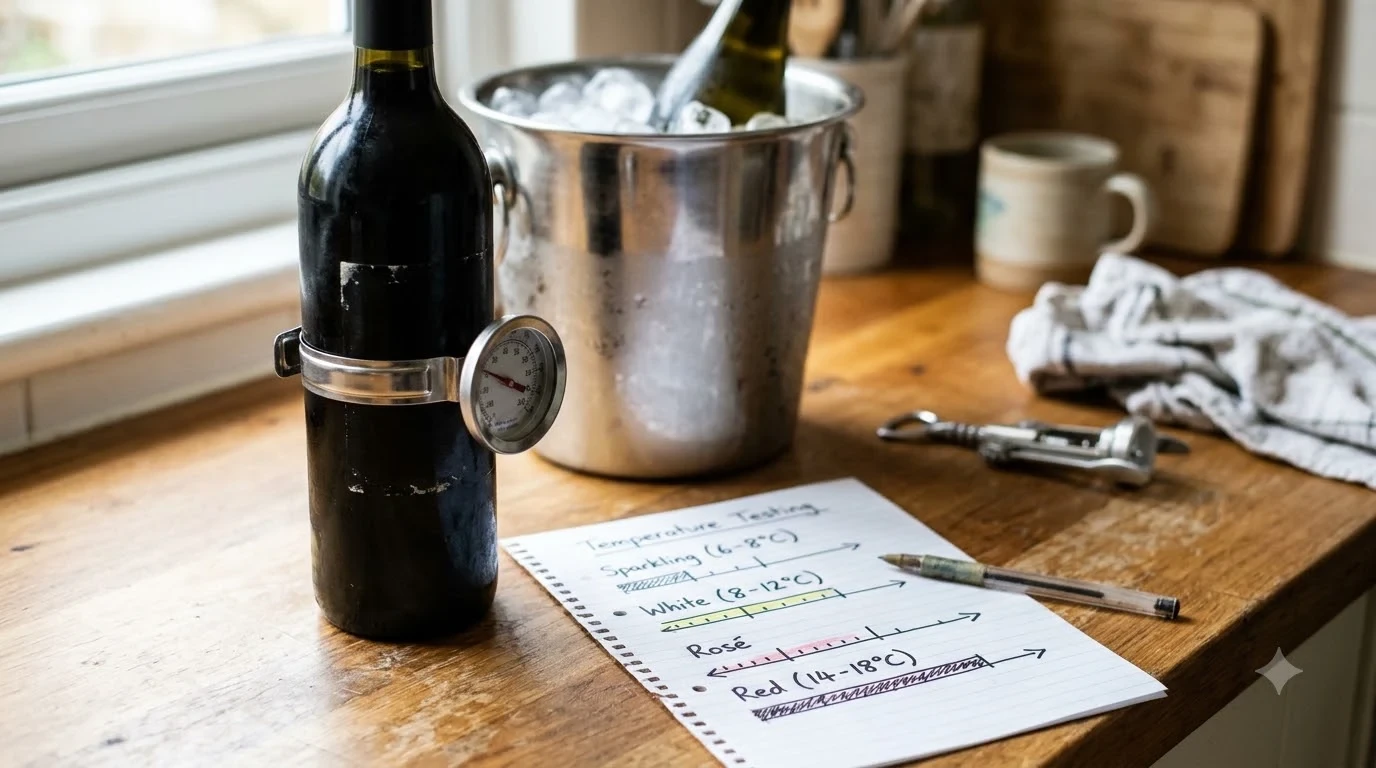
A storage temperature near 55 degrees Fahrenheit is a useful target for still wines. Avoid locations with repeated temperature fluctuations, such as kitchen cupboards beside ovens or cabinets exposed to direct sunlight.
For bottles with natural cork closures, horizontal storage helps keep the cork in contact with the wine. This is particularly useful if the bottle is being kept for an extended period rather than opened soon after purchase.
Serve Sauvignon Blanc and Chardonnay at suitable temperatures
Cloudy Bay Sauvignon Blanc is best served around 45 to 50 degrees Fahrenheit. This temperature range preserves its refreshing acidity and aromatic character without making the wine excessively cold.
For Chardonnay, a slightly warmer serving range of approximately 50 to 55 degrees Fahrenheit can allow more of its texture and aromatic detail to emerge. Taking the bottle out of a very cold refrigerator shortly before serving can help achieve this balance.
Serve Pinot Noir slightly cool
Pinot Noir is generally best served around 55 to 60 degrees Fahrenheit. Serving it too warm can make the alcohol seem more prominent, while excessive chilling can mute its aromas and texture.
Te Wāhi can benefit from the same general serving approach. Allowing the wine to warm gradually in the glass can help reveal its fruit, structure and regional character.
Use suitable glassware
A medium-sized white wine glass works well for Sauvignon Blanc and Chardonnay. A slightly larger bowl is useful for Pinot Noir because it provides more room for aromas to develop.
For Pelorus, use a sparkling wine glass that preserves the wine’s bubbles while allowing its aromas to remain accessible. A traditional flute is suitable, although a tulip-shaped sparkling glass offers a little more room for aromatic expression.
Preserve opened bottles
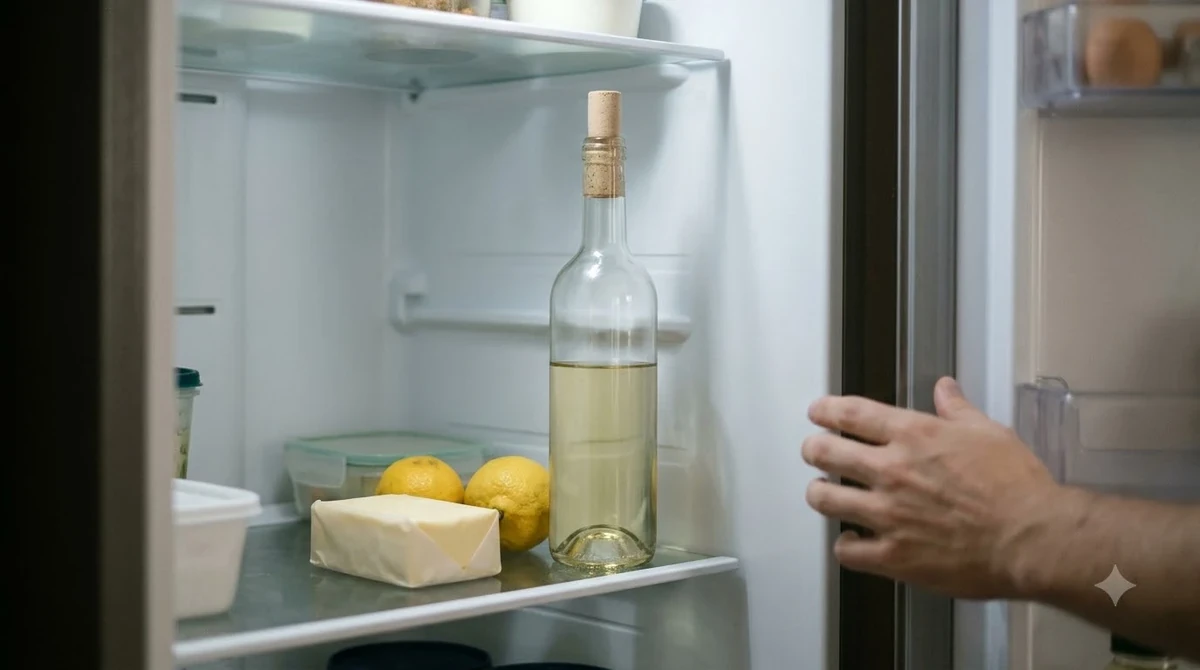
Refrigerate opened still wines and use a suitable closure to reduce oxygen exposure. As a general guideline, most opened still wines remain enjoyable for approximately three to five days when refrigerated properly.
For sparkling Pelorus, a proper sparkling wine stopper can help preserve carbonation. Opened sparkling wine is generally best consumed within one to three days, although freshness depends on the closure and storage conditions.
Buyers who purchase premium Cloudy Bay bottles for a future dinner should avoid opening them immediately after delivery if they have been exposed to significant temperature changes during shipping. Allow the bottle to settle in appropriate storage conditions before serving.
Frequently Asked Questions
Is Cloudy Bay owned by a larger wine company?
Cloudy Bay is part of the Moët Hennessy wine and spirits portfolio within LVMH. Its place in a larger luxury wine group helps explain its international distribution and premium positioning. The producer continues to emphasize Marlborough and Central Otago as the foundations of its wine identity.
Where is Cloudy Bay’s winery located?
Cloudy Bay is based in New Zealand’s Marlborough wine region and also has a presence in Central Otago. The producer’s official website identifies separate visitor experiences in Marlborough and Central Otago. These locations reflect the two major regional foundations of its still wine portfolio.
Does Cloudy Bay make wine from organic vineyards?
Cloudy Bay states that its Central Otago vineyards are farmed organically. It also reports that selected Estate blocks in Marlborough are trialing organic practices. This does not mean every Cloudy Bay vineyard or every bottle should automatically be described as certified organic.
What is the difference between Marlborough and Central Otago Pinot Noir?
Marlborough and Central Otago are distinct New Zealand wine regions with different vineyard conditions. Cloudy Bay’s Central Otago Te Wāhi draws on Calvert and Northburn, while its Marlborough Pinot Noir comes from the Southern Valleys. The regional distinction is a central part of the identity of each bottling.
Does Cloudy Bay produce large-format wine bottles?
Yes. Cloudy Bay has offered large-format Sauvignon Blanc, including magnum presentations. A magnum holds 1.5 liters, equivalent to two standard 750 ml bottles. Availability depends on the release and retailer, so buyers should distinguish large-format listings from standard bottle prices.
Cloudy Bay offers more than one way to experience New Zealand wine, from its recognizable Marlborough Sauvignon Blanc to barrel-fermented Te Koko and Central Otago Te Wāhi Pinot Noir. The best buying decision comes from matching the wine style, vintage and occasion to a realistic budget. Compare equivalent bottles across retailers, and choose the Cloudy Bay selection that best suits the experience you want.
More in Wine Brands
 Underwood Wine Price: Compare Bottles, Cans, and Pack SizesUpdated Nov 21, 2026
 Zenato Wine Price: Compare Styles and Choose the Right BottleUpdated Nov 21, 2026
 Zuccardi Wine Price: Compare Bottles and Find the Right RangeUpdated Nov 21, 2026
 Yellow Tail Moscato Review: Taste, Sweetness and Serving TipsUpdated Nov 21, 2026
 Wolf Blass Yellow Label Review: Choose Your Best StyleUpdated Nov 21, 2026
 Wolffer Estate Rose Review: Choose the Right Bottle for Your TableUpdated Nov 21, 2026