

We may earn a commission when you buy through links on this page, at no extra cost to you. Learn more.
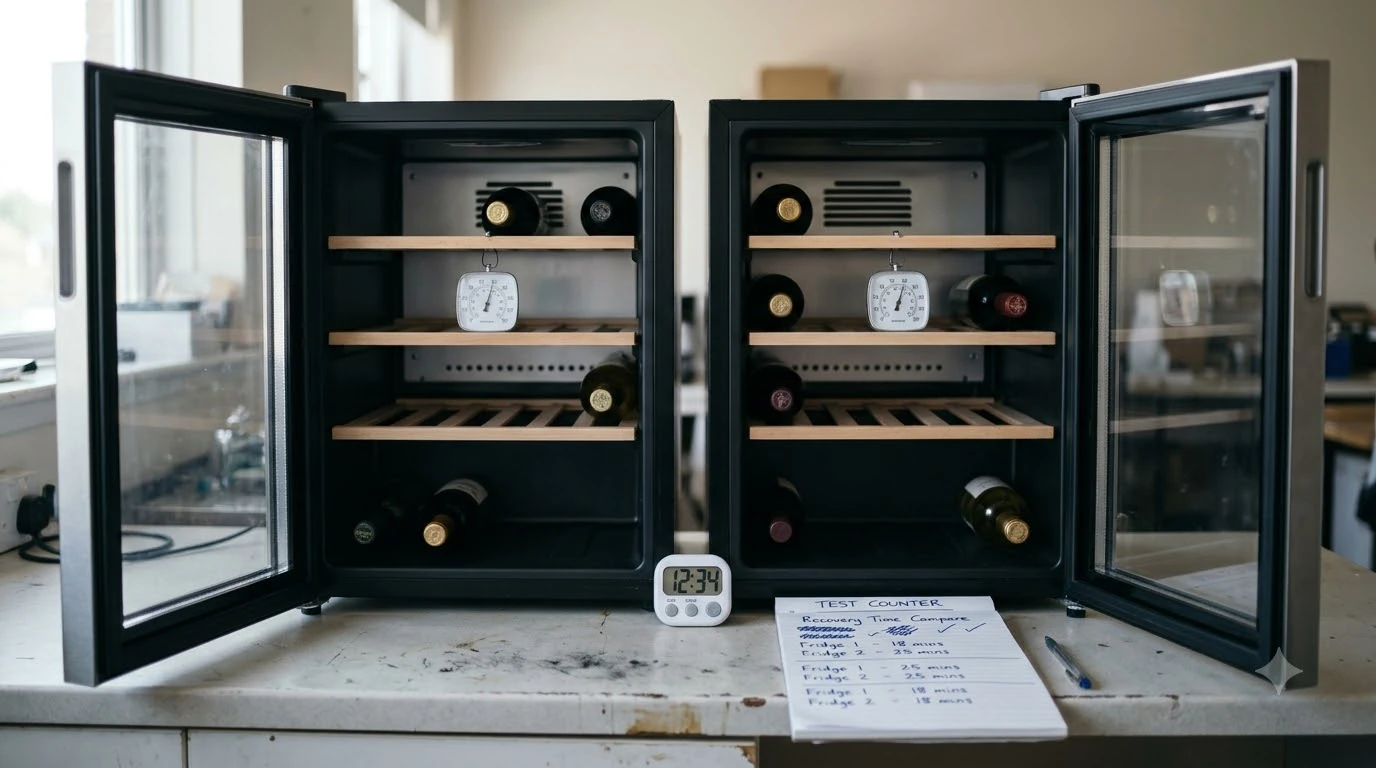
Orymuse wine fridge reviews suggest that ORYMUSE is worth considering for buyers who want compressor cooling, dual-zone storage, and a choice of compact and large-capacity refrigerators. The brand’s catalog includes small 12-bottle coolers, 24-inch and 30-inch wine and beverage refrigerators, and large cellars advertised for up to 200 bottles. Its features are appealing, but buyers should pay particular attention to installation dimensions, ventilation, warranty limitations, and the distinction between advertised specifications and independently documented owner experiences.
Choosing a wine refrigerator involves more than finding a cabinet that looks attractive in a kitchen or home bar. Temperature consistency, bottle capacity, shelf configuration, operating noise, and long-term support all affect whether a cooler works for your collection. ORYMUSE offers several configurations, so understanding its product families makes it easier to identify which models deserve a closer look.
Brand Overview: What to Know About ORYMUSE
ORYMUSE focuses on residential wine storage and beverage refrigeration, with products ranging from compact countertop appliances to large wine refrigerators. Its advertised selection targets homeowners who want dedicated wine storage, mixed beverage cooling, or a larger cabinet for an expanding bottle collection.
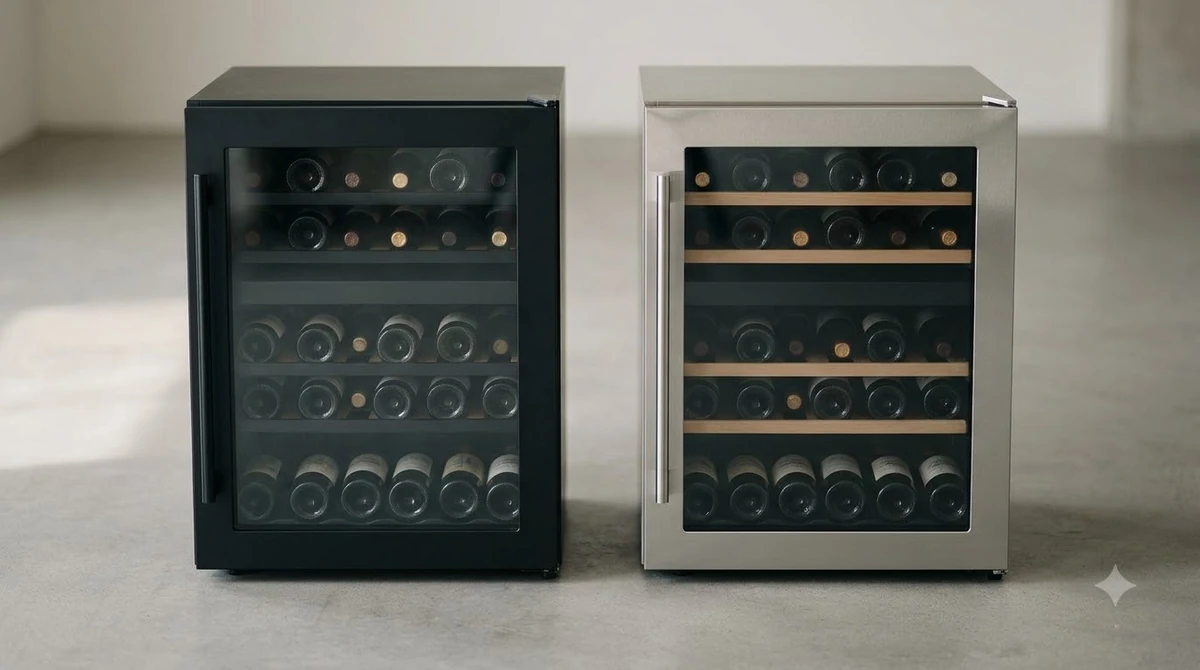
The brand’s official website presents compressor cooling, digital temperature controls, and dual-zone functionality as central features. Its product catalog also emphasizes glass doors, adjustable shelving, stainless steel finishes, and different installation configurations. These features place ORYMUSE in the category of appliance brands offering wine storage as part of a broader home beverage setup rather than specializing exclusively in traditional wine-cellar equipment.
One important distinction is that a wine refrigerator and a beverage refrigerator do not necessarily serve the same purpose. A wine cooler should accommodate wine bottles securely and maintain an appropriate storage environment. A beverage refrigerator may prioritize cans, beer bottles, and frequently accessed drinks instead. ORYMUSE sells both types, along with combination appliances intended to handle wine and other beverages simultaneously.
The official catalog identifies three broad product families: wine and beverage refrigerators, beverage refrigerators, and large wine fridges. Within those categories, the advertised capacities range from 12 bottles to 200 bottles. This variety makes the brand relevant to several household situations, from someone keeping a few bottles available for dinner to a collector who needs dedicated storage space.
However, buyers should distinguish between a brand’s advertised capabilities and independently verified long-term performance. Product descriptions establish what a manufacturer claims to provide, but they do not establish how a particular refrigerator will perform after years of continuous operation. An individual model’s manual, warranty terms, dimensions, and owner feedback are more useful purchasing evidence than broad marketing statements.
ORYMUSE also has different product configurations that may look similar in photographs but differ in bottle capacity, temperature ranges, shelving, and ventilation. A 24-inch wine and beverage center, for example, should not automatically be treated as interchangeable with a 24-inch wine-only cooler. Comparing the actual model information is essential before choosing a refrigerator for a particular space.
For shoppers comparing less familiar appliance brands, it can also help to examine other manufacturers’ product ranges. Our guides explain whether Black and Decker is a good brand and what buyers should consider when evaluating its household appliances.
Product Lines Explained: Wine Coolers, Beverage Centers and Large Cellars
ORYMUSE divides its refrigerators into three main categories, with advertised capacities ranging from 12 wine bottles to 200 bottles and beverage configurations that can accommodate substantial can collections. Choosing the right category is more important than choosing the largest advertised capacity.
The wine and beverage refrigerator category is designed for households that want separate storage areas for wine and everyday drinks. Depending on the model, these appliances combine independent cooling zones, adjustable shelving, glass doors, and under-counter installation options. They are particularly relevant for kitchens, entertainment areas, and home bars where wine and cold beverages need to be accessible together.
The beverage refrigerator family is more focused on cans and other drinks. The catalog includes a 24-inch beverage refrigerator advertised for up to 180 cans, a 15-inch model advertised for up to 130 cans, and an outdoor-rated beverage refrigerator. These models make more sense for people who prioritize drink storage rather than a dedicated wine collection.
The large wine fridge category is aimed at households with substantially more bottles. Its catalog includes 54-bottle and 175-bottle configurations, as well as models advertised for 180 and 200 bottles. Larger cabinets can reduce the need for multiple small refrigerators, although their physical dimensions, electrical requirements, and placement limitations deserve careful consideration.
| Product category | Advertised capacity | Main purpose | Typical buyer |
|---|---|---|---|
| Compact wine cooler | 12 bottles | Small wine collection | Apartment or occasional wine drinker |
| Wine and beverage refrigerator | 20 bottles and 88 cans on the HXYC120 | Separate wine and drink storage | Home bar or entertaining area |
| Large wine refrigerator | 54 bottles | Mid-sized wine collection | Regular wine buyer |
| Large-capacity wine fridge | 175 bottles | Dedicated wine storage | Growing collection |
| Large-capacity wine fridge | 200 bottles | Extensive wine storage | Serious home collector |
| Beverage refrigerator | 180 cans | Cold drinks and cans | Entertainment space |
These capacities are advertised figures, not a guarantee that every bottle shape will fit in the same arrangement. Standard Bordeaux bottles are generally easier to accommodate than wide Champagne bottles, Burgundy bottles, or unusually shaped bottles. Shelving layouts also affect how many bottles can be stored without removing racks or changing their positions.
The HXYC200-D manual provides a useful example of how a combination refrigerator is configured. It specifies room for 30 standard 750 ml wine bottles and 110 standard 12-ounce cans, with seven shelves in the wine zone and four in the beverage zone. Its left section operates between 35°F and 50°F, while its right section operates between 41°F and 64°F.
For a household that primarily stores wine, a dedicated wine refrigerator may offer a more suitable layout than a combination beverage center. Conversely, a household that regularly entertains guests may appreciate the convenience of having canned drinks and wine in separate compartments. The appropriate category depends on what needs to be refrigerated most often.
Buyers comparing ORYMUSE with other value-oriented appliance manufacturers can also read our overview of whether ROVSUN is a good brand before narrowing down their choices.
What the Brand Does Well
ORYMUSE’s most appealing selling points are its range of storage capacities, compressor-based cooling, and availability of dual-zone configurations. Those features address several practical needs that arise when storing different wine styles and beverages in the same household.
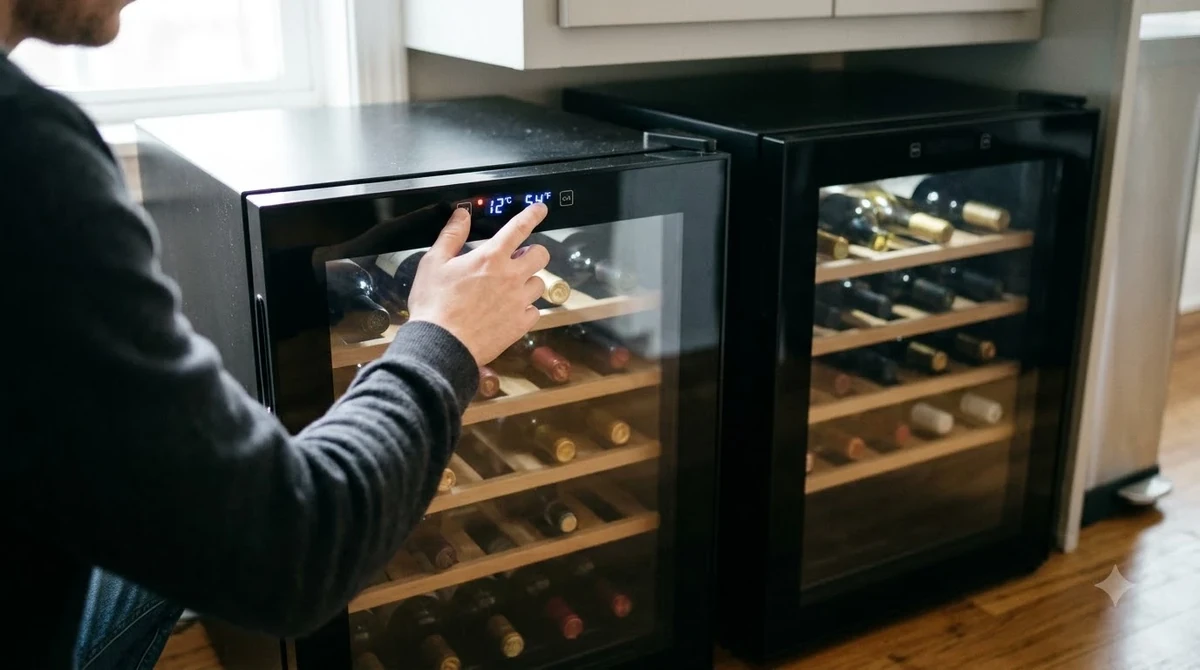
Compressor cooling is an important feature to consider. Compressor-based wine refrigerators use a refrigeration system similar in principle to conventional household refrigerators. This design is generally more appropriate for larger cabinets and higher cooling demands than small thermoelectric wine coolers. ORYMUSE advertises compressor cooling throughout its wine refrigerator range, although performance and noise levels can vary by model and installation environment.
Dual-zone temperature control is another useful feature. Separate temperature controls allow different sections to operate at different settings. For example, the HXYC200-D provides a beverage compartment with a 35°F to 50°F range and a wine compartment with a 41°F to 64°F range. This arrangement is useful for households that want cold drinks alongside wine stored at a less chilly temperature.
Independent temperature settings also make it easier to organize a mixed wine collection. White wines are commonly served around 45°F to 50°F, while light reds generally benefit from serving temperatures around 55°F to 60°F. A dual-zone refrigerator can help separate these requirements, provided the particular model offers suitable temperature ranges.
Flexible capacity is another advantage. Someone with 12 bottles does not necessarily need a 200-bottle cellar. ORYMUSE’s catalog includes compact models, medium-capacity refrigerators, and large cabinets, allowing buyers to select an appliance based on the collection they actually maintain.
Installation flexibility is useful for homeowners designing a kitchen or home bar. The product catalog identifies several 24-inch and 30-inch wine and beverage refrigerators as suitable for built-in or freestanding placement. Front ventilation is especially important for under-counter appliances because cooling equipment needs a suitable path for airflow.
Interior organization also receives attention in the manufacturer’s product descriptions. Depending on the model, buyers will find adjustable shelving, wooden shelves, glass doors, digital displays, and interior LED lighting. These features can make everyday bottle selection more convenient and help the refrigerator fit into a finished kitchen or entertainment area.
An independent review of the HXYC120 describes a 24-inch combination refrigerator with a listed capacity of 20 wine bottles and 88 cans. The reviewer summarizes recurring owner feedback as favorable toward the appearance, quiet operation, and dual-zone arrangement. That is useful model-specific context, although it should not be interpreted as proof that every ORYMUSE refrigerator shares the same performance characteristics.
Another consideration is the advertised one-year warranty and lifetime technical assistance. The warranty is limited, but having a published policy that identifies covered components and a claim procedure gives buyers a clearer starting point than relying entirely on informal seller messages.
Common Complaints and Potential Drawbacks
The main concerns to investigate before purchasing an ORYMUSE wine cooler involve delivery handling, physical installation, capacity limitations, and the relatively short written warranty period. These considerations matter because wine refrigerators are heavy appliances that operate continuously and may be installed in permanent cabinetry.
Delivery is an important practical issue. The independent HXYC120 review identifies reports of heavy handling, occasional shipping dents, and an exposed underside bar that could scratch floors. These are not necessarily cooling-system failures, but they can create problems during installation and initial setup.
A refrigerator weighing approximately 88 pounds, as listed for the HXYC120, is not an appliance that most buyers should plan to move alone. A second person can help position the unit, protect the floor, and avoid unnecessary pressure on the door or cabinet. Inspecting the exterior before installation also makes it easier to identify shipping damage promptly.
Capacity claims require attention. Advertised bottle counts normally assume standard bottle dimensions and a particular shelf arrangement. Champagne bottles, larger Burgundy bottles, and wider sparkling wine bottles may reduce the practical capacity. If a collection contains many nonstandard bottles, a smaller advertised capacity with flexible shelving may be more useful than a larger refrigerator with tightly spaced racks.
Noise expectations should remain realistic. ORYMUSE advertises quiet compressor operation, and the independent HXYC120 review reports positive owner comments about noise. Nevertheless, compressor refrigerators make mechanical sounds as they cycle. Their perceived noise can also change depending on floor level, cabinet construction, ventilation, and proximity to living spaces.
Installation errors can affect performance. A refrigerator placed too close to an oven, exposed to direct sunlight, or installed with blocked ventilation may struggle to maintain its temperature. The HXYC200-D manual specifically warns against blocked ventilation openings and recommends clearance for freestanding placement. These are important requirements rather than optional finishing details.
Long-term ownership evidence is another limitation. A collection of positive initial impressions does not establish how a compressor, temperature sensor, door seal, or electronic control panel will perform over several years. Buyers who prioritize proven long-term reliability should compare warranty coverage, replacement-part availability, and established service networks before committing.
There is also a meaningful distinction between a one-year limited warranty and lifetime technical support. Technical assistance can help with troubleshooting, but it does not mean that replacement parts or repairs remain free after the warranty expires.
Tip: Before ordering, save the exact model number, installation dimensions, and warranty terms. Photograph the refrigerator and packaging immediately after delivery, and keep the purchase confirmation in case you need to submit a damage or warranty claim.
How to Choose an ORYMUSE Wine Fridge Model
The best ORYMUSE model depends on the number of bottles you own, whether you need a beverage compartment, and where the appliance will be installed. Start with your actual collection and available space rather than choosing a refrigerator solely because it has the highest advertised capacity.
1. Match capacity to your collection
A 12-bottle cooler can be sufficient for someone who keeps a small selection of everyday wines. It can also work in an apartment or dining area where a full-size appliance would occupy too much space. However, buyers who regularly purchase cases of wine may find this capacity restrictive.
A 24-bottle or 54-bottle refrigerator provides more room for different grapes and styles. These sizes can accommodate a modest collection of Cabernet Sauvignon, Pinot Noir, Chardonnay, Sauvignon Blanc, and sparkling wines. A larger capacity also provides room for bottles intended for future occasions, although actual usable space depends on bottle dimensions and shelf layout.
For collectors with a substantial inventory, the advertised 175-bottle and 200-bottle configurations deserve attention. Before selecting one, consider whether the refrigerator’s internal arrangement supports the bottle shapes in your collection and whether its exterior dimensions fit the intended room.
2. Decide whether dual-zone cooling is necessary
A dual-zone refrigerator is useful if you want separate settings for wine and other beverages or different wine categories. The HXYC200-D, for example, has a beverage zone ranging from 35°F to 50°F and a wine zone ranging from 41°F to 64°F.
A single-zone refrigerator may be more appropriate if you mostly store one category of wine and prefer a consistent storage temperature throughout the cabinet. Long-term wine storage is commonly maintained near 55°F, so a suitable single-zone appliance can be a practical option for a collection that does not require separate serving temperatures.
3. Measure the installation opening
Measure the width, height, and depth of the available space before selecting a 24-inch or 30-inch appliance. These nominal width categories do not necessarily equal the precise exterior dimensions of the refrigerator. Account for handles, door movement, nearby cabinetry, electrical outlets, and the manufacturer’s ventilation requirements.
For an under-counter installation, verify that the model is specifically designed for built-in use. Front ventilation is particularly important because a freestanding model may require additional open space around its cabinet. A refrigerator that physically fits an opening is not automatically suitable for enclosed installation.
4. Evaluate shelves and bottle compatibility
Look closely at the shelf arrangement if you store a variety of wine bottles. Standard Bordeaux bottles are relatively straightforward to arrange, but wider sparkling wine bottles can require more space. Adjustable or removable shelves provide more flexibility, especially when storing different bottle shapes.
Also consider whether you prefer pull-out shelves or a more traditional cellar-style arrangement. Pull-out shelves make individual bottles easier to access, while a large wine cabinet designed around bottle storage may offer a layout better suited to a substantial collection.
5. Compare electrical and operating requirements
The HXYC200-D manual identifies a 115-volt electrical supply and a standard North American three-pin plug. Buyers should verify the electrical specifications for their particular model and make sure the intended outlet is compatible. A refrigerator intended for the US market should not be assumed to work safely with a different country’s electrical supply without checking its requirements.
Finally, consider where compressor noise might be noticeable. A refrigerator installed in a basement utility area may be less disruptive than one positioned directly beside a bedroom or quiet living space. Look for model-specific information rather than assuming that every unit will operate identically.
Shoppers who are still comparing brands can also review whether Galanz is a good brand to understand another option in the household refrigeration category.
Warranty and Customer Support
ORYMUSE publishes a one-year limited warranty for its wine coolers, beverage refrigerators, and dual-zone wine and beverage centers. Its policy also describes lifetime technical assistance, but buyers should understand that technical support and warranty-funded repairs are two different benefits.
The written warranty covers defects in materials and workmanship under normal household use during the first year after the original purchase date. Listed covered components include the compressor and compressor motor, cooling system, thermostat, temperature-control electronics, digital display, wiring, power supply, and interior LED lighting. Door hinges and locking mechanisms are also included where applicable.
There are several exclusions to understand before buying. The policy excludes damage resulting from improper installation, including inadequate ventilation clearance or placement in unsuitable environments. It also excludes misuse, neglect, unauthorized repairs, power surges, flooding, fire, and cosmetic damage that does not affect the refrigerator’s operation.
Normal wear and tear, including door seals and shelf coatings, is also excluded. Commercial or industrial use is not covered for products designed for residential use. This is particularly relevant to buyers considering a wine cooler for a restaurant, retail space, or other business environment.
The warranty policy says that customers do not need separate warranty registration. The purchase receipt serves as proof of purchase and establishes the warranty start date. Keeping the original order confirmation and the model number is therefore important.
To submit a claim, ORYMUSE instructs customers to provide their Amazon order number, product model name, and a description of the problem. Photographs are recommended when possible. The published policy directs customers to contact the support team through email or Amazon seller messaging and states that the team aims to respond within one to two business days.
The company also describes repair or replacement of a defective product or component at its discretion during the warranty period. Replacement products receive the remaining original warranty or 90 days, whichever is longer.
For prospective buyers, the main consideration is the difference between the stated coverage and the practical availability of service. A one-year warranty is relatively limited for a refrigerator expected to run continuously for many years. Buyers who prioritize extended protection should compare the warranty offered by competing manufacturers before making a final decision.
The full policy is available on the ORYMUSE warranty information page. Reading the exclusions and claim instructions before purchasing is a sensible way to avoid misunderstandings if the refrigerator develops a problem.
Frequently Asked Questions
Are ORYMUSE wine fridges made for long-term wine aging?
Some ORYMUSE models advertise features intended for wine storage, including compressor cooling, adjustable shelves, and temperature controls. However, suitability for extended aging also depends on temperature stability, vibration, humidity, and protection from light. Buyers planning to age valuable bottles for many years should investigate model-specific performance rather than relying on general product descriptions.
Can an ORYMUSE wine cooler store Champagne bottles?
Champagne bottles are generally wider than standard Bordeaux bottles, so they may not fit efficiently in every shelf configuration. Some adjustable or removable shelves can create additional room, but this may reduce the total number of bottles the refrigerator holds. Check the usable shelf width and clearance before purchasing if sparkling wine makes up a large part of your collection.
Does an ORYMUSE wine fridge need to remain plugged in continuously?
Yes, a compressor wine refrigerator needs a continuous electrical supply to maintain its selected temperature. Turning it off for extended periods allows the interior temperature to change with the surrounding room. During a power outage, the HXYC200-D manual recommends minimizing door openings to help retain the existing cold temperature.
Does ORYMUSE offer replacement shelves and door components?
The published warranty identifies several components covered during the first year, but that does not establish that every replacement shelf or accessory is stocked indefinitely. Contact the manufacturer’s support team with the exact model number to ask about availability and compatibility. Providing photographs of the existing component can also help clarify which replacement is needed.
How long should an ORYMUSE refrigerator settle after being moved?
The HXYC200-D manual specifically instructs owners to leave that refrigerator standing upright for at least 24 hours after delivery before connecting it to electricity. This allows the refrigerant system to settle after transportation. Moving or transporting other models may involve different instructions, so use the manual supplied with the exact refrigerator rather than assuming all configurations have identical requirements.
ORYMUSE offers a broad selection of wine and beverage refrigerators, with compact options for small collections and large cabinets for households that need substantially more storage. Its compressor cooling, dual-zone configurations, and installation choices make the brand worth comparing, but model-specific specifications and warranty limitations deserve careful attention. Before buying, compare the actual dimensions, usable bottle capacity, ventilation requirements, and service terms so the refrigerator fits both your collection and your home.
More in Brand Hubs
 Icyglee Wine Fridge: Compare Capacities, Features and ModelsUpdated Nov 20, 2026
 Fomup Wine Fridge: Explore Models, Features, and Buying TipsUpdated Nov 20, 2026
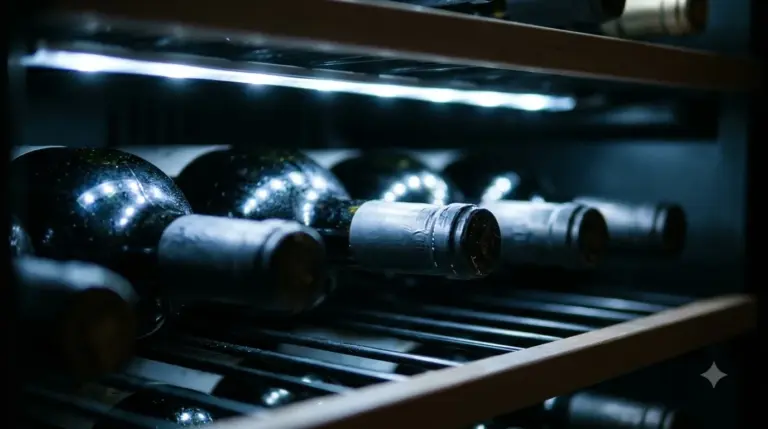 Aaobosi Wine Fridge: Compare Models and Choose the Right CoolerUpdated Nov 20, 2026
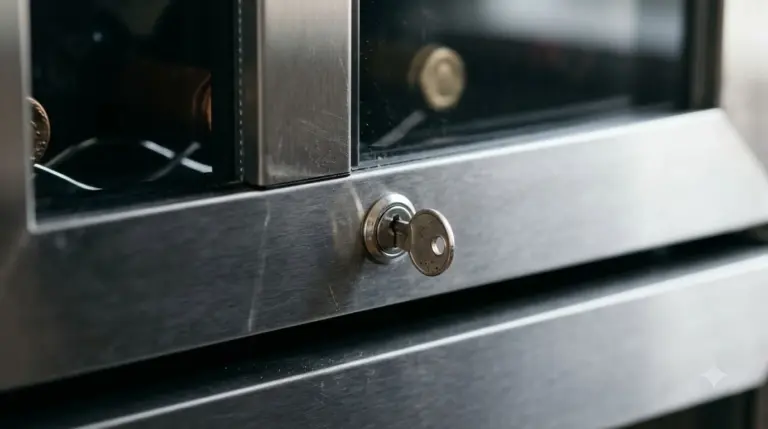 Tylza Wine Fridge: Find the Right Cooler for Your CollectionUpdated Nov 20, 2026
 Vintec Wine Fridge: Features, Warranty, and Buying AdviceUpdated Nov 20, 2026
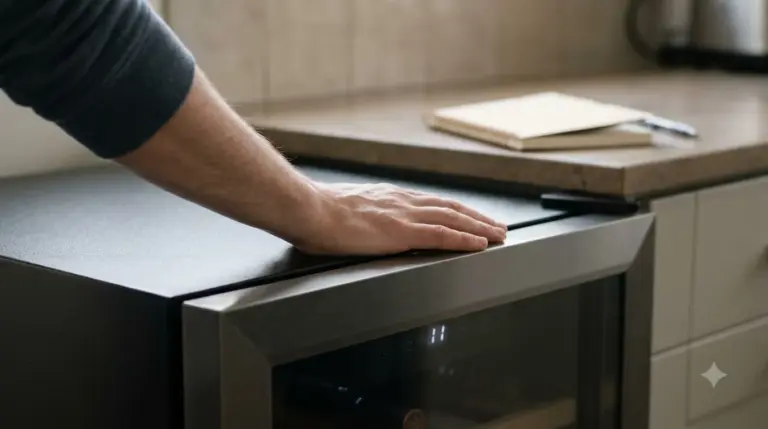 Phiestina Wine Cooler Options for Better Wine StorageUpdated Nov 20, 2026