

We may earn a commission when you buy through links on this page, at no extra cost to you. Learn more.
Is Dark Horse wine good? Yes, Dark Horse is a good choice for affordable, everyday California wine, particularly if you enjoy bold fruit flavors, noticeable oak, and approachable styles. Its Cabernet Sauvignon has earned strong critical recognition, while its Chardonnay, Merlot, Pinot Noir, and Sauvignon Blanc offer accessible alternatives for different preferences. It is not a substitute for every premium wine, but it delivers an appealing combination of familiar flavors, straightforward drinking, and versatility.
Dark Horse has become a recognizable name for shoppers looking for California wines without making the purchase complicated. Its range includes full-bodied reds, fruit-forward whites, and lighter options for casual meals. However, quality depends on the bottle you choose and the flavors you enjoy. Understanding the brand’s style, the differences between its grape varieties, and how its wines compare with your expectations will help you decide whether Dark Horse deserves a place in your regular wine selection.
Who Should Buy Dark Horse Wine?
Dark Horse is best suited to wine drinkers who want approachable California wines with recognizable fruit flavors and relatively straightforward drinking styles. Its Cabernet Sauvignon, Chardonnay, and Merlot are particularly appealing to people who enjoy generous flavors rather than delicate, restrained expressions.
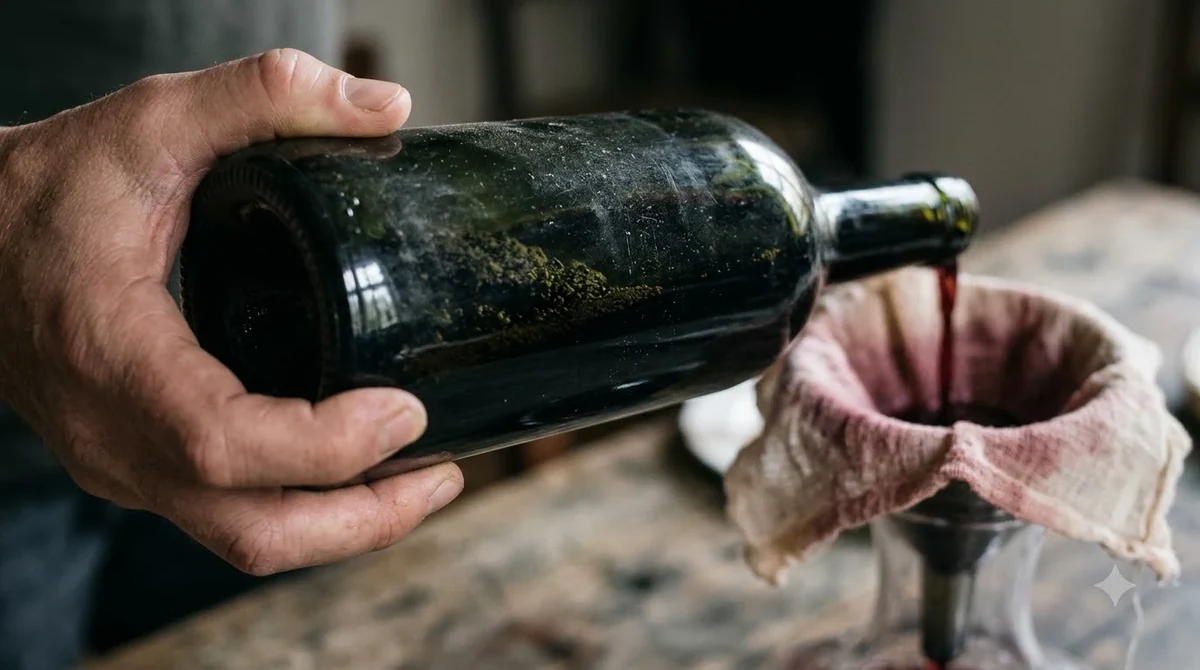
One of the brand’s main attractions is its variety. Someone who enjoys blackberry, dark chocolate, and toasted oak in a red wine can choose Cabernet Sauvignon, while a person who prefers baked apple, pear, and vanilla-like oak characteristics can select Chardonnay. Sauvignon Blanc and Pinot Grigio provide alternatives for drinkers who prefer brighter, fresher white wines.
Dark Horse is especially worth considering for several types of wine drinkers:
- Everyday wine drinkers: If you regularly open wine with dinner, Dark Horse offers familiar varieties that are easy to understand and pair with ordinary meals.
- Cabernet Sauvignon fans: Its Cabernet has a substantial flavor profile, with dark fruit, coffee, toasted oak, and firm tannins.
- Oaky Chardonnay enthusiasts: The Chardonnay is a sensible starting point for people who enjoy baked apple, pear, caramel, and toasted oak.
- New wine drinkers: Recognizable grape varieties and accessible fruit flavors make the lineup relatively easy to explore.
- Hosts buying for mixed preferences: A combination of Cabernet Sauvignon, Chardonnay, and Sauvignon Blanc can cover several different food and wine preferences.
However, Dark Horse will not suit everyone. Drinkers who prefer restrained alcohol, delicate aromas, minimal oak, or highly distinctive vineyard expressions may find some bottles too powerful or straightforward. Cabernet Sauvignon, in particular, is not the best starting point for someone who dislikes tannin or concentrated dark fruit.
It is also important to distinguish between a good everyday wine and an exceptional wine intended for a special occasion. Dark Horse generally focuses on approachable, flavor-forward California wines rather than complex, age-worthy expressions with extensive vineyard character. That is not necessarily a weakness. A wine should be judged partly by how successfully it fulfills its intended purpose.
For readers comparing different producers, the broader Wine Brands category offers another way to explore styles, regions, and winemaking approaches before selecting a bottle.
Key Factors to Compare Before Buying Dark Horse
The most useful way to evaluate Dark Horse is to compare grape variety, body, acidity, tannin, and flavor intensity rather than treating every bottle as having the same personality. Cabernet Sauvignon and Chardonnay receive particular attention, but the other varieties offer meaningful differences.
The following table summarizes the main characteristics of the brand’s commonly available styles. Flavor descriptions are based on the producer’s information and retailer descriptions, while body and acidity comparisons reflect the typical characteristics of the grape varieties.
| Wine | Typical body | Main flavor direction | Best suited to |
|---|---|---|---|
| Cabernet Sauvignon | Full | Blackberry, plum, coffee, toasted oak | Steak and burgers |
| Merlot | Medium to full | Dark berries, mocha, molasses, spice | Roasted meat and pasta |
| Pinot Noir | Light to medium | Red cherry, raspberry, cedar | Chicken and mushroom dishes |
| Red Blend | Medium to full | Dark berries and black currant | Grilled food and casual dinners |
| Chardonnay | Medium to full | Baked apple, pear, toasted oak | Roast chicken and creamy pasta |
| Sauvignon Blanc | Light to medium | Citrus, grapefruit, tropical fruit | Seafood and salads |
| Pinot Grigio | Light | Apple, pear, lemon | Light meals and appetizers |
| Rosé | Light to medium | Red berries and fresh fruit | Summer meals and appetizers |
Flavor intensity
Dark Horse generally emphasizes recognizable fruit flavors, with oak playing a noticeable supporting role in several wines. The Cabernet Sauvignon is a particularly good example. The producer describes dark berries, freshly ground coffee, toasted oak, cola, dark chocolate, and cinnamon, while Wine Enthusiast identifies blackberry, boysenberry, black licorice, dried herbs, and orange zest in its review of the 2022 vintage.
This combination makes the wine appealing to people who enjoy concentrated flavors. However, it can be too intense for someone who prefers subtle reds with lighter fruit and restrained oak. A more delicate Pinot Noir is likely to be a better starting point for that preference.
Body and tannin
Body describes how heavy or substantial a wine feels in the mouth. Tannin contributes a drying, sometimes gripping sensation, particularly in red wines. Cabernet Sauvignon typically has high tannin, Merlot has medium and softer tannin, and Pinot Noir generally has low-to-medium tannin with relatively high acidity.
These differences matter more than choosing a bottle simply because it has an attractive name. Someone who enjoys a firm finish and concentrated dark fruit may prefer Cabernet Sauvignon, while a drinker looking for a softer red can start with Merlot or Pinot Noir.
Alcohol and structure
Alcohol also influences how substantial a wine feels. Wine Enthusiast lists the reviewed 2022 Dark Horse Cabernet Sauvignon at 14.5% ABV, which helps explain why it can feel warm and full-bodied compared with lighter red wines. This figure applies to that particular reviewed vintage, not automatically to every Dark Horse bottle.
For a more detailed look at the producer’s range, see our Dark Horse wine overview, which provides a useful starting point for comparing individual varieties.
Step-by-Step: How to Choose the Right Dark Horse Wine
Choosing a suitable Dark Horse bottle becomes much easier when you start with your preferred flavor profile and intended meal. Five simple steps can narrow the range without requiring extensive wine knowledge.
-
Decide whether you want red, white, or rosé.
Start with the broadest distinction. Choose a red if you enjoy darker fruit, more structure, and tannin. Select a white for freshness, citrus, or apple flavors. Choose rosé if you want a dry, fruit-forward option that works across several casual occasions.
-
Choose the grape variety based on your preferred flavors.
Cabernet Sauvignon is the natural choice for blackberry, plum, coffee, and firm tannins. Merlot offers softer dark-fruit characteristics. Pinot Noir brings red cherry, raspberry, and lighter structure. For whites, Chardonnay emphasizes apple, pear, and oak, while Sauvignon Blanc focuses on citrus and tropical fruit.
-
Consider the meal you plan to serve.
Match the wine’s structure to the food. Cabernet Sauvignon works particularly well with grilled steak and burgers. Chardonnay complements roast chicken and creamy pasta. Sauvignon Blanc suits seafood and salads, while Pinot Noir can accompany mushroom dishes and roasted poultry.
-
Consider how much oak you enjoy.
Some Dark Horse wines have prominent toasted oak characteristics. Chardonnay is a particularly relevant choice for drinkers who enjoy baked apple, pear, caramel, and toast. If you prefer a fresher flavor profile, Sauvignon Blanc or Pinot Grigio may be a better match.
-
Choose the appropriate bottle size and occasion.
A standard 750 ml bottle provides approximately five servings when poured at 5 oz each. For a smaller gathering or a meal for two, a 375 ml bottle offers approximately two and a half standard servings. This makes bottle size a practical consideration when selecting wine for a particular occasion.
These steps are particularly useful if you are buying Dark Horse for someone else. A bottle of Cabernet Sauvignon might appeal to a person who regularly drinks bold reds, but it is a less reliable gift for someone whose usual preference is crisp white wine.
Tip: If you are unfamiliar with the brand, start with one red and one white rather than buying several bottles of the same variety. A Cabernet Sauvignon and a Sauvignon Blanc provide a useful contrast in body, tannin, acidity, and flavor intensity.
It is also sensible to consider the occasion. A weeknight pasta dinner may call for Merlot or Chardonnay, while a grilled steak dinner provides a stronger reason to open Cabernet Sauvignon. The best bottle is the one that complements the food and matches the preferences of the people drinking it.
Dark Horse Wine Types and Styles Explained
Dark Horse offers several recognizable wine styles, each designed around a different combination of fruit, body, acidity, and oak. The Cabernet Sauvignon and Chardonnay are particularly useful reference points, but Merlot, Pinot Noir, Sauvignon Blanc, and Pinot Grigio deserve consideration too.
Dark Horse Cabernet Sauvignon
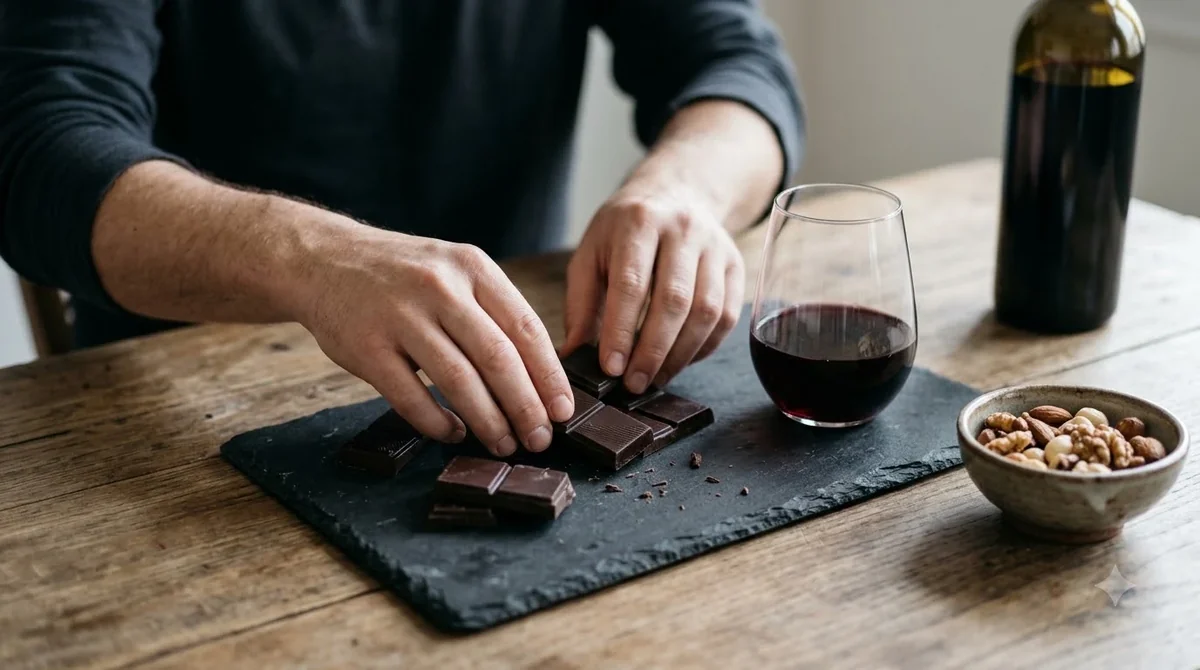
Cabernet Sauvignon is one of the most recognizable wines in the Dark Horse lineup. It is a full-bodied red with concentrated dark fruit, noticeable structure, and oak-influenced flavors. The producer identifies blackberry, plum, coffee, toasted oak, cola, dark chocolate, and cinnamon among the characteristics of its 2022 release.
The 2022 vintage received 91 points and a Best Buy designation from Wine Enthusiast. The publication’s tasting description includes blackberry, boysenberry, black licorice, orange zest, black pepper, and dried herbs. Its published scoring system places 90 to 93 points in the Excellent category. The Wine Enthusiast review of Dark Horse 2022 Cabernet Sauvignon provides the full tasting assessment and rating.
That recognition provides meaningful evidence that Dark Horse Cabernet can deliver quality beyond a basic, undistinguished table wine. However, one vintage’s rating does not guarantee that every vintage will perform identically. Cabernet Sauvignon is best for drinkers who enjoy substantial red wines and foods that can stand up to firm tannins.
For a closer examination of its flavor profile and food pairings, see our Dark Horse Cabernet article.
Dark Horse Chardonnay
Chardonnay is another strong option, especially for people who enjoy fuller white wines with fruit and oak characteristics. Total Wine describes the wine with baked apple and pear, toasted oak, caramel, and brown spice. The producer’s description also identifies apple, ripe stone fruit, and toasted oak.
This is a different experience from a crisp, citrus-driven white. The oak influence creates a rounder impression, while ripe fruit characteristics give the wine a generous flavor profile. It is a useful choice for roast chicken, baked fish, mushroom pasta, and dishes with creamy sauces.
Chardonnay typically has medium acidity, so it is generally less sharply refreshing than Sauvignon Blanc. It should be served around 50 to 55 degrees Fahrenheit to allow its fruit and oak characteristics to show without becoming excessively warm.
Readers who particularly enjoy richer white wines can explore our Dark Horse Chardonnay review for a closer look at this variety.
Dark Horse Merlot
Merlot is a sensible alternative to Cabernet Sauvignon for drinkers who enjoy dark fruit but want a softer tannin structure. Total Wine describes Dark Horse Merlot with jammy dark fruit, toasted oak, molasses, brown spice, and mocha aromas.
Typical Merlot has medium tannin and a smoother mouthfeel than Cabernet Sauvignon. That makes it suitable for roasted chicken, meatloaf, tomato-based pasta, grilled pork, and burgers. Its fruit-forward character also makes it approachable for people who are still learning which red wines they enjoy.
Dark Horse Pinot Noir
Pinot Noir is the better choice for someone who does not want a particularly heavy red wine. Total Wine describes Dark Horse Pinot Noir as medium-bodied, with raspberry, cedar, red cherry, light tannins, and a lingering finish.
Pinot Noir generally has higher acidity and lower tannin than Cabernet Sauvignon. This difference makes it useful with roast chicken, mushrooms, salmon, and dishes containing herbs. It can also be served slightly cooler than a full-bodied red, around 55 to 60 degrees Fahrenheit.
Dark Horse Sauvignon Blanc and Pinot Grigio
Sauvignon Blanc is the fresher, more aromatic direction in the lineup. The producer describes it with tropical fruit and a crisp finish, while Total Wine highlights citrus and tropical fruit characteristics. Its typically high acidity makes it a natural companion for seafood, goat cheese, salads, and vegetable dishes.
Pinot Grigio offers another refreshing white option. Dark Horse describes it as dry and crisp, with fresh fruit characteristics. Total Wine identifies apple, lemon, and subtle minerality in its description. It is particularly suitable for light lunches, appetizers, shellfish, and simply prepared white fish.
Dark Horse Red Blend and Rosé
The Red Blend offers an alternative for people who want a red wine without committing to a single grape variety. Total Wine describes one version as a blend of Malbec, Syrah, Tempranillo, and Merlot sourced from Argentina, California, and Australia, with dark berry and black currant characteristics.
Rosé is a different proposition. Total Wine describes Dark Horse Rosé as dry, with fresh red fruit, subtle minerality, floral notes, and a crisp finish. It can work with grilled vegetables, salads, seafood, and light appetizers. Its versatility makes it a useful choice for outdoor meals and casual gatherings.
Common Mistakes When Buying Dark Horse Wine
The biggest mistake is assuming that all Dark Horse wines taste alike or that a recognizable brand name guarantees a particular flavor experience. The differences between Cabernet Sauvignon, Chardonnay, Pinot Noir, and Sauvignon Blanc are substantial enough to change how each bottle works with food and personal preferences.
Expecting every bottle to taste sweet
Dark fruit flavors do not automatically mean that a wine contains significant residual sugar. Cabernet Sauvignon can taste like ripe blackberry, plum, and chocolate while still being dry. Merlot can have jammy fruit characteristics without tasting like a sweet dessert wine.
This distinction is important for people who are trying to avoid unexpectedly sweet wines. Fruitiness describes flavor impressions, while sweetness describes the amount of sugar perceived in the wine. A ripe, fruit-forward red can still finish completely dry.
Assuming Cabernet Sauvignon is automatically the best choice
Cabernet Sauvignon receives considerable attention because of its strong flavor profile and the recognition given to the reviewed 2022 vintage. However, it is not necessarily the most suitable wine for every drinker.
Someone who enjoys delicate red wines, higher acidity, and softer textures may prefer Pinot Noir. Someone who enjoys a rounder red with less aggressive tannin may prefer Merlot. Choosing according to preference is more useful than selecting the most recognizable grape variety.
Serving red wine too warm
Room temperature is not always the ideal serving temperature for red wine. A warm room can make alcohol seem more pronounced and fruit flavors less balanced. Light reds generally benefit from serving temperatures around 55 to 60 degrees Fahrenheit, while fuller reds are better around 60 to 65 degrees.
Dark Horse Cabernet Sauvignon is a full-bodied red, so a slight cooling period can help it taste more balanced. Merlot and Pinot Noir can also benefit from avoiding excessively warm serving conditions.
Serving white wine excessively cold
White wine should be chilled, but very low temperatures can make its aromas and flavors difficult to appreciate. A full-bodied Chardonnay generally shows better around 50 to 55 degrees Fahrenheit, while a lighter Sauvignon Blanc or Pinot Grigio works well around 45 to 50 degrees.
Removing a bottle from the refrigerator shortly before serving gives the wine an opportunity to warm slightly in the glass. This is particularly useful for Chardonnay, where the fruit and oak characteristics are an important part of the drinking experience.
Pairing bold wine with delicate food
Food pairing is another area where choosing the wrong bottle can create disappointment. A full-bodied Cabernet Sauvignon may overwhelm a lightly seasoned white fish fillet. Likewise, a high-alcohol, tannic red can make chili heat seem more intense.
Match the structure of the wine with the intensity of the meal. Salt and fat can soften tannin, which helps explain why Cabernet Sauvignon works well with grilled steak. Sauvignon Blanc, with its higher acidity, is generally a more natural partner for fresh seafood and citrus-based dishes.
Judging the entire brand from one vintage
Wine is an agricultural product, so vintage conditions and winemaking decisions can affect the final result. The producer’s 2022 Cabernet Sauvignon description, for example, mentions temperature variations and slightly lower harvest yields in that growing season.
A strong review of one Cabernet vintage is encouraging, but it should not be treated as proof that every Dark Horse variety or subsequent release has identical quality. Evaluate individual wines according to their own characteristics rather than assuming the entire range performs uniformly.
Dark Horse Wine Serving and Storage Tips
Proper serving temperature, bottle storage, and handling after opening can make a noticeable difference to the drinking experience. Dark Horse wines are generally designed for approachable enjoyment, so careful temperature control and sensible storage are more important than elaborate preparation.
Recommended serving temperatures
Use the following temperature ranges as a practical starting point for the main Dark Horse varieties:
- Cabernet Sauvignon: 60 to 65 degrees Fahrenheit.
- Merlot: 60 to 65 degrees Fahrenheit.
- Pinot Noir: 55 to 60 degrees Fahrenheit.
- Chardonnay: 50 to 55 degrees Fahrenheit.
- Sauvignon Blanc: 45 to 50 degrees Fahrenheit.
- Pinot Grigio: 45 to 50 degrees Fahrenheit.
- Rosé: 45 to 50 degrees Fahrenheit.
The producer recommends chilling its white wines for at least 2 hours before enjoying them. That is a practical starting point when preparing Chardonnay, Sauvignon Blanc, or Pinot Grigio. A refrigerator is generally sufficient for ordinary household serving, although an inexpensive wine thermometer can help if temperature precision matters.
Decanting red wines
Decanting is not essential for every bottle of Dark Horse wine. However, a young, full-bodied Cabernet Sauvignon can benefit from 30 to 60 minutes of aeration. Exposure to air can soften the initial impression and allow aromas of dark fruit, spice, and oak to become more expressive.
Merlot may also benefit from a brief period in a decanter, although this is largely a matter of personal preference. Pinot Noir generally requires less aeration because it is lighter-bodied and more delicate.
There is no need to decant a bottle simply because it is red. Pouring a glass and allowing it to develop naturally over 10 to 15 minutes is often enough for a casual meal.
Storing unopened bottles
Store unopened wine in a cool, dark location with a reasonably stable temperature. A temperature near 55 degrees Fahrenheit is a useful target for longer-term storage. Avoid leaving bottles in direct sunlight, beside ovens, or in locations with substantial temperature changes.
For traditional cork-closed bottles, horizontal storage keeps the cork in contact with the wine. Dark Horse uses screw caps, according to its official FAQ, so horizontal storage is not required to prevent the closure from drying out. Keeping the bottle away from heat and sunlight remains important.
Dark Horse’s FAQ recommends enjoying its unopened wines within 2 years. This is a useful indication that the range is intended primarily for relatively early consumption rather than extended cellar aging. There is little reason to hold an ordinary everyday bottle for many years in the hope that it will improve dramatically.
Keeping opened bottles fresh
The screw cap is a practical feature because it makes resealing straightforward. Once a bottle is opened, replace the cap securely and refrigerate the remaining wine, including red wines. Refrigeration slows oxidation and helps preserve freshness.
As a general guideline, opened still wines usually remain enjoyable for approximately 3 to 5 days when properly refrigerated. Sparkling wines typically last 1 to 3 days with an appropriate sparkling-wine stopper, while fortified wines can remain drinkable for several weeks depending on their style and storage.
The producer’s FAQ states that resealed Dark Horse wines can last up to a week. That should be viewed as an upper guideline rather than a guarantee that every bottle will retain its original aromas and flavors for seven days. A wine’s freshness gradually changes after opening, so drinking it sooner generally provides a better experience.
Frequently Asked Questions
Is Dark Horse wine considered a good wine brand?
Yes, Dark Horse is a recognizable California wine brand with an established portfolio of everyday varieties. Its wines have received recognition in international competitions, including awards listed for its Cabernet Sauvignon and Chardonnay. The brand is particularly relevant to shoppers who prioritize approachable flavors over collectible or cellar-focused wines.
Is Dark Horse wine vegan?
Vegan suitability cannot be confirmed for the entire Dark Horse range from the available general product information. Some winemaking fining agents can be derived from animal products, even when the finished wine does not visibly contain them. Anyone following a vegan diet should seek confirmation for the specific wine and production batch rather than assuming every bottle is suitable.
Does Dark Horse wine have screw caps or corks?
Dark Horse uses screw caps rather than traditional cork closures, according to its official FAQ. This makes opening and resealing bottles straightforward without a corkscrew. The producer also describes the caps as recyclable, making the closure a practical feature for casual wine drinkers.
Does Dark Horse make sparkling wine?
Yes, the brand’s portfolio includes Brut Bubbles and Rosé Bubbles in 375 ml bottles, according to its official wine lineup. These smaller formats are useful for individual occasions or smaller gatherings. Sparkling wine should generally be served around 40 to 50 degrees Fahrenheit to preserve its refreshing character and bubbles.
Can Dark Horse wine be used for cooking?
Yes, suitable Dark Horse wines can be used in cooking when their flavors complement the recipe. Cabernet Sauvignon and Merlot work in beef stews, tomato-based sauces, and red-wine reductions, while Chardonnay can be used in creamy sauces and chicken dishes. Avoid cooking with a wine that has developed obvious spoilage aromas, and remember that reducing wine concentrates its acidity and flavor.
Dark Horse is a worthwhile option if you want accessible California wine with generous fruit flavors and familiar grape varieties. Its Cabernet Sauvignon is a particularly convincing choice for fans of bold reds, while Chardonnay, Merlot, Pinot Noir, and Sauvignon Blanc give the range broader appeal. Start with the variety that matches your usual preferences, serve it at the right temperature, and judge the bottle on its own merits rather than expecting every wine from the brand to taste the same.
More in Wine Brands
 Underwood Wine Price: Compare Bottles, Cans, and Pack SizesUpdated Nov 21, 2026
 Zenato Wine Price: Compare Styles and Choose the Right BottleUpdated Nov 21, 2026
 Zuccardi Wine Price: Compare Bottles and Find the Right RangeUpdated Nov 21, 2026
 Yellow Tail Moscato Review: Taste, Sweetness and Serving TipsUpdated Nov 21, 2026
 Wolf Blass Yellow Label Review: Choose Your Best StyleUpdated Nov 21, 2026
 Wolffer Estate Rose Review: Choose the Right Bottle for Your TableUpdated Nov 21, 2026